Newsletters


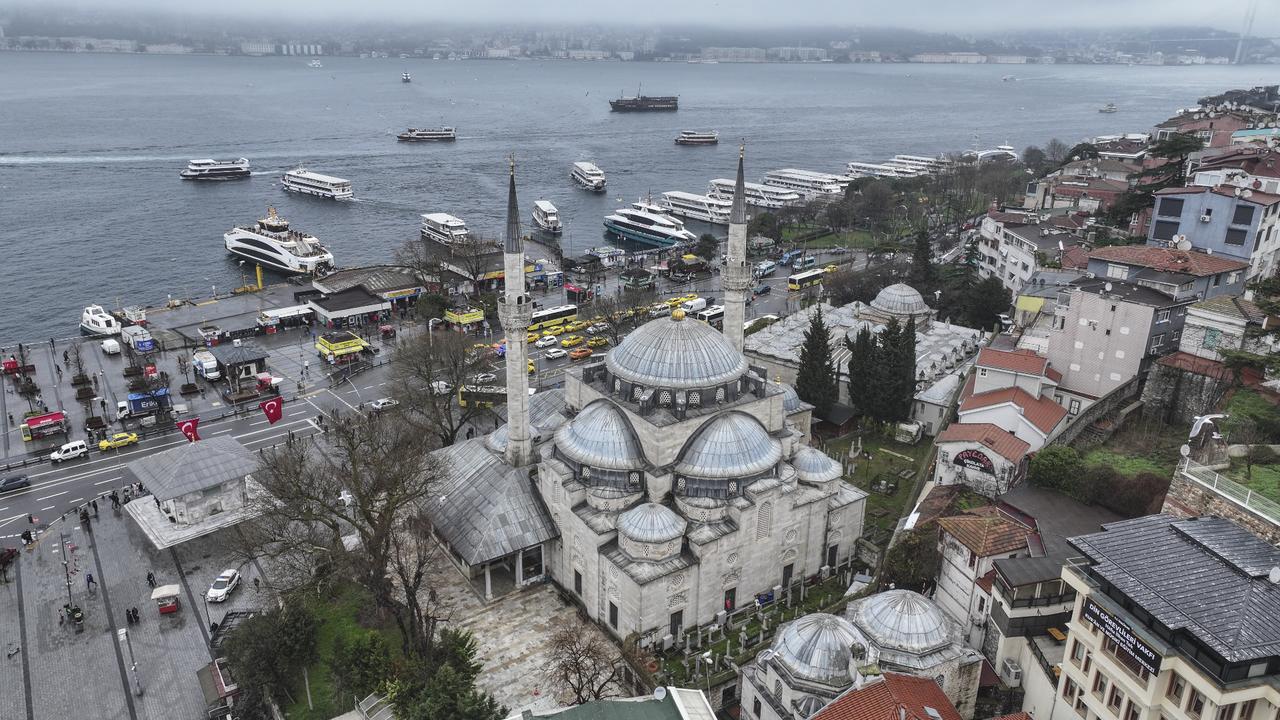
Standing beside the ferry pier in Uskudar, the Mihrimah Sultan Mosque looks out over the Bosphorus and forms a defining element of Istanbul’s historic skyline. Built in the 1540s in the name of Mihrimah Sultan, the daughter of Ottoman ruler Sultan Suleiman I, the mosque reflects the early classical style of the imperial architect Mimar Sinan. Because of its waterfront position, travelers arriving in the city from Anatolia historically encountered the structure as one of the first monumental buildings marking their entry into Istanbul, giving it both symbolic and visual importance.
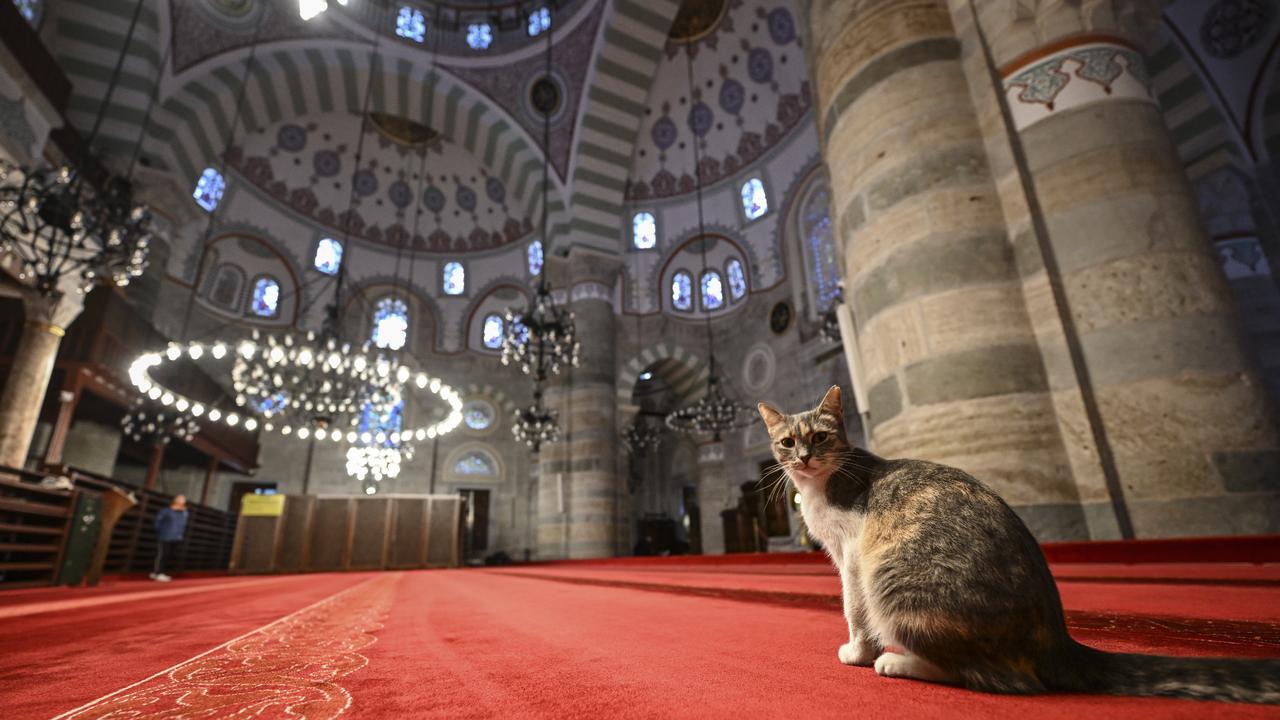
Constructed shortly after Sinan became chief imperial architect and around the same period as the Sehzade Mosque, the complex represents one of his first major architectural ensembles. The mosque forms part of a larger külliye, an Ottoman social complex that combined religious, educational, and charitable services. Alongside the mosque stood a madrasa (theological school), a sibyan mektebi (primary school for children), an imaret (public soup kitchen), commercial buildings, water systems, fountains, and service facilities designed to sustain both worship and daily community life.
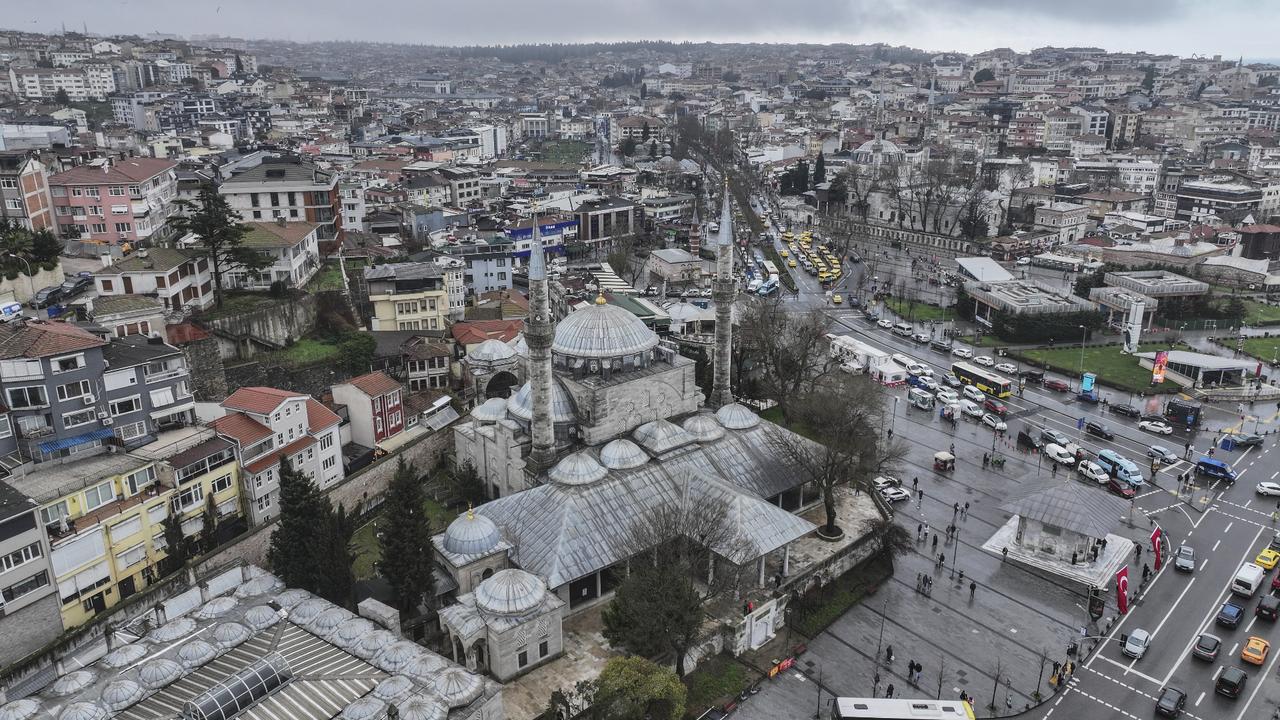
Unlike many imperial mosques, the structure adapts itself to a narrow coastal site, which led Sinan to move away from the traditional courtyard layout. The prayer hall is covered by a central dome supported by three semi-domes, while the side facing the Bosphorus was intentionally left without one, creating a more open architectural composition. As academic Mahmut Sami Kanbas explained, “By not placing a semi-dome on the side facing the Bosphorus, he tried to apply a more open mosque plan overlooking the strait,” allowing the building to stand out clearly to those passing by sea while shaping the Uskudar silhouette.
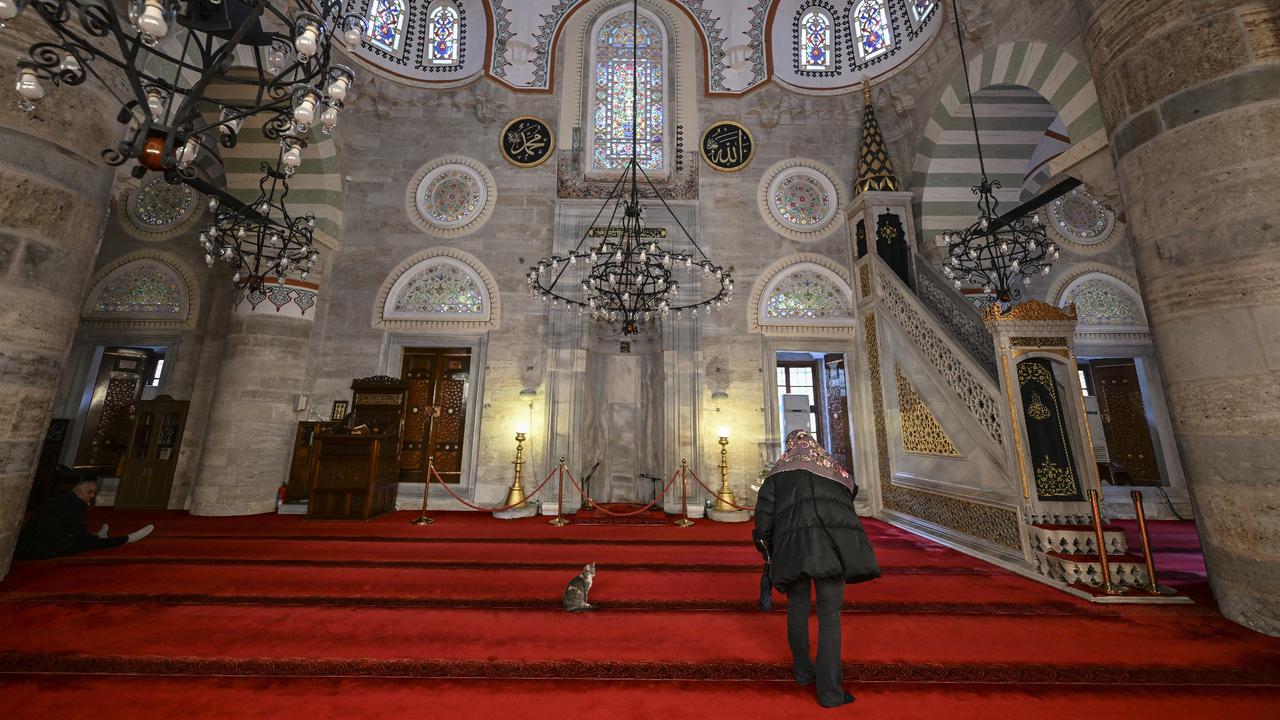
Ottoman mosques were planned as self-sustaining social centers rather than solely prayer spaces. According to Kanbas, foundations supporting the mosque generated income through markets, shops, and commercial buildings, while nearby educational and charitable institutions met the needs of residents and travelers alike. Caravanserais offered rest stops for people moving between Istanbul and Anatolia, creating an integrated environment where individuals could meet religious, educational, and social needs in one location.
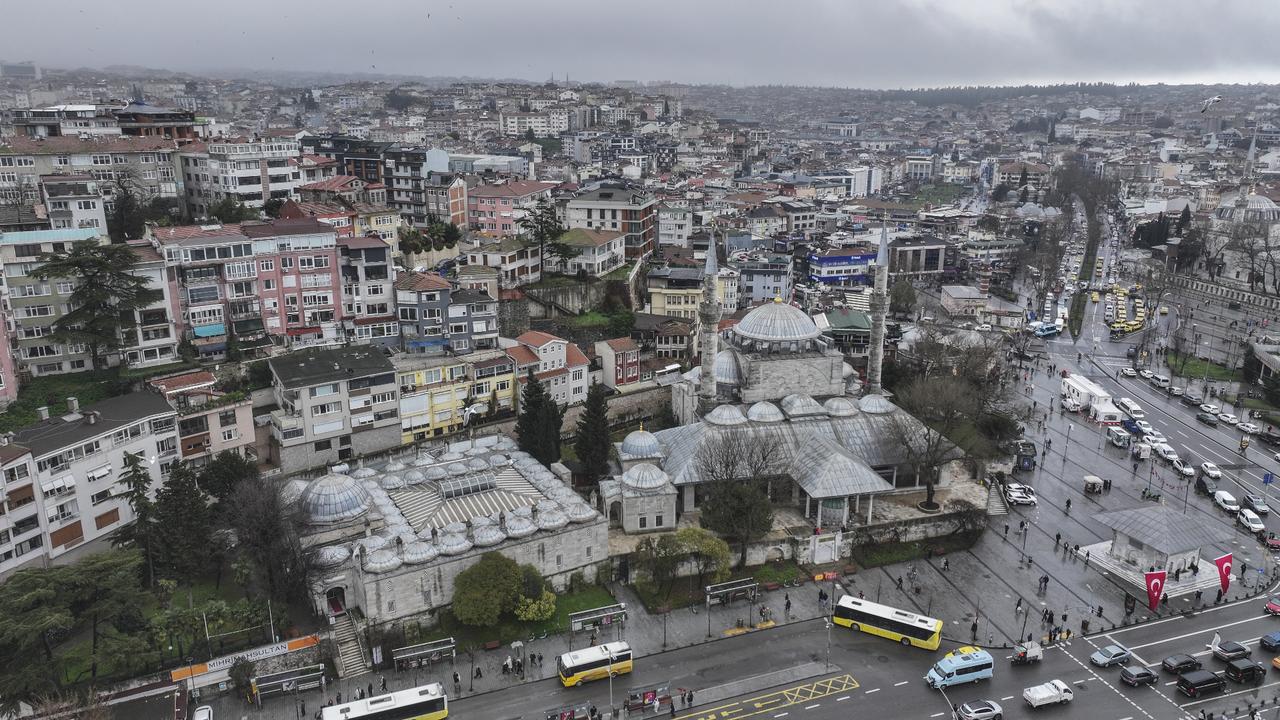
The mosque sits close to the shoreline, a classical portico courtyard could not be built. Instead, architects added a second covered congregation area that included a fountain and provided protection from strong winds while accommodating large crowds. Within the same garden, a 16-cell madrasa was arranged around a porticoed courtyard, while the former primary school building later took on new functions, including use as a children’s library. These adaptations show how Sinan adjusted architectural decisions to local geography rather than repeating a single formula.
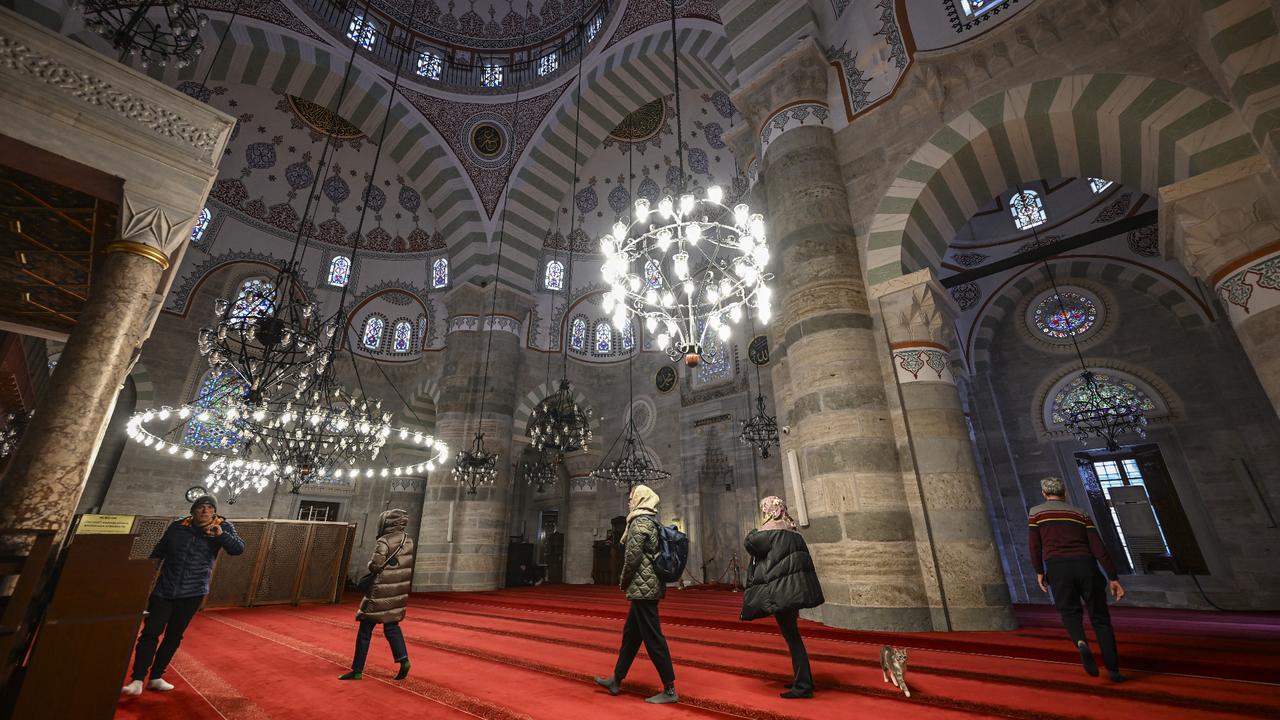
During Ramadan, the mosque historically played a central role in public life across Uskudar. Oil lamps known as mahya were strung between the minarets, sometimes forming messages such as “Hos geldin ya sehri ramazan,” or decorative motifs visible from across the Bosphorus. Soup kitchens began operating early in the day, and sherbet was distributed from fountains around the complex at night, turning the district into what observers described as a festive gathering space where people from all walks of life came together to experience the holy month collectively.

 1 min read


 Set as preferred source