Newsletters


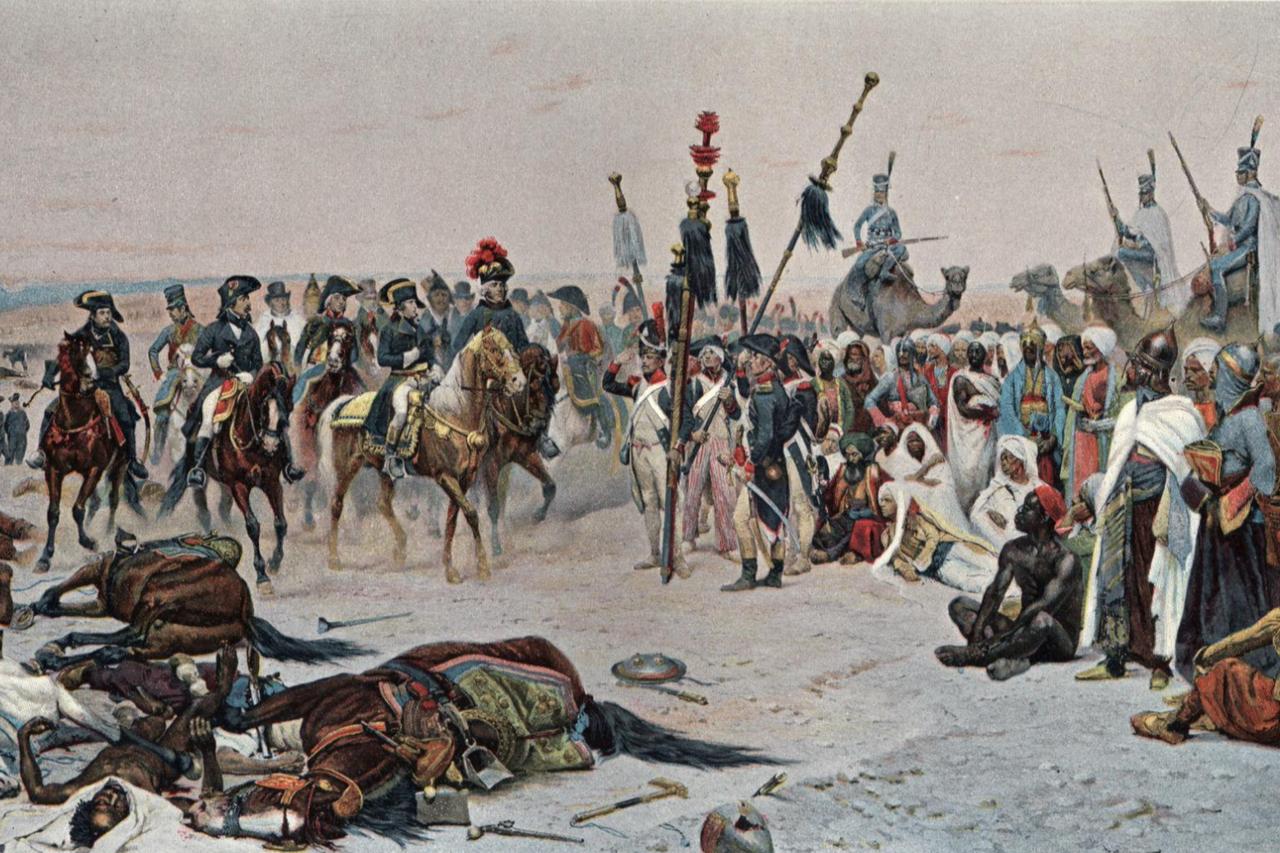


When Napoleon’s name comes up, Austerlitz and Waterloo usually dominate the story, along with his brief but dramatic venture into Cairo. Far less attention is paid to another front of his diplomacy and ambition: His intricate dealings with the Ottoman Empire.
Their relationship would move from cautious admiration to open war, and yet, it was never purely hostile.
Strategic reasons pushed Napoleon Bonaparte to draw closer to the Ottoman Empire. Among them, the desire to hinder British and Russian aggressive expansion.
The British were very interested in pursuing their way into India and Russia to expand their territories to the northern part of the Ottoman Empire, the Black Sea and Eastern Europe. One of Russia’s strongest wishes was to gain access to the Black Sea.
“The Ottoman Empire was necessary for his European military strategy. To establish his diplomatic influence, he also wanted to make it an economic partner and increase trade between France and the East,” said historian Yannick Guillou.
Bonaparte even offered his services to the Empire to help reorganise the Ottoman artillery, but history intervened.
After suppressing a royal uprising, Napoleon’s stance changed; he would confront and not serve the Ottoman Empire.
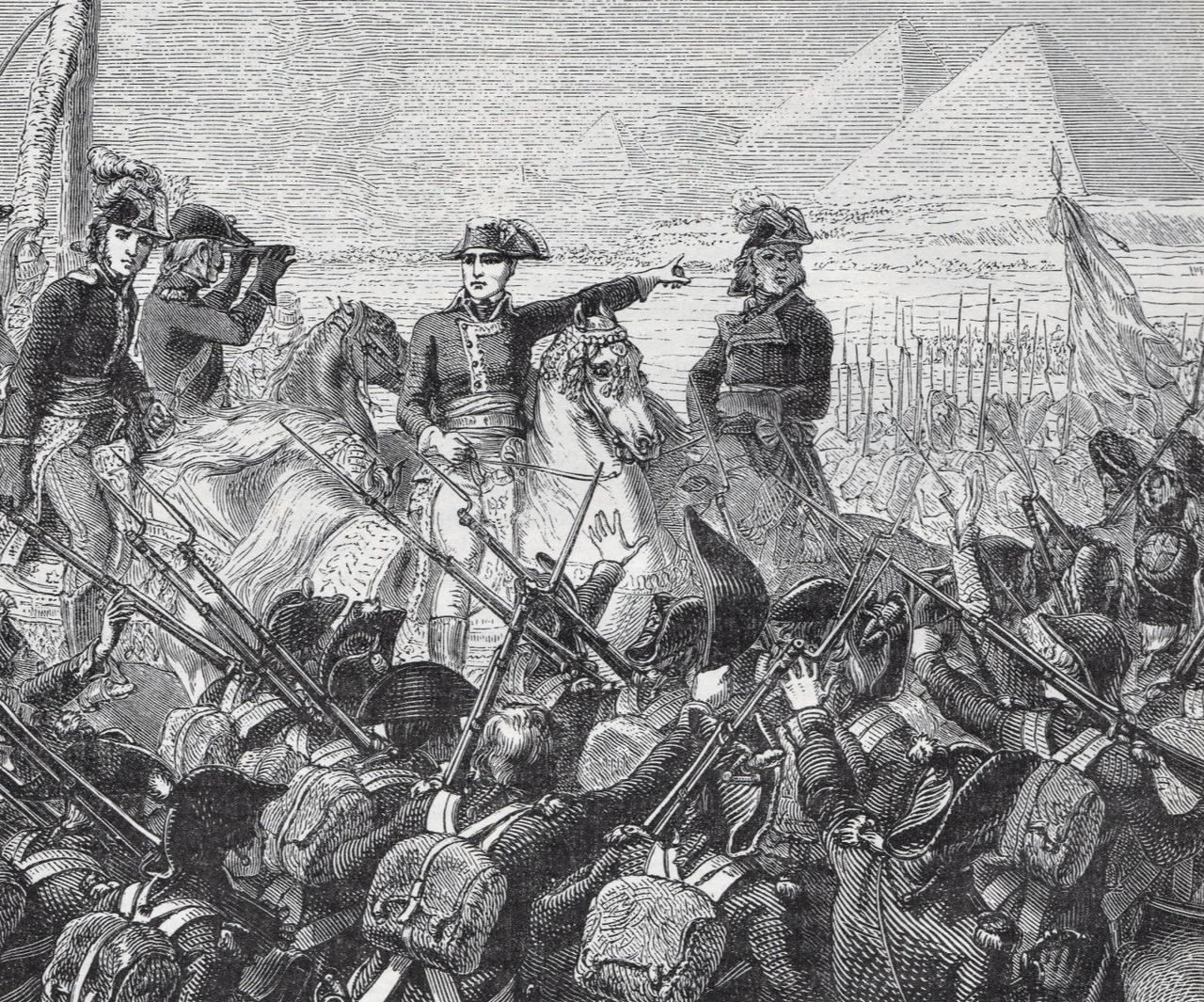

In 1798, Napoleon launched his Egyptian expedition, presenting it as a mission of liberation.
He claimed to be freeing the province from Mamluk rule and acting in the name of the Ottoman sultan, issuing proclamations that praised Islam and promised respect for local traditions.
But from Constantinople's point of view, this attack left a bitter taste in their mouths. Egypt was an Ottoman province. Early successes seemed to validate the gamble; France triumphed at the pyramid battle, but it ultimately faltered after the British navy destroyed the French fleet at the Battle of the Nile.
The shock reverberated across the empire. Sultan Selim III declared war on France and proclaimed a jihad against the invaders.
Yet even open conflict did not settle the relationship into simple hostility. Napoleon quickly grasped the geopolitical weight of the Ottoman Empire.
He admired the Empire's strategic position and believed influence over it could reshape the Mediterranean balance of power. Instead of promoting the disintegration of the Empire, which could lead to the ransacking of the Empire by other European powers, Bonaparte rather favoured a pragmatic alliance with Sultan Selim III.
Equally, when Sultan Selim III came to power in 1789 he understood how the need for reform was urgent. He admired aspects of European military organization and sought French assistance to modernize his army. He was convinced that he would find there a key to unlock for his empire the science of modern war.
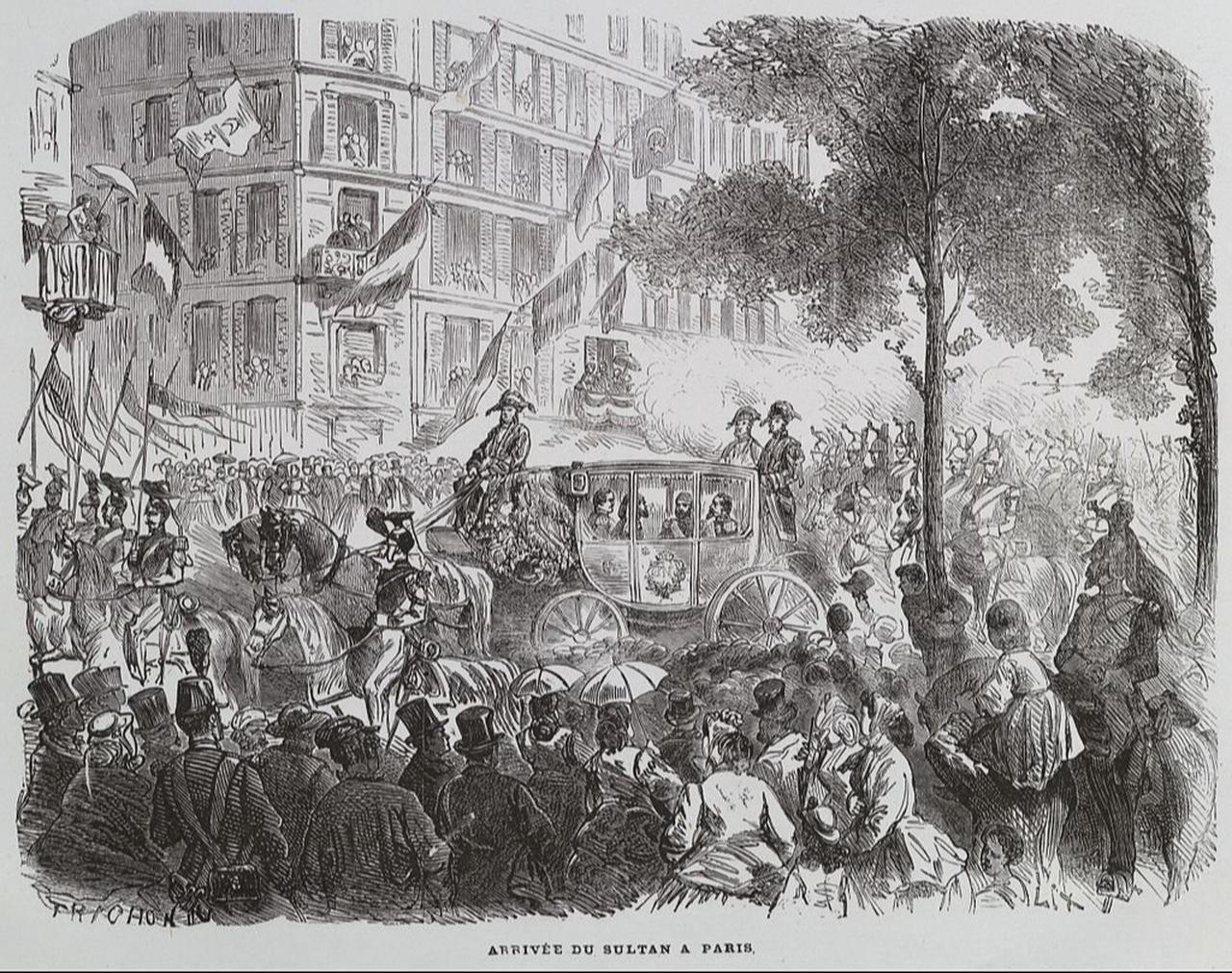
The result was an ambitious reform program known as the Nizam-i Cedid, or “New Order.” Designed to reshape the military along European lines, it introduced new training systems, uniforms, and command structures.
French influence was central: Officers helped train Ottoman cadets, military manuals were translated into Ottoman Turkish, and the French language itself gained prominence within military education.
However, it would be complicated and perhaps even incorrect to label the relationship between Napoleon and the Ottoman Empire, as it was so fluid and complex, alternating between invasion, rivalry, and strategic alliance.
The relationship opened a space for pragmatic cooperation. France could reinforce Ottoman resistance to Russia, while the Ottoman Empire, by engaging Russian forces in the south, indirectly eased pressure on French interests elsewhere.
This alignment of interests laid the groundwork for diplomatic contact.
In the longer term, these exchanges fed into a wider transformation. What began as strategic collaboration became part of a broader movement toward reform and westernisation within the empire, shaping policies and institutions well into the nineteenth and twentieth centuries.
A transformation whose legacy can still be traced today in Türkiye’s institutions, legal traditions, and diplomatic culture.
But France likewise gained influence from the Ottoman Empire; painters like Delacroix, writers like Chateaubriand, and later Flaubert were influenced by this oriental imagination.
The Ottoman world became part of French cultural identity, the “Orient” became fashionable in Napoleonic and post-Napoleonic France: Oriental architecture motifs, coffee culture and many more.
Beyond the diplomatic episode, it shaped a long dialogue between East and West characterised by mutual political and cultural influence.
This relationship gives us a better understanding of why and how the current organisation of Türkiye was created, but it also gives an insight of today's orientalist views and the growing effort to question and deconstruct them.


 Set as preferred source
 Set as preferred source


 3 min read