Newsletters


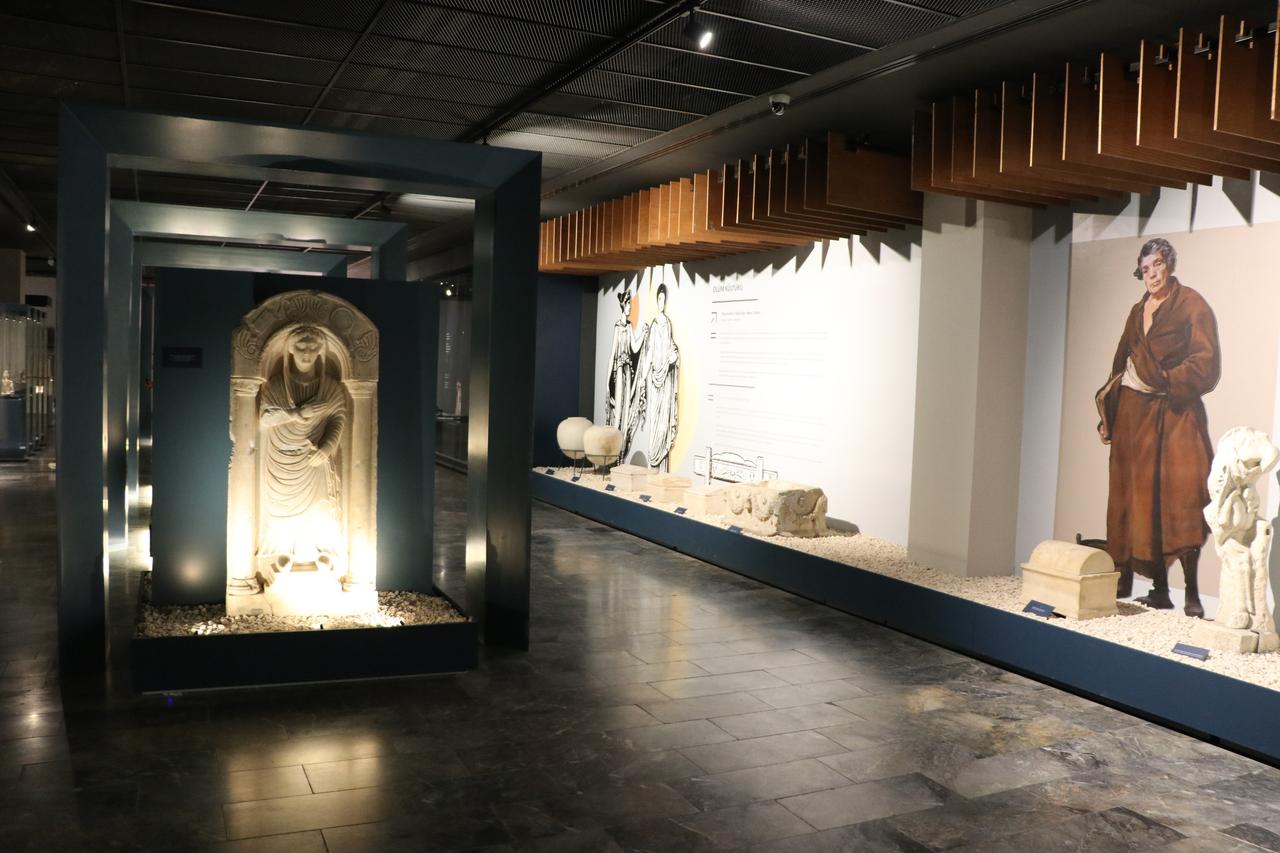


A newly opened archaeology and mining museum in western Türkiye's Kutahya province is showcasing approximately 3,300 artifacts from a collection of 62,701 objects, bringing together archaeological discoveries, traditional ceramics and exhibits reflecting the region's cultural history.
Inaugurated by Culture and Tourism Minister Mehmet Nuri Ersoy on Sept. 30, the Kutahya Archaeology and Mining Museum features dedicated sections for archaeology, ethnography, ceramics, mining and children.
Among its most notable exhibits are the Amazon Sarcophagus, figurines uncovered at the ancient city of Aizanoi and coins recovered during excavations along the Penkalas River.

Museum Director Sevgi Gurdal told Anadolu Agency (AA) that the archaeological collection primarily draws on discoveries made across Kutahya, particularly at Seyitomer Mound, Tavsanli Mound and the ancient city of Aizanoi.
The museum also displays historical objects collected from villages and districts throughout the province, offering visitors a broader look at the area's archaeological and ethnographic heritage.
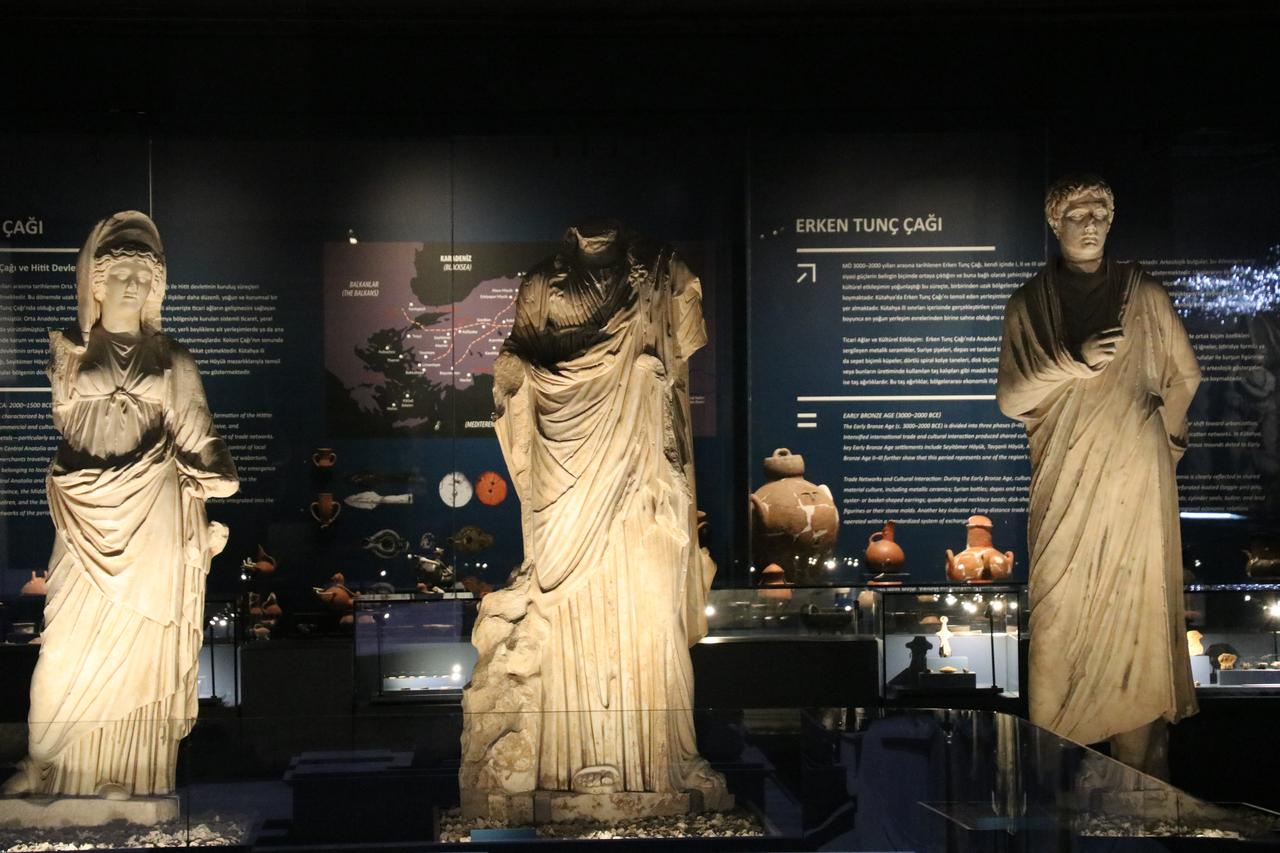
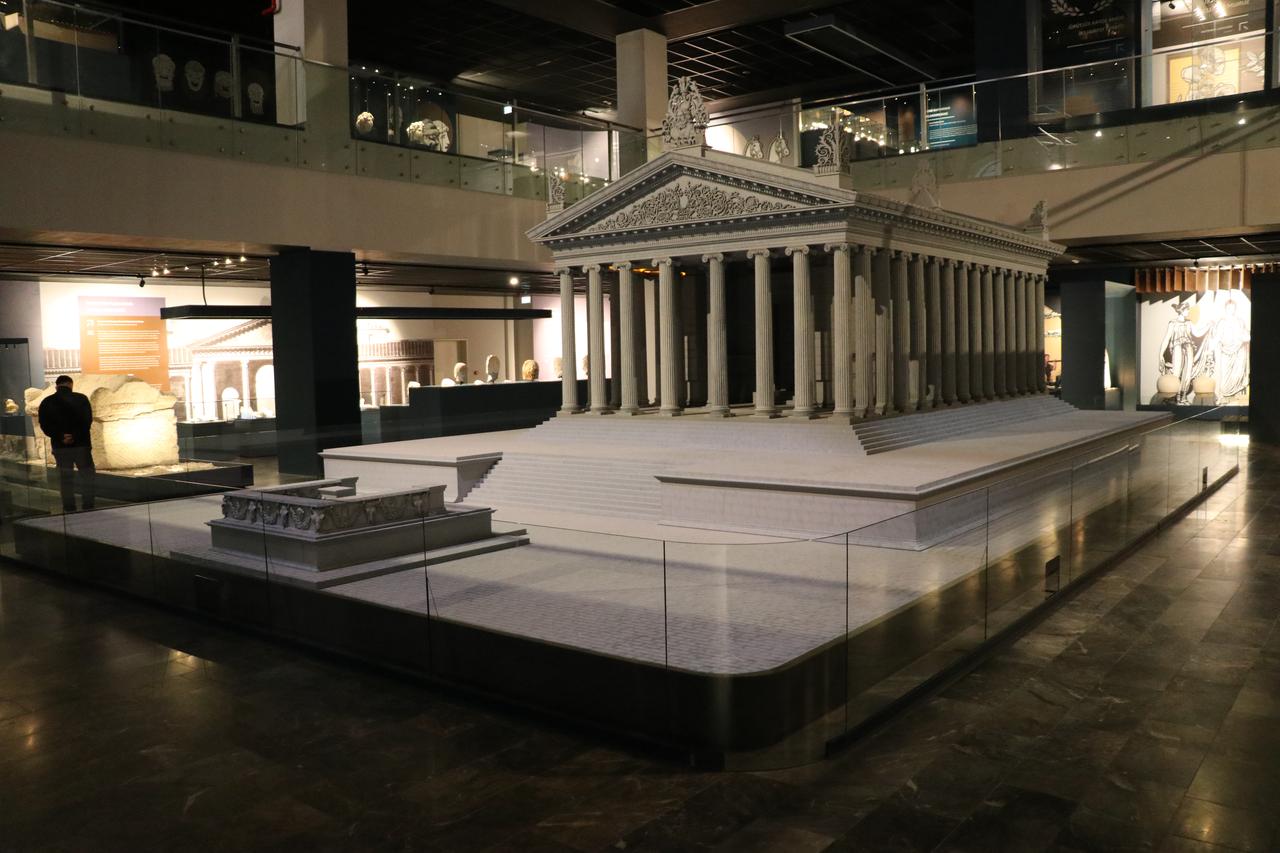
With excavations at Aizanoi stretching back nearly a century, the museum includes scale models of the ancient city's major structures, including the Temple of Zeus, the Macellum, an ancient marketplace, and its theater and stadium.
According to Gurdal, these models help visitors better understand the layout and architectural features of the ancient settlement.
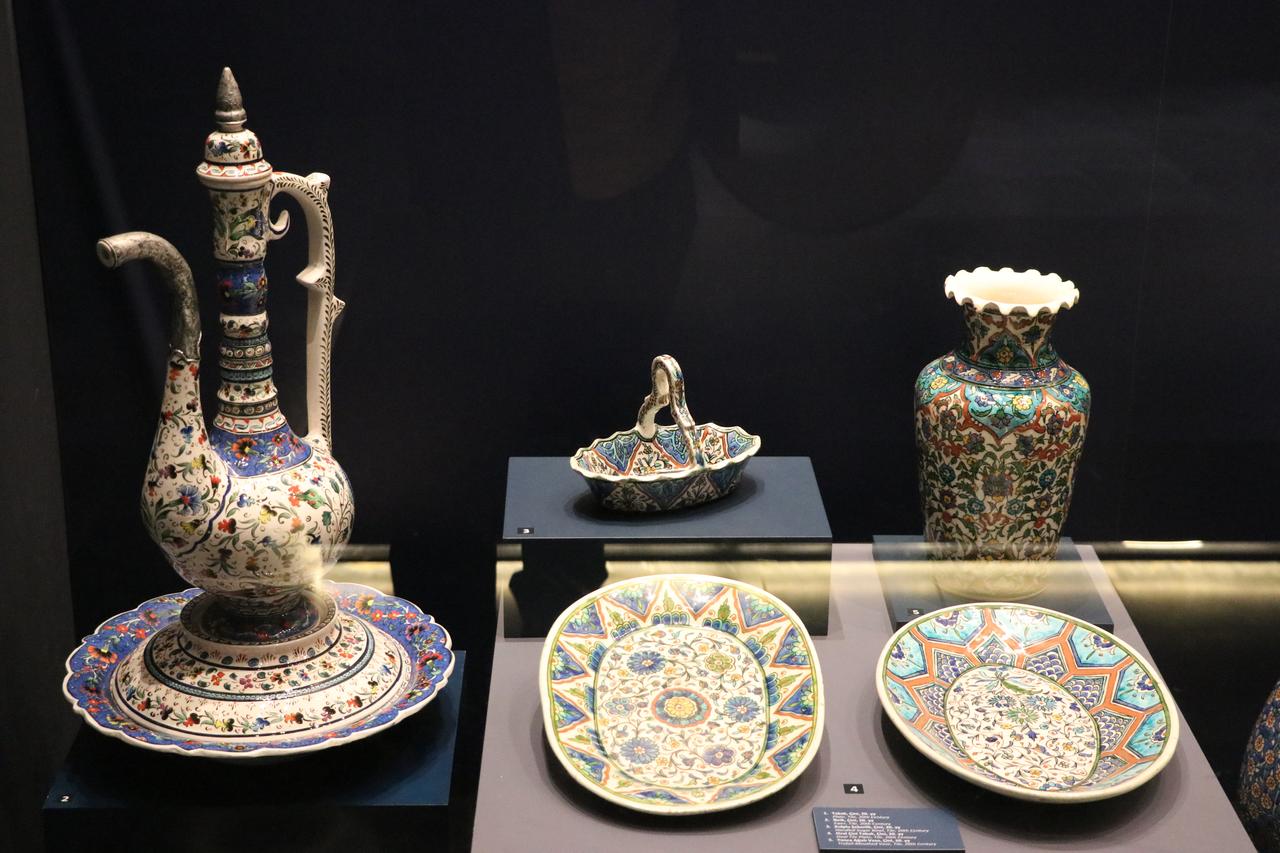
The museum has also expanded its presentation of Kutahya's traditional ceramic tile art, known as cini, a decorative craft associated with glazed and painted ceramics.
The city's Ceramic Tile Museum, established in 1999, has been incorporated into the new complex, nearly doubling the space available for its collection.
Gurdal said the exhibits span from the Seljuk period to the present day, with a particular concentration of pieces dating from the 19th and early 20th centuries. Works by contemporary ceramic artists are also included where possible.
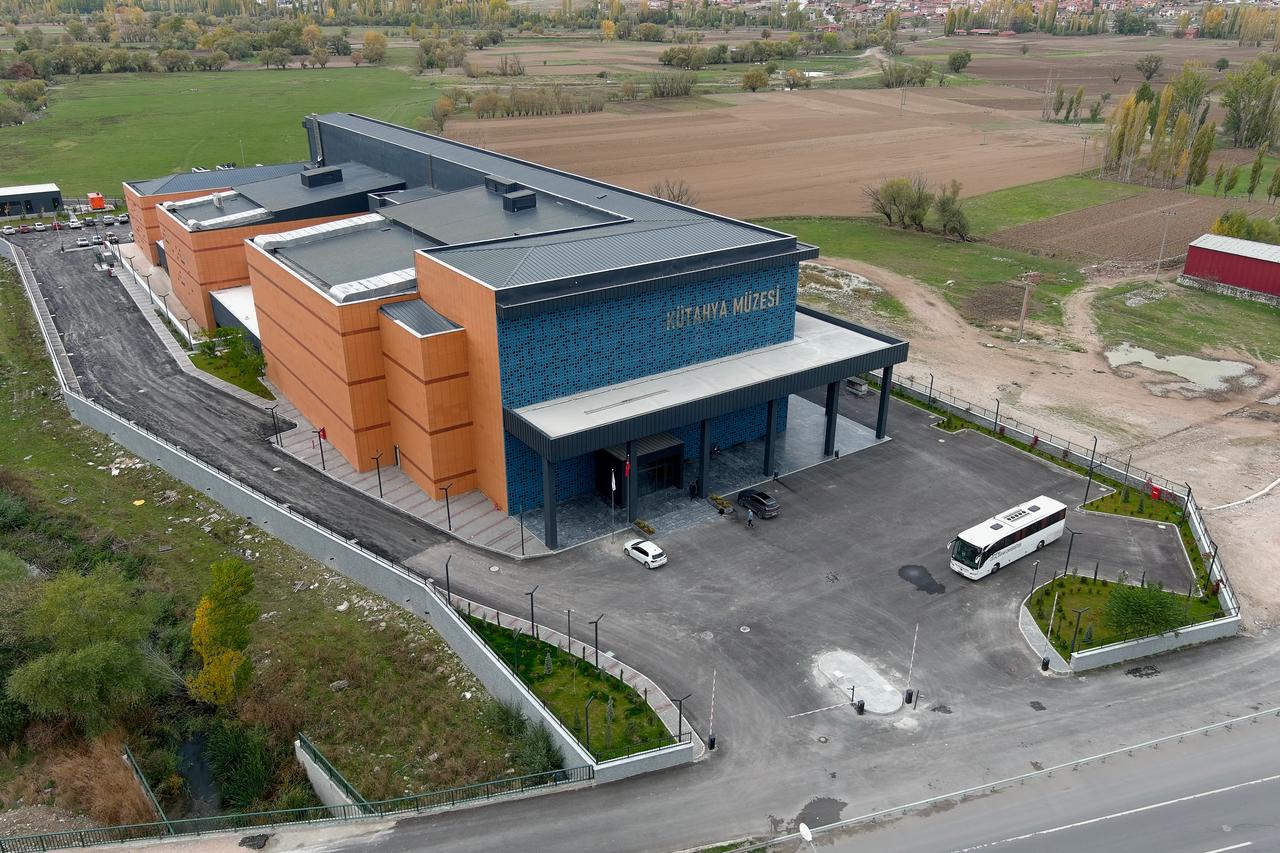
Covering approximately 16,000 square meters of construction area, the museum complex also houses temporary exhibition halls, a children's museum, playgrounds, a restaurant and retail shops.
"Our museum brings together Kutahya's historical and cultural values," Gurdal said, adding that the exhibitions also highlight the mining industry, which makes a significant contribution to the local economy.


 Set as preferred source
 Set as preferred source


 1 min read