Newsletters




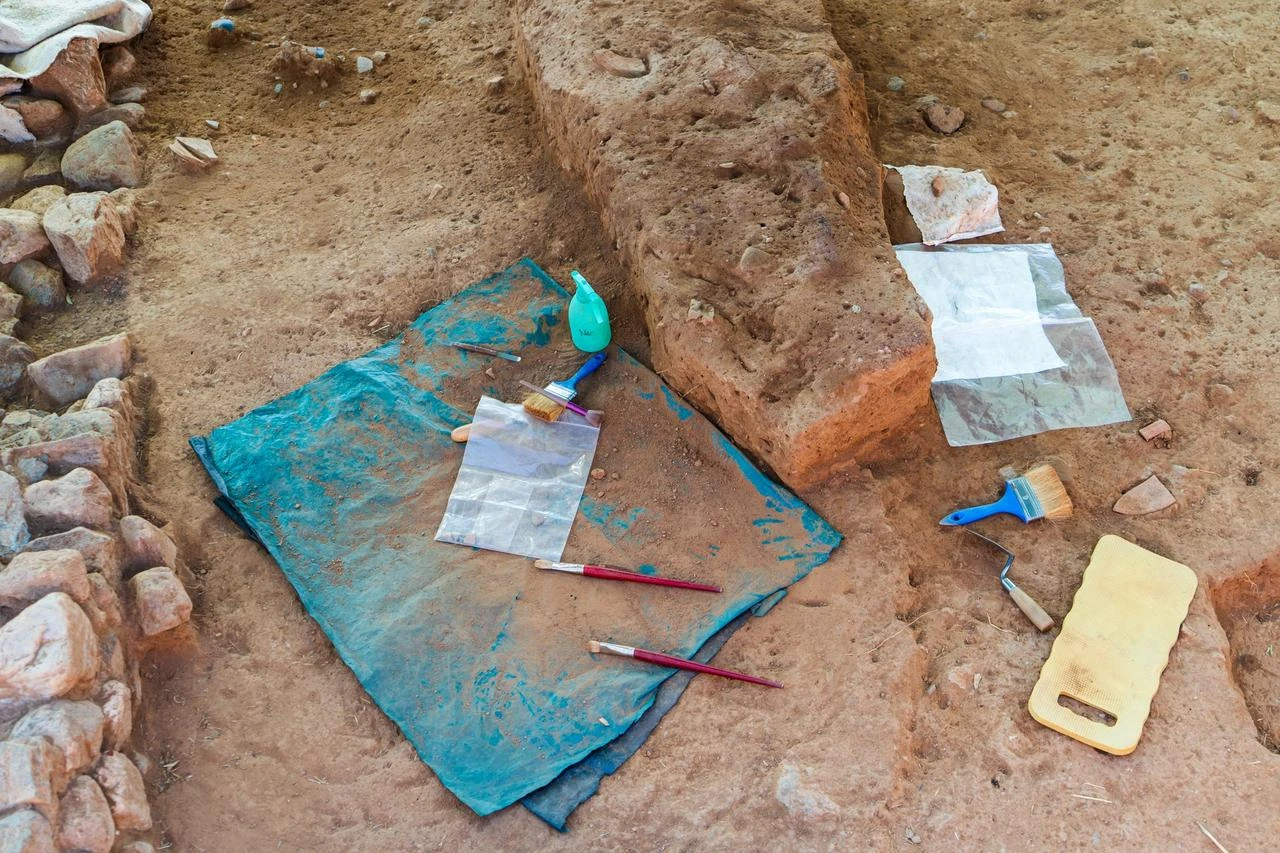
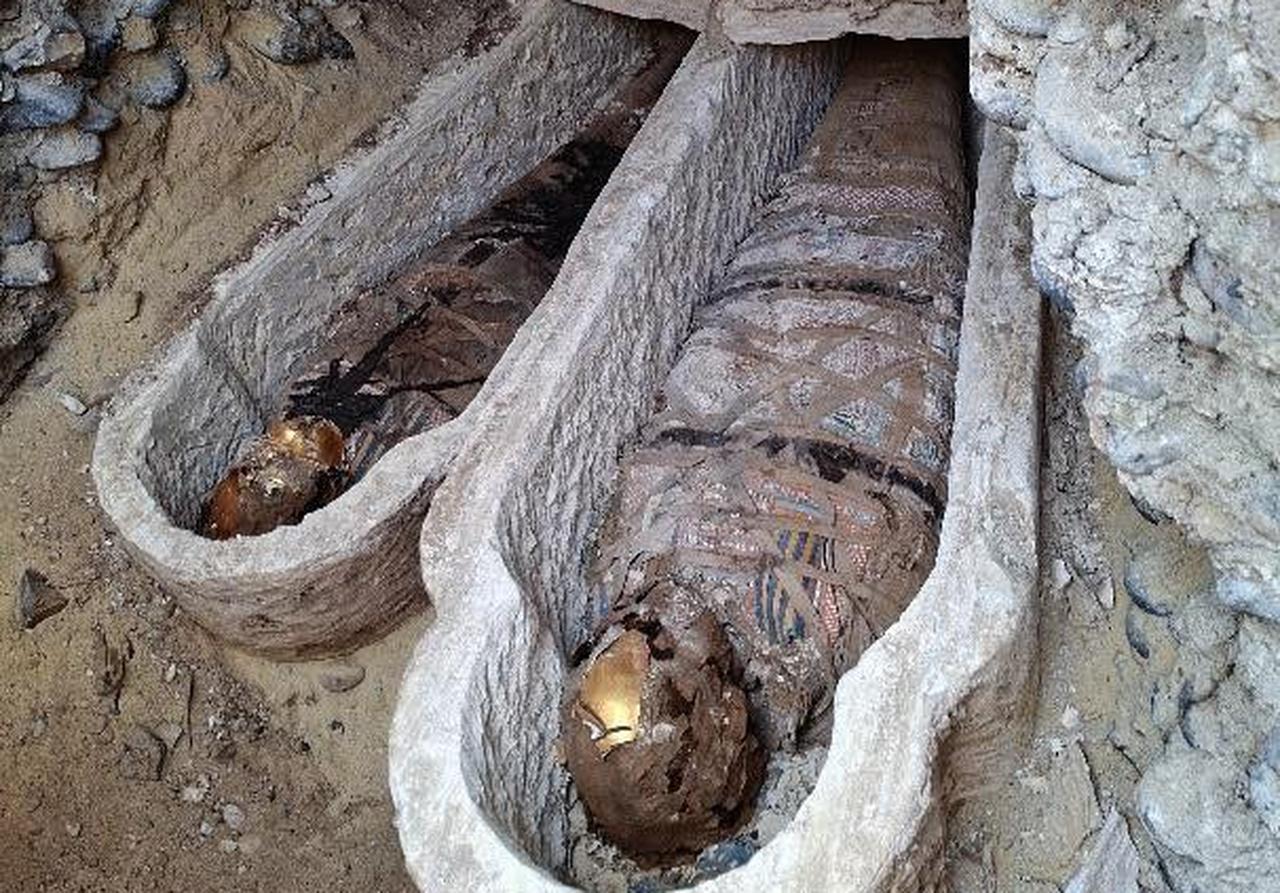
Archaeologists have uncovered a papyrus fragment of Anatolian Homer’s Iliad inside the abdomen of an ancient Egyptian mummy, marking what researchers describe as the first known case of a Greek literary text being used in the mummification process. The discovery was made in Oxyrhynchus, an important city of Greco-Roman Egypt, in a mummy buried around 1,600 years ago in a Roman-era tomb.
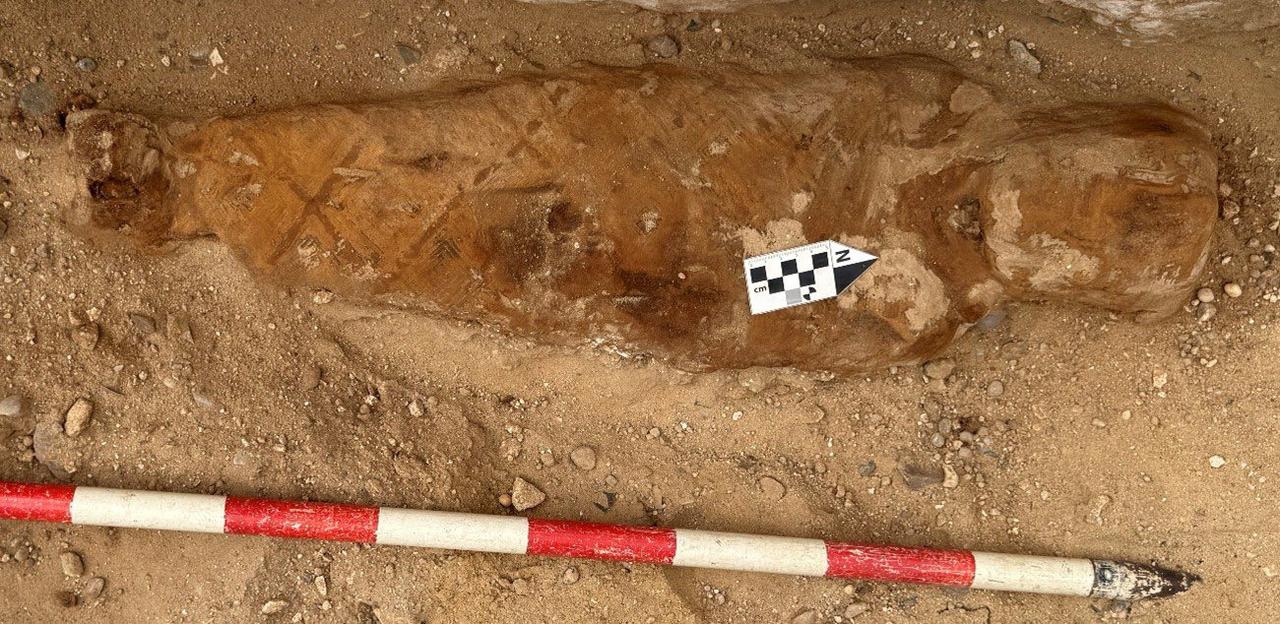

The mummy was discovered during an excavation campaign carried out between November and December 2025 by researchers from the Institute of Ancient Near East Studies at the University of Barcelona. While papyri written in Greek have turned up before in mummies from the same period, those texts had previously been linked to magical or ritual use.
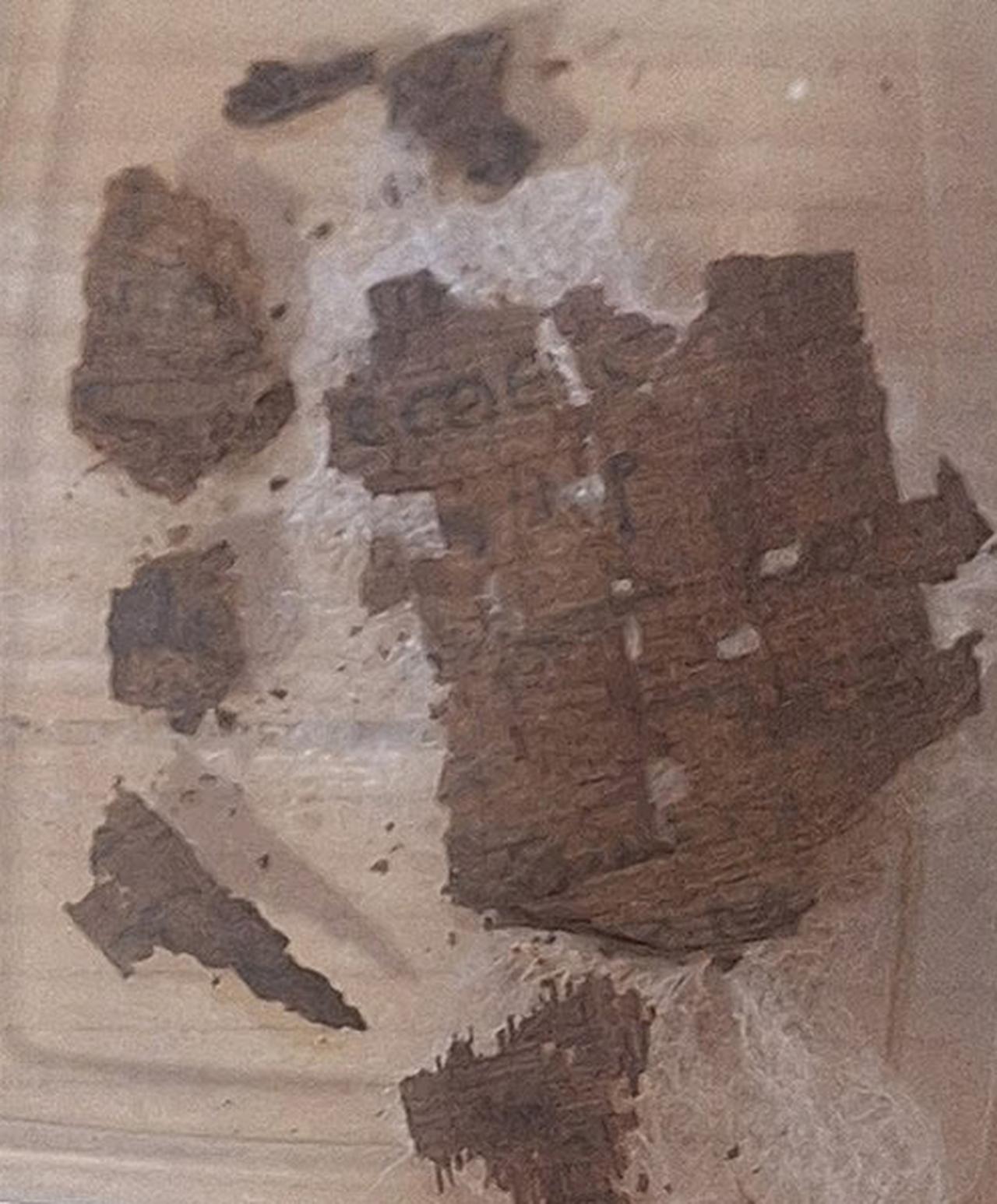
This time, researchers found something different: a literary fragment from the Iliad, the ancient Greek epic attributed to Homer and usually dated to around 800 B.C. The text was placed on the mummy’s abdomen as part of the embalming process, making it an unusual funerary object and a rare window into religious life in Roman-era Egypt.
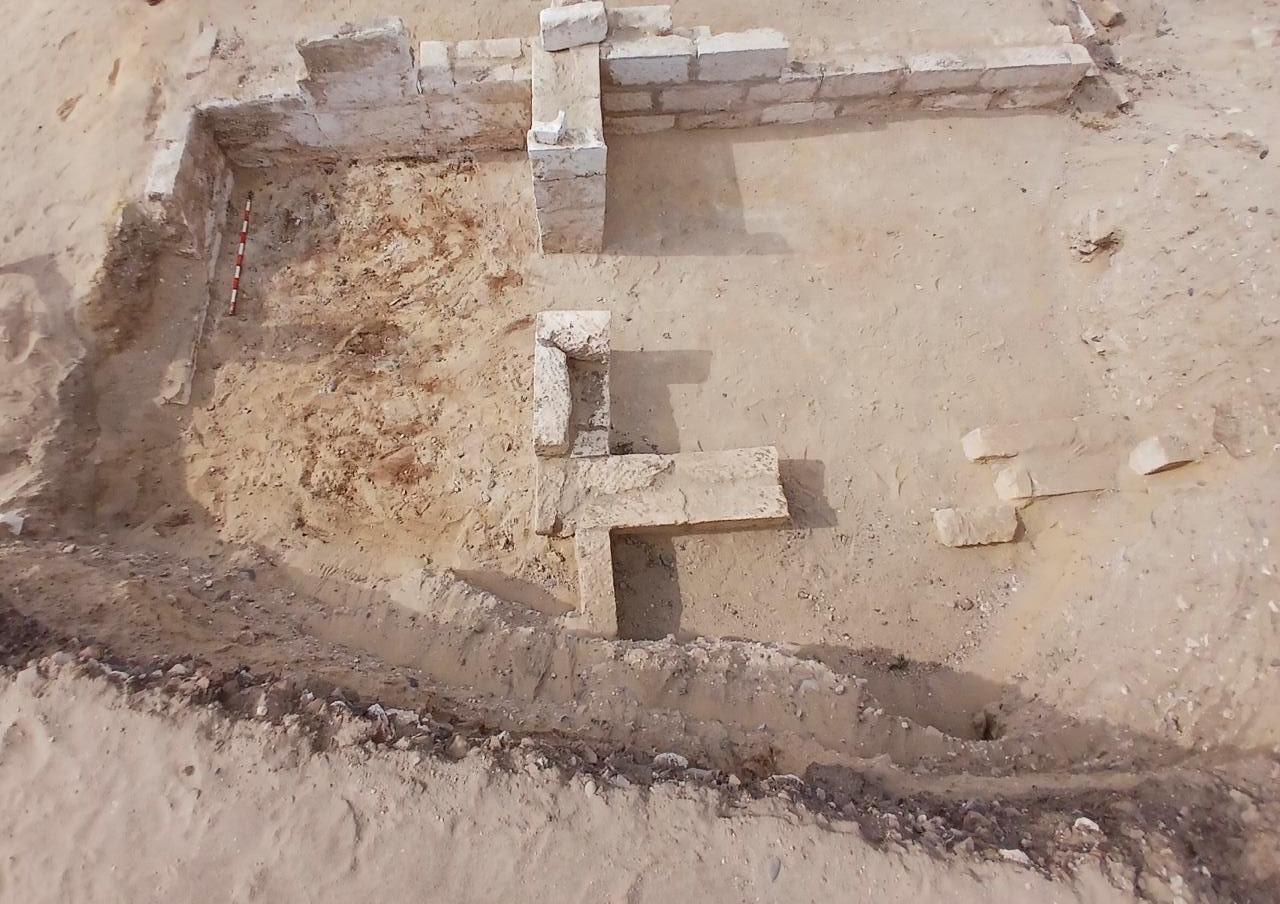
The mummy was found in Oxyrhynchus, known in Pharaonic times as Per-Medjed, one of the leading cities of Greco-Roman Egypt. The site lies in present-day Al-Bahnasa, about 190 kilometers south of Cairo, near the Bahr Yussef, a branch of the Nile.
Oxyrhynchus has long stood out for its large number of papyrus finds, including important Greek literary texts. Researchers said the real significance of the latest discovery lies not simply in the text itself, but in where it turned up: inside a mummy prepared for burial.
According to the researchers, the identified text comes from the so-called Catalogue of Ships in Book II of the Iliad, a well-known section that lists the Greek forces gathered before Troy. The Iliad centers on the Trojan War and the fate of Achilles, the leading warrior of the Greek side, while also dealing with themes such as honor, pride, fate, and mortality.
Researchers said they do not yet know why this particular passage was chosen for the burial. Still, its presence suggests that literary texts could also be worked into funerary customs, not only magical writings.
Ignasi-Xavier Adiego of the Department of Classical, Romance and Semitic Languages said, “This is not the first time we have found Greek papyri, bundled, sealed, and incorporated into the mummification process, but until now, their content was mainly magical.”
He also pointed out that although Oxyrhynchus has yielded many major Greek literary papyri since the late 19th century, the real novelty here is the discovery of a literary papyrus in a funerary setting.
Researchers said mummification in Oxyrhynchus during the Roman period brought together Egyptian, Greek and Roman practices. Ancient Egyptian embalmers generally worked to preserve the body for more than 40 days, using natron, a naturally occurring salt mixture, to dry out the remains before wrapping them in linen.
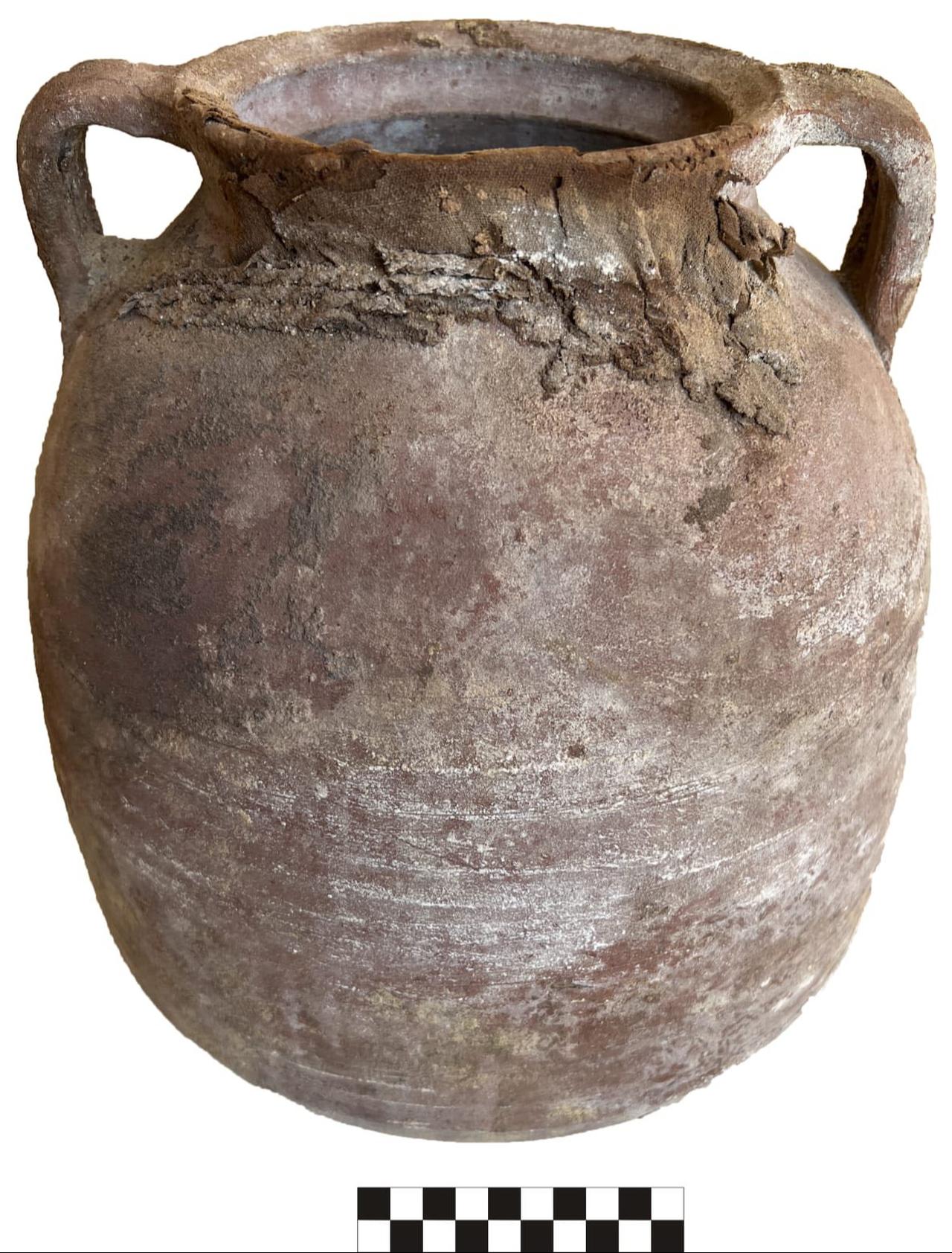
Instead of relying on canopic jars, the traditional containers used in earlier Egyptian burials to hold internal organs, embalmers in this period often packed the body with preserved materials and papyri. These were sealed with clay and placed inside the chest or pelvic cavity.
The wider burial setting also reflected this cultural blending, with coffins and wrappings often showing both Egyptian and Roman motifs.
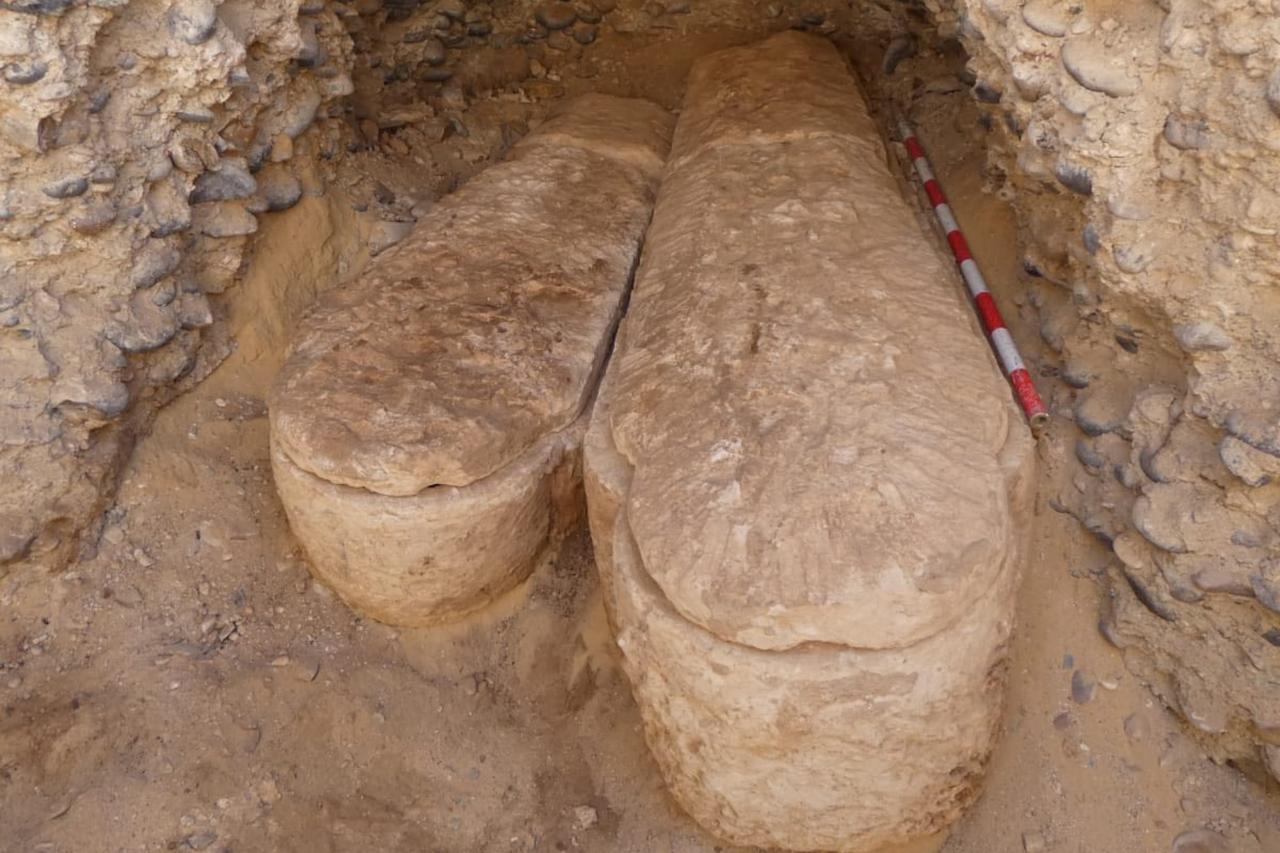
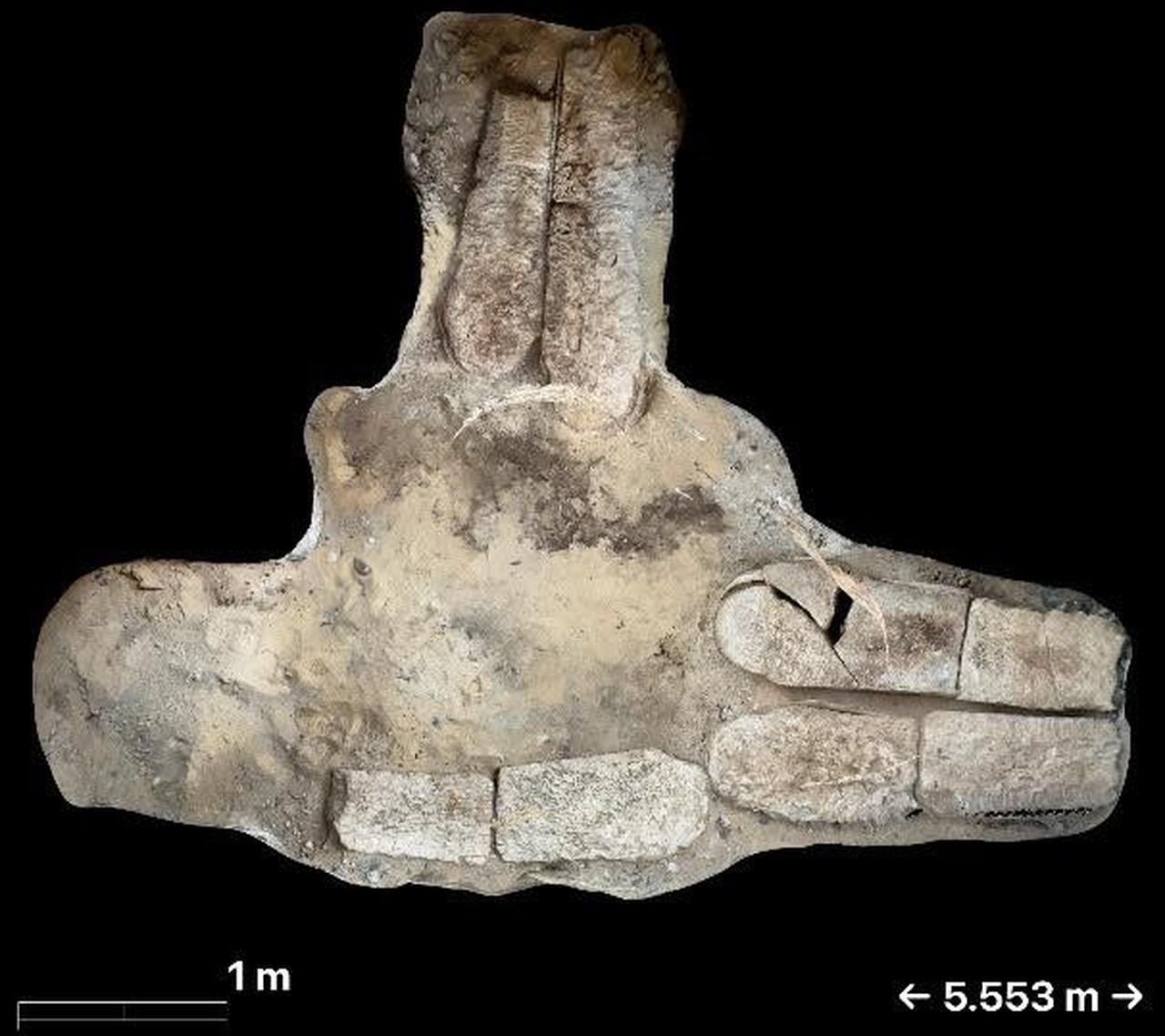
So far, excavations at Oxyrhynchus have brought to light three limestone burial chambers containing Roman-era mummies and decorated wooden sarcophagi. Earlier campaigns in the ancient city also uncovered 52 Ptolemaic-era mummies, including more than a dozen with “golden tongues,” a funerary symbol linked to preparation for the afterlife.


 Set as preferred source
 Set as preferred source


 1 min read

 1 min read