Newsletters


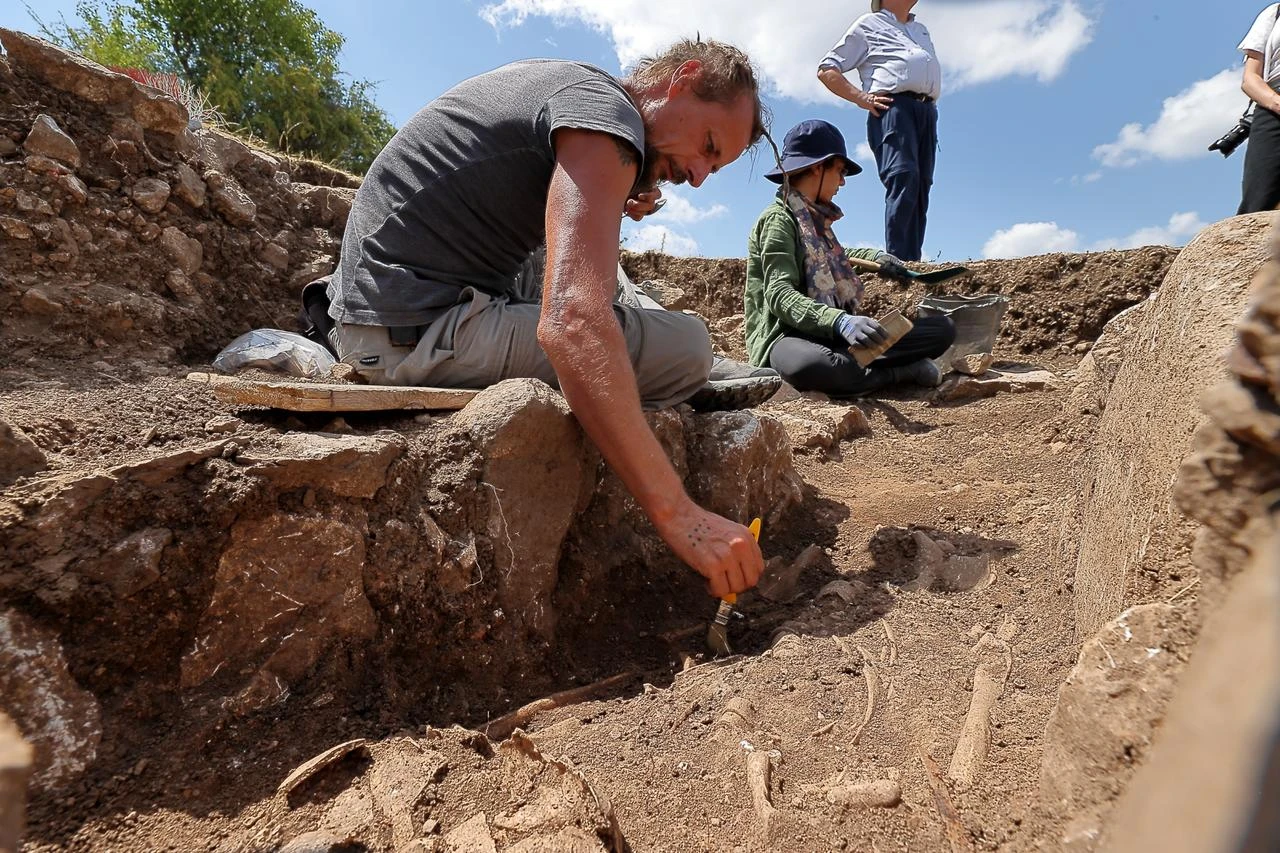
Archaeologists excavating the ancient city of Togu Balik in central Mongolia have uncovered a 14-kilometer (8.7-mile) irrigation canal, a palace complex and evidence of wheat cultivation, showing that the settlement functioned as an organized center of agriculture, manufacturing and mining.
Researchers said the findings could push back evidence of planned agriculture among early Turkic societies by about 100 years. Agricultural practices previously associated with the Uyghur Khaganate can now be traced to the Dokuz Oghuz, a confederation of nine Turkic tribes that later formed the foundations of the Uyghur state.
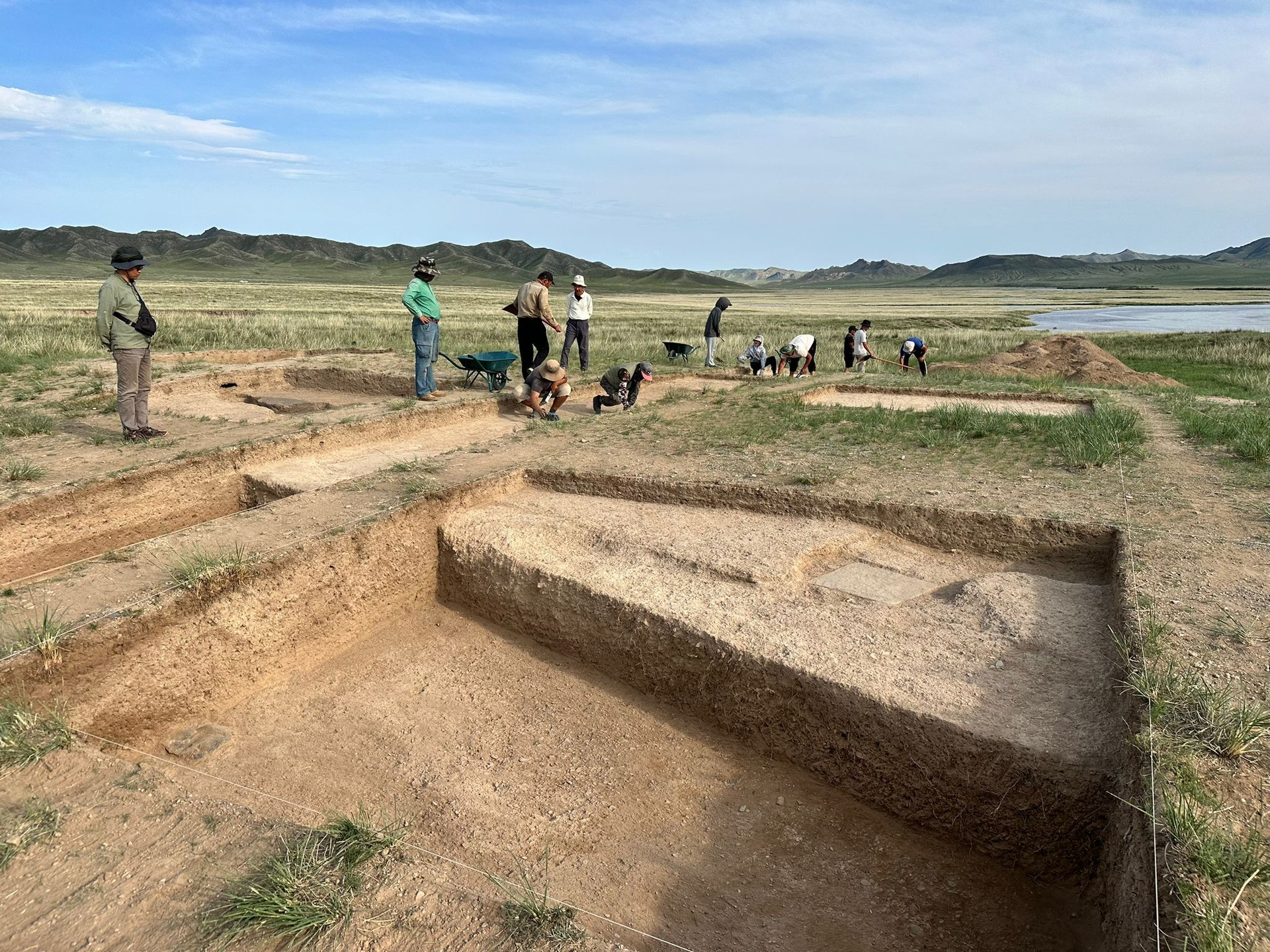
The excavations are taking place in Mongolia's Tuul Valley, where Togu Balik, a city mentioned in the eighth-century inscriptions of Turkic rulers Bilge Khagan and Kul Tigin, is believed to have stood.
The project is being carried out by the Turkish Archaeology and Cultural Heritage Institute, Izmir Katip Celebi University and the Mongolian Academy of Sciences, with support from the Turkish Cooperation and Coordination Agency, commonly known as TIKA.
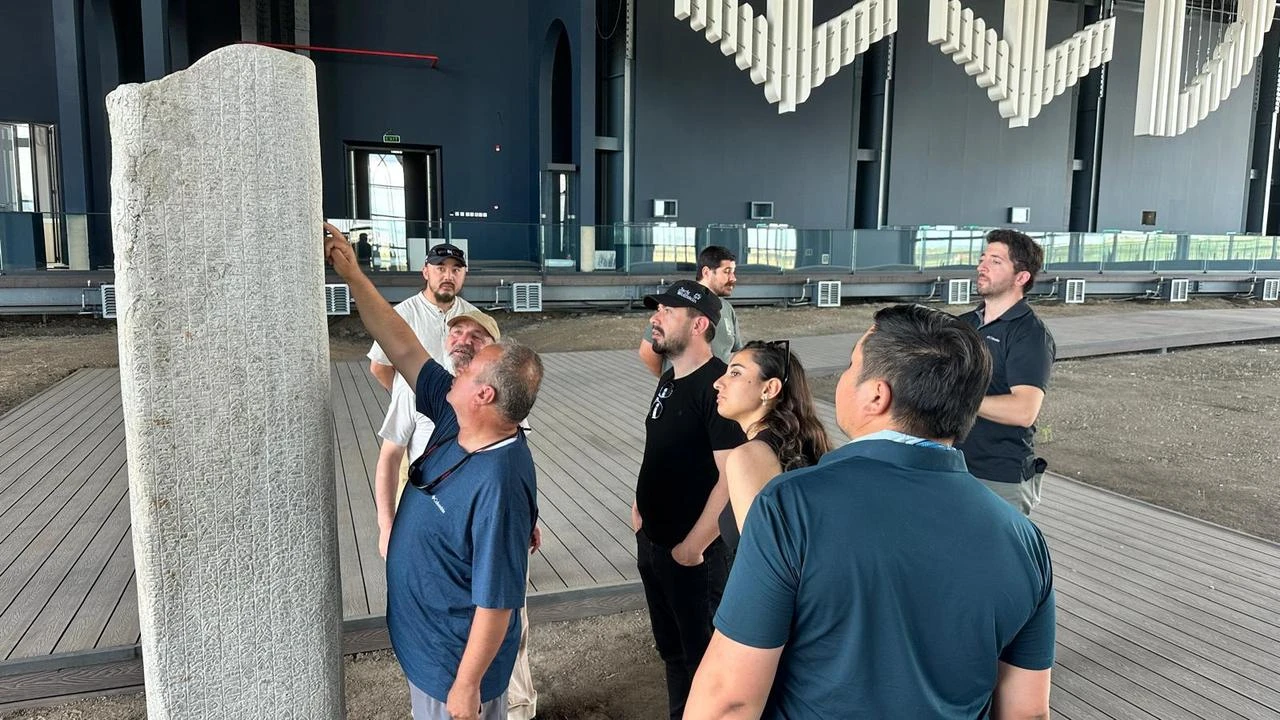

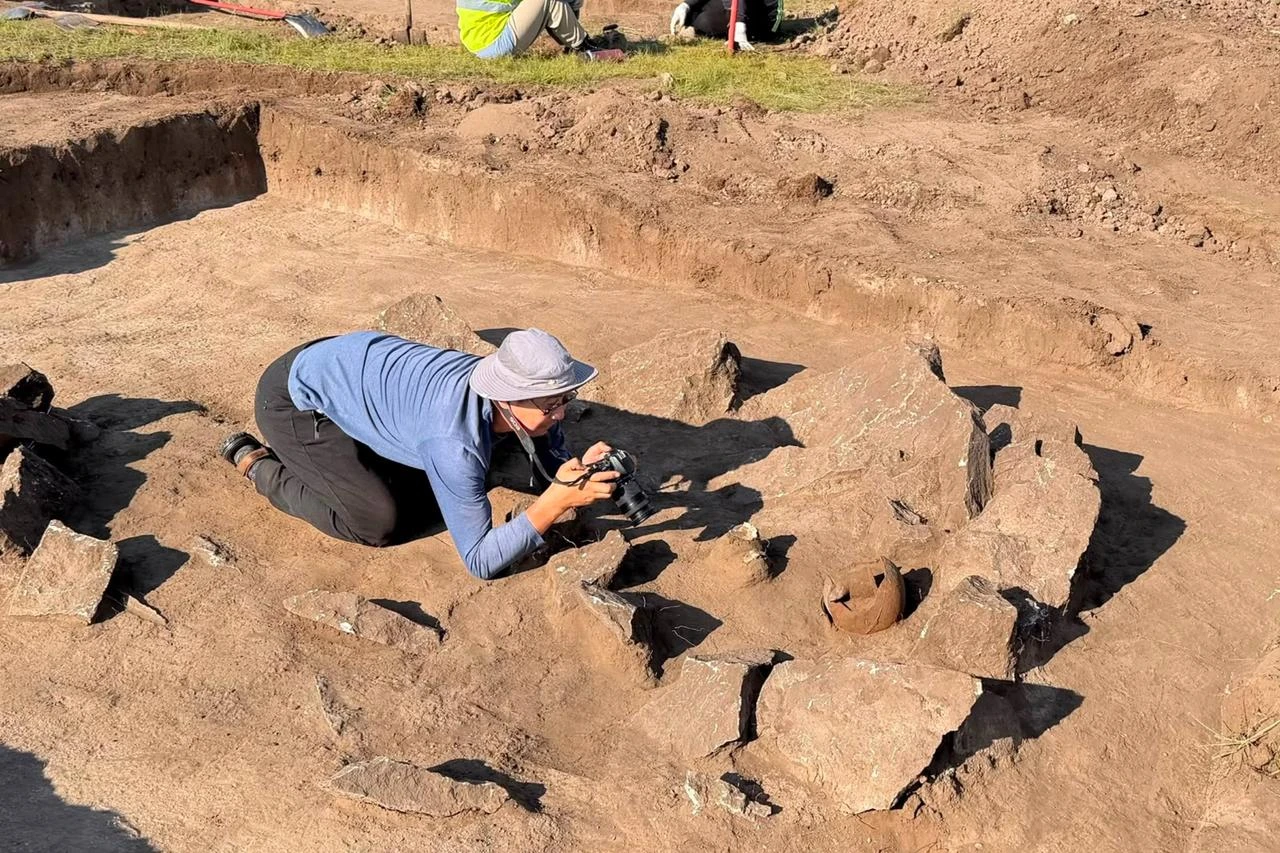
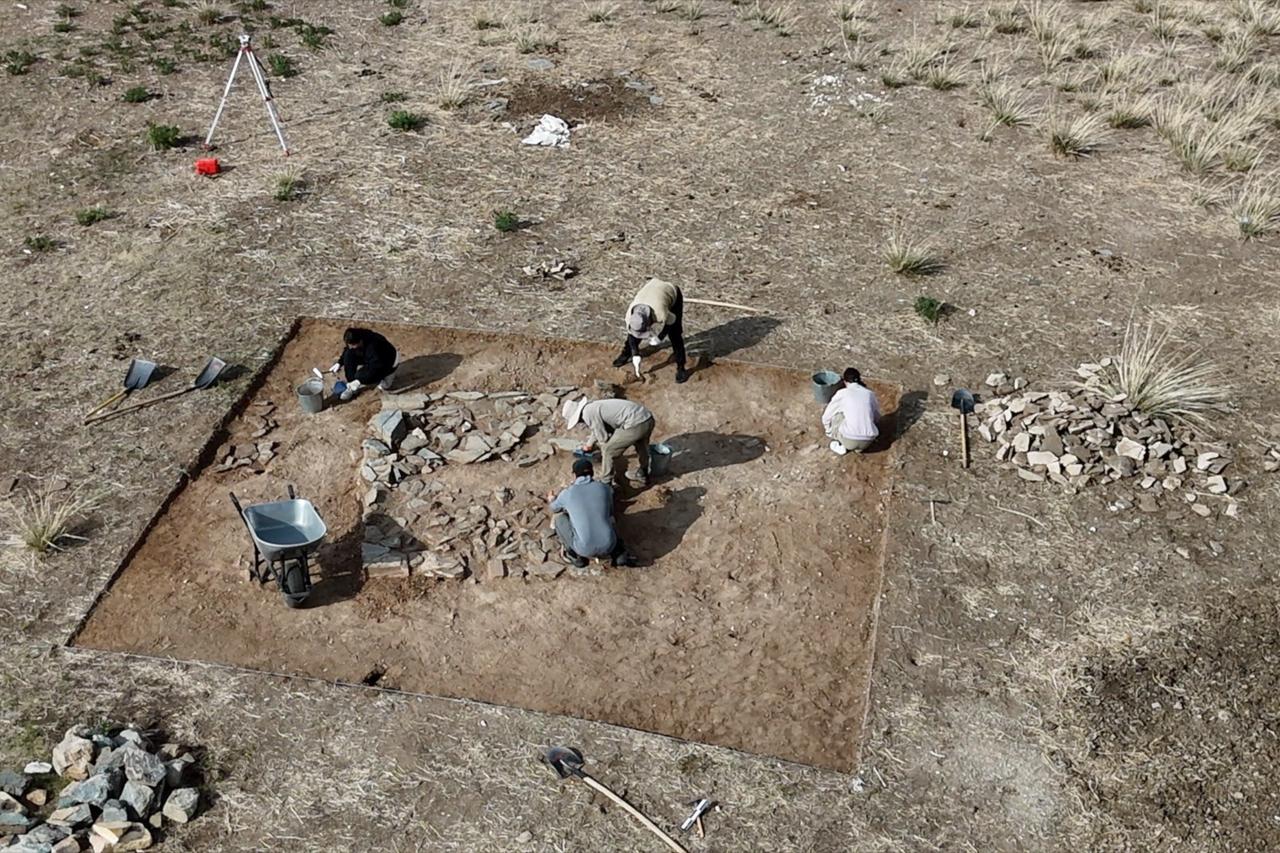
During the third excavation season, a multidisciplinary team of 30 researchers examined structures around the city's fortified walls, along with burial mounds, ritual areas and rock inscriptions. Geoarchaeological research, which studies how natural landscapes and geological processes relate to archaeological sites, also included 45 test drillings.
The excavations brought to light the foundations of a palace complex in the southeastern part of the city, including its entrance gate and column bases.
Researchers also found evidence that ornamental plants had been brought into the palace from other areas, suggesting that landscaping formed part of the complex's design.
A production kiln containing large quantities of misfired ceramics, bricks and roof tiles showed that construction materials and pottery were being made locally. Archaeologists also identified hydraulic structures connected to the nearby Tuul River.

Botanical research documented 124 plant species at the site and identified four varieties of wheat, providing evidence that farming was carried out around the settlement.
Professor Saban Dogan, president of the Turkish Archaeology and Cultural Heritage Institute and director of the excavation, said earlier research had shown that the city's economy depended heavily on gold and metal mining. The latest findings, however, showed that agriculture also played a major role.
"Our work this year showed that the city's economy was not based solely on mining but that extensive agriculture was also practiced," Dogan said.
He explained that ancient wheat seeds had provided direct evidence of cultivation, while drone surveys picked out the remains of irrigation canals running for about 14 kilometers along the Tuul River.
"We are talking about a 14-kilometer water canal. It is believed to have been used to irrigate farmland. We have therefore shown that the settlement was engaged not only in mining but also in agriculture. What we had considered the beginning of this period of advanced agriculture under the Uyghurs can now be traced back another 100 years to their predecessors, the Dokuz Oghuz."
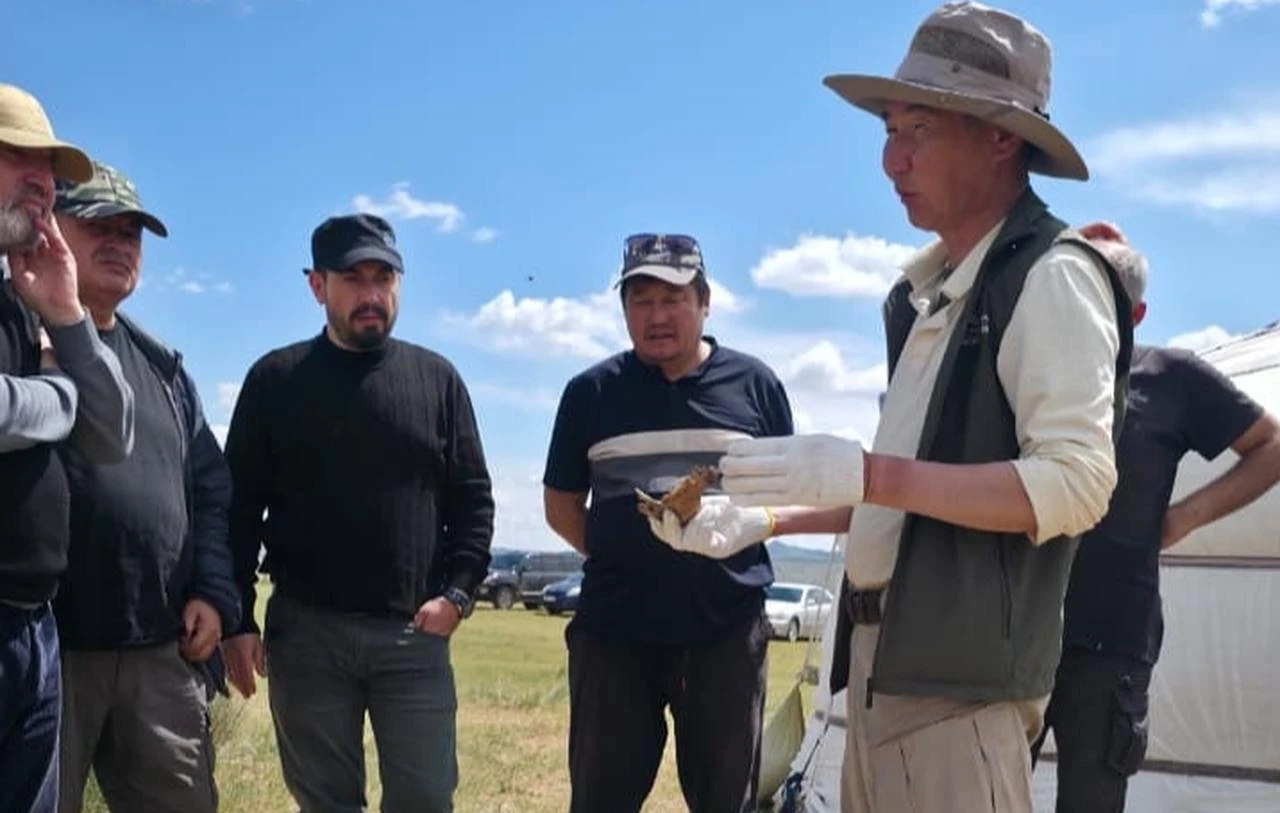
Although Togu Balik had long been known from Turkic inscriptions and Chinese historical sources, its precise location had remained uncertain.
Dogan said the identification followed nearly eight years of research. Archaeologists initially turned their attention to a site previously identified as a Khitan settlement after coming across ceramics linked to the Turkic period.
Further excavations beneath later occupation layers brought out remains dating to the Turkic era. According to Dogan, scholars specializing in the Khitan civilization, a historical society that ruled parts of northern China and Mongolia, accepted the team's conclusion that the settlement was Togu Balik.
Surveys in the mountains surrounding the city documented a rock inscription, numerous petroglyphs and tribal tamgas. A tamga is a symbol traditionally used by Turkic and Eurasian clans to mark tribal identity, ownership or political affiliation.
The discovery of tamgas associated with Dokuz Oghuz tribes provided further evidence supporting the identification of the settlement.
Zooarchaeological analysis, which examines animal remains from archaeological sites, showed that residents primarily consumed domesticated sheep and goats. Deer and wild boar were also included in their diet.
Researchers are continuing to examine the settlement's burial traditions after burned human bone fragments turned up in ritual areas. Laboratory studies are underway to determine whether the remains are connected to cremation or another form of funerary practice.


 Set as preferred source
 Set as preferred source


 1 min read
 1 min read