Newsletters




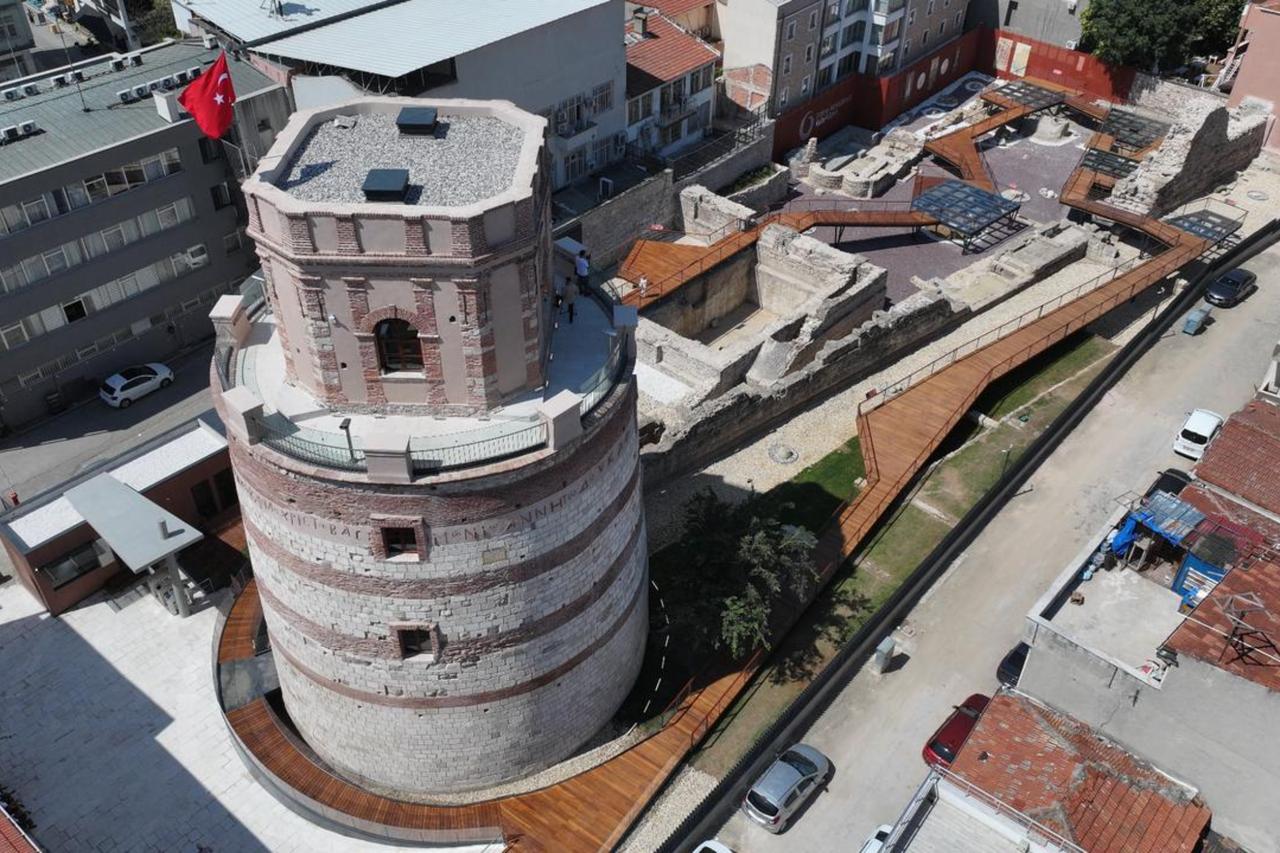
A new tourism route tracing the journey of an ancient Greek army through Anatolia has been introduced in Türkiye, linking the eastern provinces of Erzurum, Bayburt and Gumushane with the Black Sea coastal city of Trabzon.
Named the Anabasis Northern Route, the itinerary forms the third stage of the "Route of Ancient Cities" project developed by the Turkish Tourism Promotion and Development Agency (TGA). It draws on the writings of Xenophon, the ancient Greek commander and historian who documented the retreat of approximately 10,000 Greek mercenaries following a failed military campaign in 401 B.C.
The route brings together archaeological remains, medieval fortifications, religious monuments and mountain landscapes, following a corridor through eastern Anatolia, the Coruh River basin and the passes leading toward the Black Sea.

The itinerary takes its name from Xenophon's Anabasis, a historical account describing the Greek mercenaries' journey after Cyrus the Younger was killed at the Battle of Cunaxa in 401 B.C.
With their leader and commanders lost, the soldiers made their way through Mesopotamia and Anatolia before reaching the Black Sea. Xenophon's account also recorded the geography, communities and living conditions encountered along the way.
The modern route draws on this historical narrative while introducing visitors to the region's cultural and natural heritage.
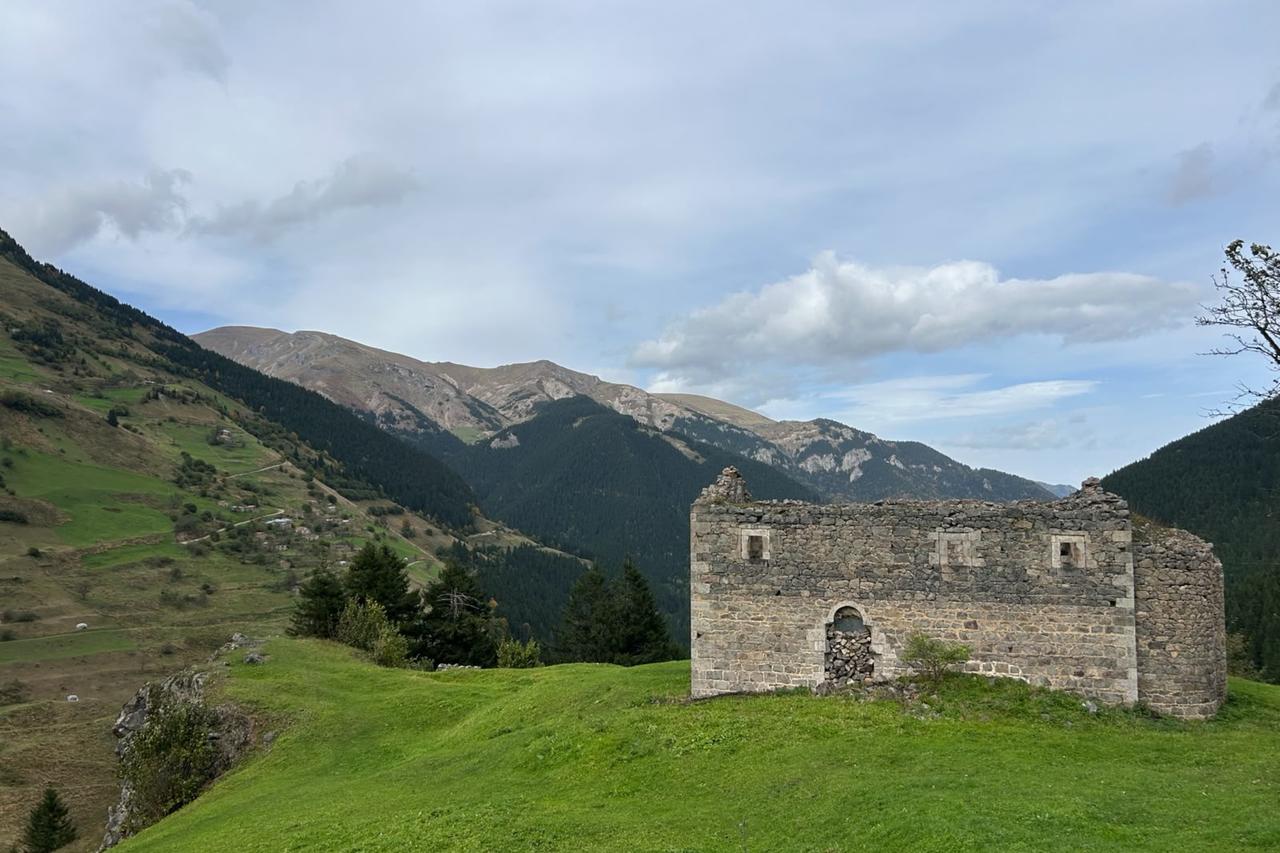
The journey begins in Erzurum, where attractions include the Narman Fairy Chimneys, naturally formed rock formations, alongside Oltu, Rainbow Hills, Enguzek Castle, Pirinkayalar Observation Terrace and Osvank Monastery.
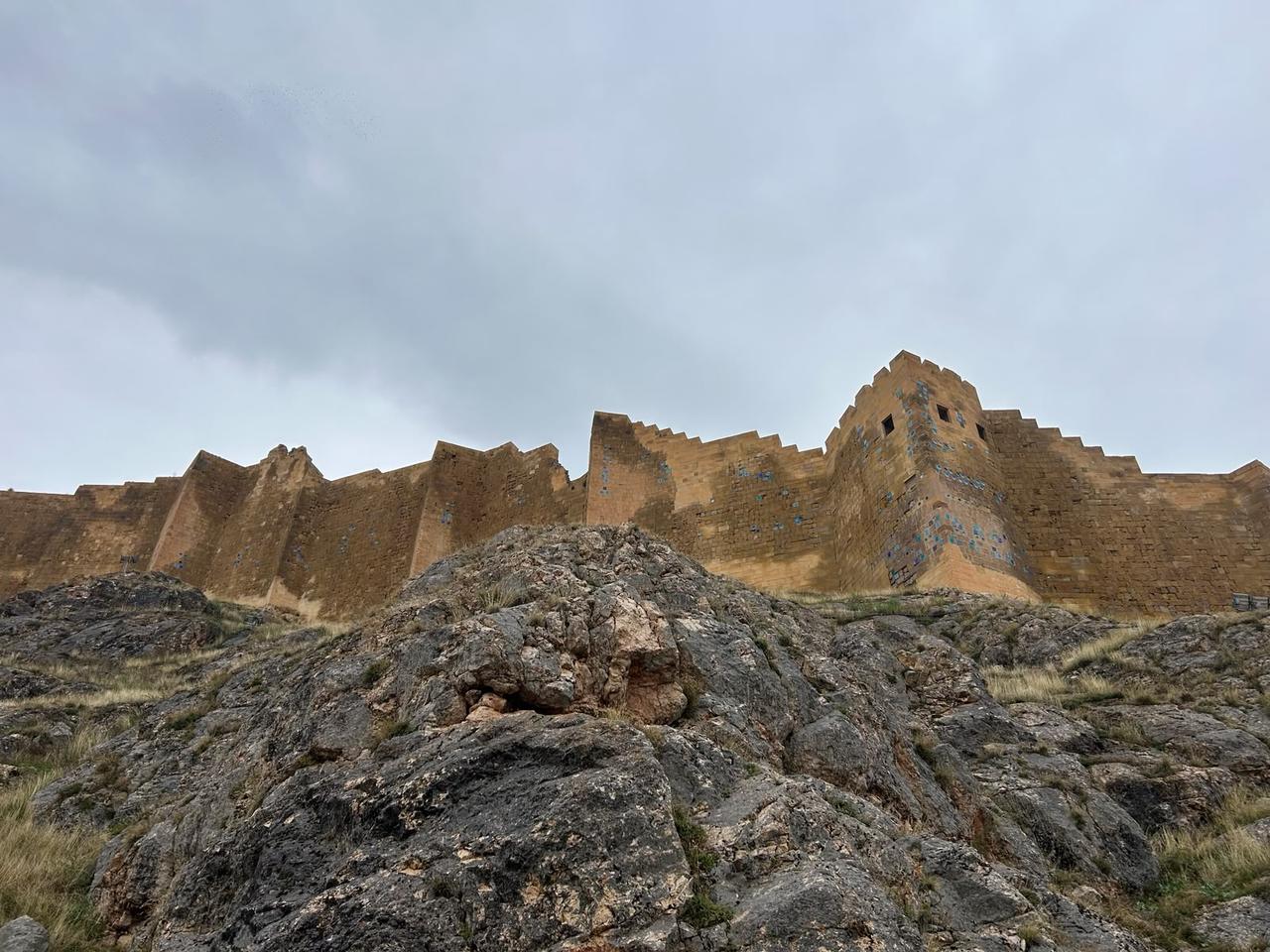
Moving into Bayburt, the itinerary takes in Bayburt Castle, the Ulu Mosque, also known as the Grand Mosque, and Aydintepe Underground City.
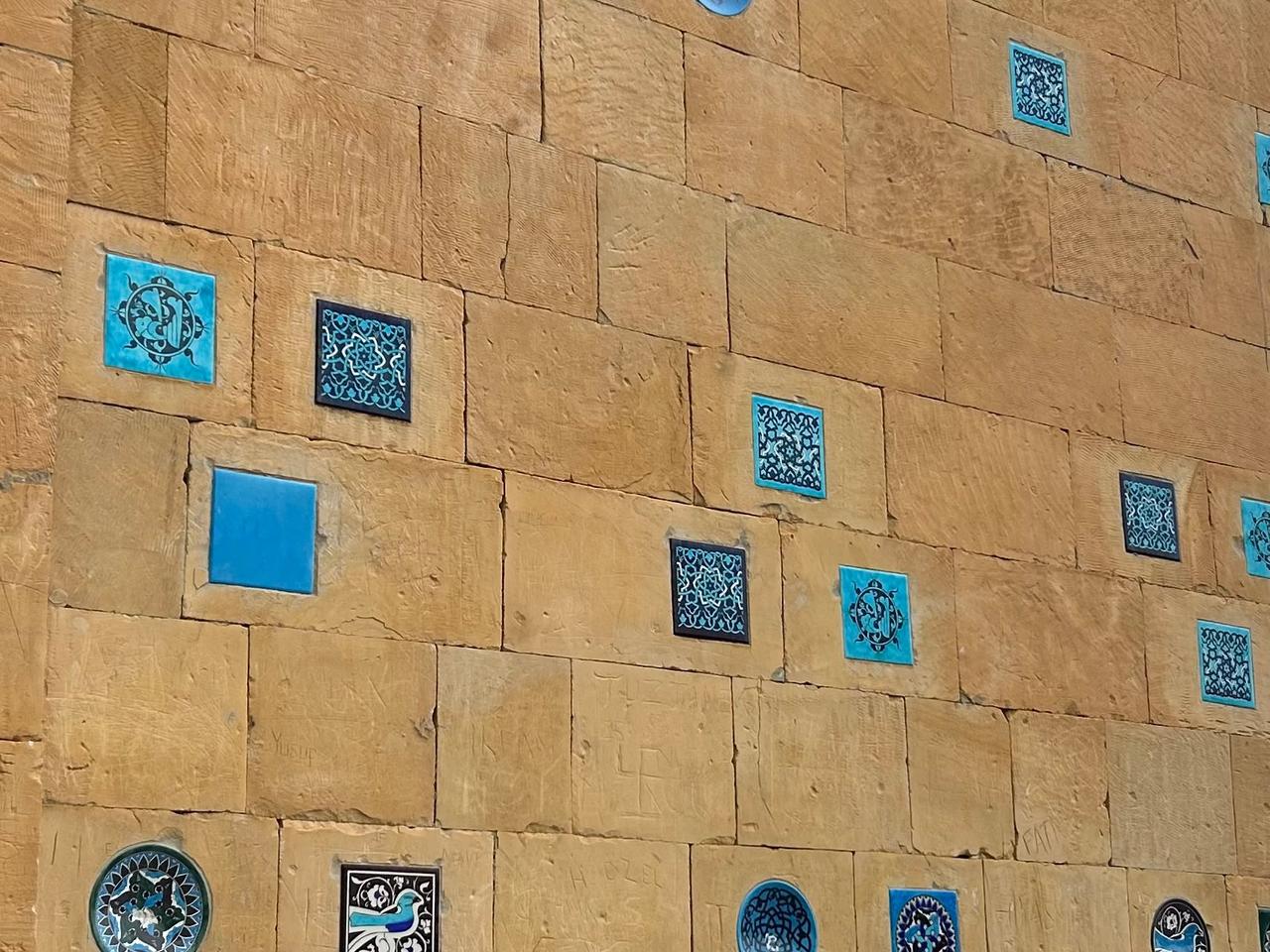
Overlooking the Coruh River, Bayburt Castle historically helped protect routes connecting eastern Anatolia with the Black Sea. The fortress underwent repairs during the Byzantine period and was later reinforced under Turkish dynasties and the Ottoman Empire.
Bayburt's Ulu Mosque, meanwhile, reflects Seljuk religious architecture. Despite extensive restoration, sections of its original structure, including parts of the minaret and decorative features, have survived.
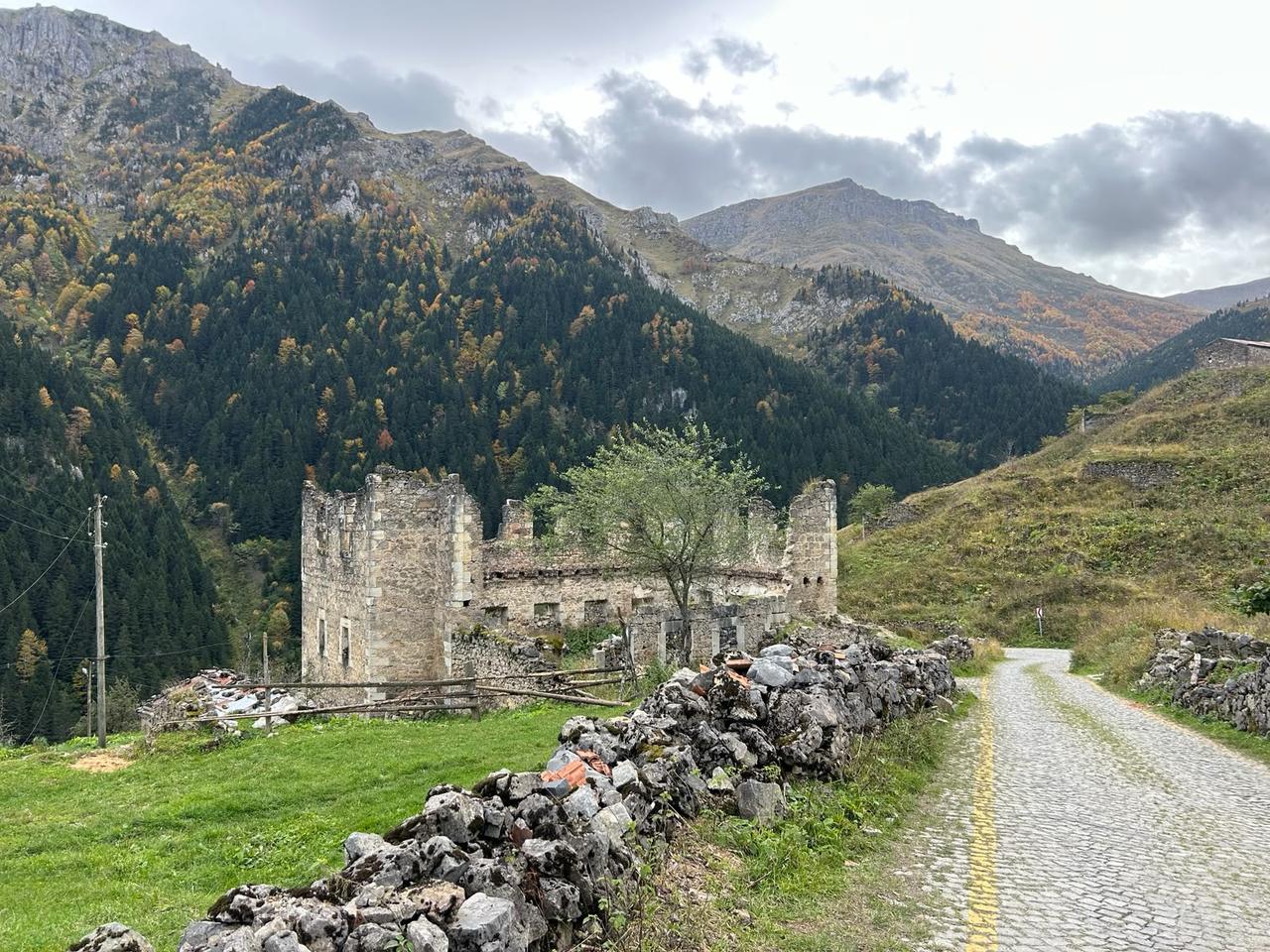
In Gumushane, the route moves through the ancient city of Satala, the Santa ruins and Suleymaniye, a historic neighborhood also known as Old Gumushane.
Suleymaniye developed into a mining and trading center because of its silver deposits and location along the Silk Road, the historic network of trade routes connecting Asia and Europe. Its surviving mosques, churches, baths, bridges and schools reflect a period when Turkish, Greek and Armenian communities lived alongside one another.
The nearby Santa ruins, scattered across mountain slopes near Dumanli village, contain more than 300 houses, churches and other stone buildings.
Once an important mining settlement, Santa was largely abandoned following the 1923 population exchange and is now protected as an archaeological and natural site.
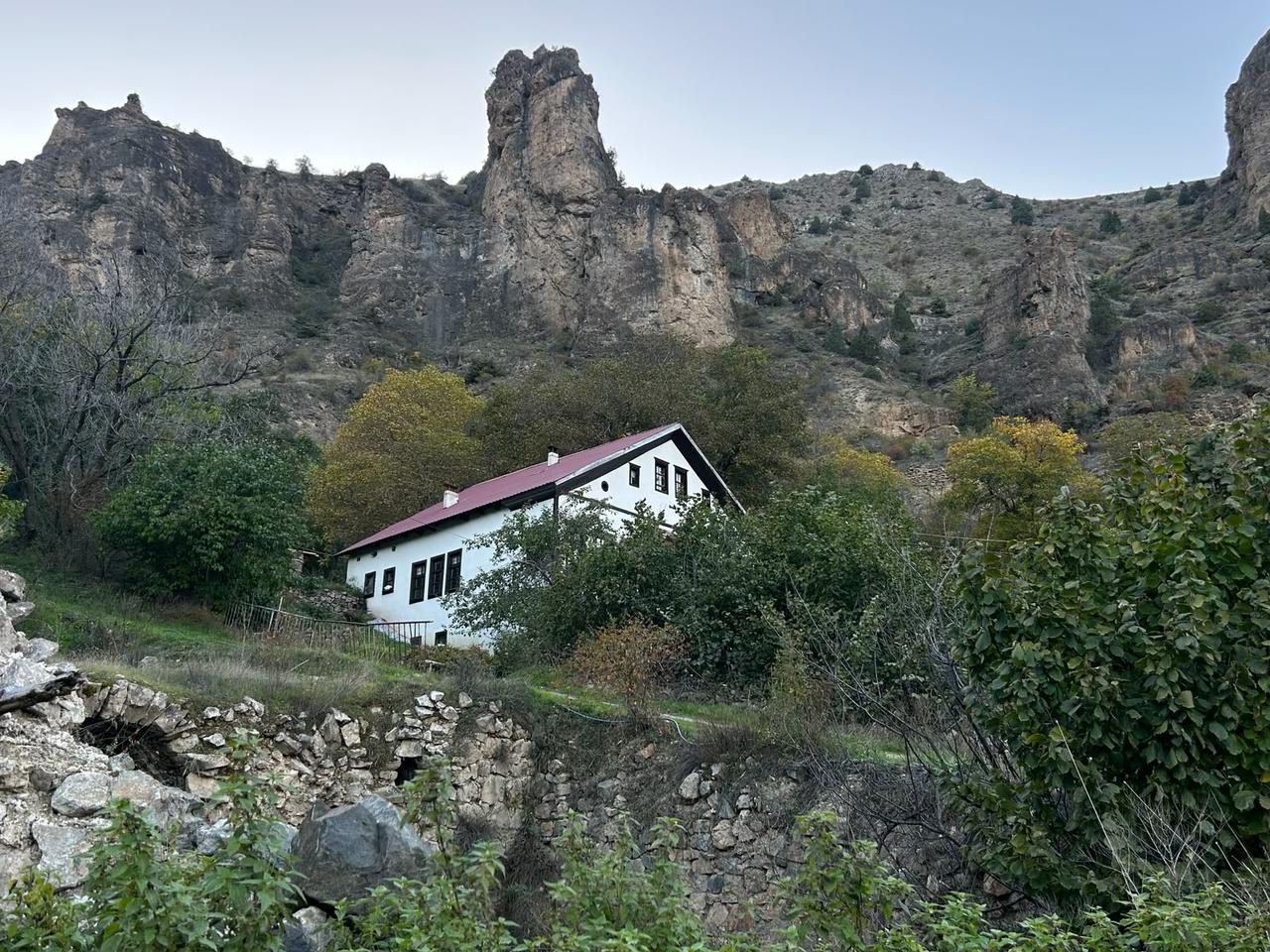
The route concludes in Trabzon, where visitors can explore Cal Cave, Canikdere Waterfall and the Girls' Monastery, alongside examples of traditional Black Sea architecture.
Other stops include the cable car linking the Besikduzu coast with Besikdagi, providing panoramic views of the Black Sea, and Ataturk Mansion, a historic residence where Mustafa Kemal Ataturk, the founder of the Republic of Türkiye, stayed during visits to Trabzon.
Together, the four provincial sections make up a tourism itinerary connecting sites associated with different periods of Anatolian history along the broader geographical corridor described in Xenophon's ancient account.


 Set as preferred source
 Set as preferred source



 2 min read