Newsletters


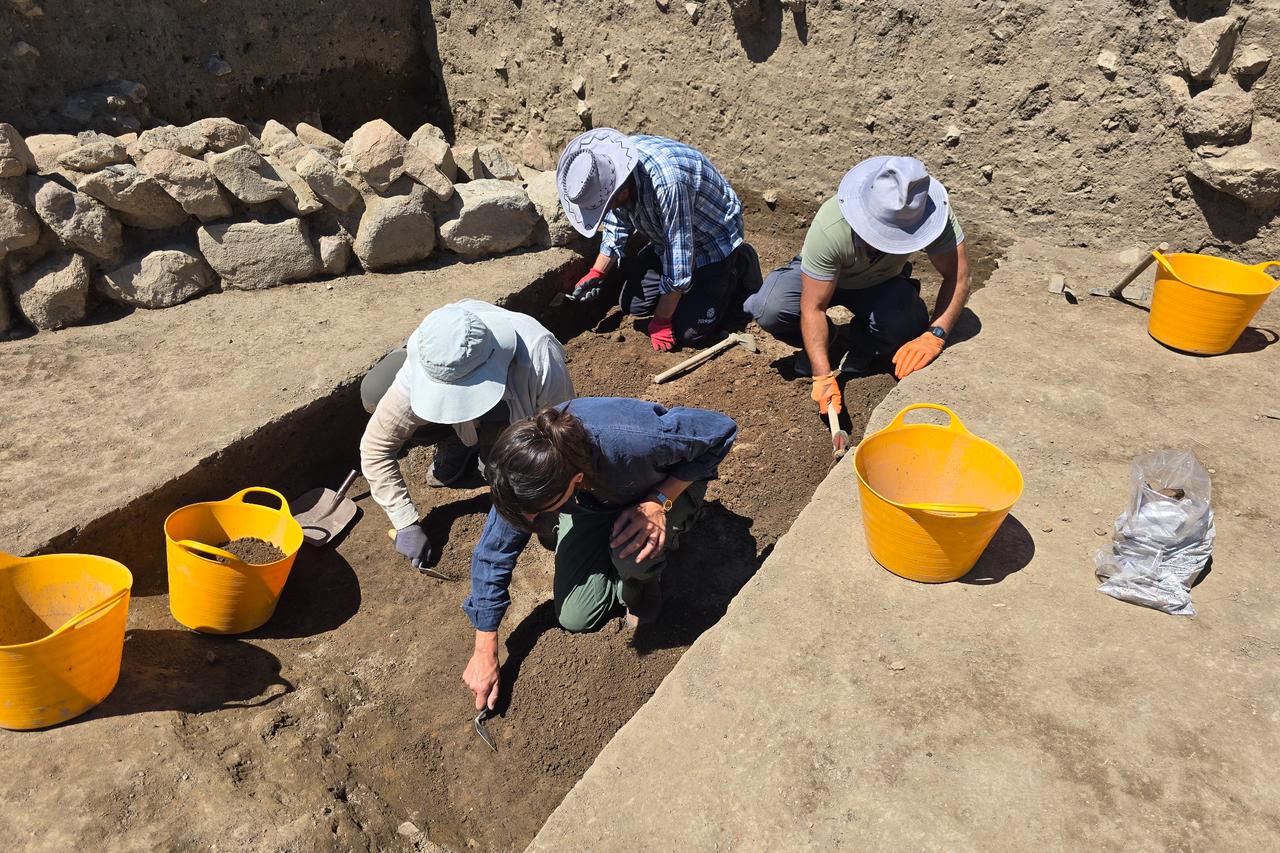


Excavations at Usakli Hoyuk, an ancient settlement mound in Türkiye's central Yozgat province, are focusing on ritual areas believed to date back to ancient periods, with researchers examining unusual finds from the Hittite era, including child skeletons, ceramics, and animal bones.
The site is located in the Buyuk Taslik village in the Sorgun district. A "hoyuk" is a settlement mound formed over time as layers of human habitation build up on the same spot, making such sites important for tracing long-term occupation patterns.
Surface surveys carried out between 2008 and 2012, followed by excavations in 2013 and 2014, showed that Usakli Hoyuk held immense significance during the Hittite period. Settlement at the site began in the late third millennium B.C. and continued through the Middle and Late Bronze Ages, while later occupation also extended into the Iron Age, Late Roman and Byzantine periods.
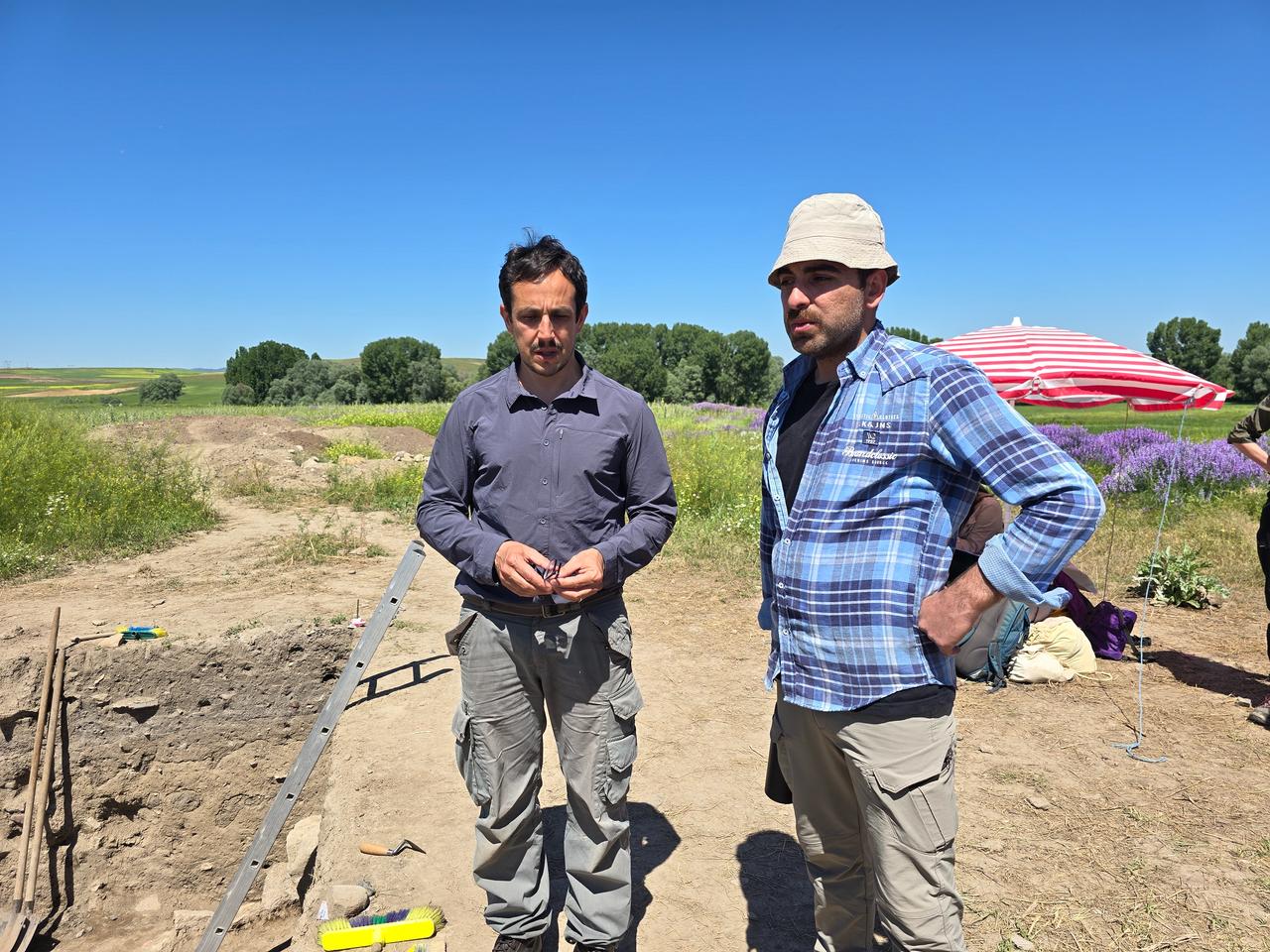

Excavation director Professor Anacleto D'Agostino, associate professor at the University of Pisa, said the current work is being carried out in an area known as Sector F, which is linked to the Hittite period.
D'Agostino described the area as an open space that researchers believe may have been used for ritual purposes. He noted that the team sees a connection between this area and nearby structures, while stressing that the ritual zone appears to be highly unusual.
"This ritual area is very unique," he said, adding that no similar example has previously been seen in Anatolia.
He also said Usakli Hoyuk contains many archaeological layers, beginning in the third millennium B.C. and continuing into the Roman, Byzantine, Seljuk and medieval periods. During the Hittite era, he said, the settlement expanded and included different types of structures, including buildings identified as a temple and a palace.
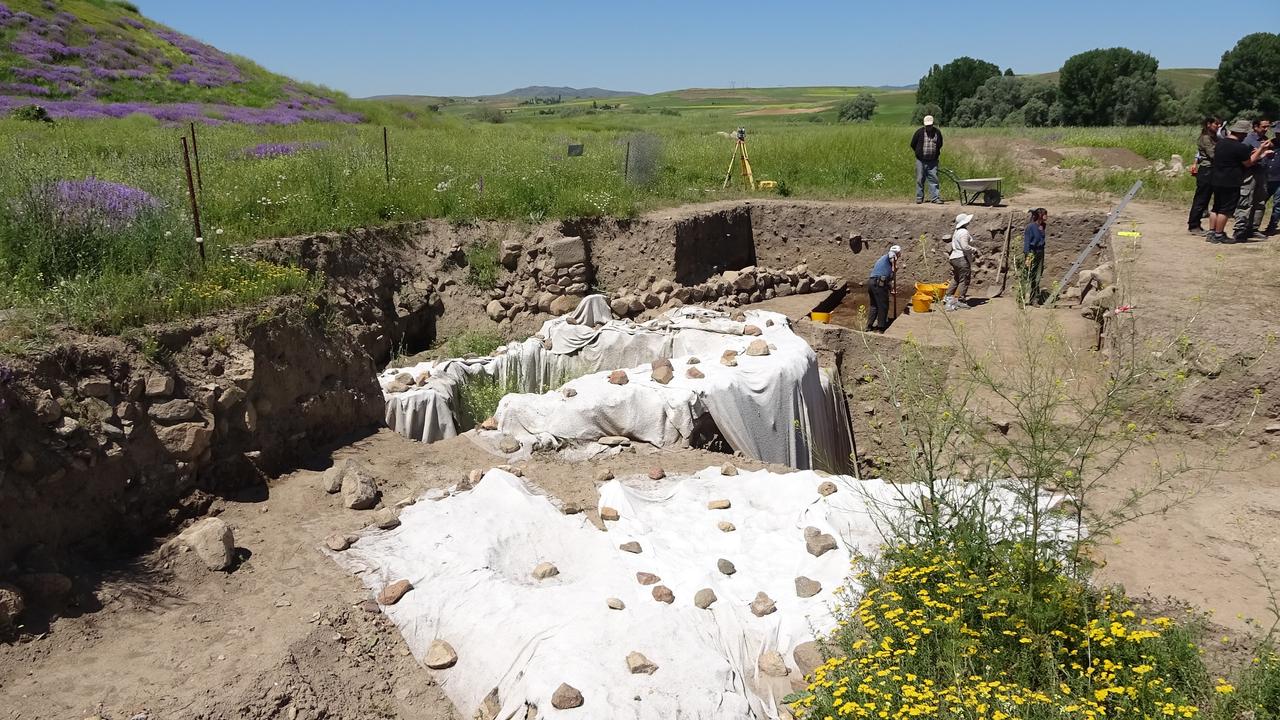
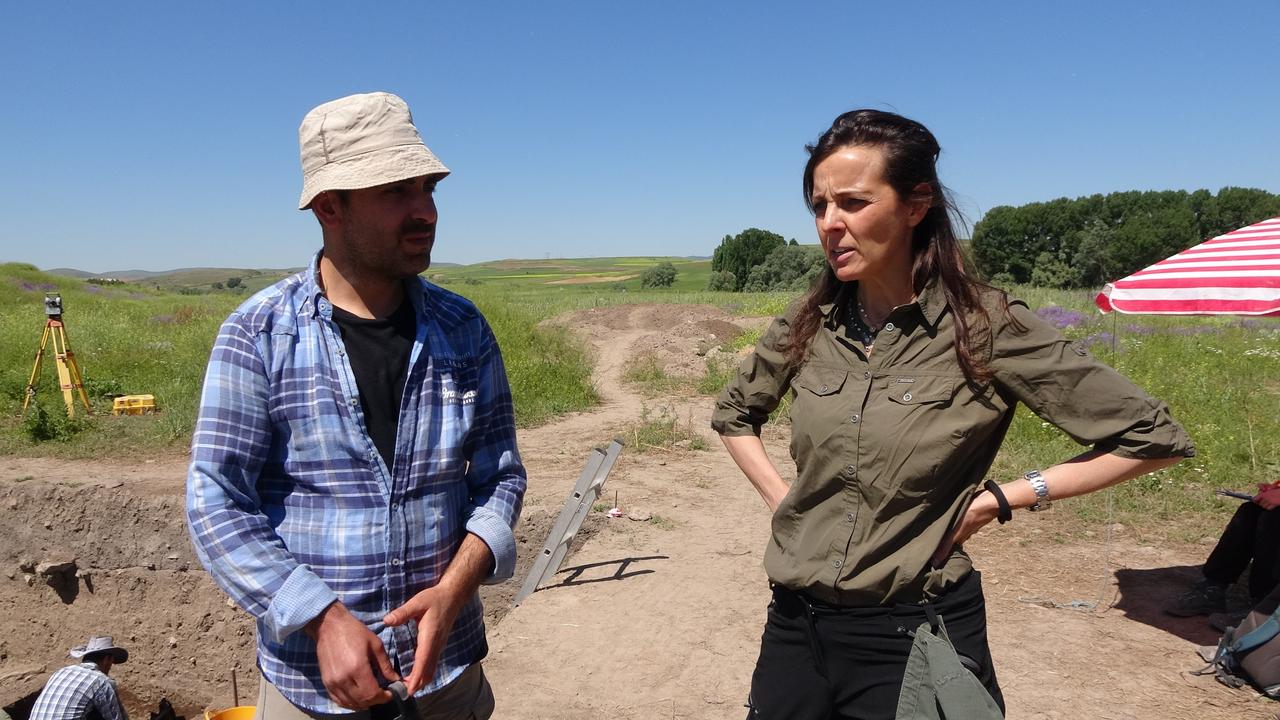
Valentina Orsi from the University of Siena said several child skeletons were found in the ritual area, describing this as an exceptional situation when compared with other sites.
She said the first child bones were identified during the 2013 and 2014 excavations, but it is unclear whether they belong to graves. The remains were not concentrated in one place, but were instead spread across different areas.
According to Orsi, the discovery is difficult to define because Hittite texts provide very limited information about child burials, and similar finds are not commonly seen at other settlements. She said research into the remains is continuing.
Researchers also found many ceramics and animal bones dated to the Hittite period. Orsi said these finds may be connected to a specific ritual activity because they were discovered next to the structure identified as part of the ritual area.
She added that the team is still investigating whether there was a relationship between this structure and the large monumental building on the other side of the excavation area, which has been described as a possible palace or temple.
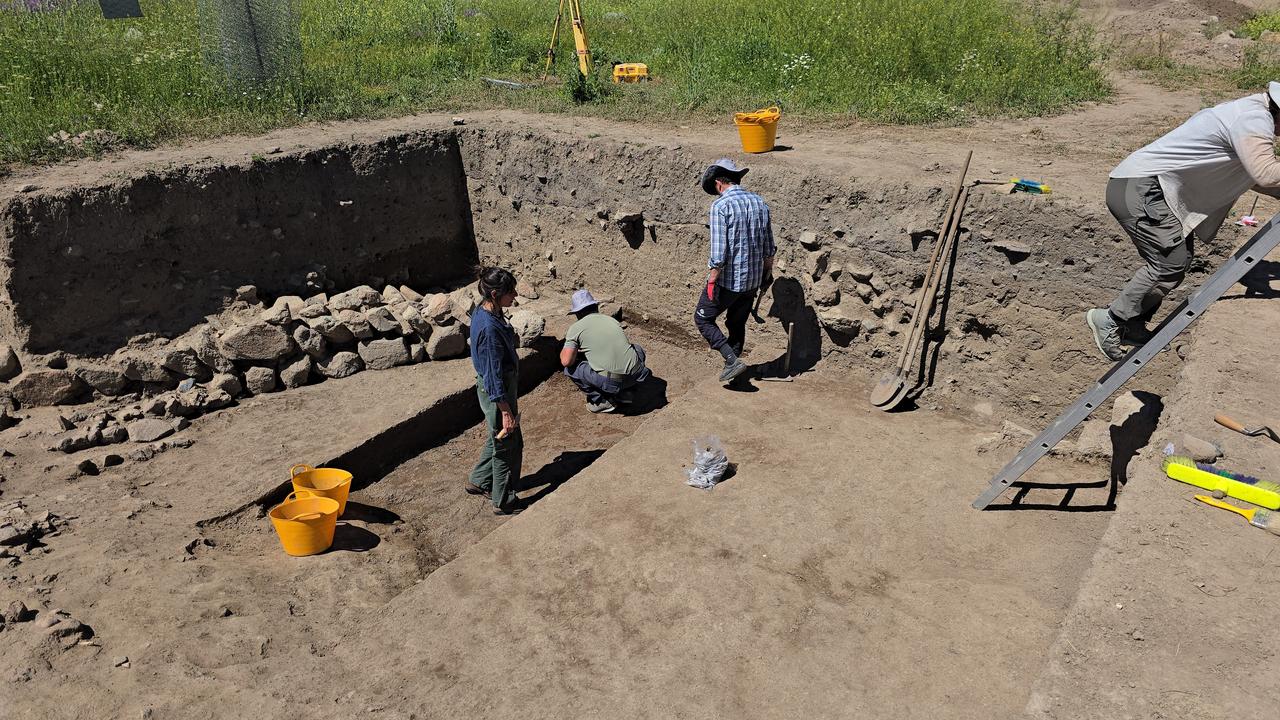
Another important discovery at Usakli Hoyuk is a mosaic layer made with colored stones in the area described as a large monumental building.
Orsi emphasized the mosaic's importance, noting it could be one of the earliest known examples of a structure built for aesthetic purposes. She explained that while the mosaic initially appeared obscured by dirt, rainfall helped wash away the surface soil, revealing that the colored stones had been intentionally arranged in a complex pattern.
 3 min read
She said the team felt great excitement after recognizing that the structure could represent one of the oldest known mosaic buildings.


 Set as preferred source
 Set as preferred source


 1 min read