Newsletters


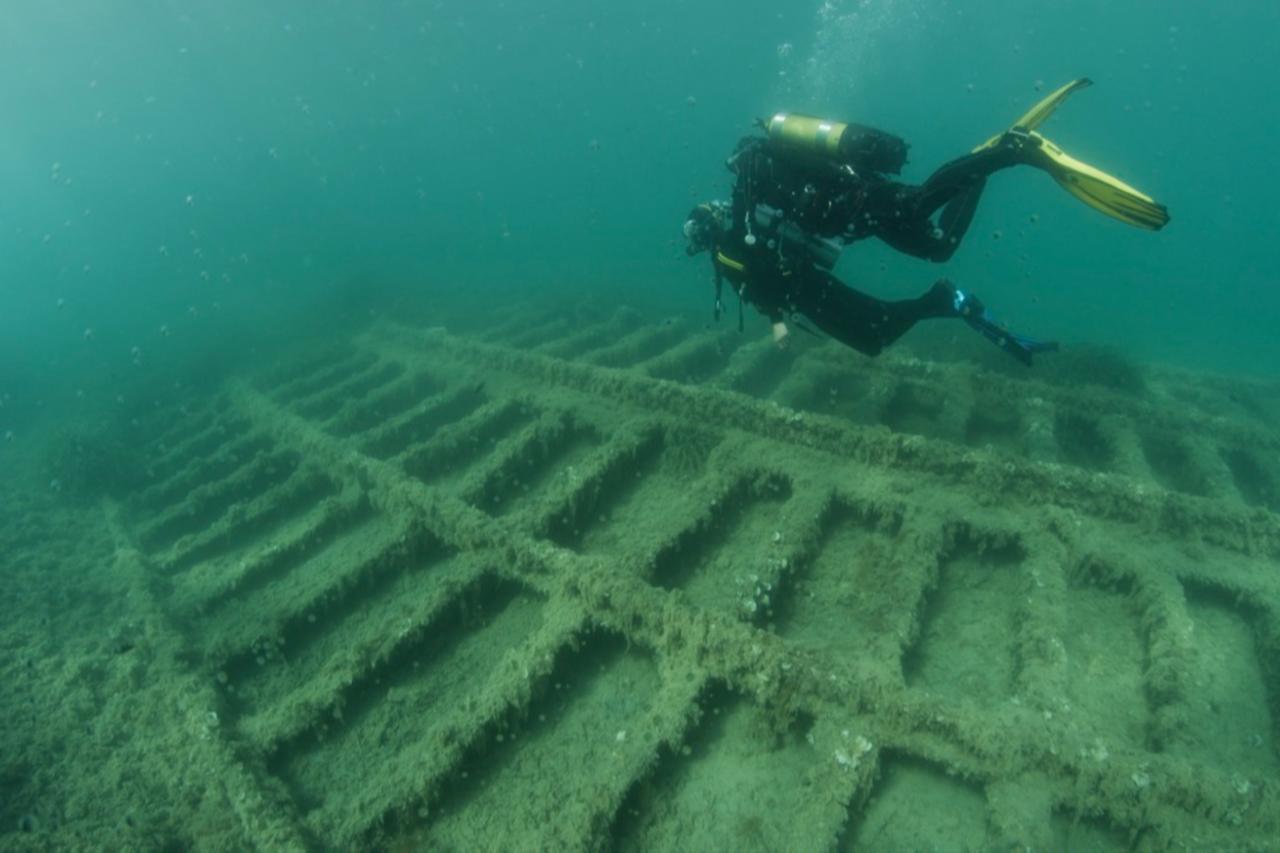


Türkiye has launched a new conservation effort to protect historic war wrecks in the Canakkale Strait, using cathodic protection systems to slow down corrosion and keep the underwater remains accessible for diving tourism.
The work is being carried out under the "Deep Heritage Project," introduced after a protocol was signed between the Canakkale Wars Gallipoli Historical Site Directorate and the 1915 Canakkale Bridge and Motorway company, known as COK AS.
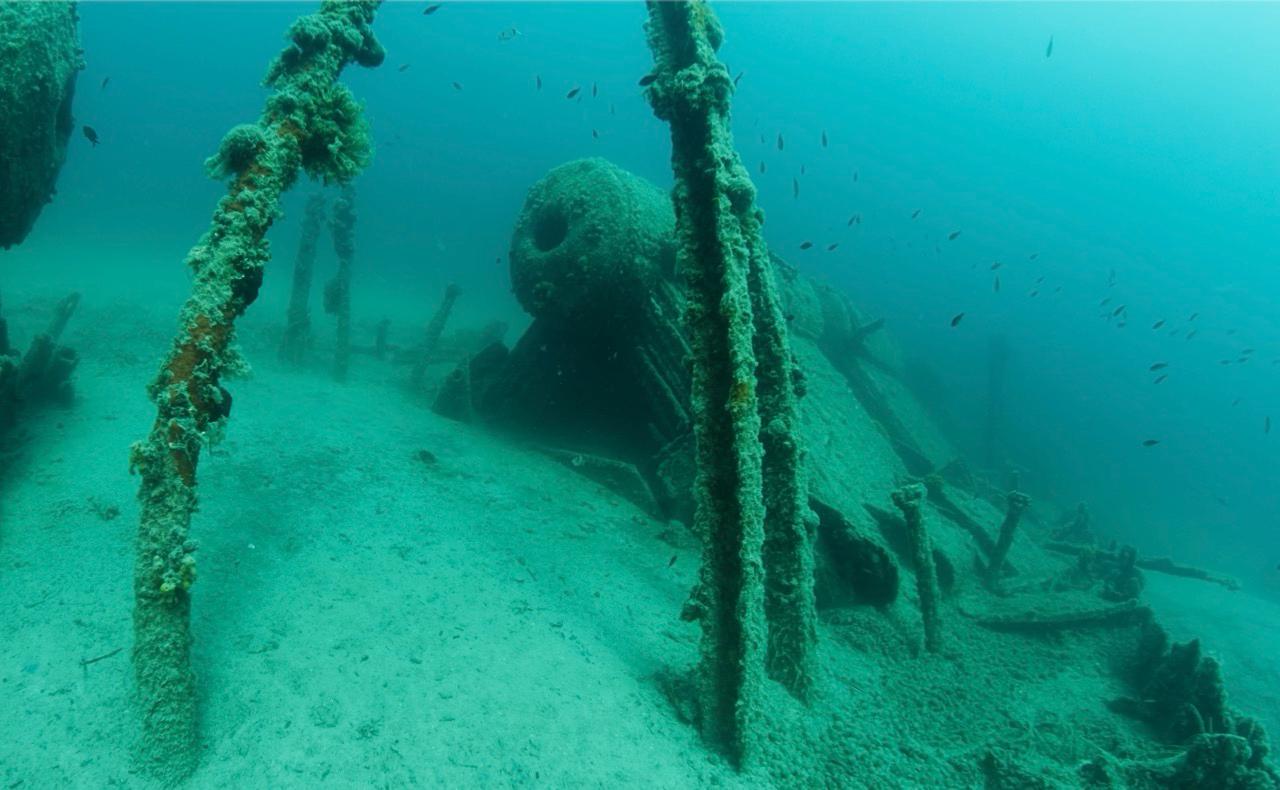

The project focuses on shipwrecks left from the Canakkale Naval Battles, many of which have remained underwater for more than a century.
The launch event was held at a hotel in Eceabat, where journalists first received basic diving training from technical diving instructor Murathan Yildiz.
They then carried out a trial dive at the SS Milo wreck in Anzac Cove, which lies at a depth of about 5 to 7 meters. Built in 1865 as a steam passenger ship, SS Milo later entered the service of the British Admiralty at the start of World War I. A generator was installed on the ship so that searchlights could be used to illuminate the coastline.
Underwater photographer Alex Dawson, Gallipoli Historical Site President Ismail Kasdemir and 1915 Canakkale Bridge and Motorway CFO Murat Sarikaya also joined the dive.
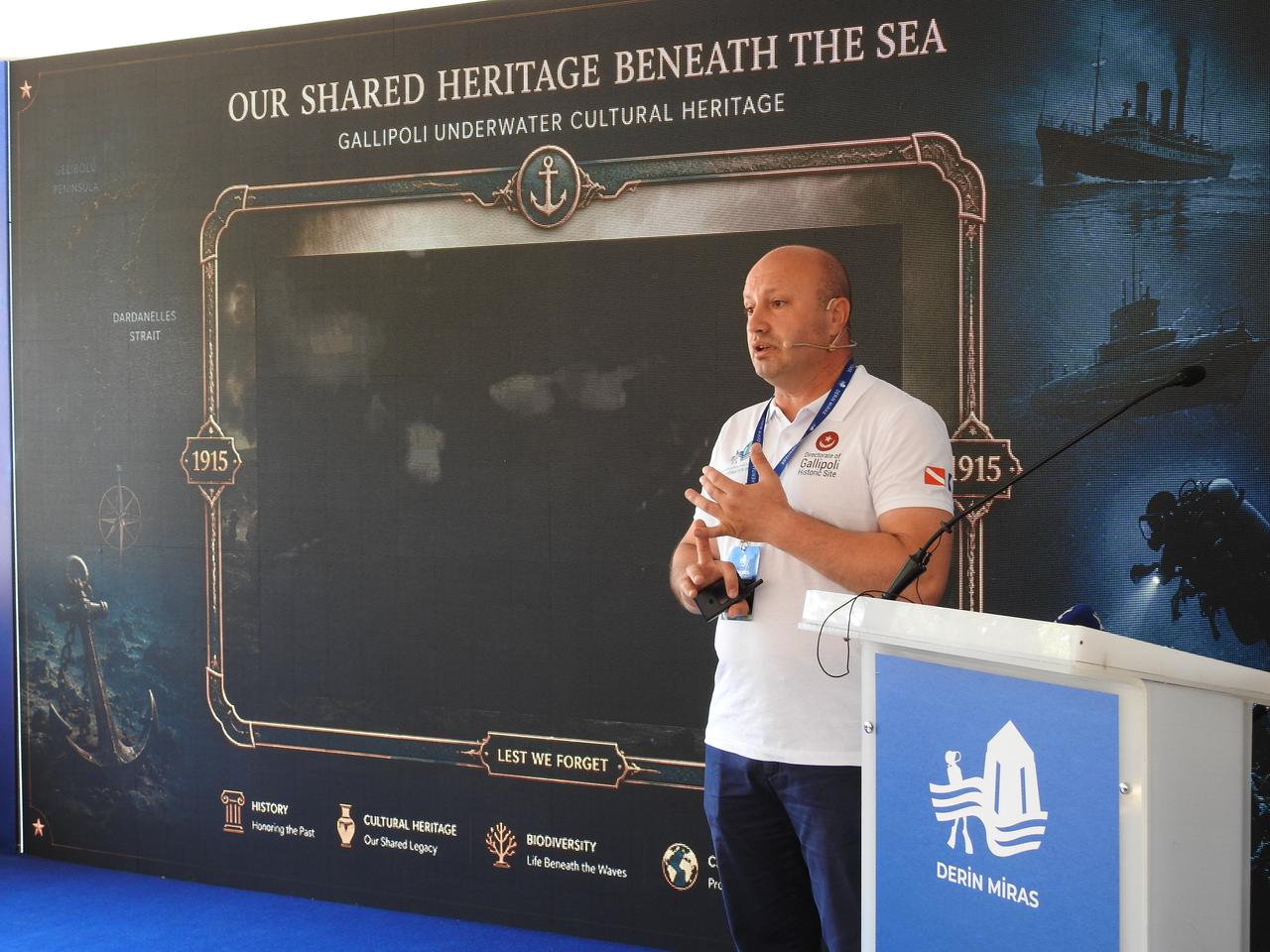
Kasdemir said the Gallipoli Underwater Park had become one of the world's leading underwater diving centers since it was set up a few years ago, but stressed that it was more than a tourism site.
He said divers do not only dive there but also move through a "time tunnel" among historical and cultural remains.
Kasdemir said Türkiye was showing once again that it protects cultural heritage not only on land but also in what he called "Mavi Vatan," or the country's maritime homeland.
"Those cultural heritages have waited underwater for 100 years, and we are in this work to make sure they remain underwater for many more centuries," he said.
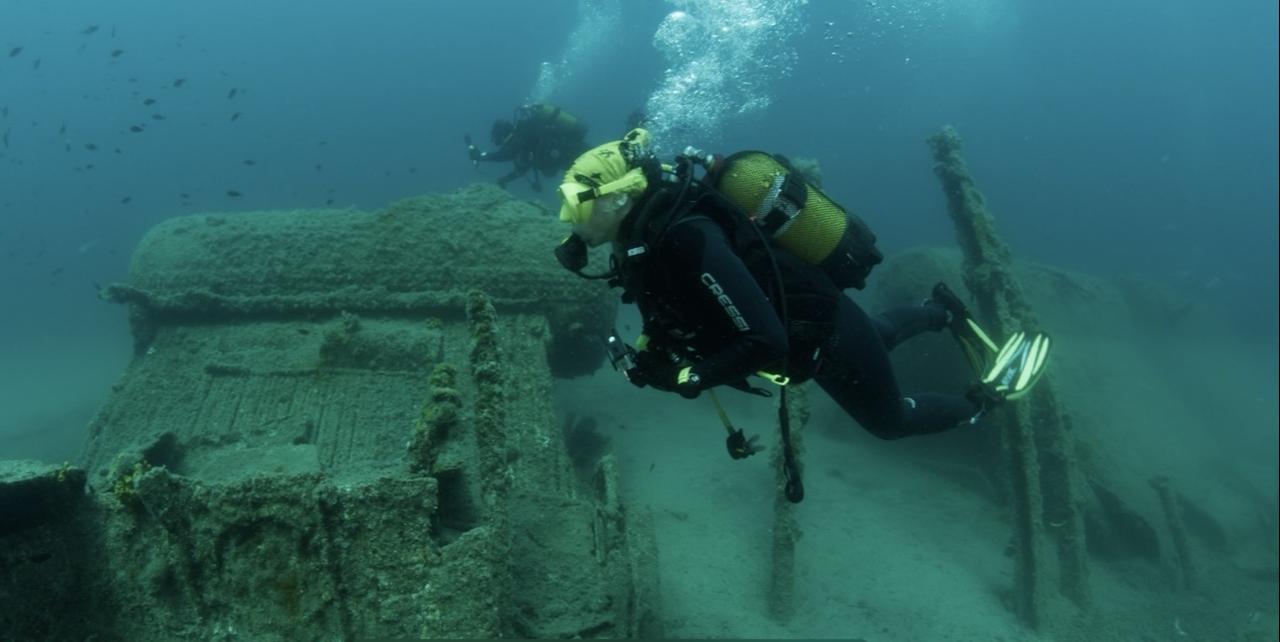
Yusuf Kartal, head of planning and projects at the Gallipoli Historical Site Presidency, said the project was launched with the theme of "protecting the past, planning the future."
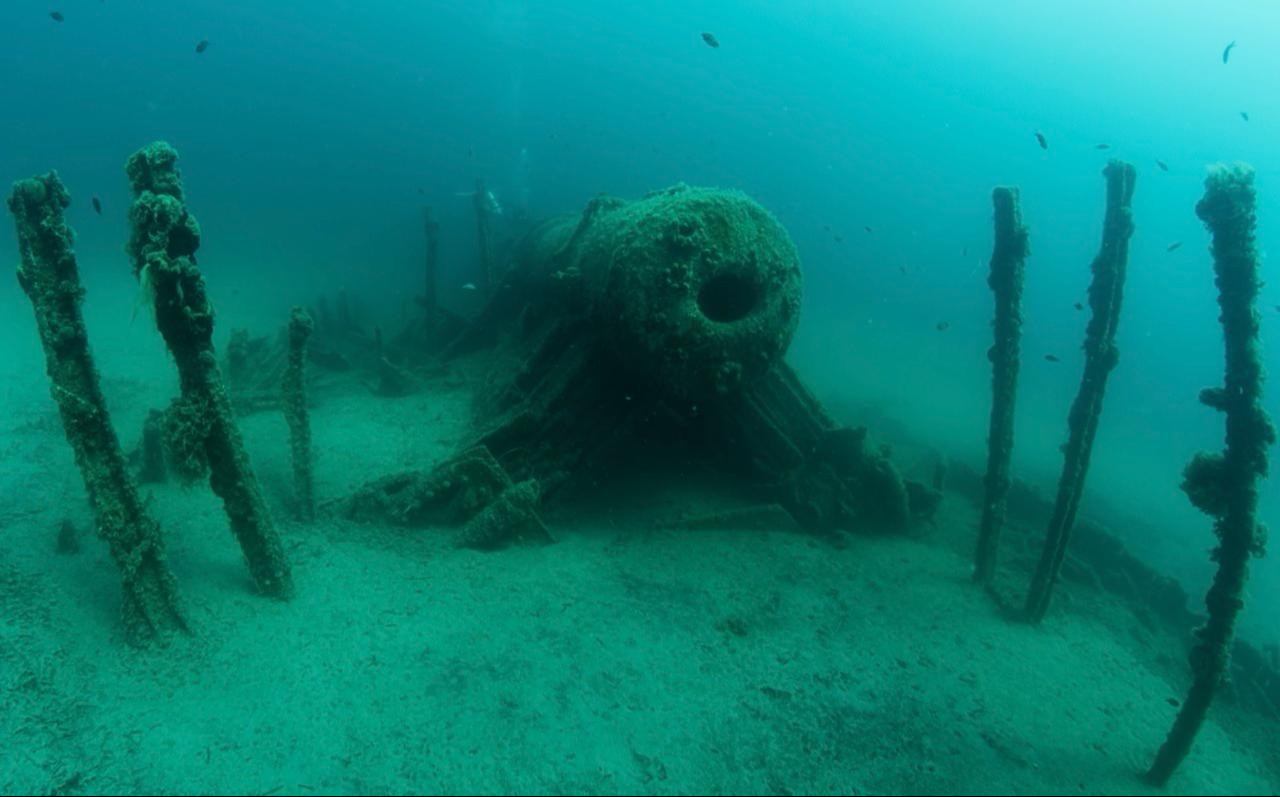
He said there are more than 100 war wrecks in Canakkale, including both warships and support vessels, while 29 dive points have been opened around the Gallipoli Peninsula. The first wreck selected for conservation is HMS Louis, a British destroyer that was damaged after colliding with a tugboat during the Canakkale War, drifted away, and later ran aground on sand in Suvla Bay.
Kartal explained that wrecks rust as metal loses electrons in the marine environment. Cathodic protection works by placing a sacrificial anode near the wreck, allowing another material to corrode instead of the historic metal structure.
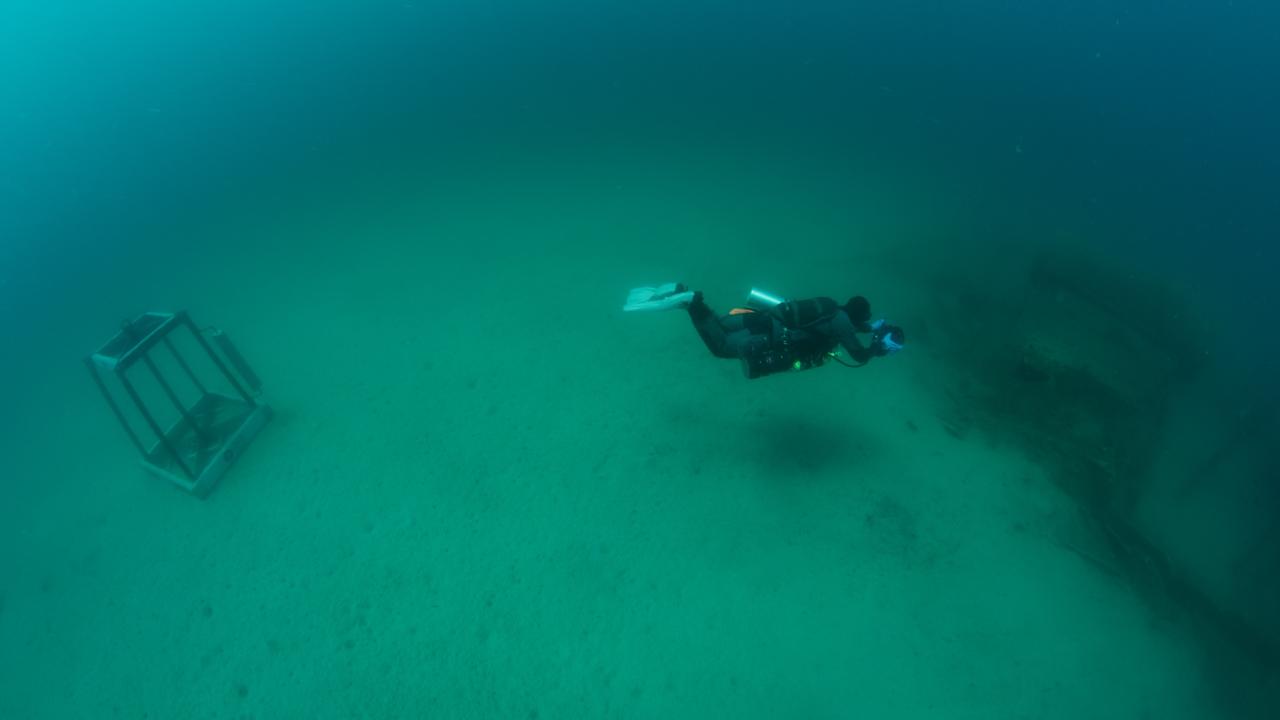
The first cathodic protection system has now been placed around HMS Louis, and five more systems are planned for the same wreck in later stages.
Officials said the method is environmentally friendly because it does not require physical intervention on the wreck itself. Instead, a special zinc-anode device is placed nearby to help stop corrosion.
The project is also expected to help preserve the wrecks as habitats for fish, invertebrates, and other marine life, supporting underwater biodiversity while keeping the historical remains in place. According to the project details, each application could extend a wreck's life by about 30 to 35 years.
Murat Sarikaya said COK AS was pleased to take part in the project, describing it as an effort with benefits for the economy, history, nature, and sport.
He said the company had already carried out 321 social and environmental projects in Canakkale, adding that the region's concentration of wrecks made it a unique geography.
National free-diving athlete Bilge Cingigiray, who holds a Guinness World Record after walking 81.60 meters underwater with an 18-kilogram weight, also carried out a free dive at the HMS Louis wreck during the event.


 Set as preferred source
 Set as preferred source


 3 min read