Close
newsletters Newsletters
X Instagram Youtube

Archaeologists uncover rare Late Roman reception hall with untouched mosaics in Türkiye

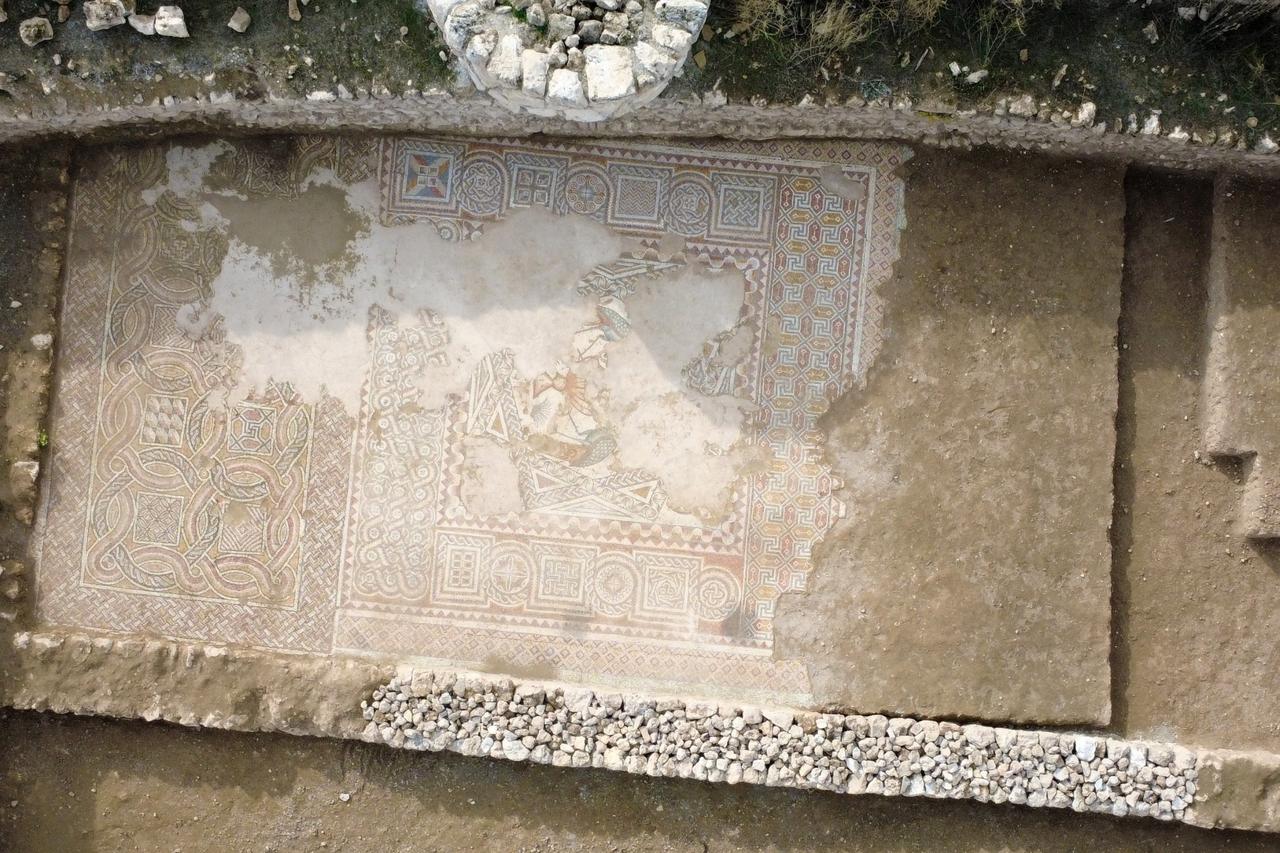
An aerial view of detailed mosaic floor is revealed during excavations in the ancient city of Hadrianopolis in Eskipazar district, where archaeologists uncover a reception hall believed to date back to the fourth century AD in Karabuk, Türkiye, Dec. 10, 2025. (AA Photo)
Photo
BigPhoto
An aerial view of detailed mosaic floor is revealed during excavations in the ancient city of Hadrianopolis in Eskipazar district, where archaeologists uncover a reception hall believed to date back to the fourth century AD in Karabuk, Türkiye, Dec. 10, 2025. (AA Photo)
December 11, 2025 09:36 AM GMT+03:00

Archaeologists excavating the ancient city of Hadrianopolis in Karabuk, northern Türkiye, have brought to light a fourth-century A.D. reception hall decorated with rare mosaic designs, marking a discovery that researchers describe as highly significant for both Black Sea and Anatolian archaeology.
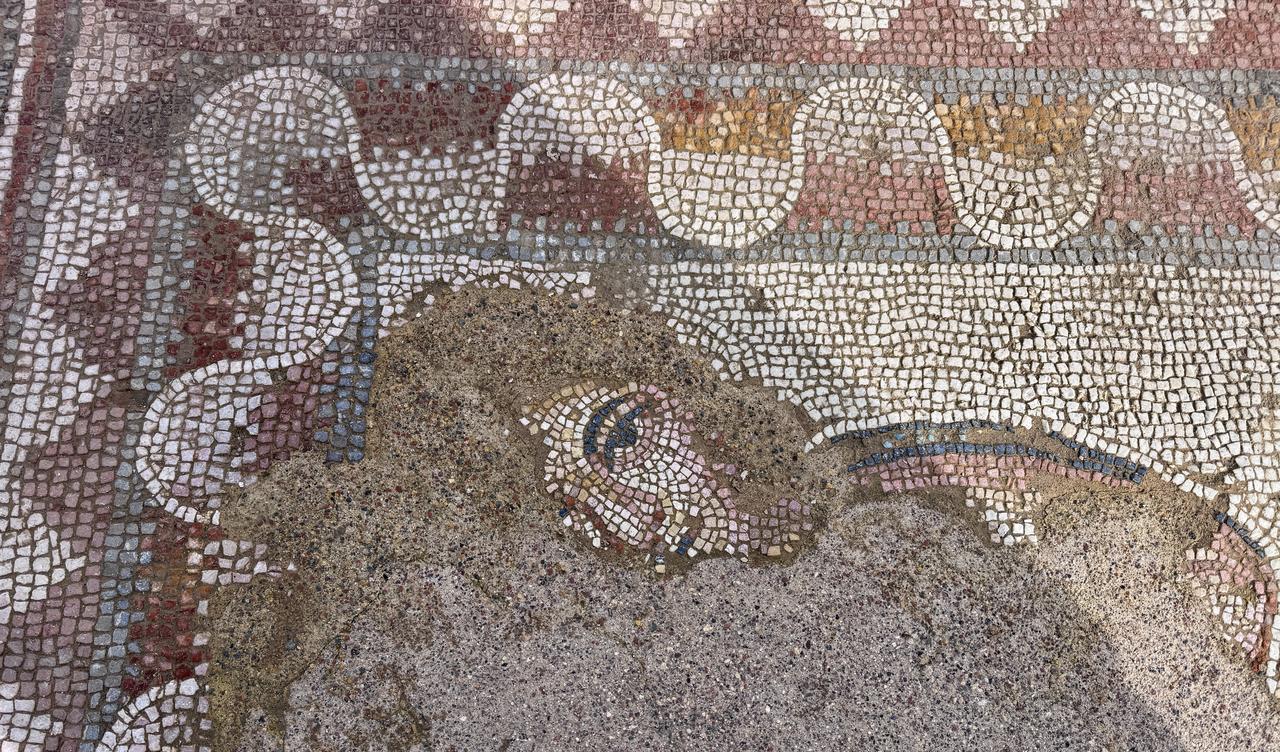
A view of detailed mosaic floor is revealed during excavations in the ancient city of Hadrianopolis in Eskipazar district, where archaeologists uncover a reception hall believed to date back to the fourth century AD in Karabuk, Türkiye, Dec. 10, 2025. (AA Photo)

Palace-linked chamber emerges inside the citadel

The excavation team, led by Professor Ersin Celikbas of Karabuk University and operating under the Culture and Tourism Ministry’s "Heritage for the Future" project, concentrated this season on the site’s inner citadel.

Their work revealed a large chamber whose well-preserved mosaic flooring suggested to researchers that the room once served as a reception hall within a broader palace complex.

Celikbas said the identification of the structure as a reception hall helped clarify the architectural layout of Hadrianopolis, a settlement occupied during the Late Roman and Early Byzantine periods.

He noted that the discovery stands out for the region, adding that it sheds new light on elite architecture in the Black Sea hinterland.
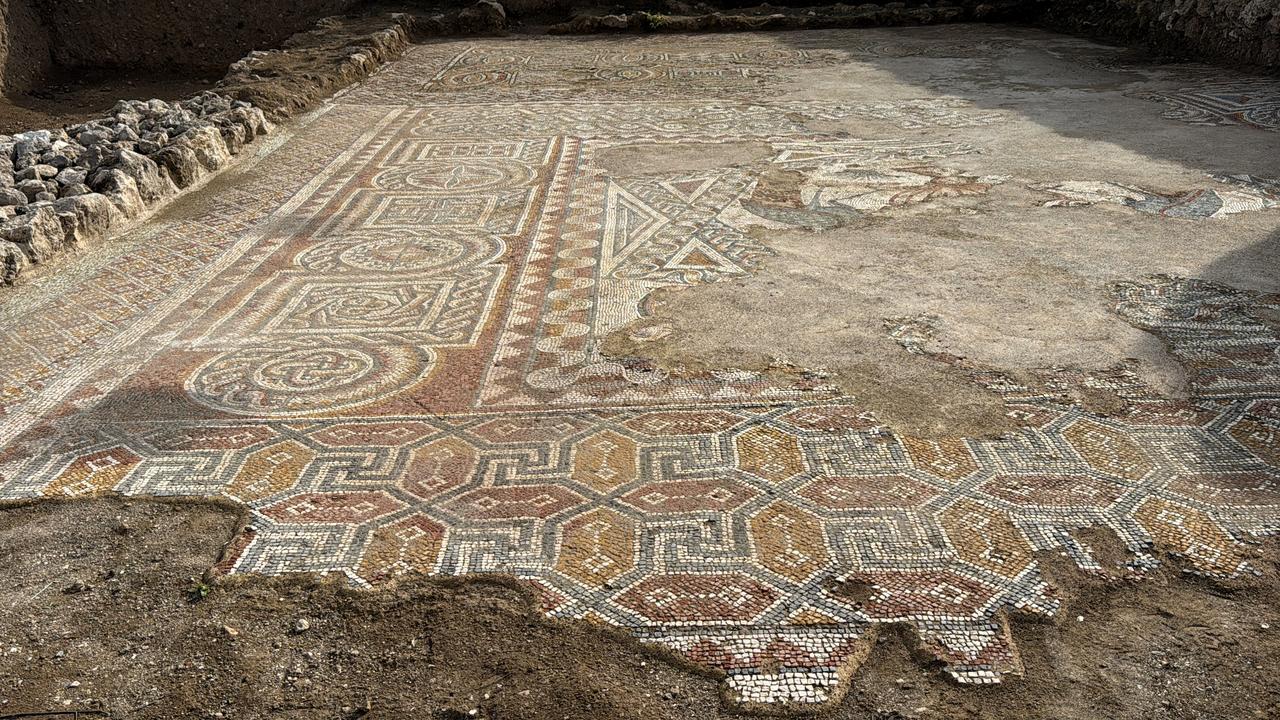
A view of detailed mosaic floor is revealed during excavations in the ancient city of Hadrianopolis in Eskipazar district, where archaeologists uncover a reception hall believed to date back to the fourth century AD in Karabuk, Türkiye, Dec. 10, 2025. (AA Photo)

Rare artistry, motifs previously unseen in the region

The newly uncovered mosaics display peacocks drinking from a fountain, as well as geometric patterns, ribbon motifs, and an eight-pointed star. According to Celikbas, the designs include “motifs not previously recorded in academic literature,” and about 80% of the mosaic surface has survived.

He added that some human figures were also detected, though they remain heavily damaged, and specialists cannot yet determine whether the imagery reflects mythological or religious themes.

Celikbas emphasized that certain patterns appear in Anatolia for the first time, explaining that their presence strengthens the site’s importance for regional archaeological research.
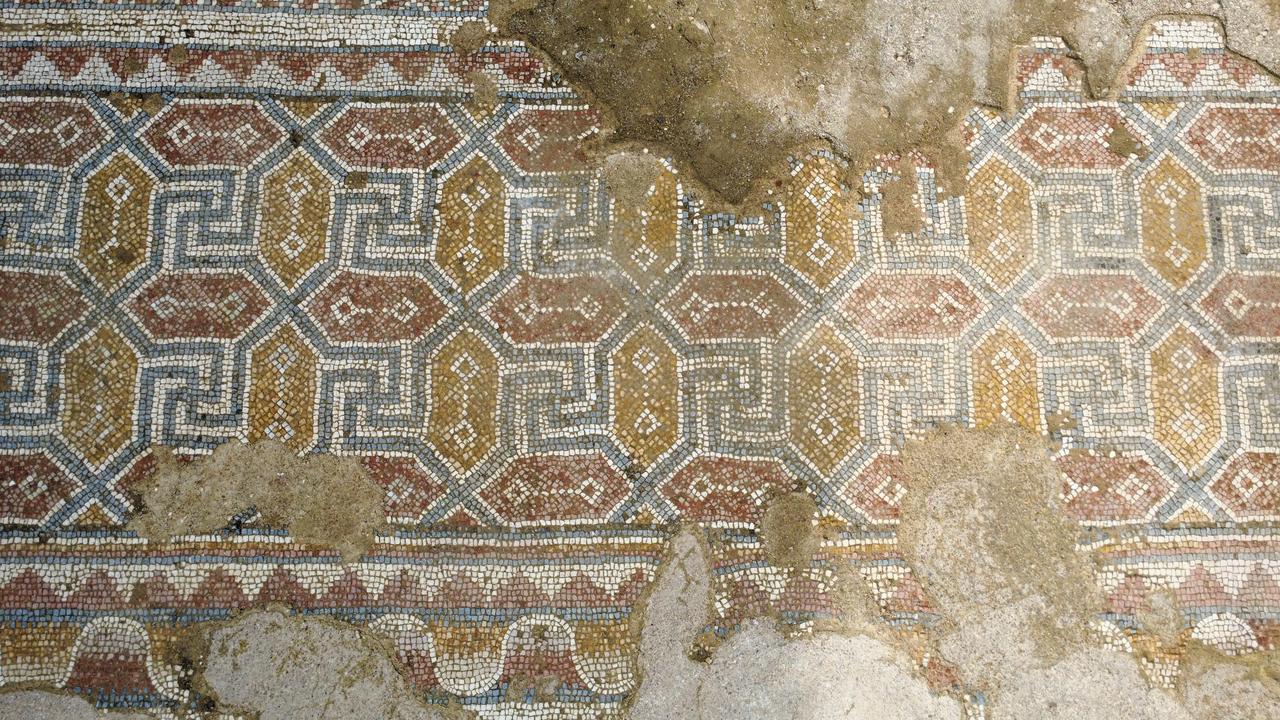
A view of detailed mosaic floor is revealed during excavations in the ancient city of Hadrianopolis in Eskipazar district, where archaeologists uncover a reception hall believed to date back to the fourth century AD in Karabuk, Türkiye, Dec. 10, 2025. (AA Photo)

Growing interest as investigations move toward 2026

Excavations at Hadrianopolis will continue next year as the team aims to expose additional sections of the palace complex.

The mayor of Eskipazar, Serkan Civa, said public interest in the site has been increasing, pointing out that Hadrianopolis recently received official “ruins” status, a designation granted to major archaeological sites in Türkiye.

He added that new visitor facilities will soon be introduced to accommodate rising tourist numbers.

December 11, 2025 09:36 AM GMT+03:00
More From Türkiye Today