Newsletters


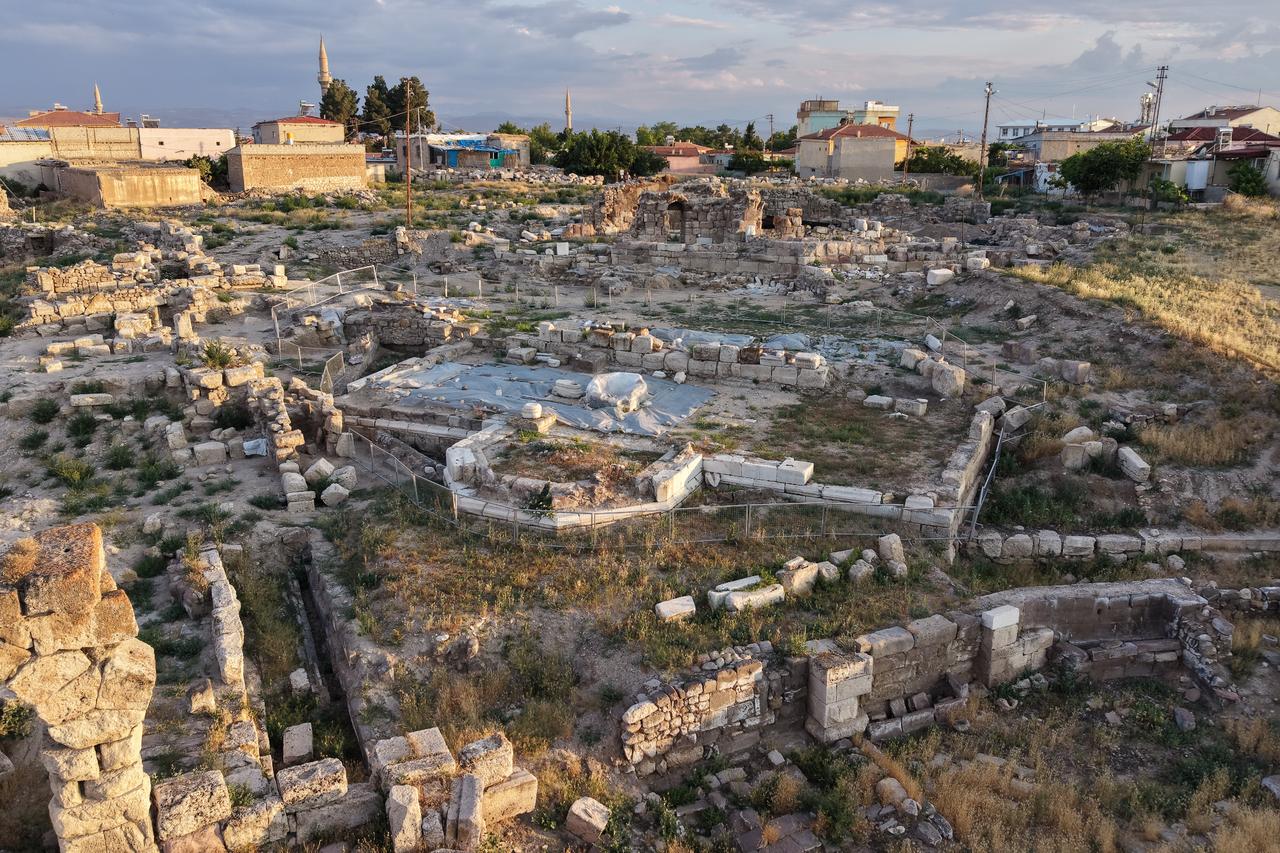


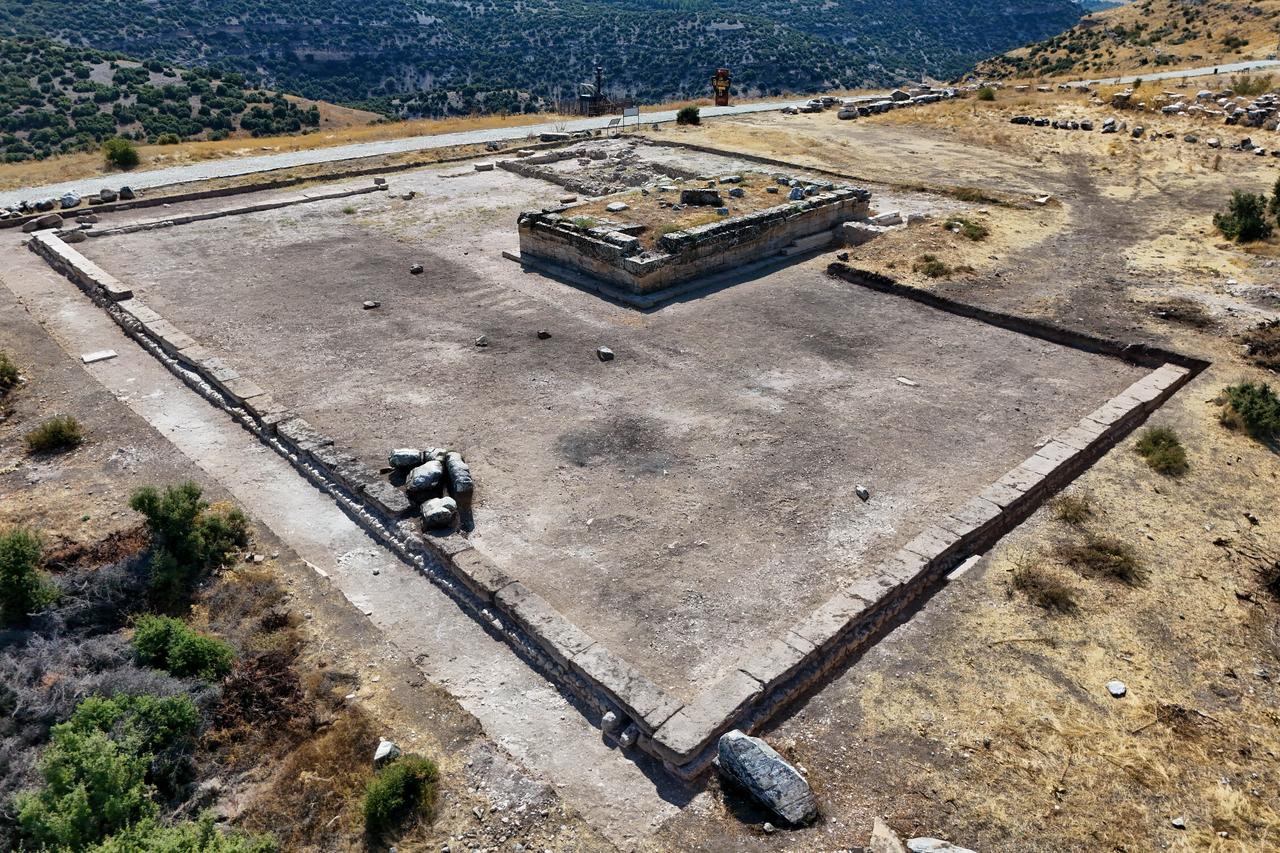
Archaeological excavations at the ancient cityof Tyana in the Kemerhisar district of Nigde's Bor have unearthed 18 tombs, out of an estimated 42, dating to the Late Roman period, within an octagonal-plan church at the site.
The excavations are being carried out under Türkiye's Ministry of Culture and Tourism's "Heritage for the Future Project," which aims to document burial customs, social life and the historical layers of Tyana during the era in question.
Osman Doganay, head of the Archaeology Department at Aksaray University's Faculty of Science and Letters and leader of the excavation team, said the 2026 season began on April 1 and has now entered its fourth month.
He said the current focus of the work includes bringing Tyana's aqueducts into tourism and economic use, as well as excavating the central nave of the octagonal church, one of the site's landmark structures.
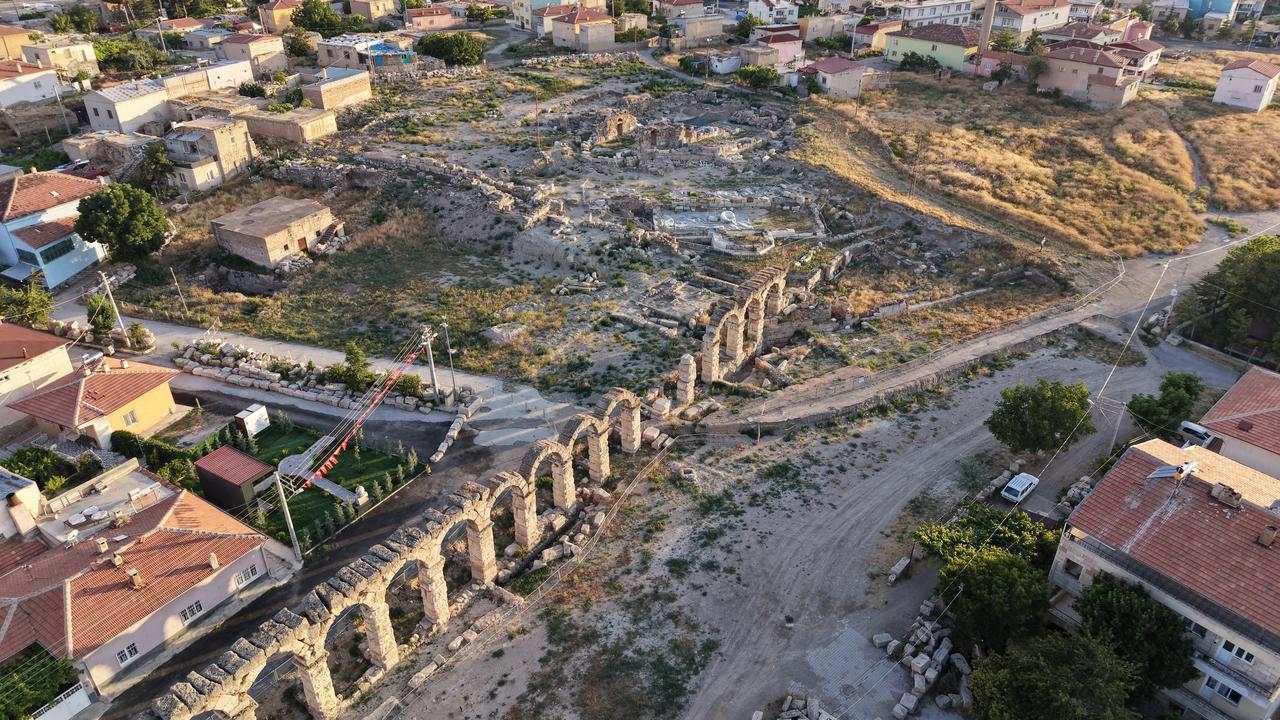

Doganay described progress at the site as fast and said multiple teams are working simultaneously, adding that the church is among the areas the project hopes to open up to visitors.
Omur Dilek Erdal, a faculty member in Hacettepe University's Department of Anthropology, joined the excavation team to examine human skeletal remains uncovered at the site.
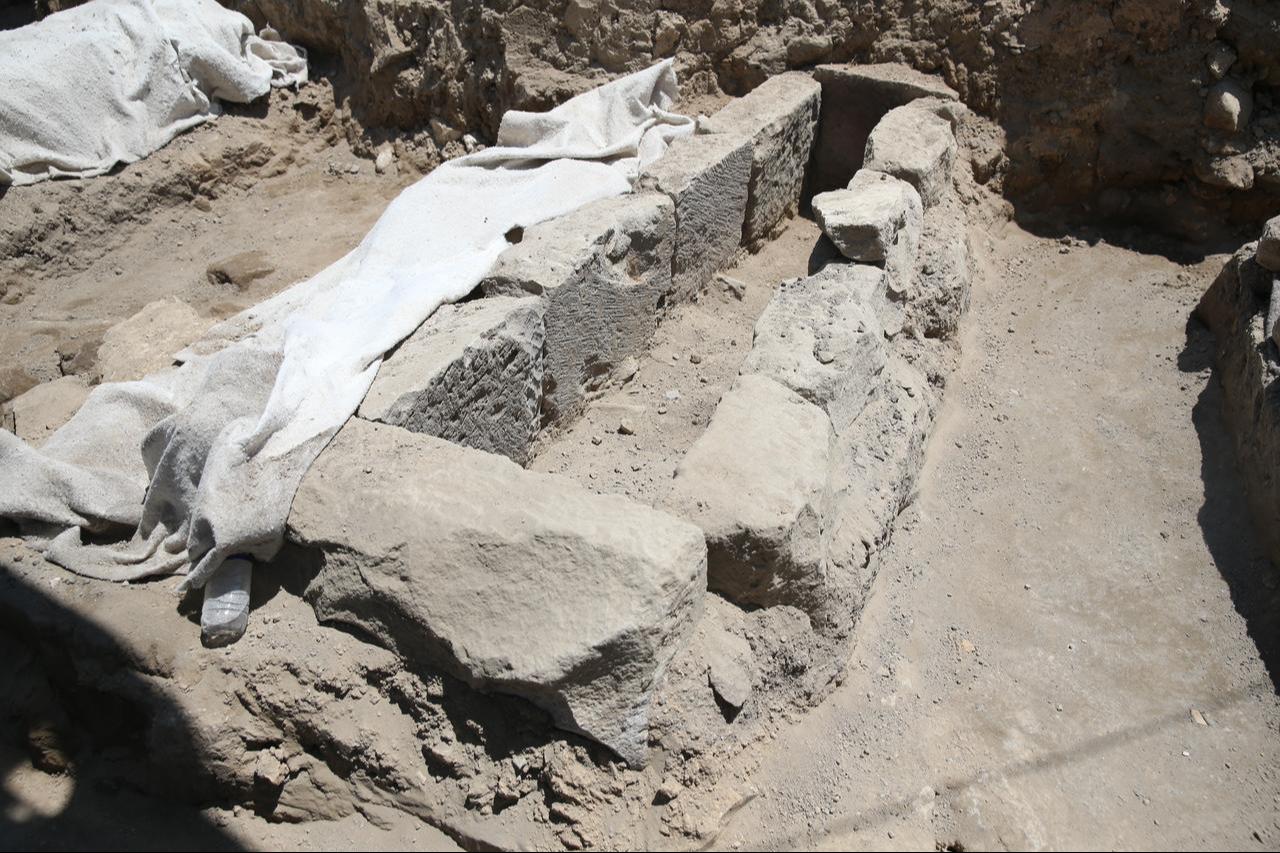
Erdal said the team began concentrating on the church's west nave after identifying it as the burial site, and that excavation there has continued for two years.
She noted she joined the project because anthropological analysis of human remains had not previously been conducted at the site, and said the structure had been used as a necropolis.
The church was built in the early period of Christianity and was renovated over time, according to Erdal.
Analysis of the remains showed the graves were not from a single period but were layered across multiple phases.
Erdal said the data indicate the site was used as a cemetery in four distinct phases, with some structures dating to around the fourth century and the Late Roman period.
The church appears to have been abandoned after roughly the 10th century. The earliest burials suggest the site functioned as a public burial ground, she added.
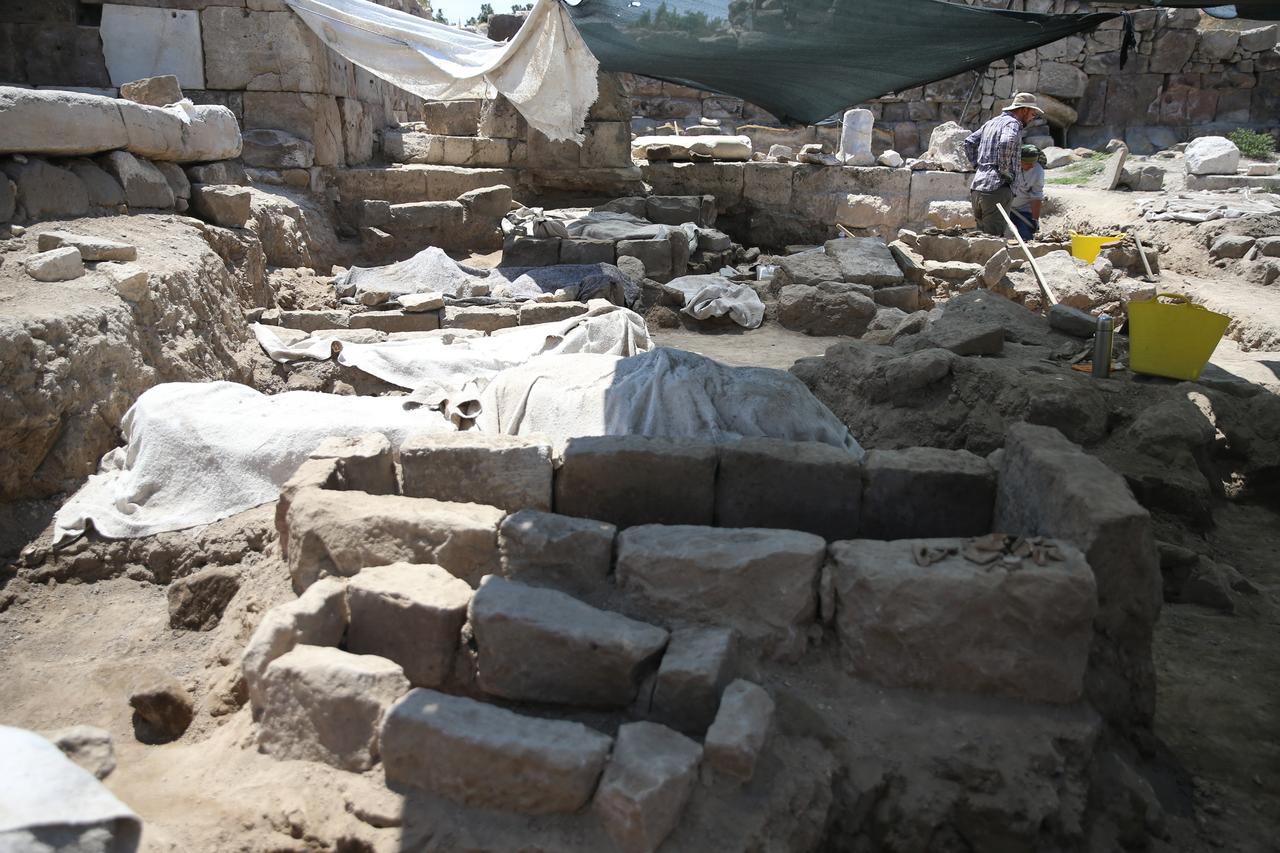
Erdal said the team began identifying deeper, higher-quality graves in the lower layers, which may indicate that individuals buried during the church's earliest phases held a distinct social status.
Grave identification work began last year, when the team documented 25 prepared graves. As crews cleared the surrounding area, that number rose.
"We identified around 42 graves and have opened 18 of them," Erdal said, adding that two more tombs are expected to be opened this season, while the remaining 22 will be left prepared for excavation next season.


 Set as preferred source
 Set as preferred source



 3 min read