Newsletters


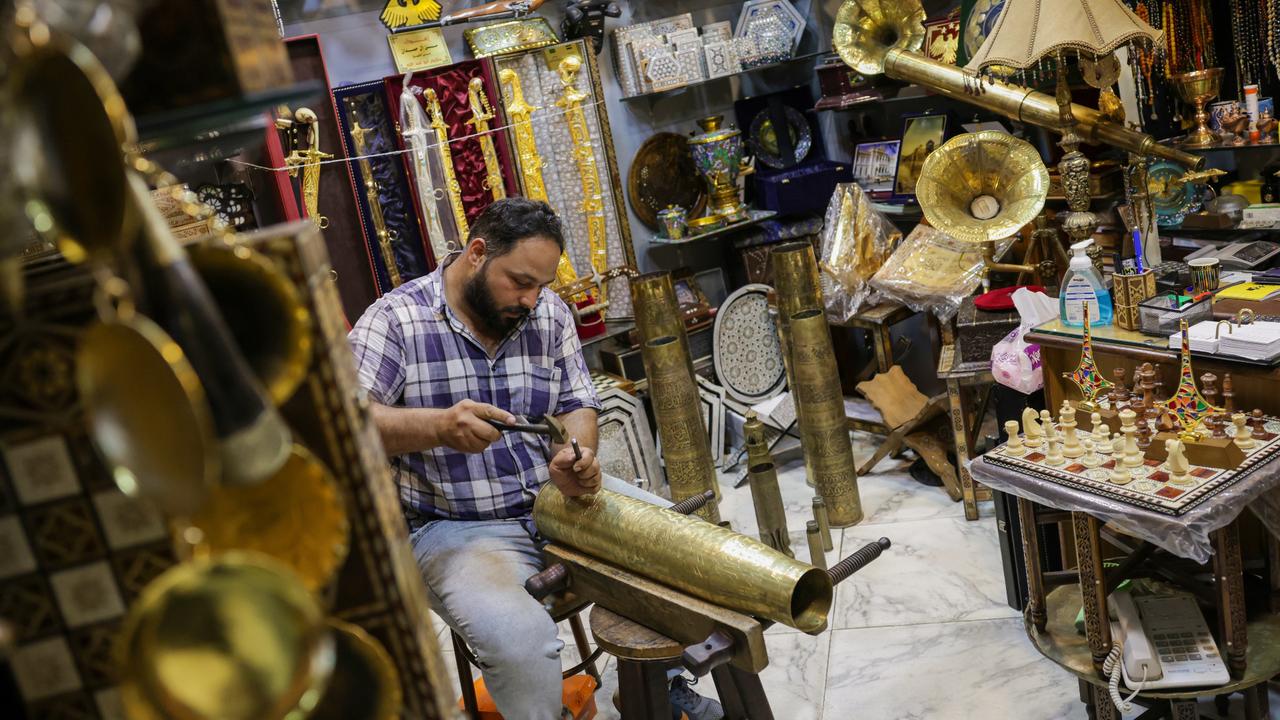
Copper artisans in Damascus are turning spent artillery shell casings, including pieces dating back to World War II, into carefully engraved works of art.
By working floral patterns, religious verses and traditional designs into objects once linked to destruction, the craftsmen aim to bring out messages of beauty, peace and hope.
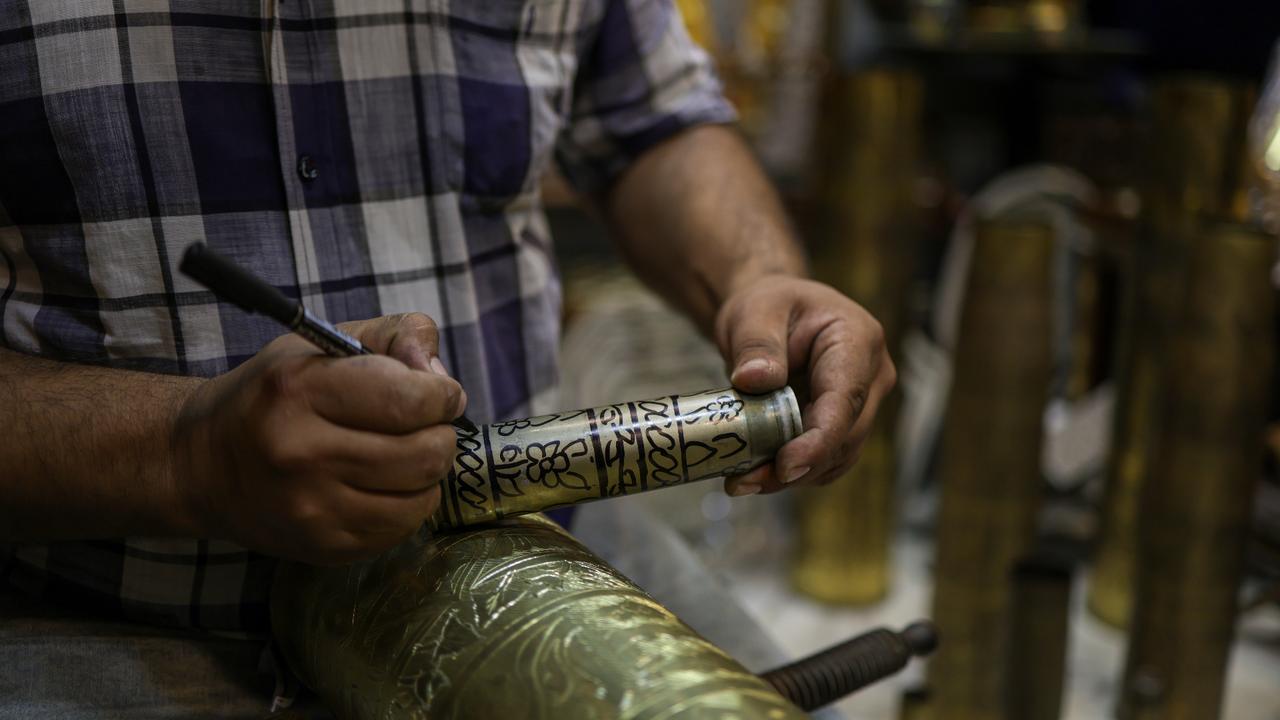
Copper engraving has long formed part of Damascus' cultural heritage, flourishing during the Mamluk and Ottoman periods before becoming closely associated with the workshops of the historic Hamidiye Souq.
The souq, one of the Syrian capital's best-known traditional bazaars, has helped artisans carry on techniques passed down through generations.
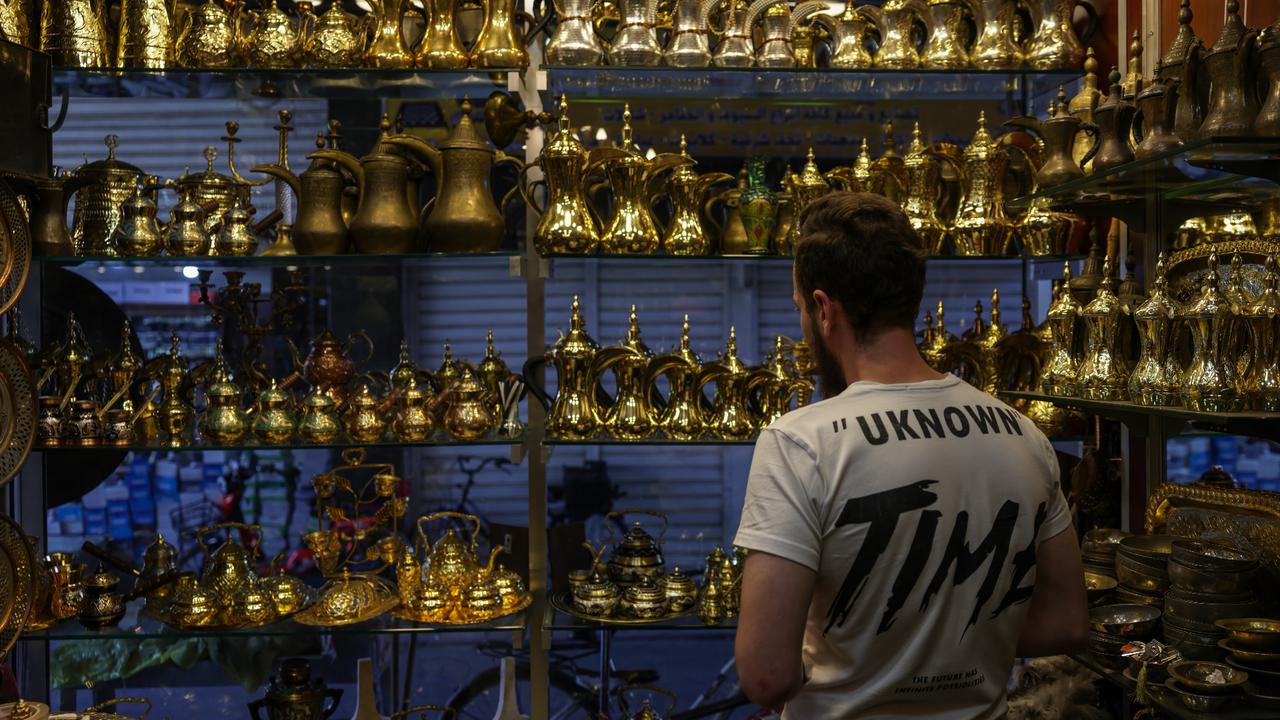
Copper engraver Enes al-Masri learned the profession from his father and has worked in the trade for around 25 years.
His family previously ran a workshop in Hamidiye Souq before moving to Bab al-Jabiya, one of the seven historic gates built into the ancient walls of Damascus.
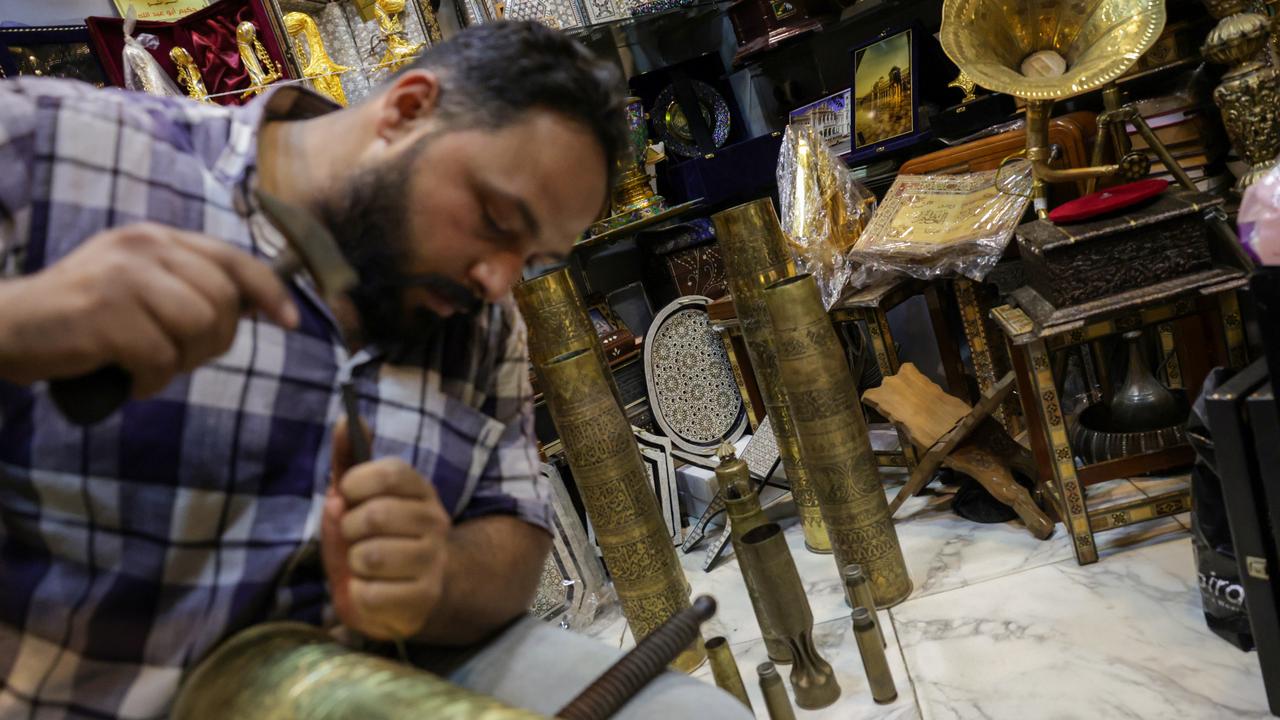
Masri has recently focused on engraving old artillery shell casings, with each piece taking about a week to finish.
He works Damascene jasmine, flowers, Quranic verses, Arabic calligraphy and traditional ornamental patterns into the metal, replacing its former military appearance with detailed decorative designs.
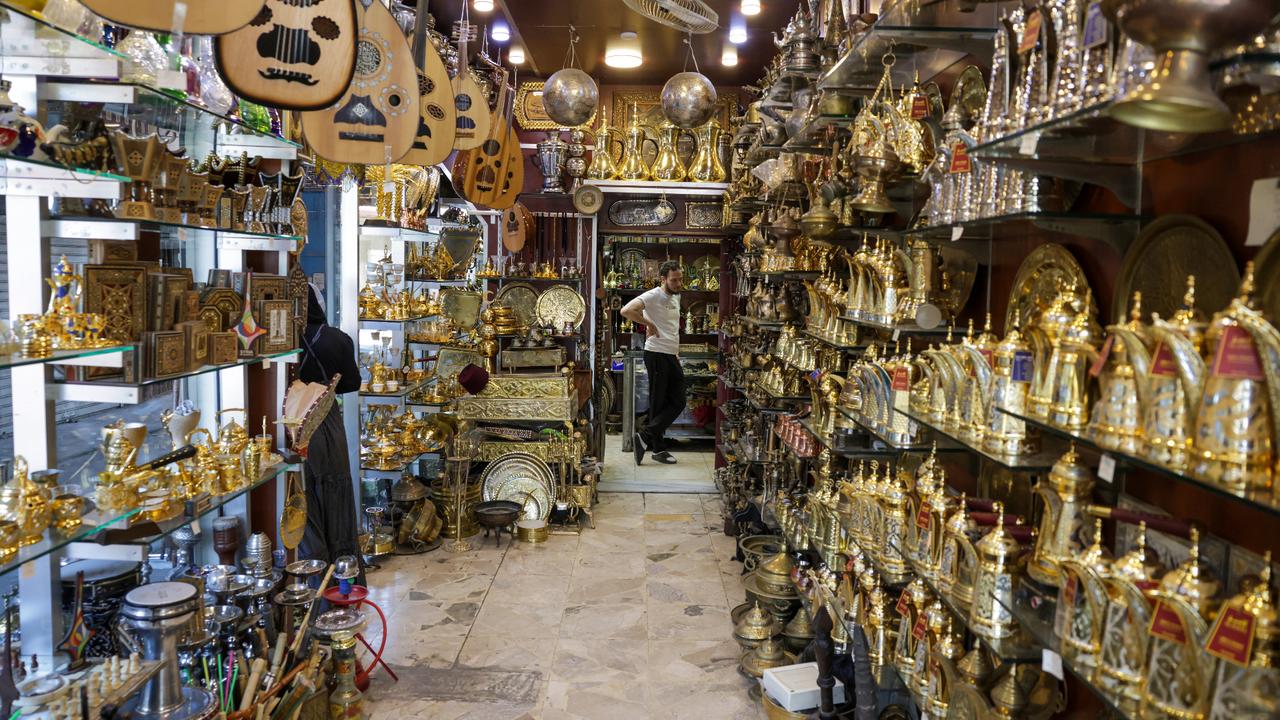
The engraver said working on shell casings brings up mixed emotions because such objects were once used to kill civilians and tear down communities.
He said he tries to turn them into artworks that help people look beyond painful memories, adding: "We want people to see beauty and life, not death and destruction, when they look at them."
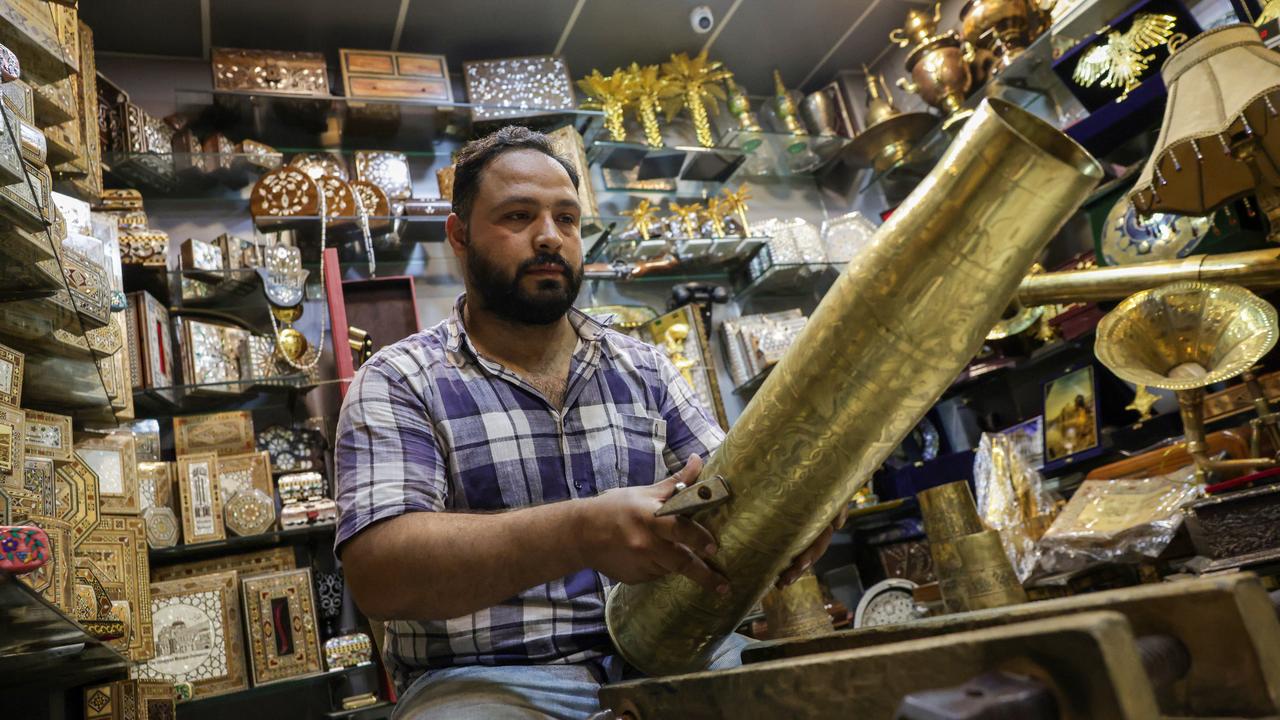
Masri said the works preserve memories of the conflict while encouraging people to look ahead with hope.
Explaining that the people of Damascus and Syrians elsewhere support peace and coexistence, he summed up the purpose of his work by saying: "My message is peace."
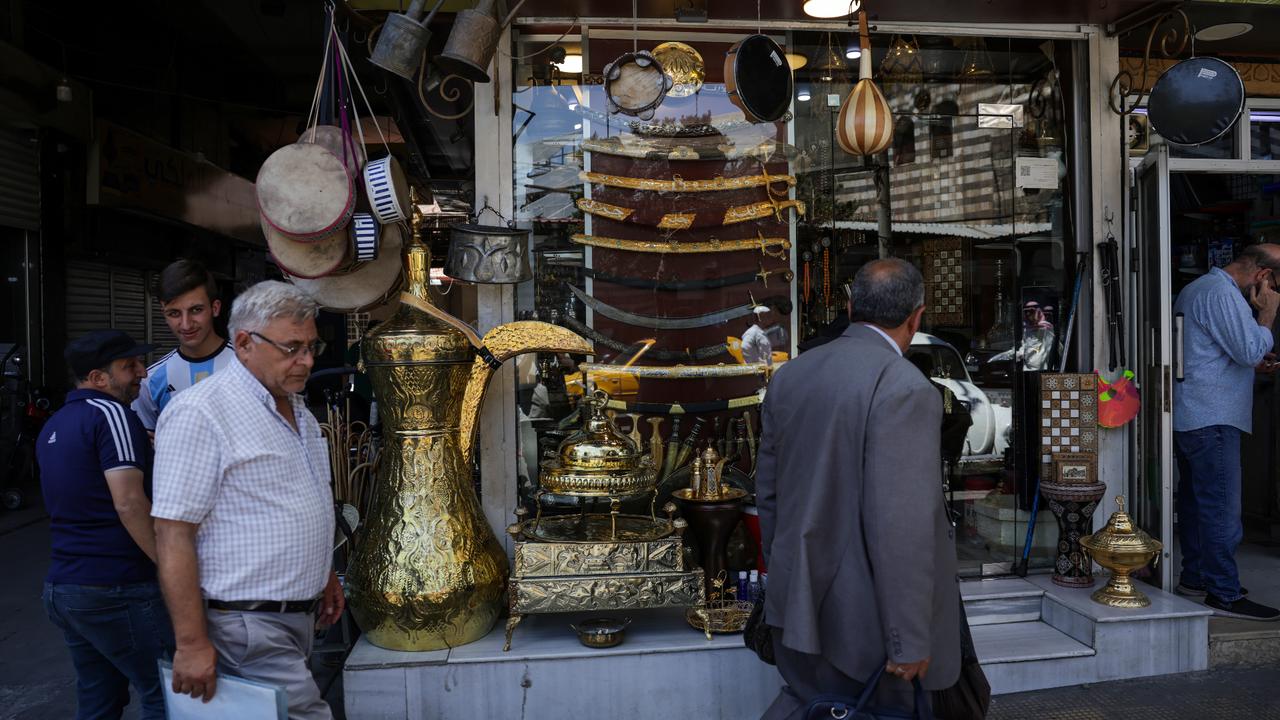
Craftsman Basil Bakbo, 58, inherited coppersmithing from his grandfather and father, while expanding the family trade from household copperware to restoring and engraving antiques.
He said years of war and economic hardship brought World War II-era shell casings and historic objects into artisans' workshops, where they are treated as "silent witnesses to the past" that should be preserved and passed on to future generations.


 Set as preferred source

 3 min read