Newsletters


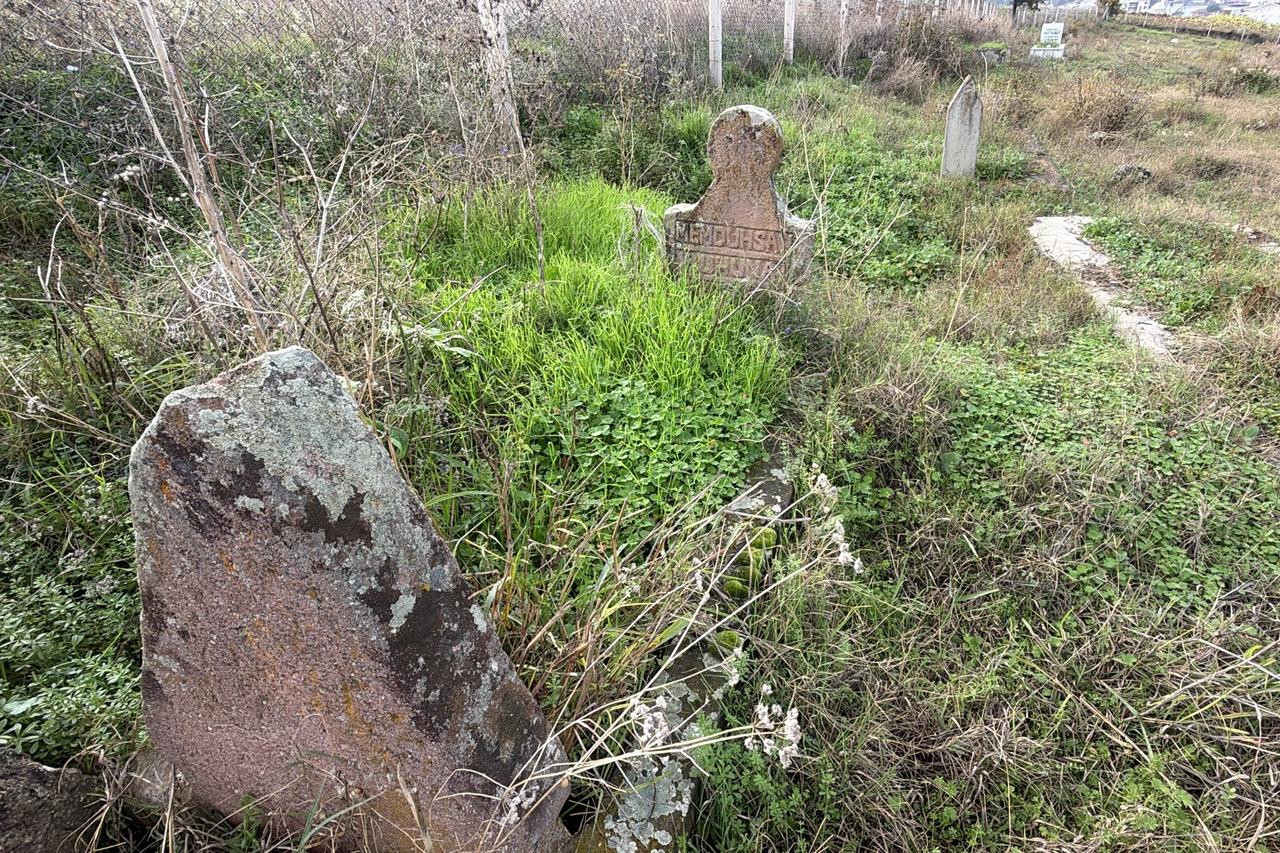


Early Bronze Age artifacts uncovered at Horoztepe in northern Türkiye bear similarities to objects found in 13 royal tombs at Alacahoyuk, according to archaeologist Semih Yasar Cizikci, who says new excavations could shed light on the communities that produced them.
Cizikci, head of the Archaeology Department at Tokat Gaziosmanpasa University, said further archaeological investigations at Horoztepe, located in the Erbaa district of Tokat province, could provide new evidence about Anatolia's Early Bronze Age.
The burial artifacts, dating to between 2200 and 2000 B.C., offer insights into the metalworking traditions and religious beliefs of the period.
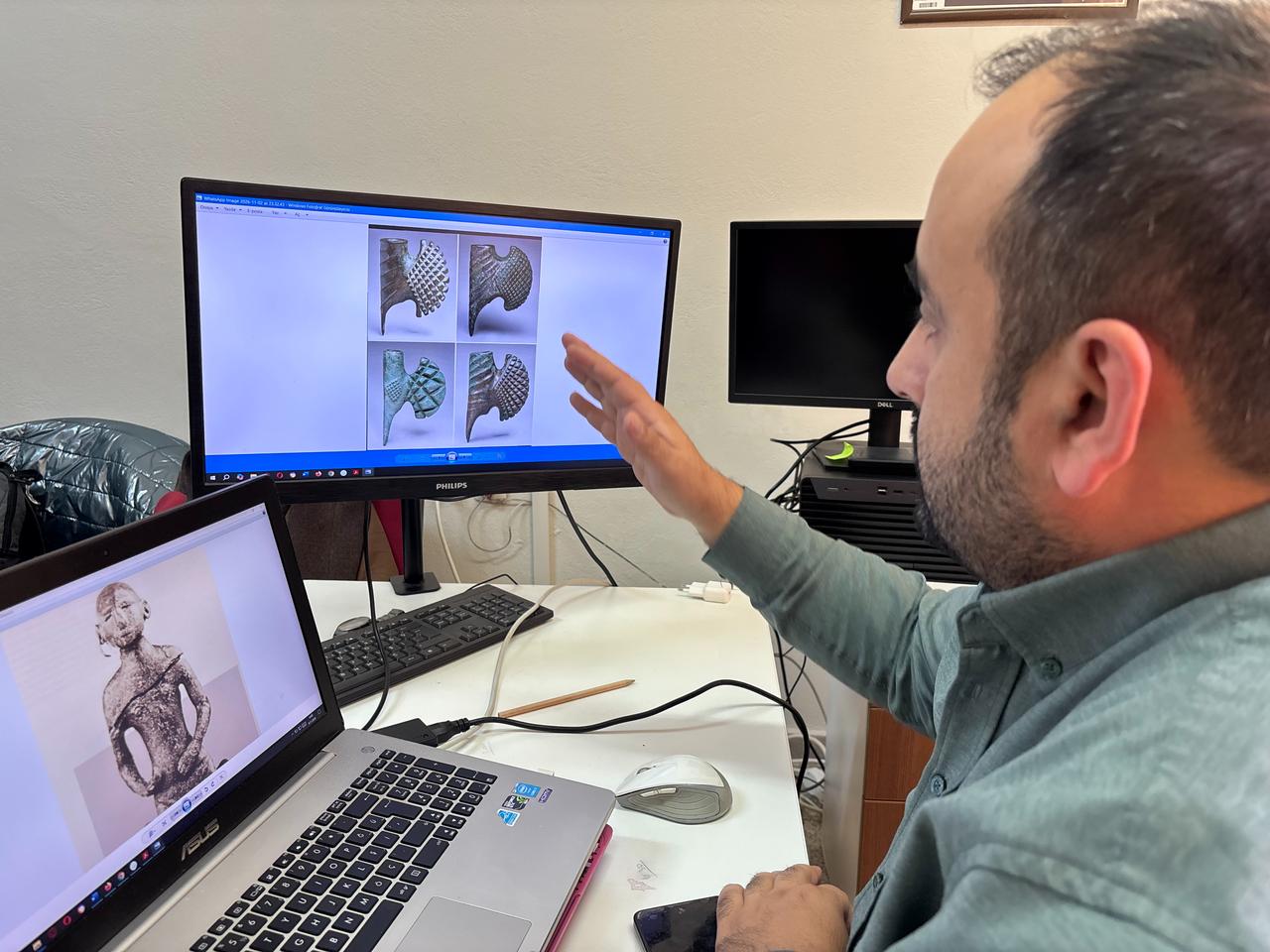

Horoztepe first drew scientific attention in the 1950s through research carried out by archaeologist Tahsin Ozguc and Mahmut Akok.
According to Cizikci, objects recovered from the site share notable similarities with artifacts discovered in the 13 royal tombs at Alacahoyuk, another important Early Bronze Age archaeological site in Türkiye.
However, many Horoztepe artifacts were recovered following illegal excavations, making it particularly important to investigate their original archaeological context and connections with surrounding settlements.
Cizikci said systematic excavations could help researchers better understand the society behind the objects and uncover further evidence about the region's ancient communities.
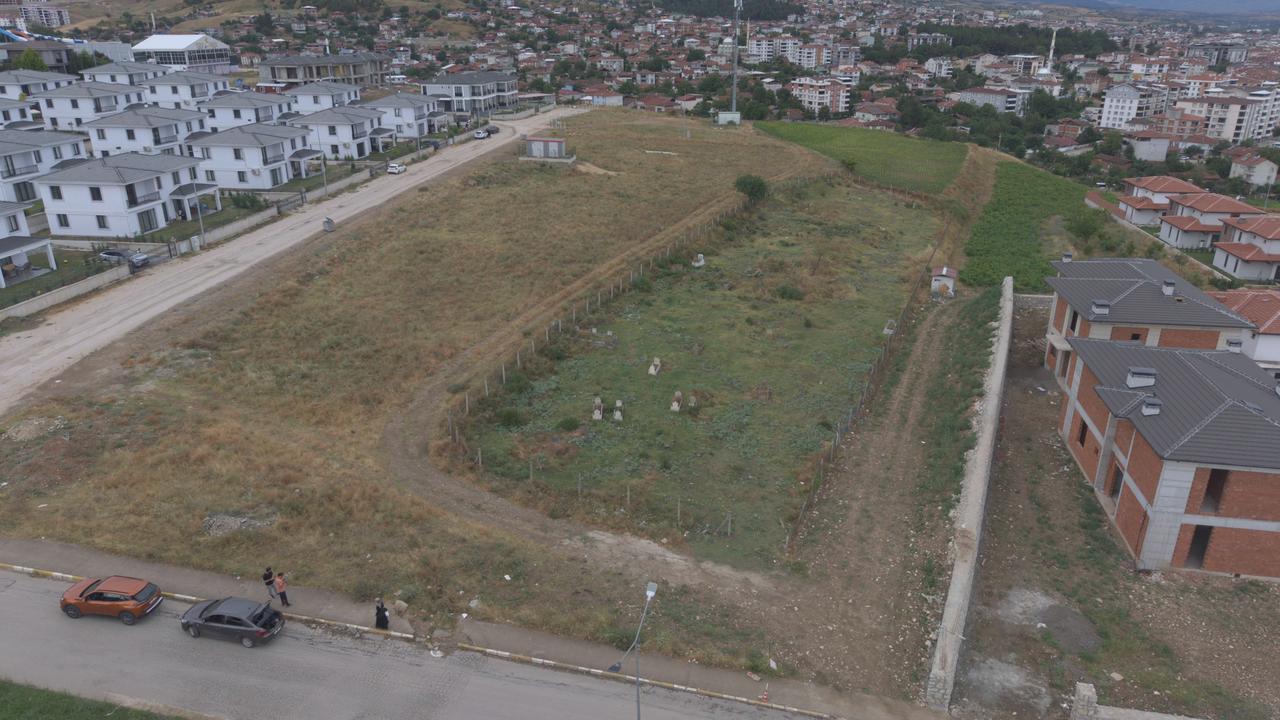
Cizikci also highlighted the cultural significance of the return of 40 Horoztepe-origin artifacts to Türkiye, emphasizing that protecting the site where the objects were originally discovered is equally important.
He warned that intensive construction and agricultural activities around Horoztepe were making it increasingly difficult to recover archaeological evidence.
To address these concerns, Cizikci called for rescue excavations, archaeological investigations carried out to document and protect remains threatened by development or other activities, before further evidence is lost.


 Set as preferred source
 Set as preferred source



 2 min read