Newsletters


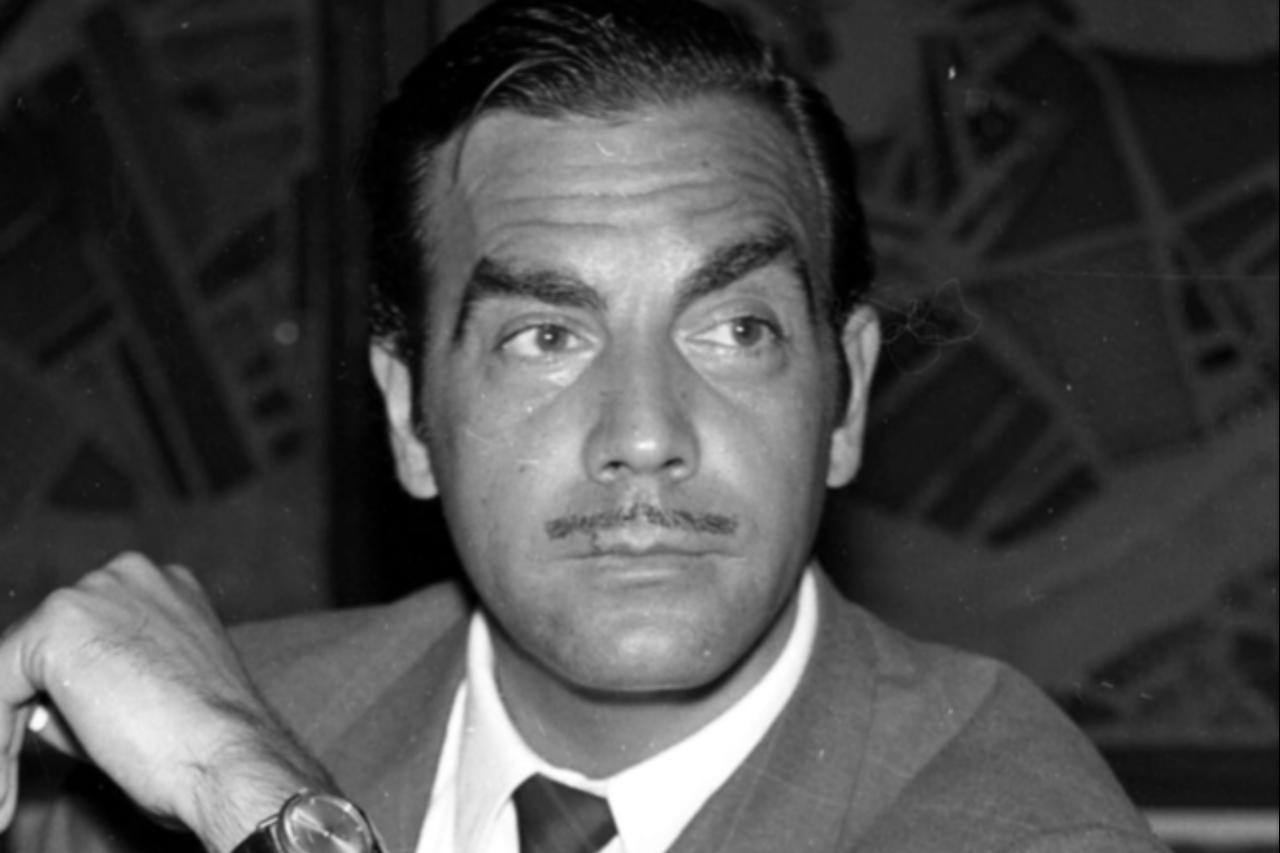


Ayhan Isik, remembered by Turkish audiences as the “Uncrowned King,” remains one of the most recognizable figures of Yesilcam, the popular name for Türkiye’s mid-20th-century film industry centered in Istanbul.
The actor, whose real name was Ayhan Isiyan, was born in Izmir on May 5, 1929, as the sixth child of a family of Balkan origin from Thessaloniki. He lost his father at the age of six and began working at a young age while continuing his education.
In a 1967 text he wrote for Ses magazine, Isik recalled that he started working in Babiali, Istanbul’s historic publishing district, drawing illustrations and cover images for newspapers and magazines.
He also worked at the Pasabahce glass factory during summer breaks, while continuing to draw illustrations during ferry rides.
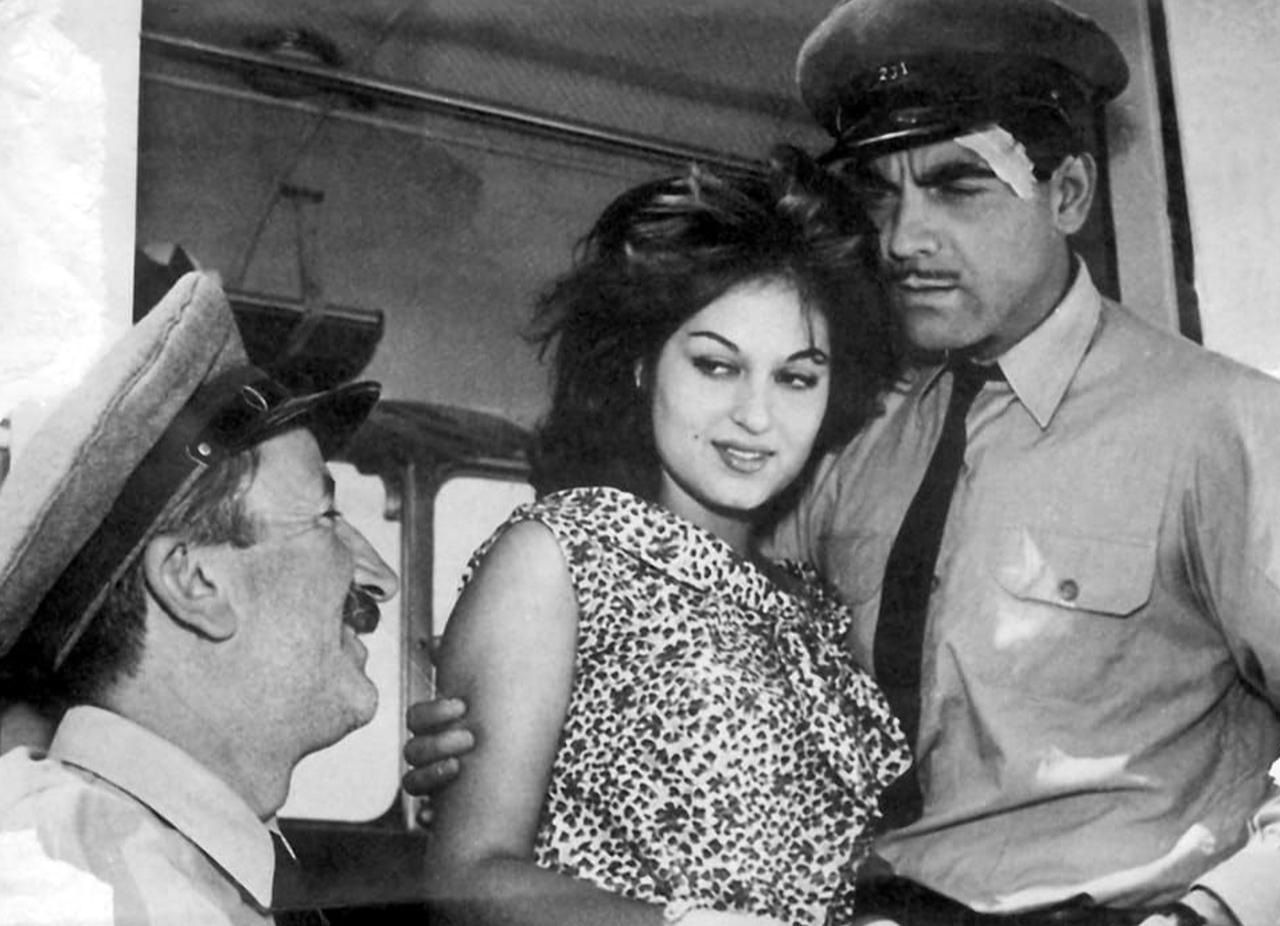

Before becoming one of Turkish cinema’s biggest names, Isik studied painting at the Istanbul State Academy of Fine Arts, where he was a student of Bedri Rahmi Eyuboglu.
He also worked for Yildiz magazine, one of the leading cinema publications of the period.
His move into cinema came after he joined the magazine’s “Artist” contest in 1951, encouraged by editor Sezai Solelli. Isik won first place alongside Belgin Doruk, with whom he would later share the screen for more than two decades.
After the contest, he changed his surname from Isiyan to Isik. He first appeared on screen in the 1951 film “Yavuz Sultan Selim ve Yeniceri Hasan,” directed and written by Munir Hayri Egeli.
His breakthrough came with Omer Lutfi Akad’s 1952 film “Kanun Namina,” a landmark production often associated with the rise of a new filmmaking period in Turkish cinema. Isik later appeared in Akad’s “Katil” and “Olduren Sehir,” strengthening his place among the leading actors of the era.
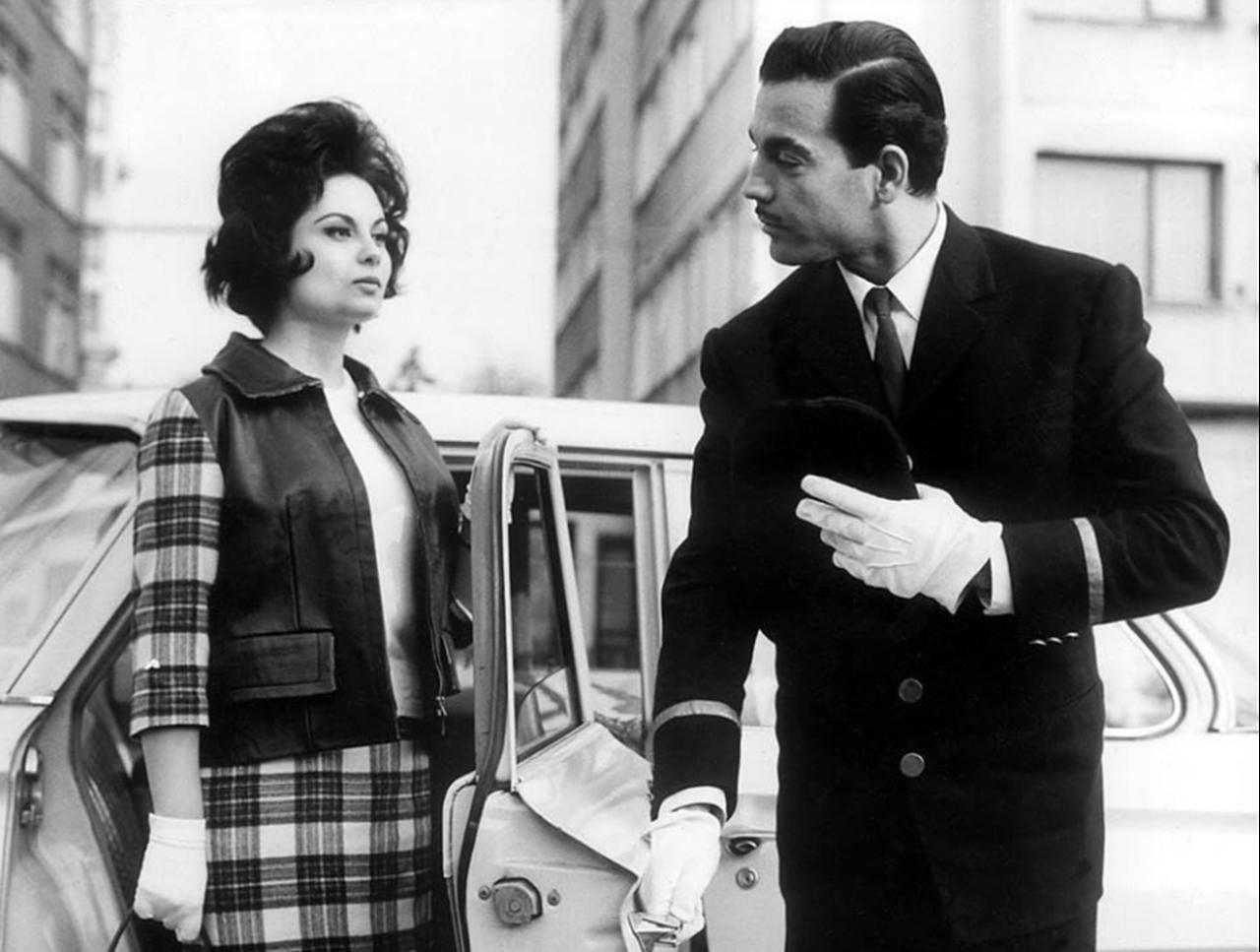
Isik also spent time in the United States in 1959, where he took on small roles and studied cinema practices. After returning to Türkiye, he became known not only for his screen presence but also for his insistence on better working conditions for actors and film crews.
In one notable statement, he argued that cinema workers should not be treated as part of a system of modern exploitation. He called for a cinema law, a serious union structure, and legal pressure to ensure that everyone entering the profession would be insured from the beginning.
“Cinema is an art, and the cinema worker is an artist; they should be treated accordingly,” he said.
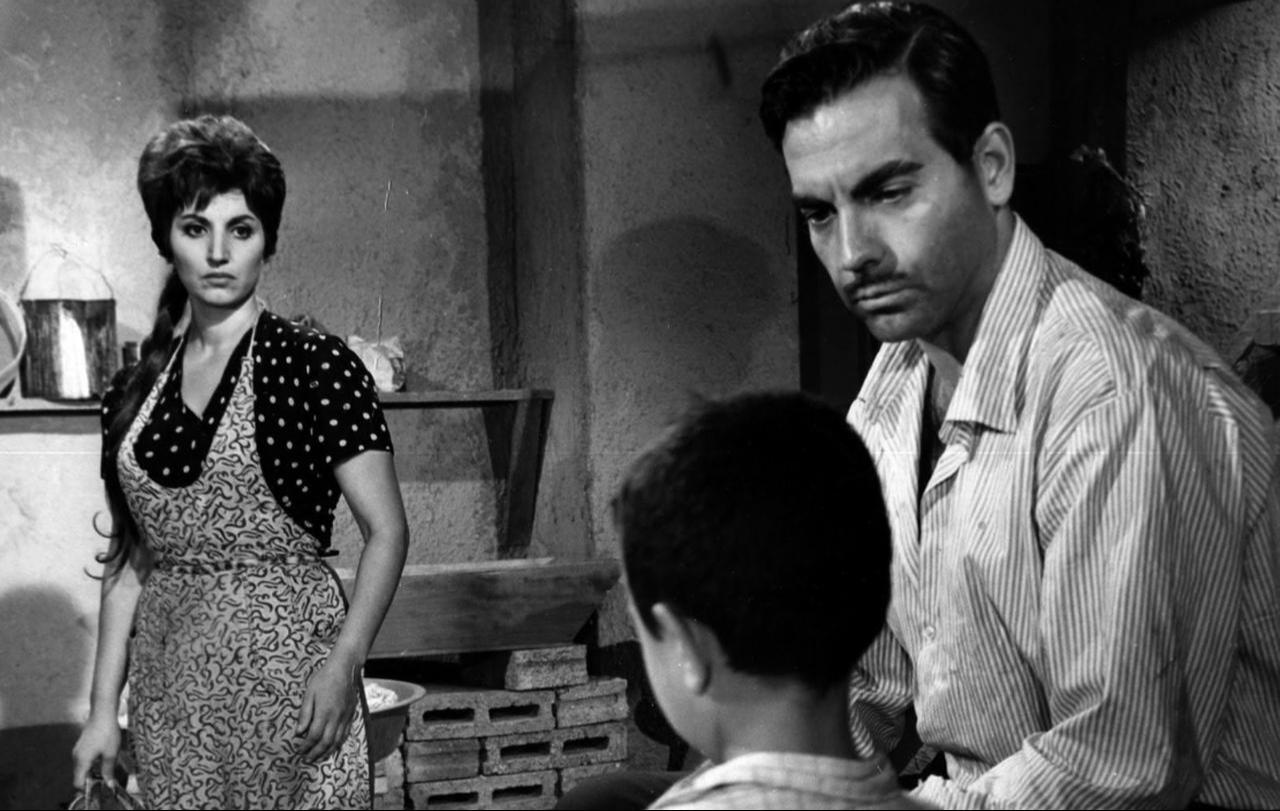
Over his career, Isik appeared in nearly 200 films, often portraying brave, determined and streetwise male characters. He became closely associated with productions such as “Aysecik,” “Sezercik,” “Aci Hayat,” “Kucuk Hanim," and “Kanun Namina.”
He also acted in screen adaptations of literary works, including Vedat Turkali’s “Otobus Yolculari,” Kemal Tahir’s “Namusum Icin," and Peyami Safa’s “Cingoz Recai.”
Isik worked with several major Turkish directors, including Metin Erksan, Ertem Gorec, Halit Refig and Memduh Un.
He was named best actor at different points in his career, including by the Turkish Films Festival in 1954 and in magazine polls held by Ses and Artist.
In the 1970s, as many Yesilcam stars turned to stage performances and music recordings, Isik also took lessons from Munir Nurettin Selcuk and recorded a 45 rpm record in classical Turkish music. After 1975, he contributed to cinema not only as an actor but also as a producer, screenwriter and director.
In 1976, he directed and starred in “Orgut.” Around the same period, he worked on Italian productions including “La Mano Che Nutre La Morte” and “Le Amanti Del Mostro,” sharing the screen with Klaus Kinski. These films were released in parts of Europe but did not meet audiences in Türkiye.
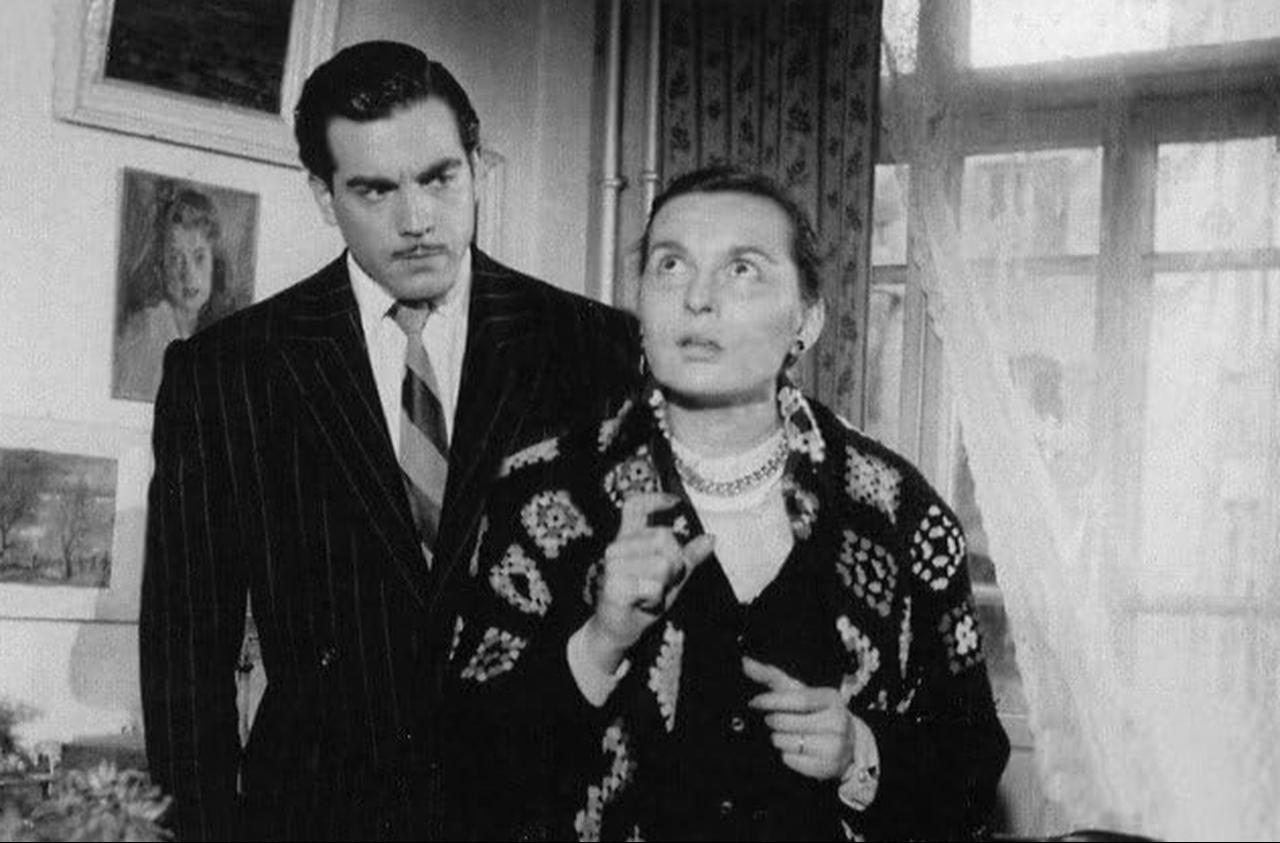
Those who knew Isik often underlined his respect for his profession. His wife, Gulsen Isik, said in a TRT Archive interview that he would bring home the problems he faced in cinema, speak about them in detail and then feel relieved.
His colleagues also remembered him as a figure who brought dignity to Turkish cinema. Izzet Gunay said Isik gave Turkish cinema respectability, while Ediz Hun described him as a person who led others through his attitude and behavior. Sadri Alisik, one of his closest friends, said simply that he missed him deeply.
Isik’s friendship with Sadri Alisik began on a film set in 1951 and grew stronger through films such as the “Kucuk Hanim” series. Their bond became one of the best-known friendships in Yesilcam, and the two were remembered as “Yesilcam’s brave young men.”
In the documentary “Bir Yudum Insan-Ayhan Isik,” Colpan Ilhan said there was both a visible star and a warm, close friend in Ayhan Isik. She described him as a legend of Turkish cinema who never compromised on the honor of acting.
Ayhan Isik suffered a brain hemorrhage on June 13, 1979, while resting on the balcony of his home in Bebek, Istanbul. After three days in intensive care, he died on June 16, 1979, at the age of 50.


 Set as preferred source
 Set as preferred source


 2 min read