

 Newsletters


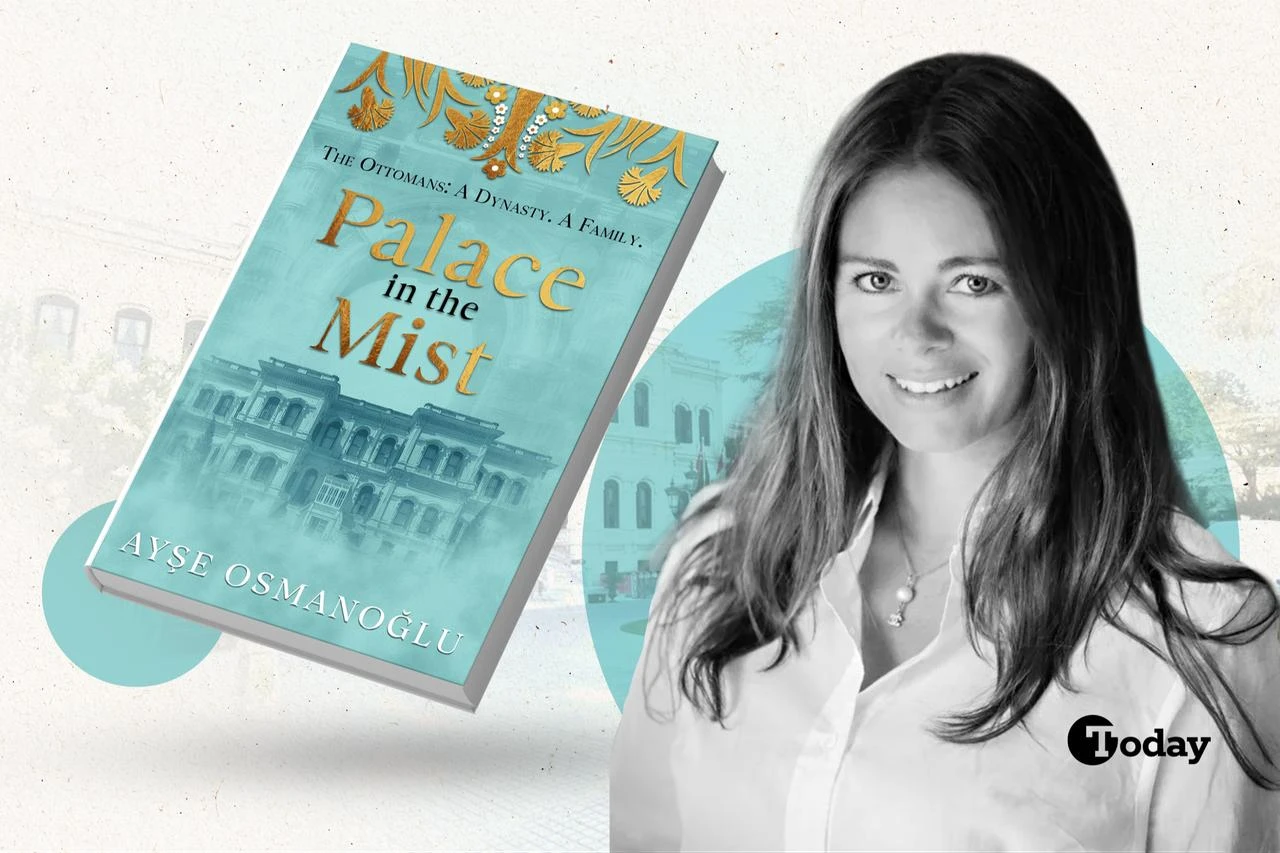


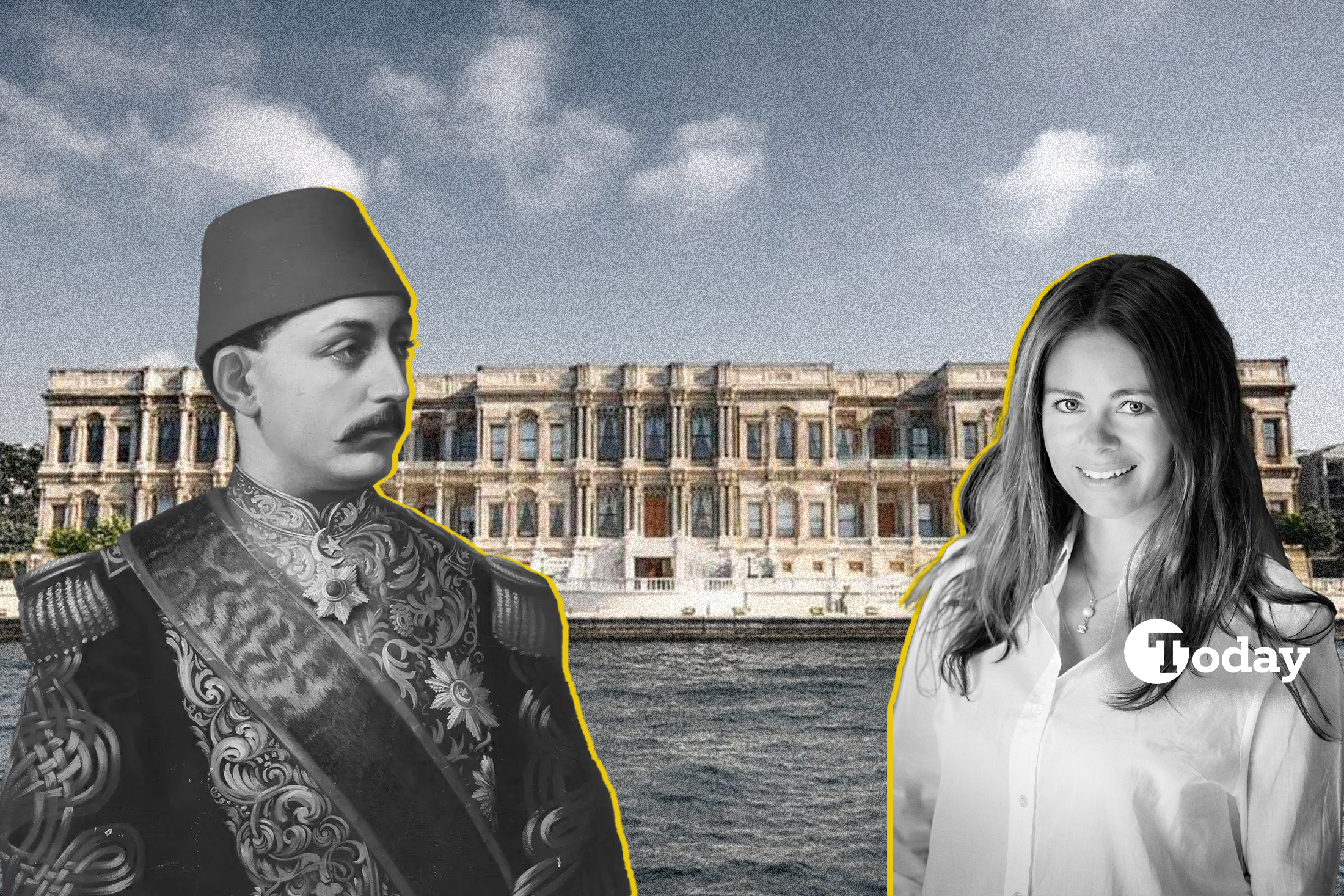
Ayse Osmanoglu's new historical novel, "Palace in the Mist," turns one of the most turbulent moments in late Ottoman history into an intimate story of palace life, family memory and political rupture.
The book, the second volume in her Ottoman Dynasty Chronicles, is set between 1906 and 1909, a period shaped by the Young Turk Revolution, the campaign to restore the 1876 Ottoman Constitution and the mounting pressures that would transform both the empire and the Ottoman Imperial family.
In an exclusive interview with Türkiye Today, Osmanoglu said the book continues the story of the Muradiye branch of the Ottoman Imperial family after "The Gilded Cage on the Bosphorus."
She described the new book as the next chapter in an intended six-part series tracing her family story from the birth of her grandfather, Prince Ali Vasib Efendi, in 1903 to the exile of the Ottoman dynasty in 1924.
The book will be released on July 3, a date Osmanoglu chose because July 3, 1908, marked the beginning of the struggle to restore the Ottoman Constitution.
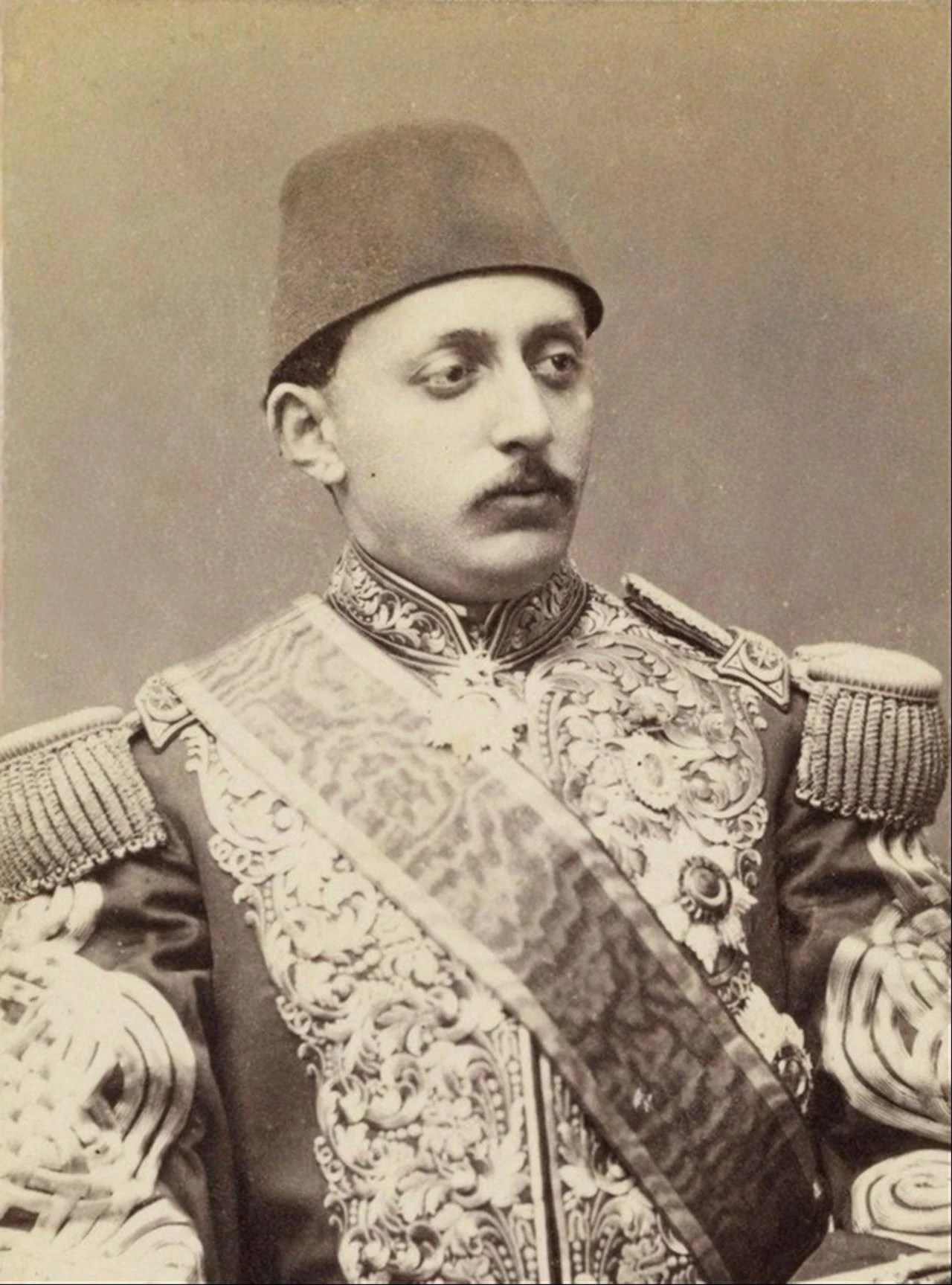
She said the timing was especially meaningful because Sultan Murad V, her great-great-great-grandfather, had been a strong supporter of a constitutional monarchy and had imagined a more modern Ottoman state, partly inspired by the British model he encountered during his 1867 visit to London with Sultan Abdulaziz.
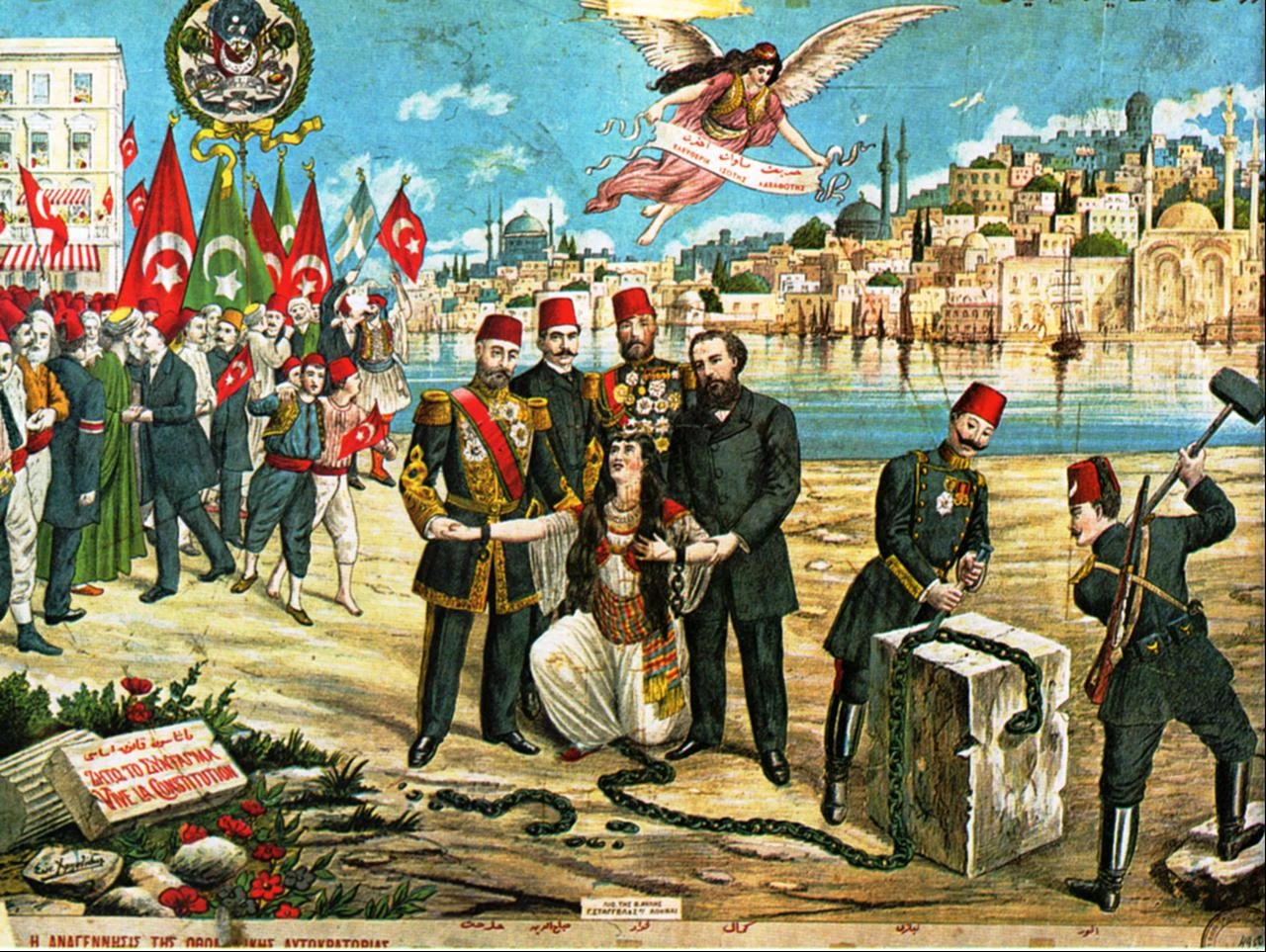

Rather than telling the story only through soldiers, politicians and constitutional debates, "Palace in the Mist" looks at how the Young Turk Revolution played out in the private world of the Ottoman Imperial family.
Osmanoglu said she wanted to remind readers that history is not shaped only by politics, power and war, but also by the human experiences that unfold alongside them. Through the novel, she said, she hoped to bring those private experiences forward and give her ancestors a voice.
That personal connection shaped the emotional world of the book. Osmanoglu said she tried to balance professional detachment with personal responsibility, relying on historical research while also writing about her own family with sensitivity.
She acknowledged that complete objectivity is rarely possible for any writer, especially when family history is involved. What she wanted to bring to the subject, she said, was “something more personal, more human–and I make no apology for that.”
Osmanoglu described "Palace in the Mist" as sitting somewhere between a historical novel and an academic study. As a history graduate, she said she was careful to remain faithful to historical fact, basing scenes closely on real events and using mostly real historical figures.
Where the historical record falls silent, she said, she allowed imagination to step in through informed guesswork.
First-hand accounts, memoirs and family recollections also played an important role in the writing process. Osmanoglu said she relied especially on her grandfather's memoirs, as well as stories she heard from her paternal grandparents as a child.
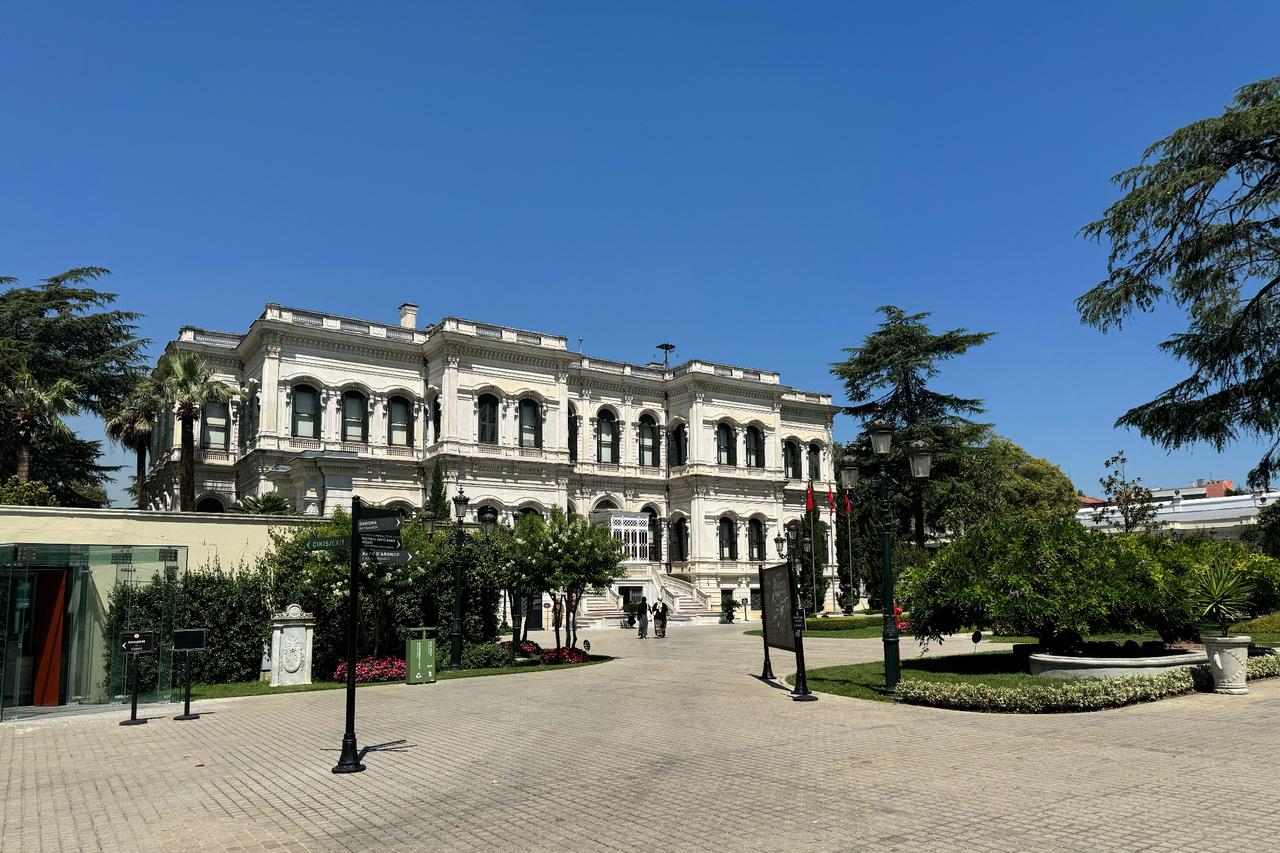
One memory that stayed with her involved her great-uncle, Prince Osman Fuad Efendi. As a boy of around 10 or 11, he rode his bicycle down the steep marble steps of the harem garden at Ciragan Palace, pretending to lead a cavalry charge. The harem, often misunderstood by international readers, refers here to the private family quarters of the palace.
Osmanoglu said the childhood story revealed Osman Fuad Efendi's fearless and adventurous character, qualities that later defined him when he served as commander-in-chief of Ottoman forces in Tripolitania and led cavalry charges in the desert against the Italians.
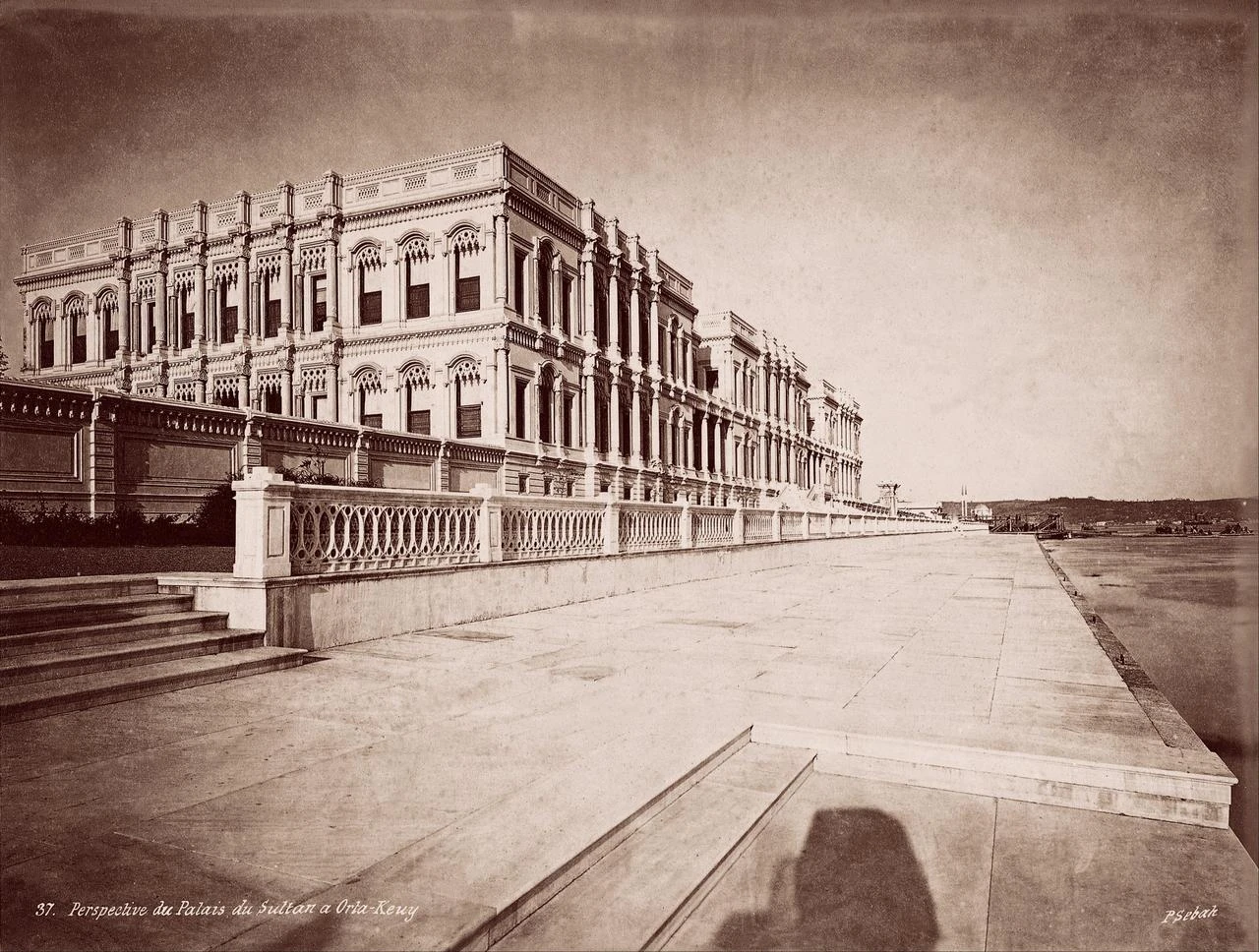
The novel moves between Ciragan Palace, Yildiz Palace, the Crown Prince's Palace and the Ottoman provinces in Macedonia. Osmanoglu said these places were not simply backdrops, but almost characters in their own right.
She wanted to evoke the imperial palaces as they once were, not as museums or hotels known today, but as family homes filled with laughter and grief. By contrast, she portrayed the Ottoman provinces in Macedonia as rugged, diverse and home to communities of different faiths and ethnicities that had coexisted for centuries.
This contrast helps the novel show a wider Ottoman world under pressure, as rising nationalism and outside influence began to unsettle older patterns of coexistence.
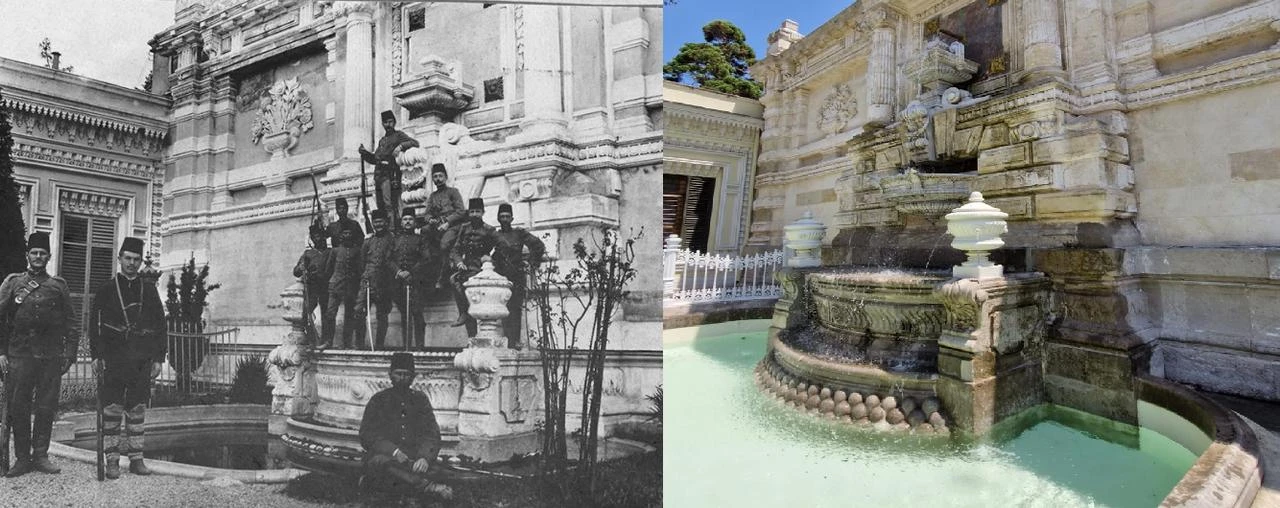
Sultan Abdulhamid II, one of the central figures of the era, appears in the book as a ruler, father, brother and man under pressure. Osmanoglu said he was the most difficult character to write because he remains one of the most polarising figures in late Ottoman history.
She said she tried to move beyond simple labels and understand him first as a human being, while also recognizing that her descent from Sultan Murad V shaped her perspective.
However much she sought to understand Abdulhamid's intentions, she said it was difficult to separate them from what his rule meant for her own family: the loss of the throne and decades of enforced confinement.
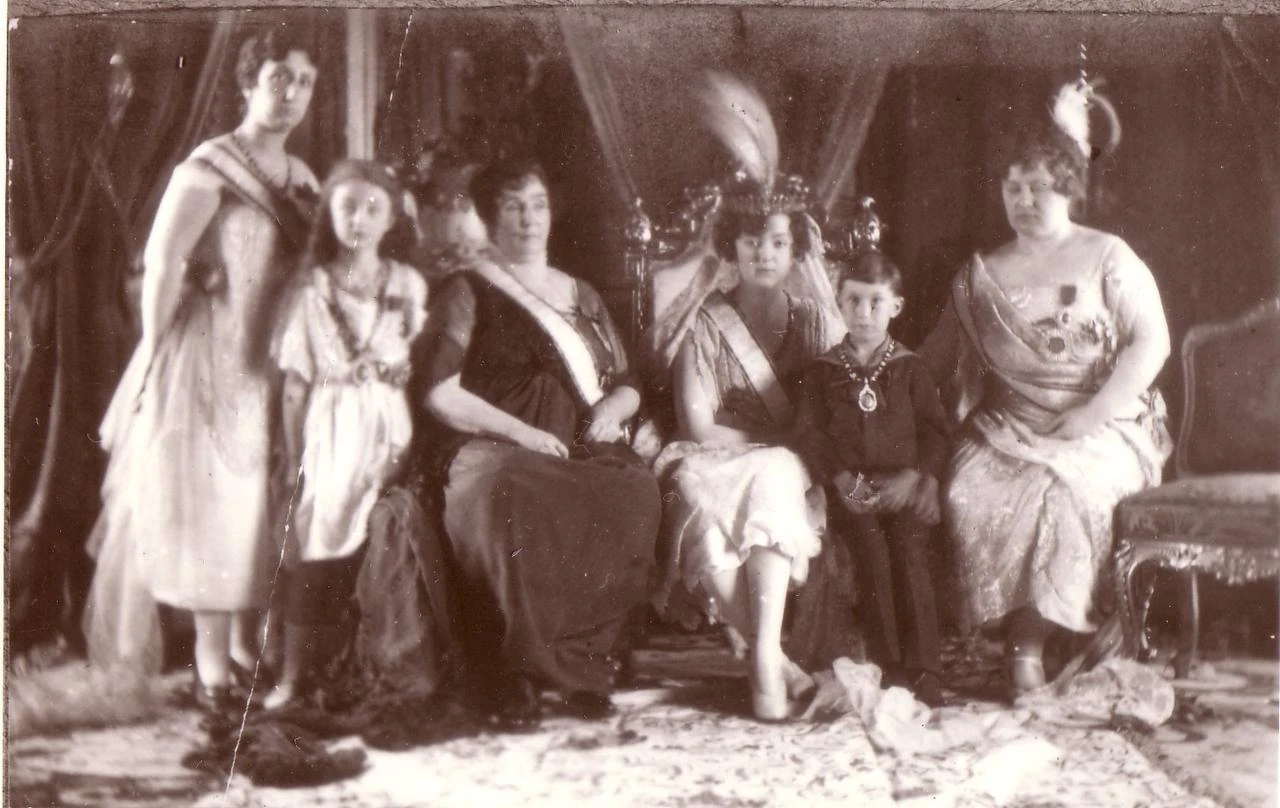
Osmanoglu also wanted the book to challenge narrow assumptions about women of the Ottoman Imperial family. She said they were not passive or ornamental figures, but educated, intellectually engaged women who were aware of the political and cultural currents of their time.
According to Osmanoglu, many spoke several languages, were accomplished musicians and composers, read widely and were familiar with both Eastern and Western thought and literature. She also described them as modern women who followed Parisian fashion while taking part in charitable and philanthropic work.
For readers unfamiliar with the final years of the Ottoman Empire, Osmanoglu said one of the most persistent misconceptions is that the period was simply one of inevitable decline. Instead, she presents it as a more dynamic moment marked by reform, competing ideas and attempts to preserve and modernize the state under immense internal and external pressure.
The book also reflects the tension between the hope of liberty and constitutional change on one side, and the fear, uncertainty and violence that came with political rupture on the other. Osmanoglu said modern readers could take away the idea that political change rarely comes easily and often carries a human cost.
When readers close "Palace in the Mist," Osmanoglu said she would like them to feel they had stepped into a vanished world and met the people who lived in it.
If the book leaves them wanting to visit Istanbul and the places mentioned in the story, she said, it will have achieved what she hoped.
Further details about "Palace in the Mist" are available here.


 Set as preferred source
 Set as preferred source


 2 min read

 1 min read


