Newsletters


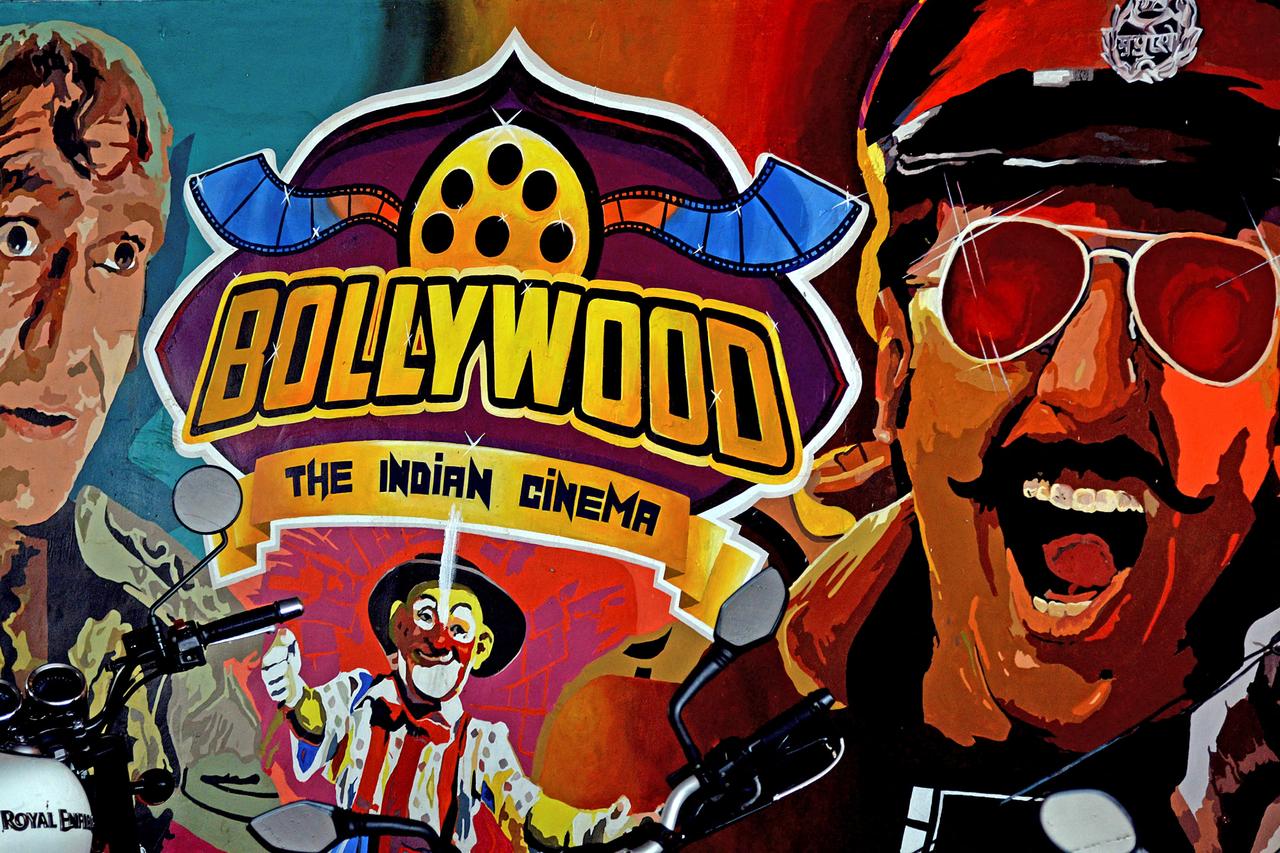


Indian movie industry's reputation for exhausting production schedules, where shifts routinely run between 12 and 18 hours and occasionally last over a full day, is under rare scrutiny.
Prominent actors and directors have been clashing over proposals to limit daily shoots to a standard eight hours, triggering heated discussions across the industry.
The debate gained momentum after leading actress Deepika Padukone reportedly exited a major project last year over a demand for shorter working hours following motherhood. Her move thrust the issue of work-life balance and humane working conditions into the spotlight in India's film industry, with what was once accepted as the norm now being questioned.
Supporters of the reform say the current system disproportionately puts pressure on women, who often face the label of being pushy or difficult, a stigma rarely attached to male stars.
Several actors, including Suniel Shetty, Kajol and Ram Kapoor, have backed the push for healthier boundaries, arguing that established stars should be able to set limits on working hours.
"Once you have achieved success in showbiz ... then, yes, you are in a position to choose how many hours you want to work," Kapoor told AFP, reflecting a view that bargaining powers in the industry remain tied to status.
Others, however, warn that the fluid nature of filmmaking makes the rigid eight-hour shift "unreal" to enforce on mega-budget sets.


"This is not like a corporate job," said actor Ali Fazal, pointing to the varying demands of projects, particularly action-heavy or technically complex productions.
Actress Chitrangda Singh echoed that argument, citing several variables such as weather disruptions and equipment failures that can derail tightly planned schedules. "Filmmaking is also driven by business realities," she said.
Industry insiders highlight the steep costs involved in large productions, where locations, crew and equipment can cost more than $26,000 per day, creating pressure to maximize shooting time.
Former Cine & TV Artistes' Association official Amit Behl said filmmakers often cannot afford to halt shoots midway, especially when a large crew or elaborate action sequences are involved.
"The bungalow in which 'Animal' (an action movie) was shot cost 25 lakh rupees ($26,300) a day in rent," said Behl.
"Then you have to prop it up with junior artistes, which is an additional expenditure besides catering, electricity, vanity vans and bouncers."
But critics argue that such explanations often mask poor planning and systemic inefficiencies, placing the burden of long hours on cast and crew.
Filmmaker Shekhar Kapur criticized what he called a hierarchy that prioritizes top actors over technicians, saying work-life balance should apply to all on the set.
"Everyone (should have) the privilege to define the hours they want to work," he told AFP.
The controversy has also highlighted disparities within the industry, where junior artistes and crew often have little negotiating power.
For many, the recent debate marks a broader shift in Bollywood, with both younger professionals and established stars beginning to challenge the long-standing norms.
Yet, opinions remain divided.
"I have seen Shah Rukh Khan on sets working 27 hours non-stop when he had to complete a scene. He doesn't need to do it," Behl said, referring to the Bollywood superstar.
"But you can't leave a scene mid-way ... if it is an action scene where fighters are involved, anything can happen ... it is not like shutting a laptop and working for an IT company."
Some veterans, like actress Madhuri Dixit, frame the issue as a personal choice rather than a structural problem.
"For 'Mrs. Deshpande,' we did a 12-hour shift or maybe more every day," she told AFP, mentioning the 2025 crime thriller.
"But if a woman wants to work (fewer) hours, that is her prerogative, her life ... more power to her. To each his own, I'm a workaholic!"


 Set as preferred source
 Set as preferred source


 1 min read

 1 min read