Newsletters


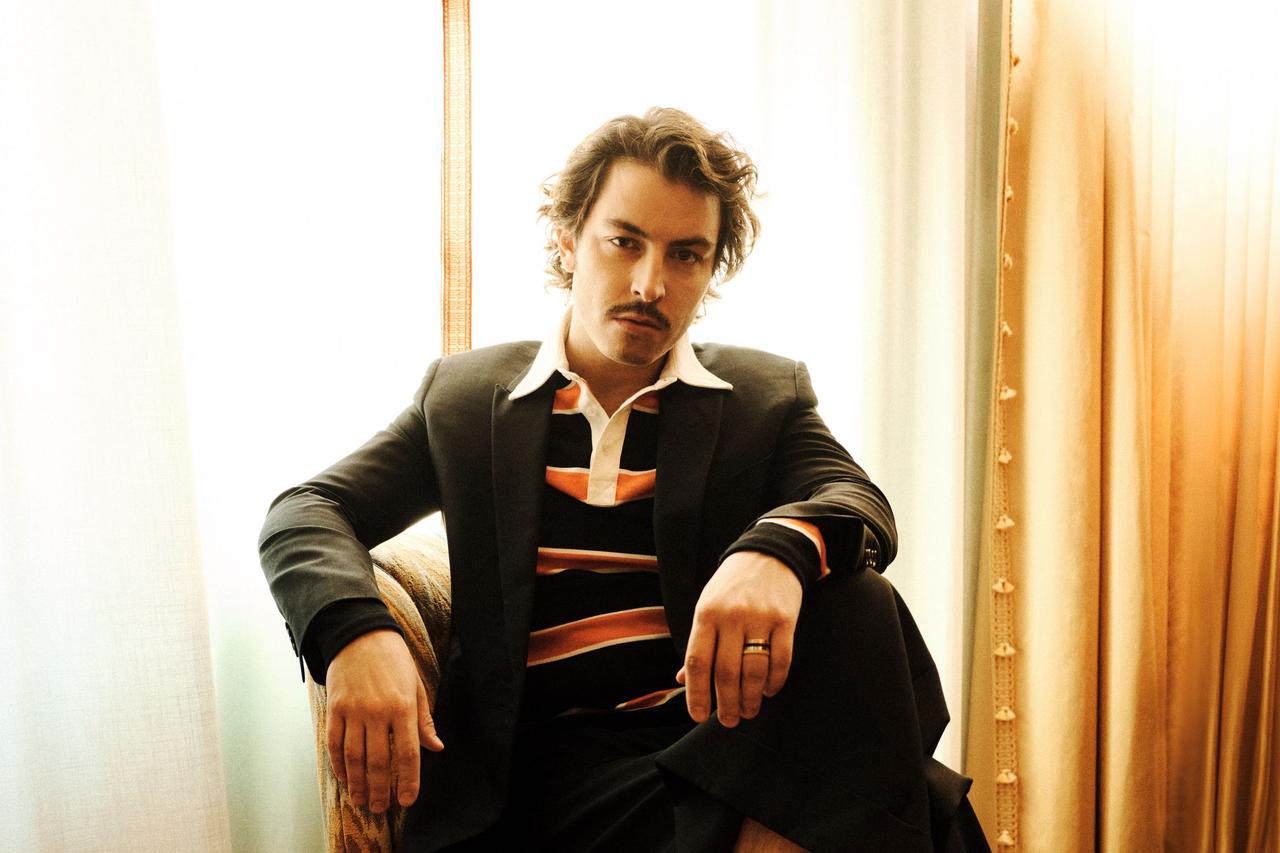


Turkish actor Boran Kuzum has stepped onto the global stage with a leading role in the Netflix production Big Mistakes, following a bold decision to leave behind an established career in Türkiye and rebuild from scratch in Los Angeles.
Featured on the cover of GQ Middle East, Kuzum described the move as a long-standing ambition rather than a sudden pivot. “I always wanted to do this job globally,” he said, adding that he did not want to reach later stages of his life, “and regretful I hadn’t tried.”
That decision has now materialized in "Big Mistakes," a Netflix crime-comedy created by Dan Levy, where Kuzum plays Yusuf, a volatile gangster, a character far removed from the romantic roles that defined his earlier work.
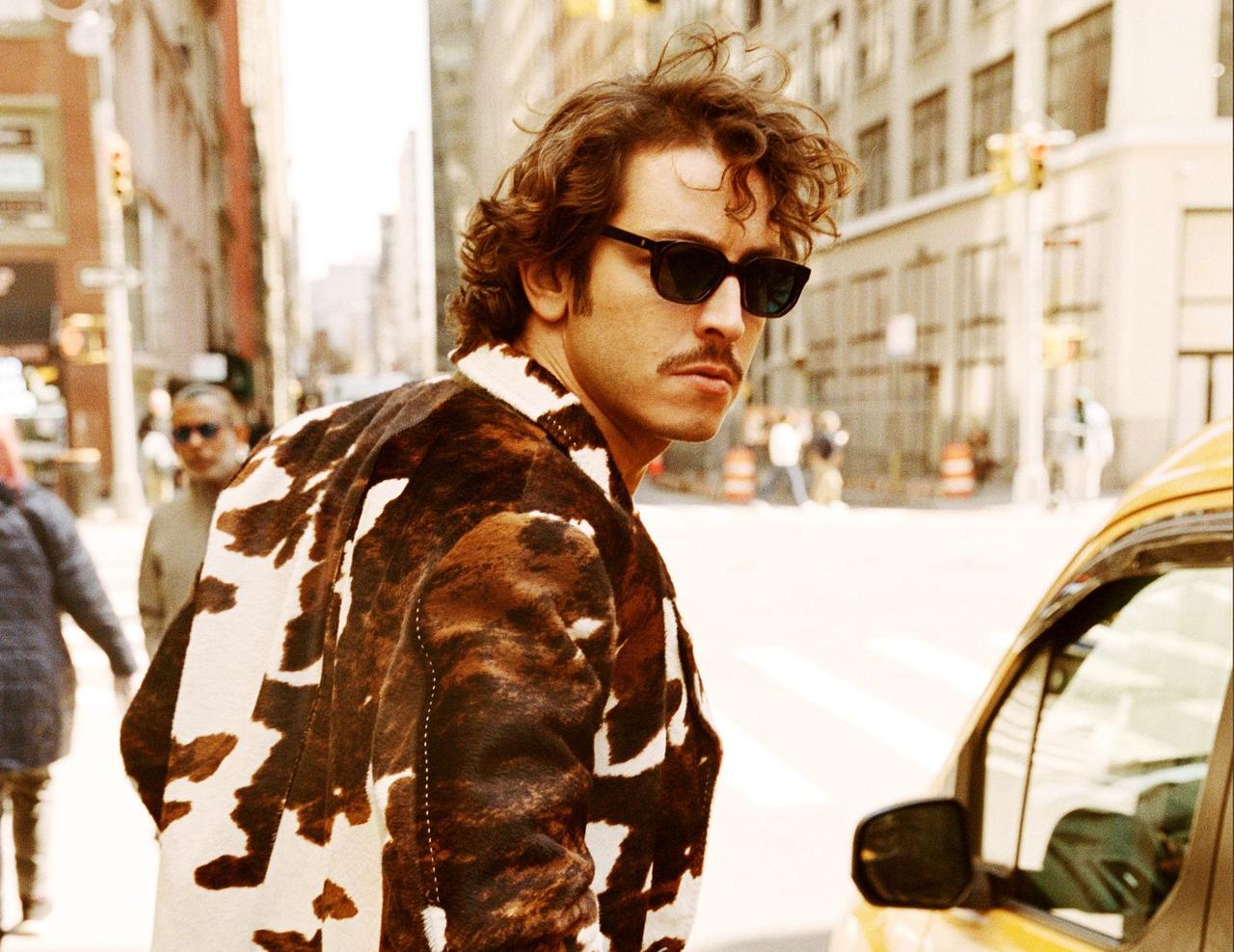

Before relocating, Kuzum had already built a strong profile on Turkish television, with leading roles in "Wounded Love" (Vatanim Sensin) and "The Protector" (Hakan: Muhafiz), along with industry awards and major brand partnerships. Walking away from that visibility was not incidental. It was deliberate.
He arrived in Los Angeles without industry connections, aware of the structural disadvantages, from language barriers to competition.
Rather than treating them as obstacles, he reframed them as part of his positioning. “Everyone’s waiting for a role… I thought, ‘Let’s use this disadvantage as an advantage,’” he said.
The transition required time and institutional navigation. Kuzum spent two years refining his English, securing representation, and obtaining a U.S. talent visa before gaining access to auditions.
The role that changed his trajectory came through a late-night audition call for Levy’s project, which he describes as a turning point after a difficult personal period.
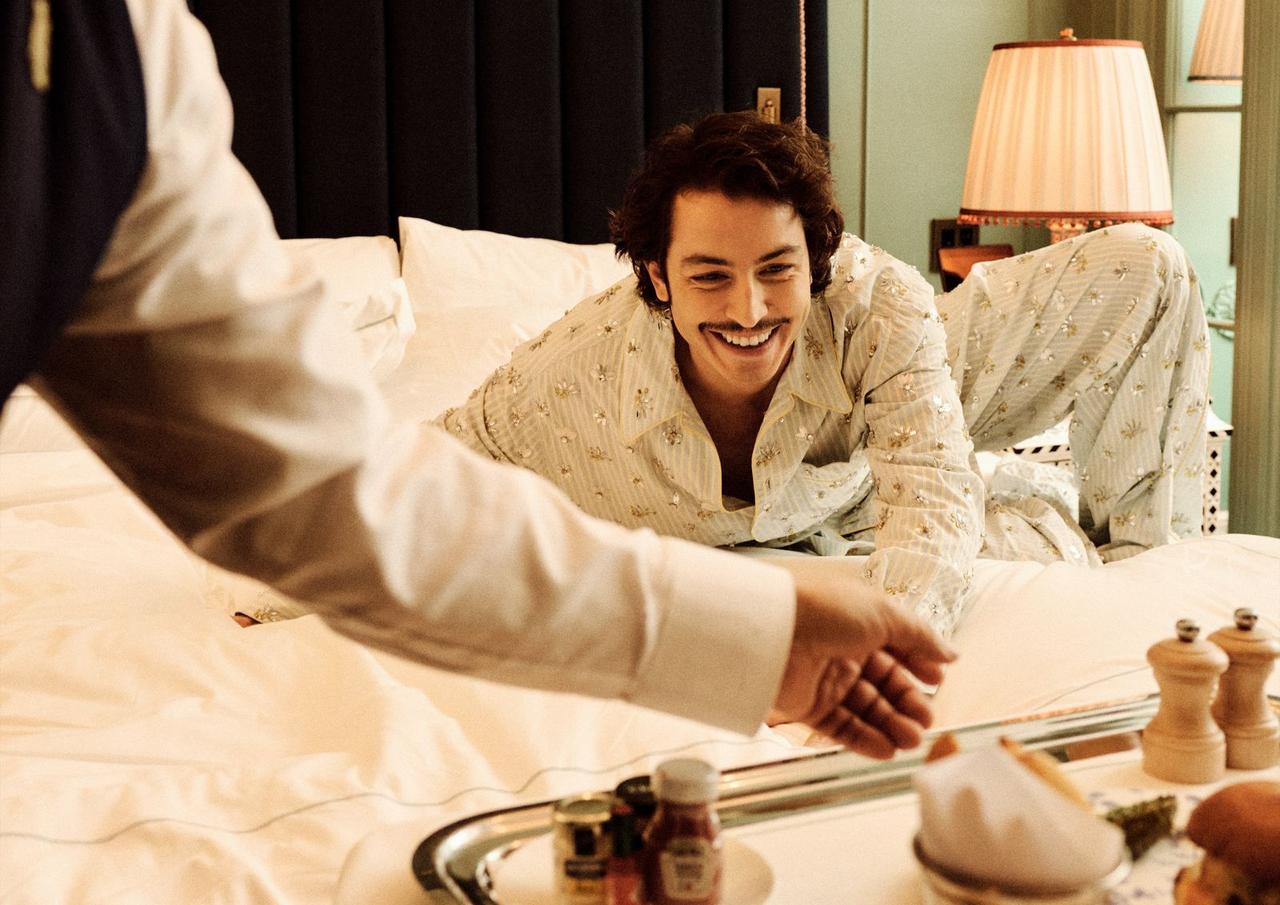
In "Big Mistakes," Kuzum deliberately steps outside his established screen identity.
Yusuf is aggressive, loud, and unstable, a stark contrast to the controlled, emotionally driven characters he had previously portrayed.
“He yells so much, and I never yell,” Kuzum said, framing the role as an intentional move beyond his comfort zone.
More significantly, he positioned the role as a space for creative agency.
Rather than simply executing direction, Kuzum incorporated elements of Turkish cultural expression into the character, including a traditional gesture of respect toward elders.
The choice, he noted, was made despite anticipating that it might appear unfamiliar to international audiences.

Kuzum’s casting marks a notable shift in representation.
He is identified as the first Turkish actor to join the main cast of a Netflix U.S. series, a milestone that reflects both personal progression and broader industry visibility.
“It can be difficult to leave your country and start from the beginning,” he said, adding that he hopes his trajectory encourages younger actors to consider international pathways.
That visibility has resonated with audiences. Kuzum pointed to messages from viewers who see his presence as a form of cultural representation, describing the response as emotionally significant.
Despite the momentum, Kuzum maintains a cautious relationship with public exposure. He described social media as a space that can quickly distort identity, particularly for young actors navigating early fame.
At the same time, he acknowledged the value of audience connection, especially when it extends beyond familiarity. “When people who don’t know you are proud of you… it’s beyond words,” he said.
Kuzum’s trajectory, from leaving an economics degree to relocating internationally without guarantees, reflects a consistent pattern of risk-taking as a professional strategy.
“Life is short,” he said. “I know what’s meant for me will come my way.”
That approach appears to be paying off as Kuzum prepares for upcoming projects while continuing to position himself within the global entertainment industry.


 Set as preferred source
 Set as preferred source



 1 min read