

 Newsletters


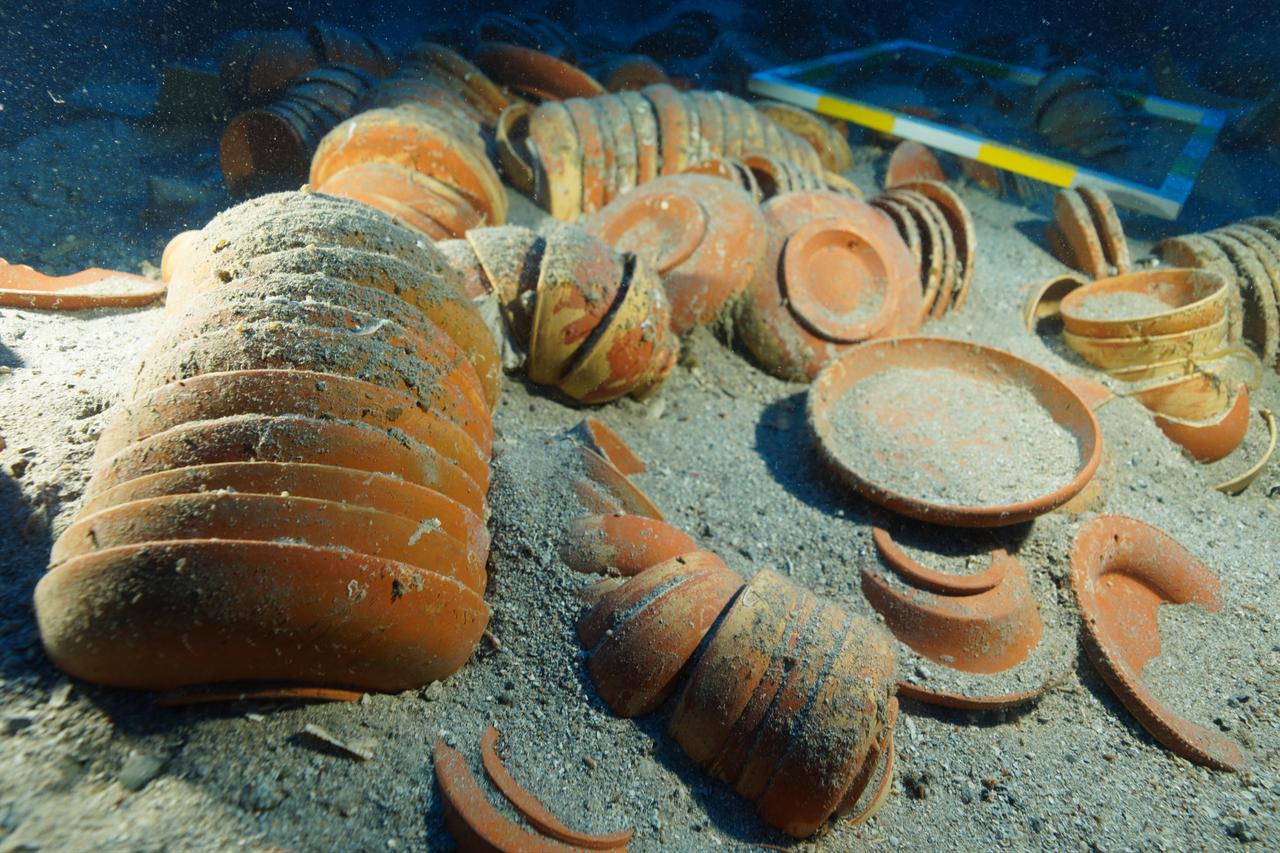


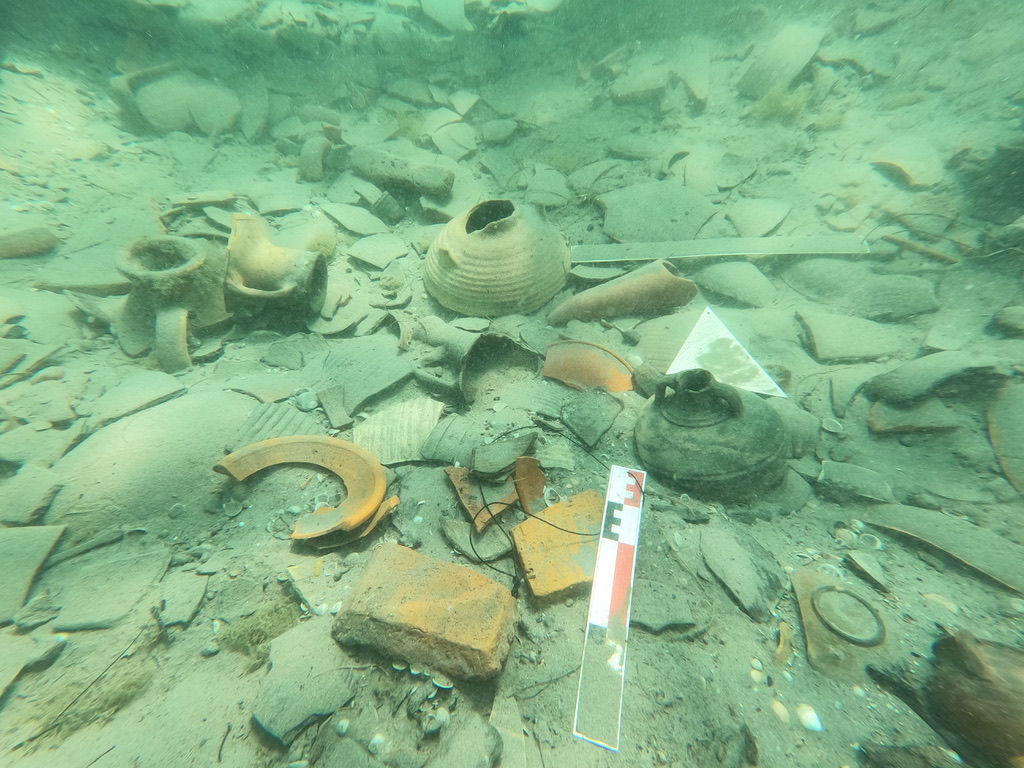
Thousands of ceramic plates and bowls have been brought up from a roughly 2,100-year-old shipwreck off Antalya in southern Türkiye, revealing a cargo of luxury tableware linked to the ancient Mediterranean trade network and preserved for centuries by a layer of clay packed between the vessels.
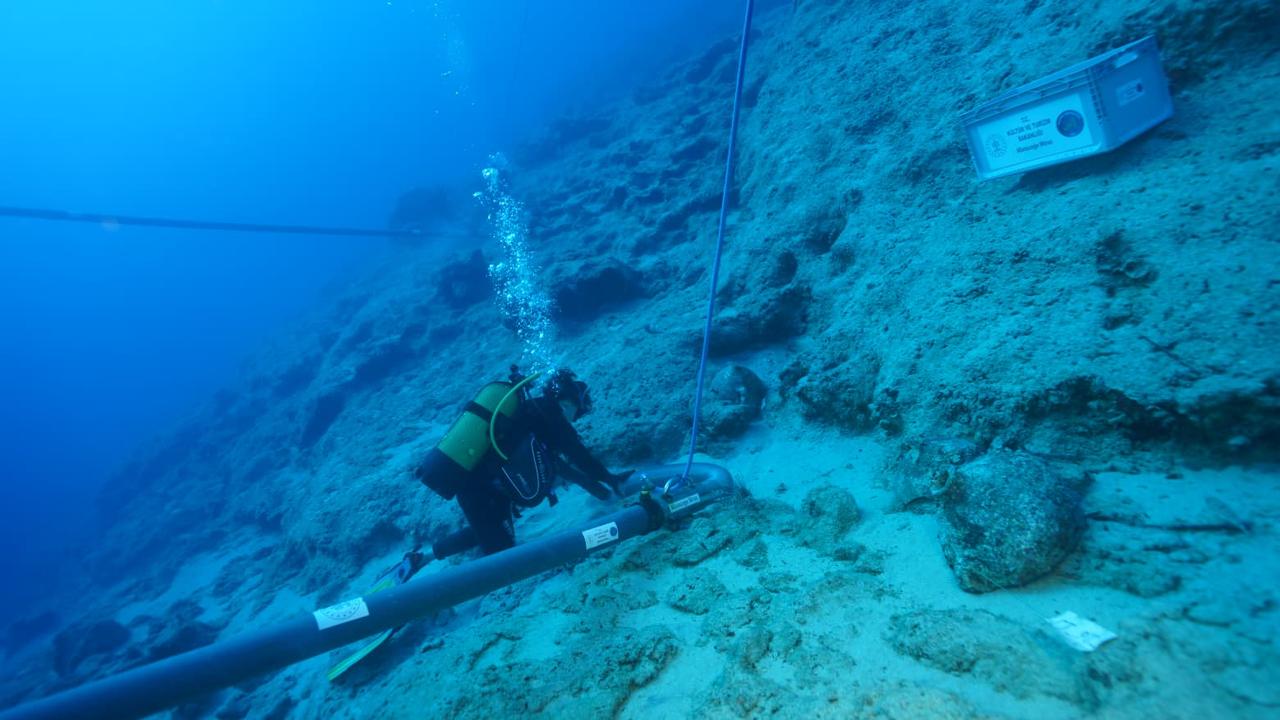
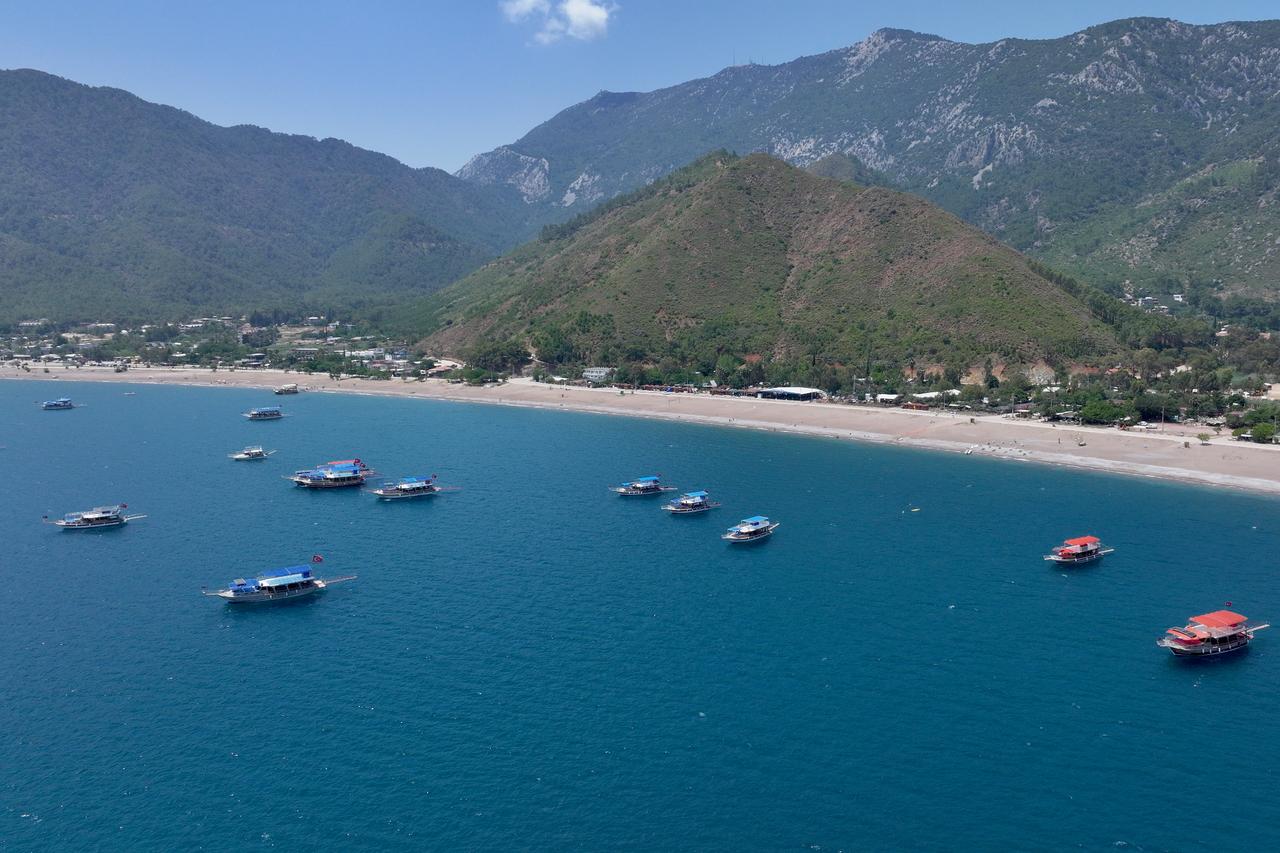
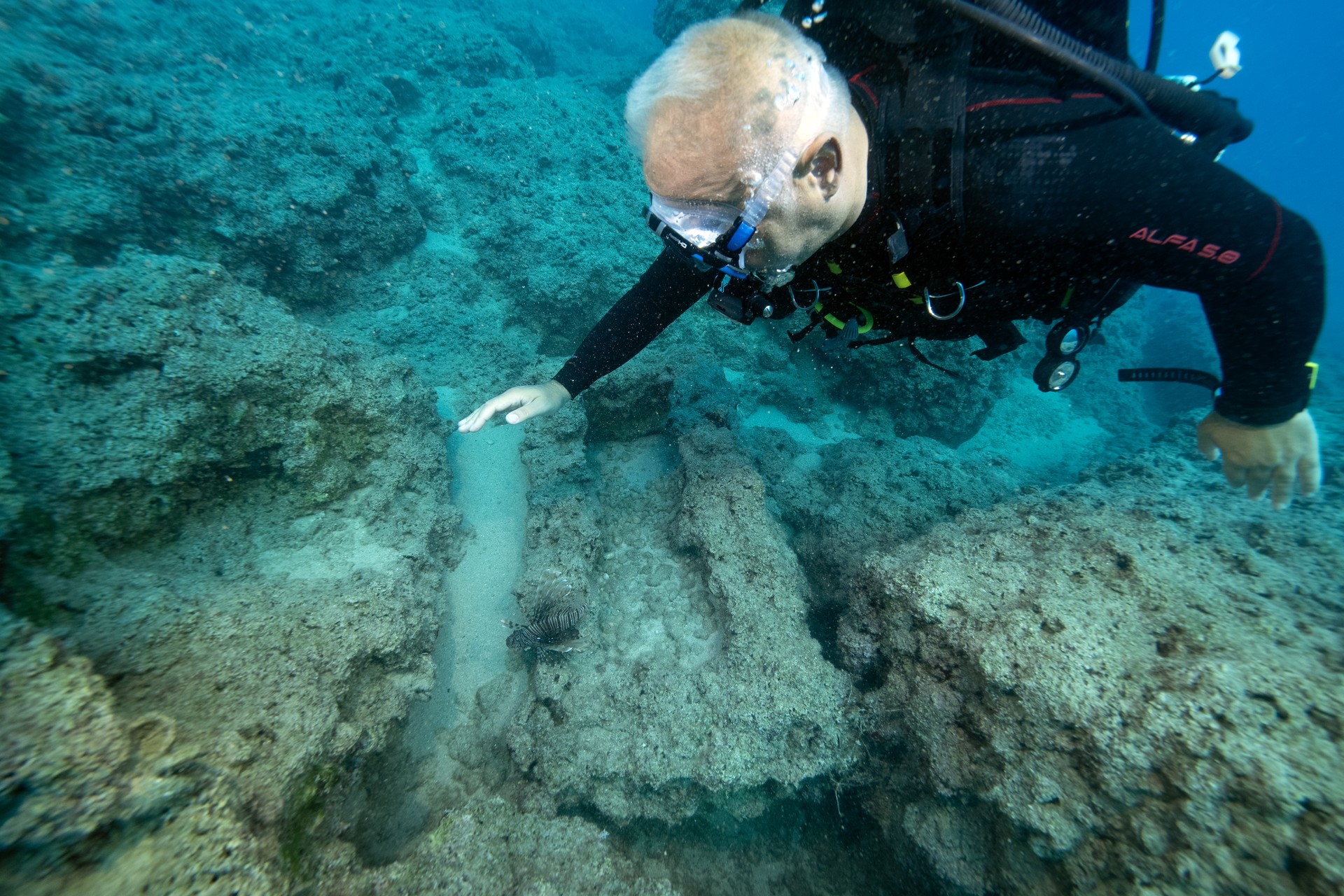
Excavations on the wreck, located off Adrasan in Antalya's Kumluca district, began in 2025 and are continuing at depths of between 42 and 55 meters.
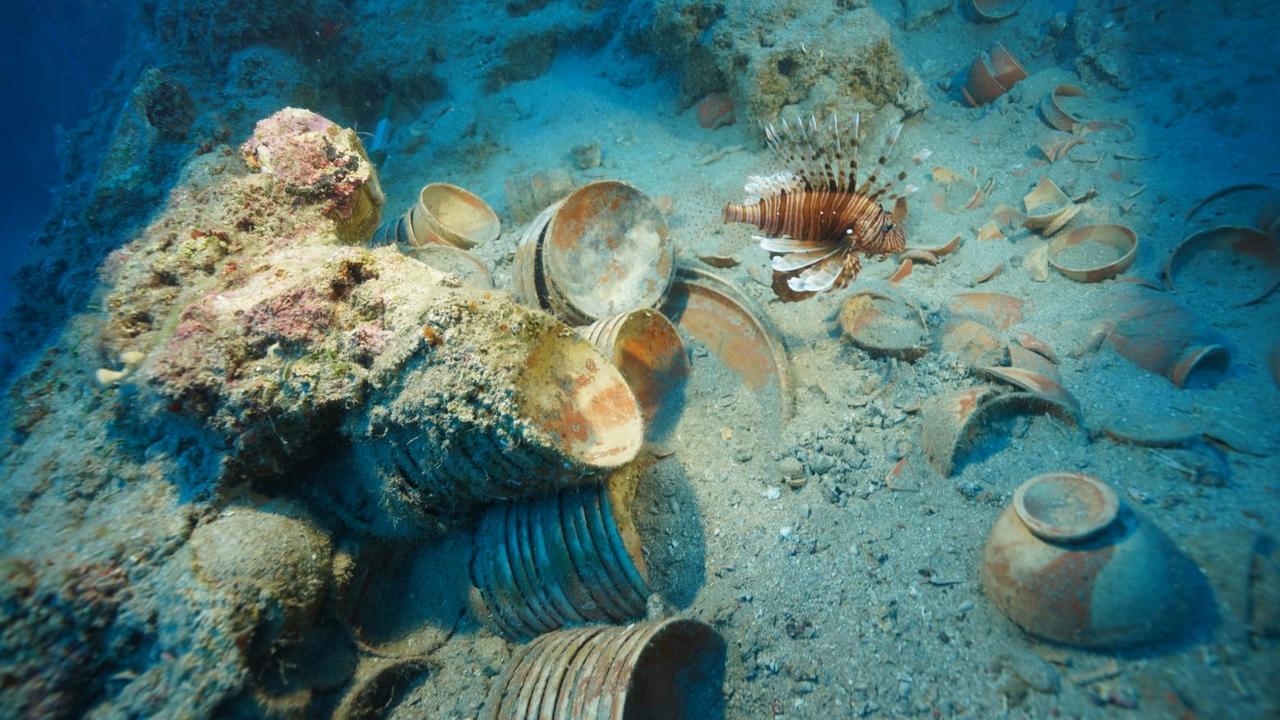

Türkiye's Culture and Tourism Minister Mehmet Nuri Ersoy said the finds included some of the ancient world's most luxurious tableware, adding, "We are bringing 2,100-year-old tableware to light from the depths of the Mediterranean."
He said the objects had survived in unusually good condition because clay had been placed between them when they were packed into wooden crates, helping protect the ceramics when the ship went down.
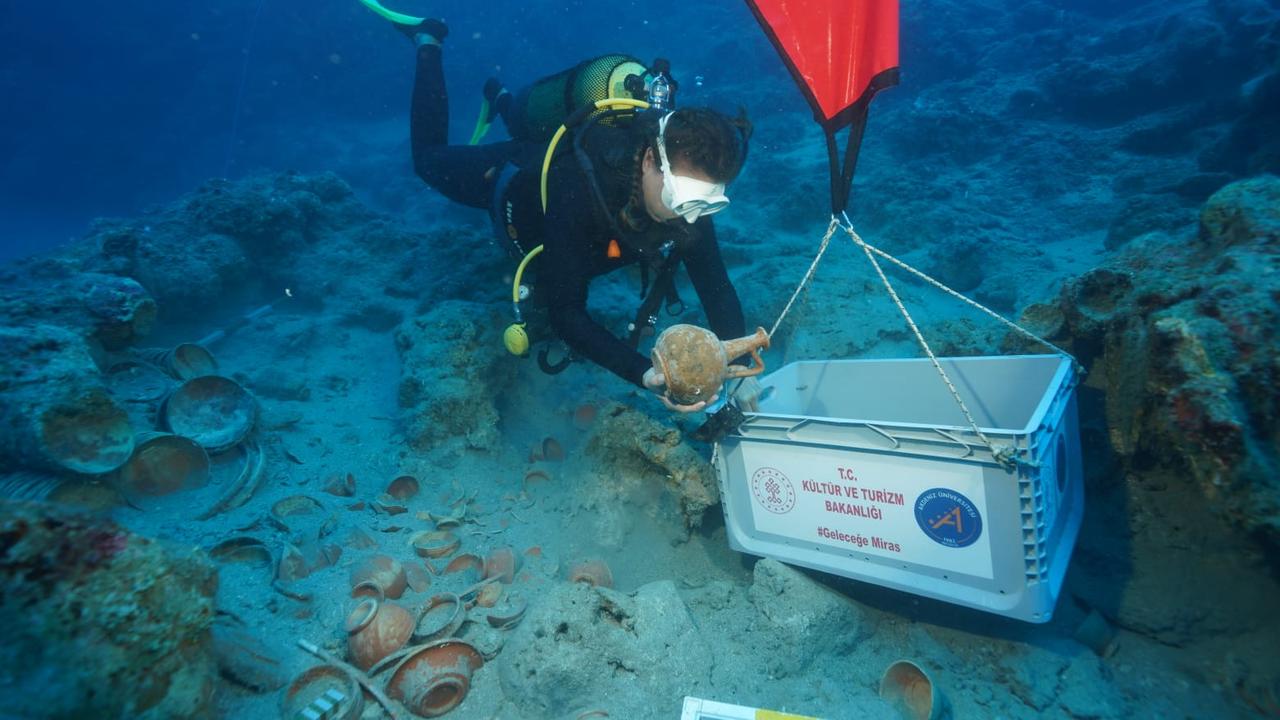
The ship's main cargo is made up of plates and bowls believed to have been produced around ancient Rhosus, on the coast of present-day Arsuz in Hatay.
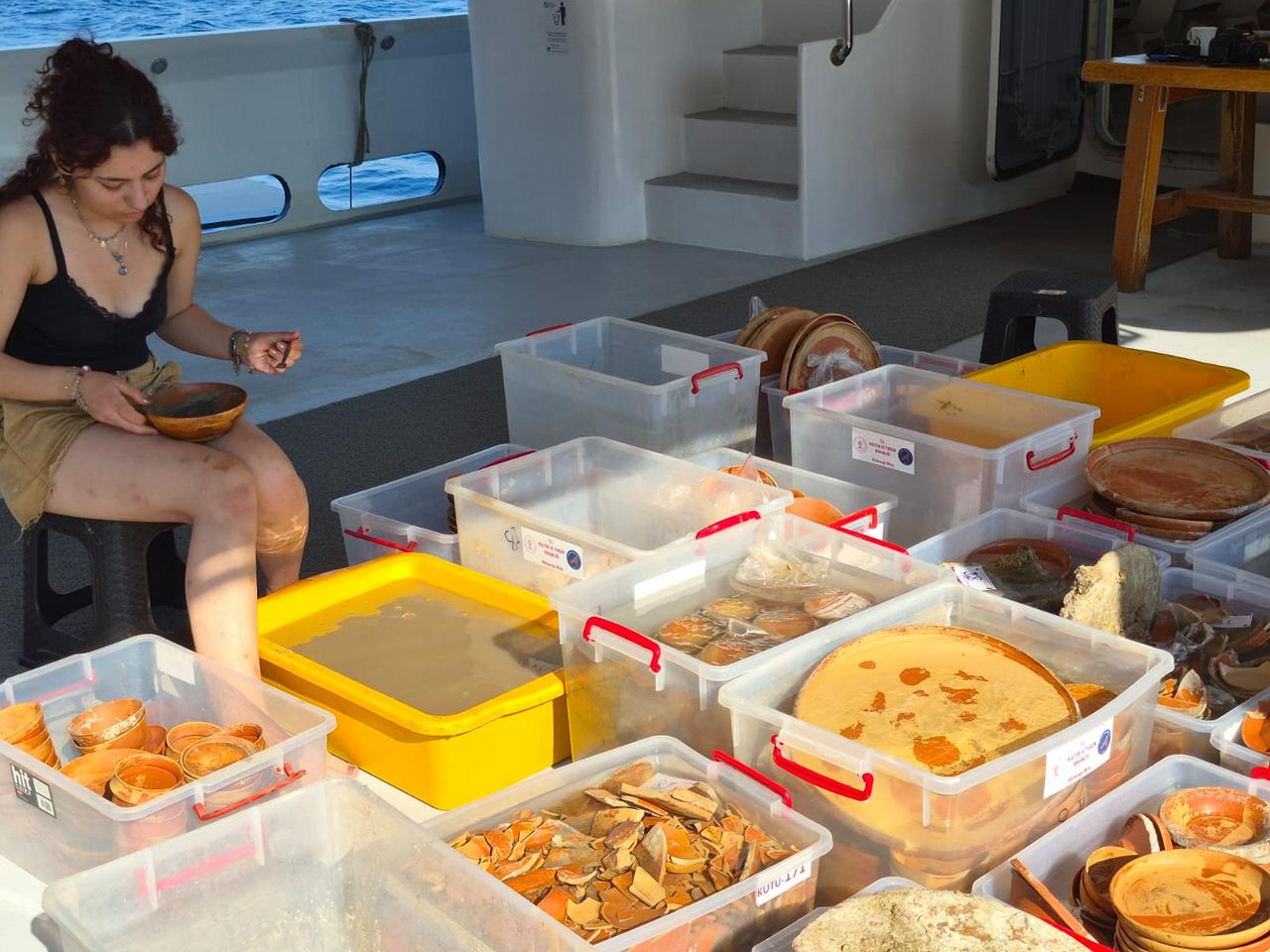
The finds include plates for nuts, soup bowls, fish plates and trays in different sizes, with archaeologists identifying 122 different forms and dimensions among the ceramic vessels.
The tableware was particularly sought after in Rome and formed part of the luxury dining culture of the Mediterranean world.
Amphoras believed to have been produced on several Aegean islands were also found on the wreck, pointing to a cargo assembled from different production centers.
The significance of the Rhosus ceramics is also reflected in ancient written sources.
In a letter written in 50 B.C., Roman statesman and orator Cicero told his friend Atticus that he had ordered ceramic vessels for him from Rhosus.
The reference shows that tableware produced in the area was already known and sought after in the Roman world, while the Adrasan finds offer archaeological evidence for how such products moved through Mediterranean trade routes.
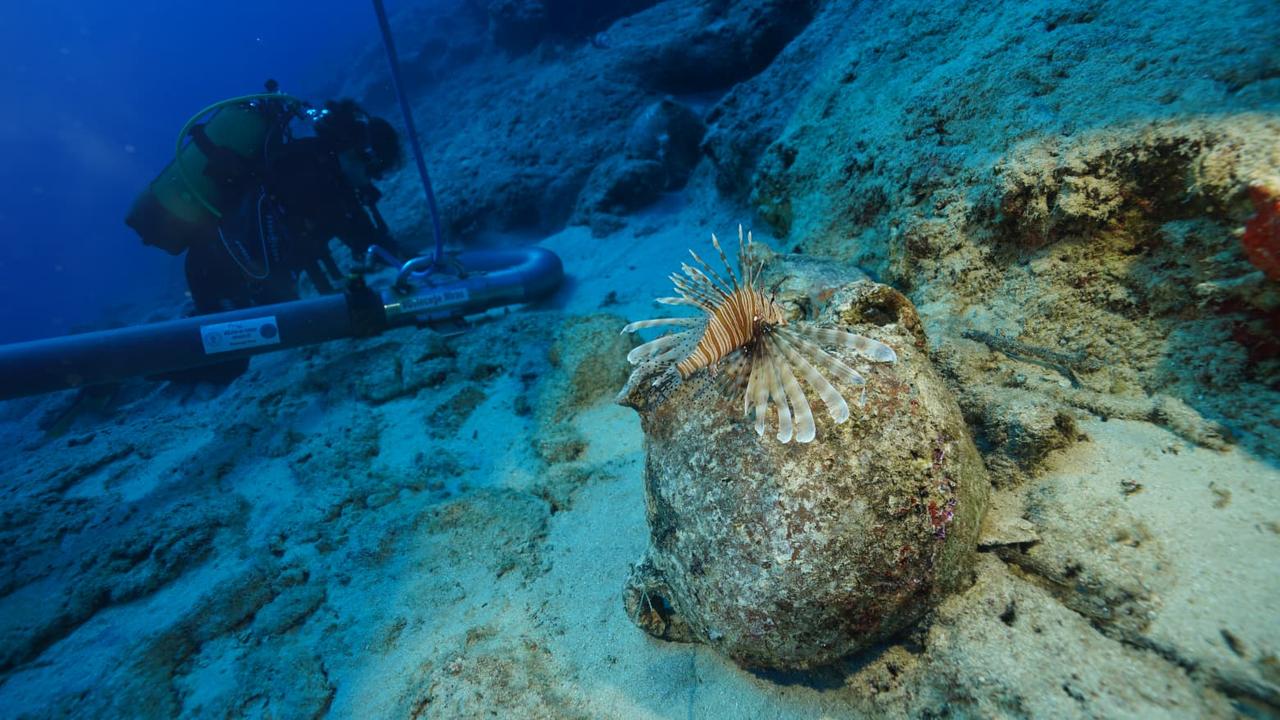
The condition of the plates and bowls has also drawn attention to the way the cargo was prepared for transport.
Before being placed into wooden crates, clay was packed between the ceramic pieces. The method helped prevent the vessels from breaking as the ship sank and contributed to their preservation underwater for more than two millennia.
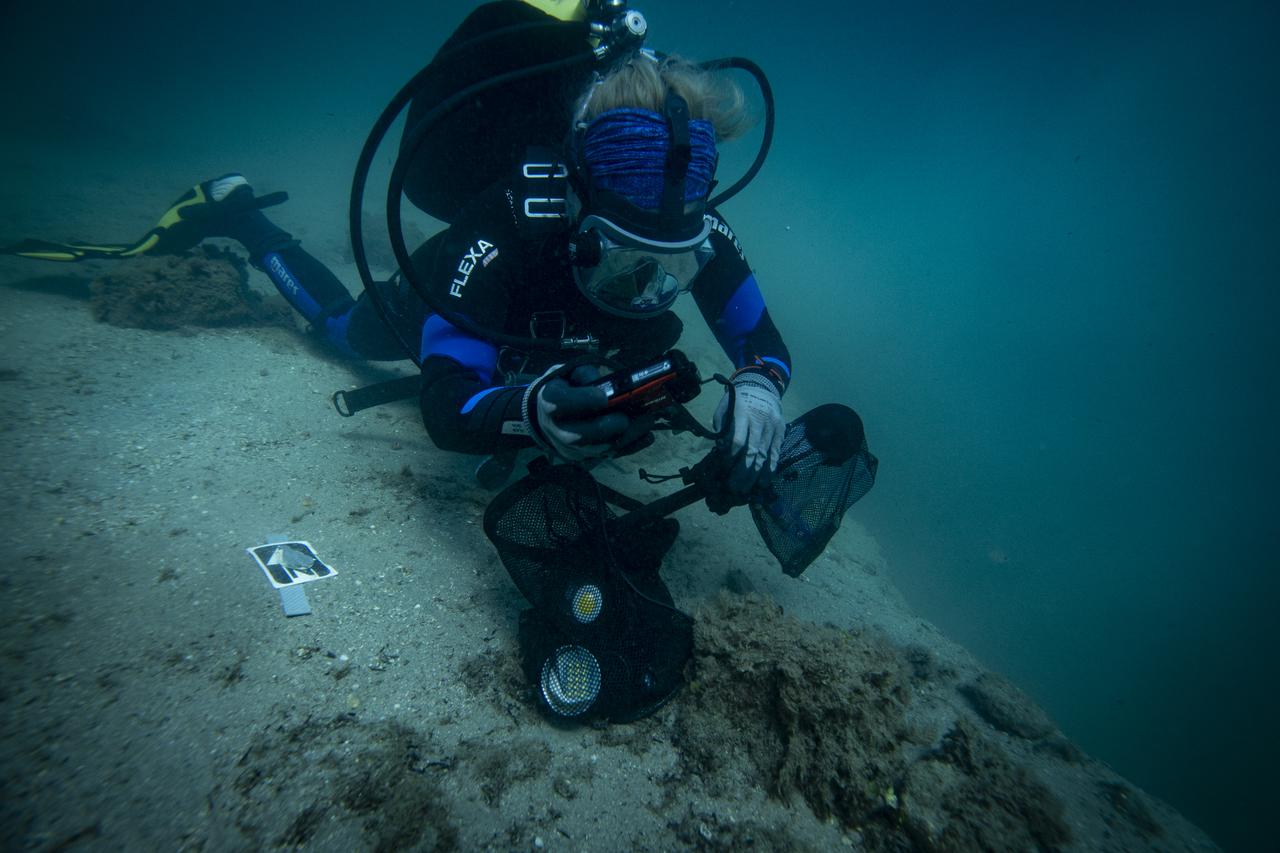
Ersoy said the finds reflected both Anatolia's production skills and the Mediterranean's commercial history. He thanked the excavation team carrying out the underwater work with the support of robotic systems.
First-century B.C. coins from Antioch found aboard the ship have also helped date the wreck.
The evidence indicates that the vessel operated around the middle of the first century B.C. within a trade network stretching between Antioch, the Aegean, Greece and the Italian coast.
Researchers believe the ship set out from Arsuz and was probably heading toward Rome when it struck a shallow area during a storm and sank.
Underwater archaeological excavations at the Adrasan wreck remain underway.


 Set as preferred source
 Set as preferred source


 1 min read
 1 min read


