Newsletters


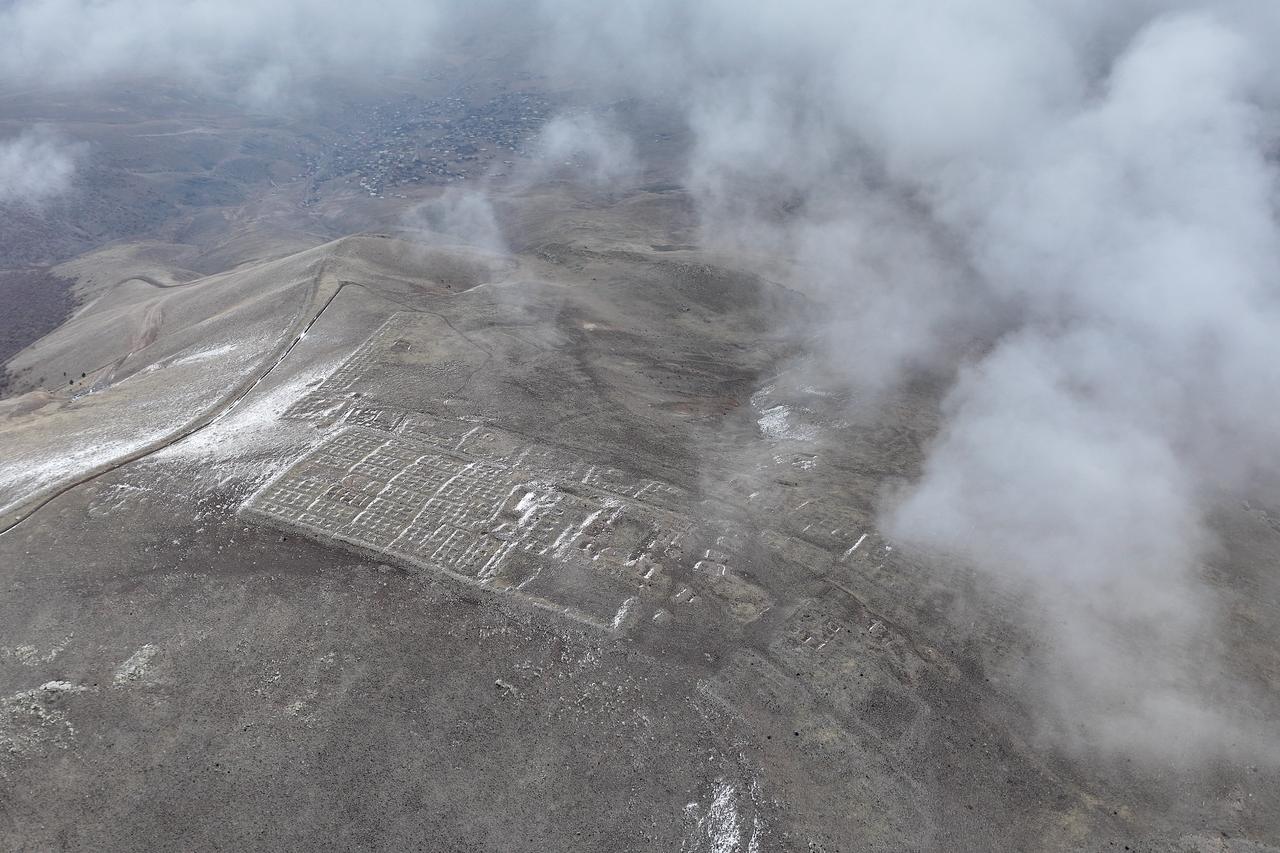


A Late Hittite city located on the summit of Mount Gollu in Nigde, central Türkiye is standing out as the only known urban center directly linked to the Tabal Kingdom, a regional power that ruled parts of Anatolia nearly 2,800 years ago.
Archaeological findings show that the settlement was carefully planned, heavily fortified, and closely tied to the political and religious structure of the post-Hittite era, offering rare insight into a little-known chapter of Anatolian history.
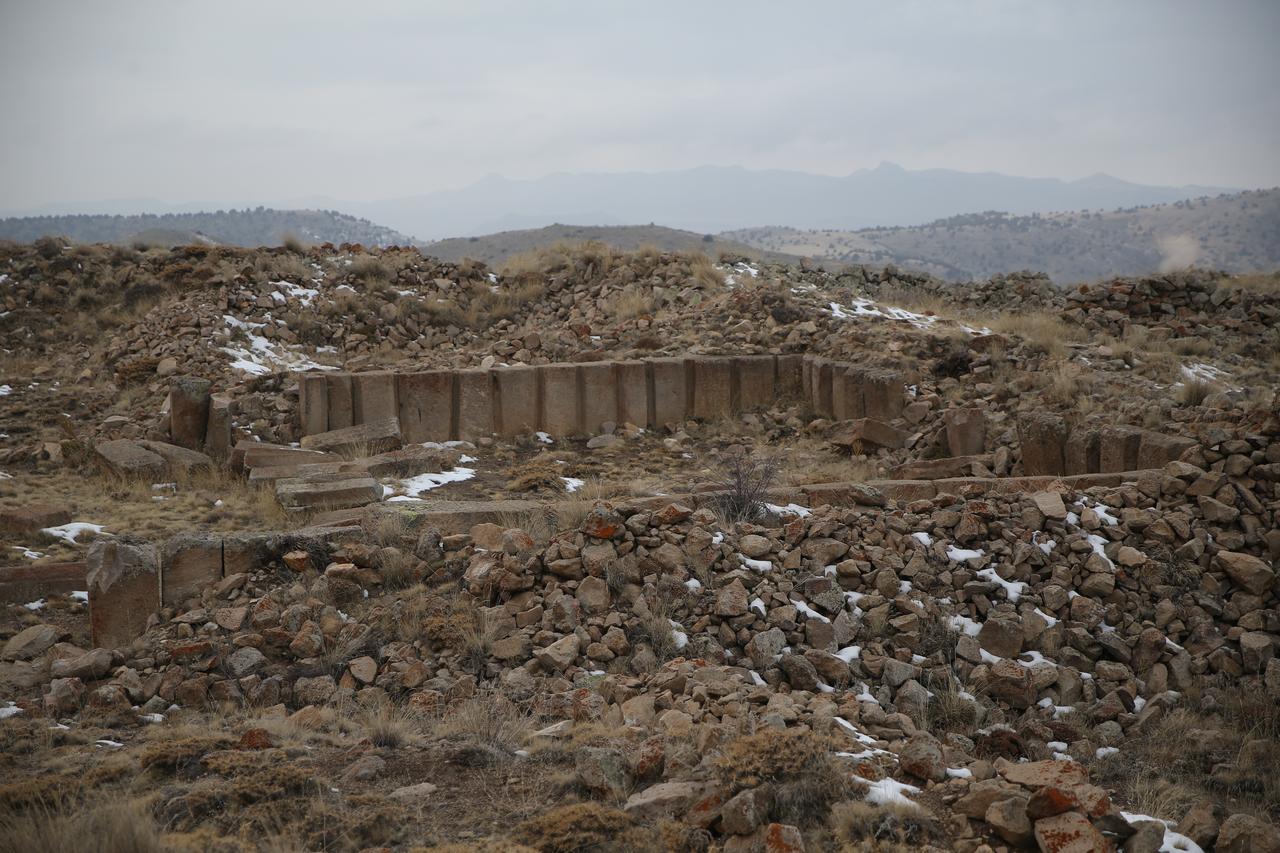

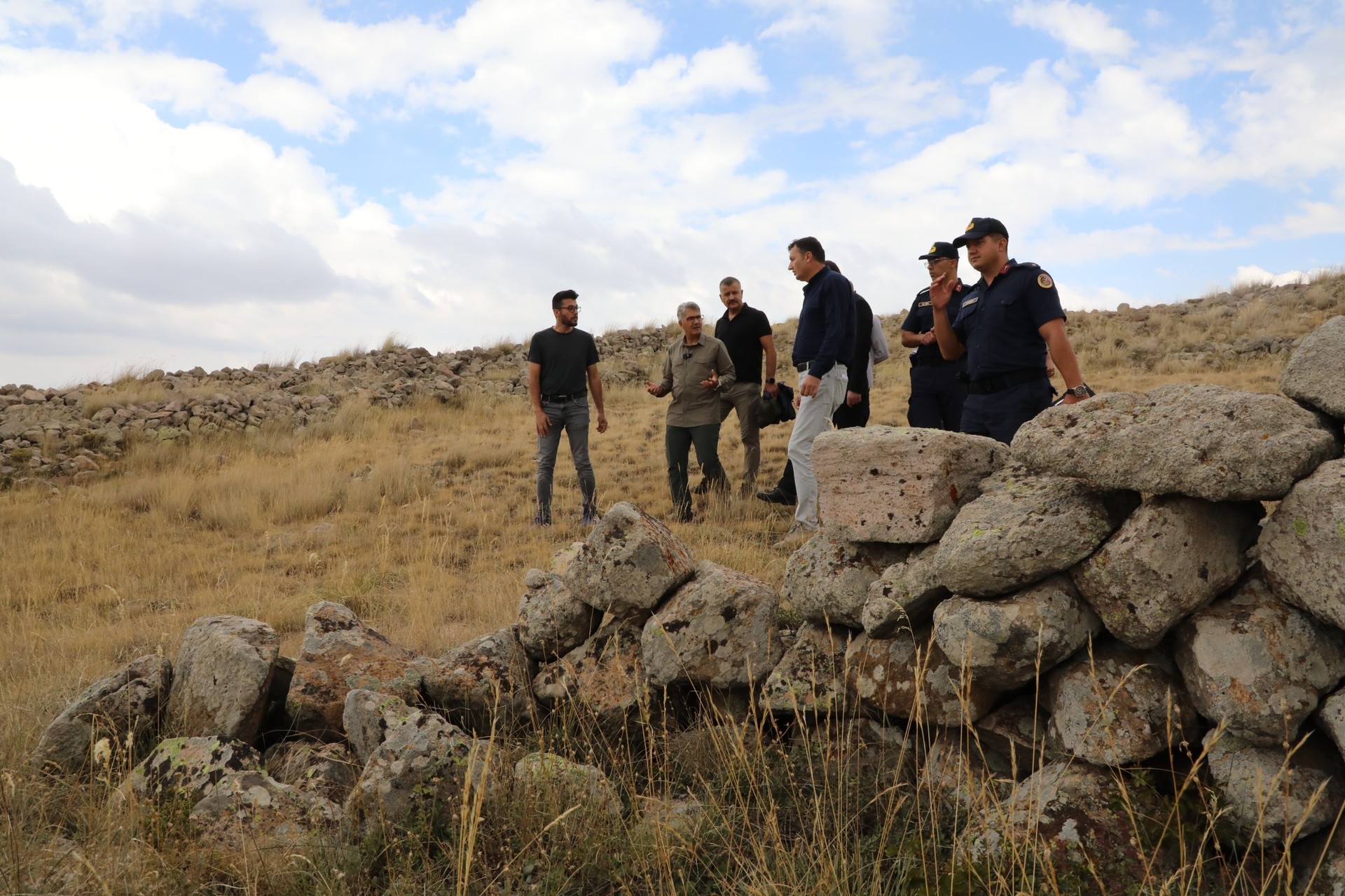
The ancient city lies within the borders of Komurcu in the Ciftlik district of Nigde, at an elevation of 2,172 meters above sea level. Archaeologists explain that its location on a volcanic mountain made it naturally defensive, while the presence of a crater lake helped support the decision to build a large settlement on the summit.
According to archaeologist Mustafa Eryaman, the city belongs to the Late Hittite period, a time when smaller Hittite successor states emerged across Anatolia after the collapse of the Hittite Empire. He describes Mount Gollu as the first and only confirmed city of the Tabal Kingdom, a political entity known mainly from Assyrian sources and inscriptions rather than from clearly identified urban centers.
The site was first noticed around a century ago by a local shepherd named Civan Ali, who came across architectural remains while grazing animals on the mountain. This accidental discovery later gained national importance, leading to scientific investigations during the early years of the Turkish Republic.
Excavations began in 1934 under the direction of Professor Remzi Oguz Arik. Further work was carried out in 1968 by archaeologist Burhan Tezcan and again in the early 1990s by Professor Wulf Schirmer from the German Archaeological Institute. Through these three main excavation phases, most of the visible layout of the city was brought to light.
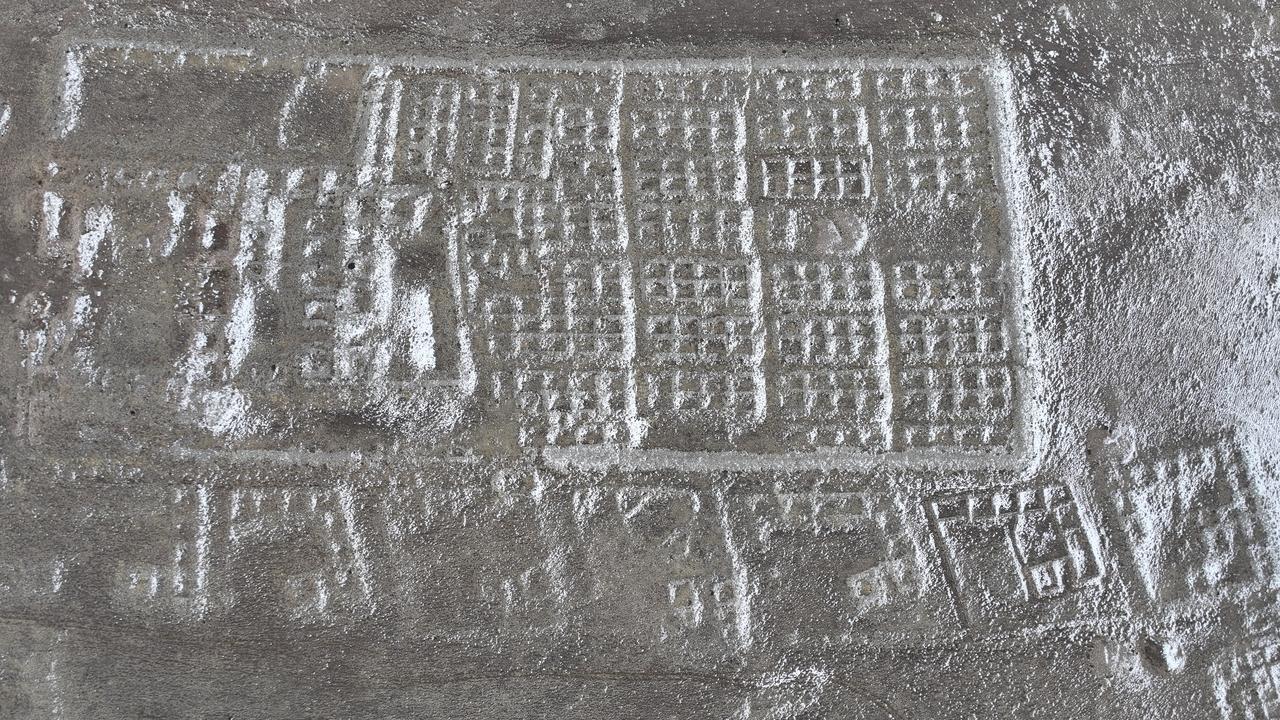
Aerial photographs revealed that the city was built on a strict grid plan, with straight streets, orderly blocks, and symmetrically arranged buildings. Archaeologists describe this layout as one of the clearest and most monumental examples of urban planning from the Late Hittite period in Anatolia.
At the center of the city stood a large palace structure, which also functioned as a temple. Eryaman explains that in Late Hittite belief systems, rulers were seen as having divine qualities, which meant royal palaces often doubled as sacred spaces. The palace and temple complex was enclosed by an inner wall, while a massive outer fortification surrounded the entire settlement, turning Mount Gollu into a fully protected city.
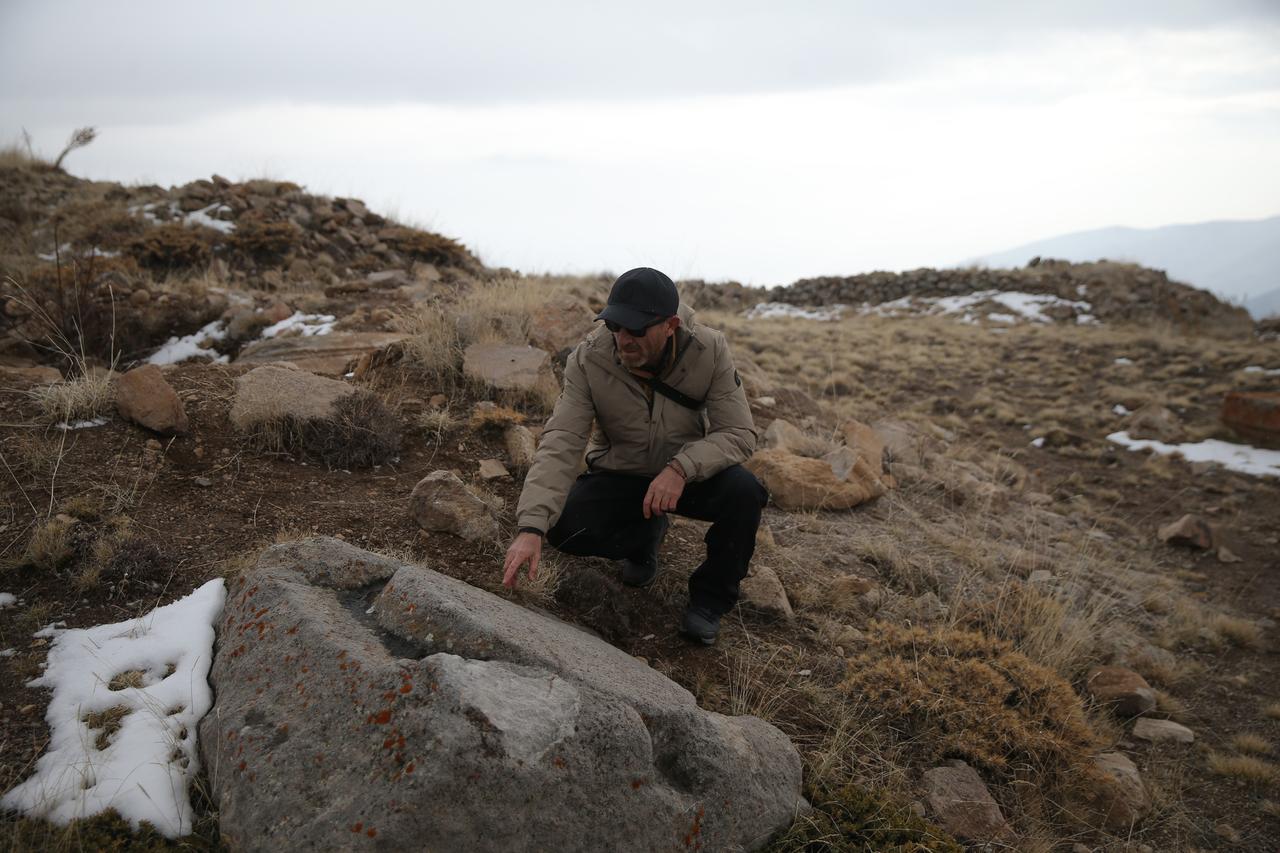
Early excavations uncovered monumental stone works, including a double-headed lion sculpture measuring about 1.5 meters in height and roughly 2 meters in width, along with lion-based column supports. These finds were initially taken to Kayseri and are now shared between the Nigde Archaeology Museum and the Kayseri Archaeology Museum.
Despite the impressive architecture, archaeologists found relatively few everyday ceramic objects, a detail that suggests the city may have been abandoned before daily life fully took hold. Several theories have been put forward, ranging from harsh climatic conditions at high altitude to a sudden external attack, disease, or forced displacement during construction. Eryaman notes that none of these explanations can yet be confirmed due to the lack of definitive scientific evidence.
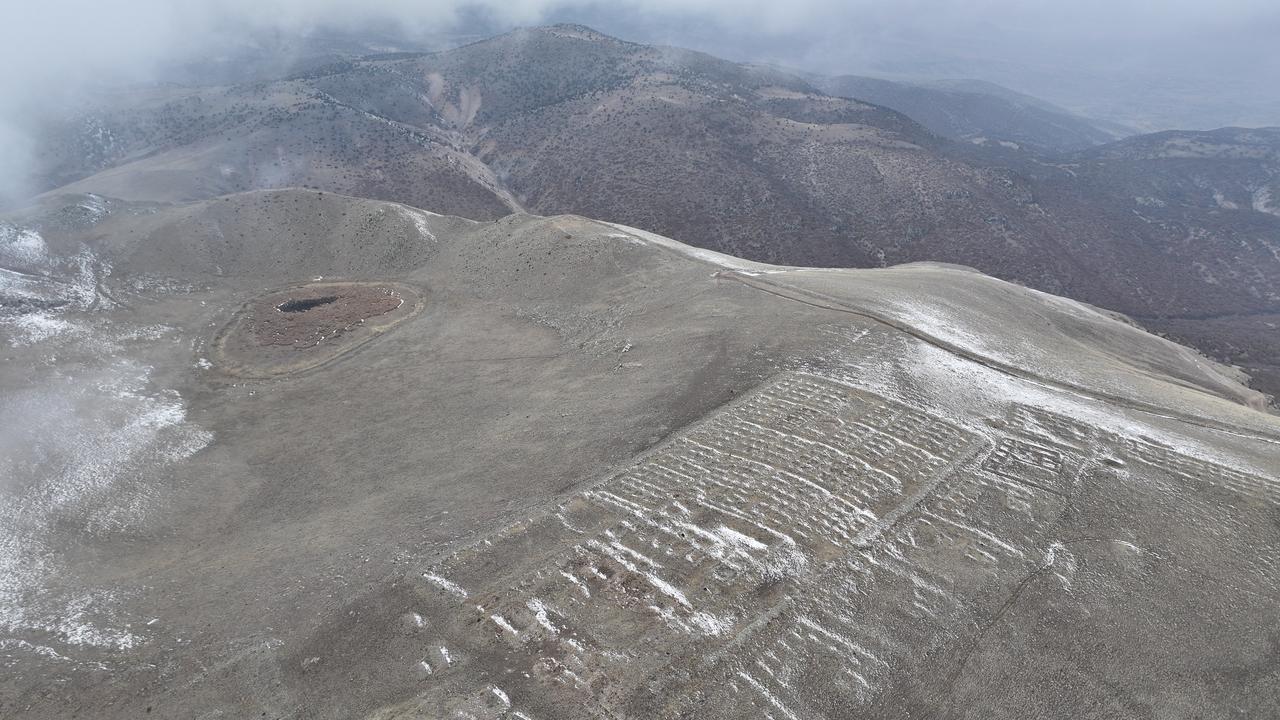
Researchers underline that Mount Gollu holds major importance for understanding the political geography of central Anatolia after the Hittite collapse. Its connection to the Tabal Kingdom makes it a key reference point for regional history, urban planning, and belief systems in the early first millennium B.C.
Eryaman also points out that bringing the site into tourism could help raise international awareness of Nigde’s historical landscape, while contributing to local cultural identity and the regional economy, provided that preservation remains a priority.


 Set as preferred source
 Set as preferred source


 1 min read
 1 min read