Newsletters


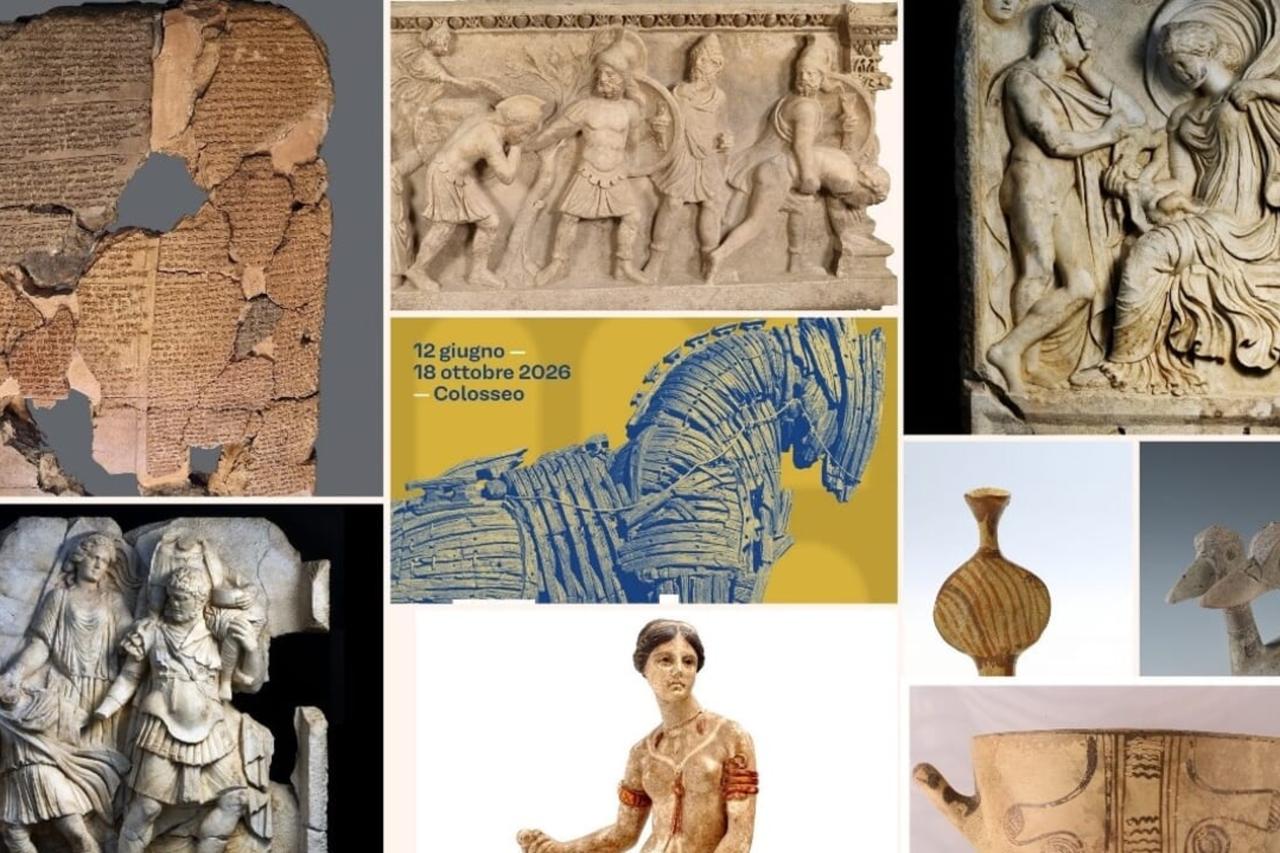


A major exhibition at the Colosseum Archaeological Park in Rome will bring together more than 300 artifacts from Italian and Turkish museums in 2026, presenting Troy not only as a legendary city of epic poetry but also as an archaeological site tied to Rome’s own foundation myths.
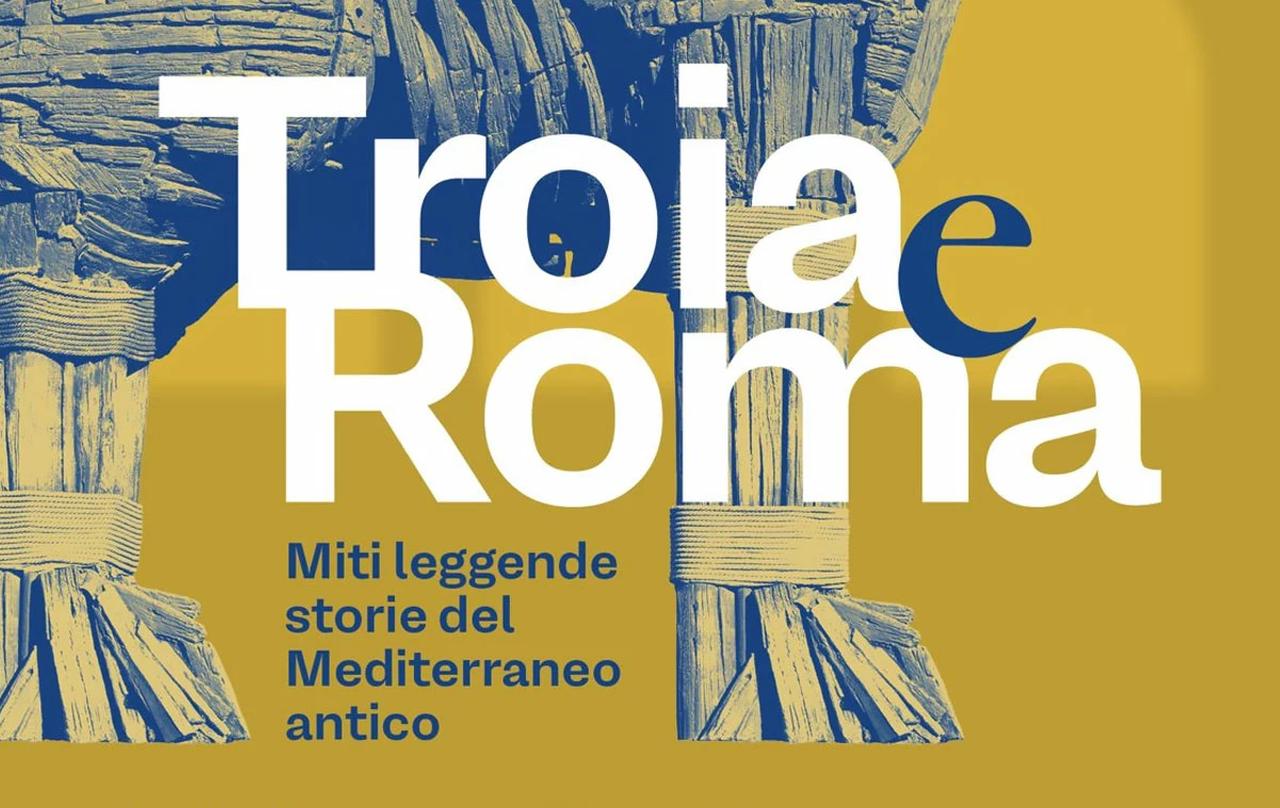
The exhibition, titled “Troy and Rome: Myths, Legends and Stories of the Ancient Mediterranean” will run from June 12 to Oct. 18, 2026, at the Parco archeologico del Colosseo in Rome.
The project is part of a wider cultural cooperation effort between Italy and Türkiye. It follows a bilateral agreement signed in Rome in April 2025 by Italian Culture Minister Alessandro Giuli and Turkish Culture and Tourism Minister Mehmet Nuri Ersoy, aimed at strengthening cultural ties between the two countries.
The exhibition will feature more than 300 artifacts, many of which will be shown in Italy for the first time. Türkiye will play a central role in the project, with more than 220 works loaned from 19 Turkish museums, including around 50 pieces never before presented to the Italian public.
The route will begin with a monumental replica of the Trojan Horse, before moving into the archaeological and mythological layers of Troy, also known in ancient sources as Ilion or Ilium.
The exhibition will place finds from Troy and Anatolia in dialogue with materials that show how the story of Aeneas spread through the Mediterranean and was later taken up by Rome as part of its own origin story.

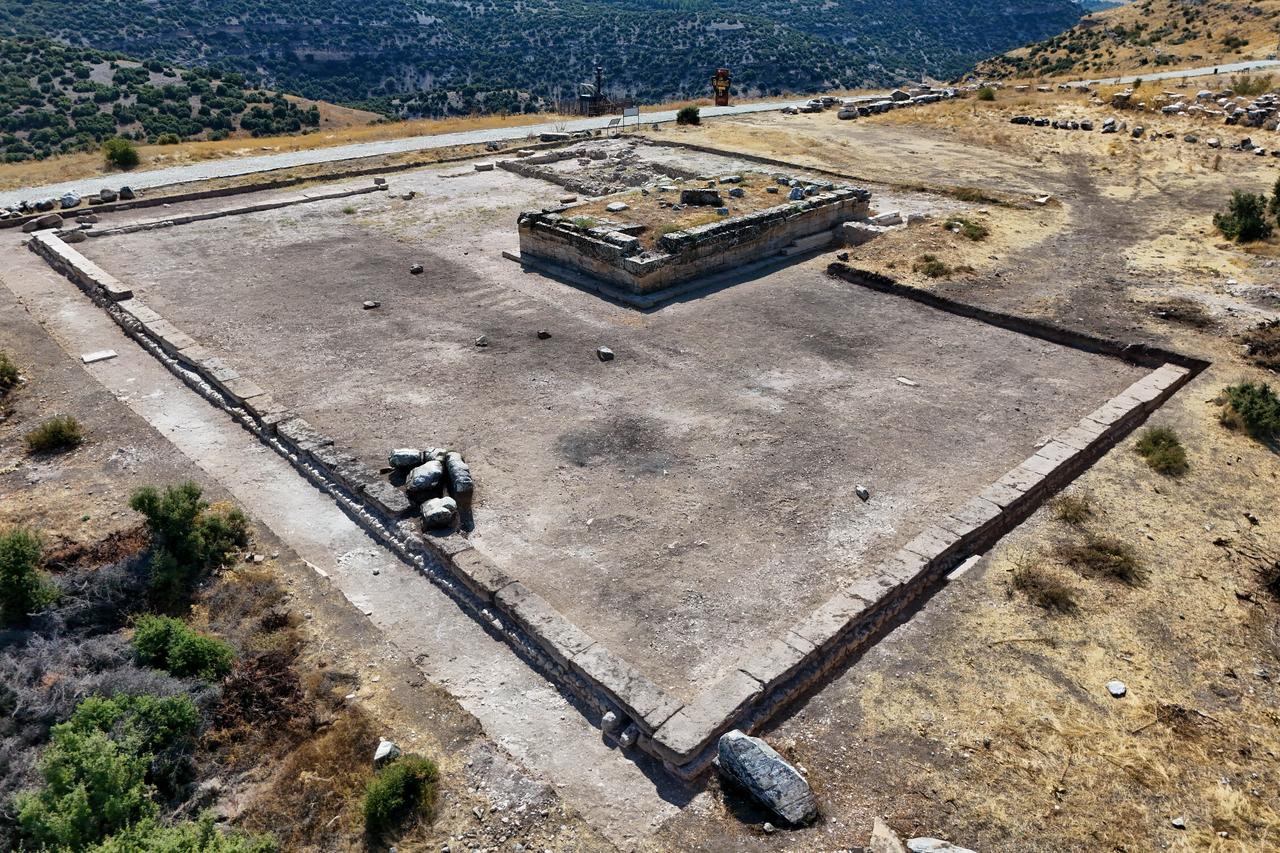
The first section will focus on the historical, archaeological and topographical reconstruction of Troy, using major objects from Turkish museums to explain the city’s place within ancient Anatolia.
This part will also introduce the Hittite world and different cultures of Anatolia during the third and second millennia B.C., offering visitors a broader view of the region beyond the later Greek and Roman traditions.
The second section will move into the Trojan War, but from the Trojan perspective. It will highlight major figures and events linked to the conflict, while also examining Homer and the epic tradition through literary, historical and anthropological approaches.
This section will end with the fall of Troy, known as the Ilioupersis, and the beginning of the Trojan diaspora associated with Aeneas.
The third section will follow the journey of Aeneas through ancient literary sources, from Stesichorus to Virgil, together with archaeological evidence.
Aeneas, in Roman tradition, was the Trojan hero who escaped the burning city of Troy with his father Anchises and his son Ascanius. His journey to Italy later became one of the most important stories through which Romans explained their origins.
The exhibition will give special attention to sites in southern Italy, Sicily and Latium, the central Italian region closely tied to the later foundation legends of Rome. It will also present a reconstruction of Latium between the 12th and ninth centuries B.C., helping visitors place the myth within a wider historical setting.
The fourth section will focus on Romulus and the foundation of Rome, bringing together major traditions, artifacts and visual evidence linked to the city’s early identity.
It will examine archaic Rome and explain how Romans developed the idea of a Trojan origin, a theme that became central to the political and ideological identity of the city.
The section will end with a focus on the Augustan age, Virgil and the canonization of the Aeneas story. Under Emperor Augustus, Virgil’s Aeneid helped tie Rome’s destiny to Troy and linked the ruling Julian family to Aeneas through Ascanius, also known as Iulus.
Through figures such as Paris, Helen, Priam, Hecuba, Cassandra, Hector, Agamemnon, Menelaus, Achilles, Patroclus, Aeneas, Lavinia, Ascanius and Romulus, the exhibition will present Troy and Rome as part of a shared Mediterranean memory.
The exhibition is also being presented as an act of cultural diplomacy. It follows a technical agreement signed in December 2025 at the Turkish Ministry of Culture and Tourism’s General Directorate of Cultural Heritage and Museums by Alfonsina Russo, head of Italy’s Department for the Valorization of Cultural Heritage, and Simone Quilici, director of the Colosseum Archaeological Park.
Italian Culture Minister Alessandro Giuli said the exhibition brings the narrative force of a founding myth onto the international stage while giving epic tradition a concrete archaeological dimension. He said the show turns epic storytelling into something tangible by connecting the myth with the place that shaped and inspired it.
 1 min read
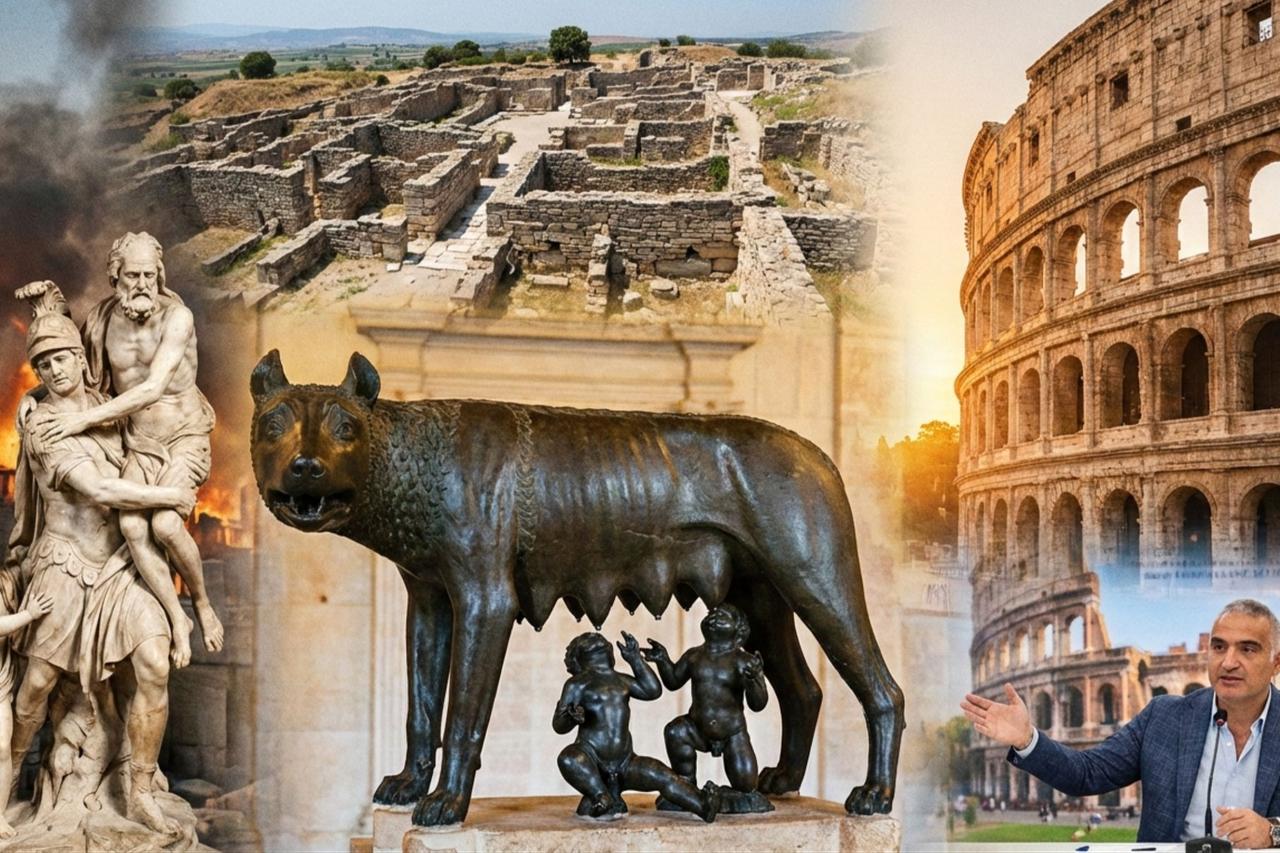
Turkish Culture and Tourism Minister Mehmet Nuri Ersoy said the exhibition brings Troy’s epic history to the Colosseum, one of the world’s most important meeting points for tourism, through a project that combines scientific rigor, heritage protection and strong storytelling.
He said the project makes a heritage of universal value accessible to a global audience and marks a significant step in international cultural cooperation.
The exhibition is promoted within the framework of Italy’s Mattei Plan for Africa and the Mediterranean. It aims to strengthen relations between Italy and Türkiye by using archaeology and historical heritage as tools for dialogue, sustainable development and cultural cooperation.
By bringing Troy to the Colosseum, the project will return one of antiquity’s most powerful stories to the center of public debate, showing how a site long associated with myth also shaped the way Rome imagined its own beginnings.


 Set as preferred source
 Set as preferred source



 1 min read