Newsletters


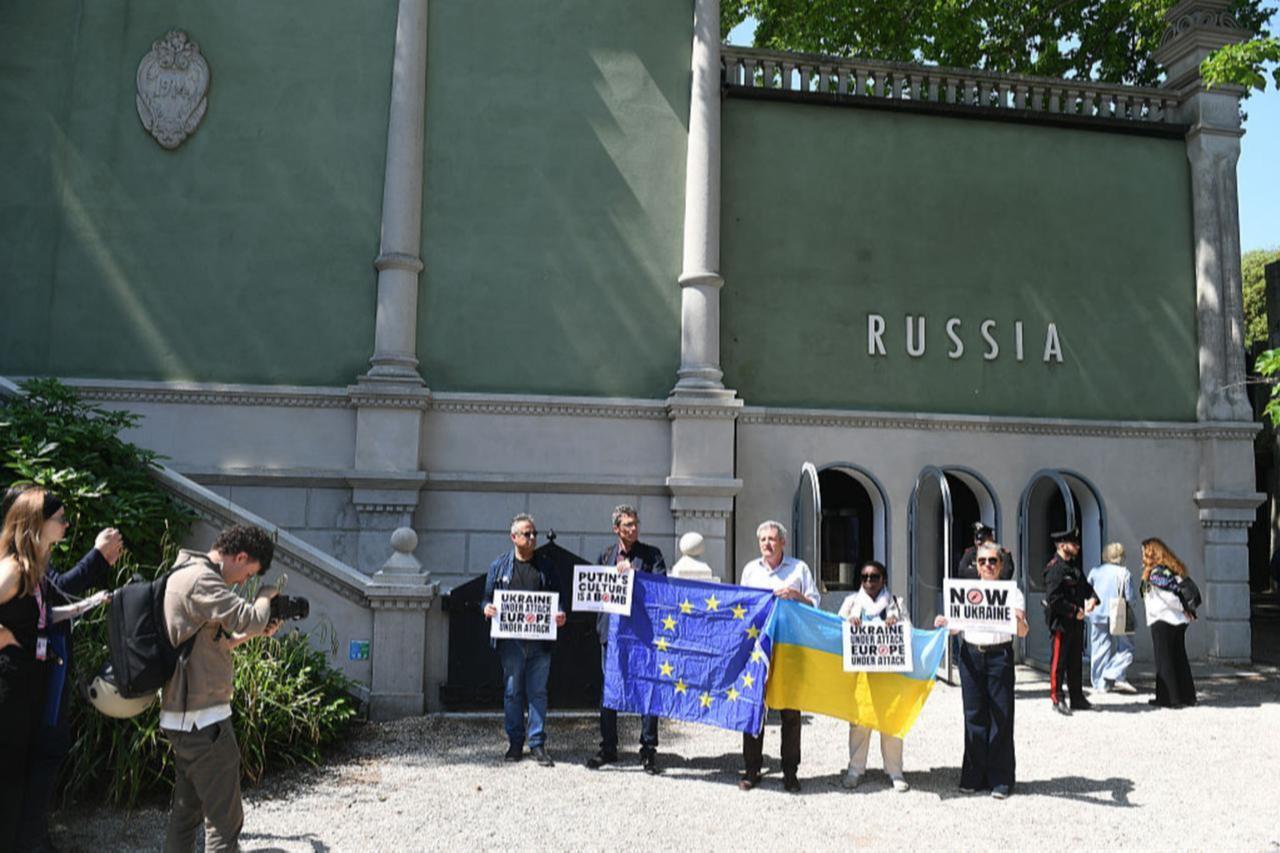


The European Commission has recommended terminating a €2 million ($2.3 million) grant to the Venice Biennale, escalating a dispute over the art exhibition's decision to allow Russia's participation following the full-scale invasion of Ukraine.
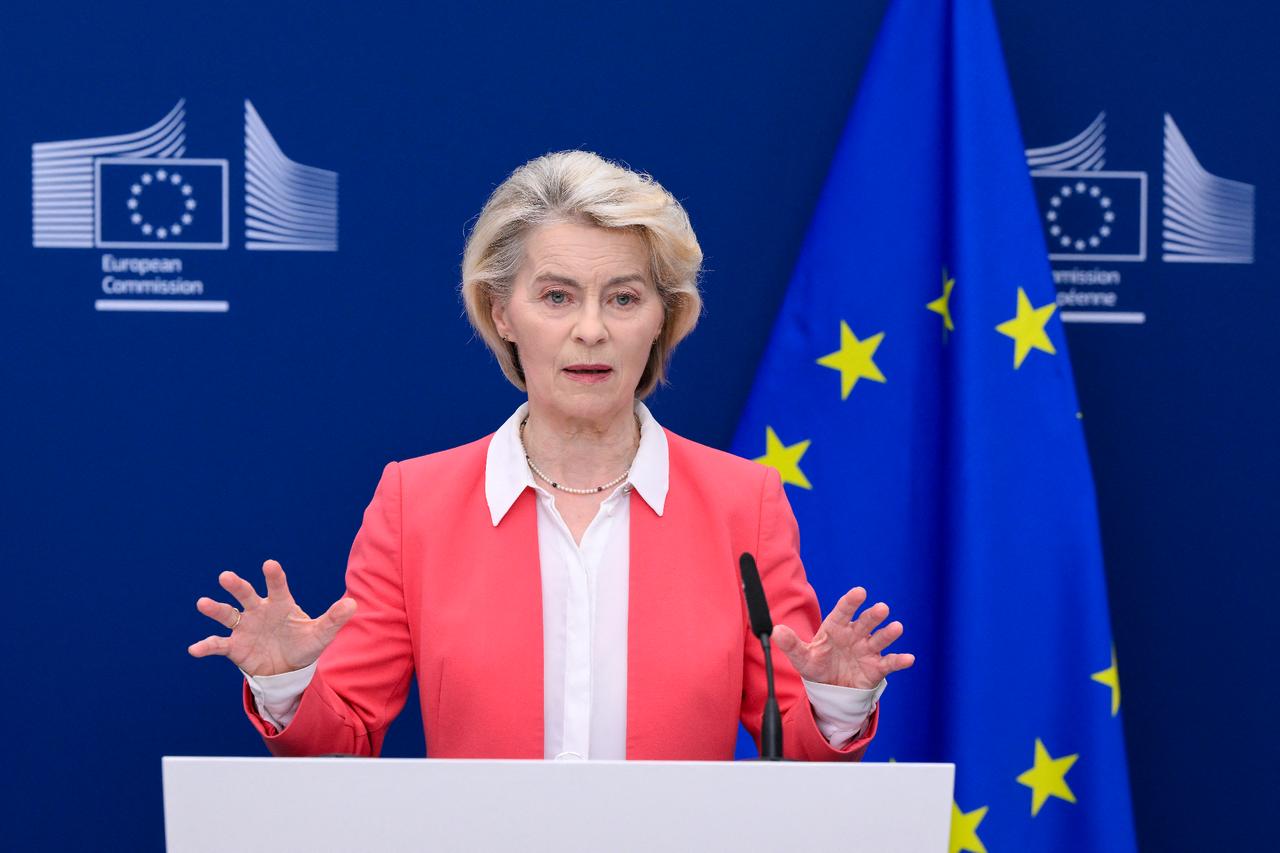
A commission vice president confirmed the body has called on the EU agency responsible for managing cultural funding to "terminate" the grant.
The Venice Biennale is one of the world's oldest and most prestigious international contemporary art exhibitions, held in Venice, Italy, every two years since 1895.
It features national pavilions where countries showcase art curated to represent them, alongside a central international exhibition.
European Commissioner for Democracy Henna Virkkunen announced the decision on the funds earmarked for the Biennale, saying in a post on X that culture in Europe, as it is funded by taxpayers' money, "should promote and safeguard democratic values and that such values are not respected in Russia today."
This stance comes at the end of an assessment of the answers provided by the Biennale regarding the controversial reopening of the Russian pavilion.
The move has taken the form of a recommendation to the European Education and Culture Executive Agency (EACEA), a non-binding act but addressed to the body that has the final say and has already come out in favor of cutting the funds.
The procedure to revoke the grant was launched by the European Commission last April following an announcement by the president of the Biennale Foundation, Pietrangelo Buttafuoco, who confirmed that Russia's pavilion would reopen for this year's edition.
The exhibition space had remained closed during the 2022 and 2024 editions as a direct consequence of the invasion of Ukraine and the subsequent introduction of European sanctions against Moscow.
In the first phase, the Commission gave the Biennale Foundation thirty days either to backtrack or to present arguments capable of halting the revocation process.
The European Union then again requested further formal clarifications regarding the true nature of Russia's participation in the Venice event.
The foundation, nevertheless, decided to press ahead and proceed with the opening, even though in practice the Russian pavilion was only able to operate in a limited way, as it failed to secure the permits needed to organize a public event.


 Set as preferred source
 Set as preferred source


 1 min read
 1 min read