Newsletters


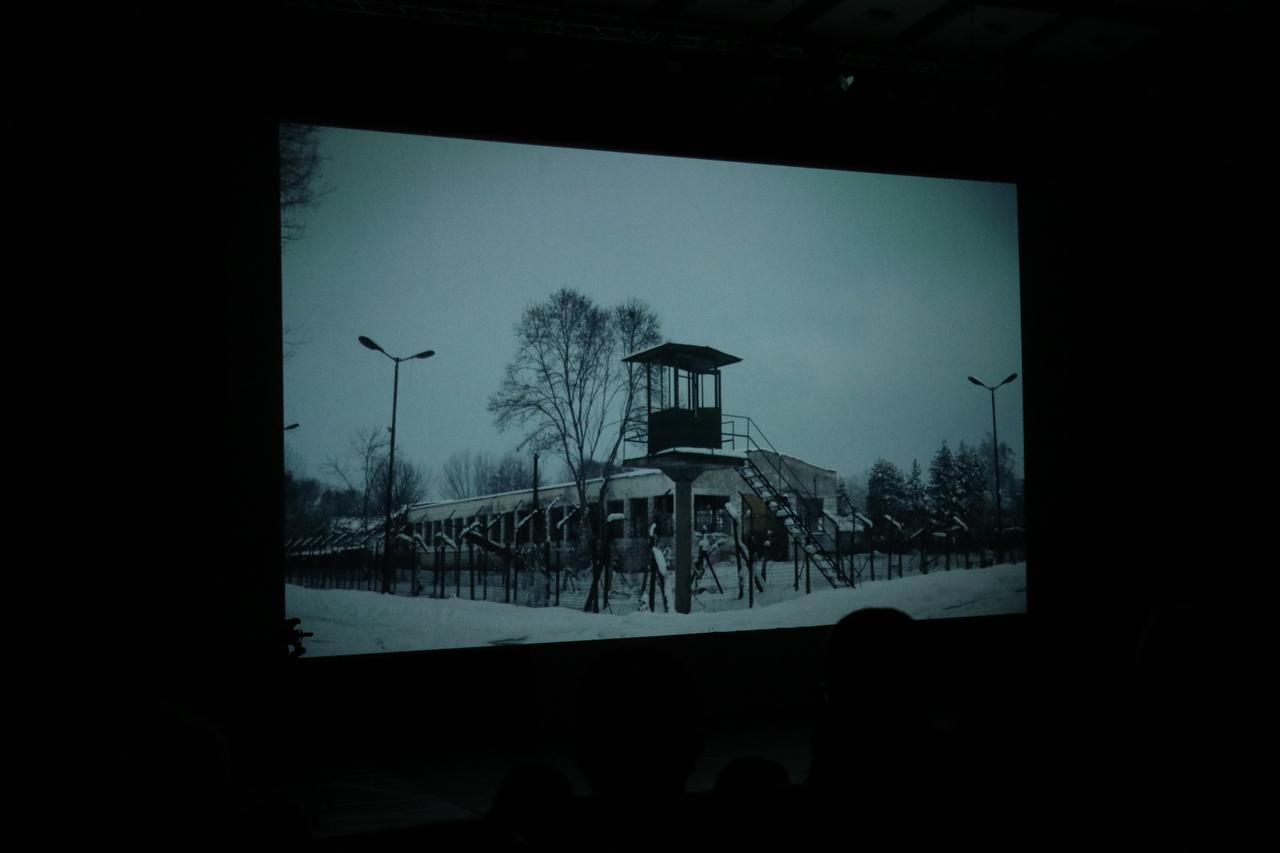


“The Last Prisoners of Belene Labor Camp”, a documentary that chronicles the untold stories of the final detainees of Europe’s last labor camp, held its premiere in Sofia, Bulgaria.
The gala took place in a prominent city cinema and was attended by distinguished guests from both Bulgaria and Türkiye.
Among the attendees were Türkiye’s Ambassador to Sofia Mehmet Sait Uyanik, Bulgarian Prime Minister Andrey Gyurov, Minister of Transport and Communications Korman Ismailov, Minister of Energy Traycho Traykov, Minister of Education and Science Sergey Ignatov, parliamentarians, members of the production team and cinema enthusiasts.
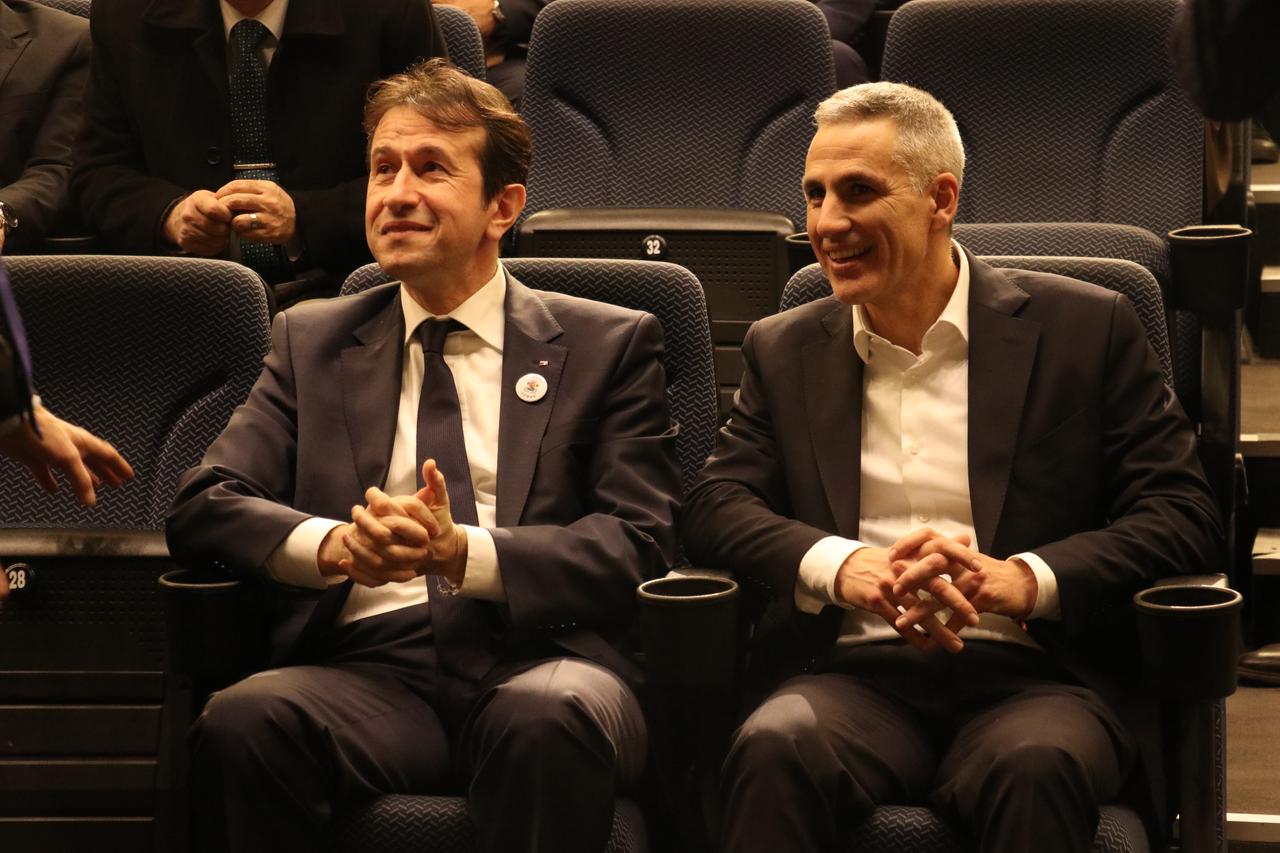

Professor Plamen Doynov, rector of New Bulgarian University and producer of the film, described the project as a collaborative effort between Bulgarians and Turks to preserve a shared historical memory.
Ambassador Uyanik underscored the significance of documenting the suffering, oppression and injustice endured by ethnic Turks in Bulgaria during the communist era, emphasizing the film’s role in fostering awareness and reconciliation.
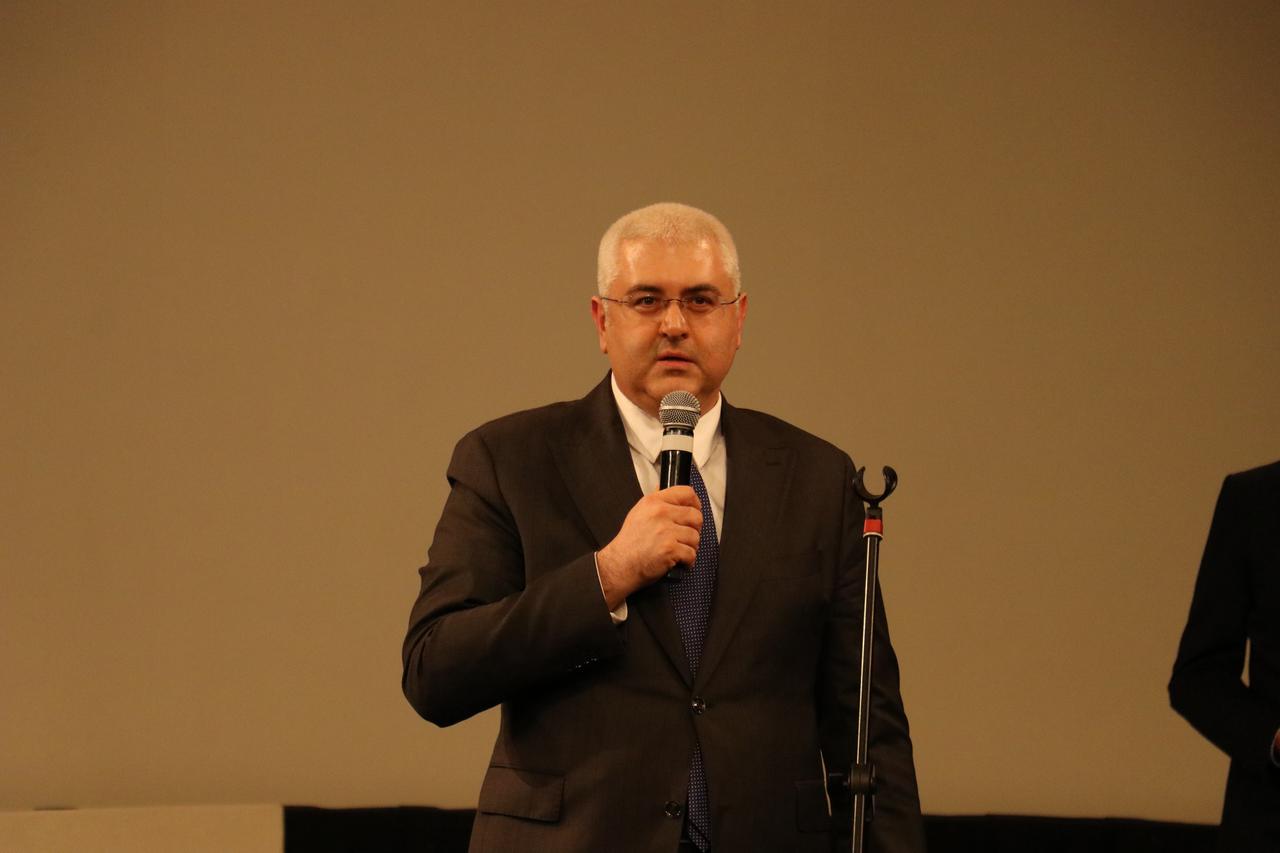
Director Dimitar Kotsev-Shosho noted that while principal photography lasted one week, preparation and research extended over two years. He highlighted the challenge of integrating forty distinct personal narratives into a single cohesive documentary, each story profound enough to constitute an individual film.
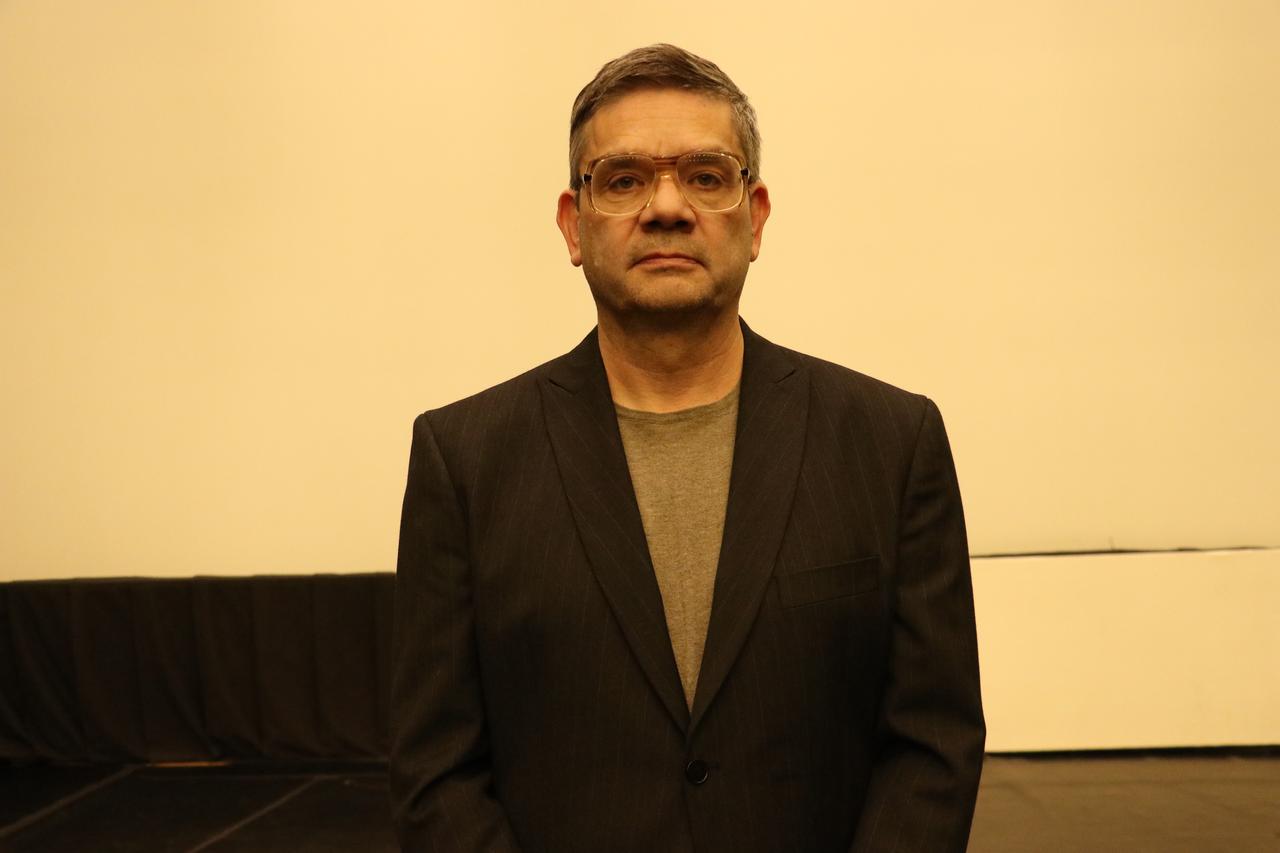
The documentary seeks to illuminate the magnitude of the injustices perpetrated against Bulgarian citizens of Turkish descent during the communist period.
Screenwriter Hristo Hristov emphasized that extensive interviews and research were foundational to the film. Through conversations with survivors, Hristov realized that much of Bulgarian society remains unaware of these historical episodes, highlighting the documentary’s role in revealing both profound suffering and resilience.
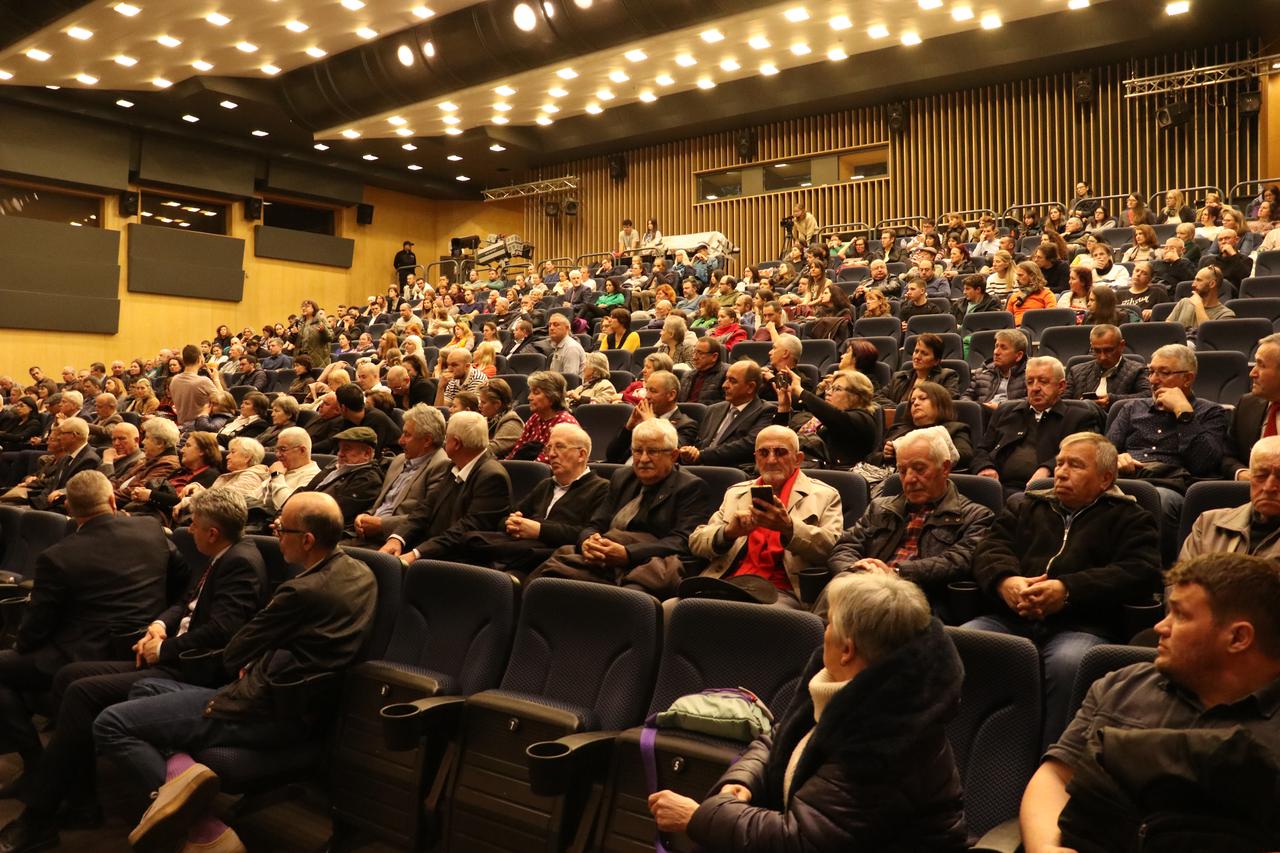
Aleksandar Kashimov, director of the civil society organization Information Access Program, expressed that the film left a deep impression.
He highlighted ongoing efforts to access archival records of crimes committed against Turks during the communist regime, noting both bureaucratic resistance and the destruction of documents as obstacles to justice.
Survivor Ahmet Alpay reflected on the emotional impact of the film, recounting the pain and trauma experienced at Belene. He underscored the necessity for legal accountability, noting that he and others have pursued justice for over three decades and remain committed to ensuring the perpetrators are held responsible.


 Set as preferred source
 Set as preferred source


 2 min read