Newsletters


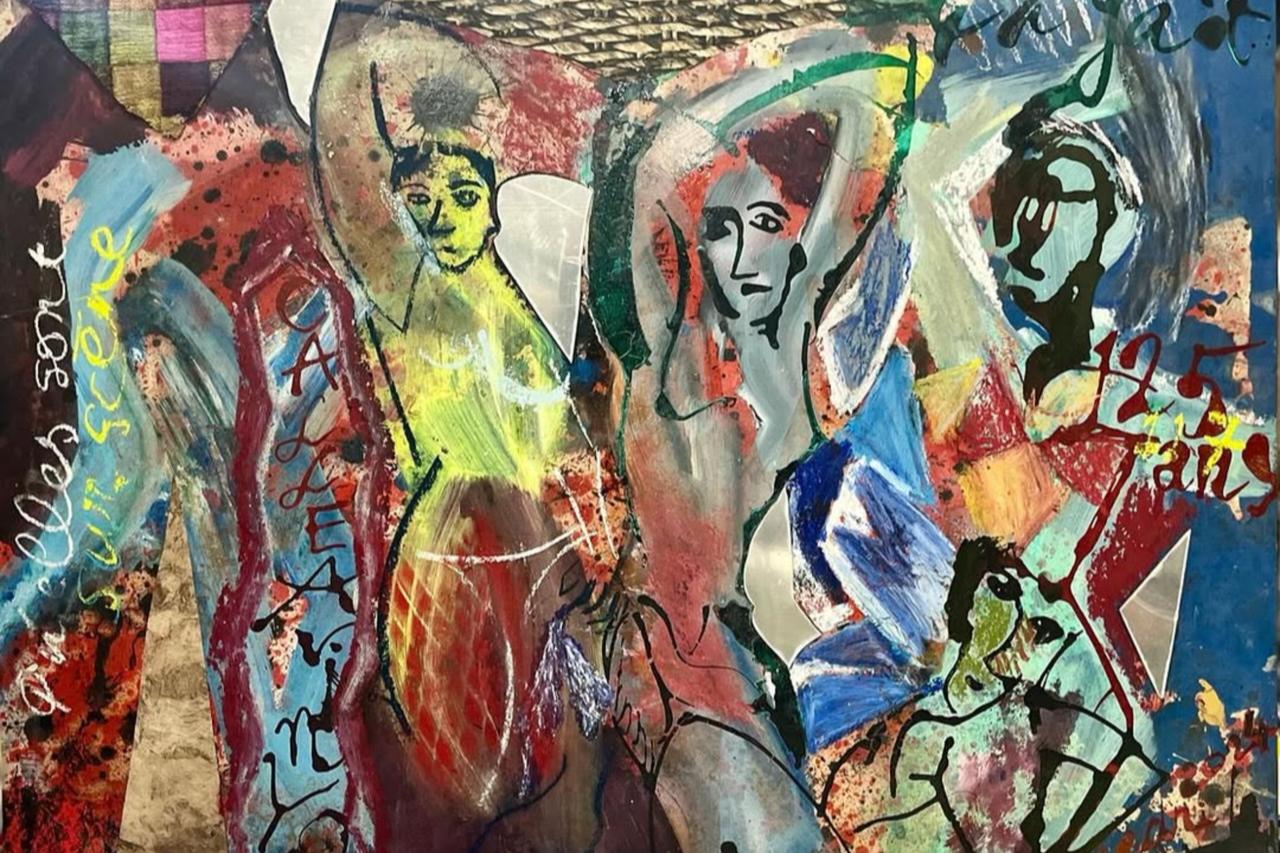


A new exhibition by Turkish artist Bedri Baykam, built around Pablo Picasso’s 1907 painting “Les Demoiselles d’Avignon,” has opened in Istanbul following its first showing in Paris.
Titled “Baykam on Picasso: Les Demoiselles Revisited,” the exhibition is currently on view at Piramid Sanat in Istanbul and will remain open to visitors until September 5.
The project was first presented in May 2025 at Galerie S/Beaubourg in Paris and now brings its multi-layered interpretation of Picasso’s work to a local audience.
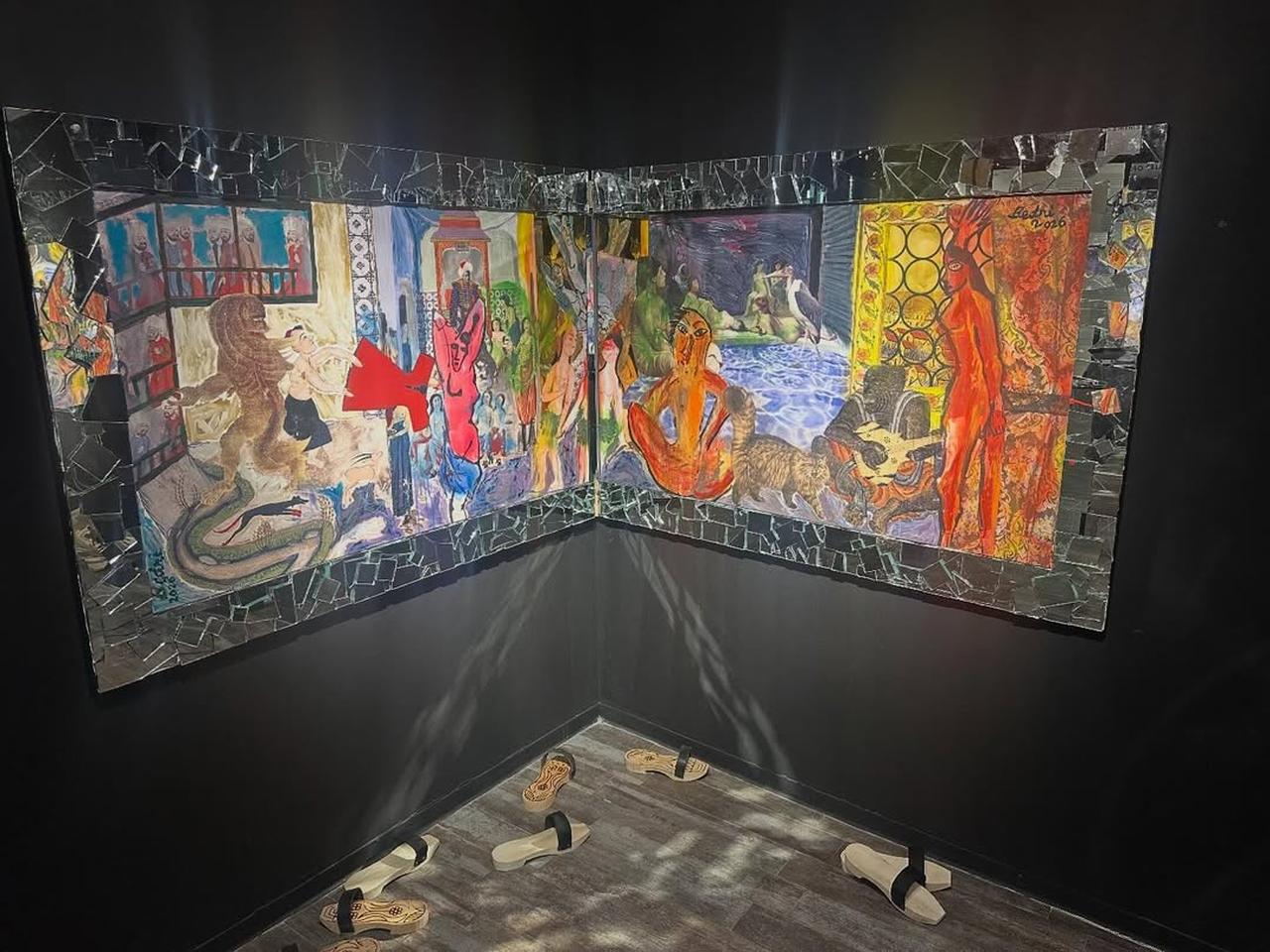

Bedri Baykam’s engagement with Picasso dates back to his childhood, shaping a long-term artistic dialogue rather than a single project.
“Picasso caught my attention when I was eight,” Baykam said, explaining that he later gave his first presentation on the artist at age 12 and produced his first Picasso-inspired painting at 24. “This idea did not emerge in a single day.”
The exhibition builds on this decades-long connection and presents a series of works that revisit “Les Demoiselles d’Avignon,” one of the most influential and controversial paintings in modern art.
The original 1907 painting marked a radical break from traditional representations of the female body, rejecting idealized forms and introducing a fragmented, confrontational visual language influenced in part by African masks and earlier European artists.
Baykam’s reinterpretation expands this historical framework by imagining alternative influences, including the possibility that Picasso could have encountered works by 15th century Turkestan artist Mehmet Siyah Kalem.
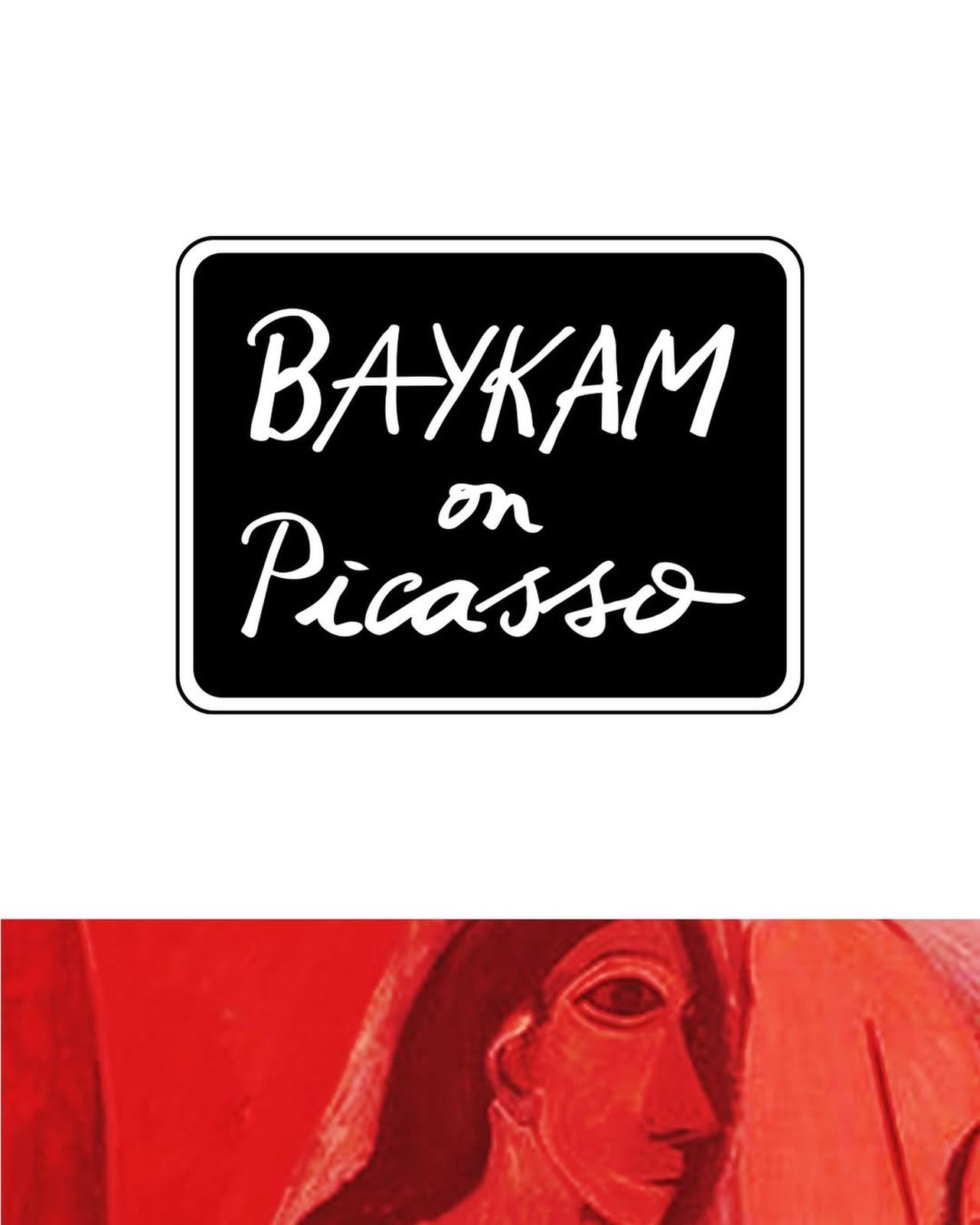
The exhibition goes beyond paintings and incorporates installations designed to create a multi-sensory experience.
One of the central objects on display is a childhood bicycle connected to Baykam’s first encounter with Picasso. The artist explained that the bicycle was rediscovered years later by a collector who recognized it in an old photograph.
Other installations include recreated interiors inspired by historic brothels in Paris and Istanbul, accompanied by period objects and symbolic elements.
A tunnel-like structure formed by two chairs placed back to back represents what Baykam describes as a conceptual bridge between different worlds.
According to the artist, Picasso’s work created “a path through the brain waves of worlds that did not meet or speak,” linking cultures such as Africa and Europe.
Another section revisits Baykam’s earlier installation work from the first Istanbul Biennial in 1987, reinterpreting a traditional Turkish bath setting with sound, scent and staged conversations between women from different backgrounds.
“Those who enter the bath will sweat,” Baykam said, referencing a Turkish expression used within the installation.
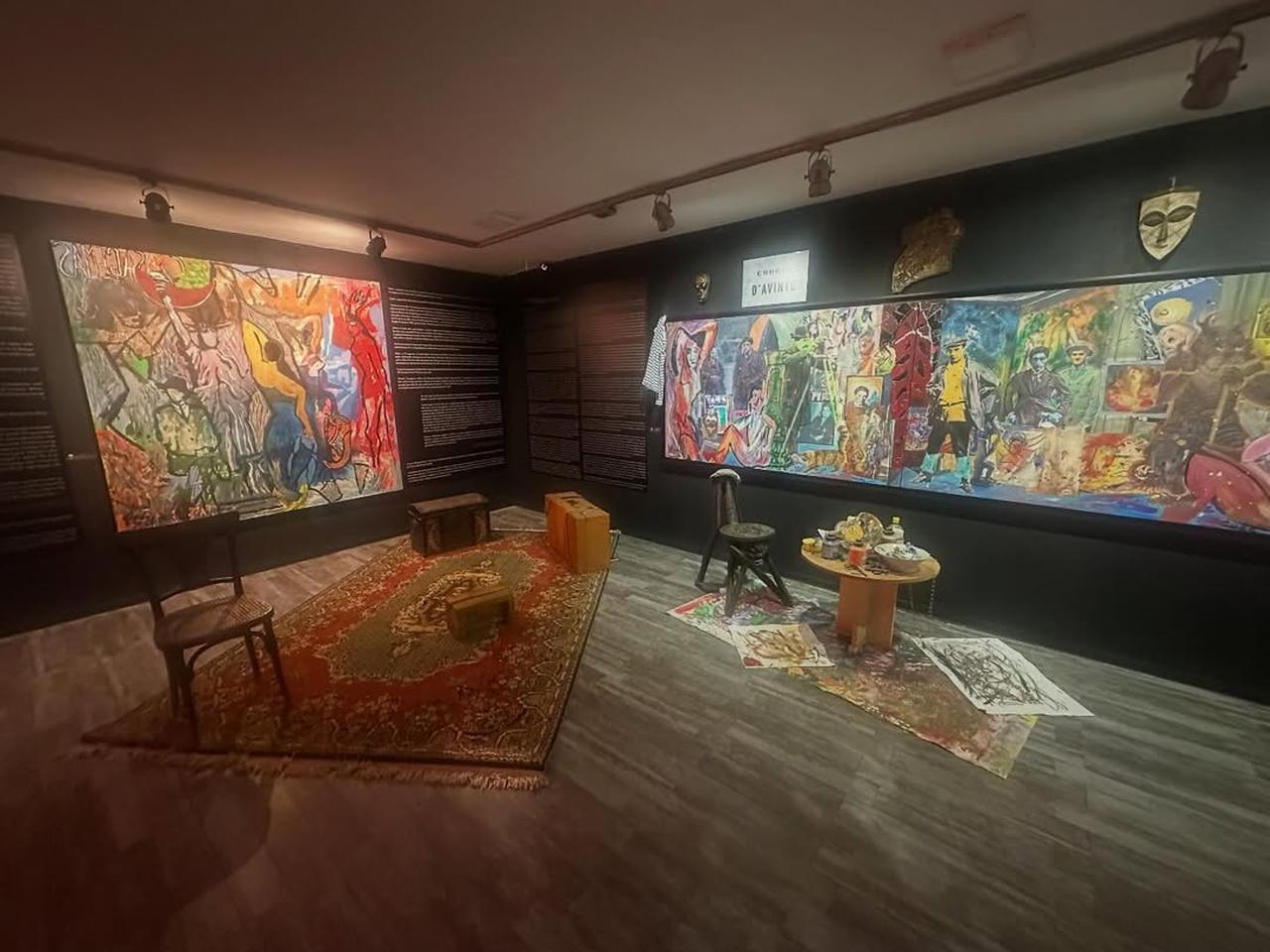
Bedri Baykam said the exhibition is designed to transport visitors across time and geography, from early 20th-century Paris to later decades in both Paris and Istanbul.
“I wanted people to return to 1907, to 1910, to the Paris of that period, and to the Istanbul and Paris of the 1960s and 1970s,” he said.
The exhibition combines visual works with music, written materials, and curated environments to create what Baykam describes as a “living art” experience.
A companion book, published in Turkish, English, and French under the same title as the exhibition, accompanies the show and expands on its themes.


 Set as preferred source
 Set as preferred source


 2 min read