Newsletters


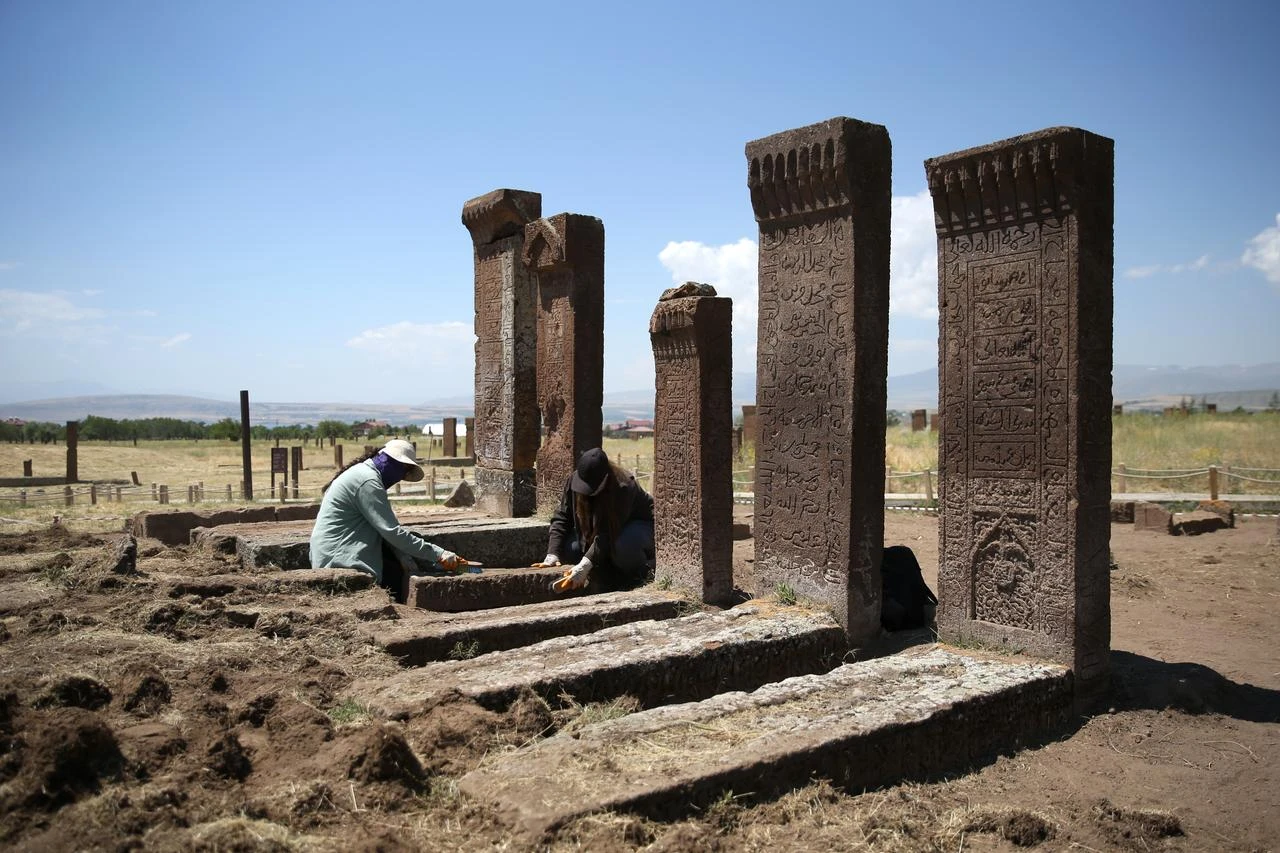


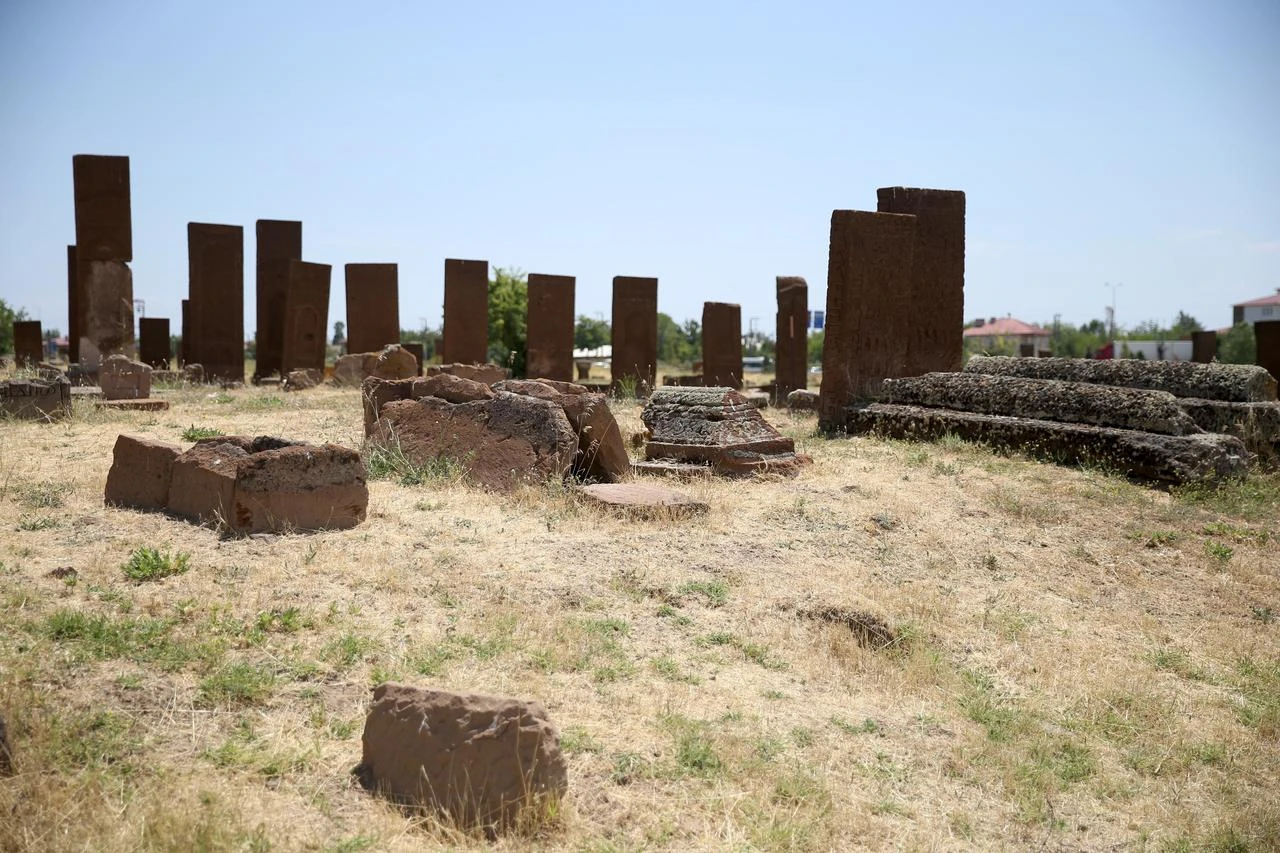
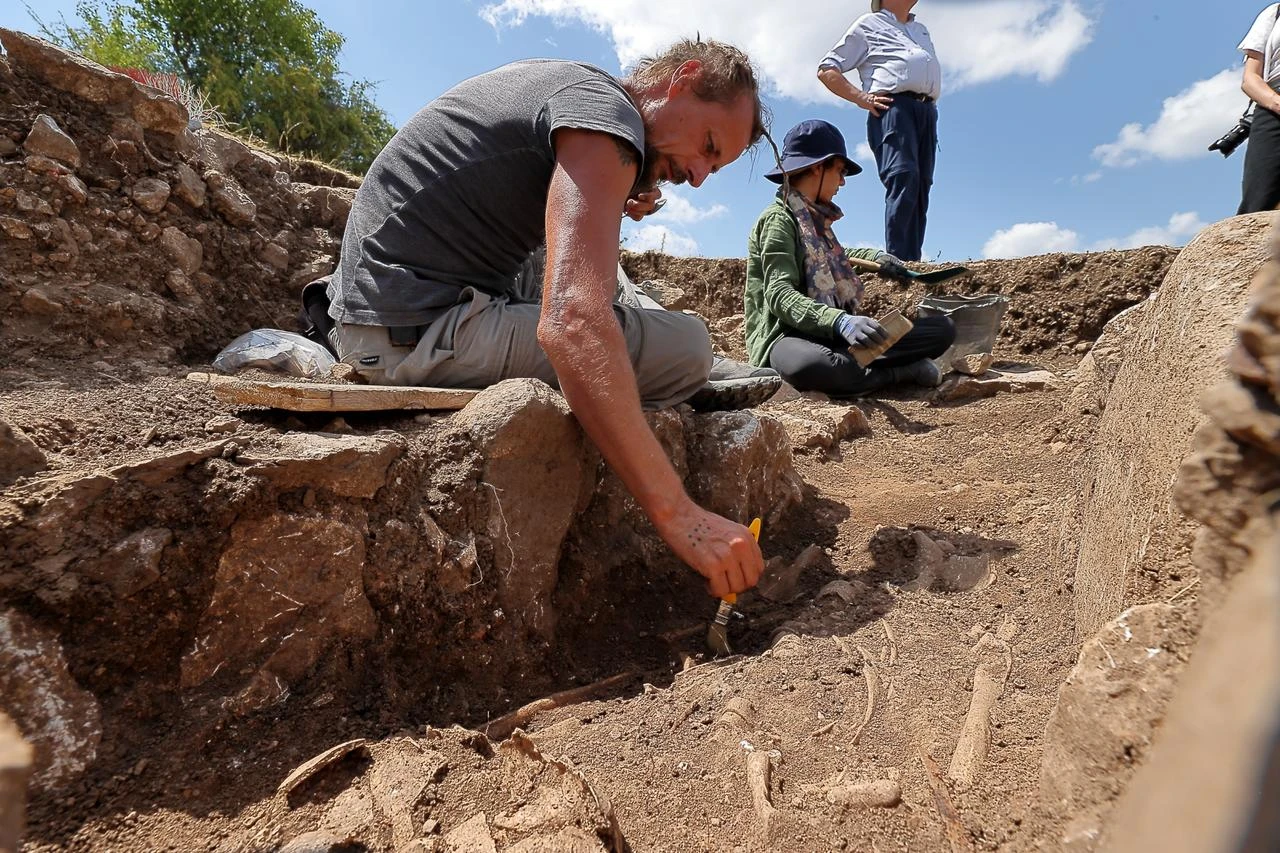
Archaeologists working at the Selcuklu Meydan Cemetery in Ahlat, a district in Türkiye's eastern Bitlis province near Lake Van, have uncovered 16 previously unrecorded graves during this year's excavation season.
The cemetery, one of the largest Turkish-Islamic burial grounds in the world, is often referred to as "Anatolia's title deed" due to its role documenting the Turkic migration into the region.
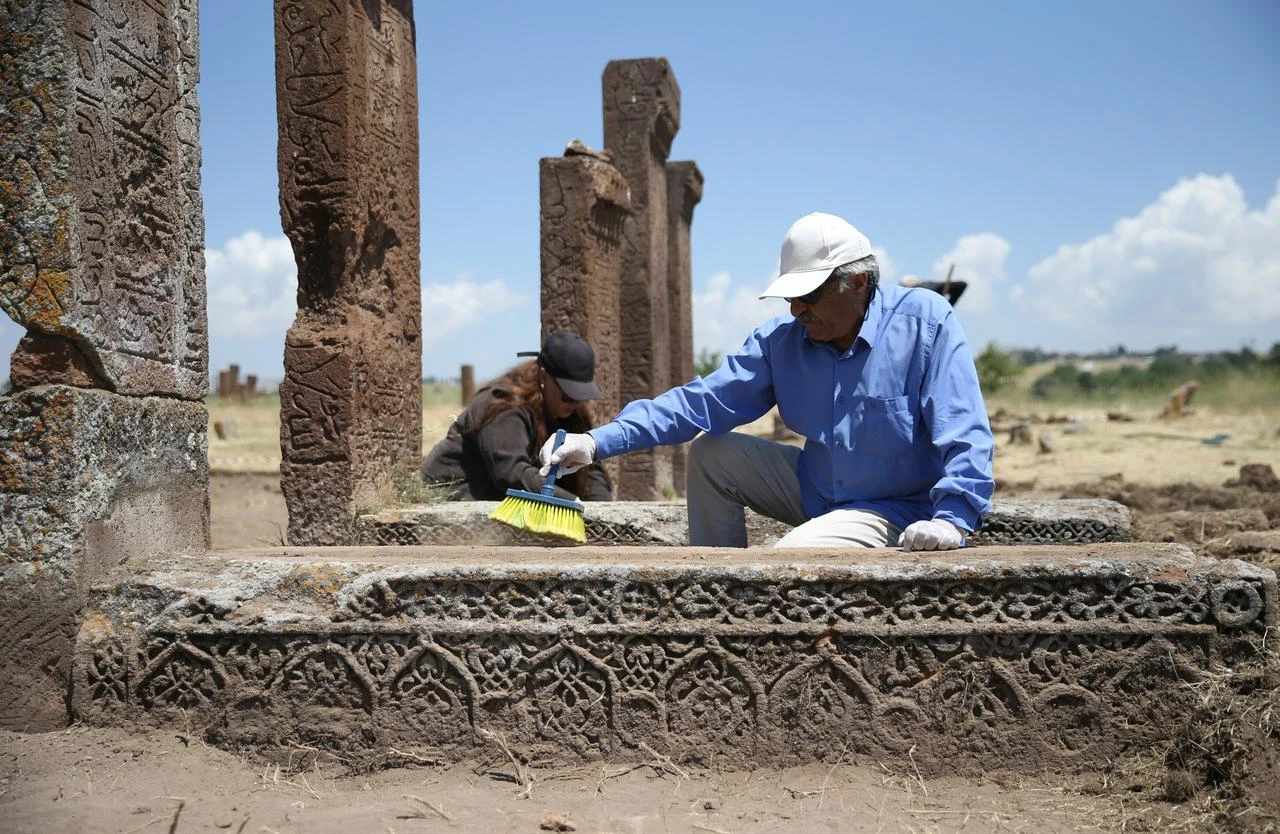

Excavation, restoration and landscaping work at the site continues with the support of Türkiye's Ministry of Culture and Tourism.
The cemetery spans roughly 52 acres and is included on UNESCO's World Heritage Tentative List. Its gravestones, some standing several meters tall, date from the 11th to the 16th centuries and combine Central Asian shamanistic motifs with Islamic funerary traditions.
Work at the site falls under the "Legacy for the Future Project," led by Mehmet Kulaz, a faculty member at the Department of Art History at Van Yuzuncu Yil University's Faculty of Letters.
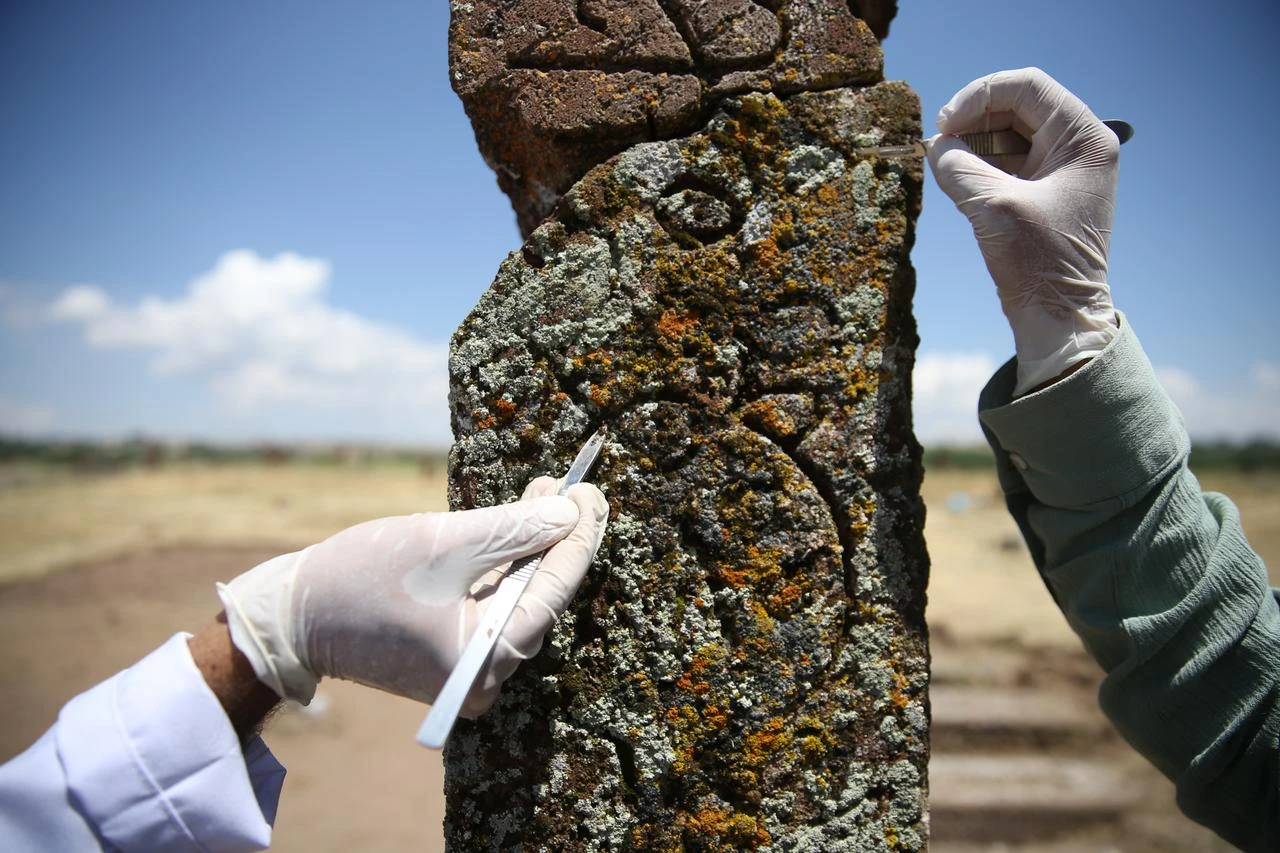
This year's excavation opened a 400-square-meter section of the site. Based on existing survey maps, researchers expected to find four graves in the area. Instead, 16 new graves emerged.
"According to the grid map, we expected to find four gravestones in the area we were excavating, but 16 new graves have now come to light," Kulaz said. "The stones have been joined and glued together. Blocking and excavation work is ongoing."
Uncovered stones undergo a multi-step process of cleaning, level lowering, blocking, restoration, joining and gluing before being documented through epigraphic analysis.
Researchers have focused in particular on sarcophagus-style graves, with some stones still undergoing restoration.
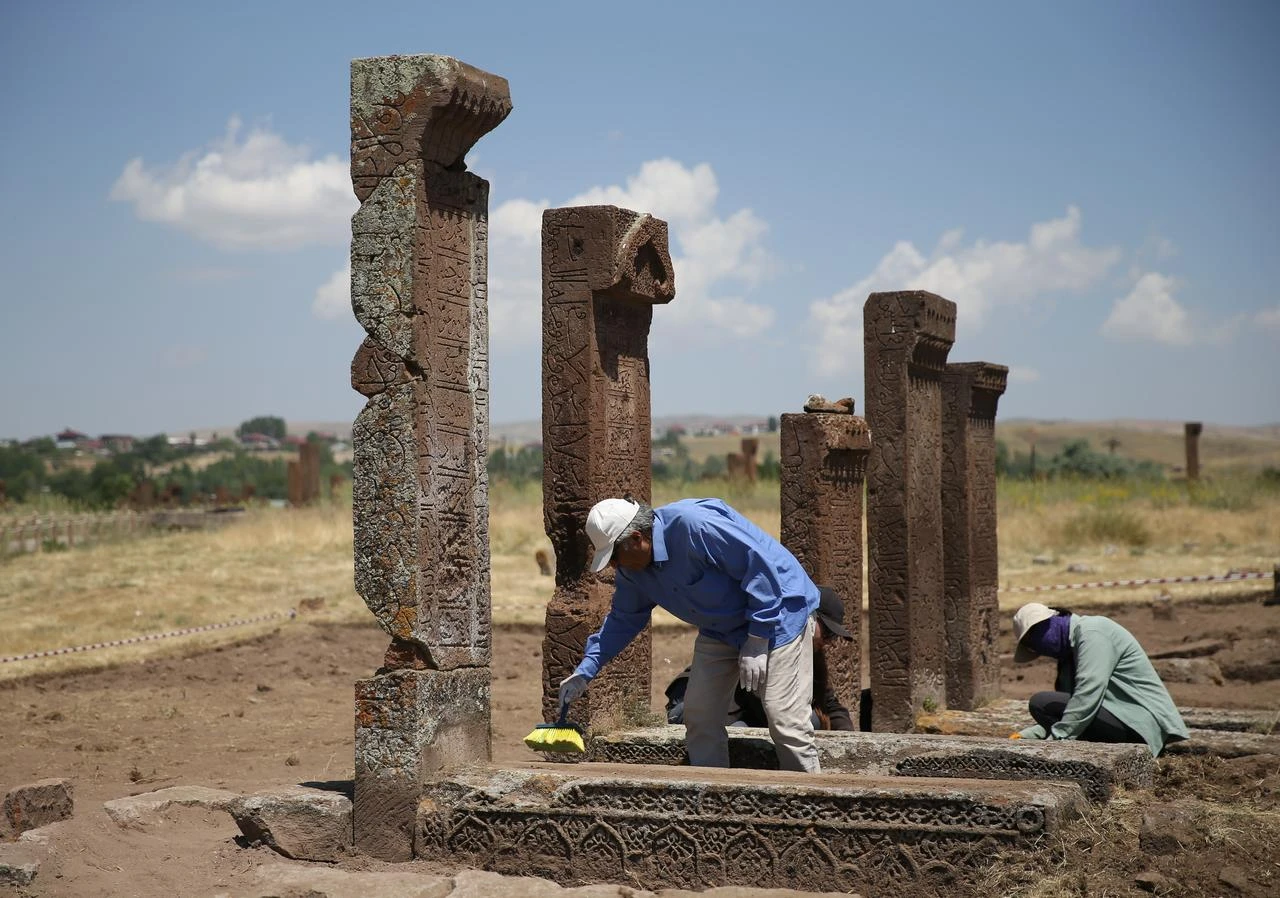
Among this season's finds is a gravestone previously broken into approximately 27 pieces, which researchers have now reassembled.
An additional fragment was recovered this year, and the stone was raised upright last week after being pieced together. Two to three fragments remain missing, according to Kulaz, and a piece recovered while clearing surface soil will be mounted in its original position once restoration is complete.
"We use the term 'title deed of Anatolia' for stones like this one," Kulaz said. "It belongs to a person who migrated from Central Asia to Anatolia, settling in Ahlat. The stone bears both identifying details and the date 1310, along with personal information, Quranic verses and hadiths. Its ornamentation reflects the Seljuk style, and raising it upright was significant for us."
Ahlat draws an estimated 500,000 visitors annually, according to Kulaz, with most touring the Selcuklu Meydan Cemetery.
Researchers said other historic sites in the district are also being promoted to visitors as part of the wider effort.
Kulaz said the excavation aims both to document Ahlat's cultural heritage and support tourism in the region.


 Set as preferred source
 Set as preferred source


 3 min read