Newsletters


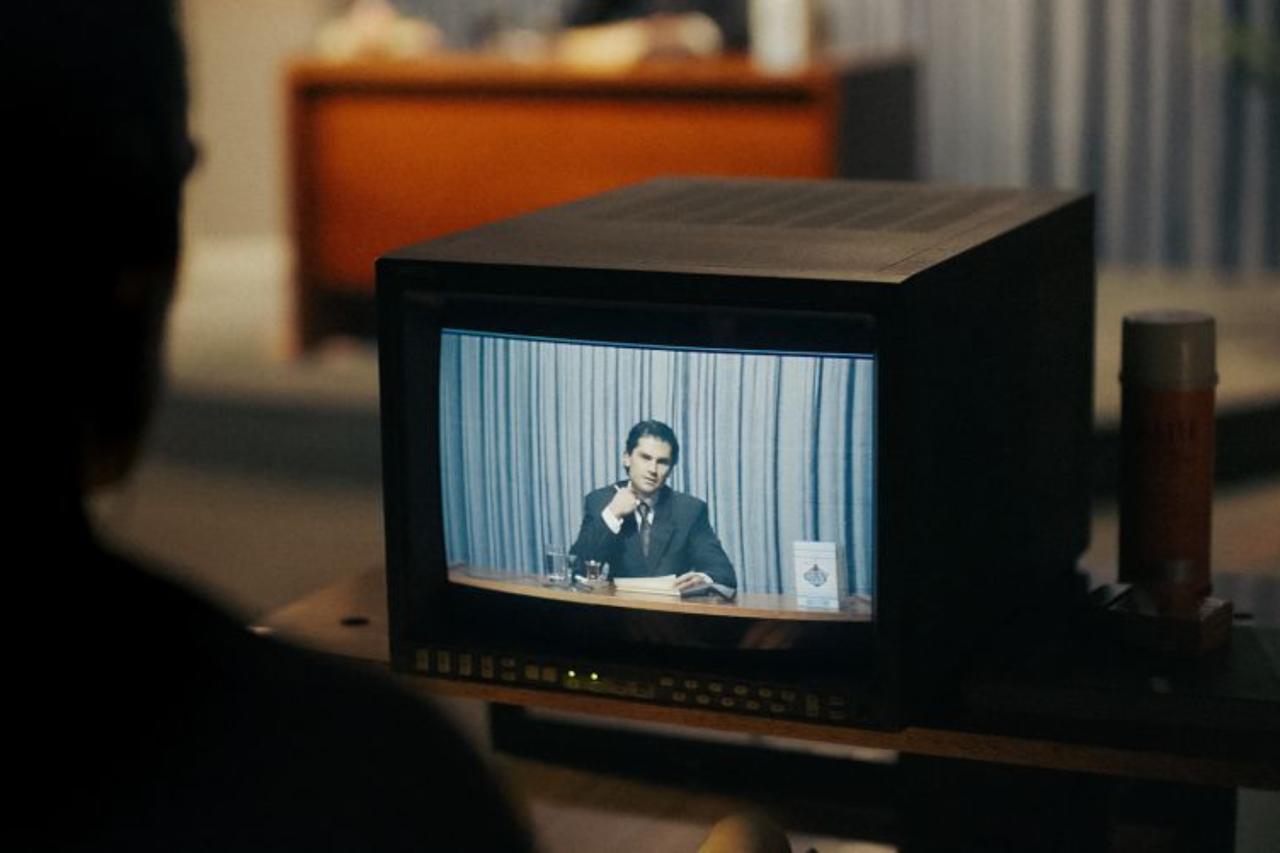


Salt Galata currently hosts the exhibition "Toprakalti" (Underground) by Onur Gokmen until May 3.
This event marks nearly four decades since the 1986 nuclear disaster, and it uses art and humor to explore the truth about radioactive clouds that reached Türkiye.
Visitors can find the display in the former Central Bank building on Bankalar Caddesi (Banks Street). The exhibition features two sections with content available in both Turkish and German.

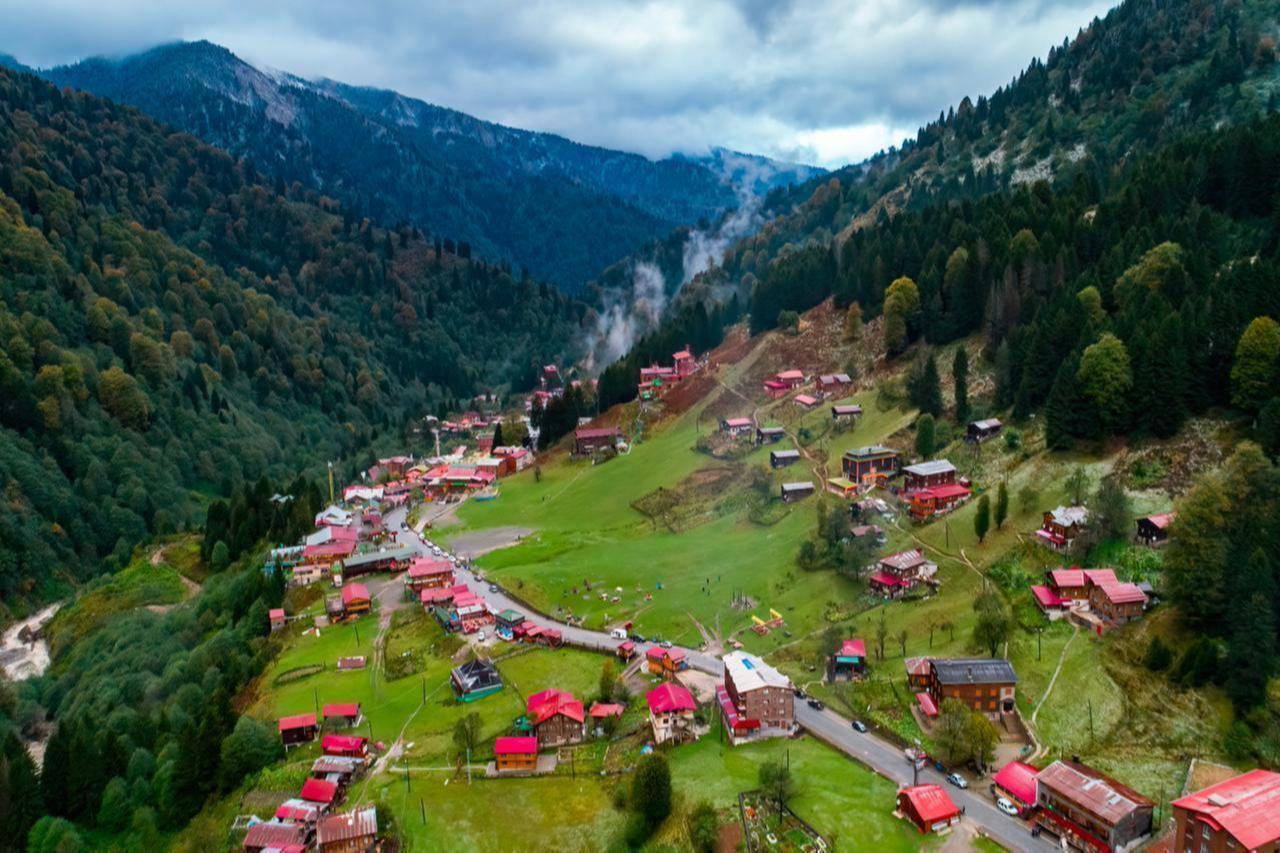
Radioactive fallout from the 1986 Chernobyl disaster drifted across the Black Sea and settled over the tea plantations of northern Türkiye.
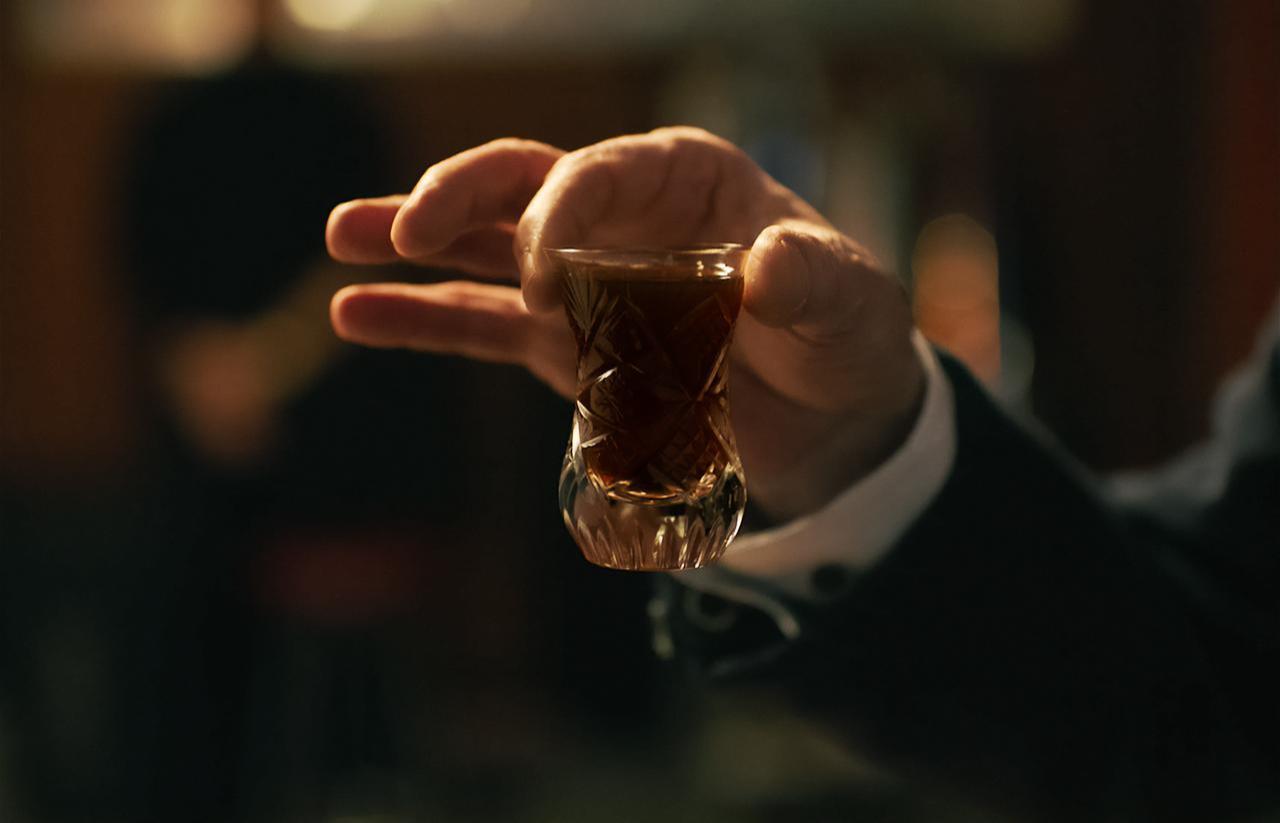
This specific region produces nearly all of the nation's tea. Industry and Trade Minister Cahit Aral famously drank the beverage on television to convince the public that the harvest remained safe despite scientific warnings.
"A little radiation is good for your health," Aral claimed during that era. His actions became a lasting symbol of political denial.
Authorities prioritized international trade by sending high-quality, clean tea to Berlin while distributing contaminated batches to the domestic market. Officials blended radioactive leaves with older stocks to mask radiation levels that reached 35,000 becquerels.
The state also issued letters to universities to prohibit independent research on these products. Even within newsrooms, the crisis created tension.
Journalists at one major newspaper protested an internal safety ban by carrying signs that demanded their "freedom to drink tea" in the office.
Scientists like Inci Gokmen and Ali Gokmen refused to remain quiet despite official pressure.
They discovered tea samples with radiation levels as high as 60,000 becquerels. Their research proved that the "small cloud" politicians dismissed had severe consequences for the region. These experts faced immense professional risks for pursuing the truth.
The exhibition pays tribute to their courage and the work of other researchers like Aykut Gence and Olcay Birgun.
Documentary filmmaker Onur Gokmen explores these historical events through satire. His work features voice actors who mimic the officials of that period to highlight the absurdity of the state's response.
This creative approach makes the painful history of deception more impactful for the audience. The exhibition receives support from various organizations, including the Heinrich Boll Foundation.


 Set as preferred source
 Set as preferred source


 3 min read