Newsletters


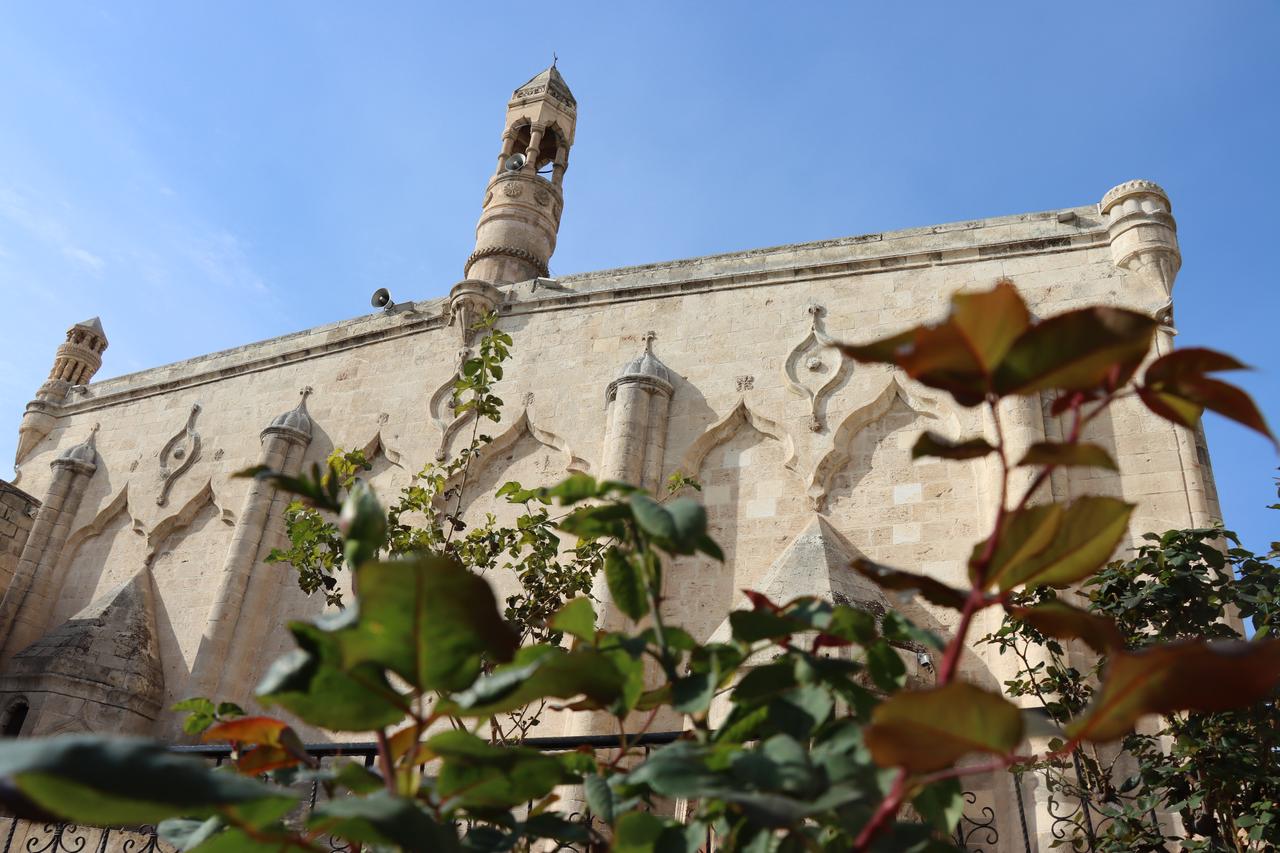


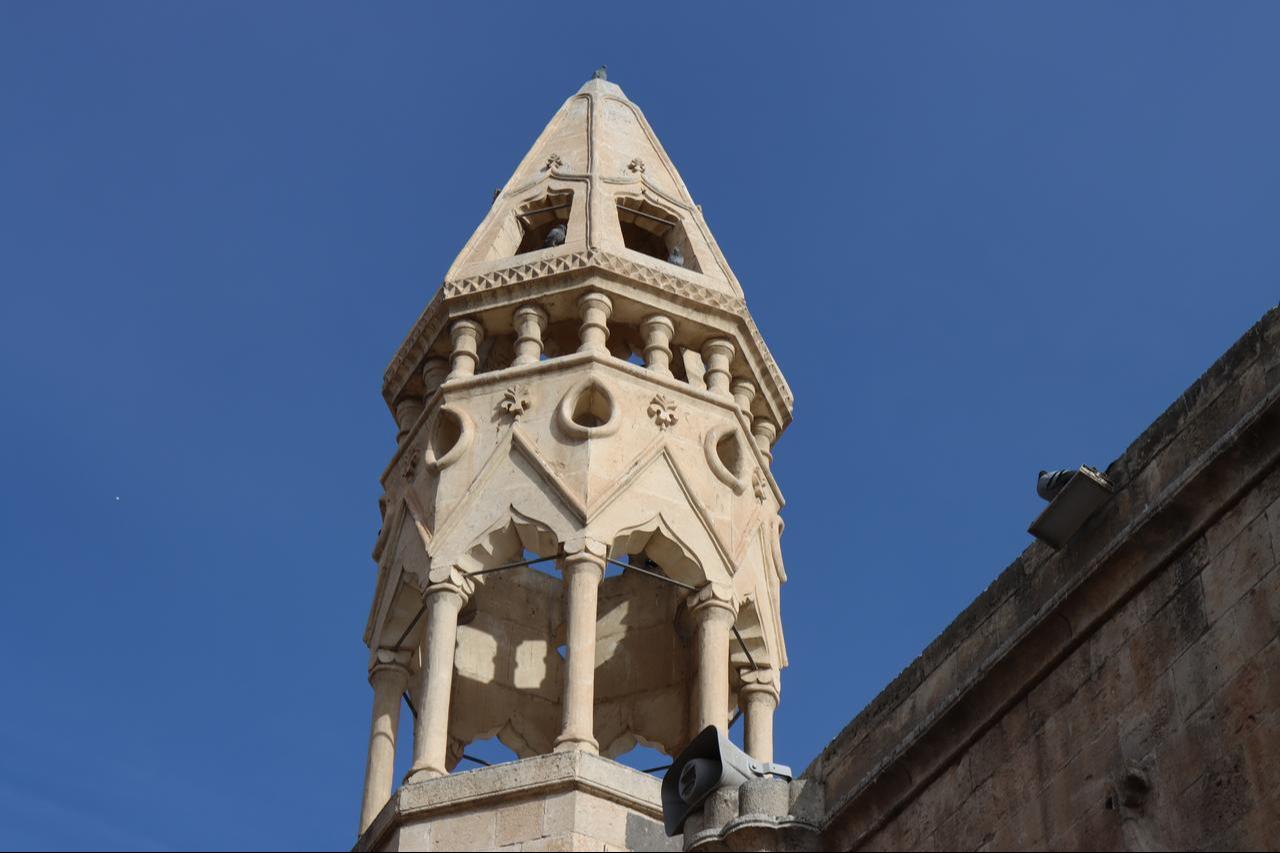
Known locally as the 'Firfirli Mosque', which literally translates to “frilly” in English. This nickname was inspired by the wind rose-shaped ornament atop the building, whose flared design and the sound it made when moved by the wind captured the imagination of locals, a charming historical detail that has endured for more than a century.
Located in Sanliurfa’s Eyyubiye district, it has a colorful past. From its beginnings as a 12th-century church to a prison and finally a mosque in 1956, the building not only reflects centuries of history but also earned its charming nickname from the frilly, wind rose-shaped ornament atop its structure.
Historical records suggest that the original church, known as the Twelve Apostles Church, was constructed in the 12th century and later destroyed.
In 1865, it was rebuilt under the decree of Sultan Abdulaziz. Following the departure of the Armenian community in 1920, the building ceased functioning as a church and was briefly used as a prison in the 1930s.
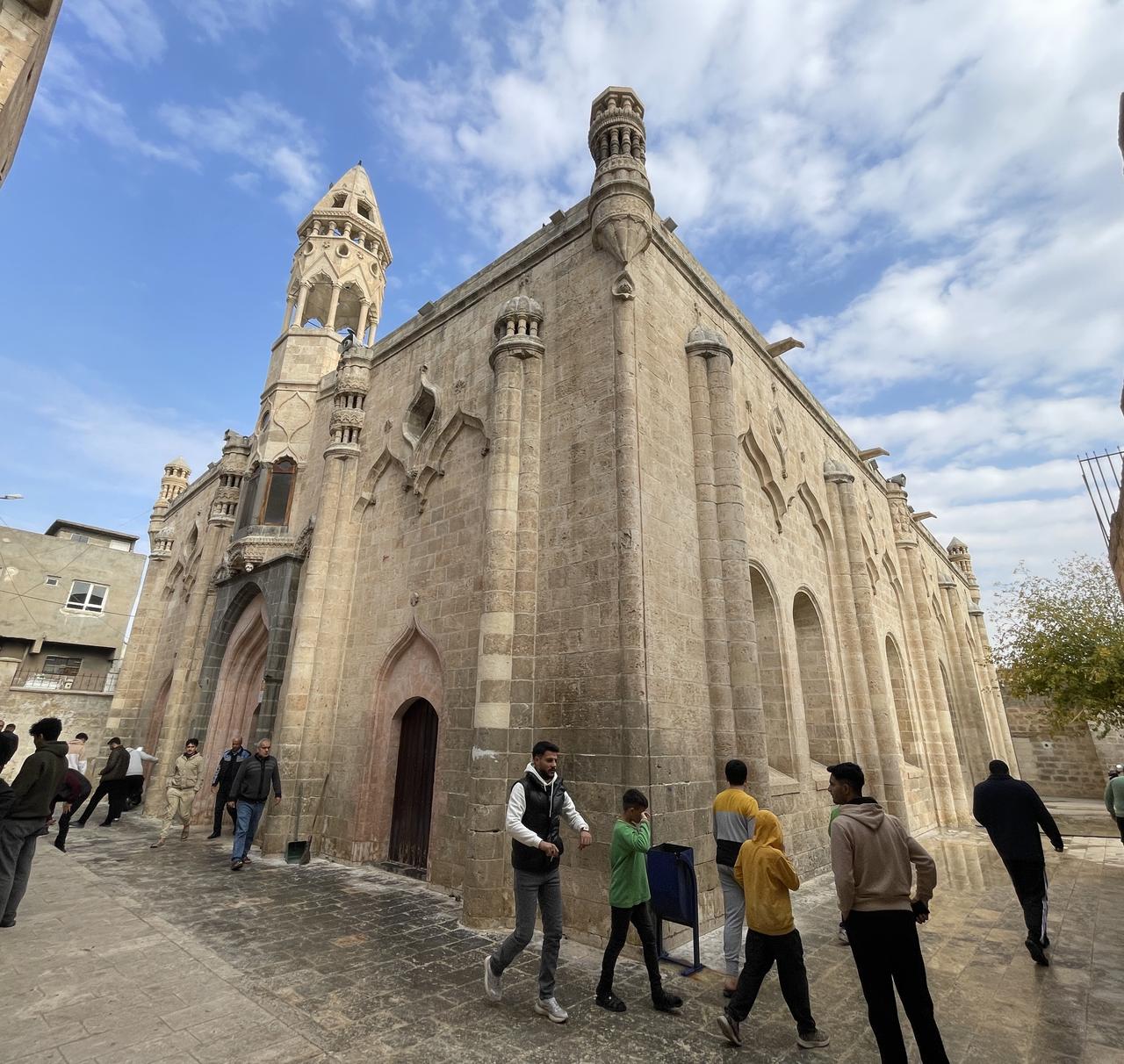

The mosque retains its basilica plan, featuring cut-stone construction, finely detailed stone carvings, and a bell tower.
The central nave is vaulted with a dome illuminated by 24 windows, while the side aisles are covered with cross vaults.
Decorative elements include mukarnas-adorned columns and semi-columns on the exterior walls. A former apse window from the church period was converted into the mihrab during the mosque’s transformation.
Mehmet Ali Palali, Director of the Sanliurfa Regional Directorate of Foundations, tells Anadolu Agency that the mosque is “a top-level example of the stone craftsmanship of its period” and has maintained its historical integrity through meticulous restoration.
Restoration work completed in 2018 reinforced the building’s structural stability. Palali noted that the mosque withstood recent Kahramanmaras-centered earthquakes without damage, highlighting its enduring resilience.
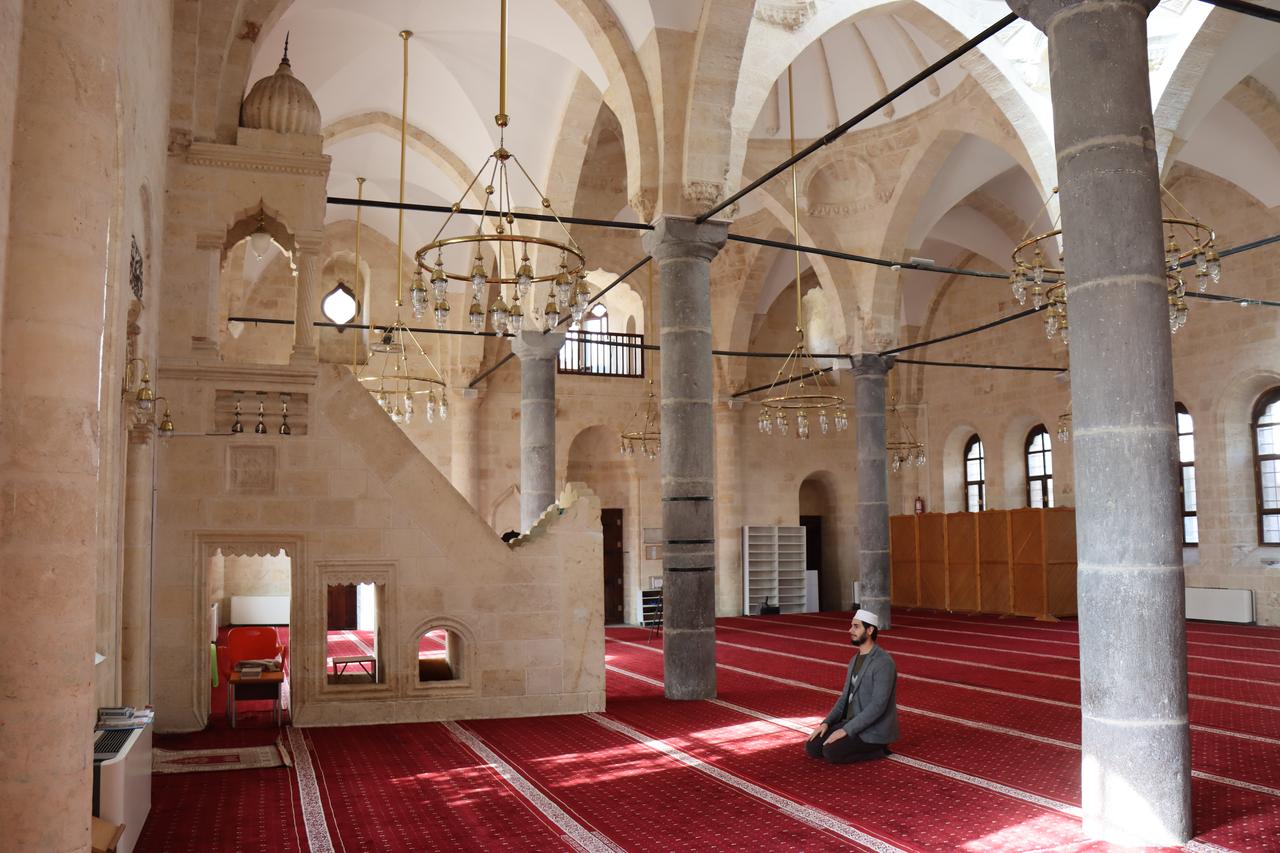
The mosque, which has served multiple roles over the centuries, continues to function as an active place of worship while attracting visitors for its historical and architectural significance.
Imam Yusuf Doni described serving at Firfirli Mosque as a “great honor,” emphasizing the spiritual and historical value of praying in a building connected to the Sahaba and centuries of heritage.


 Set as preferred source
 Set as preferred source


 2 min read