Newsletters


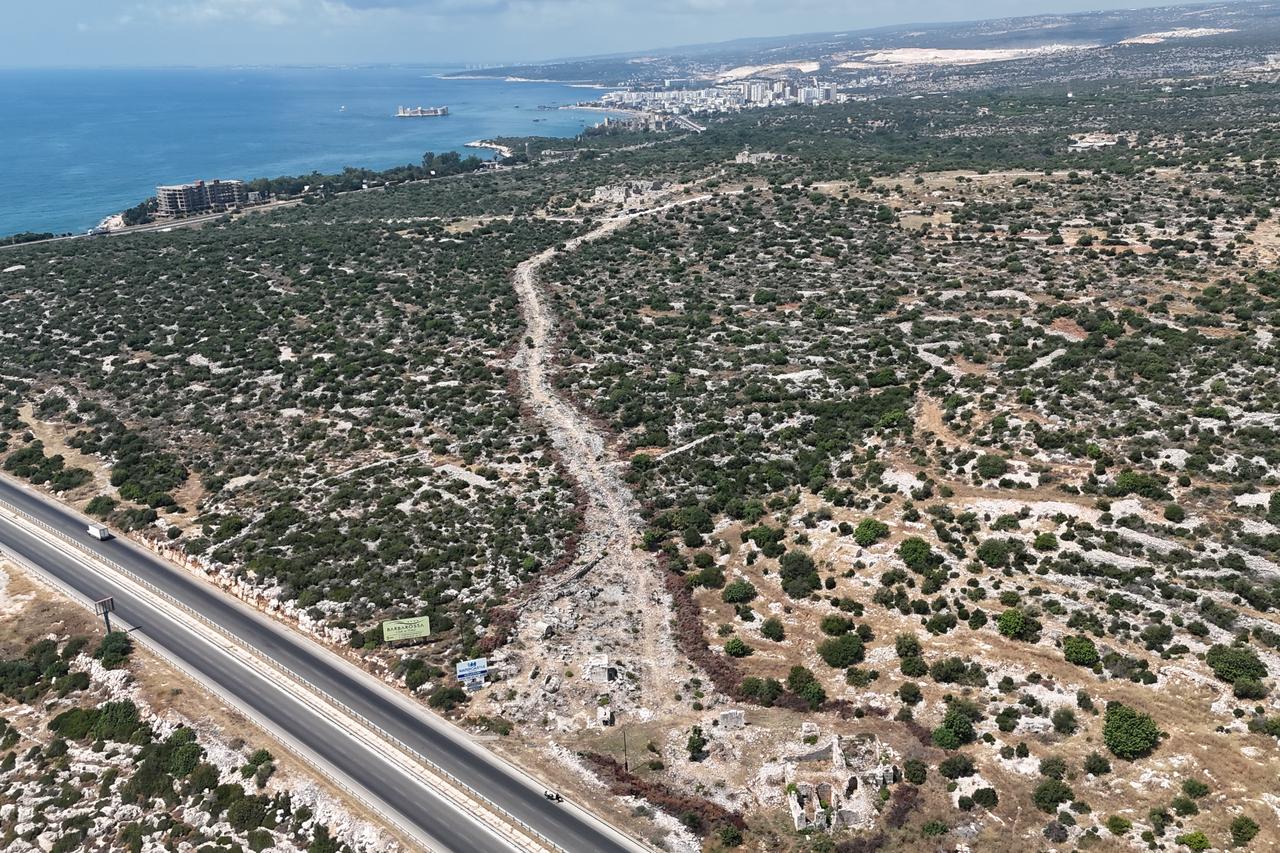


Authorities in Mersin's Erdemli district are working to bring a Roman-era road into tourism after cleanup work was carried out along the route linking Korykos Ancient City and Elaiussa Sebaste Ancient City.
The road, which lies between two sites on the UNESCO World Heritage Tentative List, was cleaned through a joint effort by the Erdemli District Governor's Office, Erdemli Municipality and the Erdemli Chamber of Commerce and Industry. After the cleanup, local officials joined a promotional walk along the route.
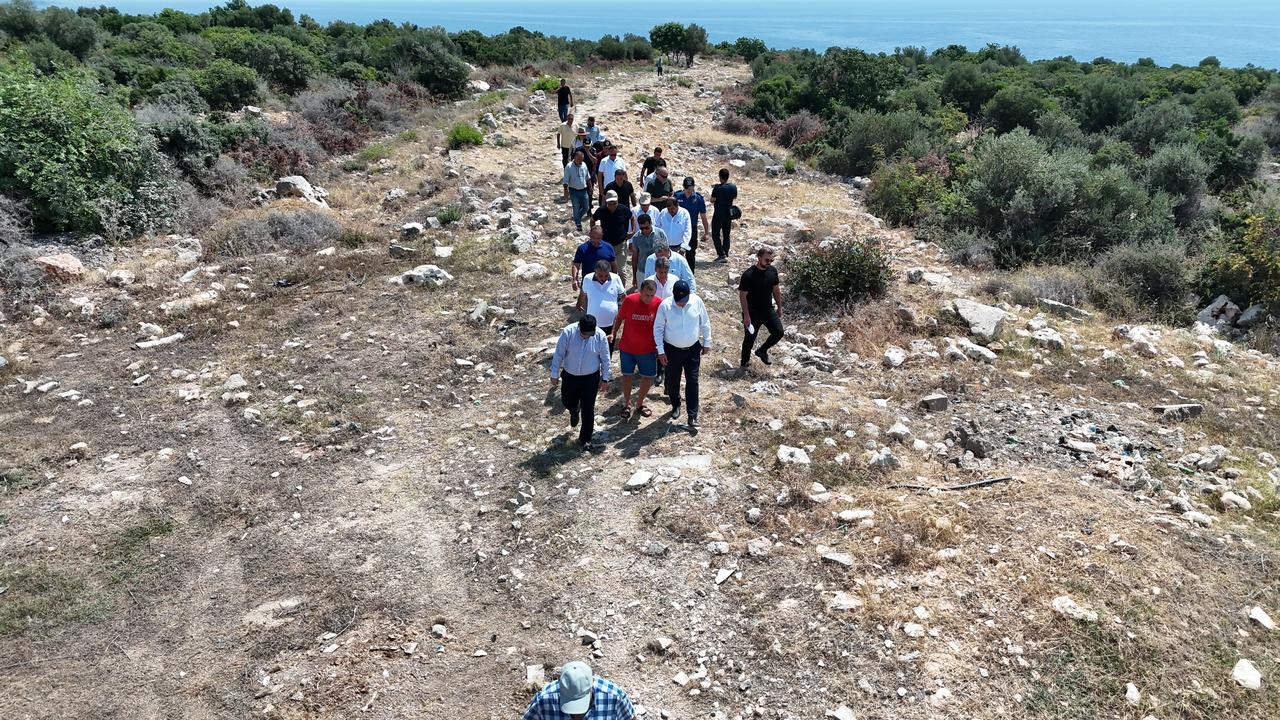

The project is focused on the section of the Roman Road that connects Korykos and Elaiussa Sebaste, two ancient settlements in Erdemli. Officials aim to bring the road into tourism after project planning and restoration work are completed.
Erdemli District Governor Aydin Tetikoglu said the route stands out with its natural setting, noting that it looks out over the sea on one side and the mountains on the other. He said the project would be brought into tourism through the joint work of all stakeholders.
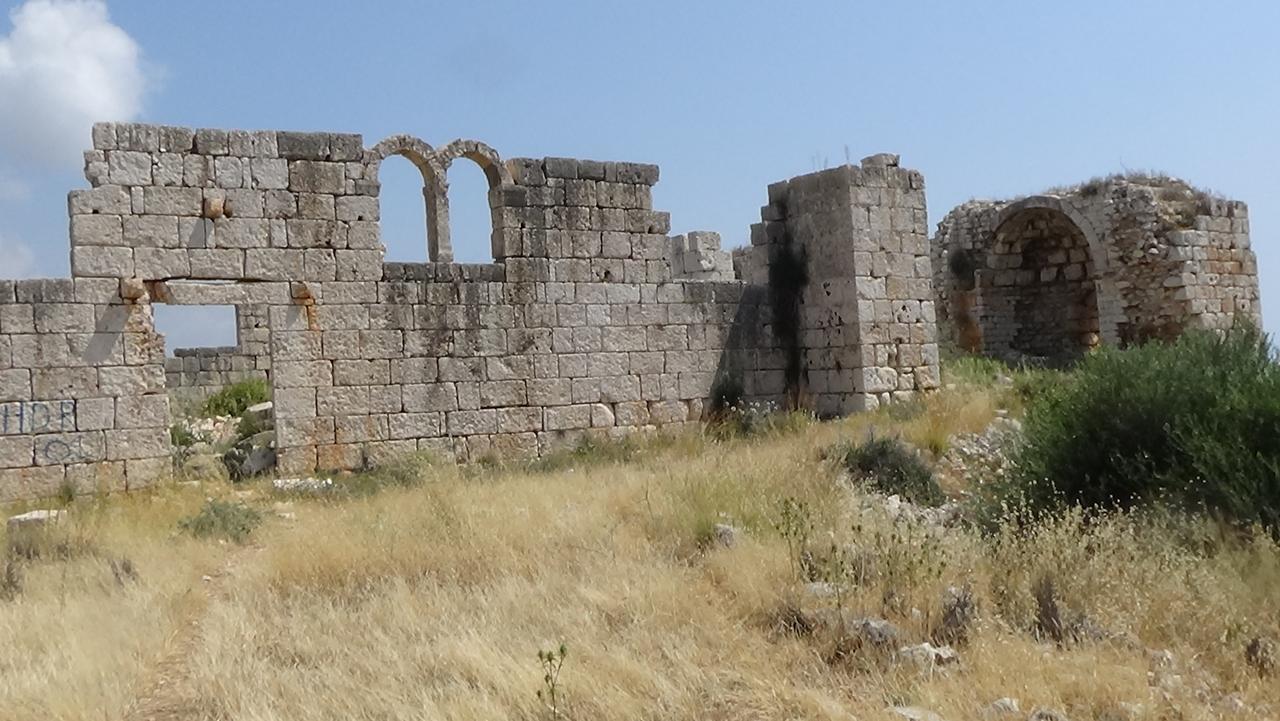
Erdemli Mayor Mustafa Kara said efforts to open up the road for tourism would continue, while Erdemli Chamber of Commerce and Industry President Mustafa Karagoz said the chamber would keep backing projects that contribute to district tourism.
Assoc. Prof. Sener Yildirim of Mersin University's Department of Art History, who heads the Korykos Castle excavation, said the Roman Road dates back around 2,000 years. He noted that it was once one of the important routes leading toward the eastern provinces.
Yildirim said the wider road began in Antalya, followed the coastline to Antakya and continued from there toward Syria. The documented section between Korykos and Elaiussa Sebaste has partly survived to the present day, he added.
"We have documented and cleaned the road," Yildirim said, adding that the route can already be visited, though not by large groups. He said that once the project and restoration work are completed, the road is expected to become an important part of the Cilicia Marathon route.


 Set as preferred source
 Set as preferred source


 1 min read
 1 min read