

 Newsletters


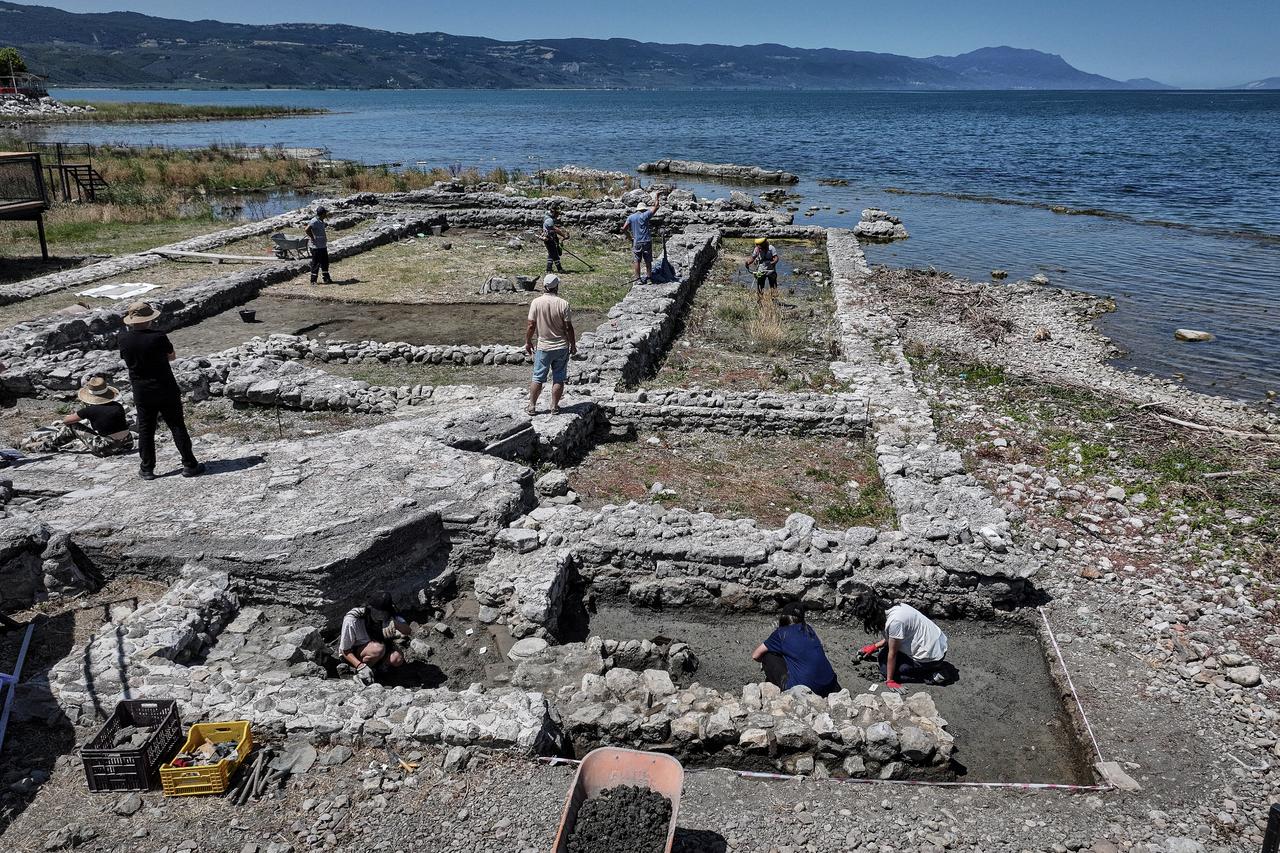


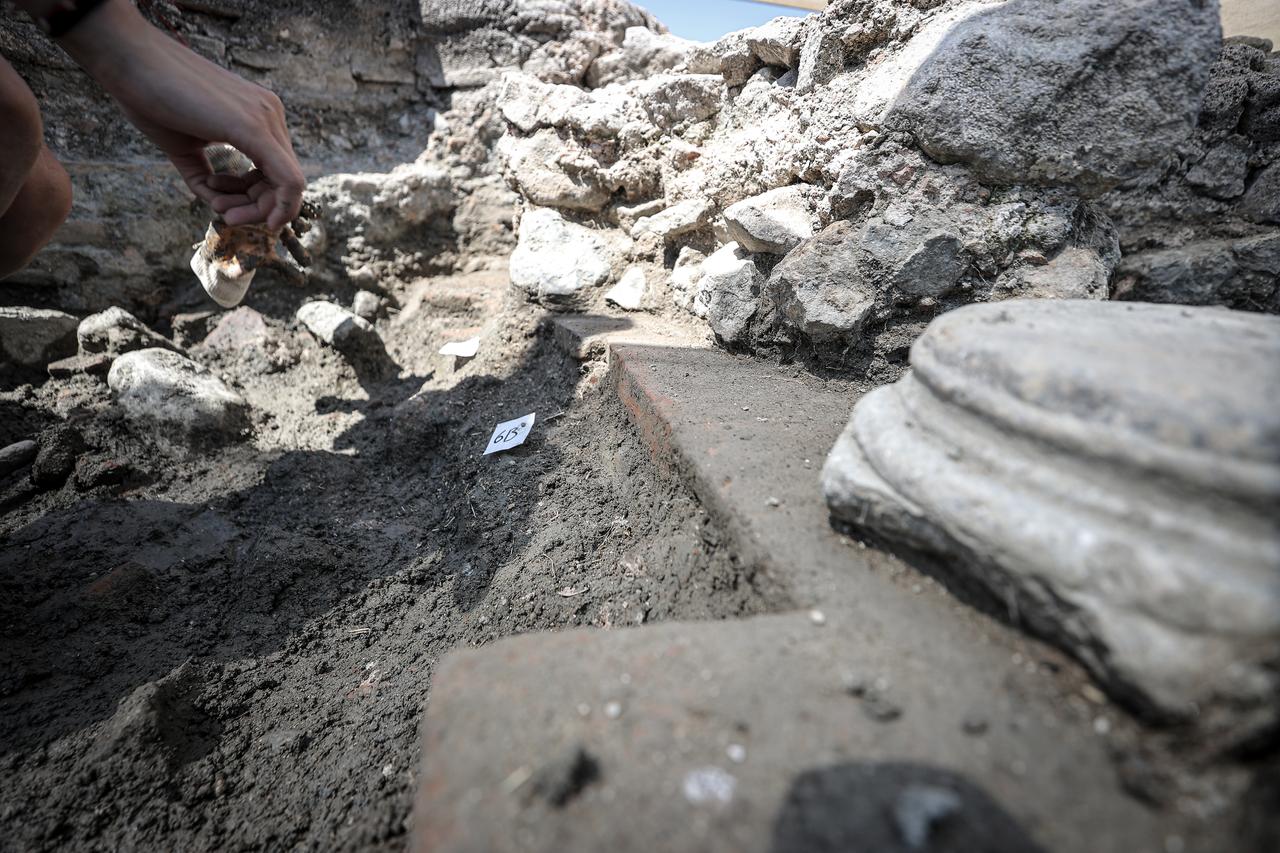
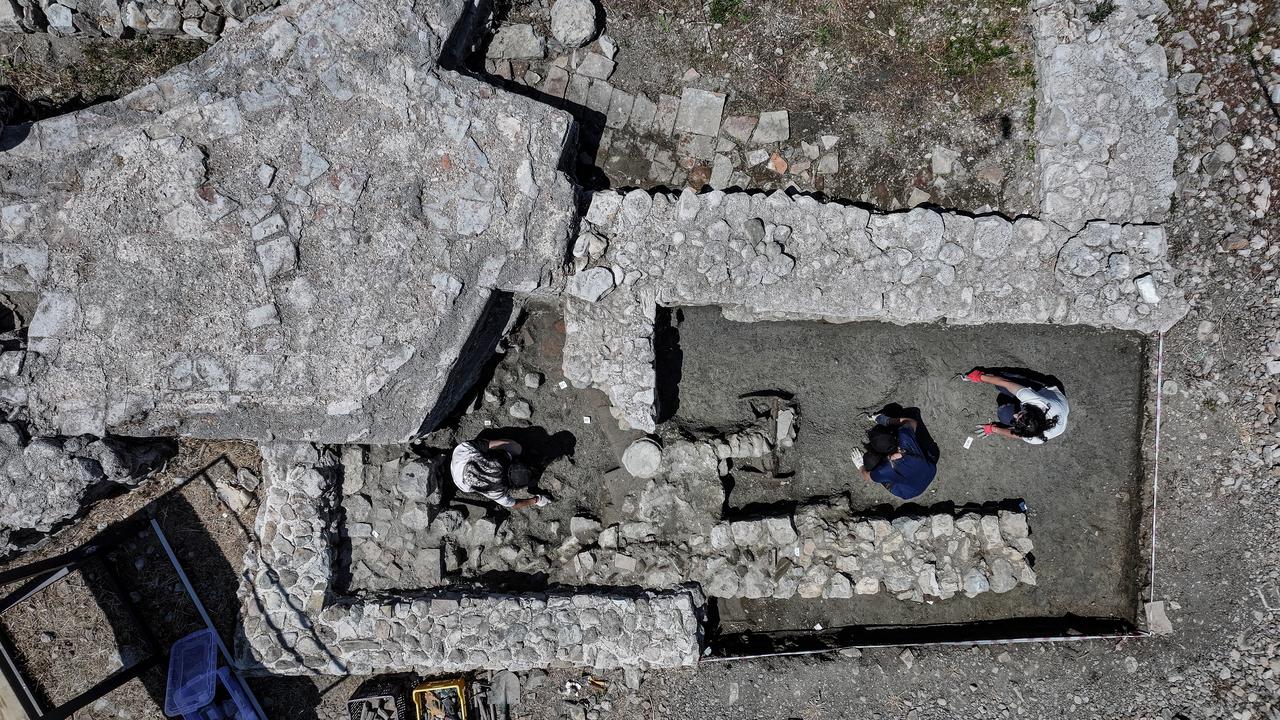
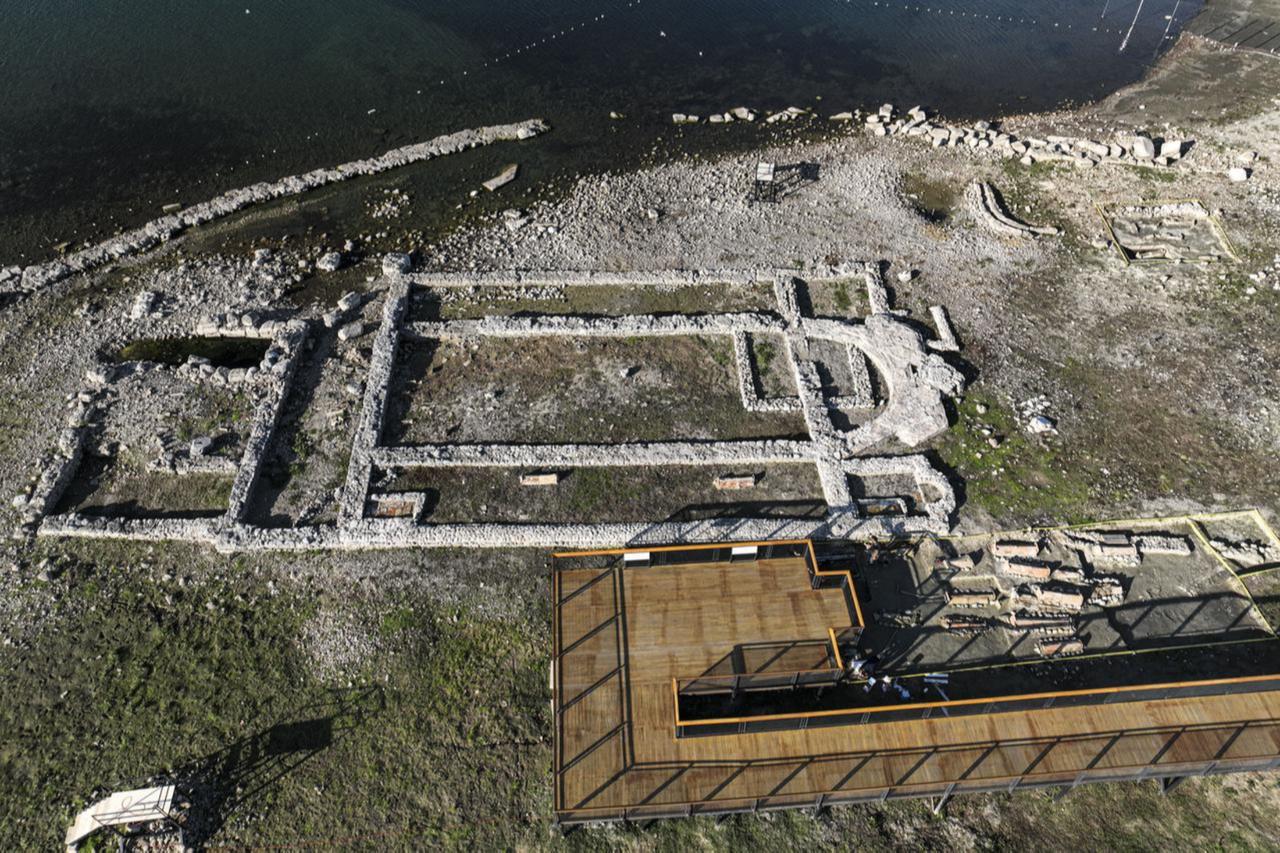
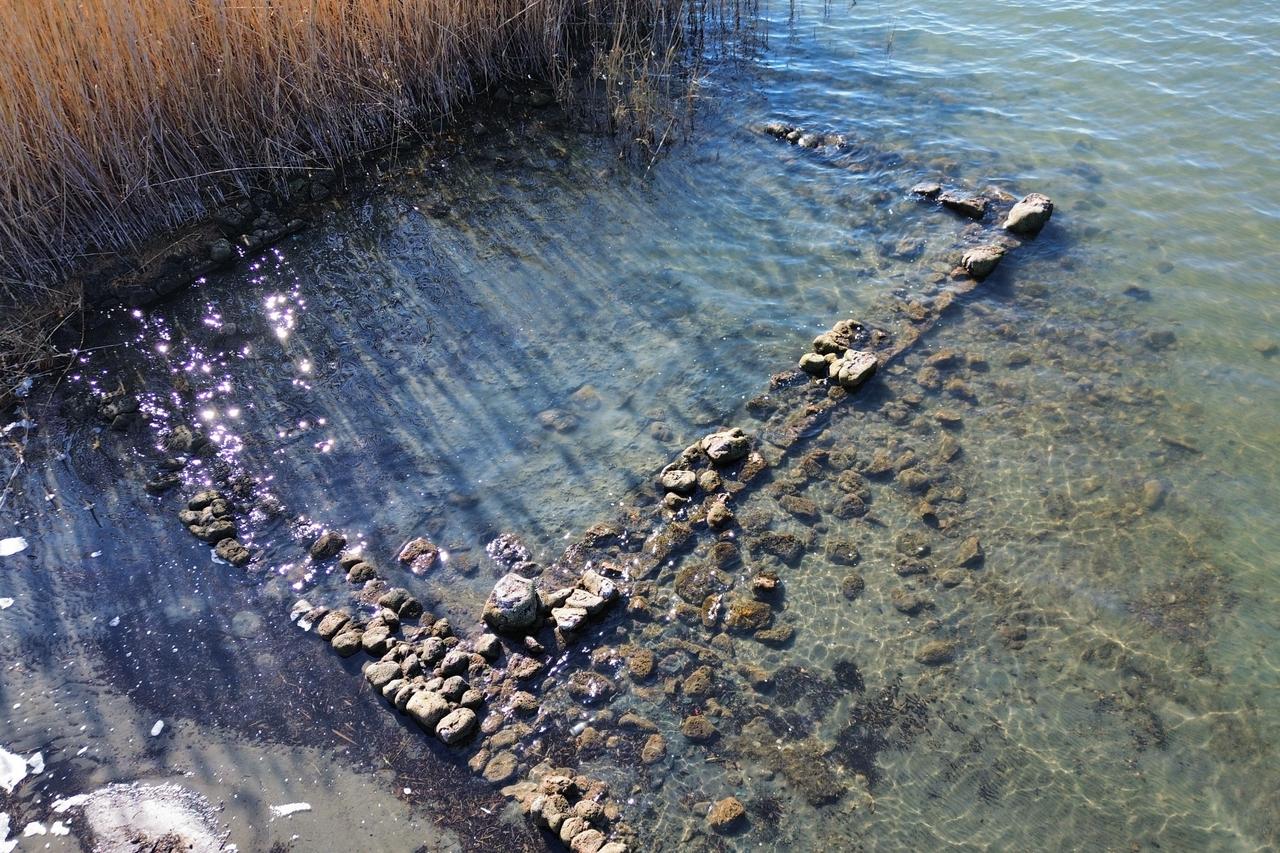
Archaeologists in Türkiye's northwestern Bursa province have uncovered remains linked to the small church where the First Council gathered in 325, including wall sections, floor paving and a column base at the lakeside site in Iznik, known as ancient Nicaea.
The finds were identified by the excavation team as belonging to the Church of Saint Neophytos, an earlier structure that stood before the larger basilica now visible at the site. The work is being led by Professor Mustafa Sahin, head of the Archaeology Department at Bursa Uludag University.
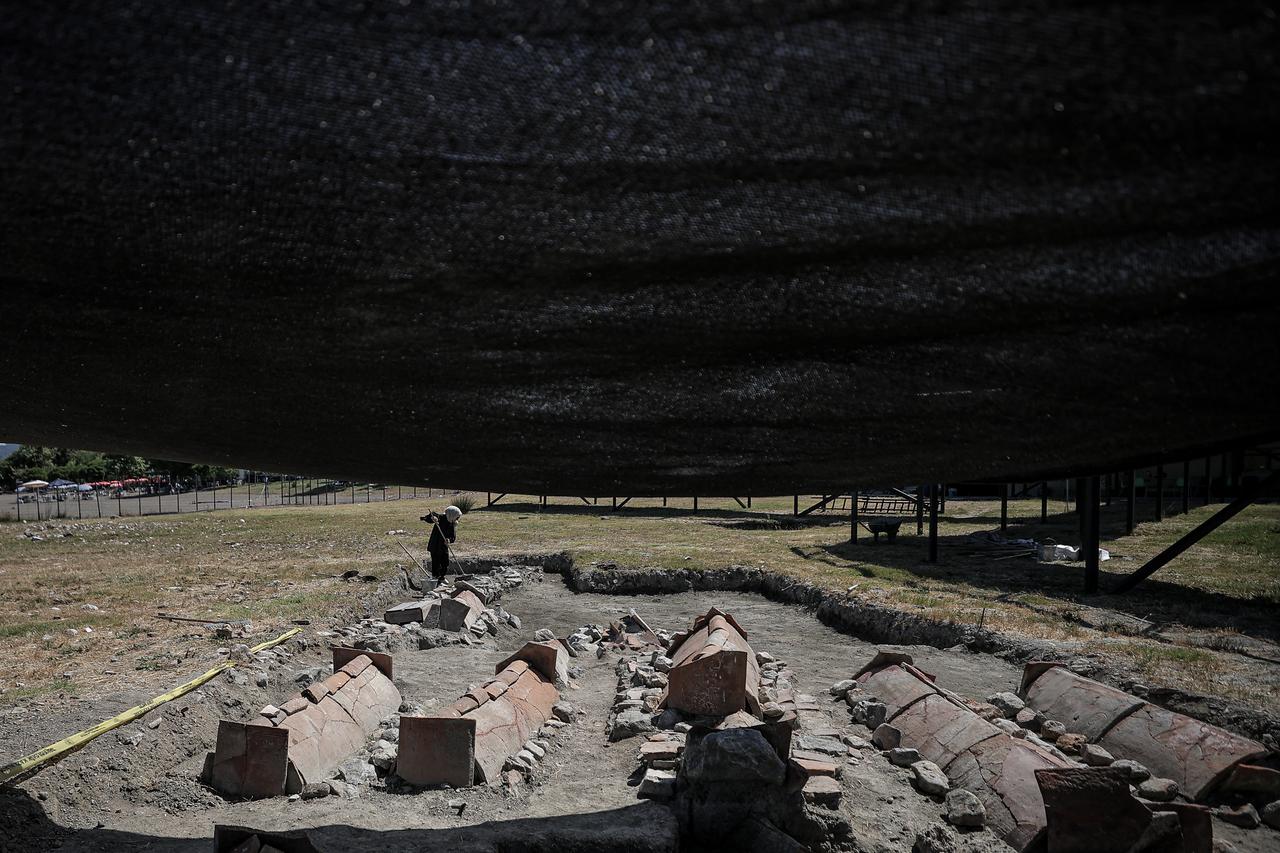

Archaeological excavations and research at the site began in 2015 with permission from the Ministry of Culture and Tourism and support from Bursa Metropolitan Municipality. The area is significant because the First Council, where fundamental religious issues related to Christianity were discussed and decided in 325, is believed to have taken place there.
Sahin said the team focused this season on tracking the remains of the small church where the council was held. The main question was whether a floor covering previously found in the prothesis room, a space used for storing sacred items, continued outside the existing church.
The team opened a trench east of the prothesis room and outside the main wall. In the first week of work, they found that the floor paving did continue beyond the current church, showing that an earlier phase of the building lay underneath.
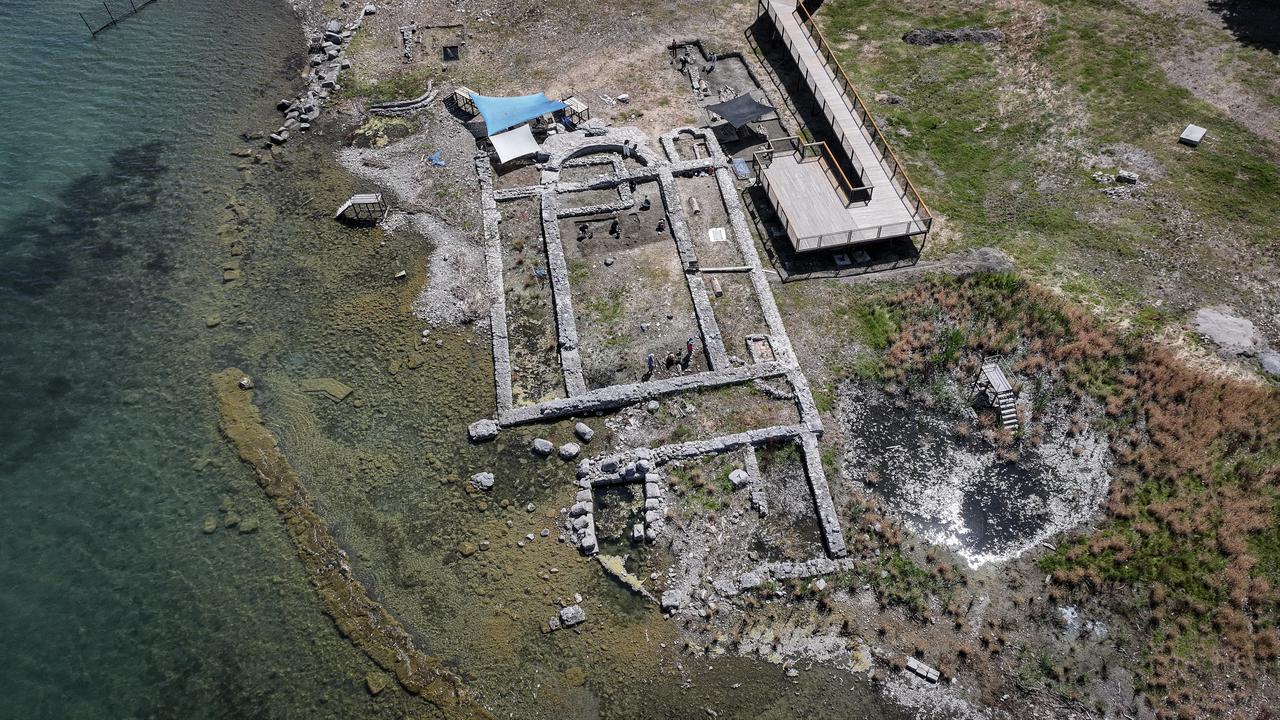
According to Sahin, the discovery supports the view that the Church of Saint Neophytos, which was destroyed in the 368 earthquake, stood beneath the later church.
He said the findings also strengthened the identification of the later structure as the Church of the Holy Fathers, built after 380 in memory of the clergy who took part in the First Council and over the place where the council met.
Sahin said the team had reached a point where it could comfortably identify the structure whose foundations and floor covering were found this year as the Church of Saint Neophytos and the small church mentioned by Eusebius.
Eusebius of Caesarea, who attended the First Council and wrote Vita Constantini, described the meeting place as a house of worship or a small church, according to Sahin. He cited Eusebius as saying: "The church was so small that how so many clergymen fit into this church was a great miracle of God."
Sahin described the find as a major discovery, saying the team had now confirmed that the larger church was built over the smaller one.
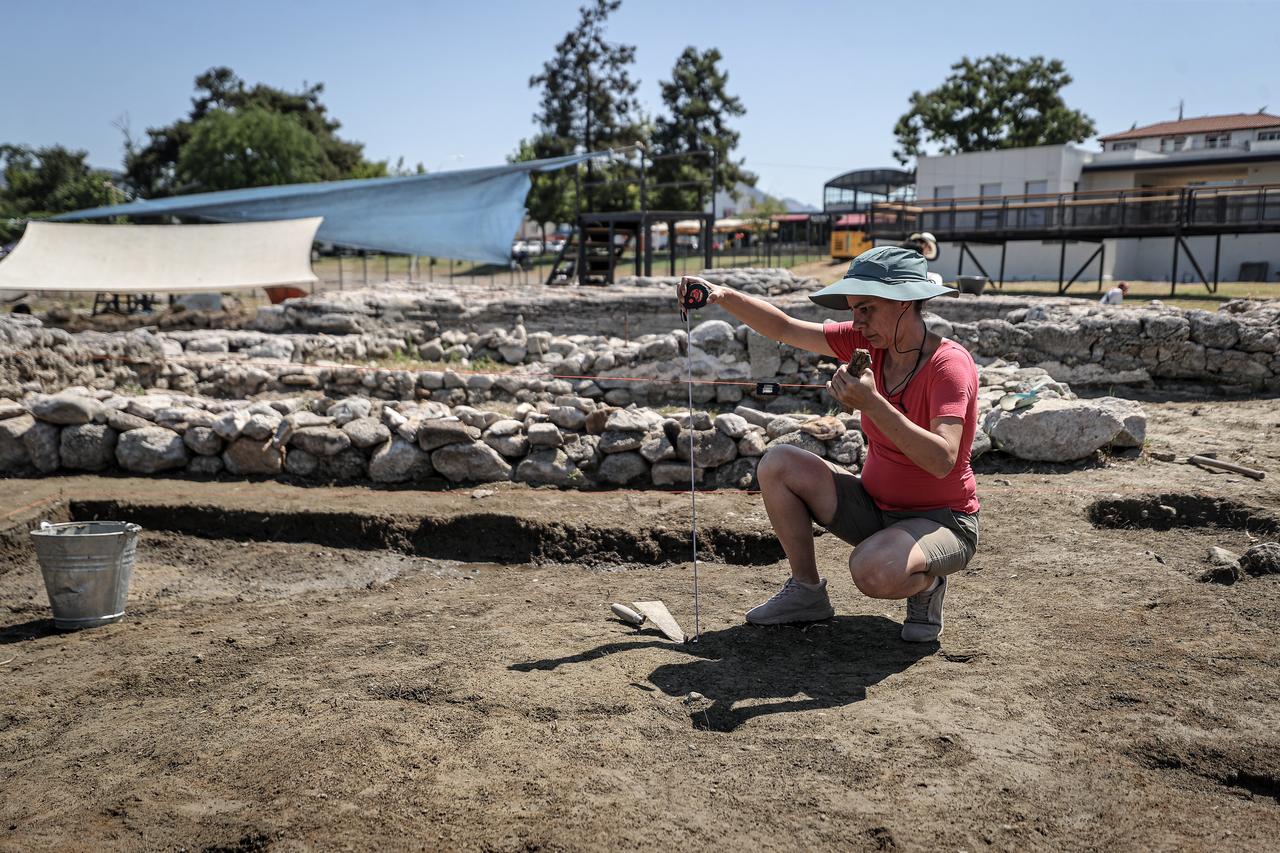
The excavation also brought out a gold ring and a thimble. Sahin said the ring carried palm tree and sword decorations, and similar examples were known from the Umayyad and Abbasid periods.
He said the finds were important for the team's research because the Umayyads besieged Iznik in 729 before the conquest of Istanbul, aiming to take the city for strategic reasons. Although the six-month siege failed, Sahin said the Umayyad emir was known to have entered the Church of the Holy Fathers.
For Sahin, the ring and thimble support the idea that the church stood outside Iznik's city walls and that the Umayyads visited the site. He said the evidence was helping the pieces of the puzzle fall into place.
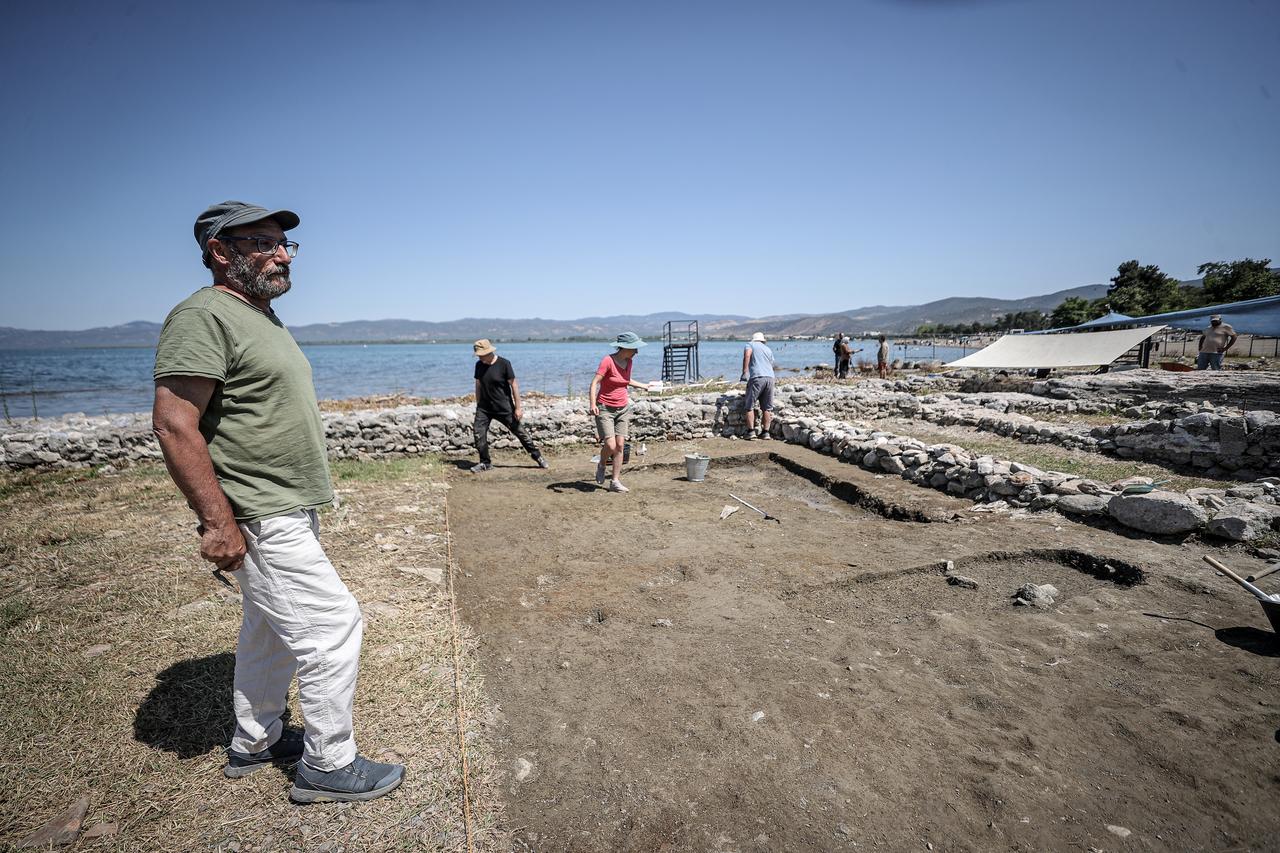
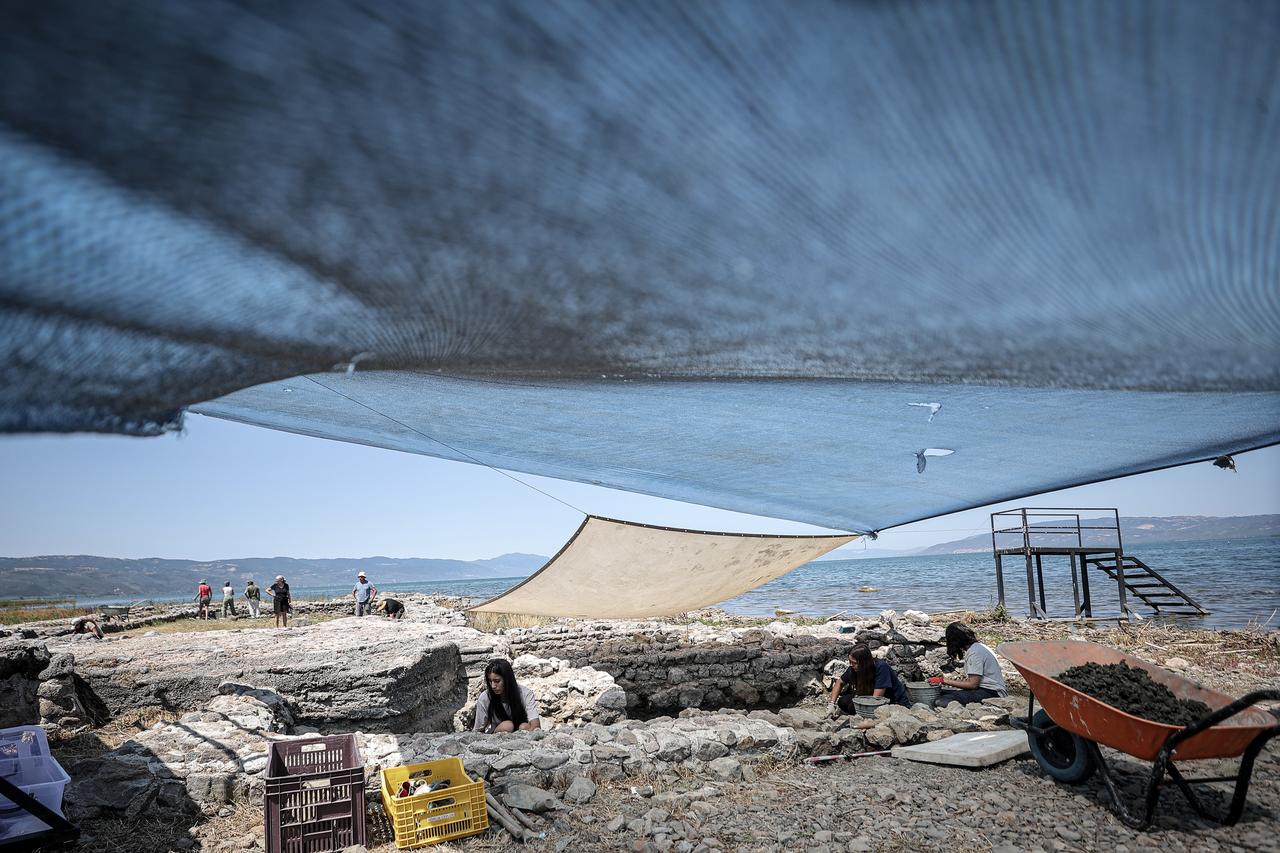
The excavation team is now in its 11th year and includes anthropologists, restorers, archaeologists and art historians. This season, the team also became international, with researchers from the University of Calabria and the Magna Graecia University of Catanzaro in Italy joining the work.
The Italian team, led by Professor Francesco Cuteri of the University of Catanzaro, is working in the middle nave, the central corridor of the basilica.
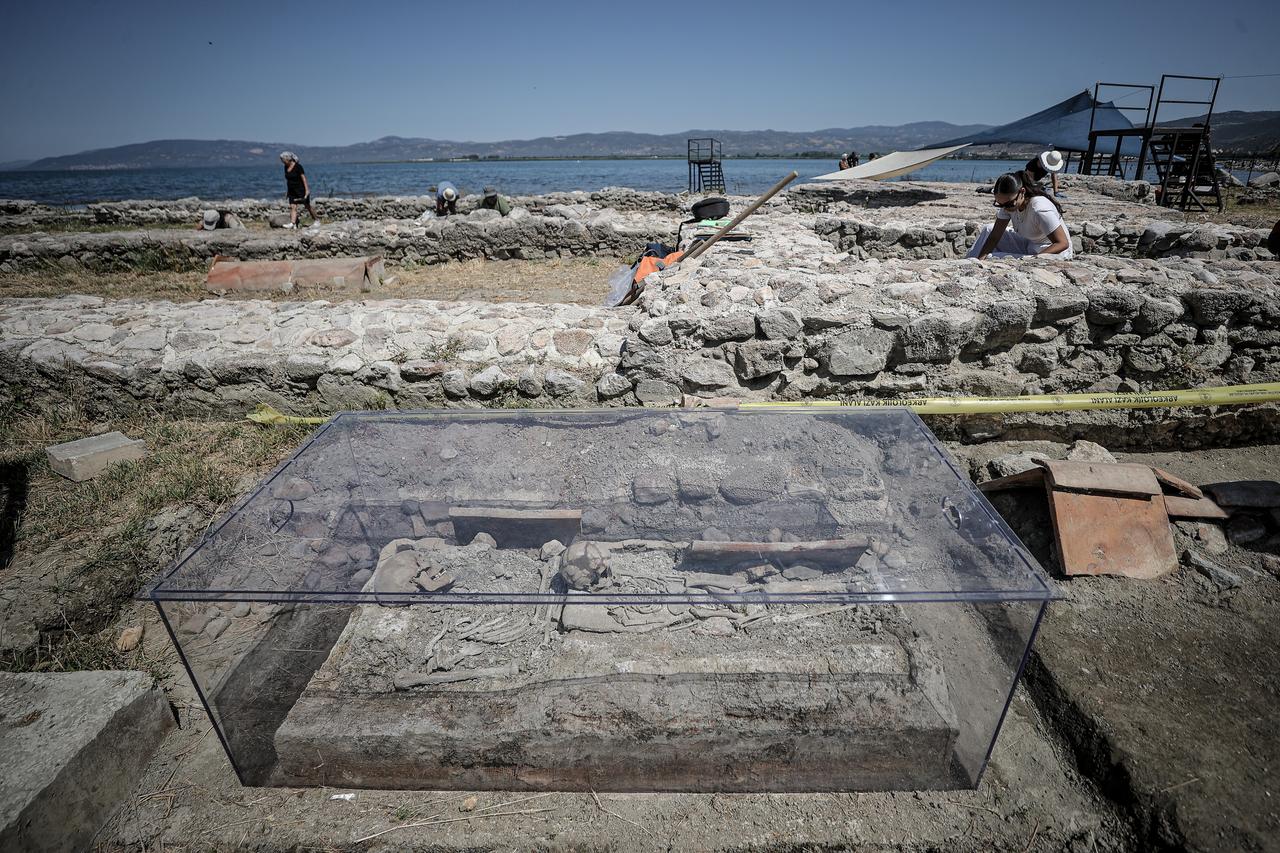
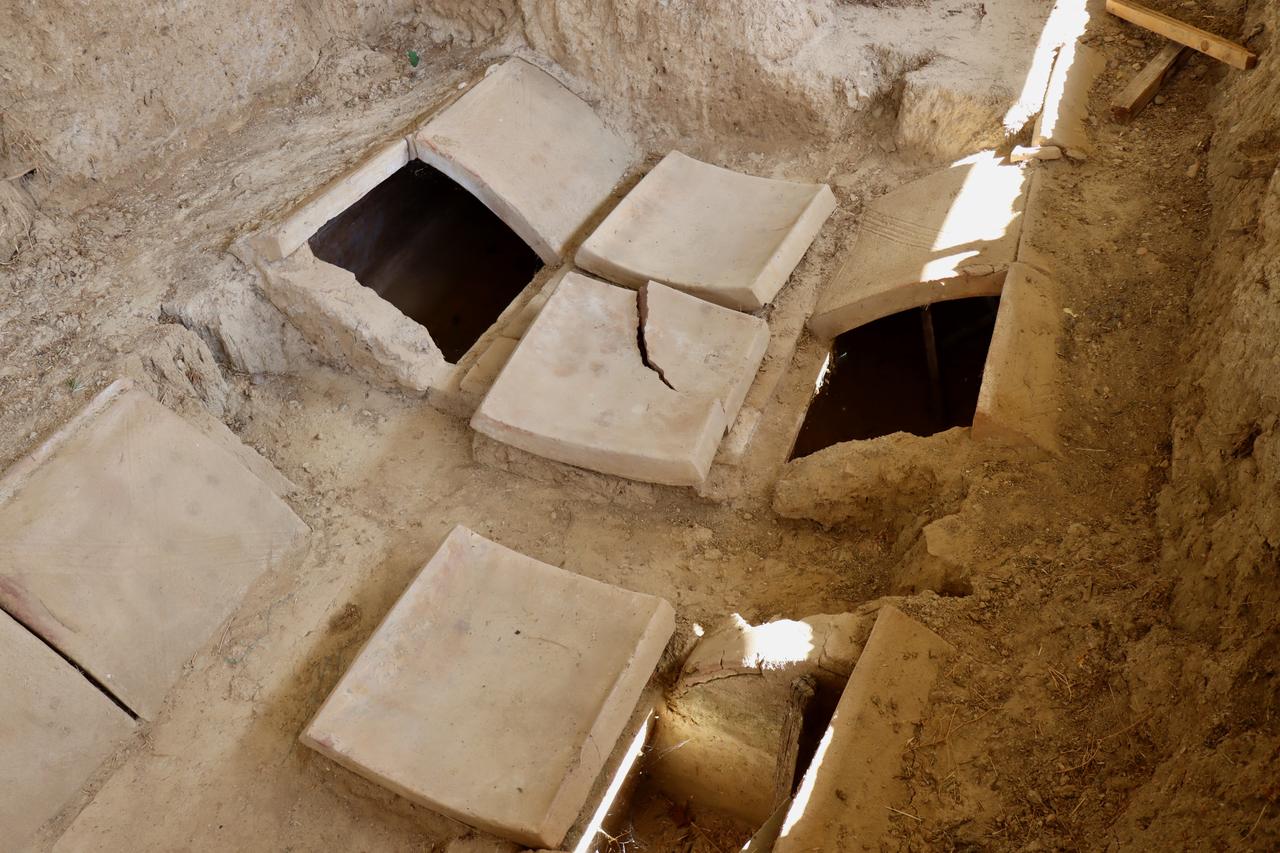
Sahin said earlier excavations there revealed eight graves in front of the bema wall, the raised section reserved for church leaders.
Two of those graves were especially important because they were located directly beneath the bema wall and showed traces of mortar on the skeletons.
Coins found in the graves belonged to the periods of Valens and Valentinian, which helped the team date the church to around 380.
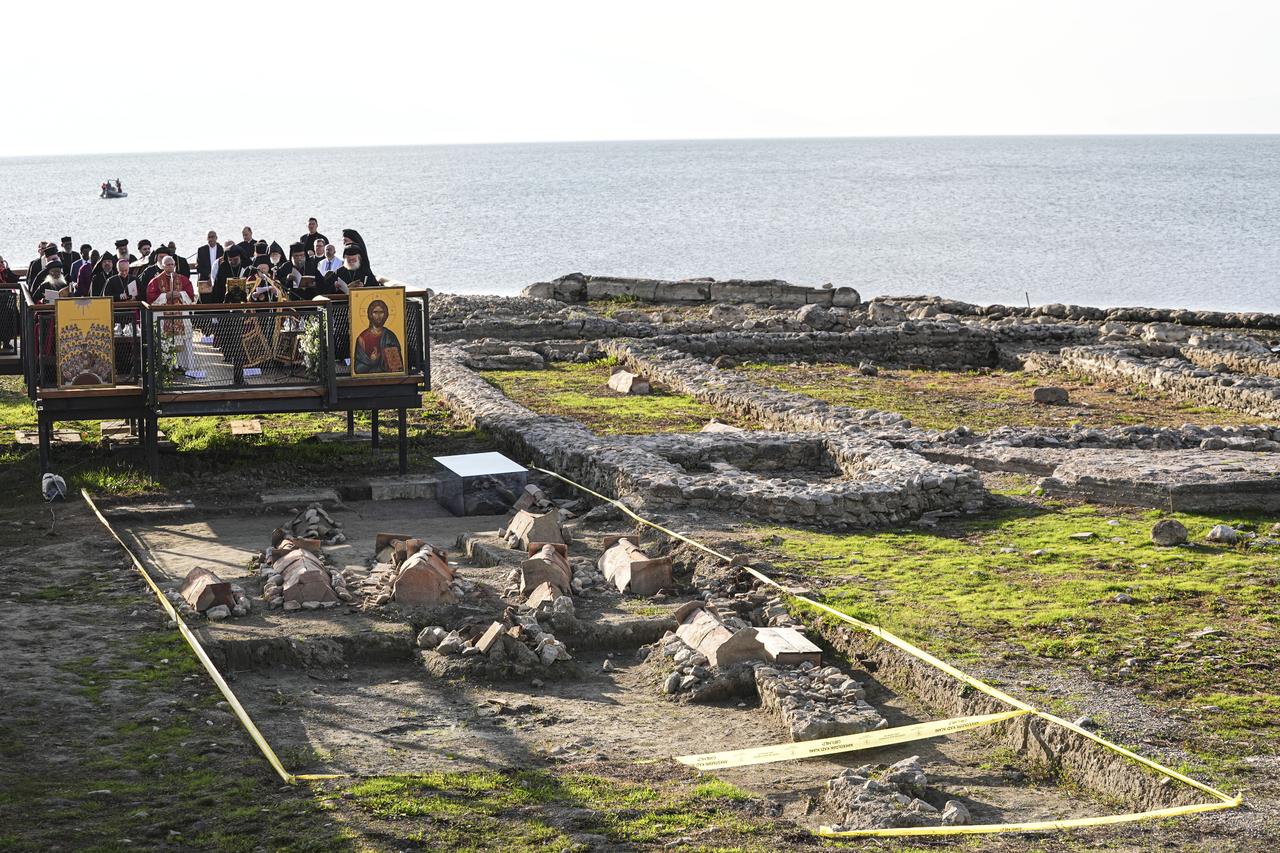
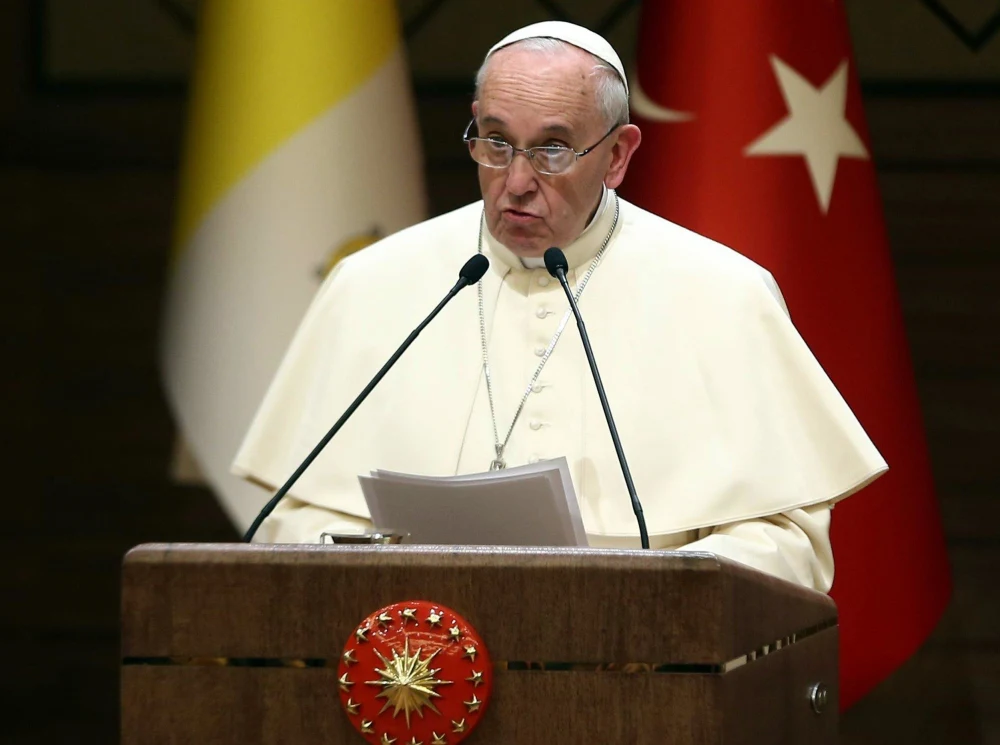
Pope Leo XIV visited Iznik on Nov. 28, 2025, during his Türkiye trip and took part in the 1,700th anniversary program of the First Council of Nicaea.


 Set as preferred source
 Set as preferred source


 3 min read
 1 min read


