Newsletters


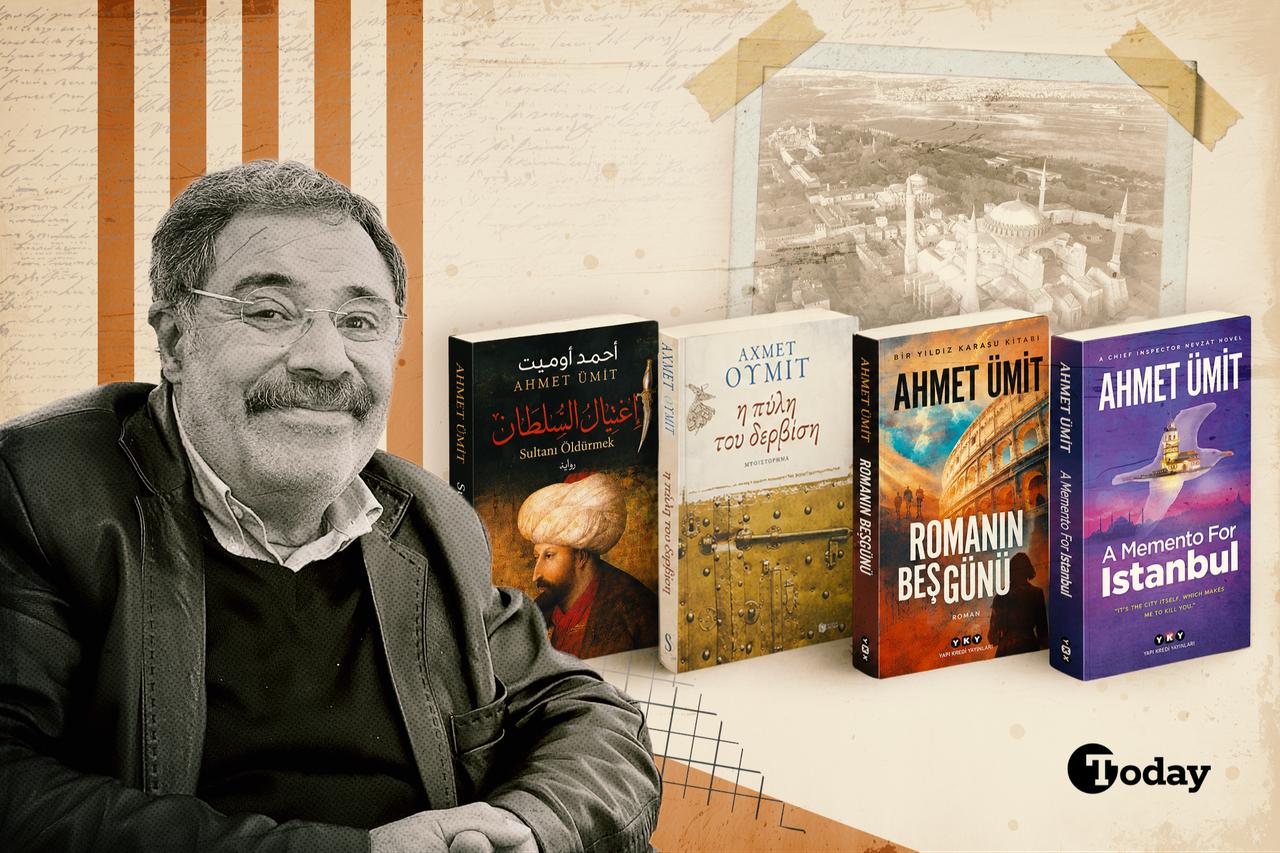


A murder mystery in ancient Rome, a possible new investigation in Cairo and a Netflix adaptation bringing Istanbul's secret past to screens worldwide: Ahmet Umit, one of Türkiye's most celebrated crime novelists, has plenty of stories left to tell. Yet what troubles him most is not the fictional crimes he writes about, but what he sees happening to the real cities and historical treasures that inspire his work.
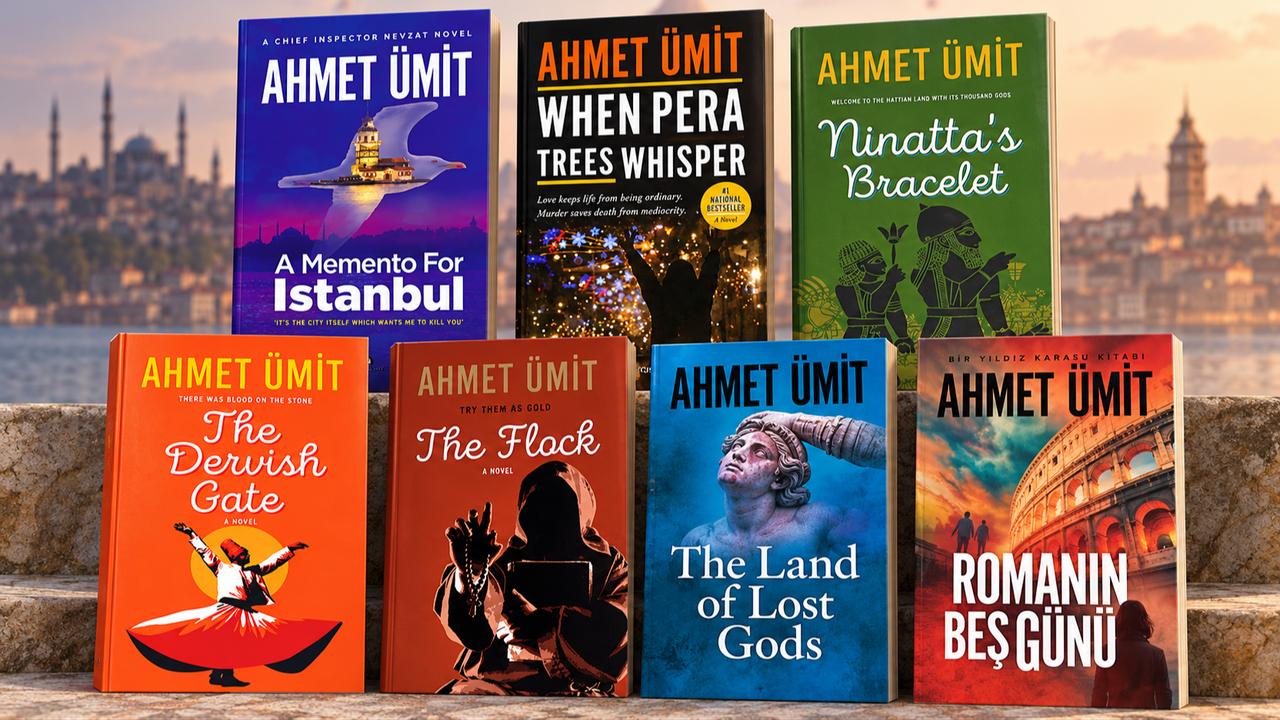
In an exclusive interview with Türkiye Today, the internationally acclaimed author spoke about his latest novel, "Roma'nin Bes Gunu" (Five Days of Rome), his plans to take readers beyond Europe, and the upcoming Netflix adaptation of "Istanbul Hatirasi" (A Memento For Istanbul), starring Turkish actor Nejat Isler.
Umit, whose books have been translated into 37 languages and reached approximately 15 million readers worldwide, also opened up about Türkiye's disappearing architectural heritage, freedom of expression, artificial intelligence and why he believes archaeology has more in common with detective fiction than most people realize.
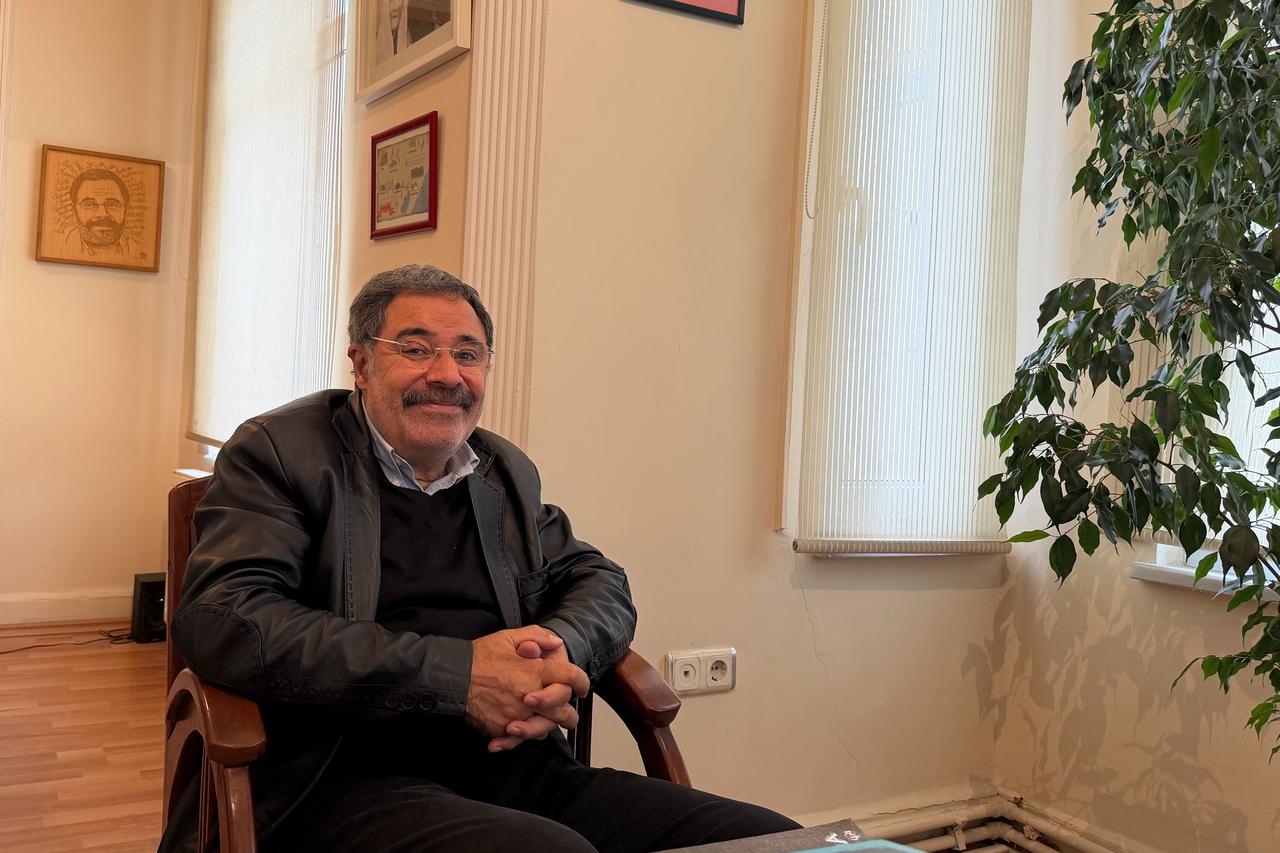

For Umit, whose latest novel connects murders in Rome with the ancient Anatolian city of Aphrodisias, exploring the Roman Empire is also a way of understanding modern Türkiye.
He explained that the country's history cannot be separated from the civilizations that came before the Seljuks, Ottomans and modern Turkish Republic. The Roman legacy, he argued, remains essential to understanding the cultural foundations of Anatolia.
His fascination with Aphrodisias, an ancient city in western Türkiye celebrated for its marble sculptures, grew out of the story of Zoilos, a historical figure who was enslaved, taken to Rome and later gained the favor of Emperor Augustus.
According to Umit, Zoilos eventually returned to Aphrodisias with considerable wealth and helped transform the settlement into an important artistic center. The city's exceptionally preserved relief sculptures offered another reason to bring it into his novel.
However, the author's next destinations may take his characters in a different direction.
Umit revealed that his next novel will be set in Istanbul during the Allied occupation after World War I, while a later book may take detectives Yildiz Karasu and Tobias Becker to Cairo.
"I've grown tired of always writing about the West," he said, expressing particular interest in Egypt's history and the possibility of taking his characters as far as the Valley of the Kings.
Although he had previously considered setting a novel in Sofia, Bulgaria, Umit now believes Cairo is the stronger candidate for a future mystery, potentially several years down the line.
The author said that taking his stories to new countries is partly a way of avoiding repetition.
"Repeating yourself is death in literature," Umit said, explaining that after decades of writing, his greatest creative competition is with his own previous work.
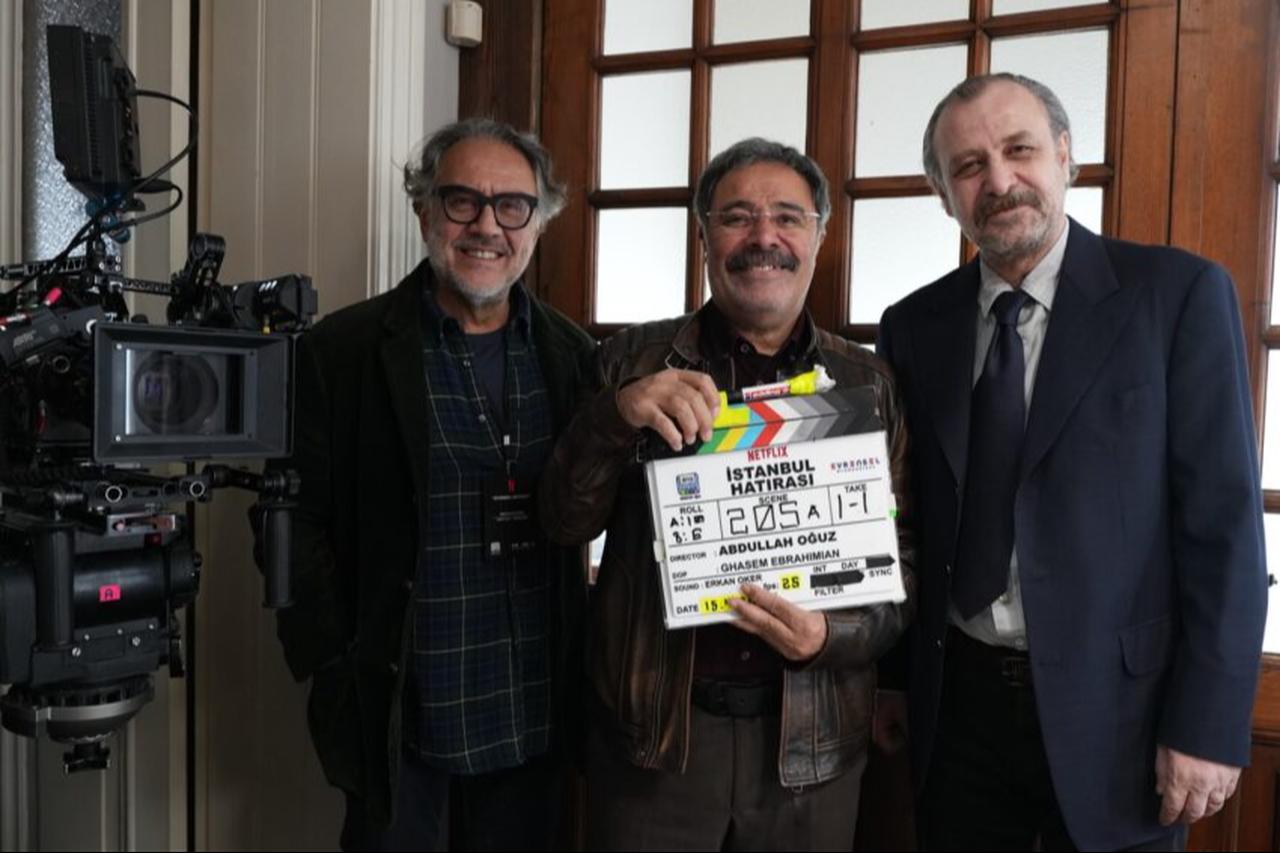
Umit also shared fresh details about the television adaptation of his novel "A Memento For Istanbul," which follows Chief Inspector Nevzat through a murder investigation deeply intertwined with Istanbul's history.
The Netflix production, starring Nejat Isler as the detective, has completed filming and moved into post-production, according to the novelist.
He expects the series to premiere in 2027, although he did not provide a confirmed release date.
For Umit, the transition from literature to television presents opportunities as well as challenges. He explained that filmmaking is a different artistic discipline and that he generally avoids interfering with adaptations as long as they preserve the spirit of his work.
He nevertheless made clear that maintaining the integrity of Chief Inspector Nevzat remains particularly important to him.
The novelist also revealed that the film and television adaptation rights to "Kayip Tanrilar Ulkesi" (The Land of Lost Gods), his crime novel connecting Berlin with the ancient city of Pergamon in western Türkiye, have been acquired by a German production company.
Umit referred to the producers behind Netflix's historical drama Barbarians, a series produced by Gaumont Germany, the German subsidiary of French production company Gaumont.
Although the rights have been acquired and development is underway, Umit said the adaptation has yet to materialize, leaving its future uncertain.
While Rome and Istanbul both carry the legacy of major empires, Umit believes the two cities have treated their historical treasures very differently.
He described Istanbul's natural setting, particularly the Bosphorus running through the city, as extraordinarily beautiful. Yet when it comes to preserving architectural heritage, he argued that Rome has done a considerably better job.
"Rome is a city that has been preserved incredibly well. Istanbul is a city that has not been preserved," he said.
Umit pointed out that Istanbul contains layers of ancient Greek, Roman, Byzantine and Ottoman history, making its losses particularly troubling.
He criticized the deterioration of Ottoman fountains, damage to the city's historical silhouette and modern buildings that interrupt views of its monumental architecture.
"We could not protect the ancient Greek heritage, we could not protect the Roman heritage, and we cannot even protect the Ottoman heritage," he said.
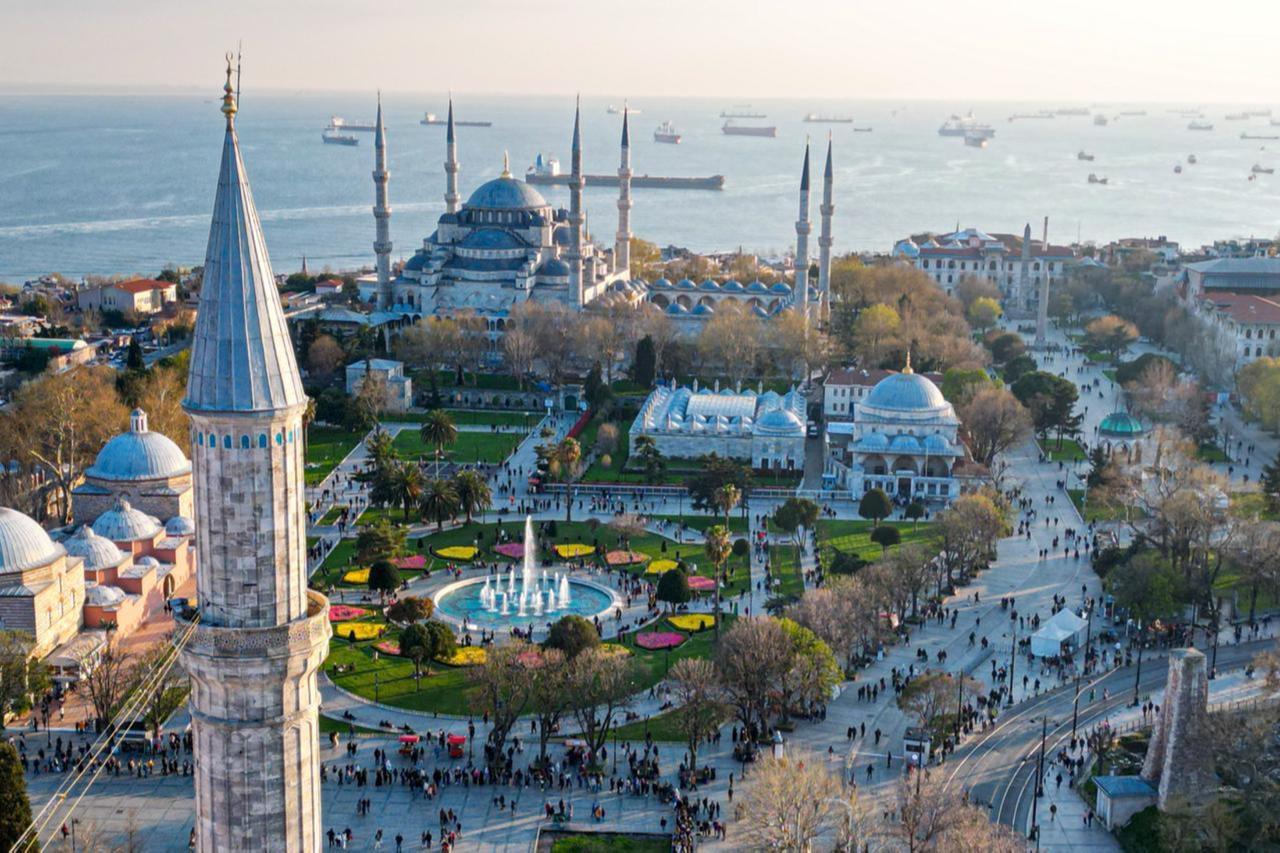
The writer also raised concerns about construction in Istanbul's historic Sultanahmet district, where the former Byzantine Hippodrome once hosted chariot races.
For Umit, the city's problem is not a lack of cultural richness, but the failure to safeguard what remains.
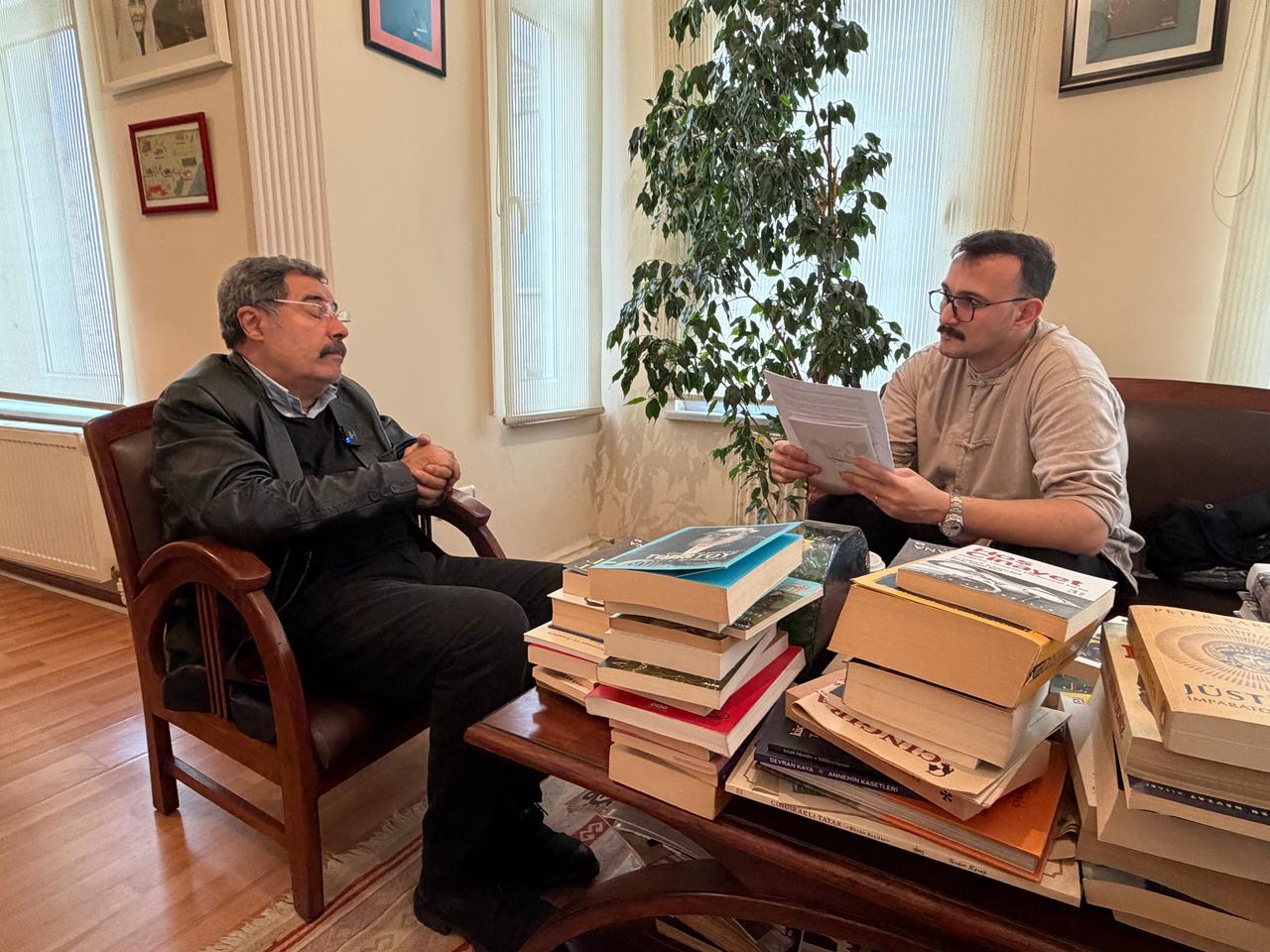
Umit's longstanding interest in ancient civilizations has shaped novels including "Patasana," "Kayip Tanrilar Ulkesi" and "Roma'nin Bes Gunu."
He believes archaeology and crime fiction share a fundamental purpose: uncovering the truth from incomplete evidence.
"Archaeology is a kind of detective work," he said.
An archaeologist might reconstruct a civilization from pottery fragments, inscriptions or clay tablets, he explained, just as a detective uses fingerprints, footprints and DNA to piece together the circumstances of an unsolved murder.
Before bringing an ancient city into his novels, Umit visits the site, meets archaeologists and historians, and carries out extensive reading.
His approach also reflects a broader conviction that historical narratives deserve scrutiny, not acceptance simply because powerful societies have handed them down.
Umit described cultural heritage as a shared human inheritance that should bring nations closer together rather than become a source of competing ownership claims.
He said he would be equally distressed by damage to Notre-Dame in Paris, Hagia Sophia in Istanbul or a Buddhist temple elsewhere in the world.
Beyond literature and archaeology, Umit addressed the responsibility of writers to confront uncomfortable realities.
He argued that literature should reveal social problems rather than conceal them, while insisting that novelists must remain independent of political parties and ideological commitments.
According to Umit, an intellectual should be capable of criticizing even their own political beliefs, with conscience, justice and human dignity serving as the foundation of that criticism.
He also acknowledged the difficulties writers face in contemporary Türkiye.
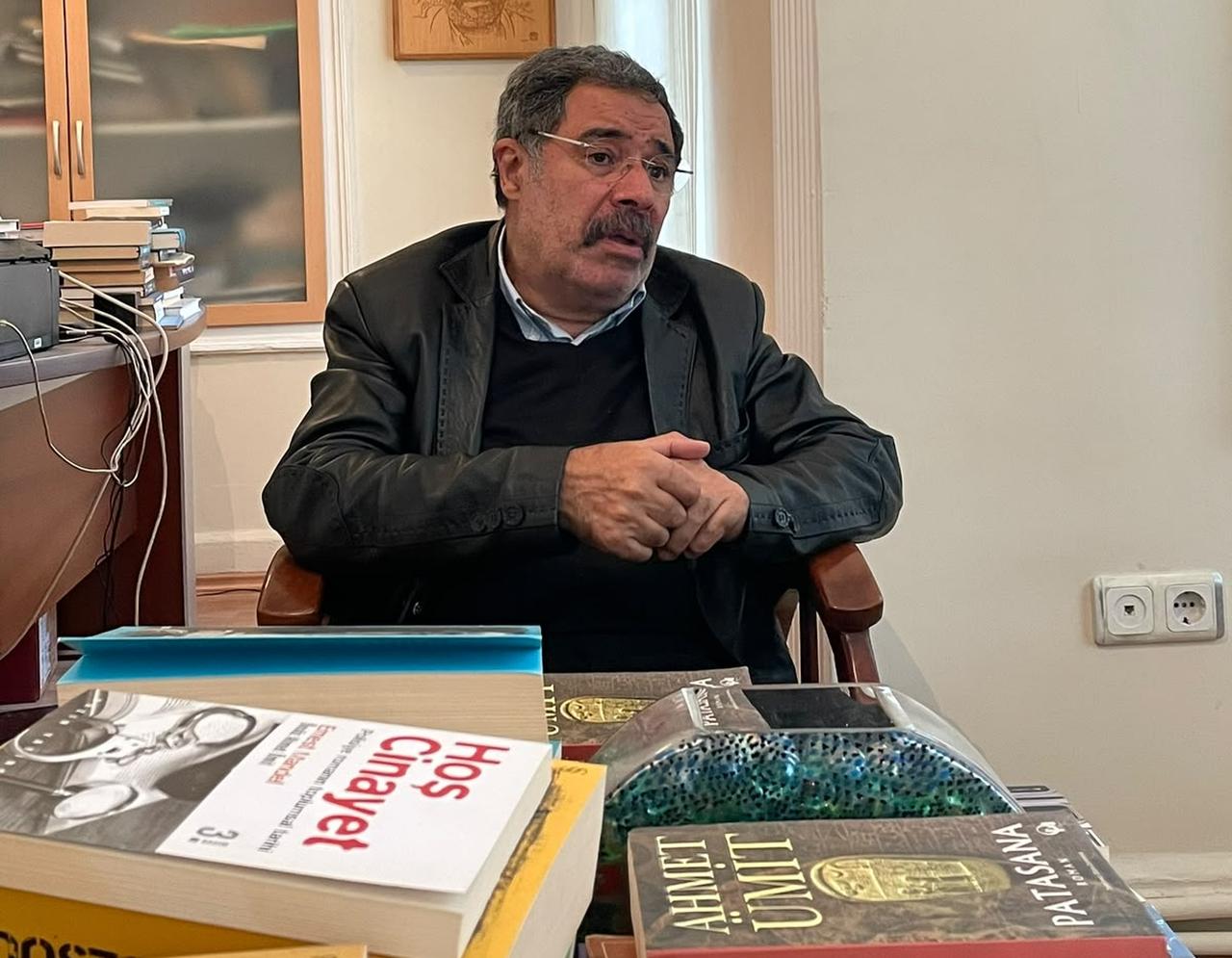
Asked whether artificial intelligence could eventually replace human novelists, Umit argued that AI can reproduce existing literary patterns but lacks the emotional experience needed to create genuinely original art.
He described the technology as highly effective at processing humanity's accumulated knowledge, yet incapable, in his view, of understanding the contradictions that shape human behavior.
Love, he suggested, offers a particularly clear example because people frequently make choices that cannot be explained by logic alone.
Umit believes artificial intelligence may produce technically competent fiction, but that exceptional literature will continue to depend on human imagination and experience.
He described AI as "an extremely useful, extremely intelligent, extremely fast slave," before adding a qualification: "For now, loyal."
Umit also reflected on the international influence of Turkish literature and his encounters with readers abroad.
He recalled a Chinese reader who said "A Memento For Istanbul" had transformed their understanding of Istanbul's cultural diversity and historical significance.
An Italian reader, meanwhile, told him they had explored Istanbul's Historic Peninsula with his novel in hand, while readers in the Arab world had discovered more about the Sufi tradition through Bab-i Esrar (The Dervish Gate).
For Umit, these encounters demonstrate how literature can introduce foreign audiences to places and cultures in ways that go beyond conventional national promotion.
He said stories allow readers to experience unfamiliar societies through their homes, food, landscapes, relationships and everyday lives, helping overcome stereotypes and prejudices.
His newest book is already beginning that international journey. Umit confirmed that the Greek translation rights to "Roma'nin Bes Gunu" were acquired within 15 days of the book's release, and he expects further international interest.
Ultimately, he hopes readers from the United States, Europe, China and elsewhere will come away from his novels with a deeper understanding of Türkiye's cultural richness and the people who live there.
Looking back on a writing career that began in 1982, Umit also acknowledged that his own worldview has changed significantly.
Once convinced that history would inevitably move toward a better future, he now believes progress requires a conscious struggle for what is right.
"I used to think history always moved forward. History does not always move forward," he said.
For an author who has spent decades investigating fictional crimes, questioning history and challenging inherited assumptions, that willingness to reconsider even his own convictions remains central to his understanding of literature.


 Set as preferred source
 Set as preferred source


 1 min read
 1 min read