Newsletters


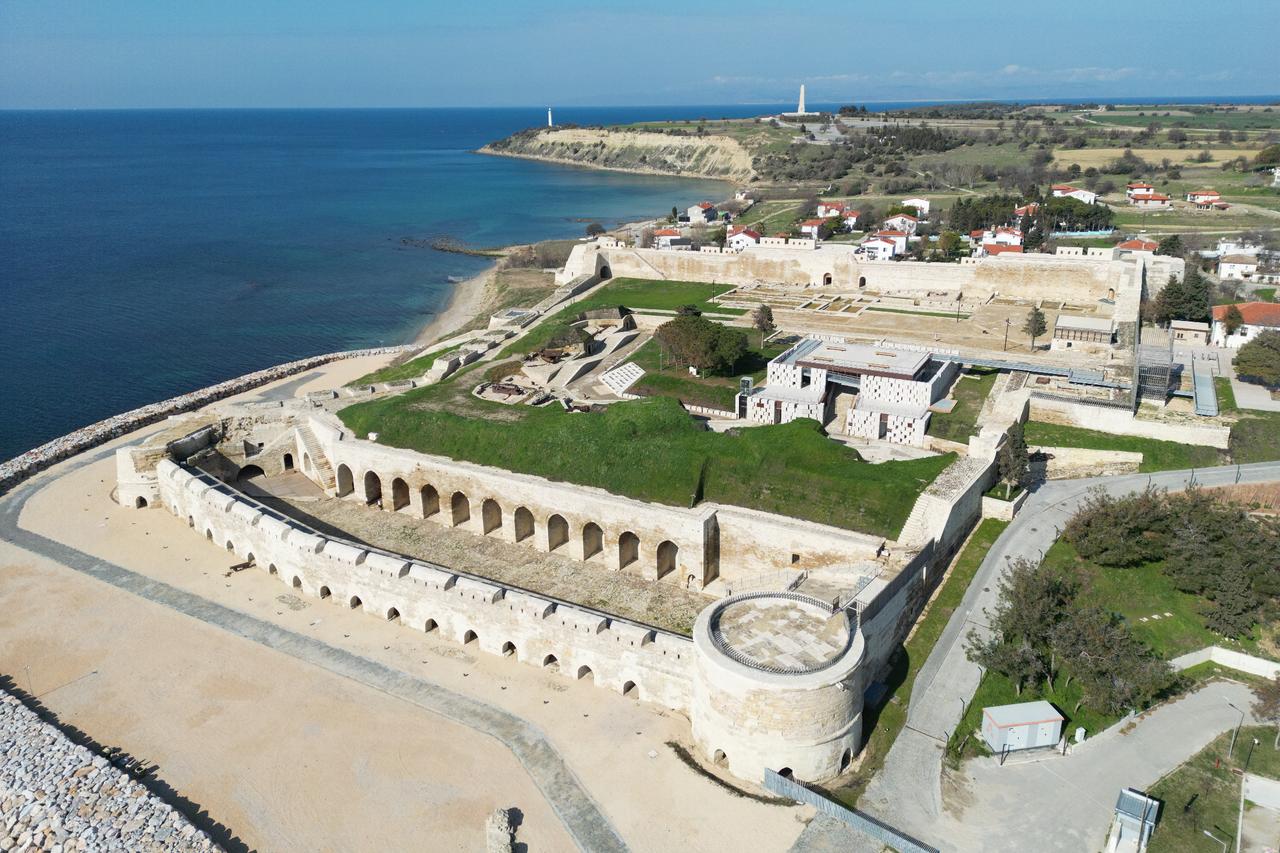


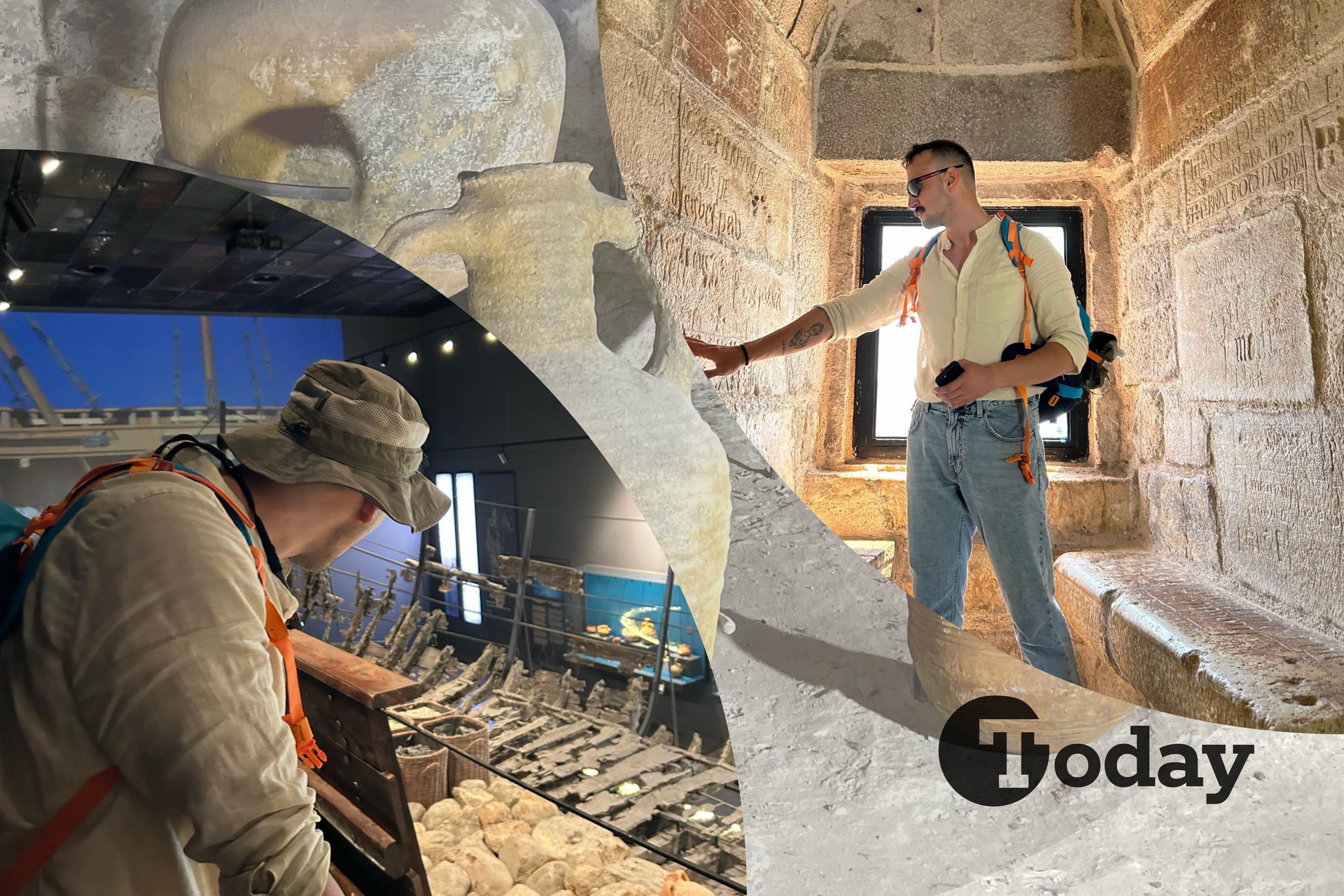
Sedd el Bahr Castle or Seddulbahir Castle, a historic fort on the Gallipoli Peninsula in Canakkale, has been nominated for the European Museum of the Year Award 2026 (EMYA), a move that has boosted the site’s visibility within the international museum network.
Located at the entrance of the Dardanelles Strait (Canakkale Bogazi), the castle is described as having played a critical role in safeguarding the waterway and as being among the first locations associated with early casualties of the Canakkale Wars (the 1915 Gallipoli Campaign), a World War I battlefront that remains central to Türkiye’s modern memory.
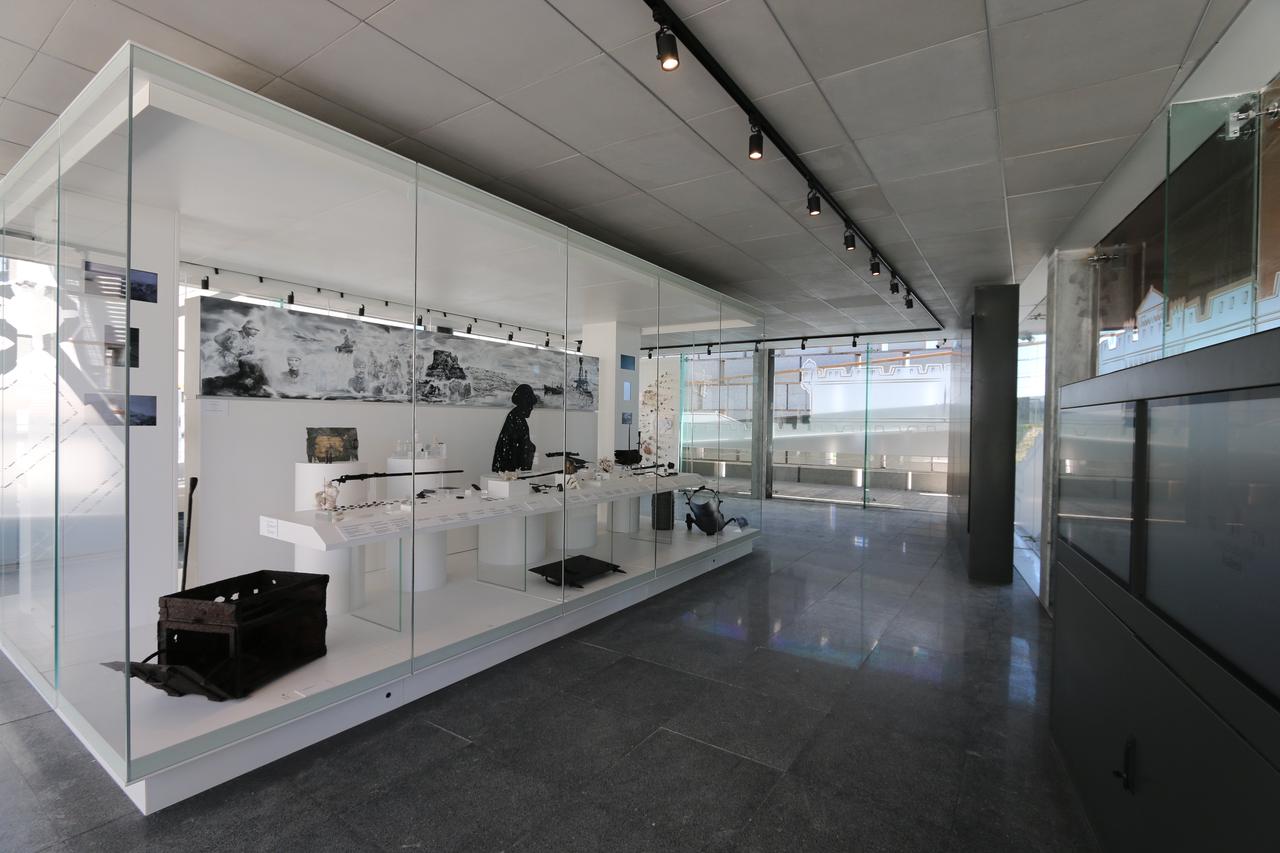

The nomination, one of Europe’s most prestigious museum recognitions, has drawn attention to the castle’s restoration process, its museum identity, and its modern exhibition approach.
The candidacy is being framed as a strong sign that Sedd el Bahr Castle’s transformation has earned recognition from the European museum community, particularly for how the site has been restored while being presented through contemporary museum practices.
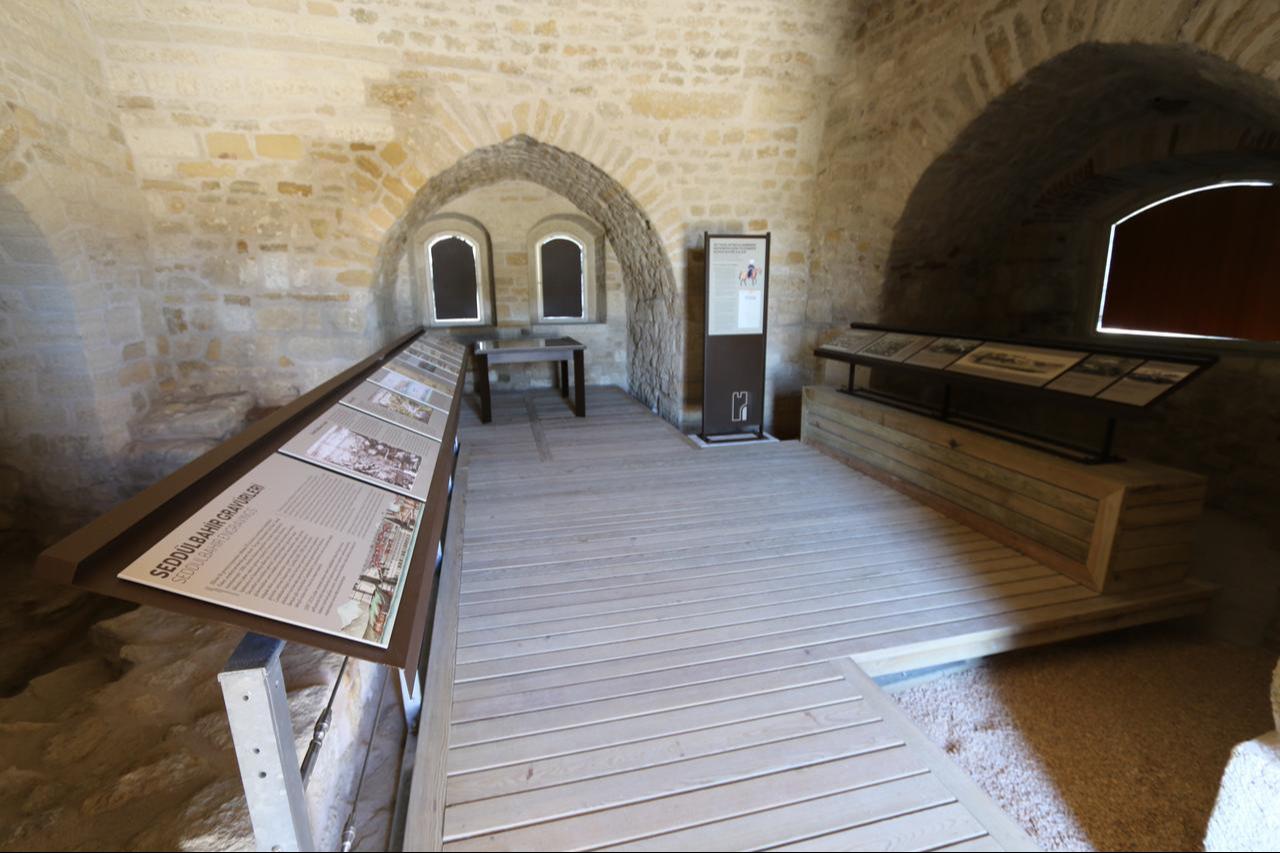
Sedd el Bahr Castle was commissioned in 1659 by Hatice Turhan Sultan, the mother of Ottoman Sultan Mehmed IV, with the stated purpose of defending the entrance of the strait. After centuries of strategic use, the structure was brought back into service through restoration work carried out between 2015 and 2023.
According to the information provided, the restoration was backed up by long-term scientific research, archaeological excavations, architectural documentation, and contemporary conservation techniques, with the aim of standing the structure back up while keeping its original character intact.
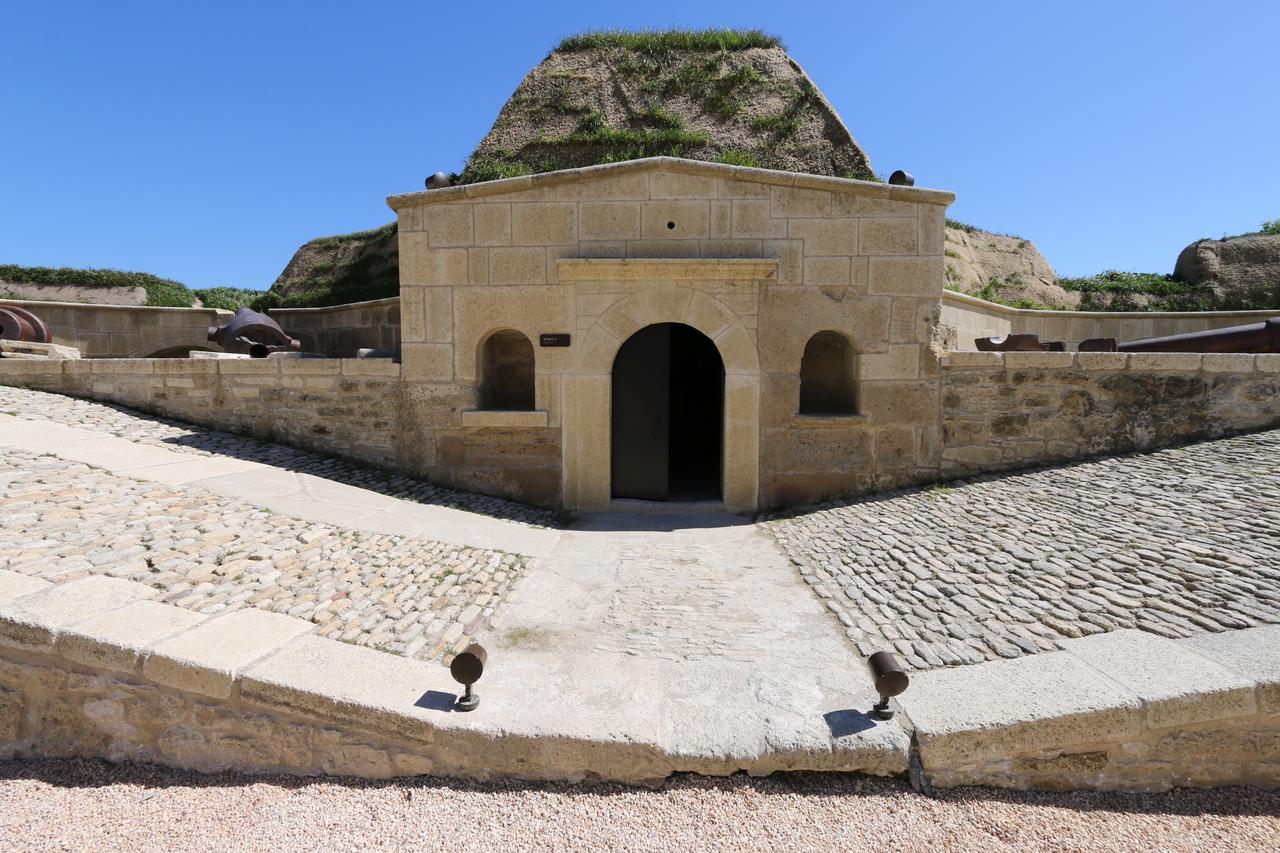
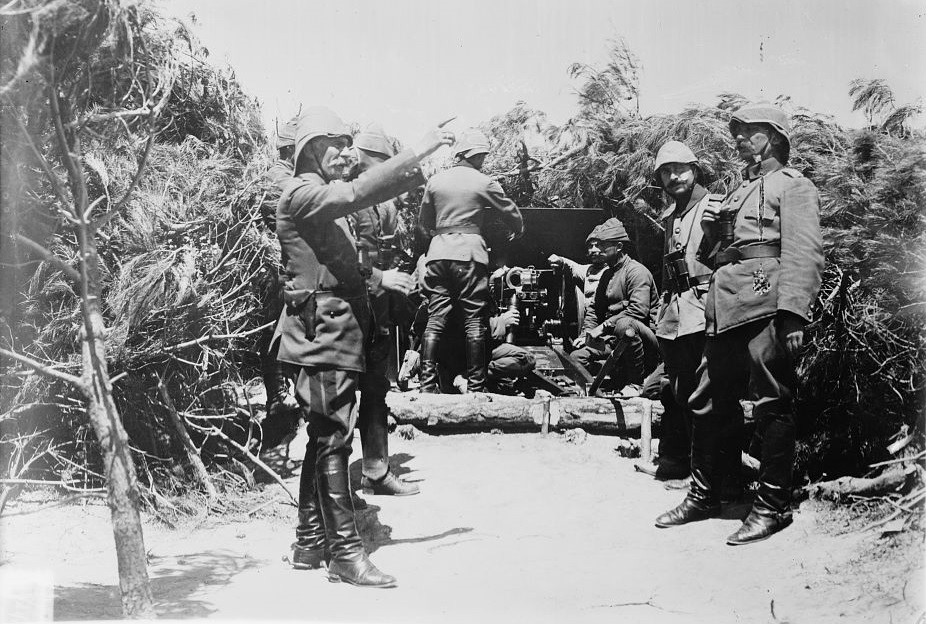
During the Canakkale Wars, the castle took part with 12 cannons and was targeted in bombardments by British and French ships on Nov. 3, 1914, before being hit again in February 1915.
The site is described as having preserved its original architectural fabric while being built up into a museum setting that aims to deliver a distinctive historical experience and to meet international museum standards through innovative applications.
Ismail Kasdemir, head of the Directorate of Gallipoli Historic Site (the public body responsible for managing and protecting the Gallipoli historic zone), said the institution was feeling both excited and ambitious about the EMYA nomination.
Kasdemir indicated that their work had been carried out by holding on to historical texture and authenticity while also using a modern perspective to build the site up into what he described as a top-level museum in Europe.
He also said they believed museum-making and exhibition planning in Türkiye had been strengthened to the point where the country now had a voice in Europe and globally, adding that Sedd el Bahr Castle was expected to stand out among these efforts.
Kasdemir also underlined the castle’s historical depth, describing it as a long-serving guardian of the Canakkale Bogazi and as a “veteran” place that witnessed the Gallipoli battles firsthand.
He highlighted that one notable feature of the site was that it had been commissioned by a woman, Hatice Turhan Sultan, and said it would continue to serve both as a historic structure and as a museum.
He added that the site opened to visitors in 2023 with the participation of President Recep Tayyip Erdogan, after which it hosted large numbers of visitors, and that the goal was for the carefully restored museum to win the EMYA title.
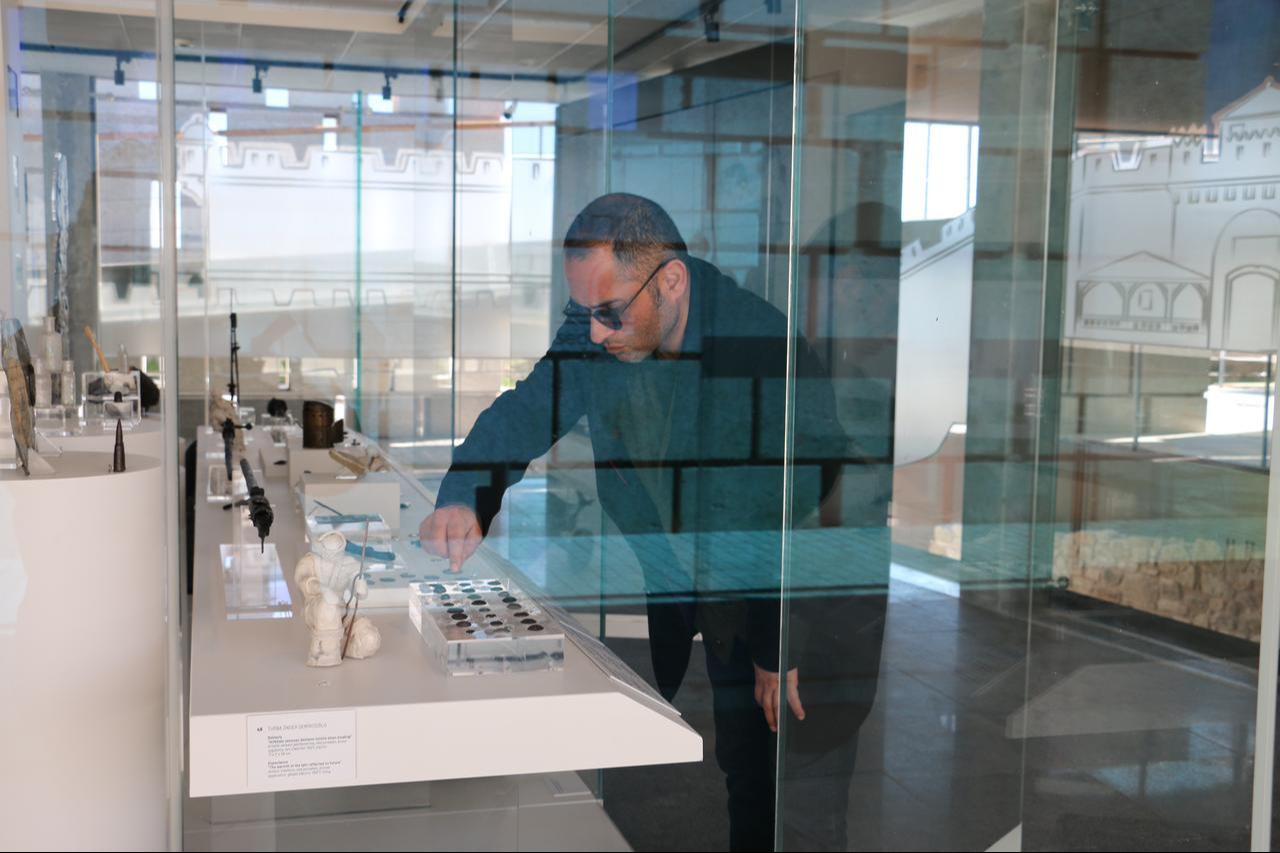
EMYA, organized by the European Museum Forum, is presented to museums across Europe that are described as innovative, socially impactful, and capable of reshaping the museum experience.
Sedd el Bahr Castle’s place on the 2026 candidate list is being linked to broader recognition of Türkiye’s cultural heritage management and to the idea that the site’s restoration and museum conversion were carried out in line with world standards, while also strengthening Canakkale’s visibility on international cultural routes.
Candidate museums are set to present their projects at the EMYA event in Bilbao from June 10 to 14, after which jury assessments will determine award recipients across different categories.
The process is also being described as an opportunity to further raise Sedd el Bahr Castle’s profile within the international museum community and to help Türkiye’s cultural heritage reach wider global audiences.


 Set as preferred source
 Set as preferred source


 1 min read
 1 min read