Newsletters


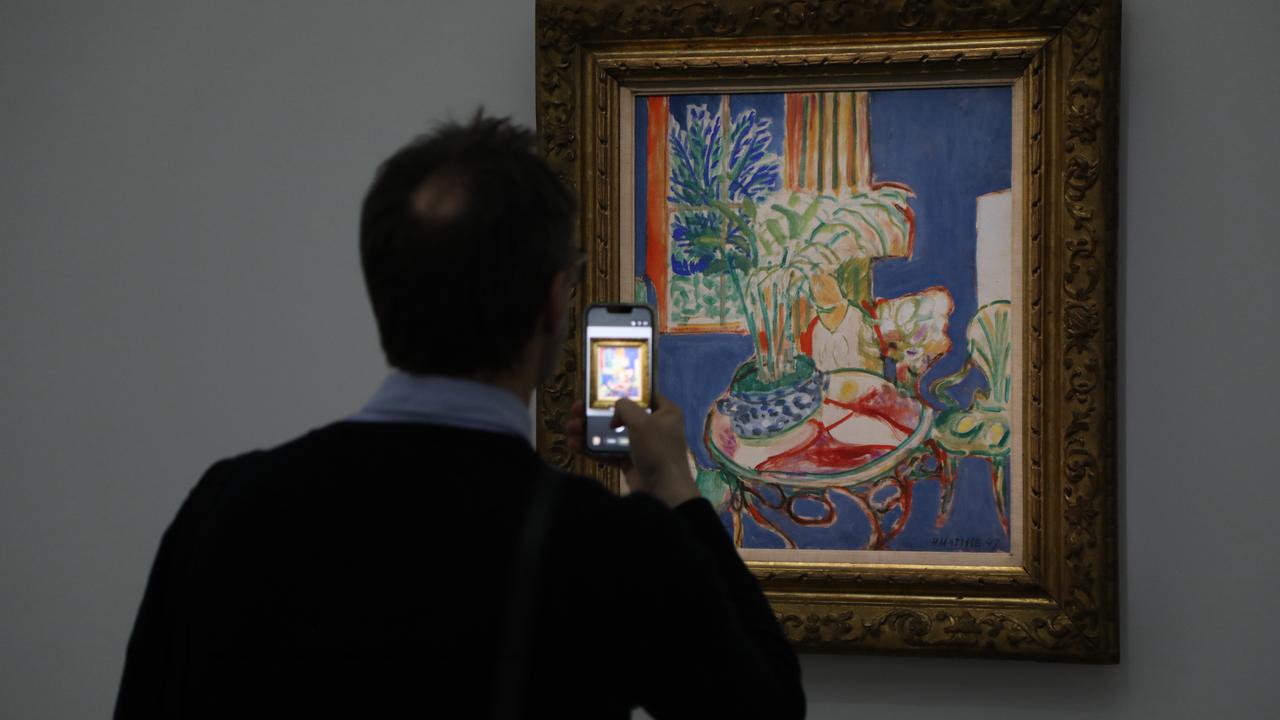
The Grand Palais in Paris is hosting a major exhibition, "Matisse, 1941-1954," bringing together more than 300 works from the final 13 years of Henri Matisse's life. Running from March 24 to July 26, the show sets out from the start to highlight a decisive late period in the French artist's career and opens up a wide view of how his work evolved during those years.
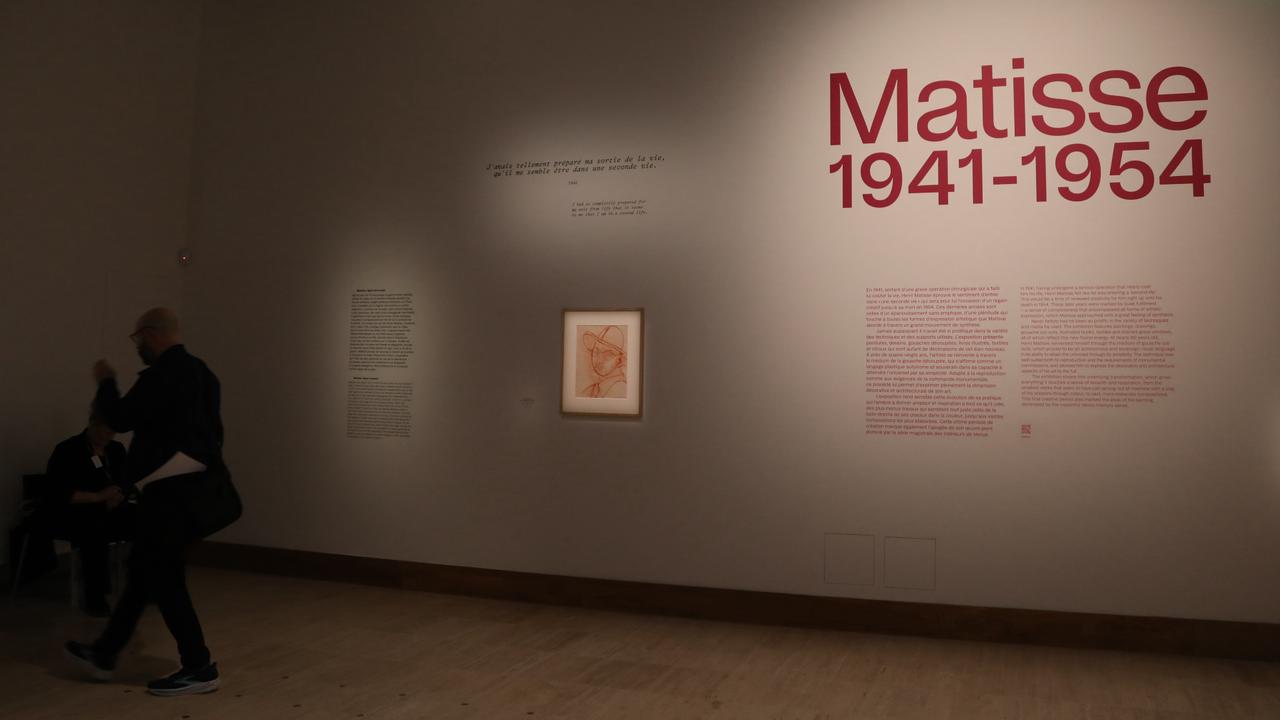
As visitors move through the exhibition, they come across works in several media, including paintings, drawings, textiles, stained glass and Matisse's well-known cut-outs. The term cut-outs refers to compositions made by cutting painted paper into shapes and arranging them into finished works, and their inclusion helps round out the breadth of the artist's production in this period.
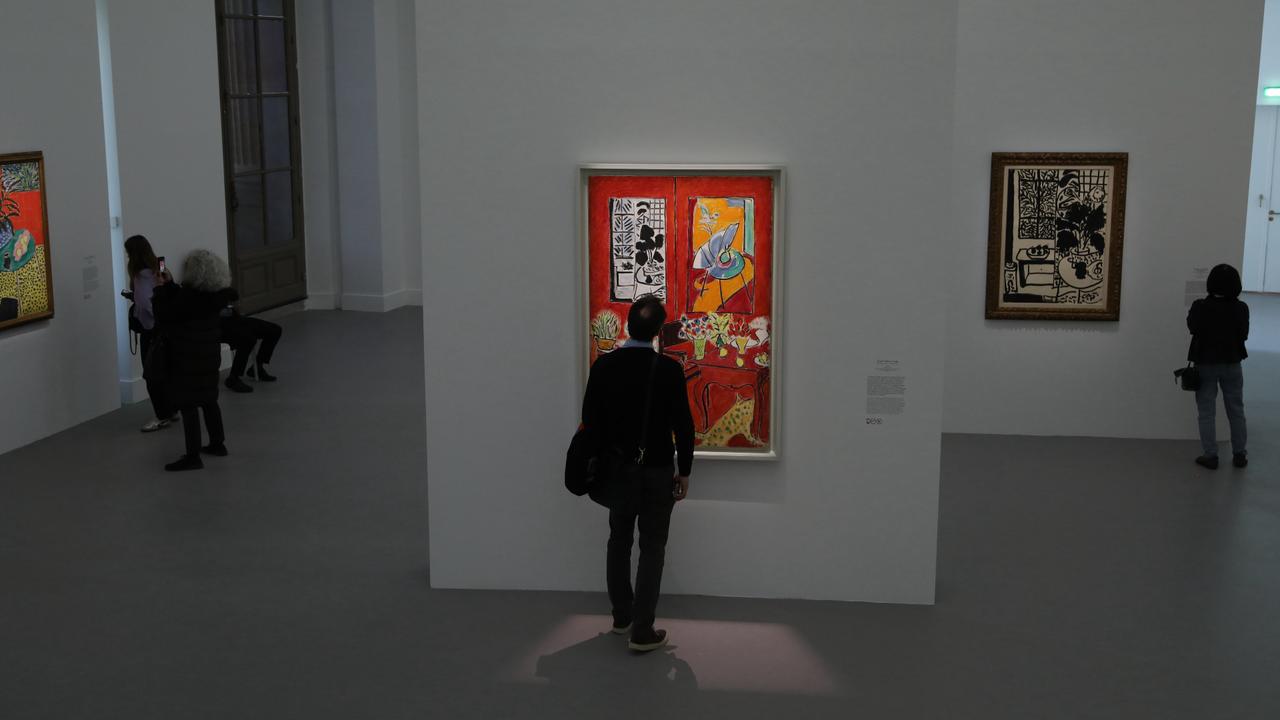
The exhibition also sheds light on Matisse's creative process during and after World War II, a period that shaped the final stretch of his life and work. Rather than focusing on a single format, the show brings together different forms of expression to show how he kept pushing forward and kept finding new ways to work across materials.
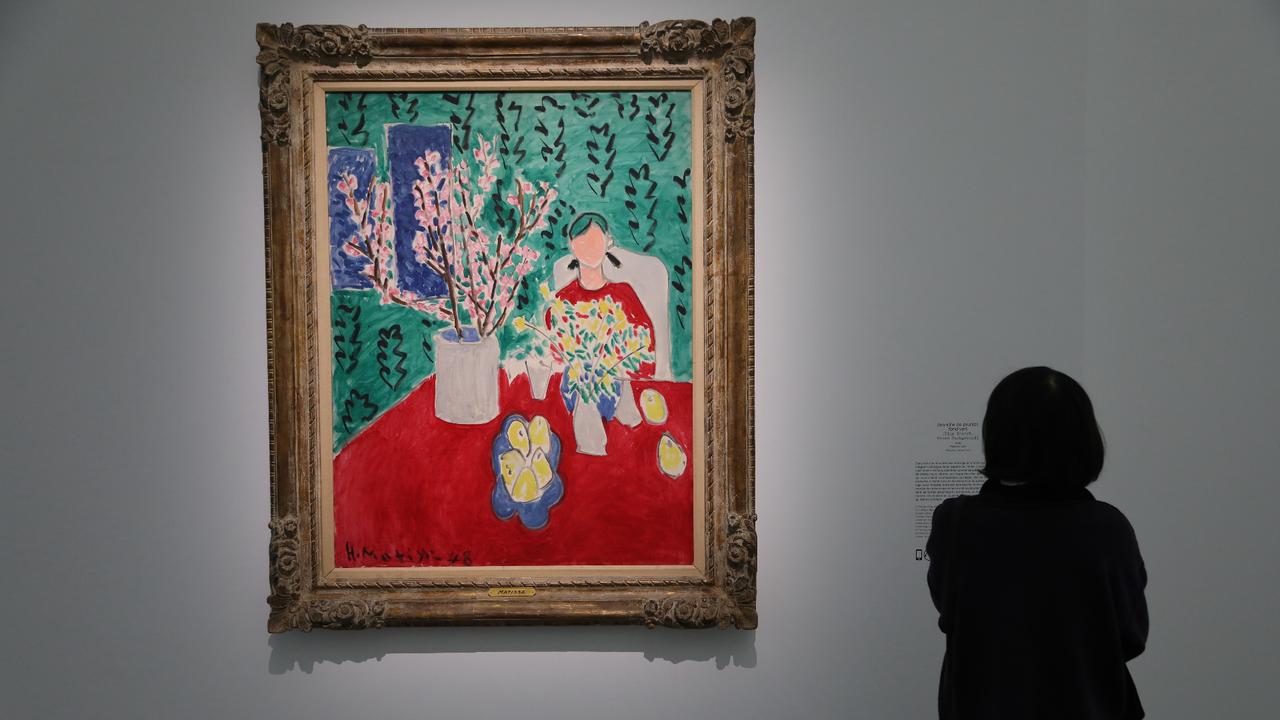
By drawing together such a broad selection, the exhibition shows how Matisse continued to break into new artistic territory in his later years. Paintings sit alongside stained glass and textiles, allowing visitors to trace how his ideas carried over from one medium to another and how this prolific phase unfolded across multiple forms.
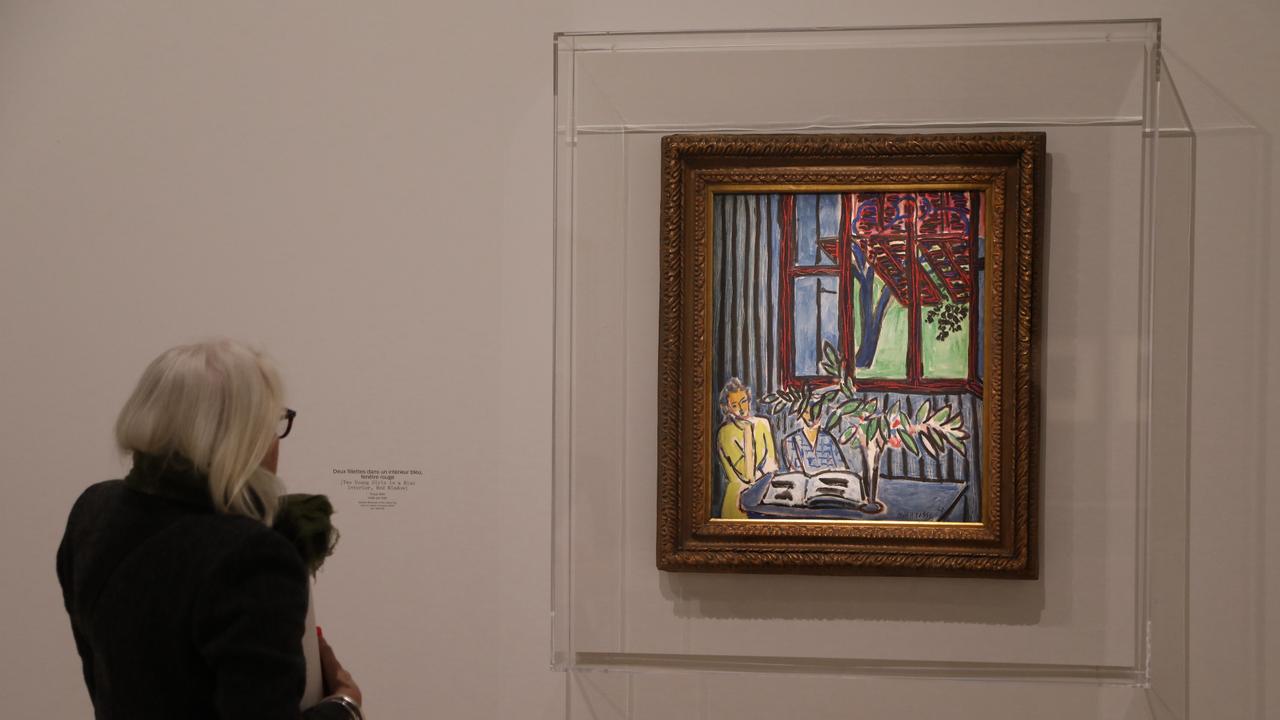
Through this large-scale presentation, visitors are given the chance to explore one of the most productive chapters of Matisse's career in a clear and accessible way.
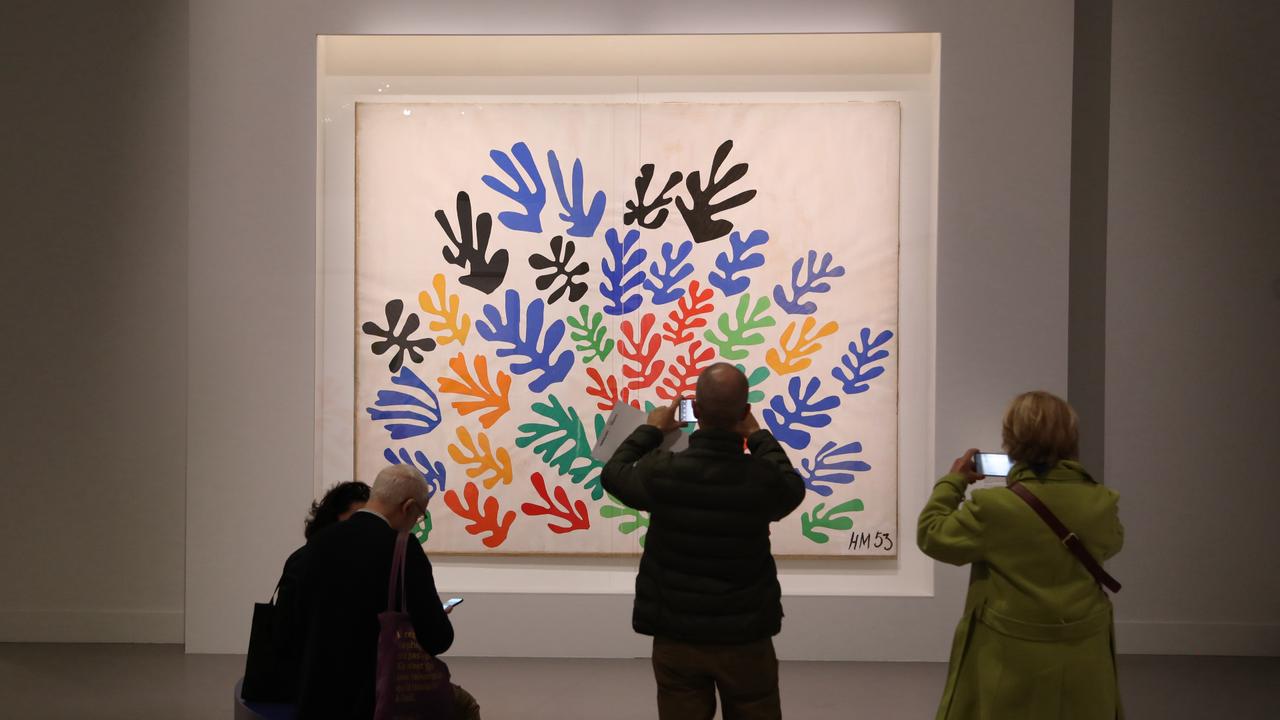
With more than 300 works on display, the exhibition lays out the scope of his later output while offering a focused look at the final years that helped define his artistic legacy.


 Set as preferred source


 2 min read