Newsletters


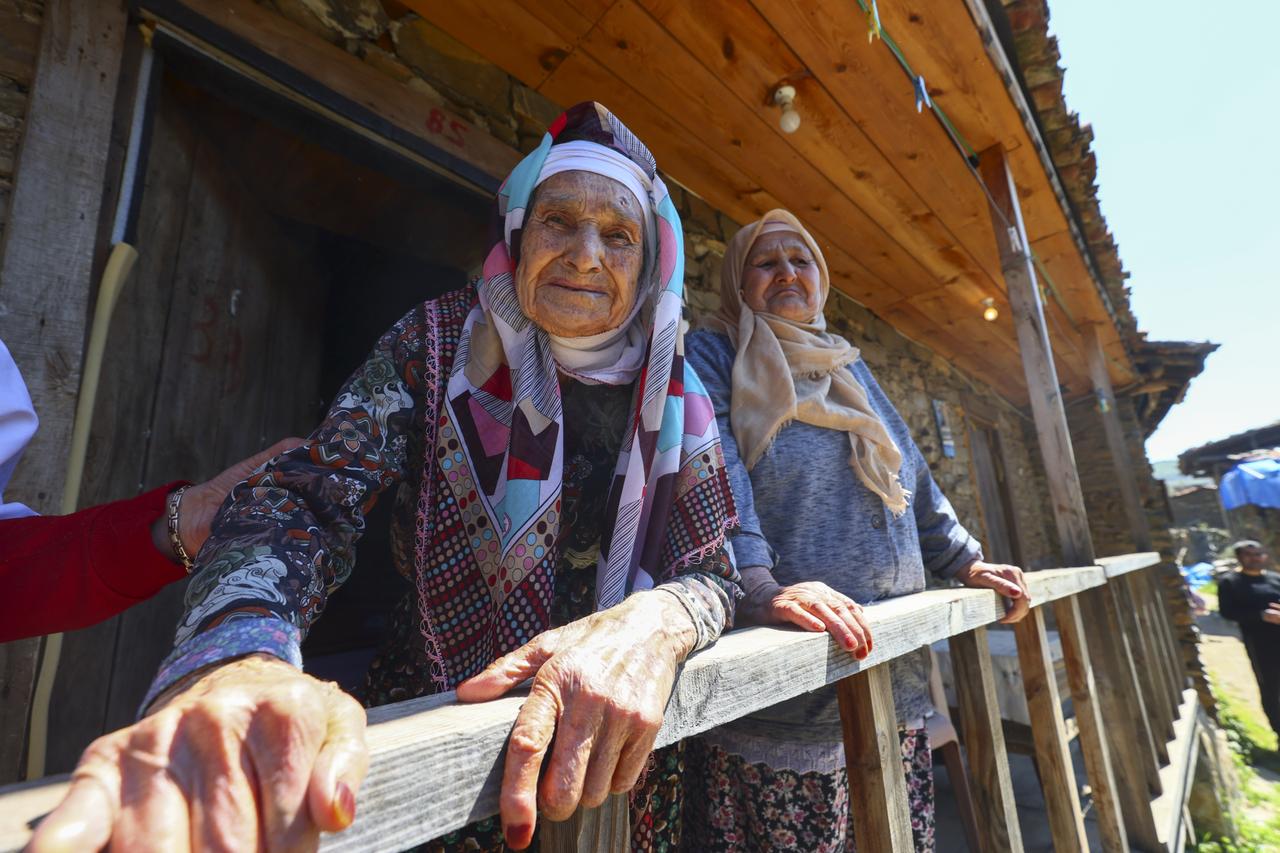


Lubbey, a near-abandoned settlement in western Türkiye where only a handful of families remain, is being prepared for a revival through restoration, infrastructure upgrades, and tourism-focused projects.
Located about 10 kilometers from Odemis district in Izmir, Lubbey traces its history back to the Hellenistic period. The settlement stands out for its traditional housing stock, built with a mix of stone, adobe, and mud plaster, reflecting architectural practices from the Ottoman era.
Today, only three households remain in the neighborhood, as decades of migration gradually emptied the village. The abandoned structures and quiet surroundings have led to its reputation as a “ghost village,” a label that reflects its current appearance rather than its historical significance.
The area has been officially designated as an urban archaeological site by the Ministry of Culture and Tourism. Within this protected zone are 44 examples of civil architecture, referring to traditional residential buildings and four monumental structures, highlighting the settlement’s cultural value.
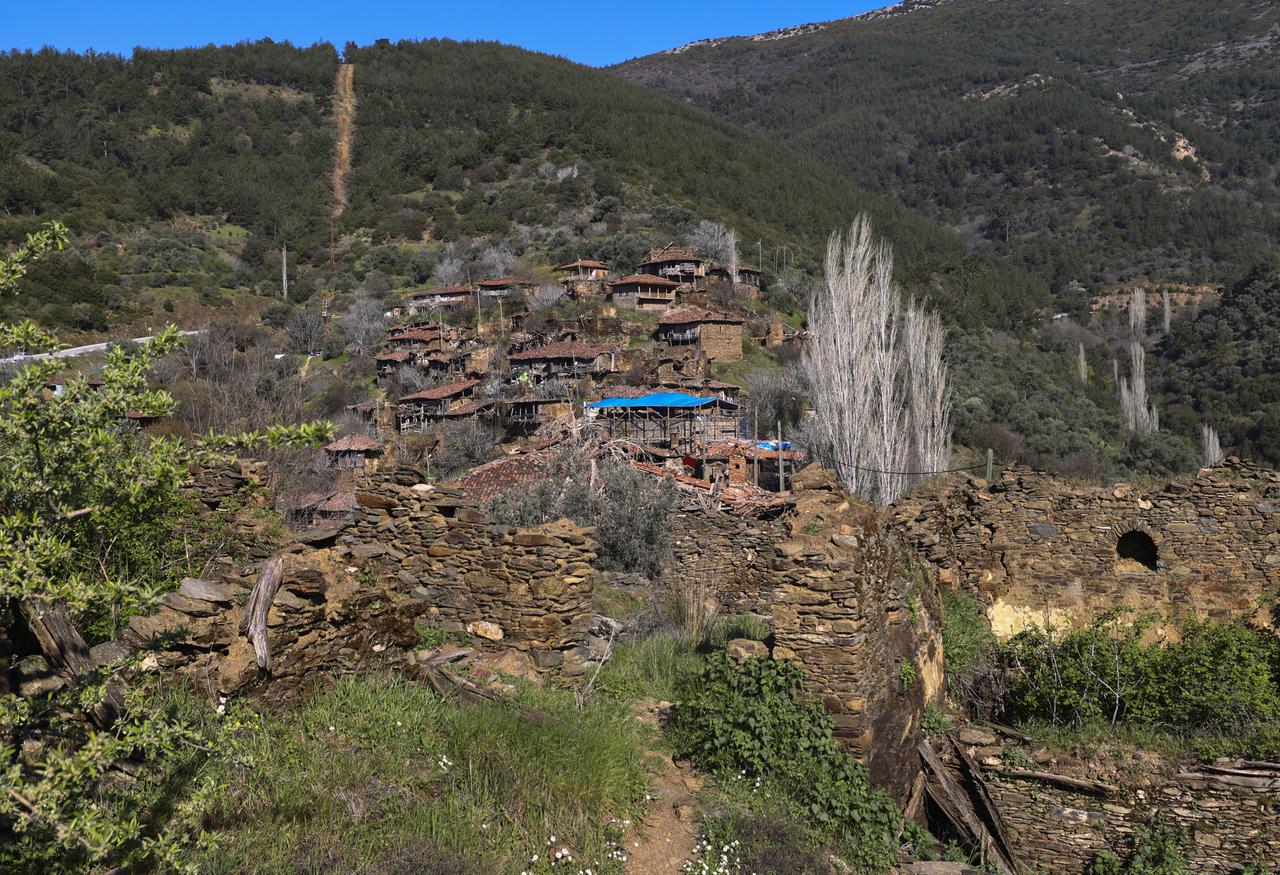

Local authorities now aim to bring the village back to life. Izmir Governor Suleyman Elban indicated that Lubbey has already begun to draw attention after being added to the Efeler Yolu cultural route, a long-distance walking trail that connects historically significant locations.
He noted that infrastructure improvements are gradually addressing the conditions that once pushed residents to leave. In the past, basic services such as electricity and water were introduced in nearby highland areas before reaching the village itself, prompting relocation. With these issues now being resolved, utilities have returned, and further upgrades to water and sewage systems are underway.
Elban also pointed out that interest in restoring the village is growing, with individuals beginning to purchase old houses for renovation. “With infrastructure in place, this area will once again become a center of attraction,” he said, emphasizing the expected transformation.
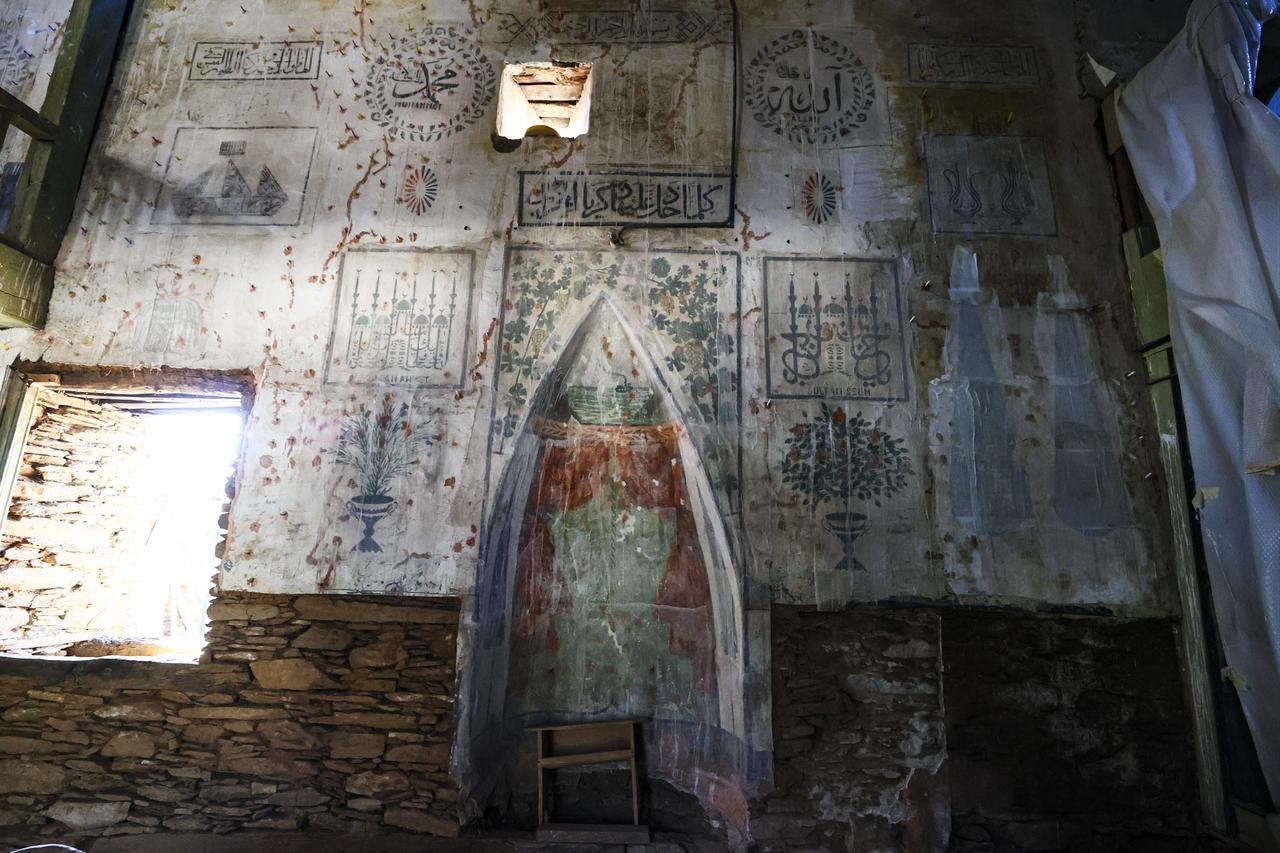
Efforts to preserve and restore key structures are already underway. According to Odemis Deputy Mayor Muhittin Cumhur Sener, restoration work on the village mosque is nearing completion.
He described the structure as a registered cultural asset that reflects traditional construction techniques, including Bagdadi architecture, a method in which wooden frames are filled with lath and plaster, and distinctive features such as Bursa-style arches. These elements point to a blend of stone and wood craftsmanship that defines the region’s architectural heritage.
Across the village, most of the roughly 100 houses remain in a derelict state. However, restoration work is ongoing in several properties, signaling the first steps toward reactivation. Authorities expect the completion of current projects to help showcase the village’s historical layers and natural setting.
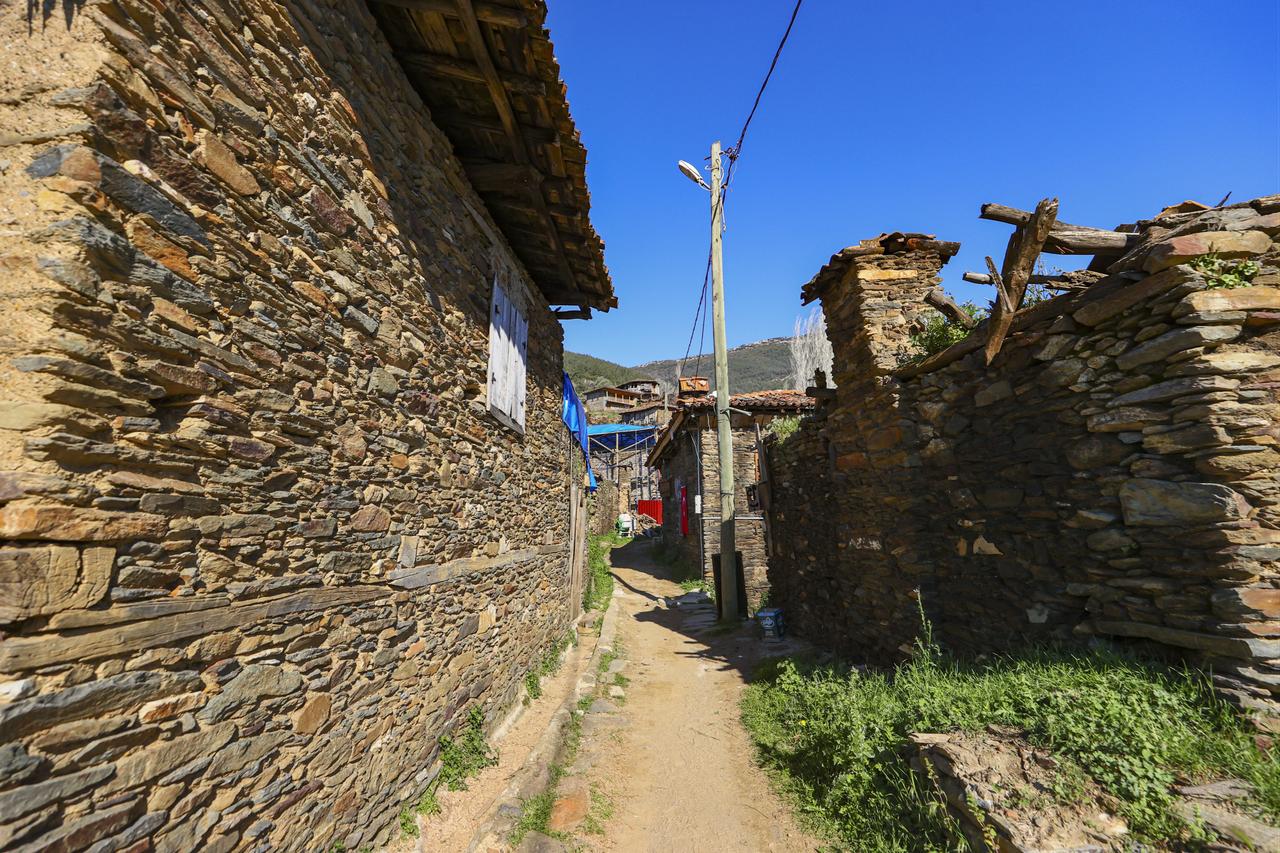
Beyond its architectural value, Lubbey also holds historical importance linked to the Turkish War of Independence, having hosted local resistance fighters known as “efes.” This background adds another dimension to efforts aimed at repositioning the village as a cultural destination.
Officials noted that documentaries and films have already been shot in the area, and academic work is underway to document its historical narratives. These initiatives are expected to support broader efforts to integrate Lubbey into cultural tourism networks.
As infrastructure gaps are closed and restoration projects move forward, authorities expect the village to gradually shift from abandonment toward renewed visibility, with tourism positioned as the main driver of its revival.


 Set as preferred source
 Set as preferred source



 2 min read