Newsletters


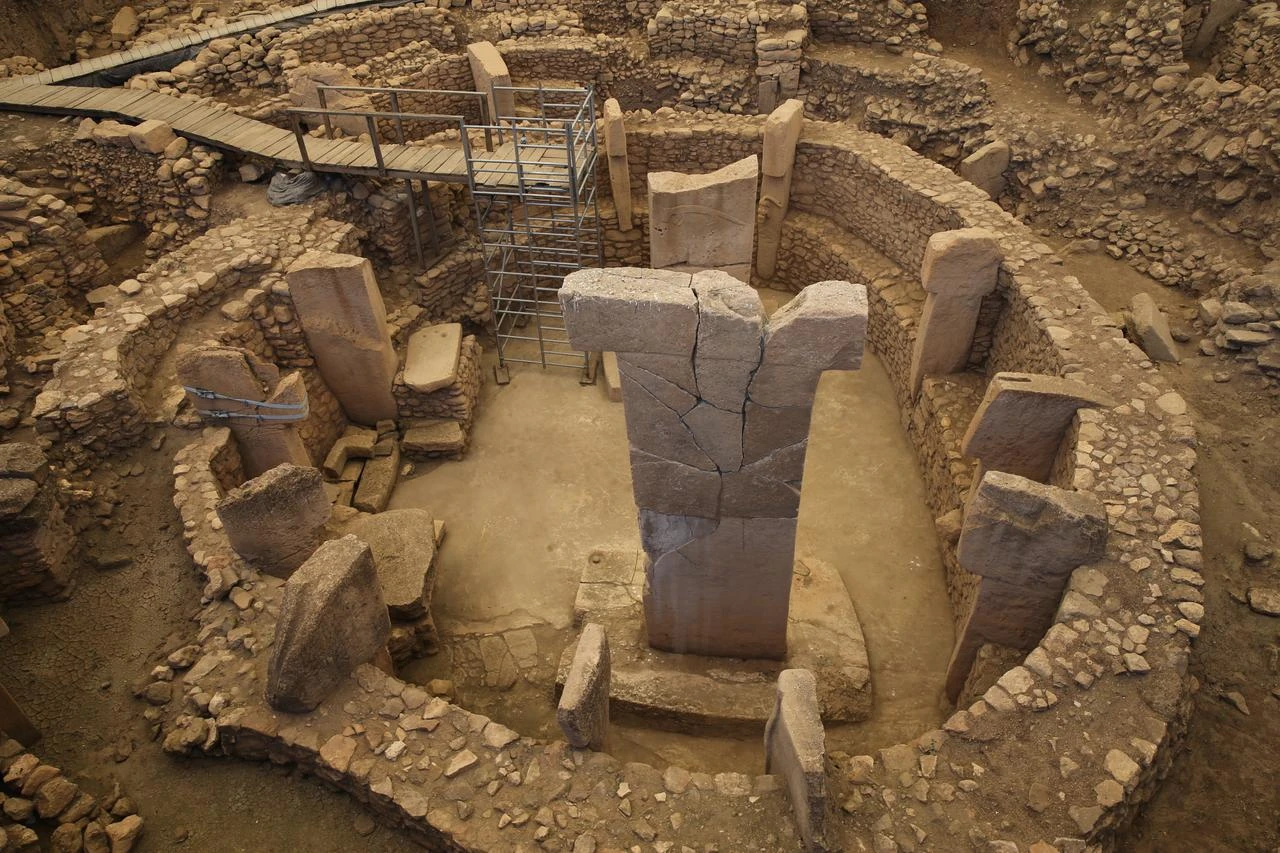


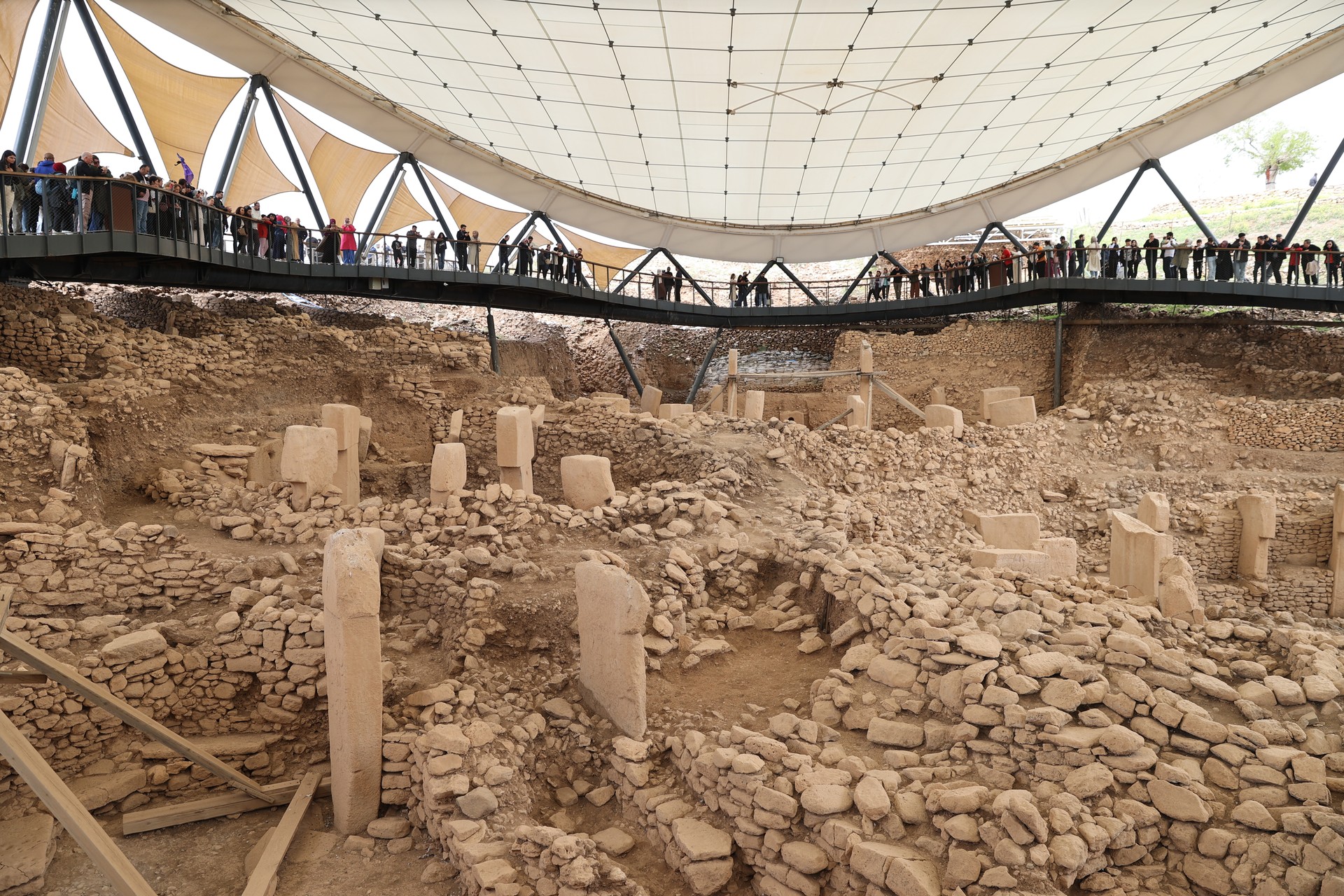
Gobeklitepe, the 12,000-year-old archaeological site in southeastern Türkiye, often described as the world's oldest ritual complex, has welcomed more than 4.4 million visitors in the eight years since it was added to the UNESCO World Heritage List.
Located near the village of Orencik, about 18 kilometers from Sanliurfa, Gobeklitepe has become one of Türkiye's most internationally recognized heritage sites. Its inclusion on UNESCO's list, the United Nations' cultural heritage register for places considered to have outstanding universal value, has helped turn the site into a major destination for both local and foreign visitors.
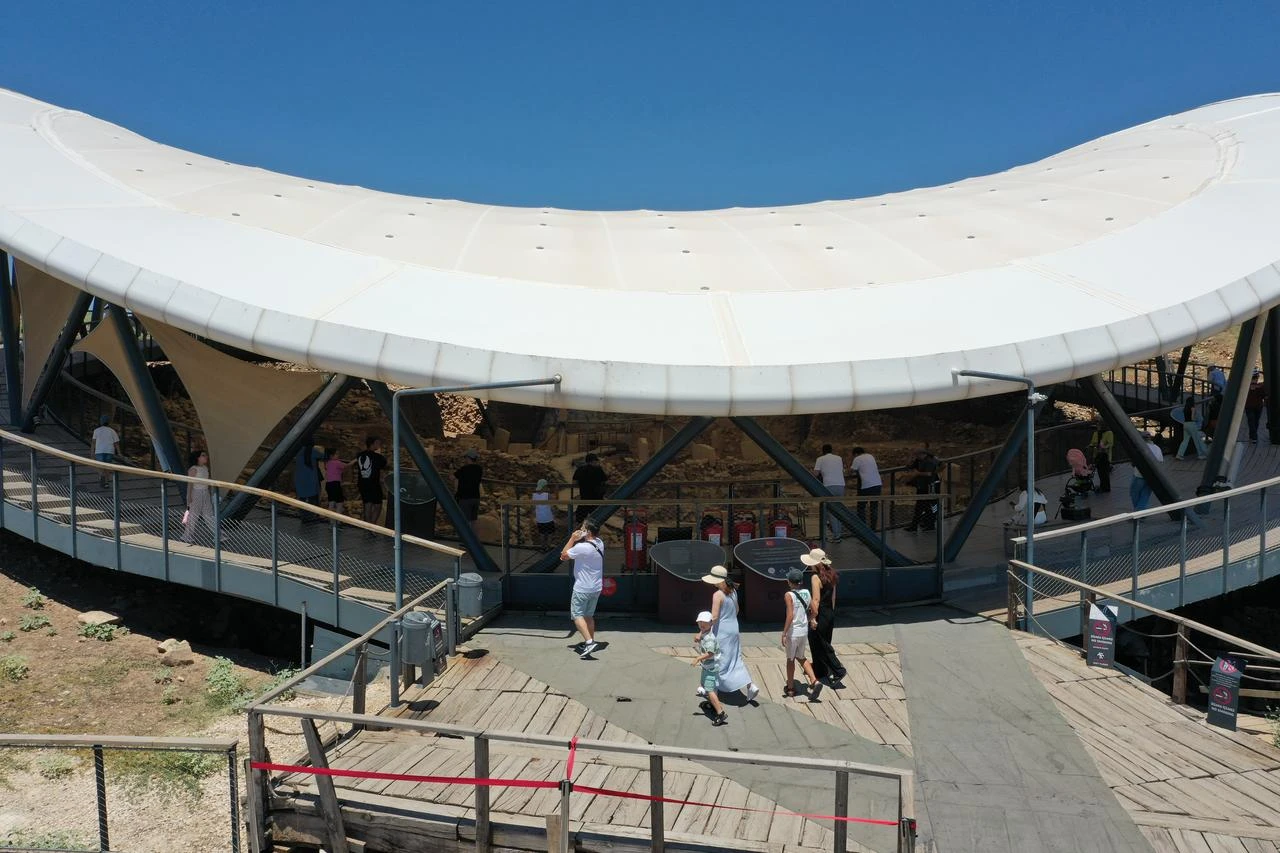

Gobeklitepe was added to UNESCO's World Heritage List in July 2018, after first being placed on the tentative list, a candidate stage for possible future inscription, in 2011.
The listing gave the site wider global visibility, while Türkiye's declaration of 2019 as the "Year of Gobeklitepe" further helped promote it abroad. Despite a decline in visitors during the COVID-19 pandemic and regional natural disasters, official figures show that 4,409,590 people have visited the site over the past eight years.
Mehmet Kamil Turkmen, head of the Sanliurfa Tourism Development Association, said the UNESCO recognition had played a key role in drawing international attention to Gobeklitepe. He noted that more than 320,000 people visited the site in the first half of 2026 despite adverse weather conditions, suggesting that annual visitor numbers could move toward one million this year.
"When a site is on the UNESCO list, it becomes a must-see destination in the eyes of international visitors," Turkmen said.
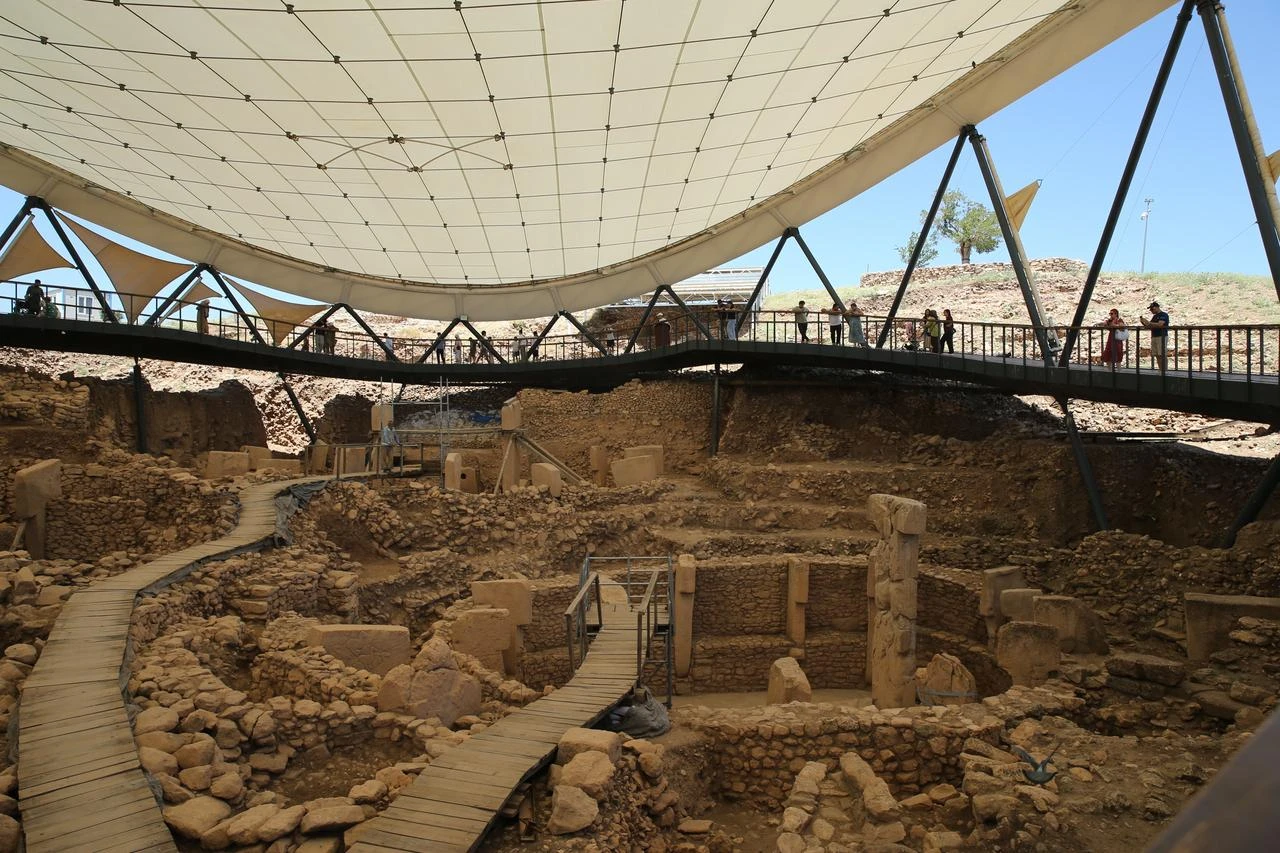
Gobeklitepe first drew archaeological attention through surface surveys in the 1960s, while a chance discovery in 1986, when a farmer uncovered a carved statue while plowing his field, helped bring renewed focus to the area.
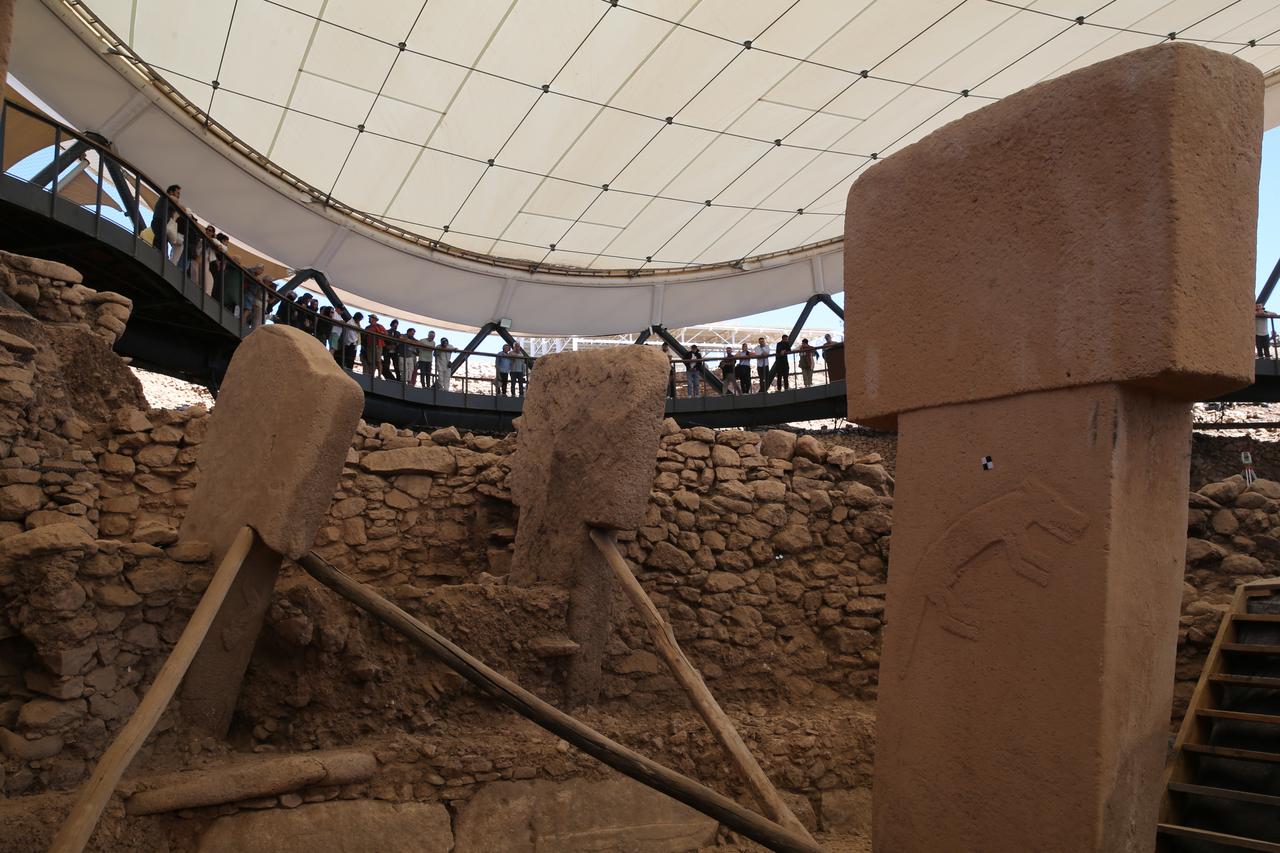
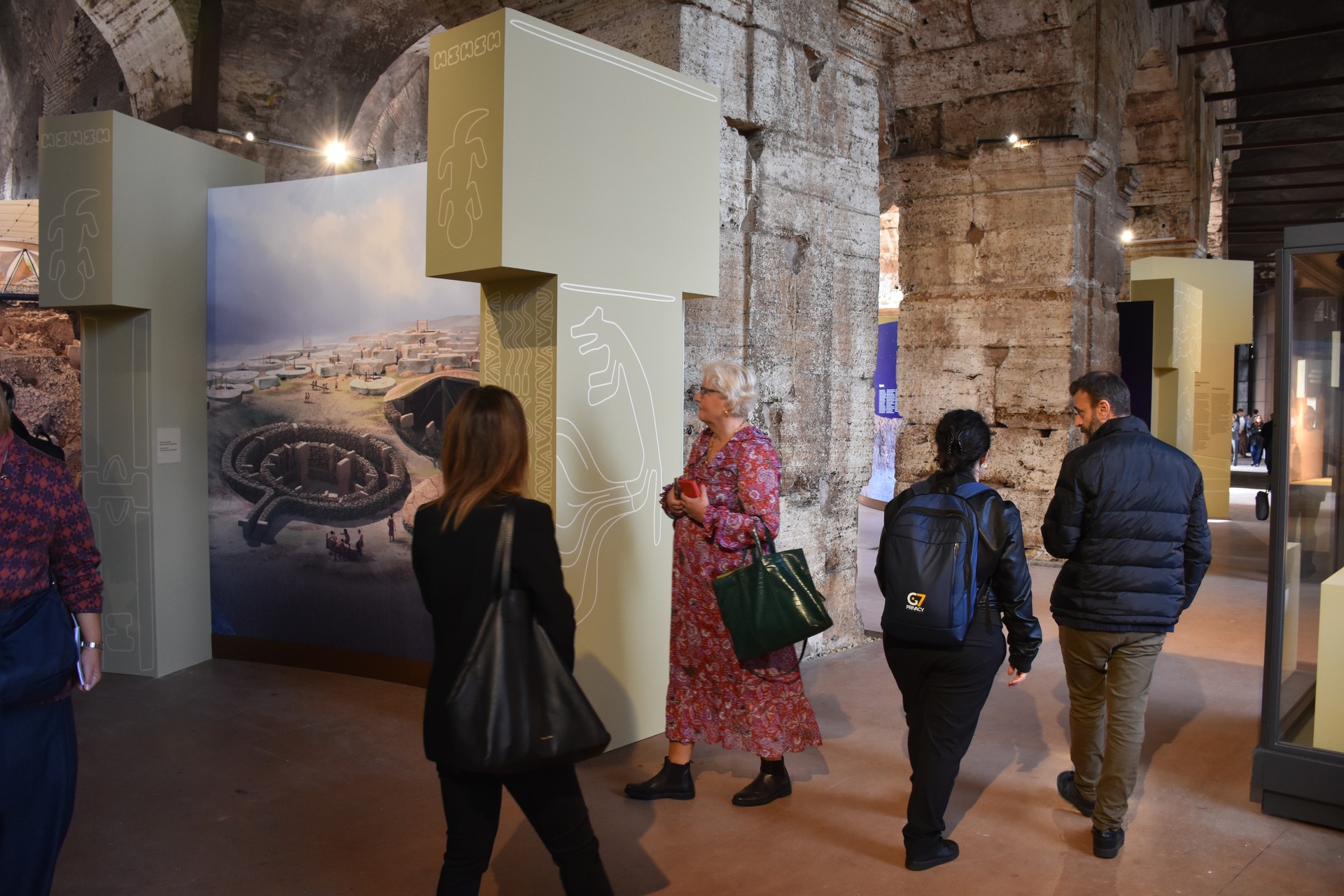
Systematic excavations began in 1995 and revealed massive T-shaped stone pillars from the Neolithic period, also known as the late Stone Age. Some of the pillars reach up to 6 meters in height and weigh as much as 60 tons. Many are decorated with animal reliefs, offering a striking view into the symbolic and ritual world of early settled communities.
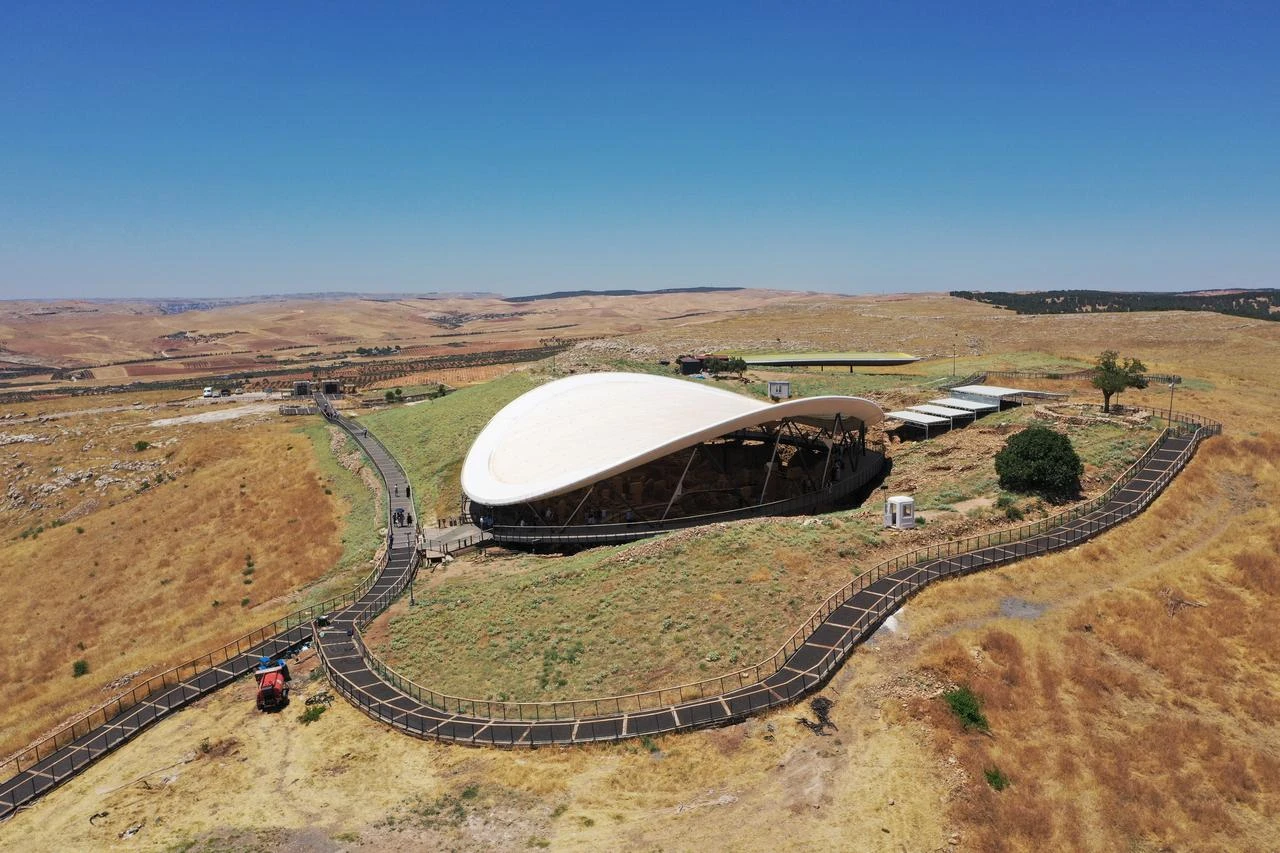
Local tourism officials say Gobeklitepe has become a major driver of tourism in southeastern Türkiye, helping bring wider attention to Sanliurfa and nearby heritage destinations.
Turkmen said other regional sites, including Balikligol and Harran, are also on UNESCO candidate lists, while nearby Karahantepe is expected to join the permanent list in the future.


 Set as preferred source
 Set as preferred source


 1 min read
 1 min read