Newsletters


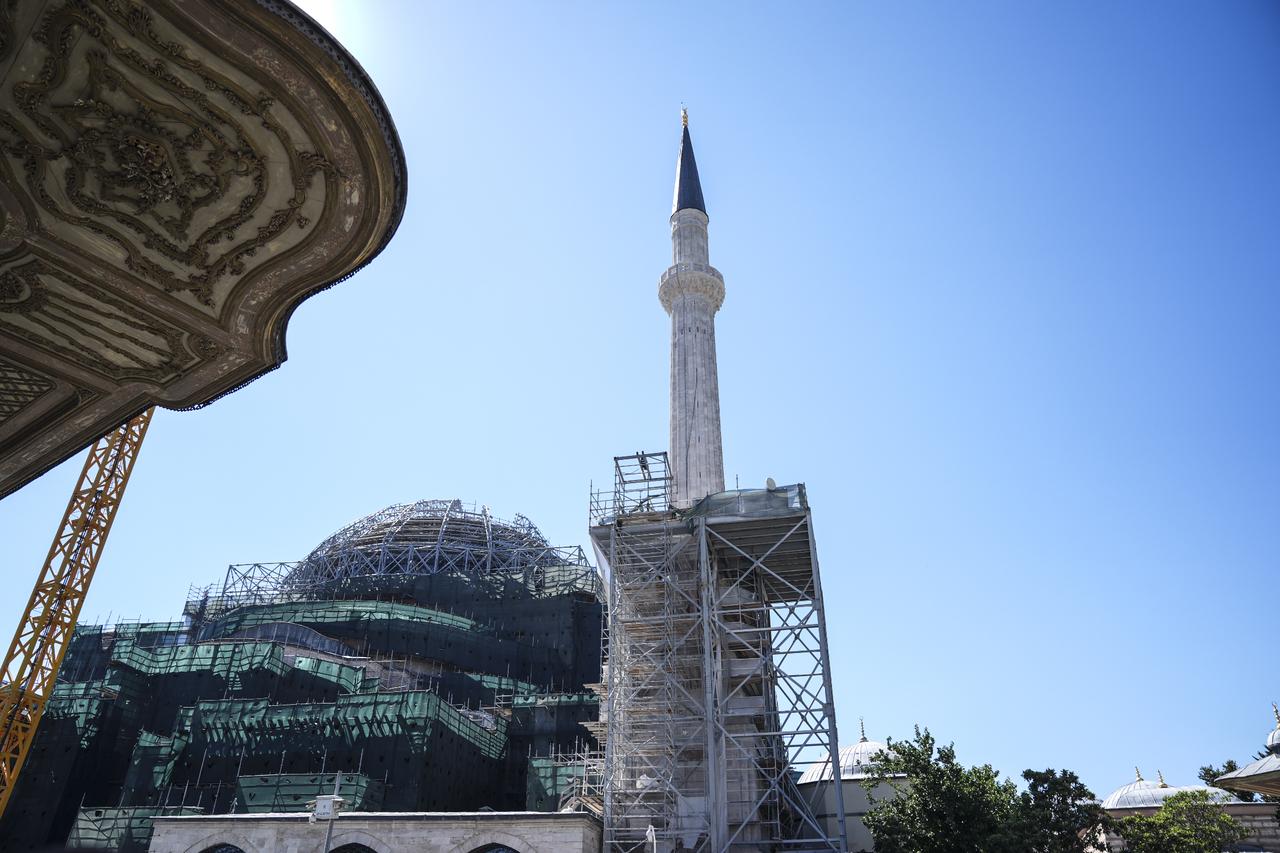


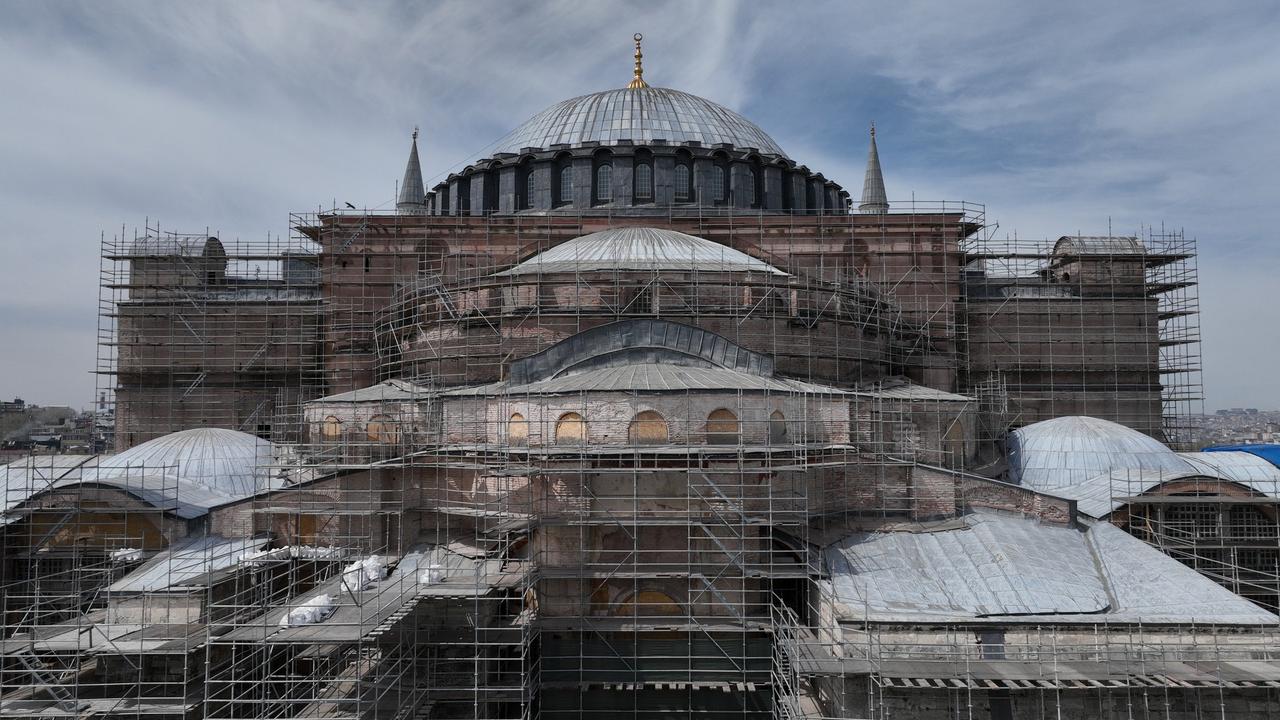
Kufeki stone quarried in Edirne is being used for the first time in the restoration of Hagia Sophia Grand Mosque, as conservation teams look for a durable replacement material close to the historic stonework once sourced from Istanbul.
The stone, extracted from a quarry in Suloglu district, has already been preferred in several major restoration projects across Türkiye, including the restoration of Selimiye Mosque and the reconstruction works at Edirne Palace.
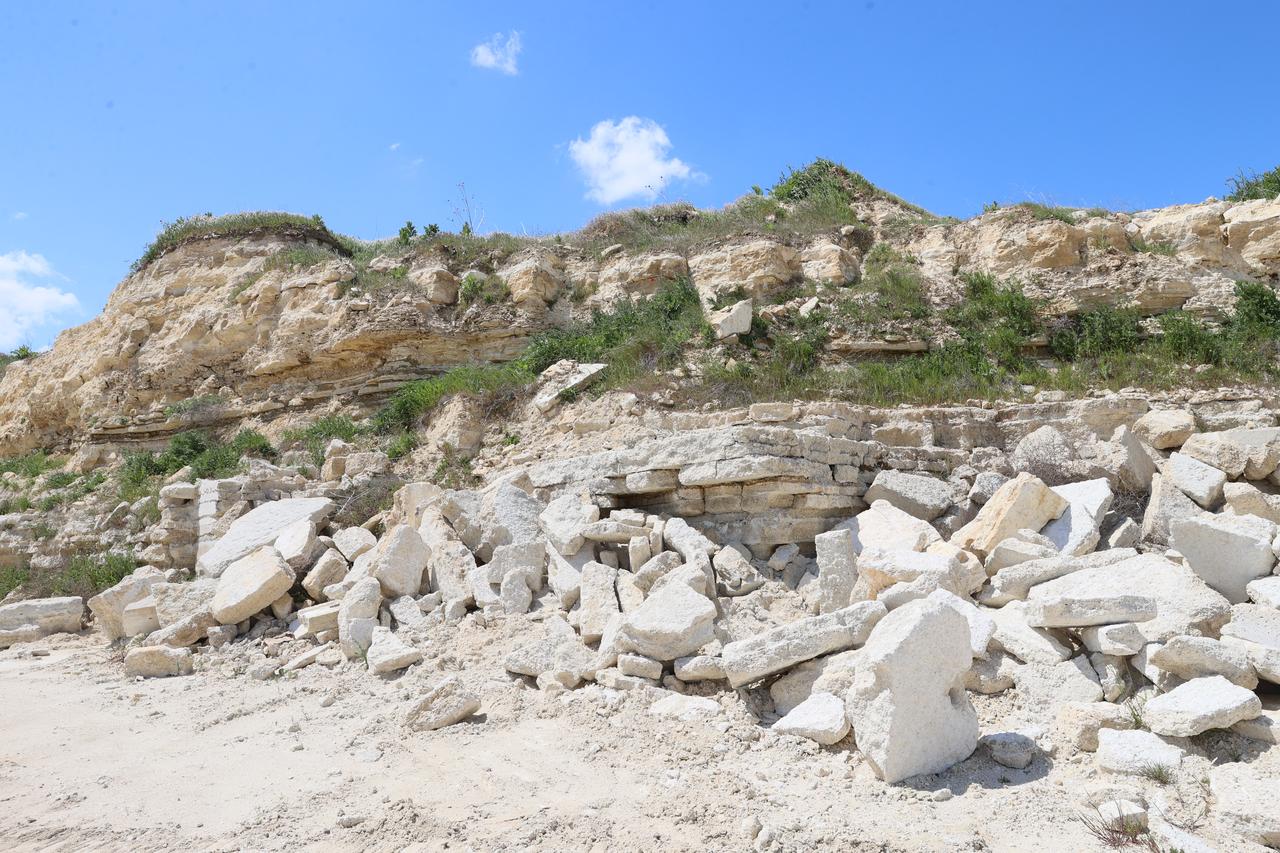

Kufeki stone is a calcium-carbonate-based building stone that contains shell fossils. It is known for being soft enough to shape easily when first quarried, before hardening as it comes into contact with air.
According to officials, this quality allows the stone to gain strength over time and helps historic buildings hold up for longer. The material was widely used during the Roman, Byzantine and Ottoman periods, and it continues to play a role in the repair of monumental structures today.
Levent Cetin, deputy director of the Istanbul Regional Directorate of Foundations, said monumental architecture forms one of the key parts of Istanbul's historic and cultural heritage.
He explained that Bakirkoy kufeki stone, one of Istanbul's local stones, was used extensively in the city's major historic buildings. Hagia Sophia also contains stone once obtained from quarries around Haznedar, Bagcilar and Bakirkoy.
However, Cetin said those old quarry areas are now covered by residential districts, making it almost impossible to obtain the same stone from Istanbul today.
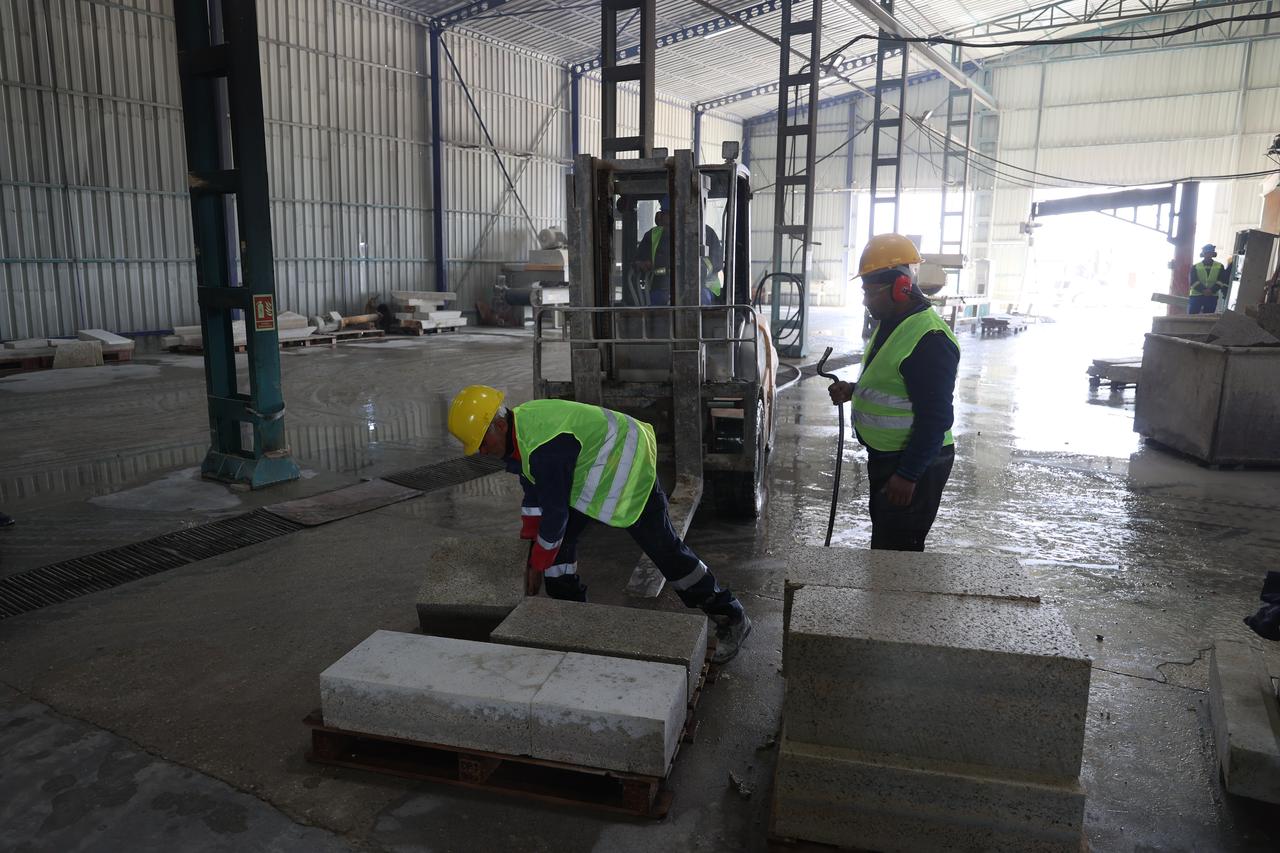
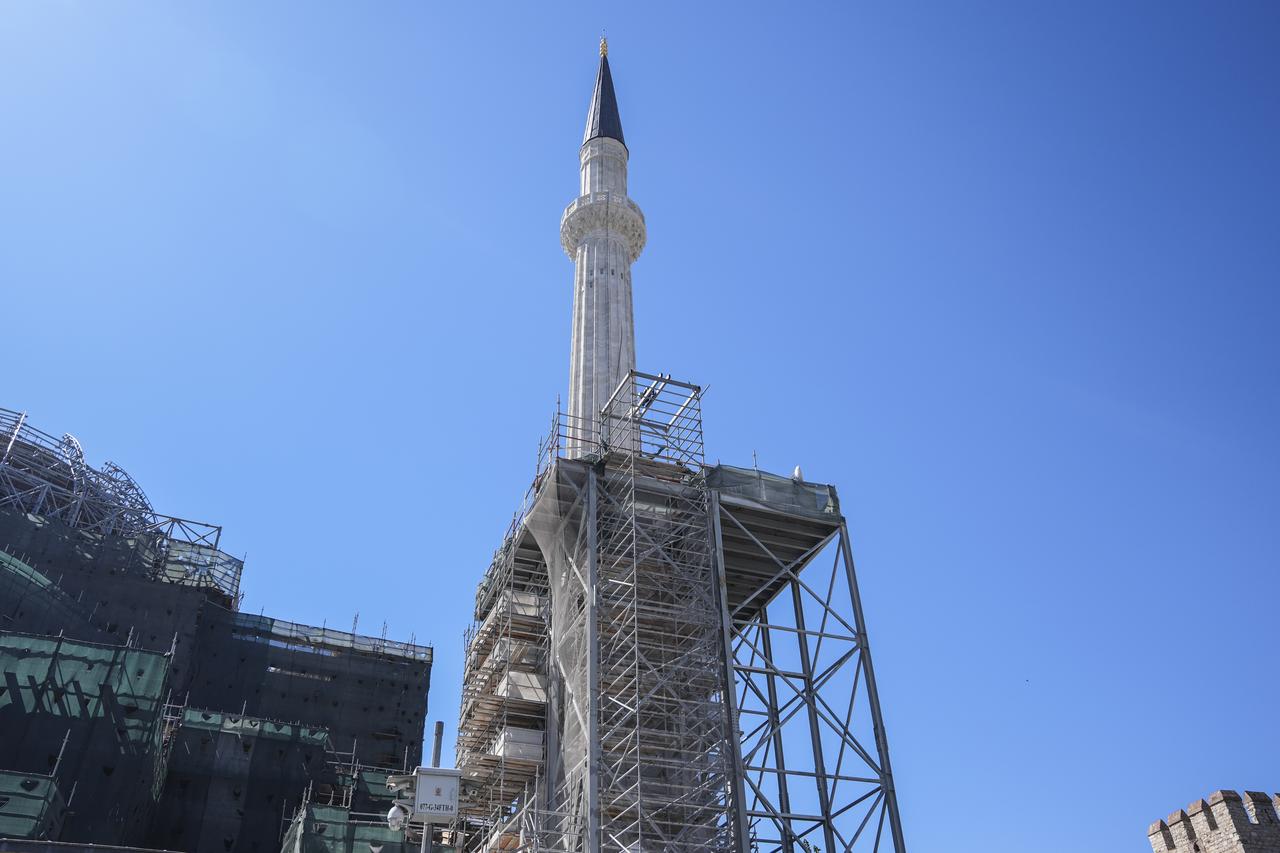
During restoration work on the Bayezid II minaret of Hagia Sophia, teams found that Bakirkoy kufeki stone had been used heavily in the structure. They also identified later repairs carried out with kufeki stones brought in from different regions.
Cetin said those later stones were not found to be as strong as Bakirkoy kufeki in structural terms. This led the Directorate General of Foundations to look for a material that would match the existing stone visually and structurally.
He said samples from the Suloglu quarry were taken before use at Hagia Sophia and put through physical, mechanical and laboratory tests. After technical reports were prepared, the findings were submitted to the scientific committee, and the supply process began after the necessary approvals were received.
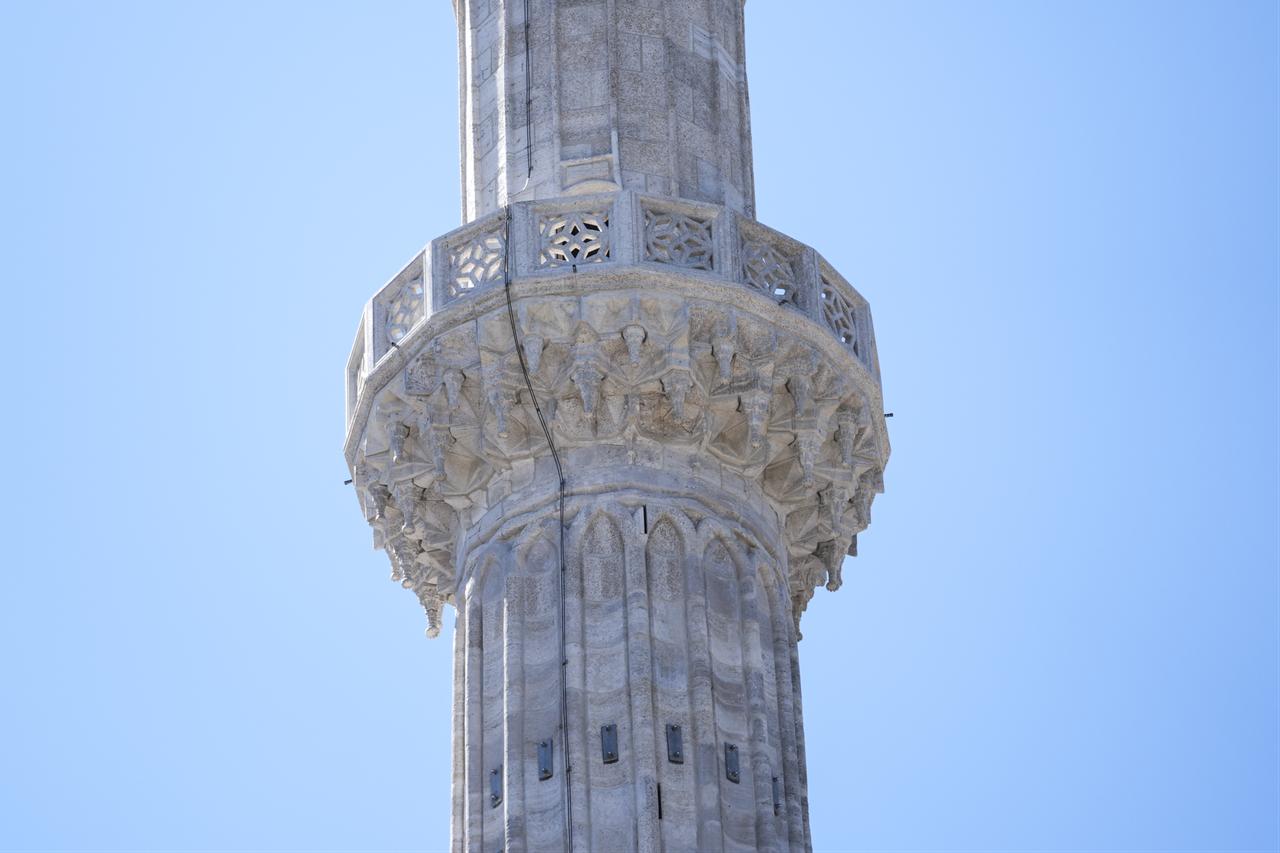
Because of the minaret's structure, the restoration team needed large block stones. Special quarrying was carried out at different points and depths in Suloglu, and single-piece, homogeneous blocks with similar color tones and no visible veins were selected.
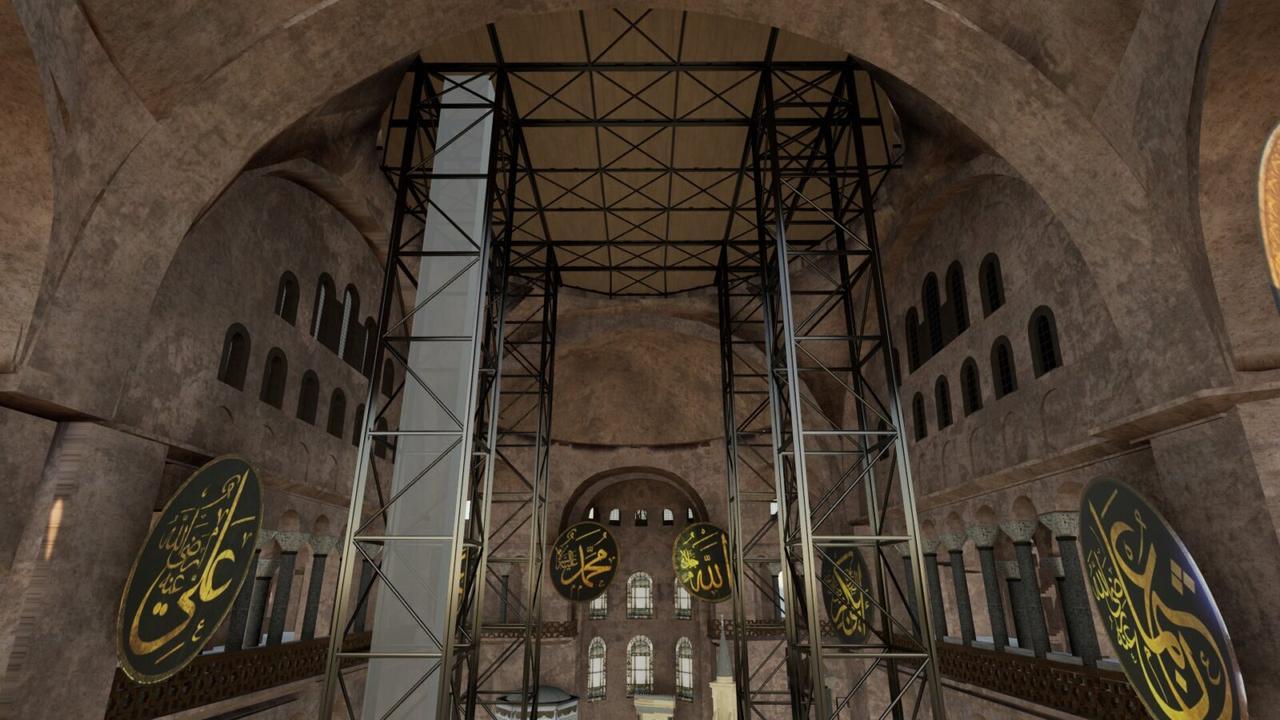
Cetin said the chosen stones were used to replace pieces that had lost their structural strength. He added that the minaret restoration was completed safely and that the scaffolding had been taken down, while other restoration works at Hagia Sophia continue with the approval of the scientific committee and relevant board.
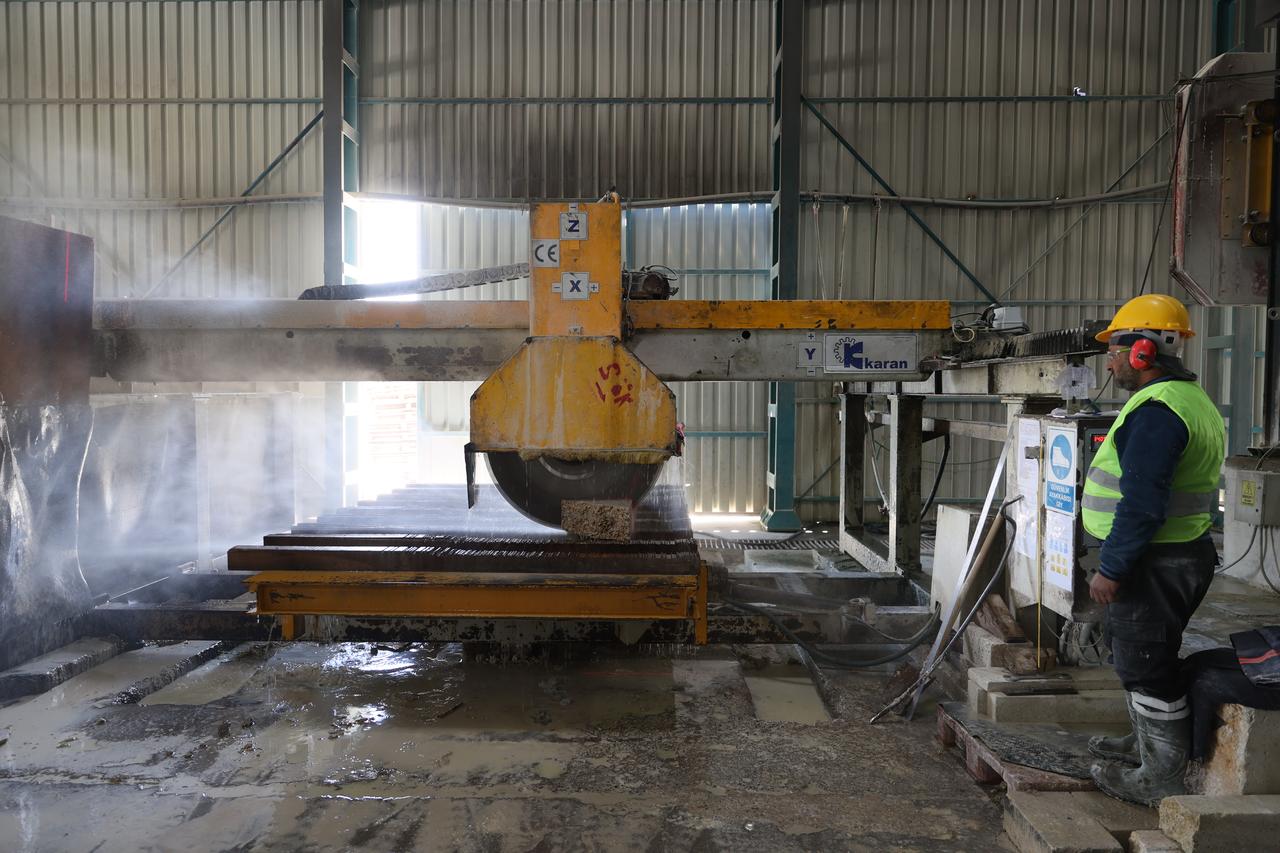
Bedri Koza, owner of the company operating the Suloglu quarry, said they were proud to contribute to the preservation of Türkiye's historical heritage.
He said the use of their stones in restoration works helped bring historic structures back to life, adding: "We are also proud to contribute to bringing these stones we produce into the country through restoration."
Koza said monuments such as Hagia Sophia, Selimiye, Suleymaniye and works by Mimar Sinan should not be forgotten, and that any contribution to their survival was a source of great happiness.
 1 min read
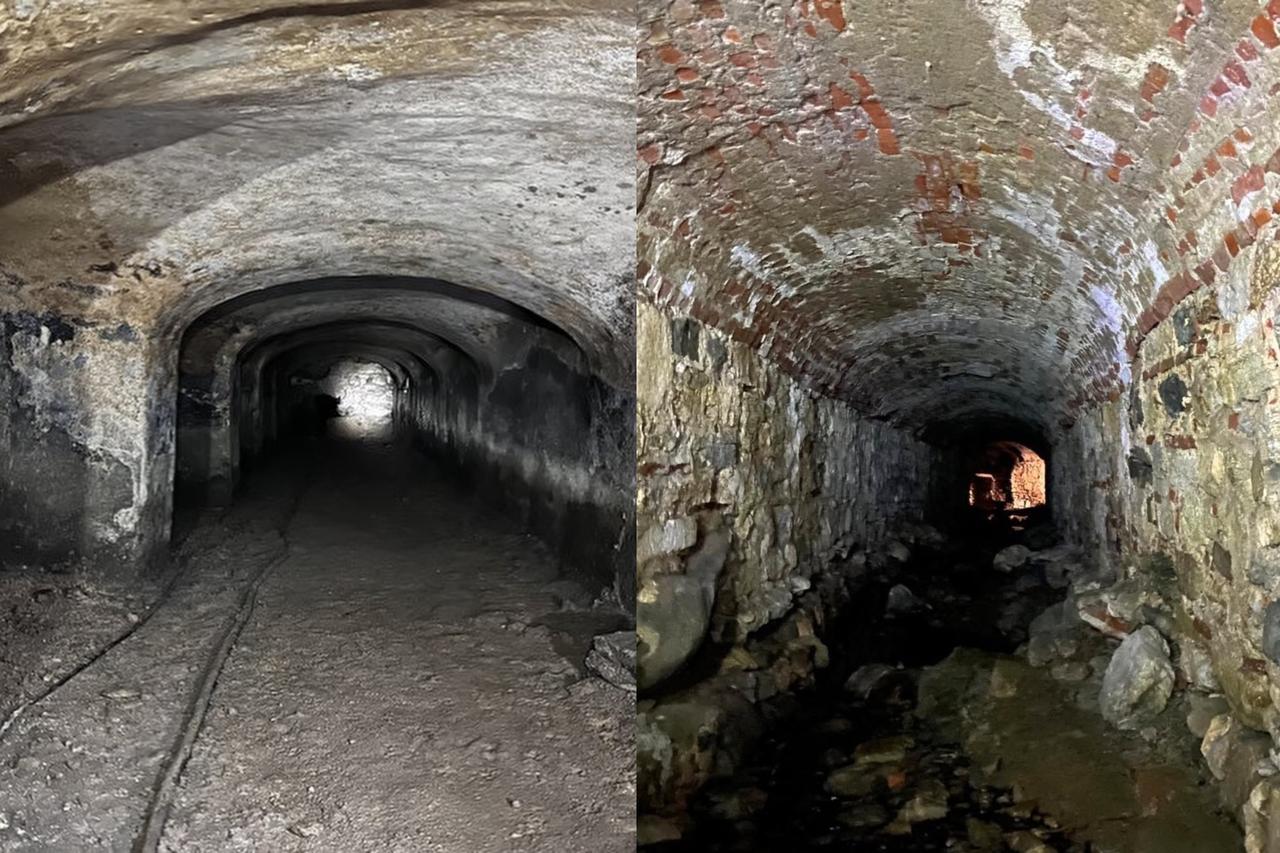
Ali Cildogan, the company's manager, said kufeki stone from the region contains calcium carbonate and shell fossils. He said the stone had passed hardness tests and explained that calcium carbonate reacts with carbon dioxide in the air, turning into calcite and allowing the stone to harden over time.
Cildogan said stone had been sent to Hagia Sophia, whose restoration is ongoing, and added that they were honored because a local source was being used.


 Set as preferred source
 Set as preferred source


 1 min read