

 Newsletters


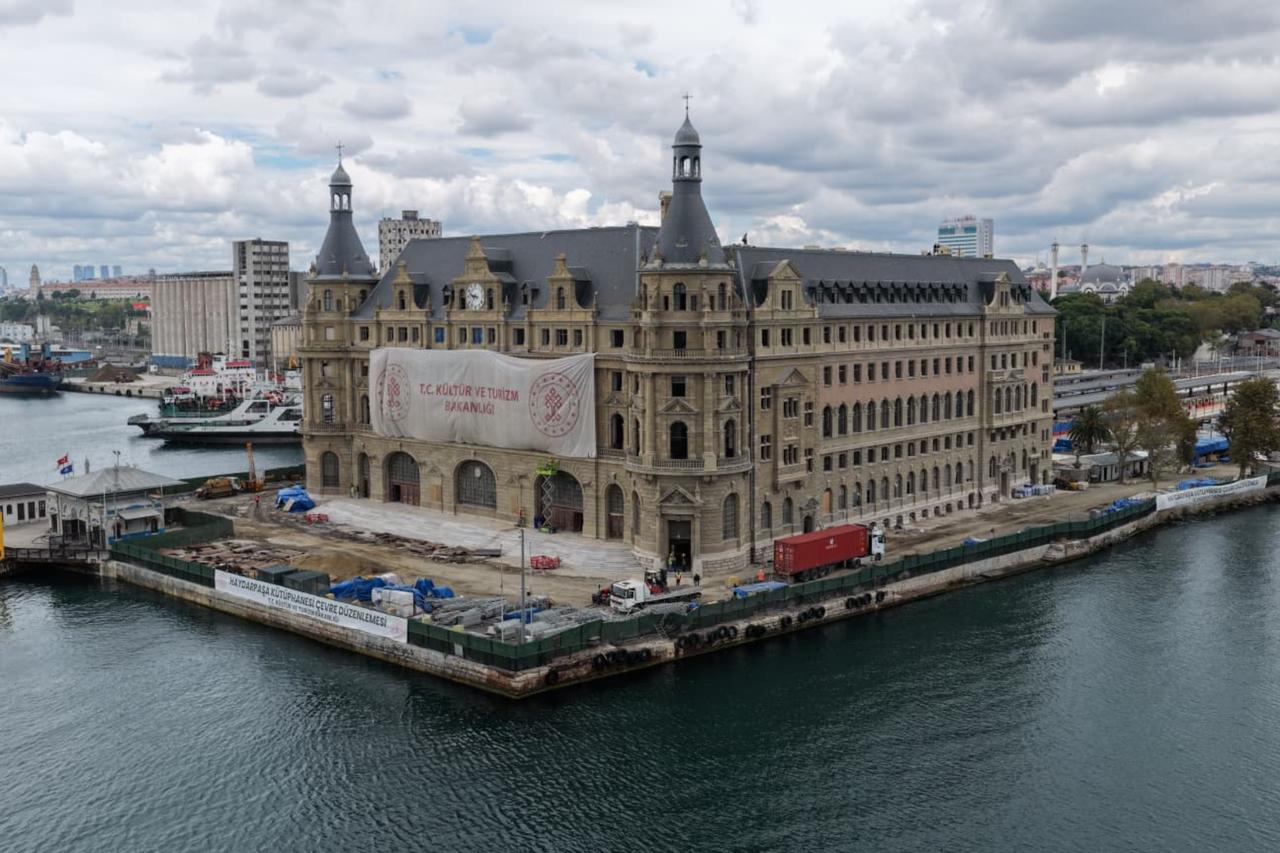


Around 80% of the approximately 1,000 timber piles originally placed beneath Istanbul's historic Haydarpasa Station have disappeared over time, according to new technical findings announced as part of the building's most extensive restoration since its official opening in 1909.
Türkiye's Culture and Tourism Minister Mehmet Nuri Ersoy said ground-penetrating radar surveys identified only around 200 of the original piles, prompting engineers to carry out extensive foundation and soil reinforcement after separate studies also detected a risk of ground liquefaction.
The findings have led officials to revise the restoration schedule, with the first phase of the Haydarpasa project now expected to be completed in 2027.
"While carrying Haydarpasa into the future, we have reached a critical finding regarding the foundations of the historic station building," Ersoy said.
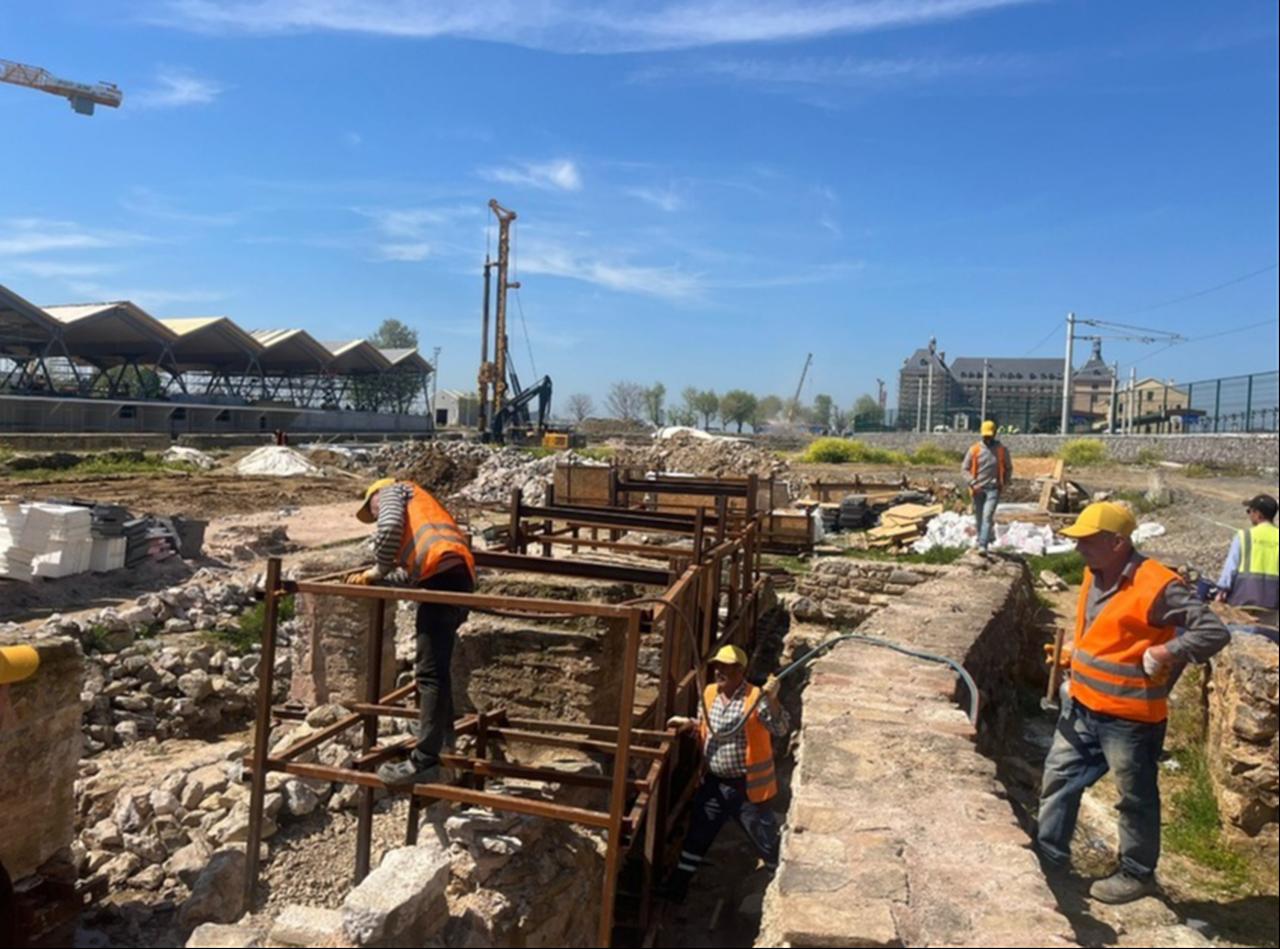

Research into Haydarpasa's original construction plans showed that about 1,000 timber piles had been installed beneath the building when it was first built.
Ground-penetrating radar examinations were later carried out to determine how many remained in place. Only around 200 could be identified, while approximately 800 were no longer there.
Further investigations, including drilling, laboratory tests, geophysical measurements and structural monitoring, found that the ground around the building consists of heterogeneous fill and liquefiable sand and is loose and saturated with water.
Liquefaction occurs when water-saturated ground loses strength under certain conditions, potentially causing structures above it to settle or move sideways. The assessments found that such movement could pose a risk to the historic station.
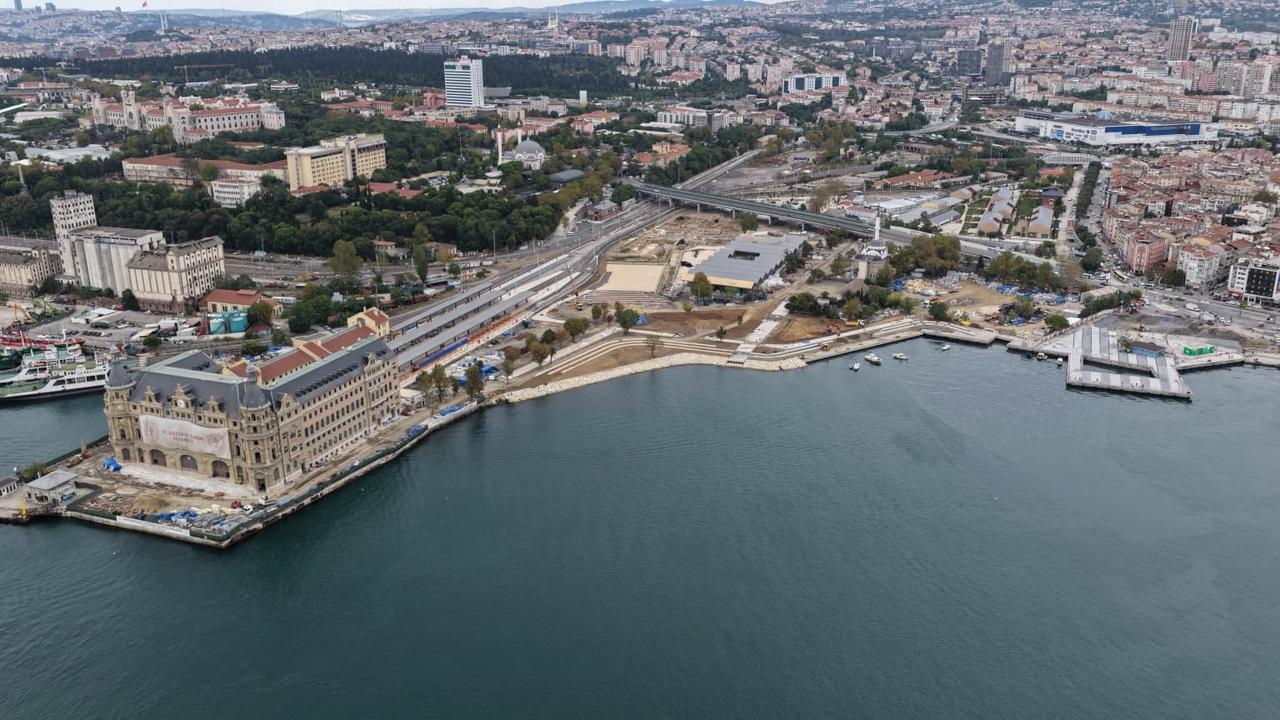
Specialist engineers drew up a ground-improvement project, which academic experts reviewed and the project's advisory board approved.
Work carried out under the plan included bored piles around the building to limit lateral ground movement, as well as compaction and polymer injection inside and outside the structure to strengthen the soil.
Ersoy said engineers continuously tracked the building's response through technical monitoring equipment while the reinforcement work moved forward in controlled stages.
The limited working conditions in the basement and the need to avoid damaging the station's existing structural system also slowed down the process, while technical findings led to further project revisions.
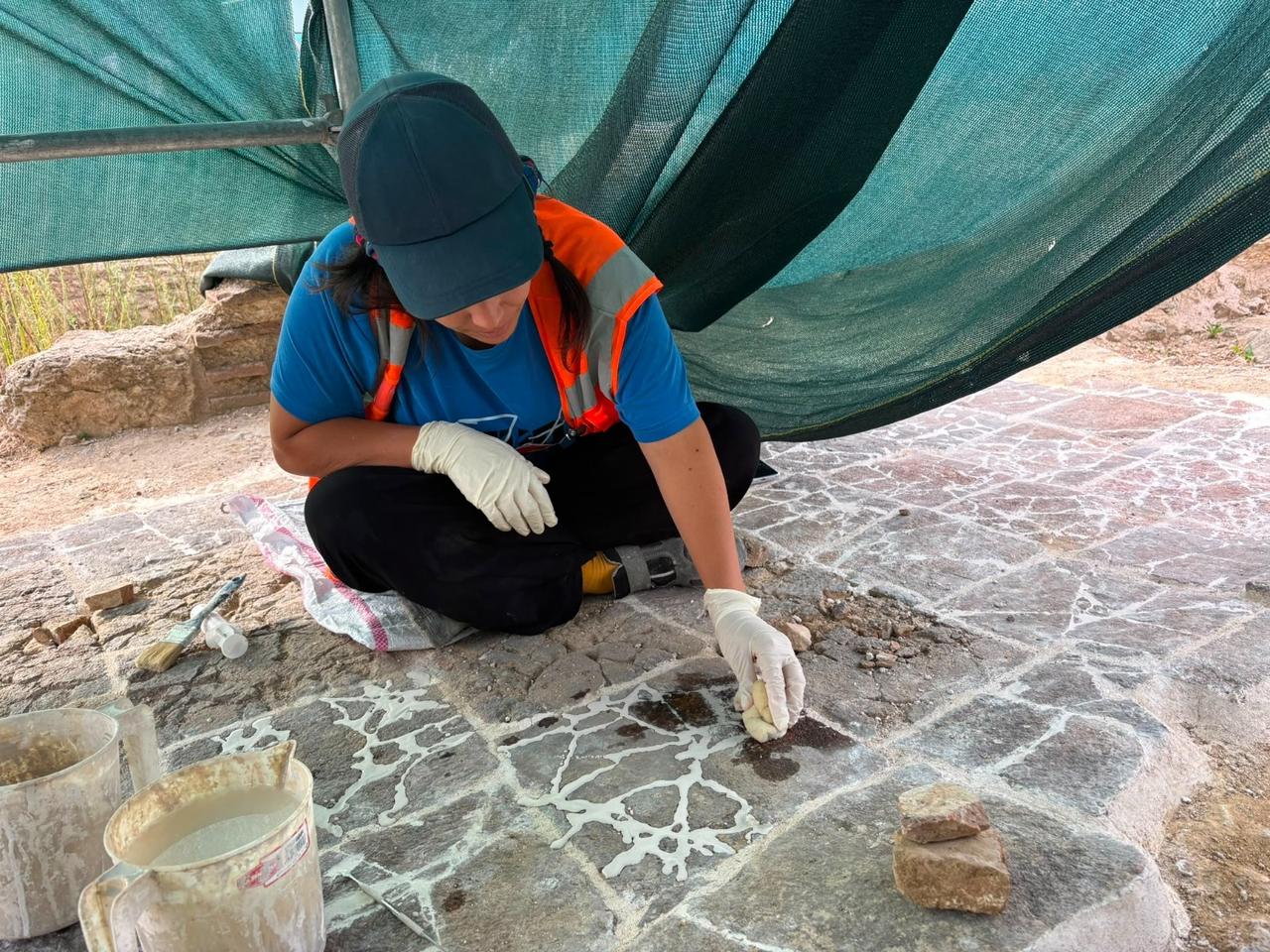
The restoration timetable was also affected by new archaeological remains uncovered in the Haydarpasa Archaeopark during work on infrastructure, drainage and visitor routes.
Plans for these systems had to be revised to take both existing and newly discovered remains into account, while additional conservation work was added to protect the finds.
The relocation of facilities, equipment and areas used by different institutions across the station complex also delayed the start of work in some sections.
The first phase had originally been scheduled to open alongside the Istanbul Culture Route Festival, but Ersoy said delicate reinforcement work, scientific analysis, project revisions and archaeological discoveries together required the schedule to be reconsidered.
 1 min read
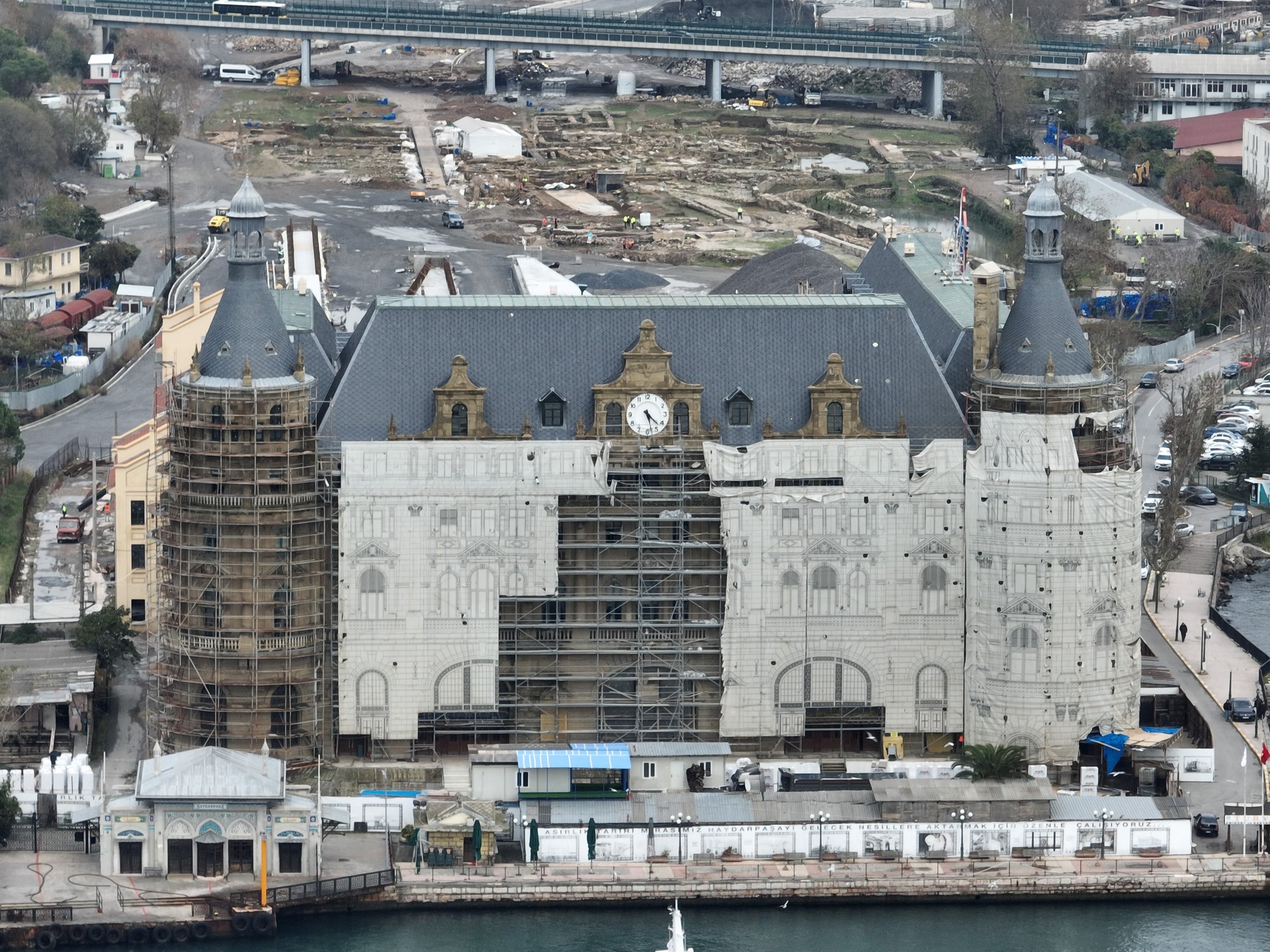
The wider project, being carried out under a protocol signed between the Culture and Tourism Ministry and TCDD on Aug. 15, 2024, combines restoration and structural reinforcement with the creation of new cultural and artistic spaces.
Plans include the first archaeology museum on Istanbul's Asian side, a performing arts center, a library, exhibition halls, and art and design workshops, alongside the Archaeopark, outdoor event areas and landscaped spaces.
Ersoy said the work represents the most extensive restoration undertaken at the Haydarpasa Station site since the building officially opened in 1909.
"Our priority is to preserve this unique heritage with all its values and carry it safely into the future. We aim to complete the first phase of our work in 2027 and open it to the public," he said.


 Set as preferred source
 Set as preferred source


 1 min read


