Close
newsletters Newsletters
X Instagram Youtube

How an Ottoman mission led Shotaro Noda to become Japan's first known Muslim

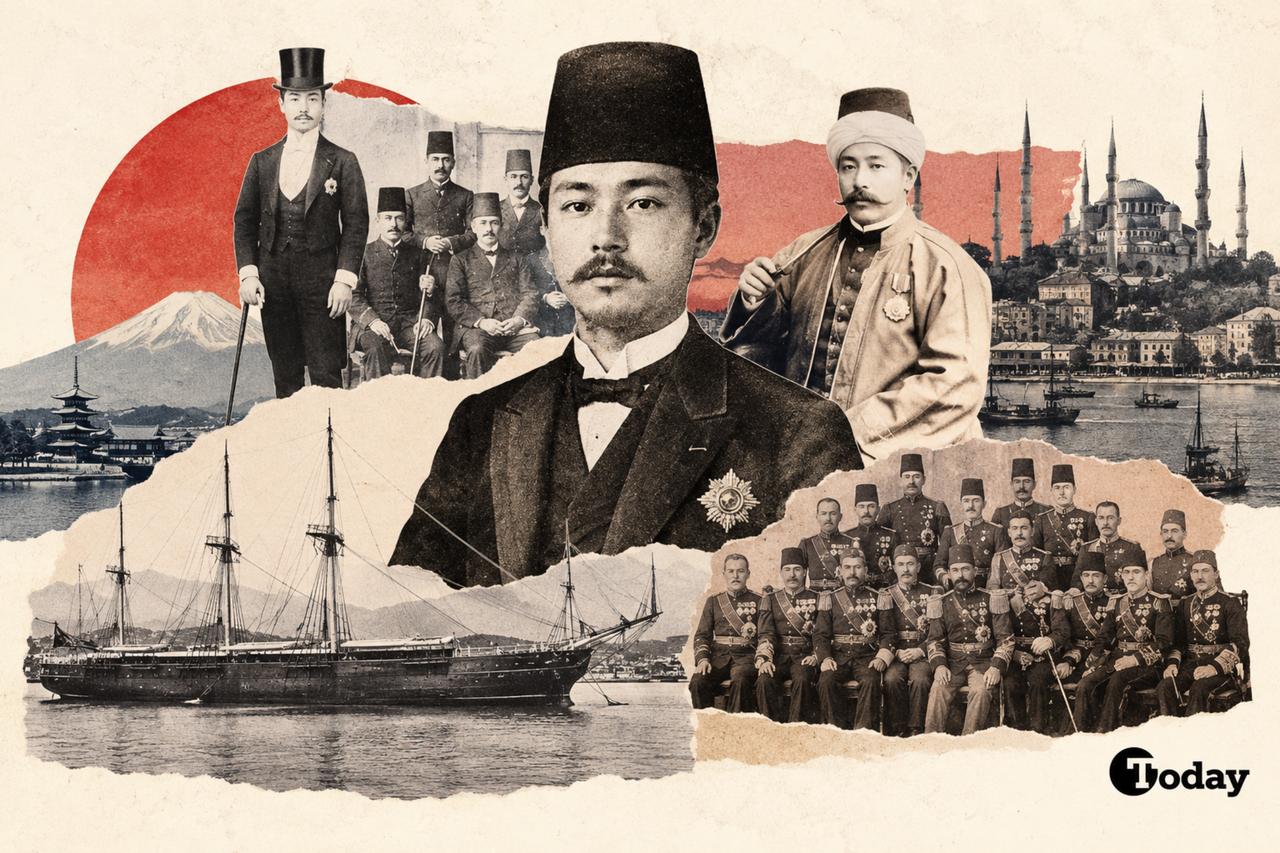
A photo collage featuring Japanese journalist Shotaro Noda, regarded as Japan's first known Muslim, alongside archival images of the Ottoman frigate Ertugrul, Japanese and Ottoman figures, and Istanbul, highlighting the historical ties between the Ottoman Empire and Japan in the late 19th century. (Photo collage by Türkiye Today team)
Photo
BigPhoto
A photo collage featuring Japanese journalist Shotaro Noda, regarded as Japan's first known Muslim, alongside archival images of the Ottoman frigate Ertugrul, Japanese and Ottoman figures, and Istanbul, highlighting the historical ties between the Ottoman Empire and Japan in the late 19th century. (Photo collage by Türkiye Today team)
October 26, 2026 08:50 AM GMT+03:00

Japanese journalist Shotaro Noda became the first known Japanese Muslim on May 21, 1891, after traveling to the Ottoman Empire to deliver donations collected for survivors of the Ertugrul frigate disaster.

His stay in Istanbul, initially intended as a humanitarian mission, developed into a two-year period of cultural exchange during which he taught Japanese to Ottoman military students, learned Turkish and converted to Islam under the name Abdulhalim.

Born into a samurai family in 1868, Noda worked for the Japanese newspaper Jiji Shinpo when he was selected to accompany survivors of the Ottoman warship that sank off Japan's coast in September 1890.
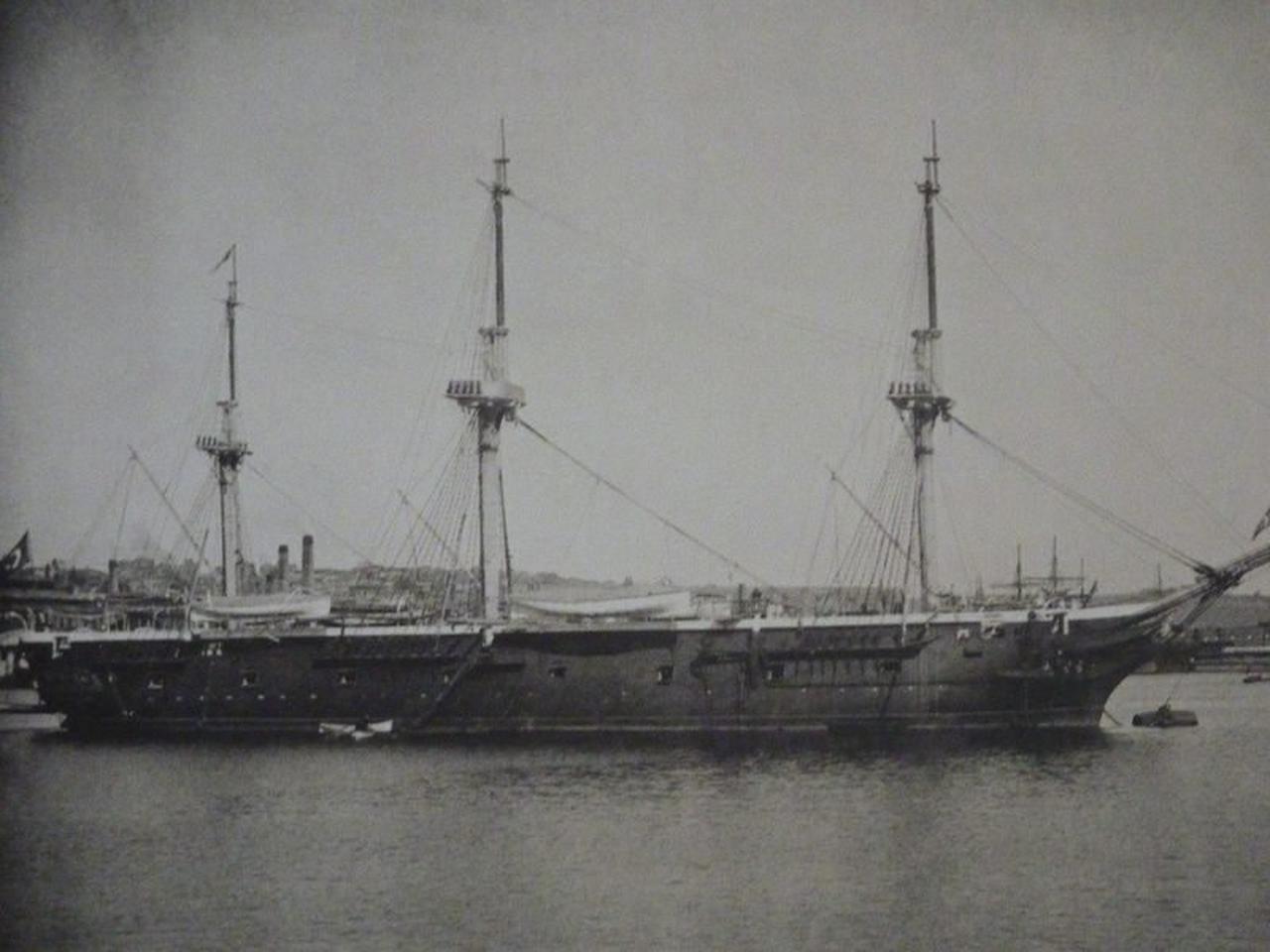
The Ottoman frigate Ertugrul, which sank off Japan's coast in September 1890 while returning from a diplomatic mission, resulting in the deaths of hundreds of Ottoman sailors. (Archive Photo via Turkish Naval Forces)

Naval tragedy brings Japanese journalist to Istanbul

Relations between Japan and the Ottoman Empire had begun to develop during Japan's Meiji era, particularly after Japanese Prince Komatsu Akihito visited Istanbul in 1887.

In response, Ottoman Sultan Abdulhamid II sent a delegation aboard the Ertugrul Frigate in 1889. The ship reached Yokohama in June 1890, where Ottoman representatives delivered the sultan's letter and gifts to the Japanese emperor.
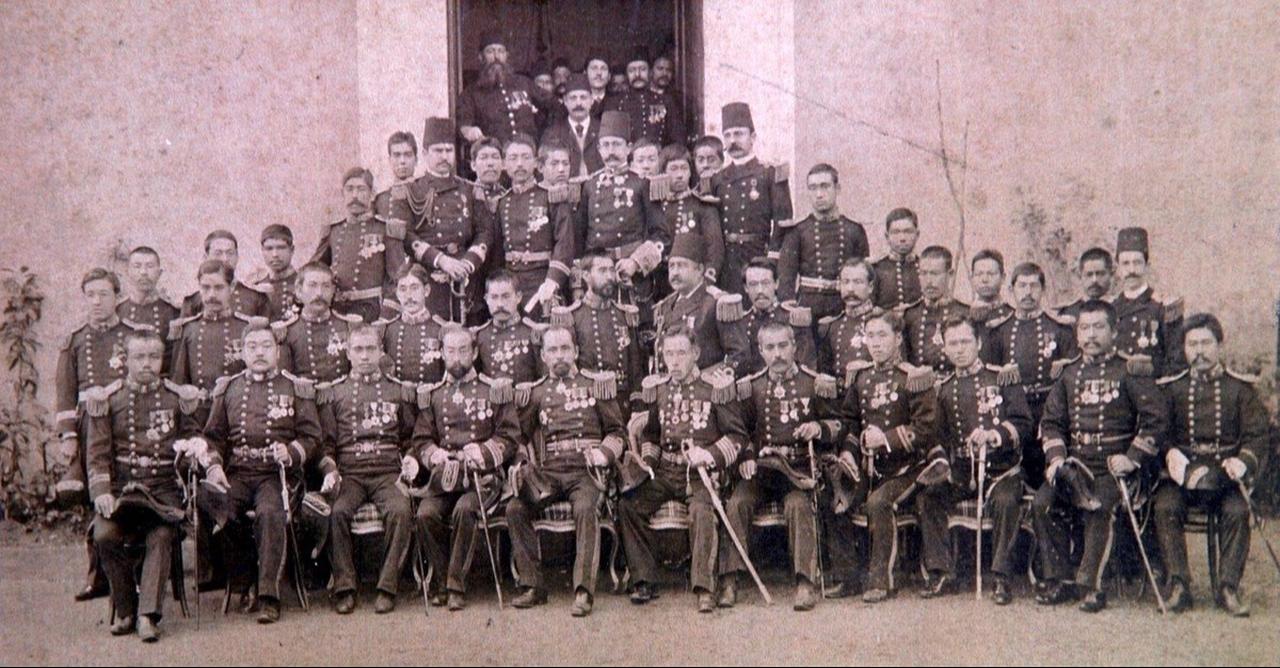
Members of the Ottoman delegation aboard the Ertugrul frigate pose alongside Japanese military personnel during their historic visit to Japan in 1890. (Photo via Wikimedia)

However, shortly after departing Japan on Sept. 15, 1890, the frigate encountered severe weather, struck rocks, and sank the following day.

The disaster prompted widespread coverage in Japanese newspapers and fundraising campaigns for the 69 survivors. Jiji Shinpo became a leading contributor to the relief effort, and Noda was assigned to deliver the donations to Ottoman authorities.

He traveled aboard one of two Japanese warships returning the survivors to Istanbul and formally handed over 88,497 Ottoman kurus, a unit of currency used in the empire, to the relief committee on Jan. 6, 1891.
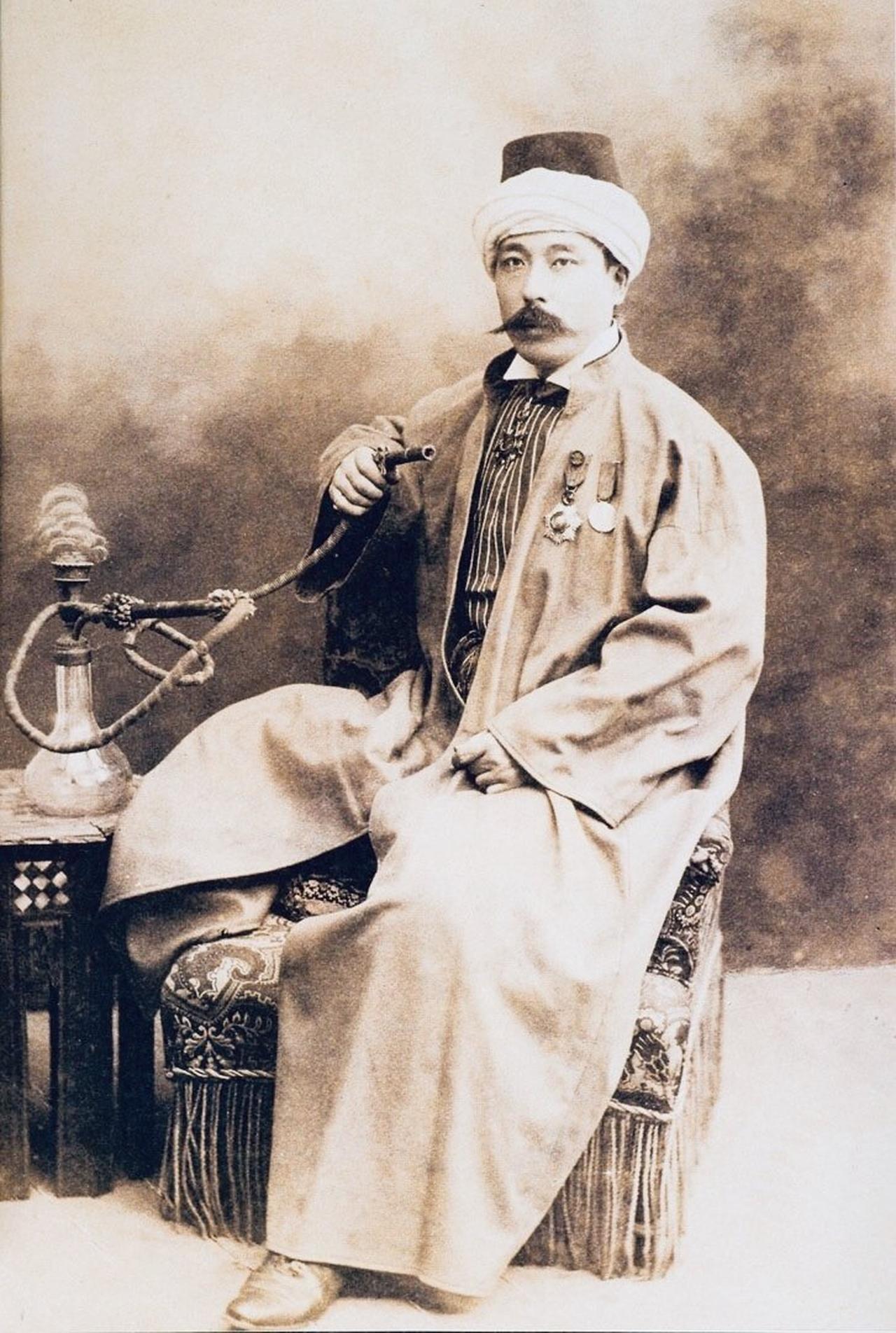
Japanese businessman Yamada Torajiro poses in traditional Ottoman attire during his stay in Istanbul, where he helped develop commercial and cultural relations between Japan and the Ottoman Empire. (Photo via Istanbul Research Institute)

Ottoman military academy opens path to conversion

Noda's arrival attracted considerable public attention, and he continued writing for his newspaper while giving interviews to Ottoman and European publications.

When the Japanese vessels prepared to return home, Sultan Abdulhamid II requested that a Japanese representative remain in Istanbul to teach Japanese to Ottoman officers while learning Turkish.

Noda was selected for the assignment and began instructing two officers and six students at the Ottoman Military Academy. In exchange, Ottoman officers taught him Turkish, while one of his students, Mustafa Asim Efendi, eventually prepared a Turkish-Japanese-French dictionary.
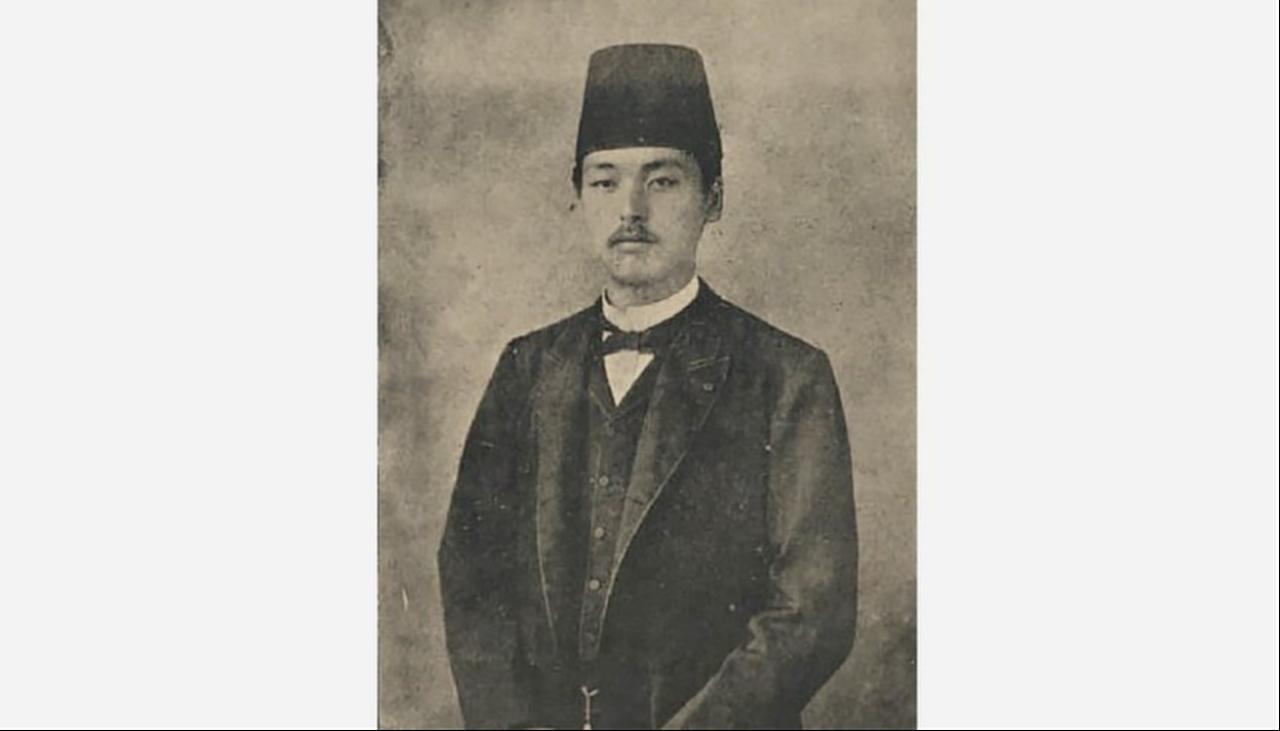
Japanese journalist Shotaro Noda, recognized as Japan's first known Muslim, wears an Ottoman fez during his stay in Istanbul, where he converted to Islam in 1891 and adopted the name Abdulhalim. (Archive Photo via Ottoman-era publication)

During his stay, Noda studied Islamic history and the Ottoman Empire, reading religious texts and learning about local traditions.

On May 21, 1891, he converted to Islam and adopted the name Abdulhalim, becoming the first known Japanese Muslim. Ottoman newspapers reported his conversion and published his photographs.

Beyond his teaching responsibilities, Noda served as an interpreter for visiting Japanese figures, including Kiyoura Keigo, who later became Japan's prime minister, and businessman Yamada Torajiro, who sought to establish commercial ties between the two countries.
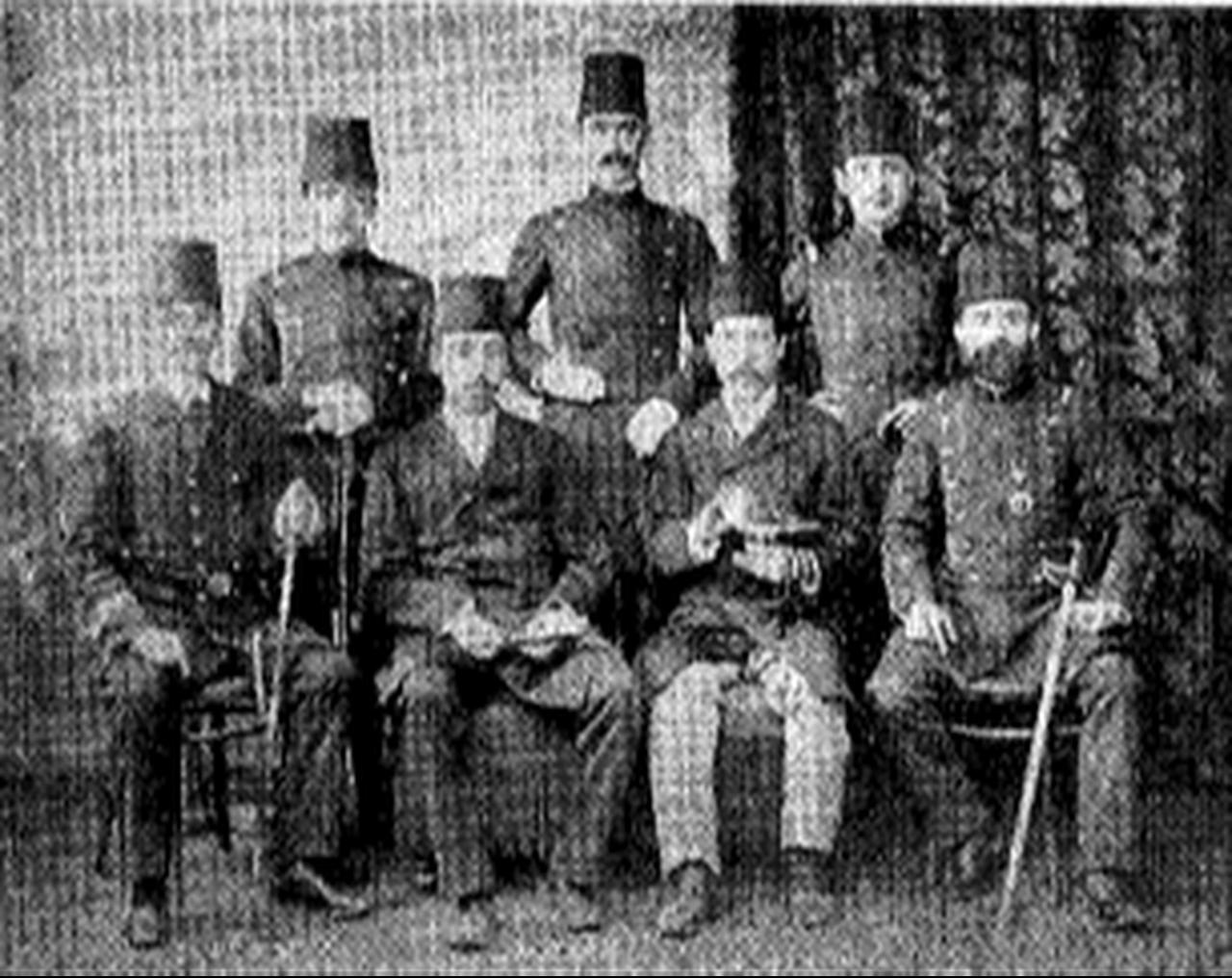
Japanese journalist Shotaro Noda poses with five Ottoman military students and Japanese businessman Yamada Torajiro in Istanbul around 1892, during his time teaching Japanese at the Ottoman Military Academy. (Archive Photo via Nobuo Misawa and Goknur Akcadag)

Noda returns to Japan after two years in Ottoman Empire

After teaching at the Ottoman Military Academy between 1891 and 1892, Noda left Istanbul toward the end of 1892 and traveled back to Tokyo through Europe and the United States.

On Feb. 5, 1893, he wrote to Sultan Abdulhamid II to express his gratitude for the Turkish-language education he had received during his stay.
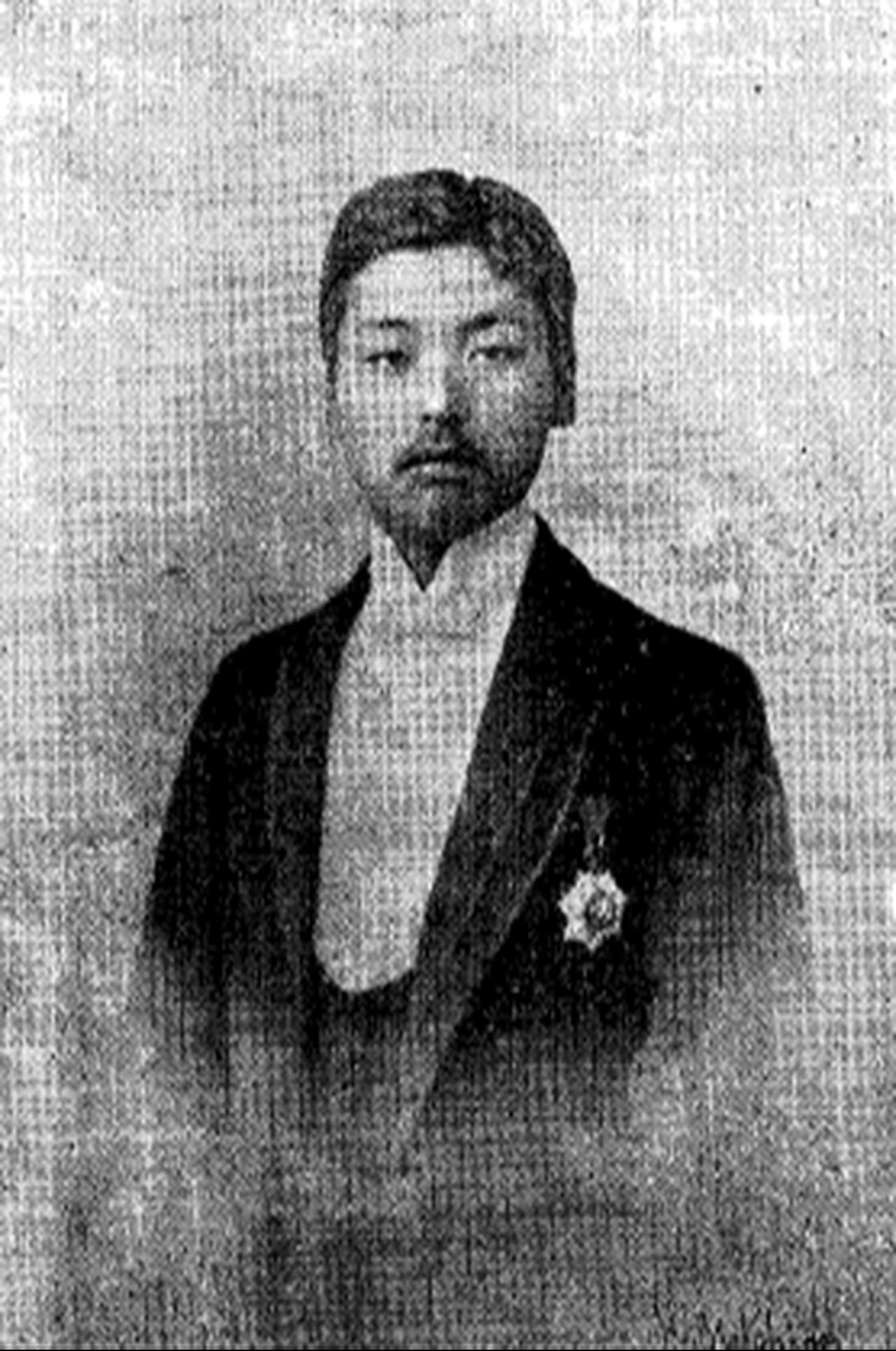
Japanese journalist Shotaro Noda, considered Japan's first known Muslim, poses in formal Western attire wearing an Ottoman decoration around 1891, the year he converted to Islam and adopted the name Abdulhalim. (Archive Photo via Nobuo Misawa and Goknur Akcadag)

Noda resumed his journalism career in Japan and died on April 27, 1904, at the age of 35.

His conversion in Ottoman Istanbul remained an early documented example of religious and cultural exchange between Japan and the Ottoman Empire.

October 26, 2026 08:51 AM GMT+03:00
More From Türkiye Today