Newsletters


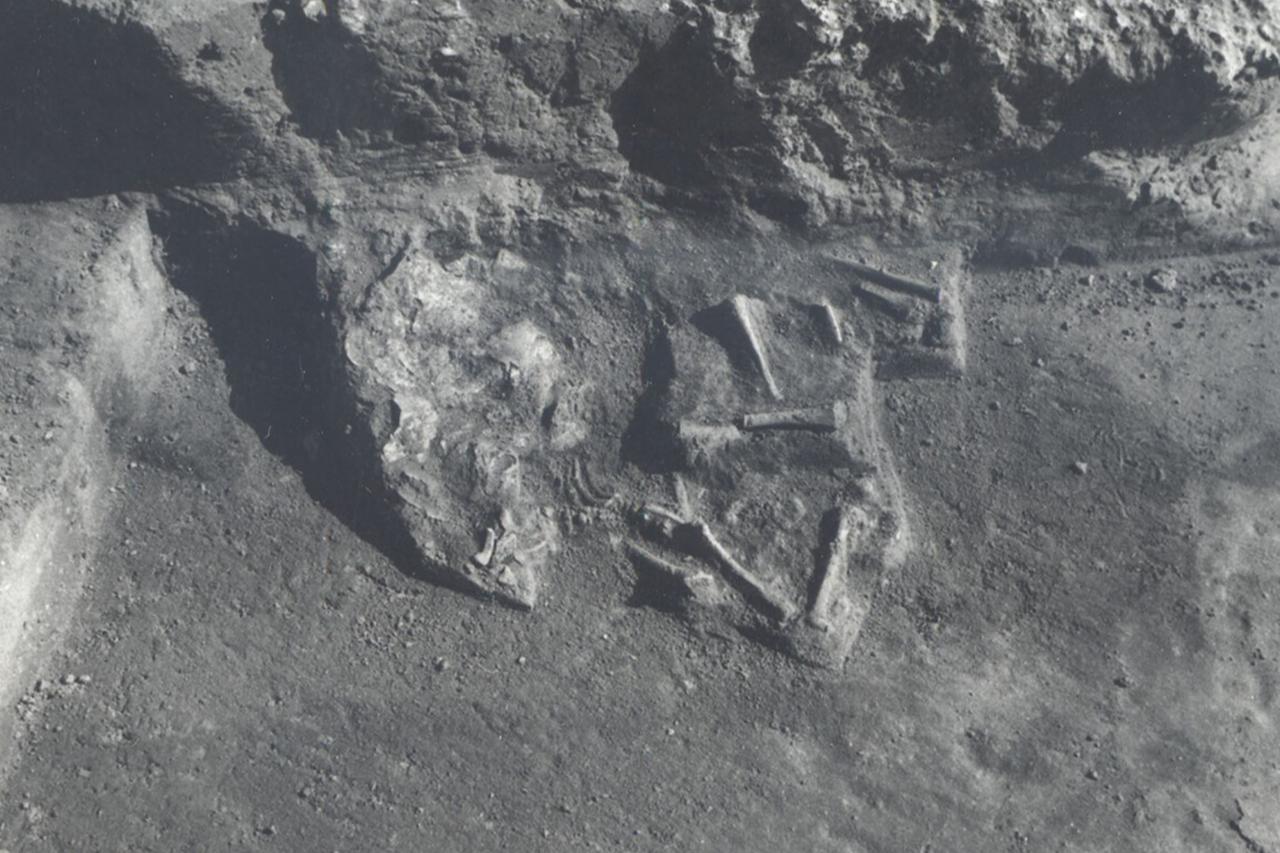


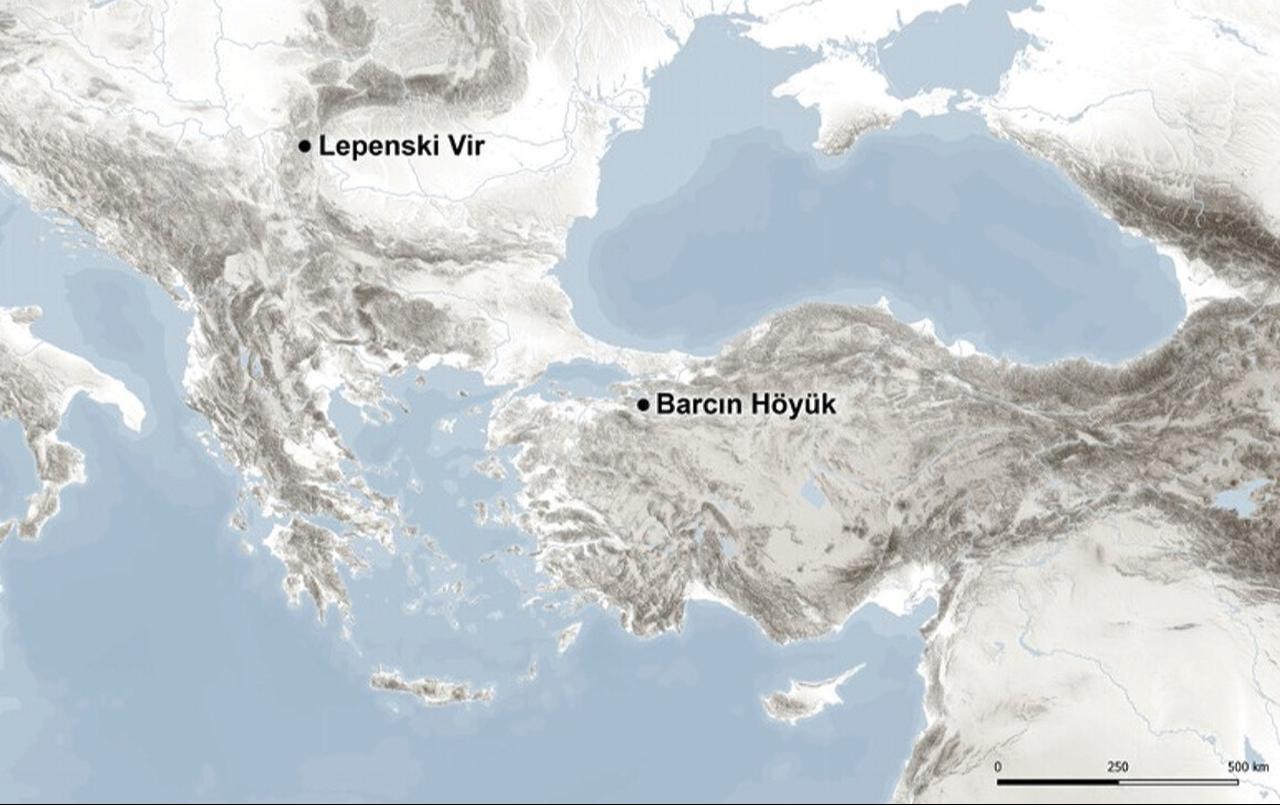
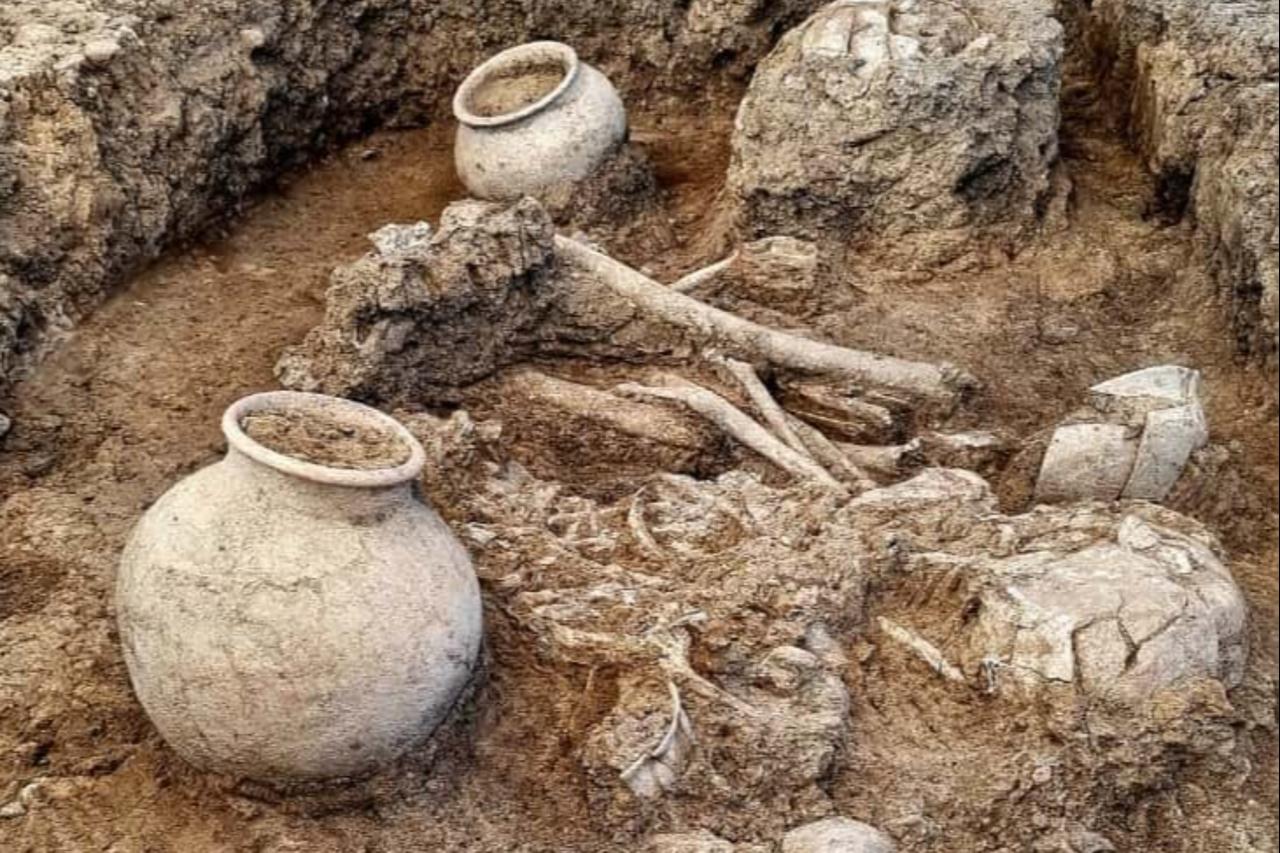
New comparative research shows that at two late seventh-millennium B.C. communities—Barcin Hoyuk in western Anatolia and Lepenski Vir in the central Balkans—infants were consistently buried in close association with houses and architectural features, while adults were buried in open spaces.
The pattern suggests a shared social idea of "delayed personhood," where age rather than biological kinship or genetic sex guided mortuary treatment.

Excavations and reanalysis of old and new data reveal a clear spatial separation in burial practice: tiny bodies were placed next to walls, under floors, or near installations inside or immediately by structures, whereas adult burials occurred away from buildings in open areas.
At Barcin Hoyuk this pattern appears across several early and middle Neolithic phases, with infants and children up to about 2 to 3 years old buried within or beside rectangular wattle-and-daub houses. At Lepenski Vir, the same custom appears in trapezoid limestone-floored houses, but restricted mainly to foetuses, neonates and infants under 1 year.
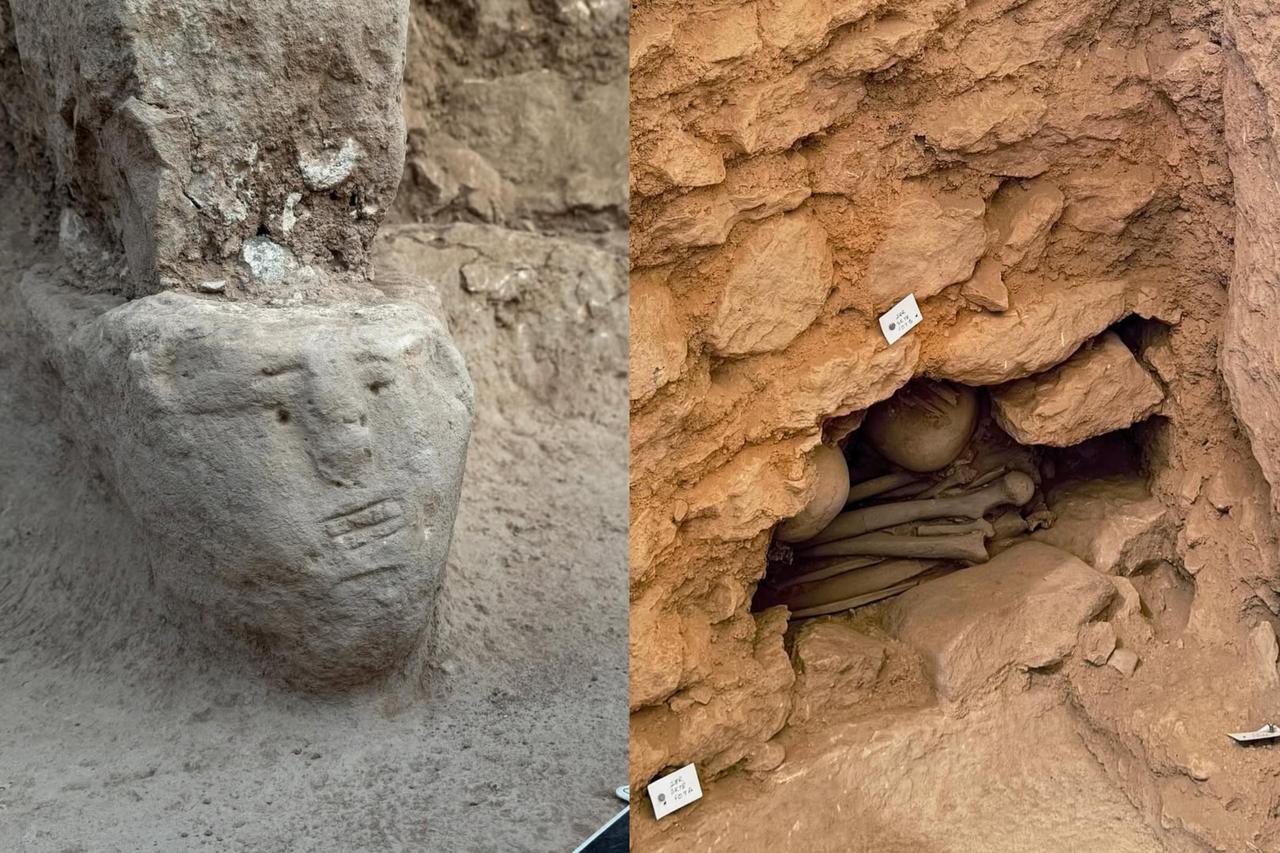
The authors introduce the term "cradled by architecture" to describe burials of the very young where the house itself functions as a kind of resting place or protective setting. This is not used as a synonym for general residential burial; rather, it points to a repeated link between infants (or very young children) and architectural features such as walls, wall ditches, thresholds and stone installations.
At both sites, these placements were made by cutting through floors or by digging against outer walls, actions that tie the dead to the built environment rather than to communal open-air cemeteries.
 1 min read
Ancient DNA and osteological data allow the researchers to compare age, sex and biological relatedness. The striking result is that genetic sex (XX versus XY) did not dictate where an infant was buried, and individuals found close to one another were often not closely related genetically.
Instead, it was age that most consistently marked which dead were placed by the house. This led the authors to argue that kin-making in these communities reached beyond close biological ties and that belonging might have been built through social practices tied to life stages.
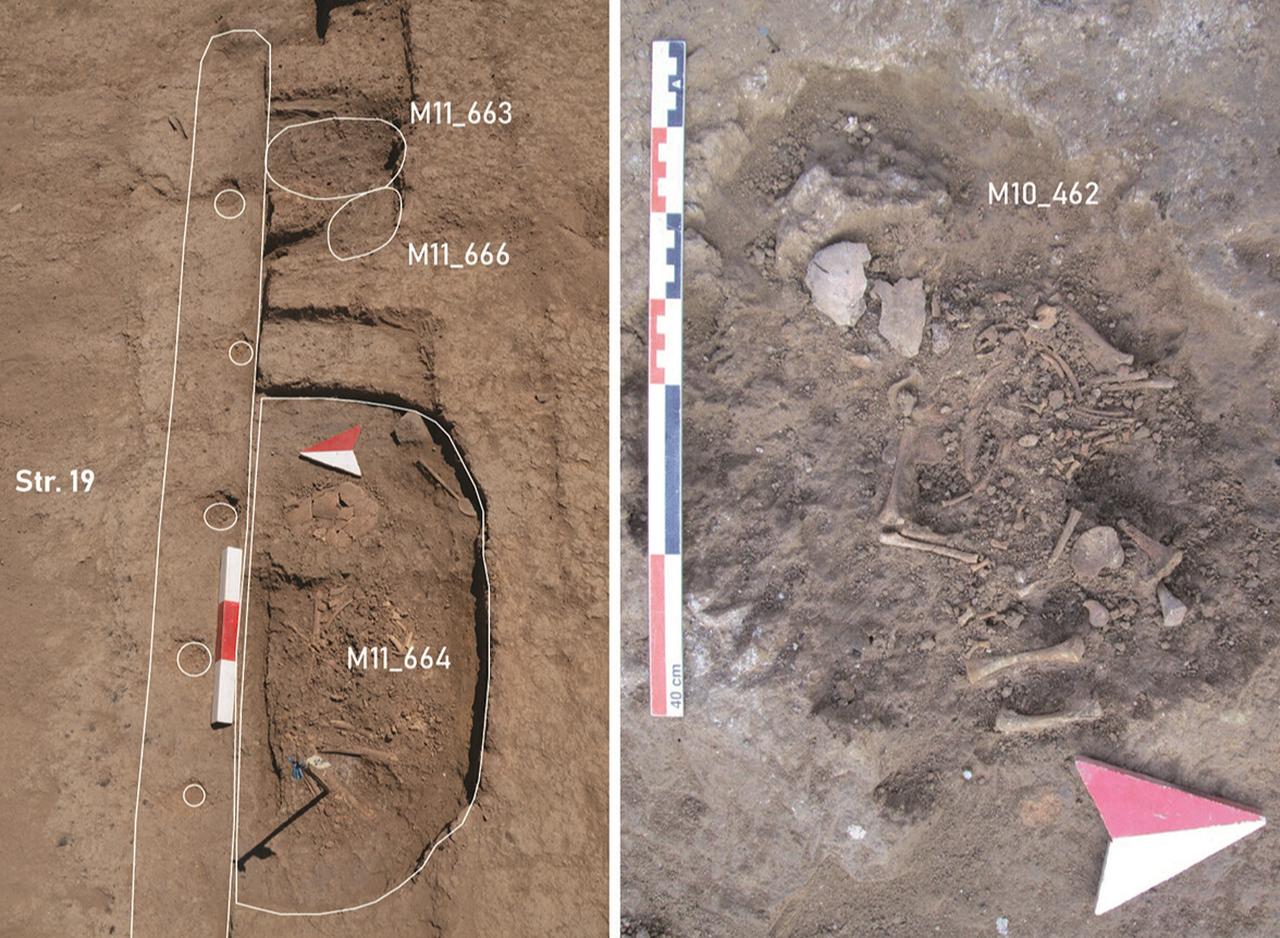
The paper bases its comparison on mapped burials and laboratory analyses. At Lepenski Vir, 41 infants were found buried under the floors of 19 structures during the late phase examined; among the 33 sexed individuals, there were 19 with XY and 14 with XX chromosomes, and most were neonates.
At Barcin Hoyuk, the authors mapped infant burials across several early and middle Neolithic phases (VIe to VIc), showing a steady pattern of infants and young children being placed within or beside rectangular houses while adults were interred outside those built spaces. These numbers underline that the practice was regular and meaningful rather than incidental.
Comparable practices appear across other Neolithic contexts in Central and Eastern Europe and in parts of Anatolia, but local histories matter. For example, the Lepenski Vir pattern connects with earlier Mesolithic burials in the Danube Gorges, indicating some continuity rather than a simple spread from Anatolia.
Conversely, sites such as Catalhoyuk show different spatial distinctions within houses, which highlight regional variability in how age and place were linked in mortuary practice. The authors, therefore, caution against one-size-fits-all diffusionist explanations.
Taken together, the evidence suggests that households and the built environment played a symbolic role in making and sustaining social belonging across life and death. By placing the very young next to walls and under floors, communities appear to have kept infants close to zones of care while differentiating them from the communal burial places reserved for persons who had attained full personhood.
The paper stresses that age-based social categories, possibly age sets or grades, may have structured belonging as much as, or more than, biological kinship.
The authors invoke comparative ethnography to situate their argument, including Eszter Goody’s observation among the Gonja of Northern Ghana:
“The belief is strongly held that some infants are not human but evil spirits who impersonate human children to taunt the parents. A baby who dies before the seventh day following birth is assumed to be such a spirit.”
The finding opens a path to rethink how households, architecture and life-stage categories shaped kinship and social belonging in the Neolithic.


 Set as preferred source
 Set as preferred source


 1 min read