Newsletters


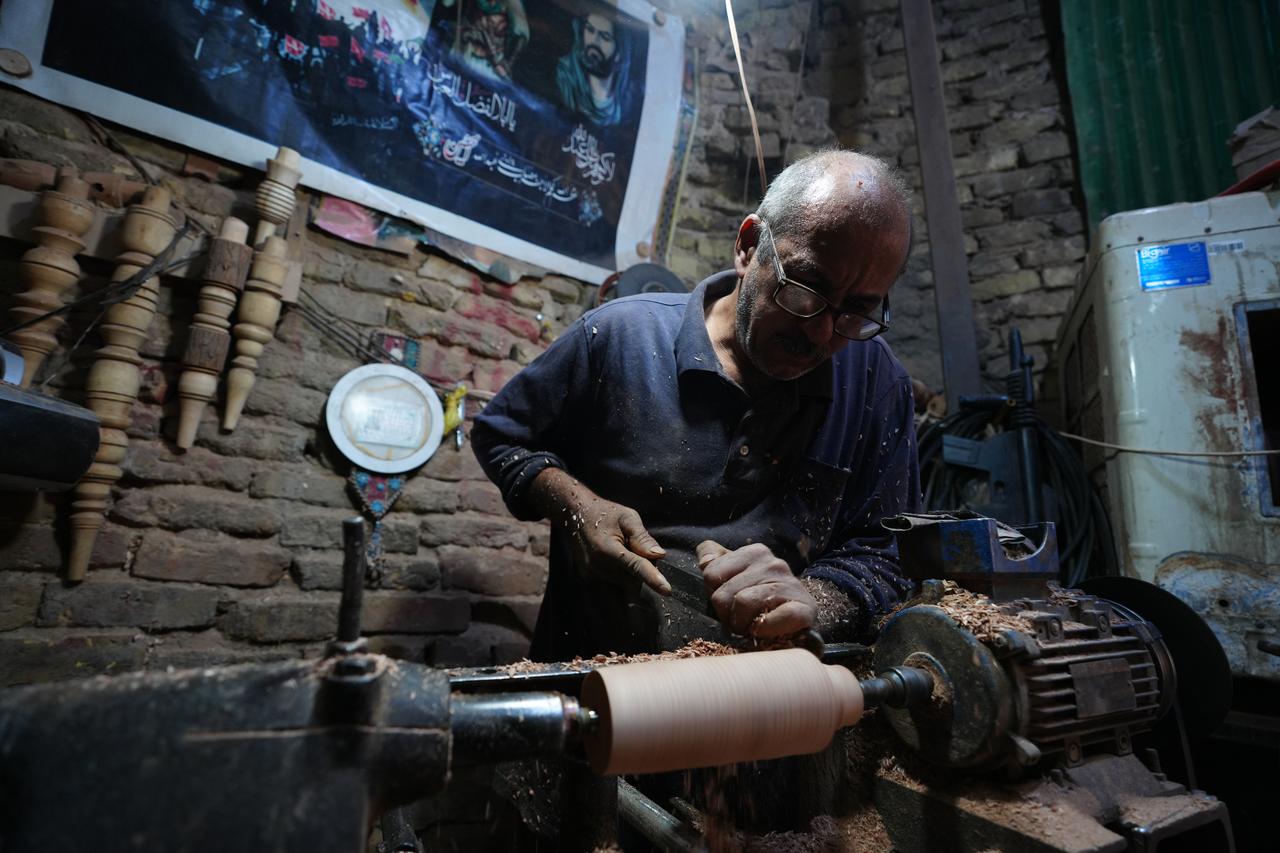
In the heart of Baghdad’s historic Karh district, Iraqi woodturner Zamad Cevad Hassun keeps alive a family craft that has survived three generations. Working in a workshop facing an Ottoman-era police station building, the 57-year-old artisan carries forward a tradition first mastered by his grandfather in the 1930s and passed down through his father. Despite fading demand for handmade wooden pieces, Hassun continues to shape hammer handles and shovel shafts for local factories, quietly resisting the passage of time as he watches the craft he inherited slowly lose its place in modern life.
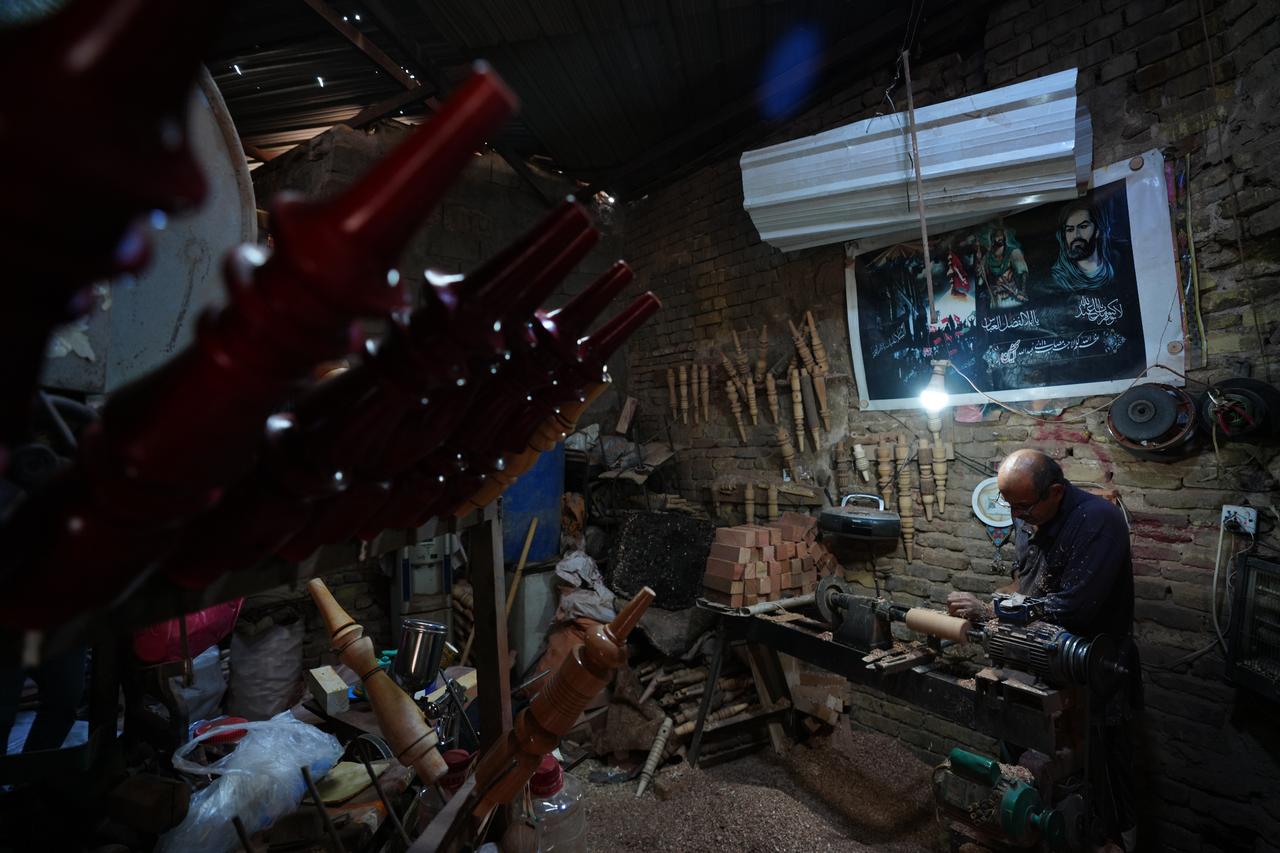
In his small Baghdad workshop, Zamad Cevad Hassun stands at the same wooden lathe once used by his father, symbolizing a craft stretching back to the 1930s.
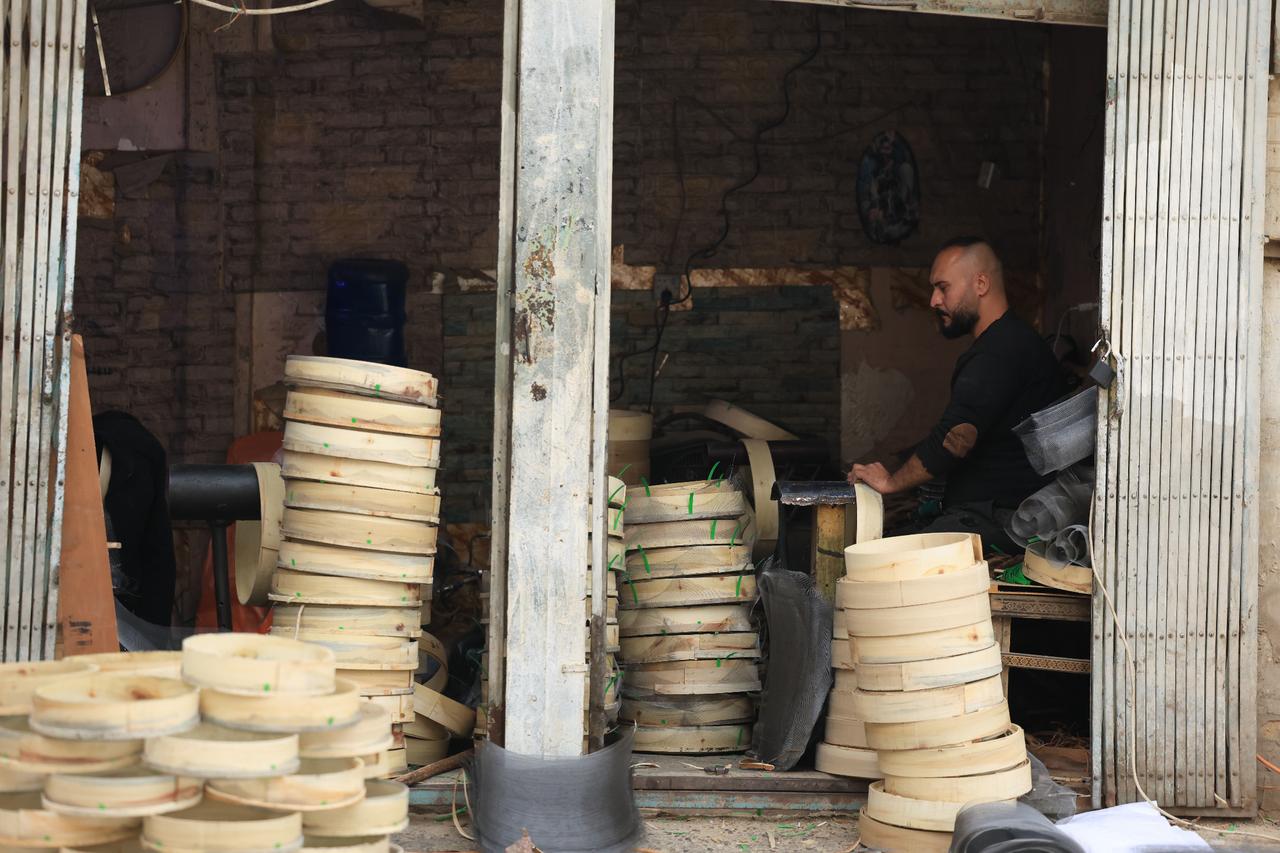
Hassun prepares a block of wood, repeating the same steps his father Cevad once taught him as a young apprentice in the family trade. The workshop sits directly across from the former Karh Police Station, an Ottoman-era building that remained in use until the 1950s, anchoring the craft in the neighborhood’s layered history.
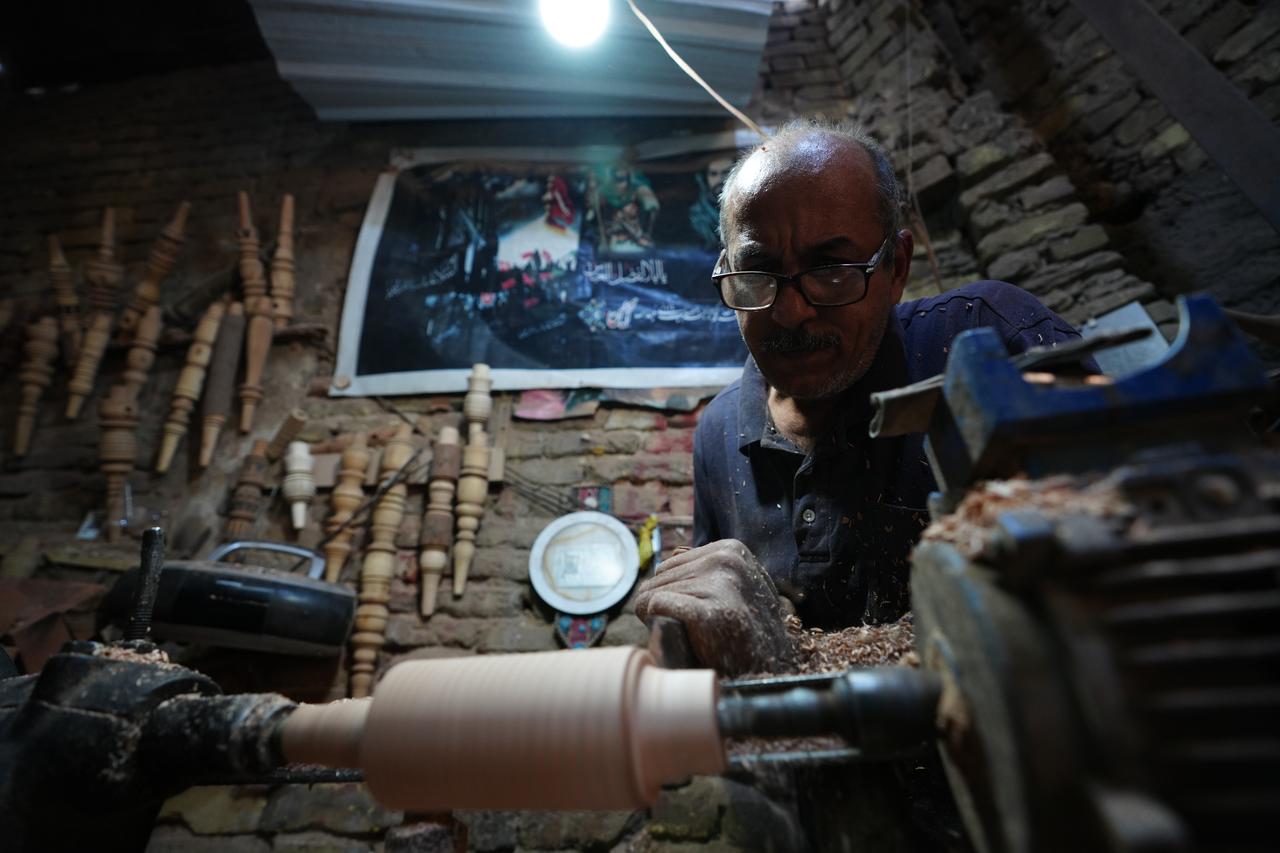
As the lathe spins, Hassun shapes the beginnings of a hammer handle, one of the items still demanded by local factories. While crafting a new shovel shaft, he reflects on declining demand, noting that many customers “no longer want handmade wooden pieces.”
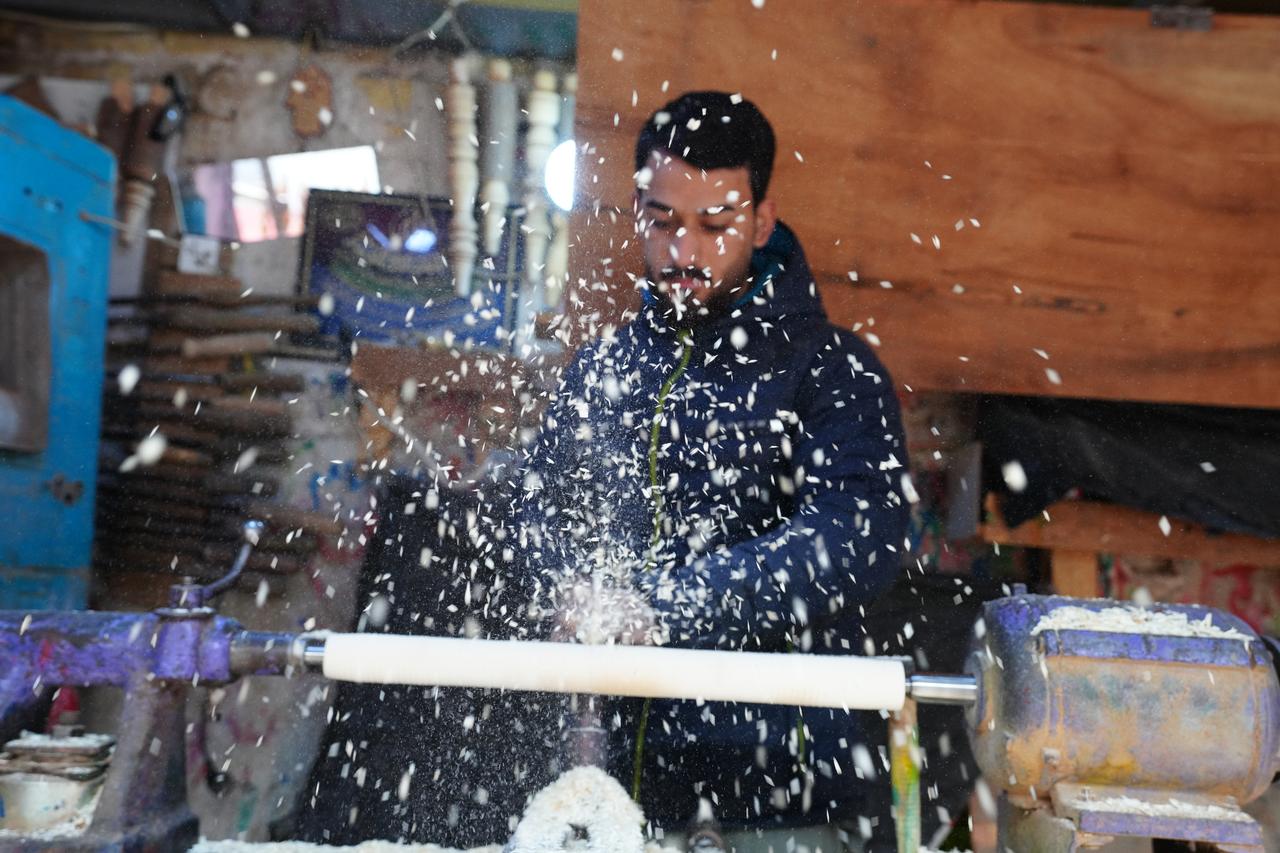
Sheltered inside a historic district of Baghdad, the workshop preserves a sense of continuity even as the city around it rapidly transforms. Hassun laments that his sons have little interest in the family trade, raising concerns that the century-old craft may disappear when his hands eventually fall still.
 2 min read


 Set as preferred source