Newsletters


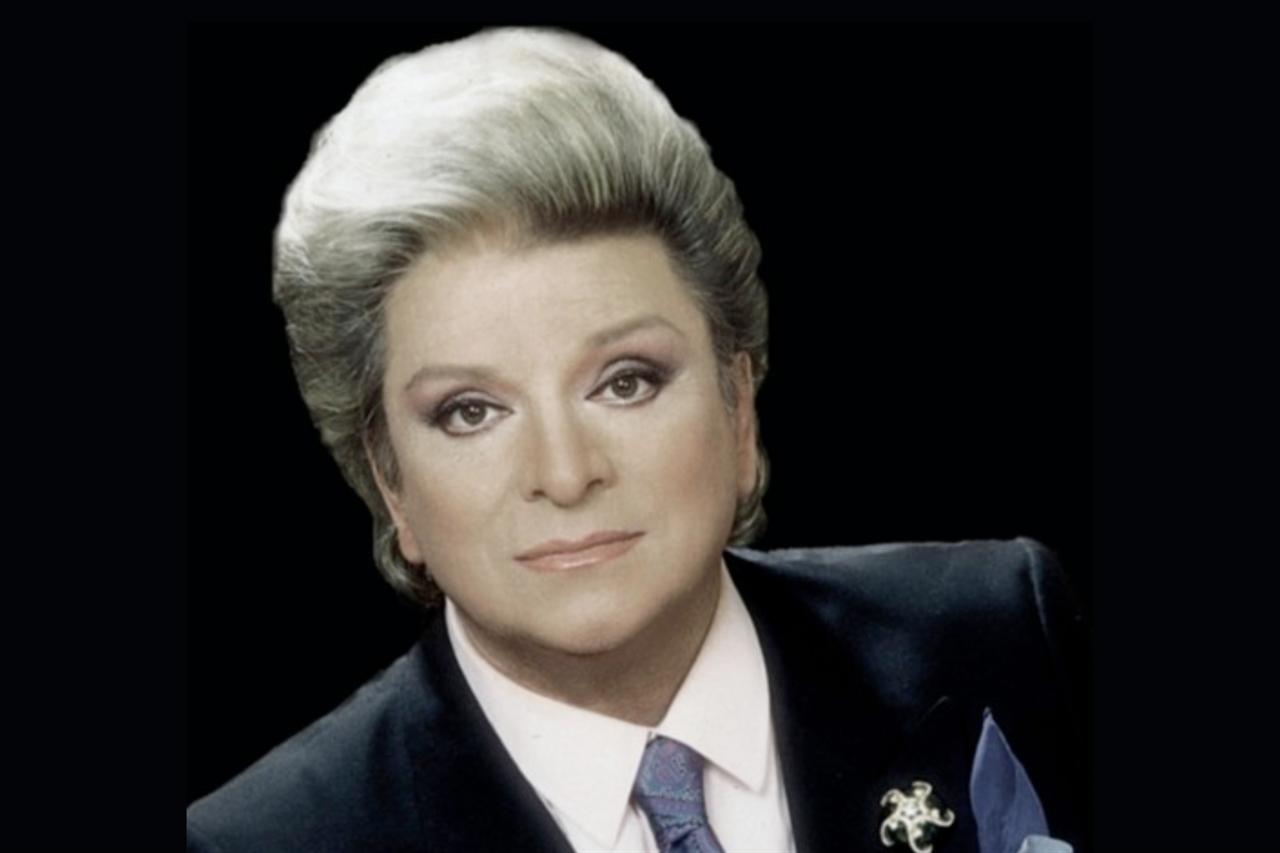


Bursa Turk Musiki Cemiyeti (Bursa Turkish Music Society) was among the institutions where Zeki Muren, one of Türkiye’s most iconic singers, trained.
Seventy-seven years after its official founding, the society is still working to keep Turkish classical music alive.
Based in the northwestern city of Bursa, the society is one of Türkiye’s oldest active music associations. It traces its roots to the 1930s and was formally established on May 9, 1949.
The society was founded to teach and develop Turkish musical tradition, train new talents, organize concerts and present qualified works to the public. Today, it continues to offer lessons in nazariyat, usul, solfege, makam, composers, lyricists and the history of makam traditions.
Its legacy includes several major names in Turkish music, including Zeki Muren, Muzeyyen Senar, Yildirim Gurses, Erdinc Celikkol, Recep Birgit, Serdar Kasikcilar, Ergin Kizilay, Avni Anil, Emin Ongan, Turgay Kiziltug and Musa Kumral.
The society now has 40 active members, including seven instrumentalists, and holds regular Friday sessions in a venue allocated with support from its founders, philanthropists and Zeki Muren. It also organizes concerts and performs at nursing homes, schools and various events upon request.
Bursa Turk Musiki Cemiyeti President Ferruh Dusdubak told Anadolu that the society emerged from a musical culture already alive in Bursa during the early years of the Republic, when mesk sessions and music gatherings were held in homes and coffeehouses.
He said leading musical families in the city encouraged a more formal structure in the 1930s, before the idea of a society gradually became concrete.
“By 1949, it had begun to be written about in local newspapers. On May 9, 1949, Bursa Turk Musiki Cemiyeti officially began its duty,” Dusdubak said.
Dusdubak first began attending the society in 1982. In 2008, after being assigned the role by Serdar Kasikcilar, he became choir conductor and president.
“After Istanbul’s Uskudar Musiki Cemiyeti, this is the second-oldest active society. This year, we are marking our 77th year,” Dusdubak said.
He said the society had trained important instrumentalists, composers, and vocal artists over the decades, with Zeki Muren at the top of that legacy.
“Very important instrumentalists, composers, and vocal artists were trained here. At the top of them is our Zeki Muren, whom all of Türkiye and even the whole world knows. Many artists whose names I cannot count were trained here,” he said.
For Dusdubak, the society’s importance lies not only in the artists it once trained, but in its effort to keep Turkish classical music as a living practice.
“Bursa has led the arts in many respects. Therefore, those remnants and accumulations have reached today. With the accumulation of those years, we have taken on a mission to carry today into tomorrow,” he said.
The society also preserves a wide archive of written and digital works, documents, and photographs.
Dusdubak described the collection as a major body of material for Turkish music, with thousands of works that have been properly arranged and written.
“This is a great corpus. There are thousands of works that have been correctly arranged and written in terms of Turkish music. This process has continued for many years, and we keep it alive,” he said.
The society accepts members without requiring prior formal music education, but Dusdubak said willingness remains essential. Training begins gradually according to each person’s needs before new members are integrated into the choir.
He said this approach matters because the future of Turkish classical music depends on younger generations taking part.
“The most important issue is that younger friends need to come so Turkish music can be passed on to future generations. This is a relay race. That is why we care about this issue very much. As long as this spirit continues, we hope there will be many more 77 years,” he said.
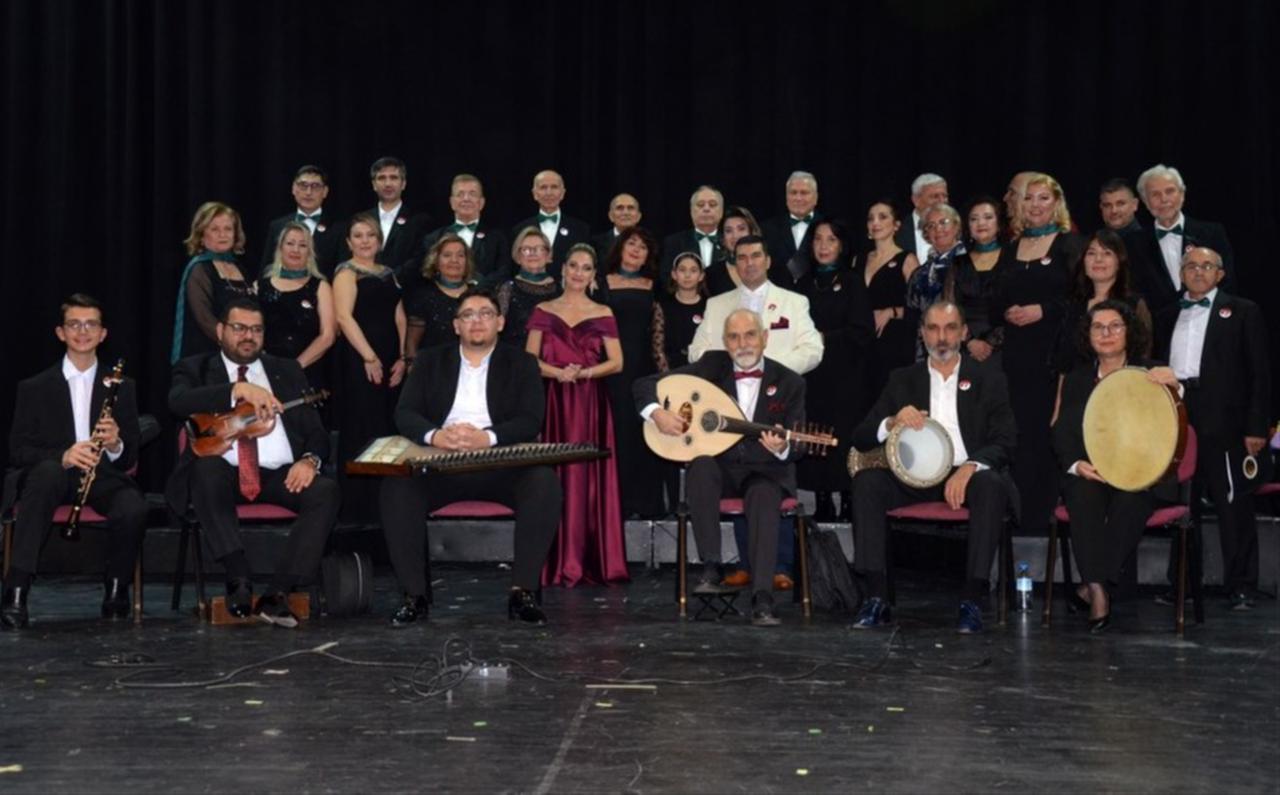

Several members have spent decades at the society, turning it into both a musical institution and a community.
Board member Enver Aydin, 77, said Turkish music has an “interesting, deep and broad” world, adding that he has been part of the society without interruption for about 40 years.
Bedia Dobrali, 67, said she first encountered the society around 35 years ago through a friend’s recommendation. Every time she looks at the photographs on the walls, she said, she remembers that she is in a valuable place.
“It became like a second family to me,” Dobrali said. “I worked in management for many years as well. We took on this mission and carried it on our shoulders. We try to do whatever we can to keep this place going.”
Another board member, 73-year-old Gulcin Turhan, said she first came to the society 31 years ago after a personal loss and now wants more young people to join.
“When each young person joins us, we become happy,” Turhan said. “Life already has many difficulties. Everyone is in a struggle, but while going through that struggle, this is a place where you breathe again whenever you face hardship, where you try to hold on to life with all your strength, where your soul is soothed, and your mind becomes calmer.”
Turhan said the members are trying to keep alive the legacy left behind by earlier generations.
“I hope our young people will also come and keep it alive,” she said.


 Set as preferred source
 Set as preferred source


 2 min read