Newsletters


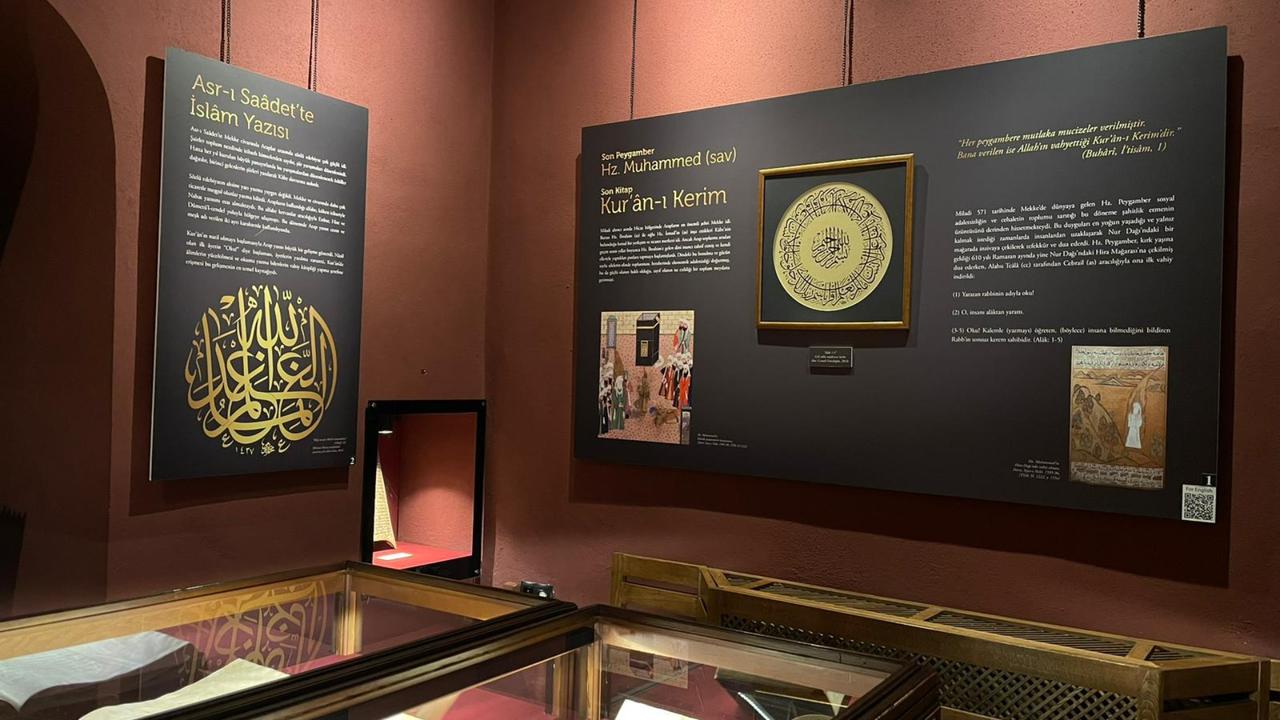
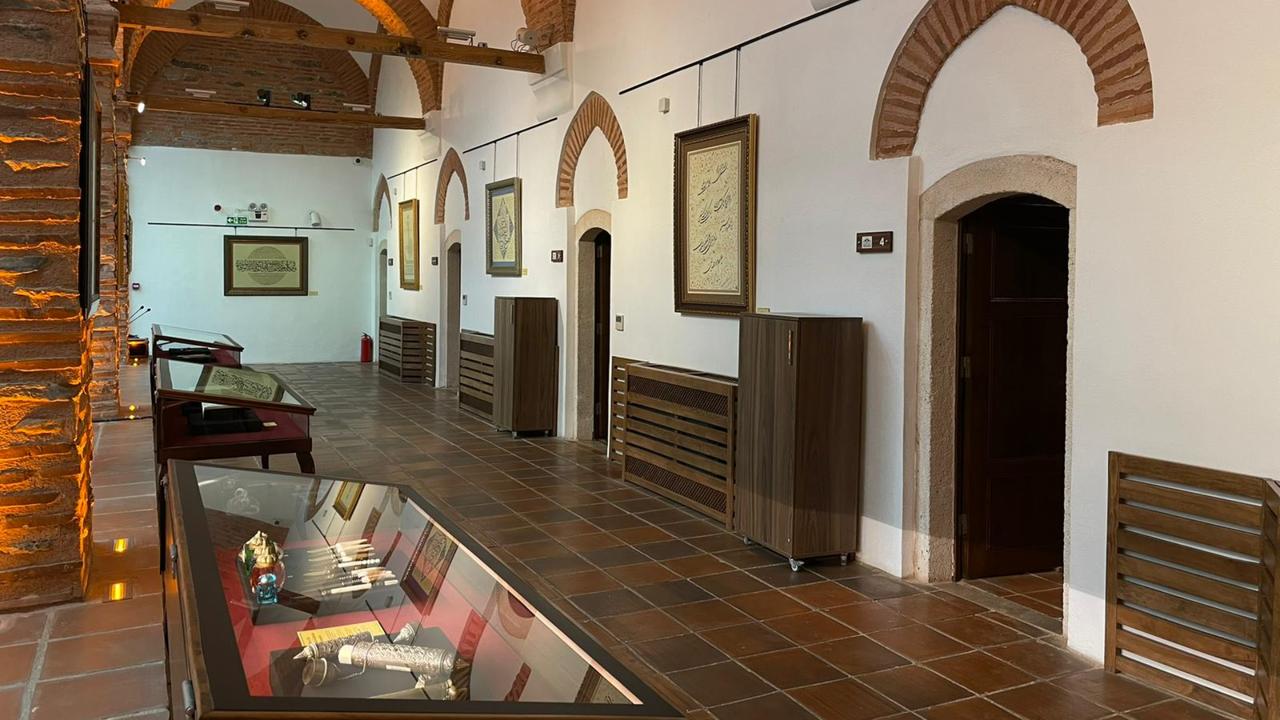
Tucked inside Bursa’s historic Muradiye district, the Muradiye Manuscripts Museum introduces visitors to the evolution of Islamic calligraphy and manuscript culture through a carefully curated exhibition space. The museum occupies the restored Muradiye Madrasa, a 15th-century educational institution founded by Ottoman Sultan Murad II. After centuries of different uses, the building was restored and reopened as a museum on Jan. 18, 2019, offering visitors a structured journey through the written history of the Quran and related Islamic book arts.
The Muradiye neighborhood derives its name and historical importance from the Muradiye Complex, commissioned by Sultan Murad II in Bursa, one of the early capitals of the Ottoman Empire. The complex includes a mosque, madrasa, bathhouse, soup kitchen, fountain and the tomb of its founder. Over time, additional tombs were built in the complex’s cemetery area, turning it into a burial site for many Ottoman princes and members of the royal household.
The Muradiye Complex gradually became the centerpiece of a wider historic district. Nearby structures include the Poet Ahmet Pasha Madrasa, built in the 15th century and now functioning as the Ottoman Folk Costumes Museum. The area also hosts a 17th-century Ottoman house and the tomb of Suleyman Bey Karşiduran, a historical figure who served as a subasi, a type of Ottoman city security chief, in both Bursa and Istanbul.
The Muradiye Madrasa itself forms a central part of the Muradiye Complex. Built in the early 15th century, the institution once stood out as one of the significant educational centers in the broader Turkish and Islamic world, where scholars taught and trained students for centuries. Its original foundation charter, dated 1430, is preserved today in the archives of Türkiye’s General Directorate of Foundations.
Architecturally, the madrasa follows an early Ottoman educational layout. The building features an open courtyard surrounded by arcaded walkways, known as revaks, and student rooms arranged around the square courtyard. The structure includes fourteen student chambers along with smaller and larger iwans, which are vaulted halls open on one side. At the center of the courtyard stands an octagonal marble fountain, a common element in Ottoman educational complexes where students gathered and studied.
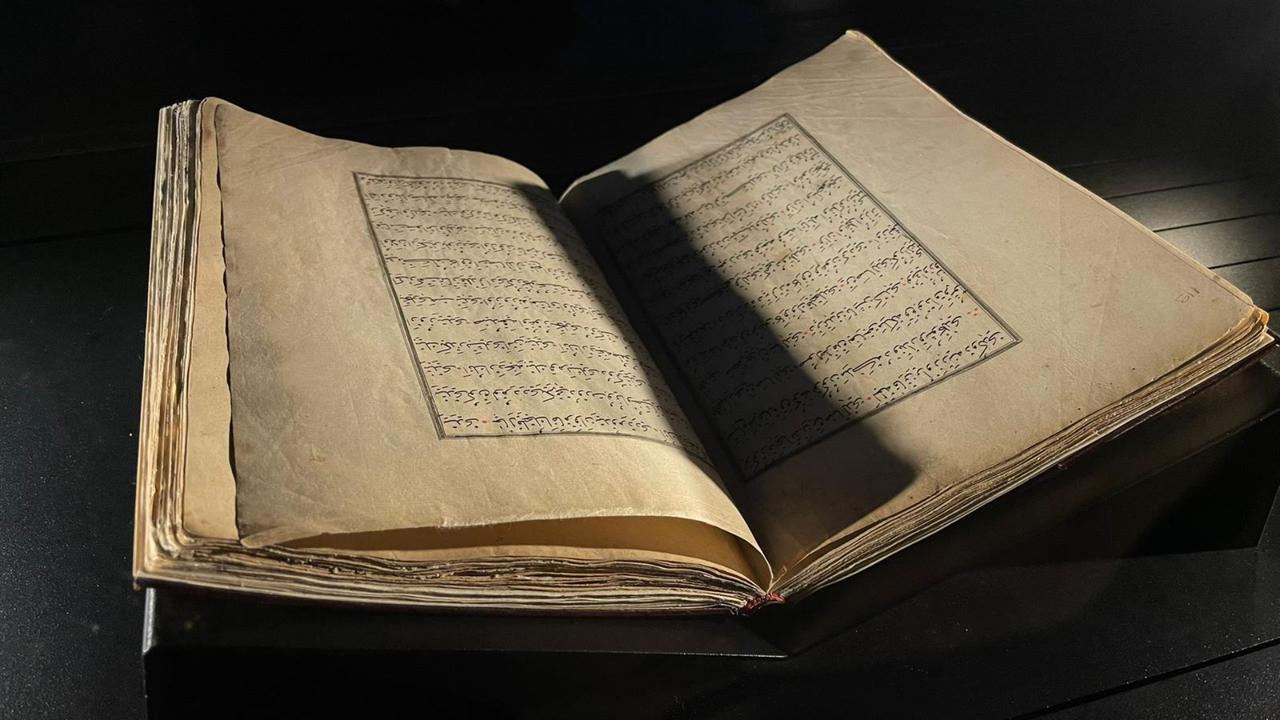
Over the centuries, the madrasa underwent various repairs and restorations. After the establishment of the Turkish Republic, a major intervention took place in 1951. For many years following that renovation, the building served public health purposes, operating as a tuberculosis dispensary and later as an early cancer diagnosis center. A comprehensive restoration led by the Bursa Metropolitan Municipality was completed in 2017, bringing the structure back into public use. The site lies within the area that UNESCO recognized as a World Heritage zone in 2014.
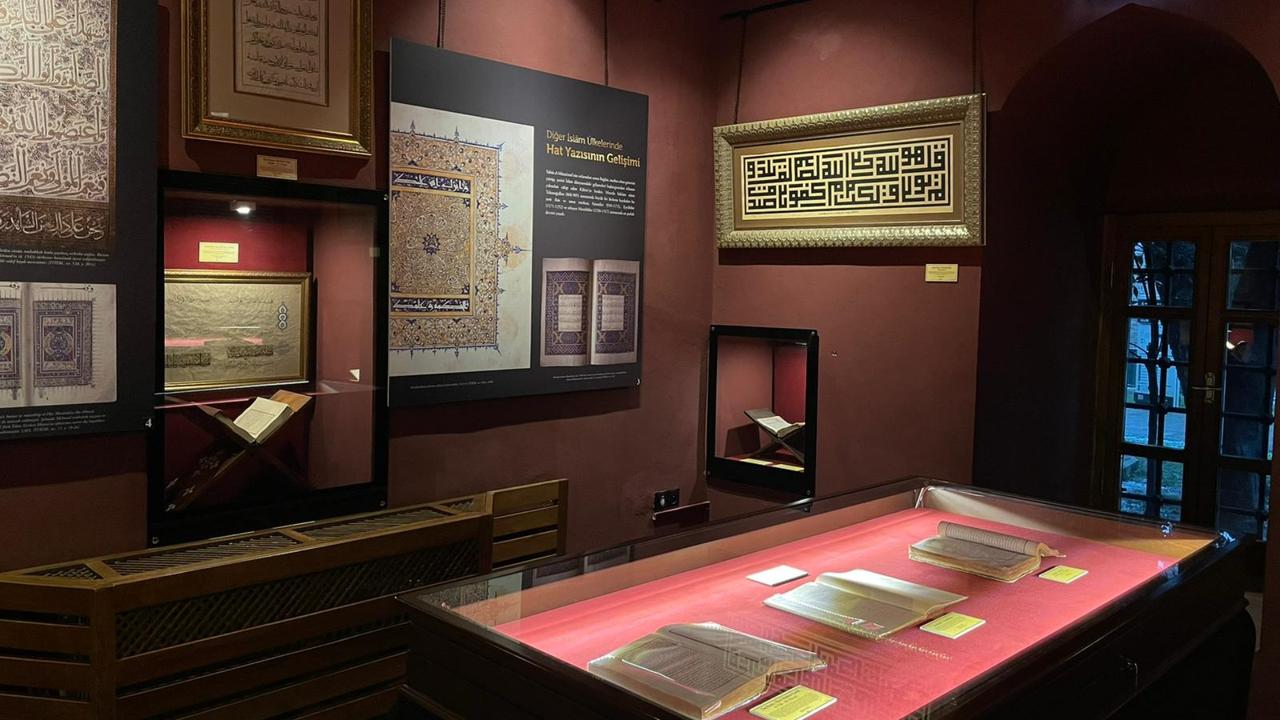
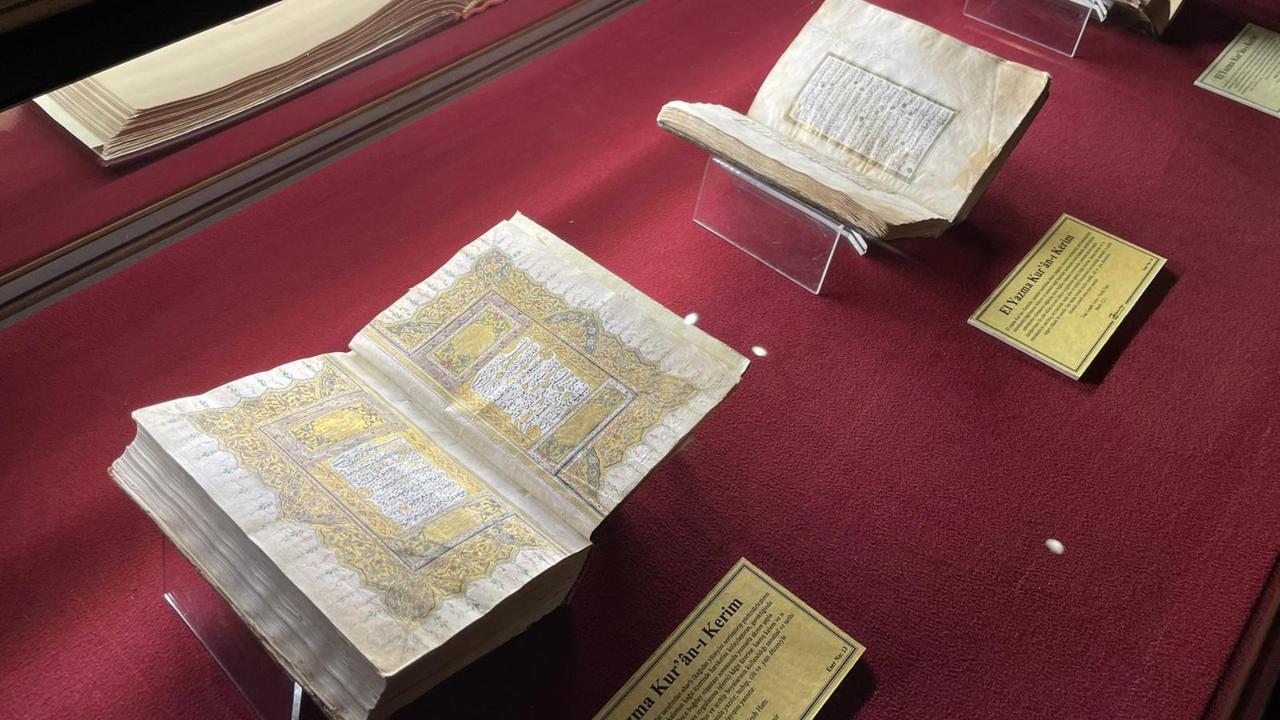
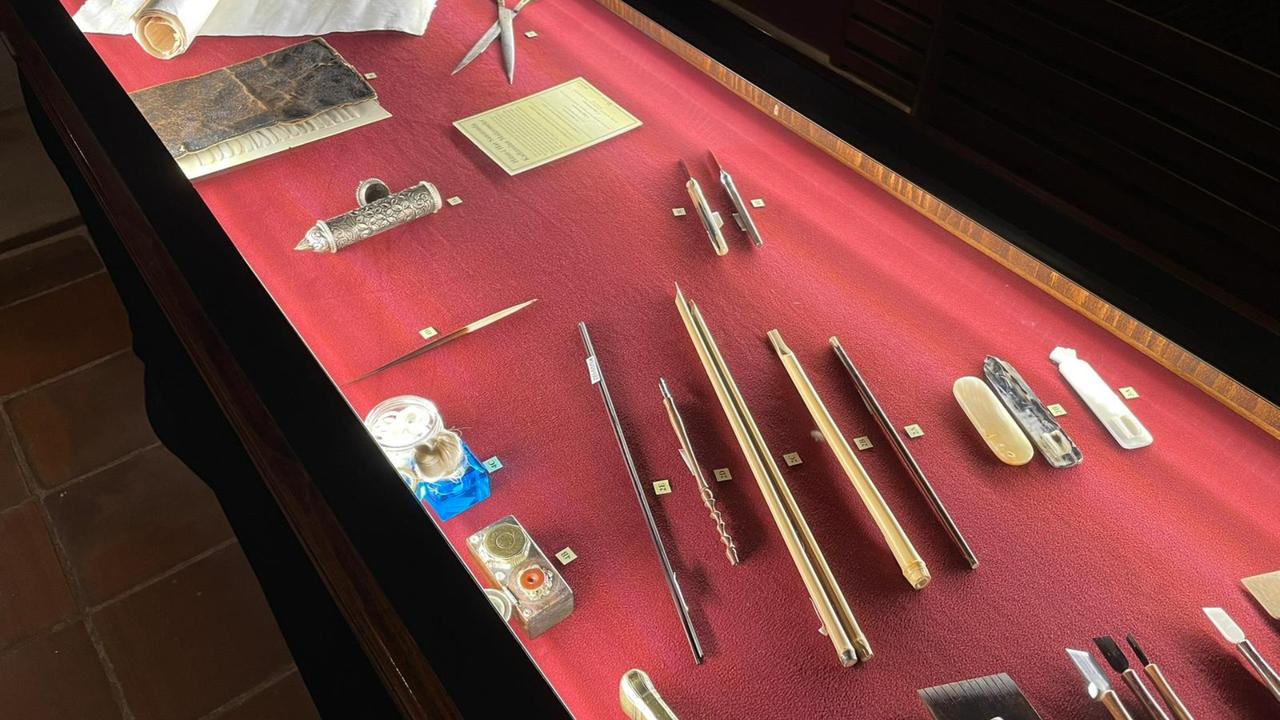
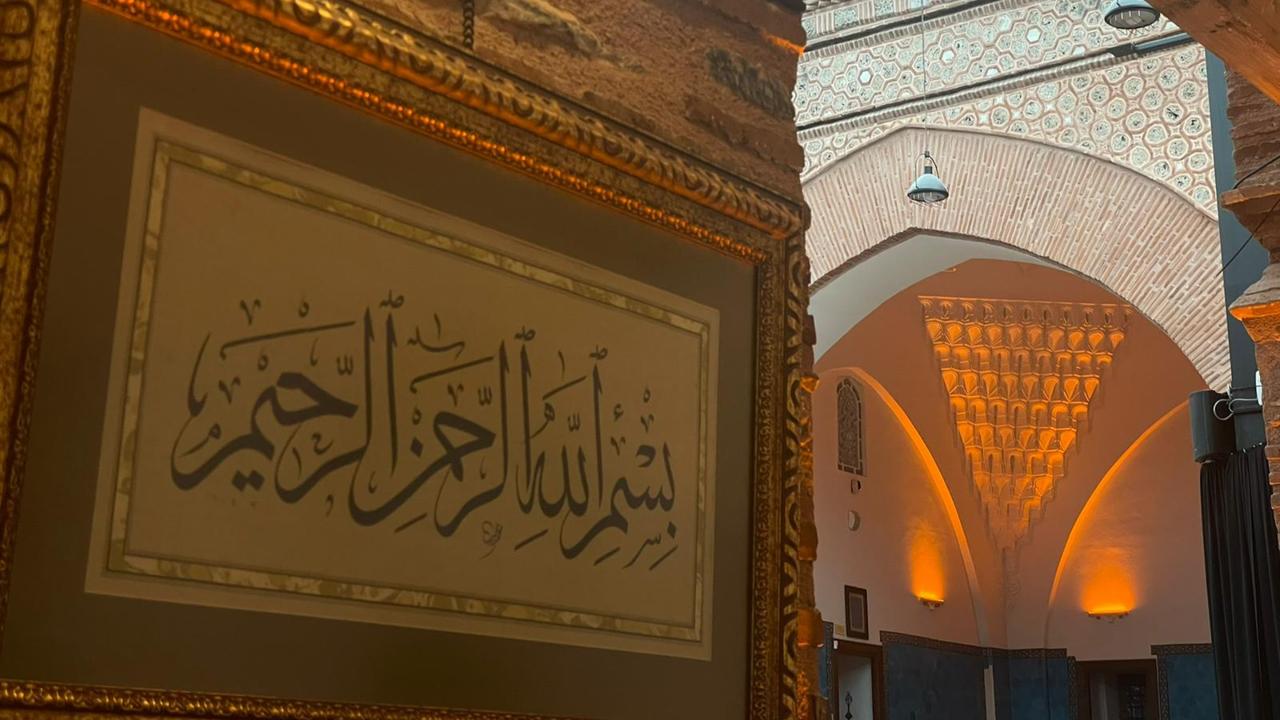
Following its restoration, the madrasa was repurposed as a manuscripts museum. Today, its rooms and arcades function entirely as exhibition spaces. Visitors move through the displays beginning with the earliest period of Quranic revelation and follow the chronological development of how the Quran has been written and transmitted through the art of calligraphy, known in Islamic culture as the art of beautiful writing.
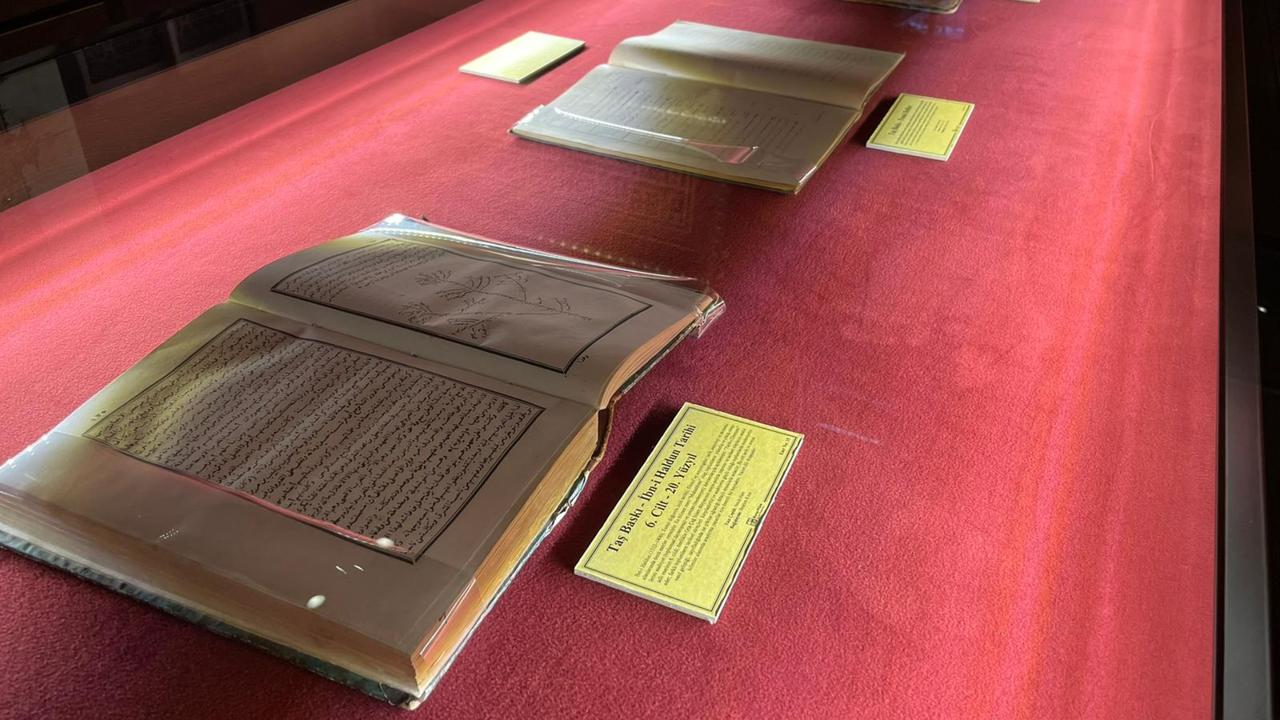
Alongside calligraphy, the museum also introduces visitors to other traditional Islamic book arts. Displays include examples of binding, illumination, miniature painting and marbling, crafts that historically accompanied manuscript production. Short video presentations explain how these techniques were created, helping visitors understand the craftsmanship behind historic manuscripts.
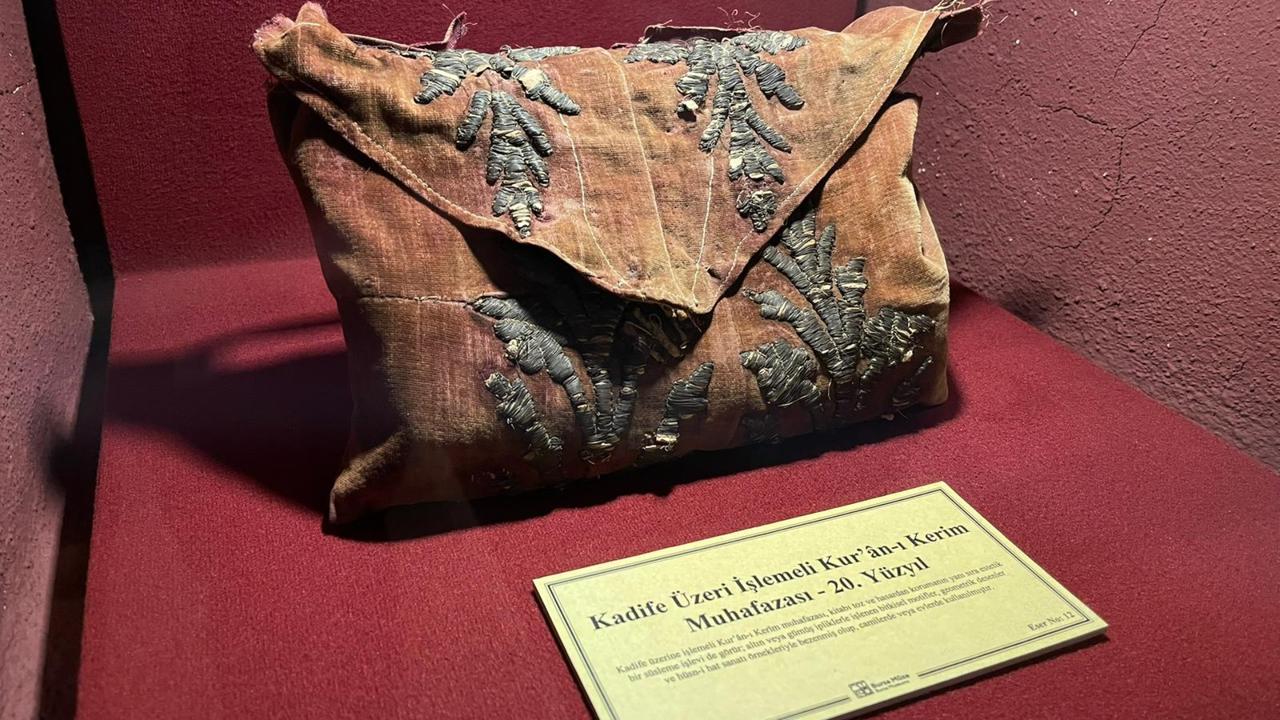
Directly opposite the entrance stands the madrasa’s main iwan, which now hosts one of the museum’s most notable displays. The hall features a ceremonial cloth once used to cover the sarcophagus of Sultan Murad I, known as Hudavendigar, dating from the 18th century.
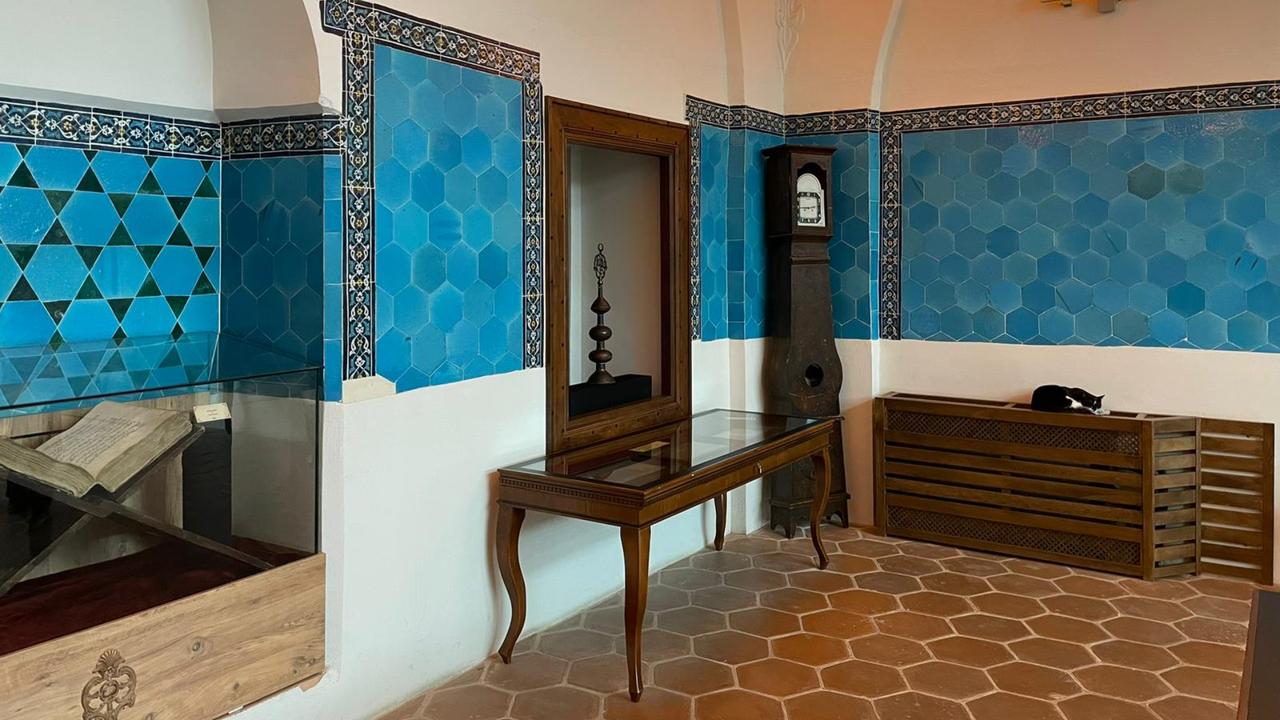
Panels listing the names of other Ottoman sultans buried in Bursa are also exhibited in this space, linking the museum’s manuscripts to the city’s broader imperial heritage.
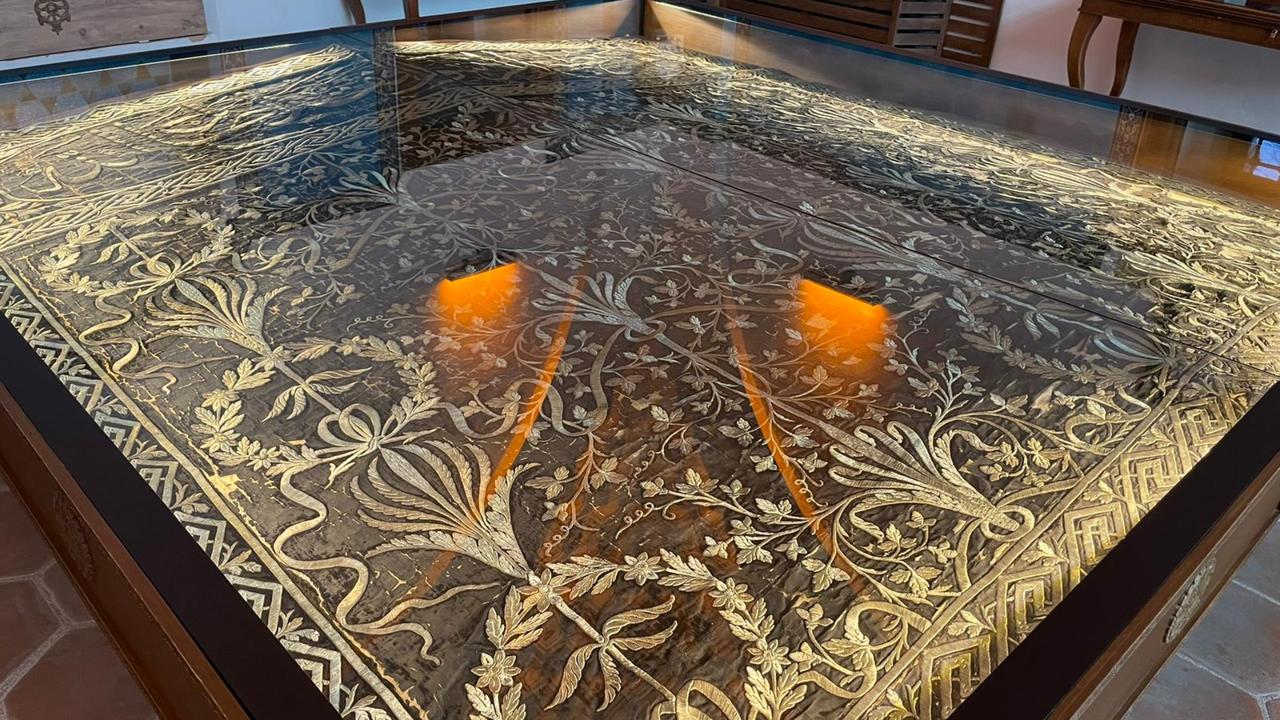
Today, the Muradiye Manuscripts Museum brings together architecture, scholarship and artistic tradition, allowing visitors to explore how Islamic manuscript culture developed across centuries within a historic Ottoman learning environment.


 Set as preferred source


 2 min read