Newsletters




A monumental Iron Age burial uncovered in rural western Phrygia is reshaping how scholars understand political authority during the reign of King Midas. The Karaagac Tumulus, located in modern Türkiye far from the Phrygian capital of Gordion, presents strong evidence that elite power in the late eighth century B.C. was not tightly centralized but spread across multiple regional hubs.
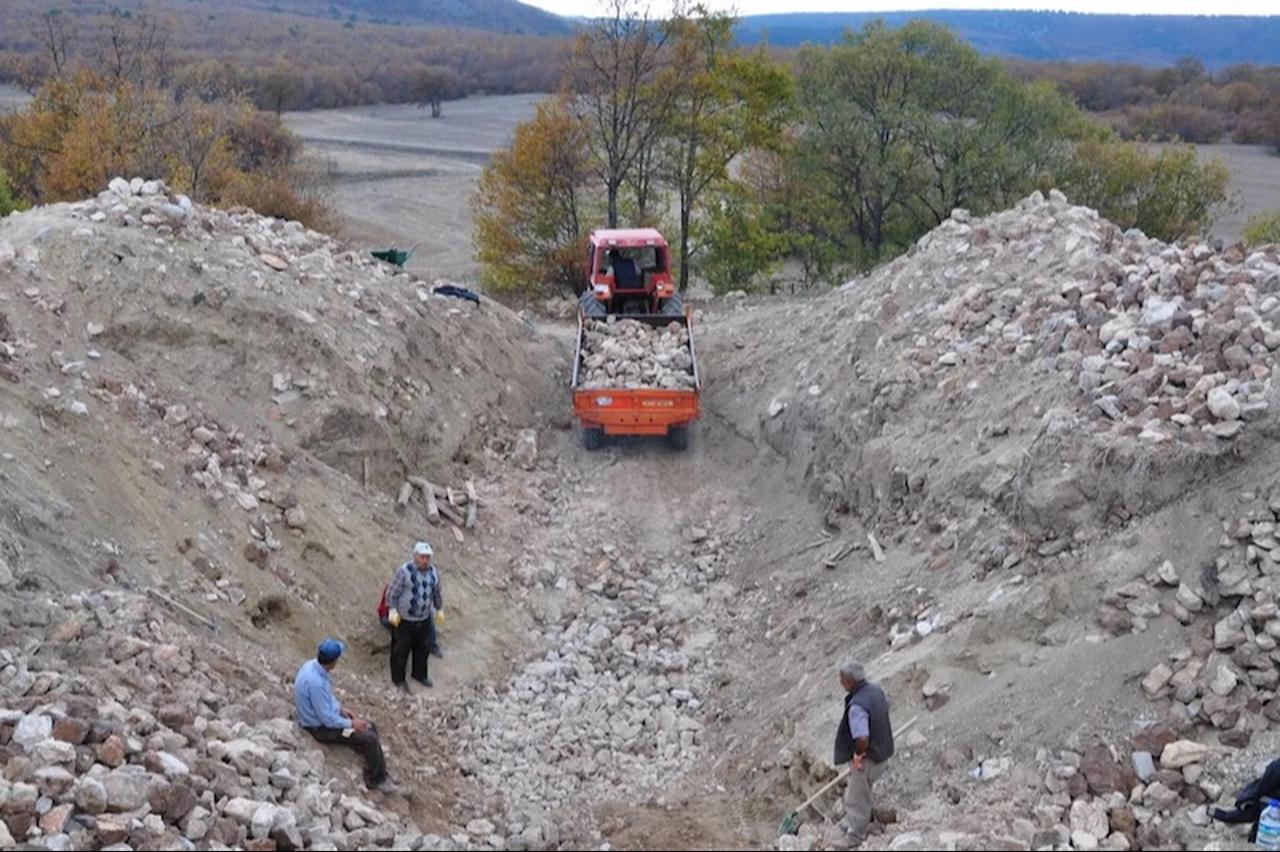

The first comprehensive analysis of the Karaagac Tumulus has been published by archaeologist Huseyin Erpehlivan of Bilecik Seyh Edebali University in the American Journal of Archaeology. The study sets out the site’s complex history, showing that the mound was used in several phases, beginning as an Early Bronze Age cemetery, followed by a Middle Iron Age elite tumulus, and later reused for Late Antique burials.
By tying together stratigraphic data, architectural study, and material analysis, the research places the main tumulus firmly within the Middle Phrygian period, roughly between 740 and 690 B.C., a time associated with the reign of King Midas.
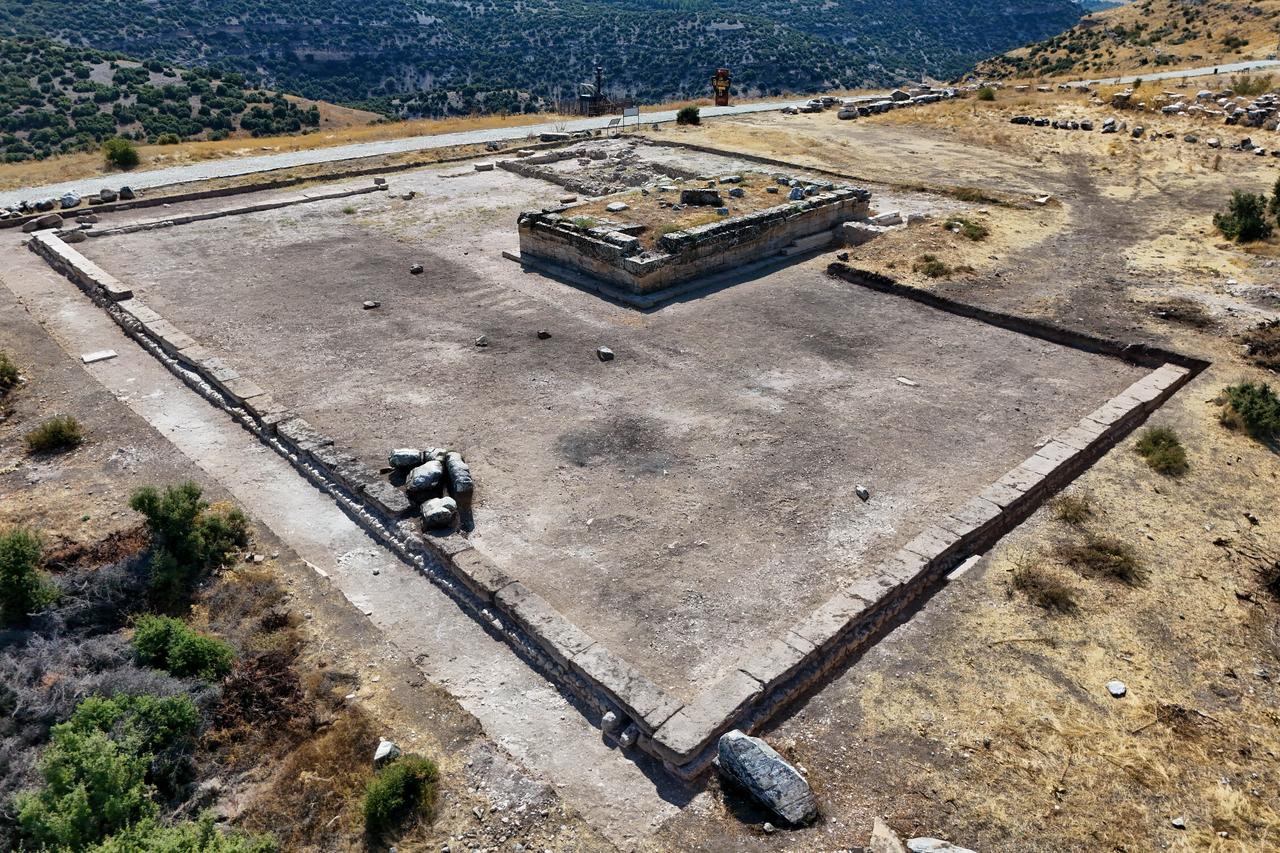
What sets Karaagac apart is its location. The tumulus stands on a natural rise overlooking the surrounding plain, rising about eight meters above the hilltop and measuring roughly sixty meters in diameter. It lies about 160 kilometers (nearly 100 miles) west of Gordion, the traditional center of the Phrygian kingdom.
Erpehlivan argues that the presence of such a monumental, wood-chambered tomb so far from the capital challenges older models that viewed Phrygia as a strictly centralized, city-focused state. Instead, the evidence fits better with newer interpretations that see Iron Age Phrygia as politically multipolar, with authority shared among regional elites who were still closely tied to the royal center.
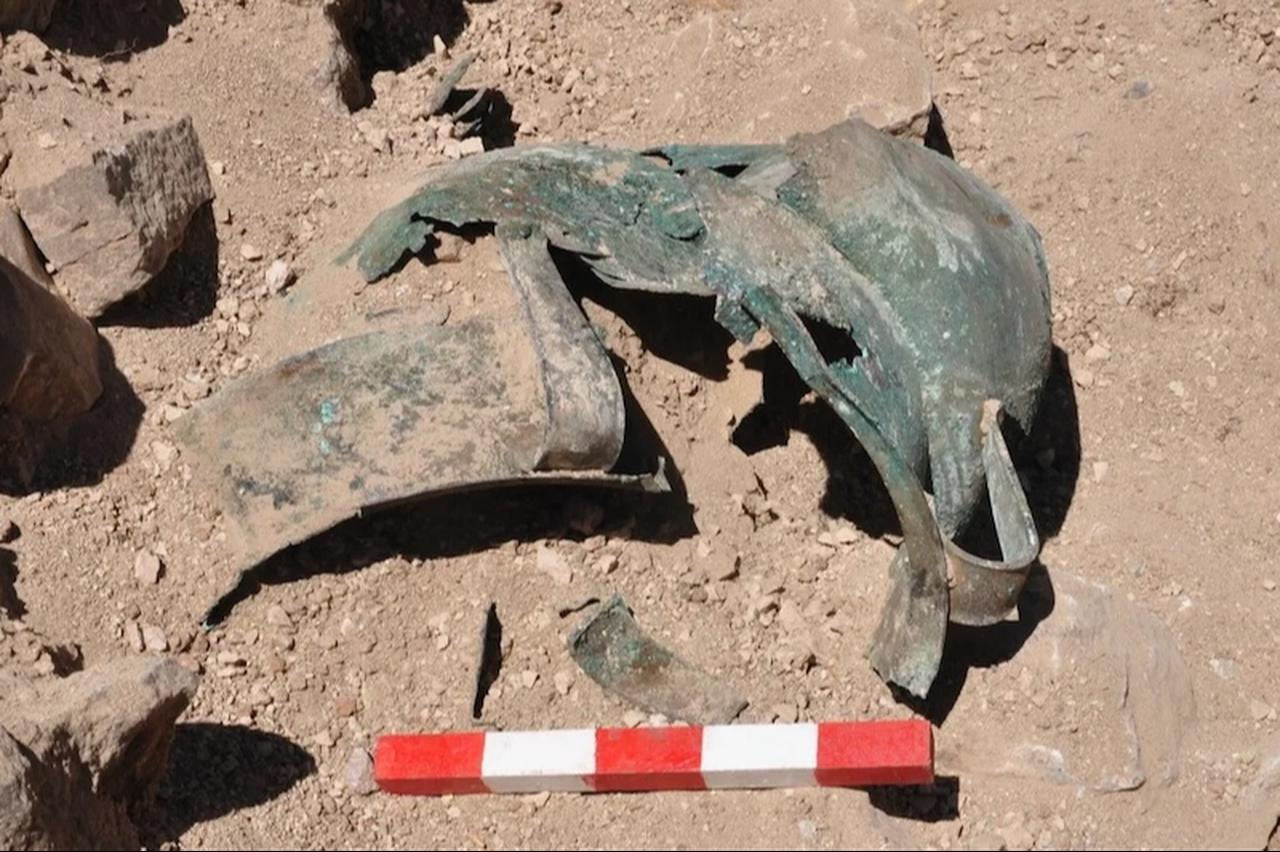
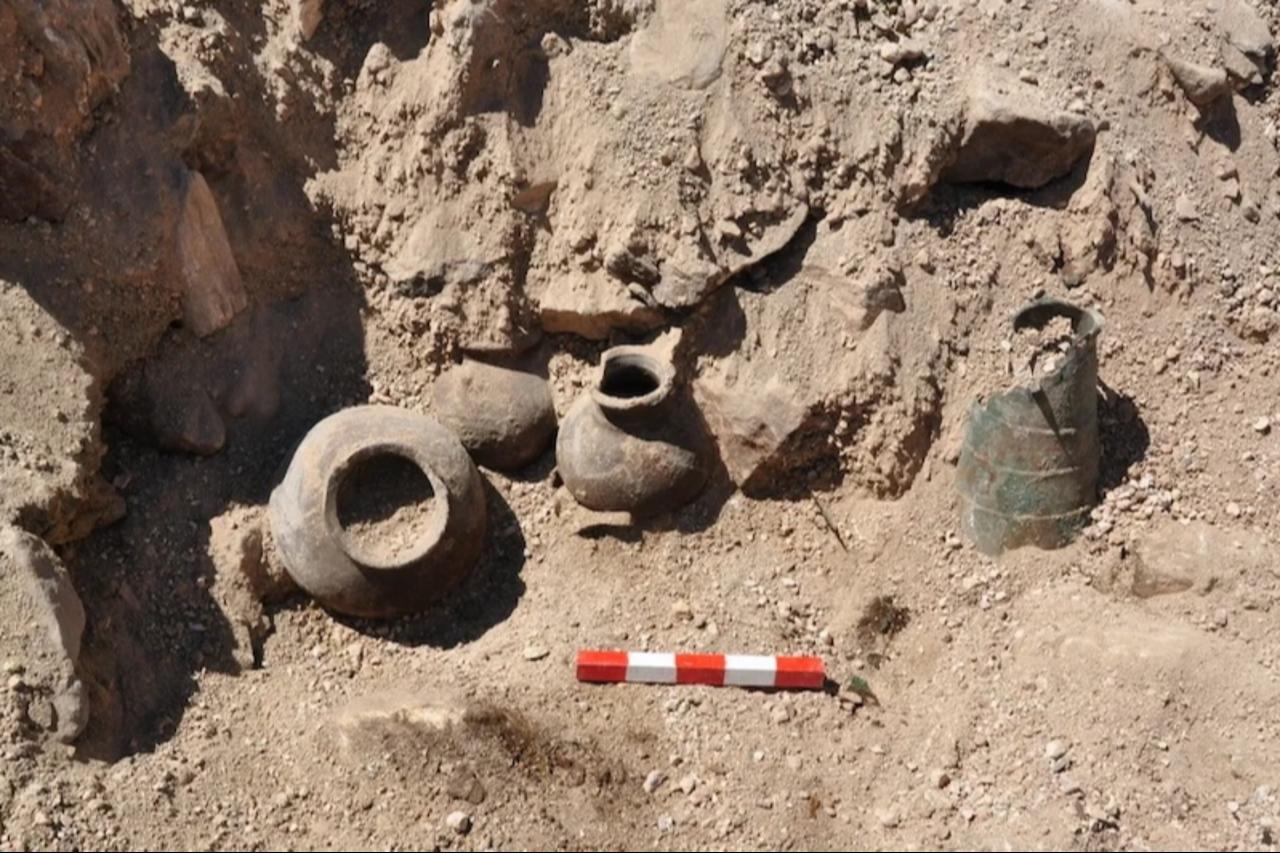
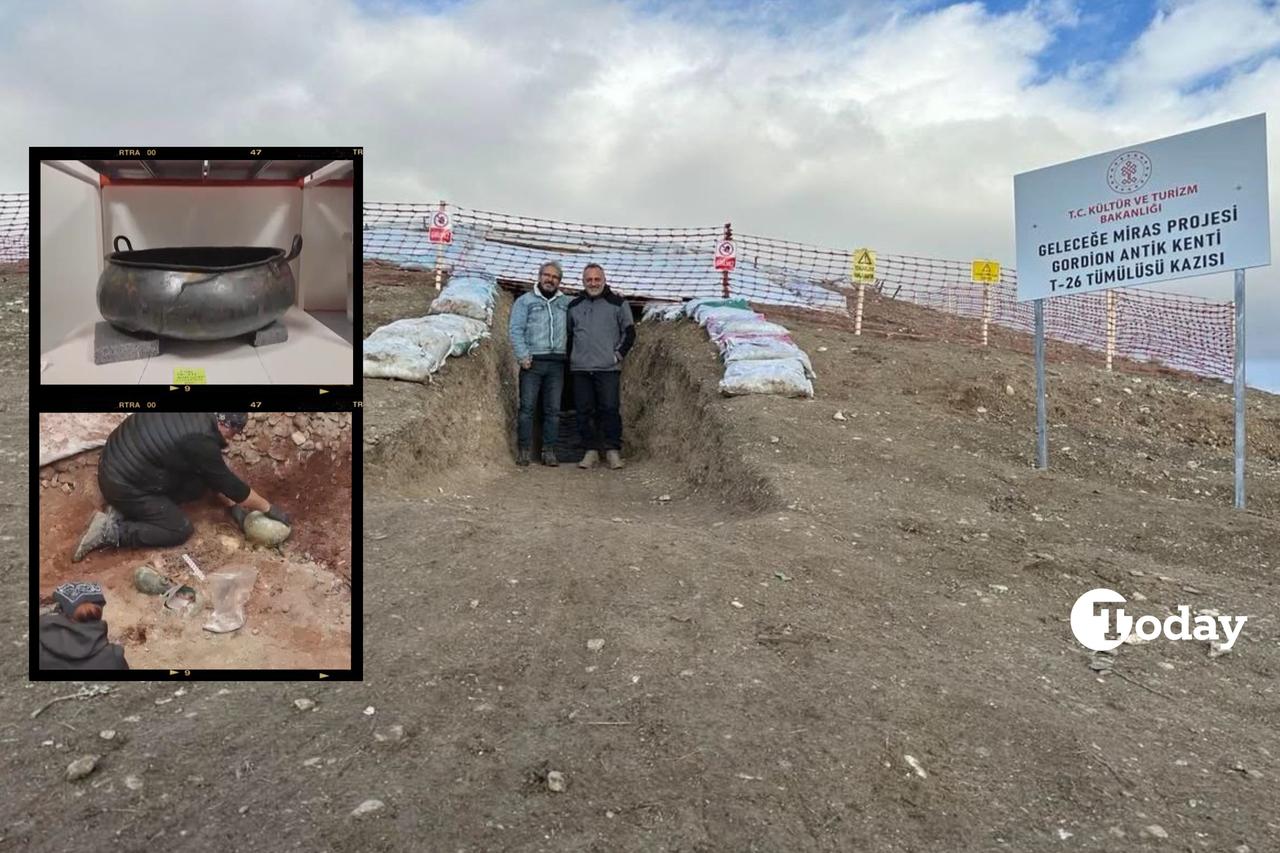
The burial goods recovered during salvage excavations underline the high status of the interment. Despite heavy looting before systematic work began, archaeologists documented numerous ceramic vessels, including one bearing a Phrygian personal name, as well as several bronze situlas. These finely crafted metal containers, often decorated with scenes of warfare, hunting, or procession, are a hallmark of elite Phrygian funerary practice.
The situlas are particularly significant because, until now, securely documented examples were known only from the Midas Tumulus at Gordion, widely believed to belong to Midas’ father, Gordias. Their presence at Karaagac suggests that the individual buried there held a rank well above that of a local notable. Erpehlivan has suggested that the burial could belong to a member of the royal family or to a powerful regional governor linked to the court through royal gift exchange.
 1 min read
The Karaagac Tumulus therefore plays a key role in ongoing debates about how Phrygian power was organized. Rather than seeing Gordion as the sole focal point of authority, the study points to a network of elite centers spread across central Anatolia, all participating in shared cultural and political practices.
External scholars have noted the importance of the find. Brian Rose of the University of Pennsylvania, who was not involved in the study, has highlighted the unusual span of burials at the site, covering nearly three thousand years, and has stressed the value of having a securely dated elite tomb from the period when Midas ruled.


 Set as preferred source
 Set as preferred source


 1 min read