Newsletters


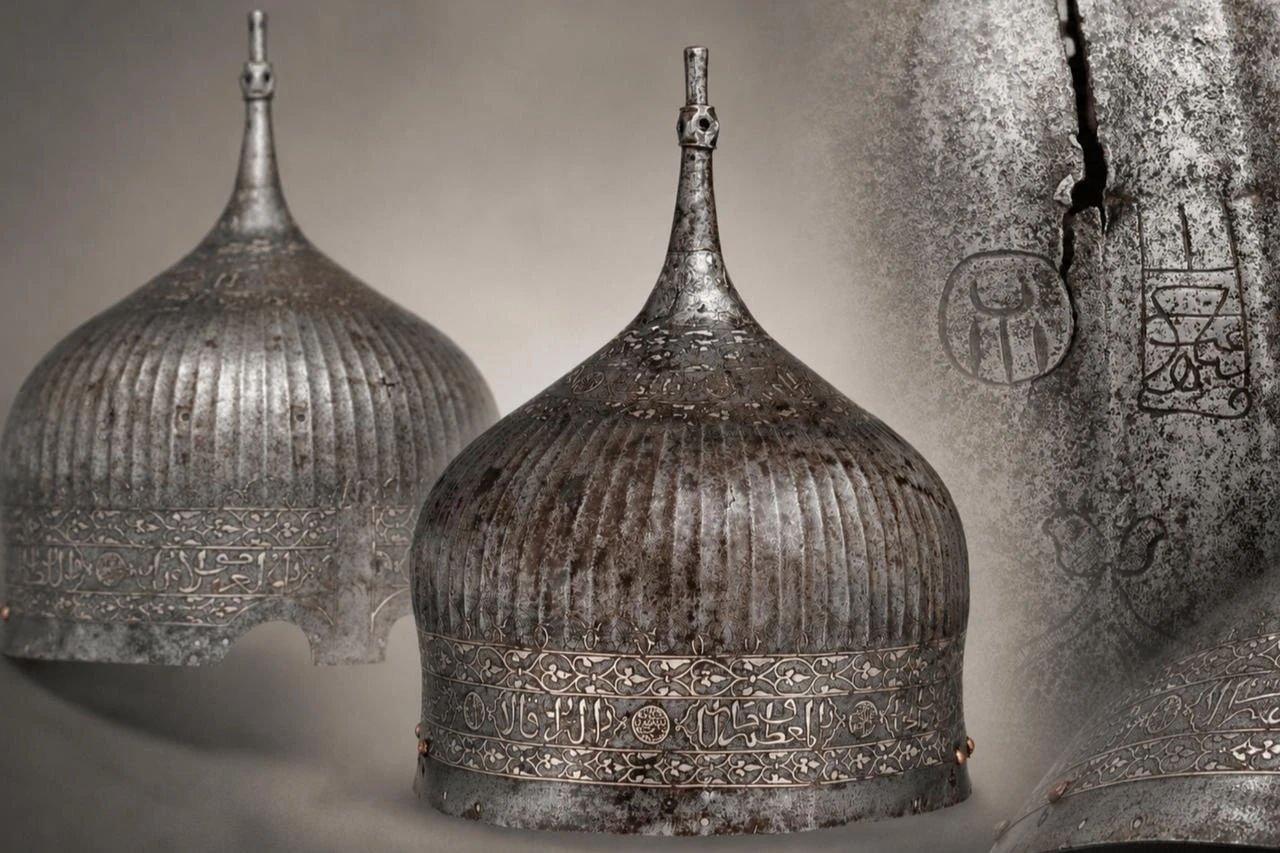


A debate over whether a turban helmet at New York's Metropolitan Museum of Art belonged to Osman Gazi, founder of the Ottoman dynasty, has opened up a wider discussion over early Ottoman material culture, the Aq Qoyunlu armor and the fate of weapons once kept at Istanbul's Aya Irini arsenal.
Speaking to Türkiye Today, Turkologist Umut Erdogan said the helmet claimed to have belonged to Osman Gazi should not be treated as an Ottoman dynastic object without firmer evidence. He argued that its tamga type and inscriptions point more strongly to the Aq Qoyunlu—the White Sheep Turkmen dynasty—that ruled parts of eastern Anatolia and northwestern Iran in the 15th century.
"In my view, the Turkmen helmet claimed to have belonged to Osman Gazi does not belong to him," Erdogan said, referring to the helmet at the center of the debate. "We do not have concrete information that would prove this claim."
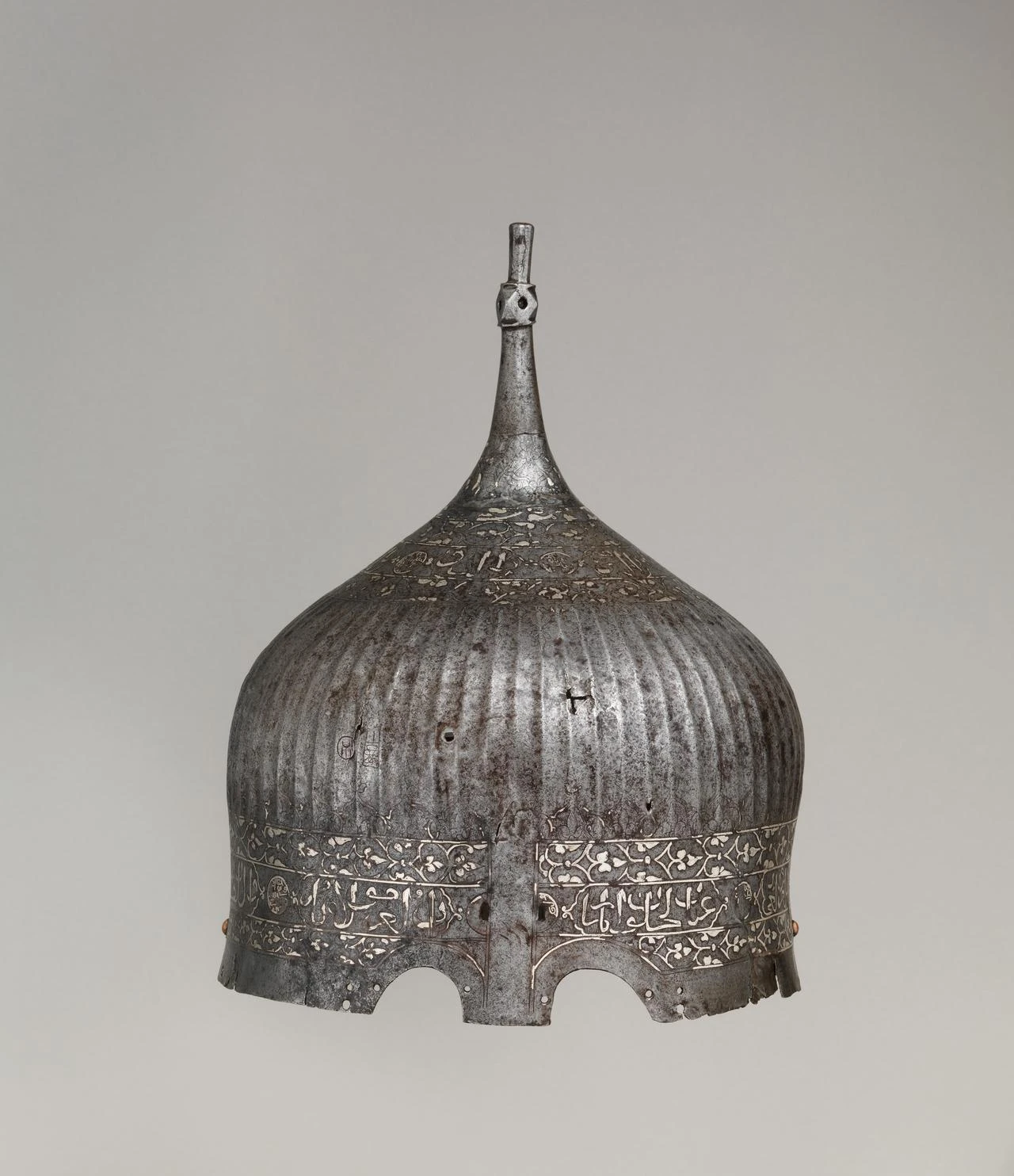
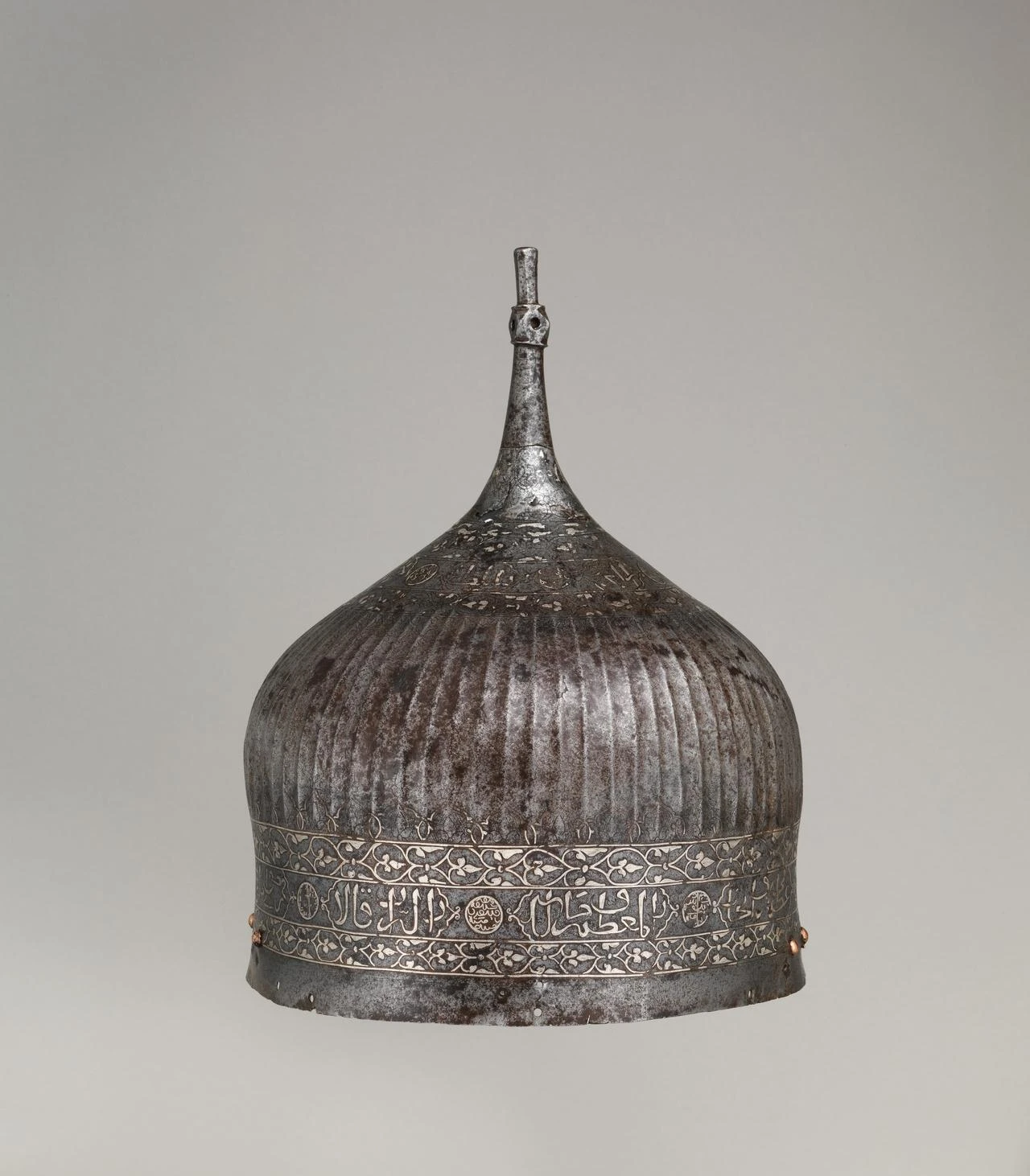
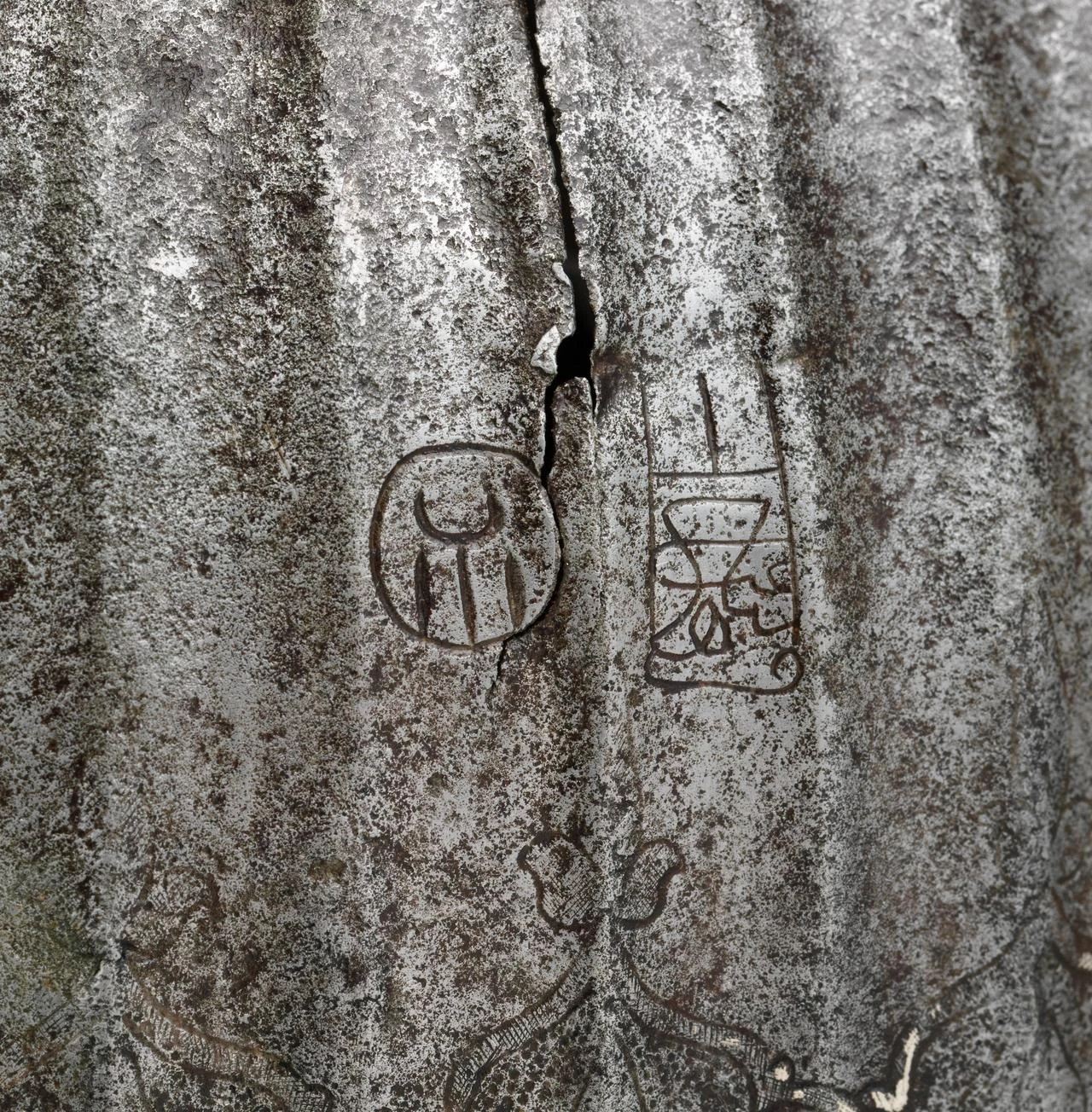
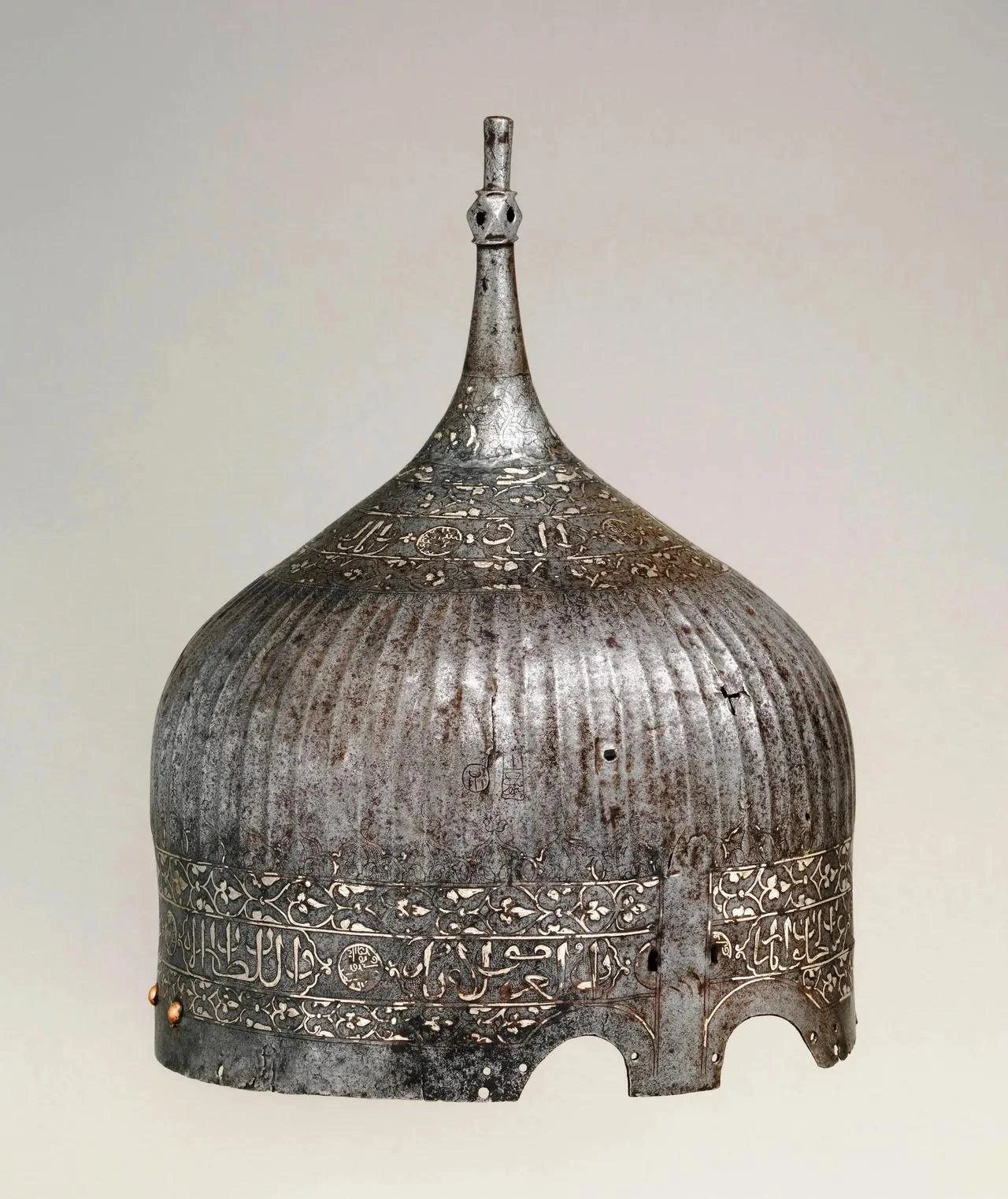
The discussion began after researcher Hakan Yilmaz argued in an interview with Sehrengiz magazine that the helmet at The Met could be linked to Osman Gazi. Türkiye daily later reported that Yilmaz saw the object as evidence not only of Osman Gazi's political status, but also of wider debates about his ethnic origin and dynastic identity. Some historians, however, questioned the attribution, noting that the helmet's form differs from known early Ottoman examples and that The Met dates the object to the 15th century.
The Met identifies the object as a 15th-century "Turban Helmet" of "Turkish or Iranian" culture, in the style of Turkman armor. Its collection record says it is made of steel, silver and copper alloy, and that it entered the museum through the bequest of George C. Stone in 1935. The object is on view at The Met Fifth Avenue in Gallery 379.
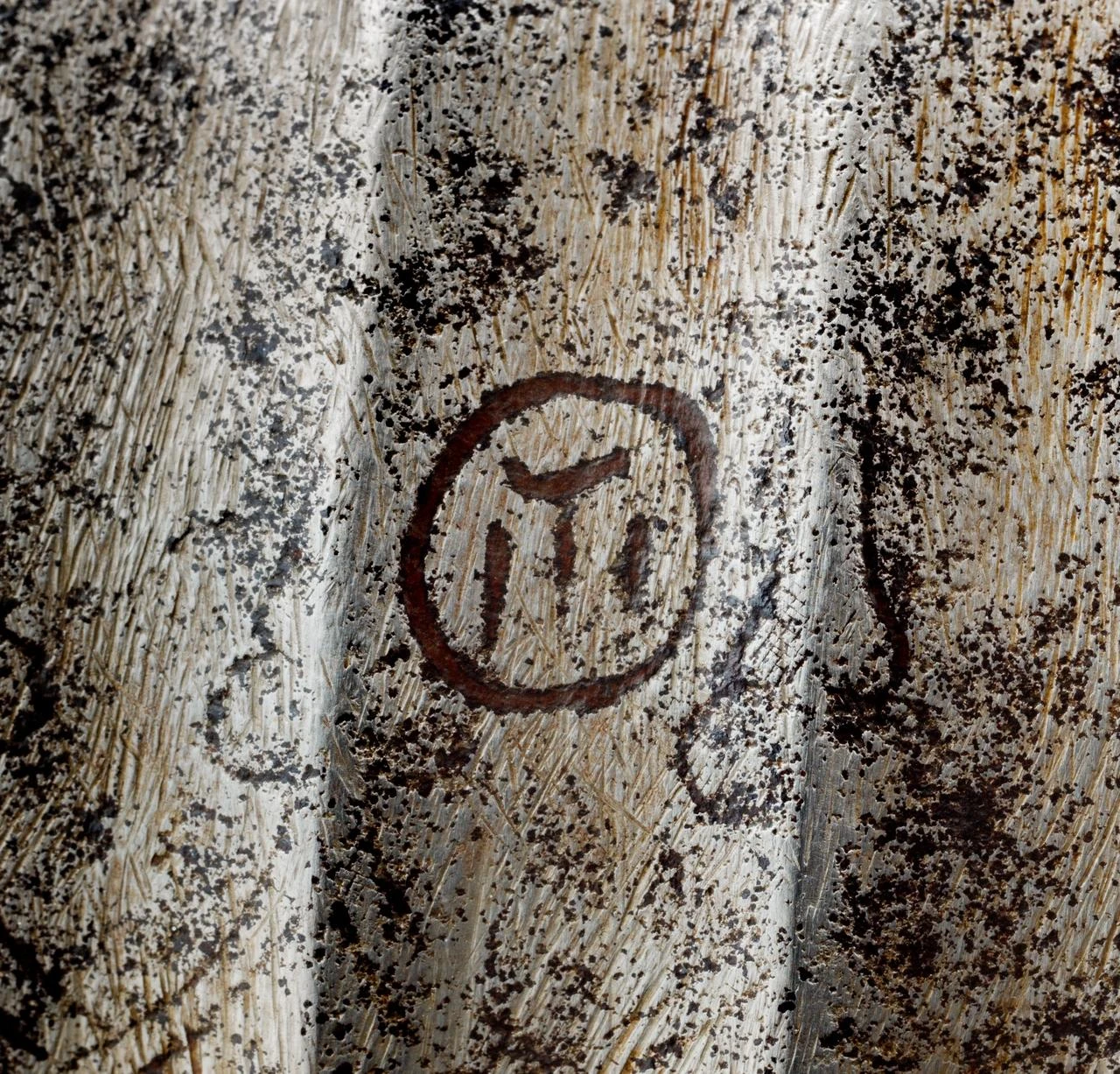
At the center of the dispute are two terms that may be unfamiliar to international readers. A "tamga" is a tribal, clan or dynastic mark used in Turkic and Eurasian contexts, while a "tughra" is a stylized sovereign signature associated especially with Islamic courts. Yilmaz argued that the tamga on the helmet was planned as part of the front design rather than added later, and therefore should not be dismissed as a later or unrelated mark.
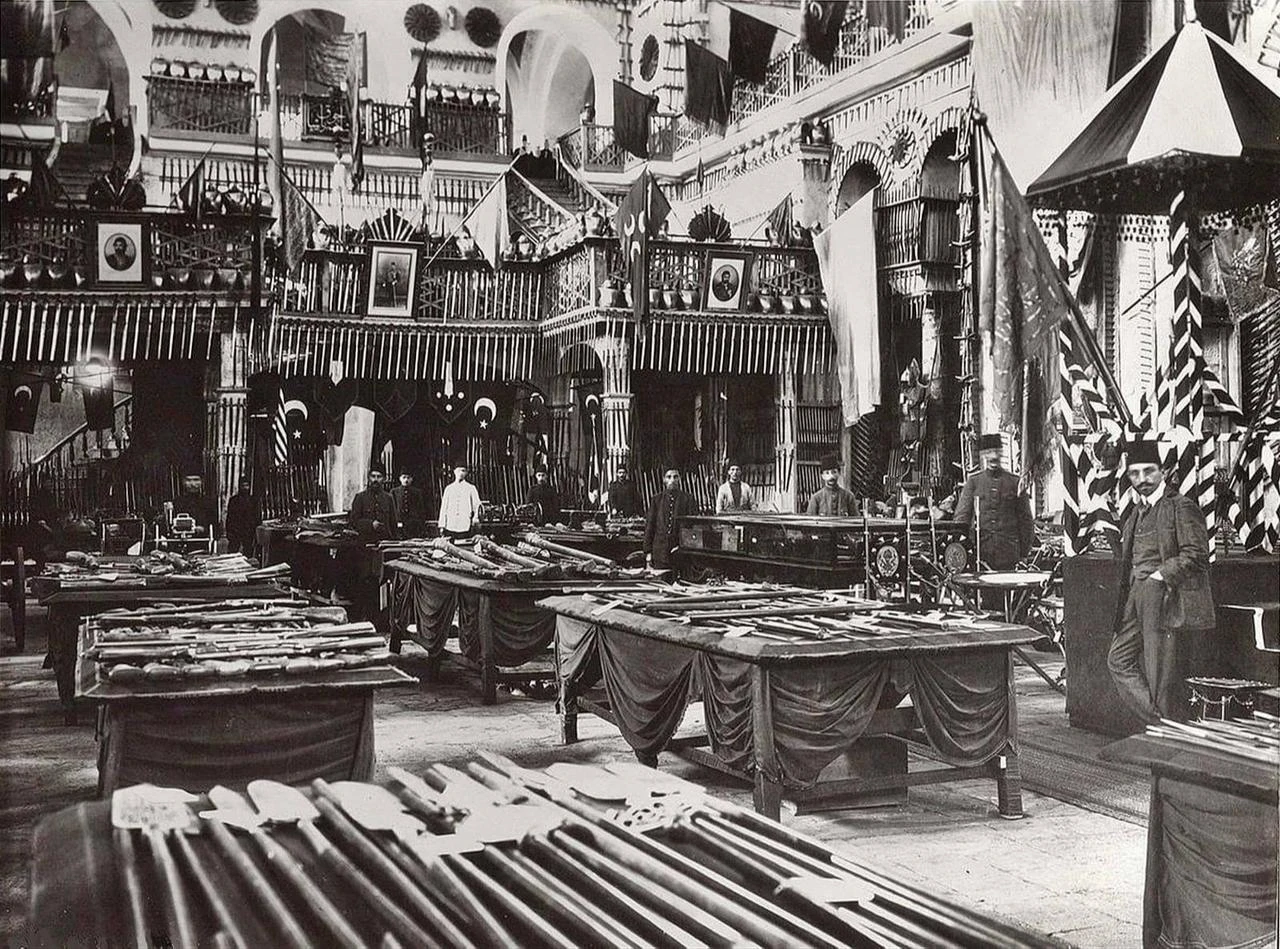

Erdogan rejected the idea that the Kayi tamga on the helmet is enough to prove Ottoman ownership. The Kayi were the tribal group traditionally associated with the Ottoman founding line, but Erdogan said the mark may instead show that the helmet had passed through Aya Irini, the former Byzantine church in Istanbul that was used by the Ottomans as an imperial arms depot and a storehouse for historically valuable military material from 1490 onward.
According to Erdogan, weapons preserved at Aya Irini included Ottoman, Aq Qoyunlu, Mamluk and Hungarian examples, and some of those objects were marked with the Kayi tamga after entering the arsenal. In his view, this makes the mark a sign of later storage history rather than direct proof that the object belonged to Osman Gazi.
Some historians compared the disputed helmet with the helmet of Orhan Gazi, son of Osman Gazi, which is kept in Istanbul's Military Museum. He said the helmet attributed to Osman Gazi has a more developed form than that of Orhan Gazi, making the attribution historically problematic.
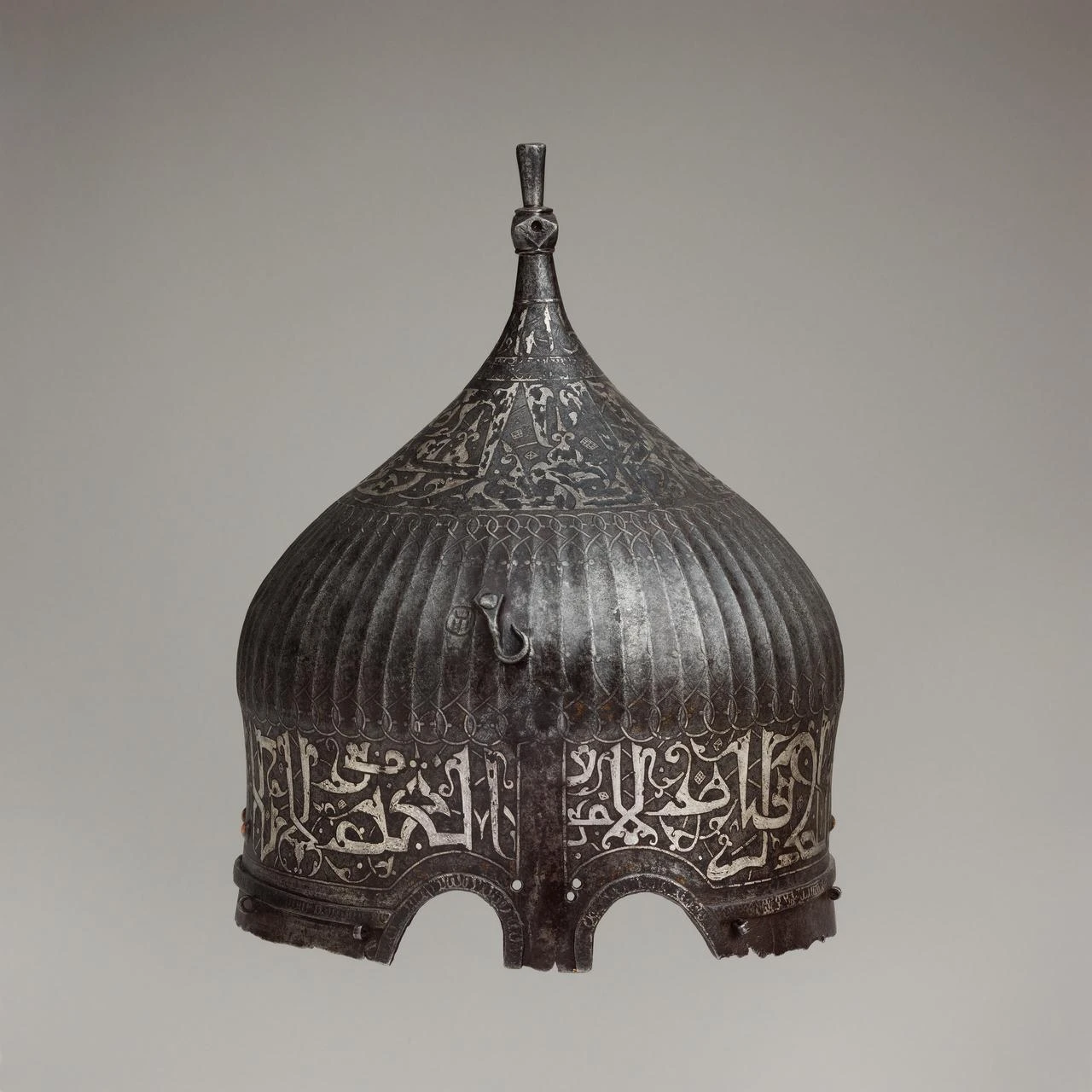
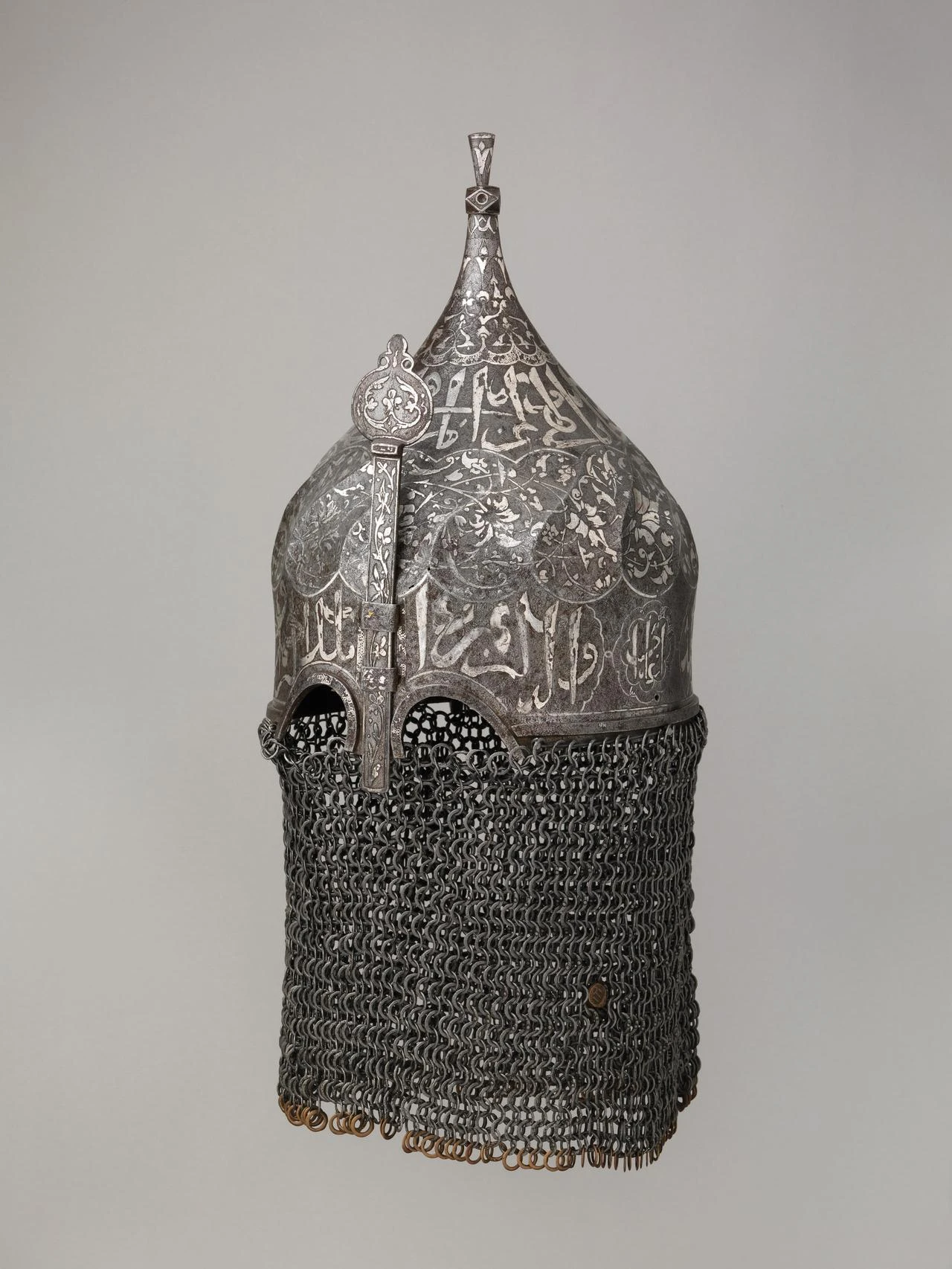
The Met's own collection texts place similar turban helmets within a 15th-century Turkman armor tradition. The museum explains that such helmets are known as "turban helmets" because of their large rounded form and fluting that imitates the folds of a turban. The Met also notes that some examples appear to have belonged to the Aq Quyunlu, or the White Sheep Turkoman dynasty, and that their gold and silver inscriptions praise rulers, wish the owner well or offer moral advice.
This museum description does not settle the debate, because Yilmaz argues that The Met's use of the Aq Qoyunlu term is only a broad catalog assumption. He told Türkiye daily that Annemarie Schimmel and David Alexander, who studied the helmet, did not identify it as Aq Qoyunlu, but described its design as unusual and as sharing features with Iranian, Anatolian and Ottoman helmets. He also argued that they could not read the tughra and therefore dated the object to the 15th century.
The discussion is not limited to a single object. The Met holds several Turkish and Turkman-style helmets from the late 15th and 16th centuries, including examples listed as Turkish, possibly Istanbul, in the style of Turkman armor. One helmet in the collection carries Arabic inscriptions praising "the greatest Sultan" and "the mighty Khagan," while its foliate Kufic script is compared by The Met to early 16th-century Turkish Iznik pottery.
Other turban helmets at The Met are also described through the same Turkman armor framework, with the museum linking the broader group to heavy cavalry equipment and to the Aq Quyunlu material culture in northwestern Iran and Anatolia.
Erdogan said this wider group matters because several Turkish helmets in The Met and elsewhere are linked by researchers and observers to marks similar to the Kayi or IYI tamga. For that reason, he argued, the presence of such a mark should be handled carefully and read together with form, inscription, provenance and arsenal history.
Another issue is how these objects left Istanbul.
Erdogan said some of the works once kept at Aya Irini were removed through theft and later entered collections abroad. The Met record for the disputed helmet confirms that it came to the museum through George C. Stone's bequest, while the broader public debate in Türkiye has focused on why objects tied to Anatolian and Turkish military heritage are today displayed in New York rather than in Türkiye.
For now, the helmet remains a disputed object rather than a confirmed relic of Osman Gazi. The Met catalog places it in a 15th-century Turkman armor context.


 Set as preferred source
 Set as preferred source


 1 min read
 1 min read