

 Newsletters


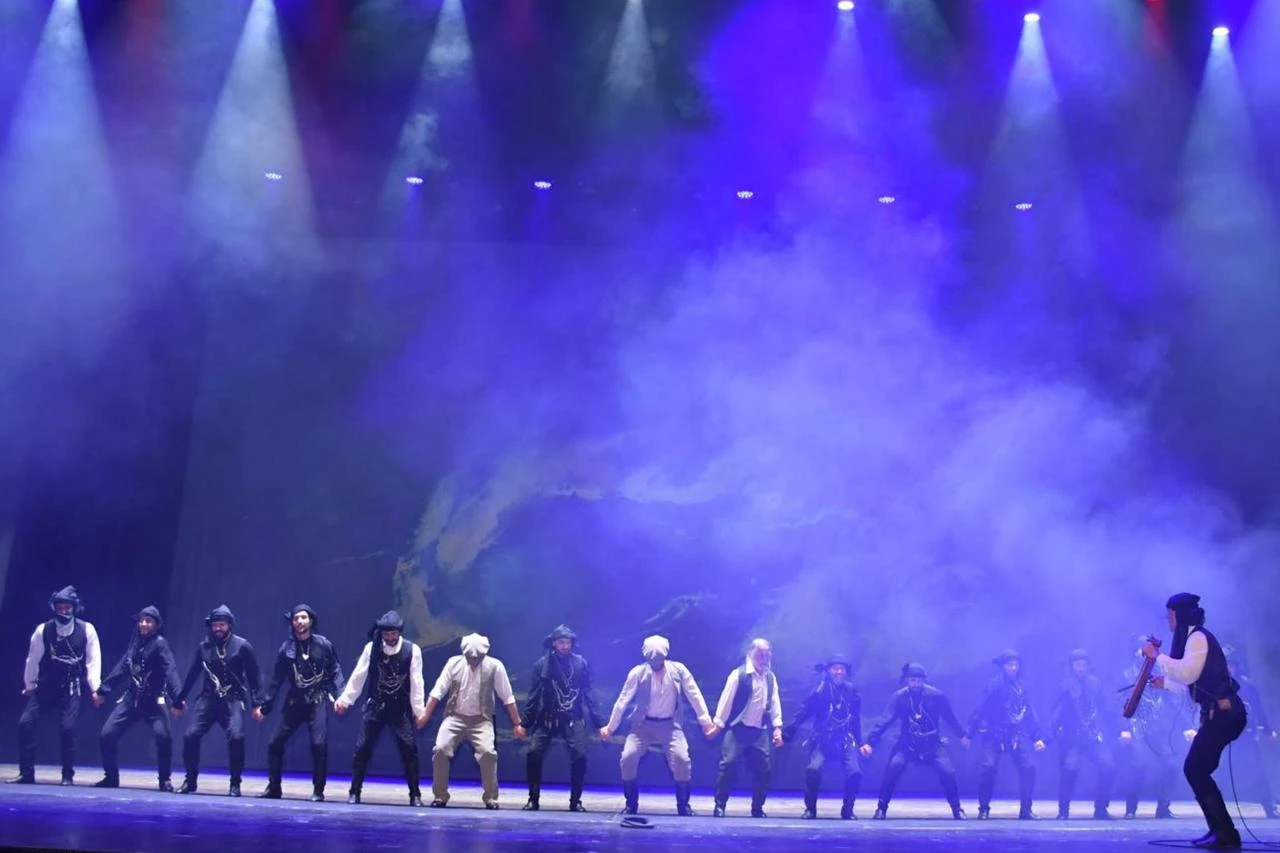


The recent debate over horon has moved beyond a folk dance dispute and turned into a wider argument over cultural memory, regional identity and heritage politics. Over the past week, Türkiye's Guinness record attempt for mass horon dancing, the "Horon Bizumdur" campaign and responses from Greek circles have brought back a familiar question: can a dance shaped by the Black Sea's Anatolian communities be claimed through a single national story?
Horon, a fast-paced traditional dance associated with Türkiye's Black Sea region, is not simply a staged performance. In the eastern and central Black Sea provinces, it is part of weddings, village gatherings, highland festivals and communal celebrations. It is usually performed in a line, circle, or semi-circle, with dancers linking hands or fingers, moving together in tight rhythm and often building up from slower steps to sharper, more energetic movements.
In Türkiye, horon is strongly identified with the Black Sea provinces, especially Trabzon, Rize, Artvin, Ordu, Giresun, Gumushane and Bayburt. In Pontic Rum communities, particularly among the descendants of Orthodox Rums from the Black Sea region of Anatolia, related dances such as Serra, Tik and Omal carry deep cultural memory. That overlap explains why the current argument cannot be reduced to a simple question of who "owns" the dance.
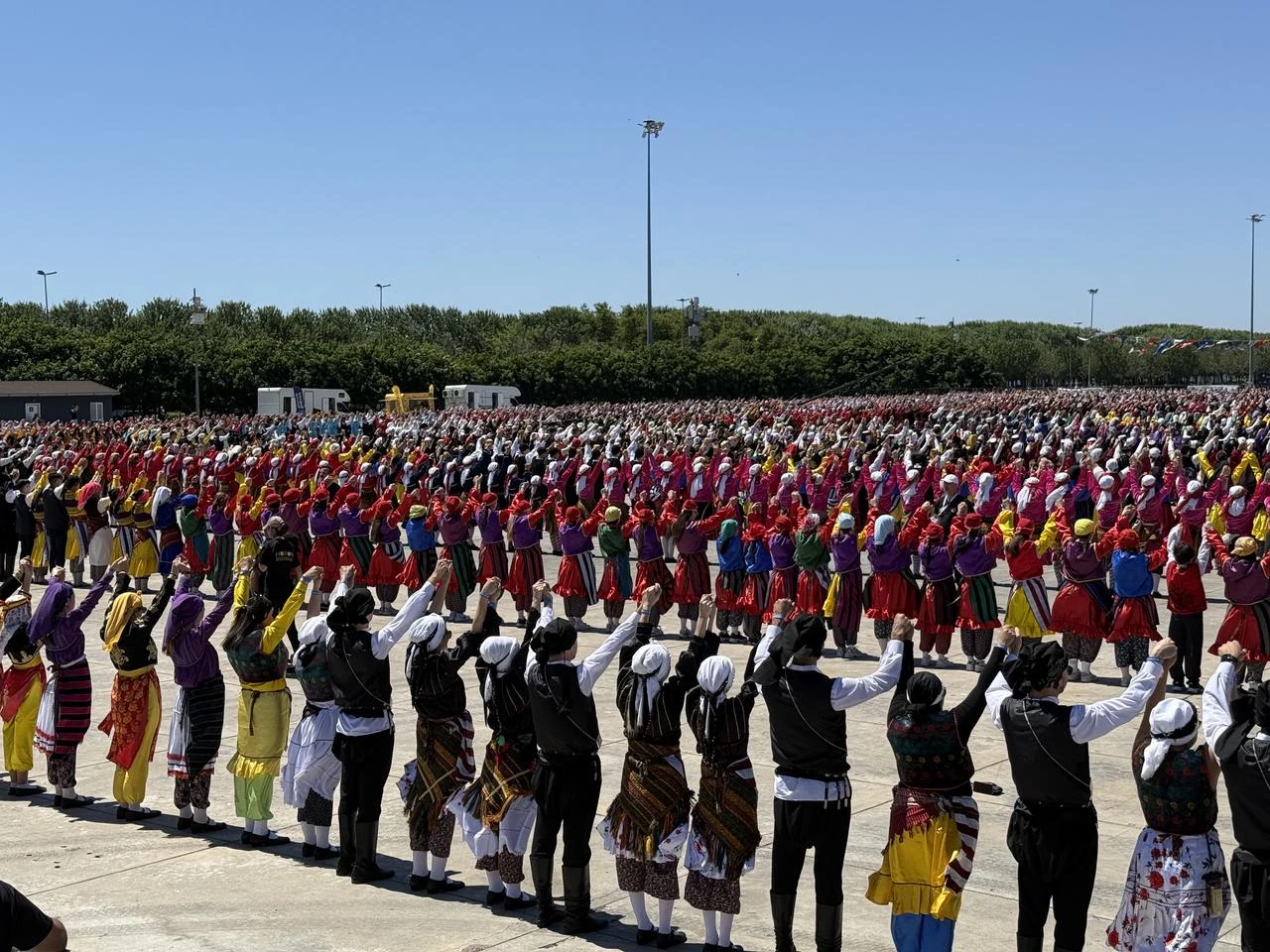

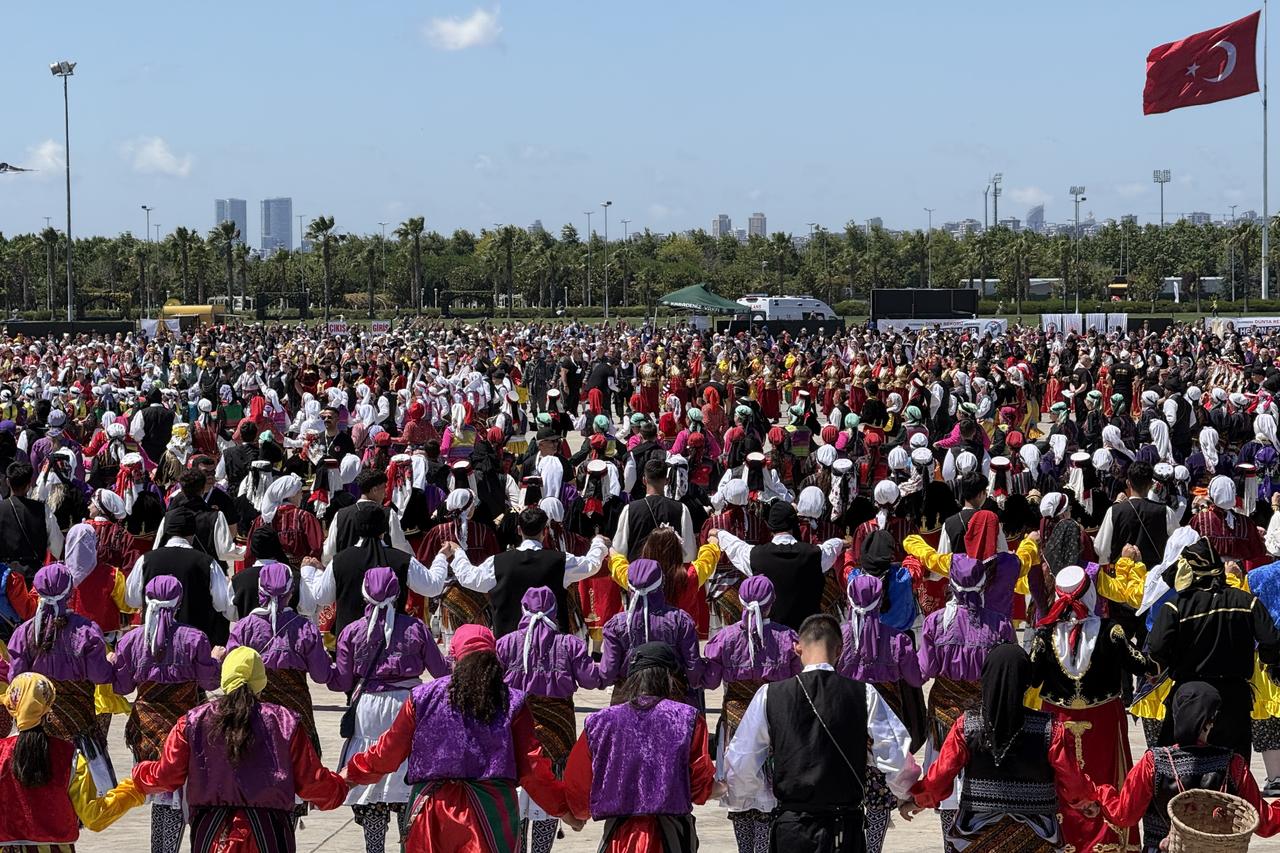
The latest controversy gained visibility after Türkiye staged a Guinness World Record attempt in which thousands of people performed a horon together. Turkish institutions framed the event as a way of carrying a living cultural tradition to the world, while the slogan "Horon Bizumdur—the horon is ours" underlined the sense that the dance belongs to the Black Sea people of Türkiye.
Greek responses, especially those centered on Pontic identity, pushed back against that framing by presenting parts of the dance tradition as Greek or Pontic Rum heritage. The strongest Greek institutional focus, however, has not been on the entire horon family, but on Serra, a Pontic Rum dance that has been listed in Greece's national inventory of intangible cultural heritage.
This distinction matters. Serra can be understood as a Pontic Rum heritage form shaped by the memory of communities that once lived in Anatolia and later carried their traditions to Greece. Horon, however, refers to a much wider Black Sea dance complex that has lived across Turkish-speaking, Pontic Rum-speaking, Laz, Hemshin, Georgian and other communities along the southern Black Sea.
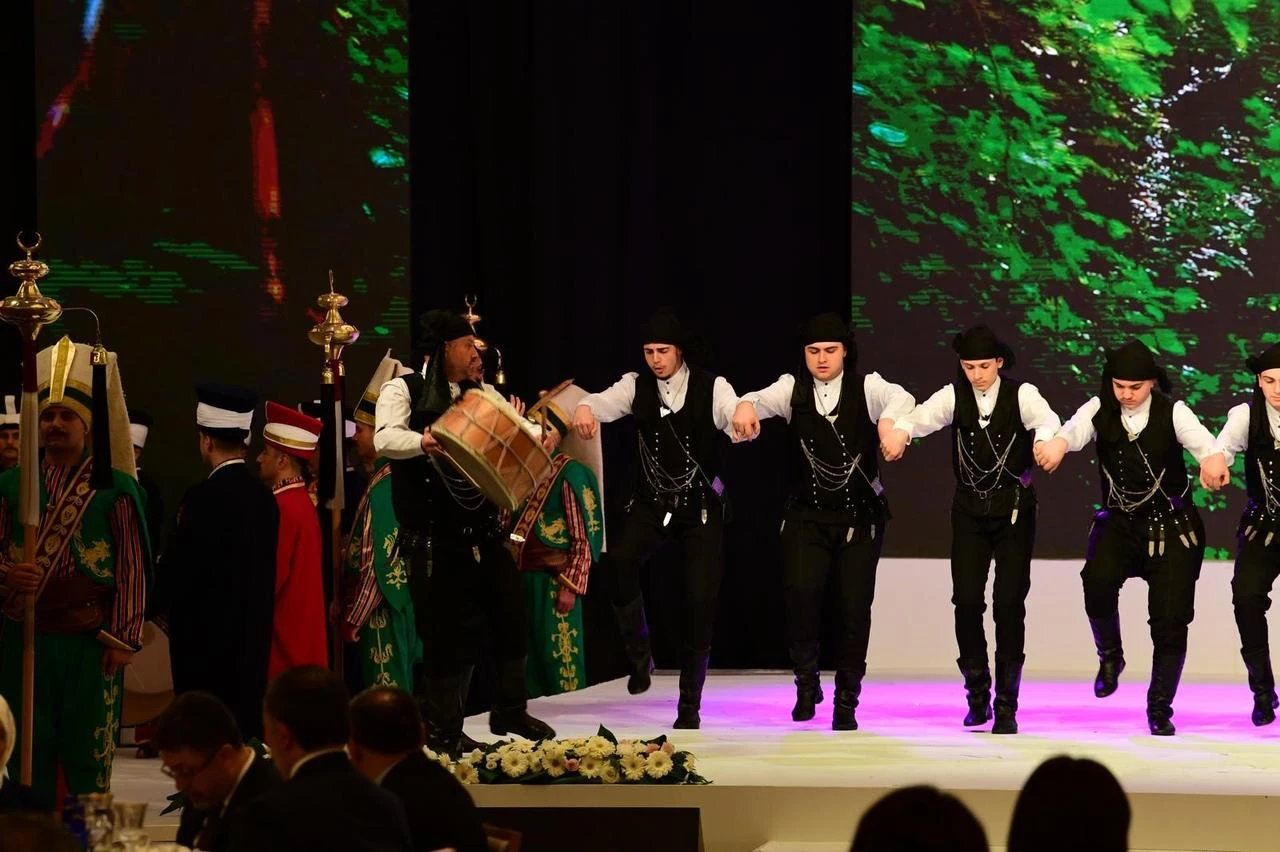
The most defensible reading of the evidence is that horon is not the invention of one modern nation, but a dance complex that took shape in the Black Sea contact zone of Anatolia. This region was never culturally simple. For centuries, its mountains, ports, villages and highlands brought together Turkish, Pontic Rum, Laz, Hemshin, Georgian and other local communities.
That shared setting does not weaken horon's Anatolian identity. On the contrary, it explains it. The dance became rooted in the southern Black Sea coast, in the everyday life of Anatolian communities, and in the physical world of steep mountains, hard labor, stormy seas and collective movement.
Turkish cultural descriptions often connect horon's gestures with the sea, fishing, waves, rain, agricultural work and highland life. These explanations should not be treated as literal proof of origin, but they show how local communities understand the dance. For the Black Sea people of Türkiye, horon is not an imported symbol; it is a social language built into regional life.
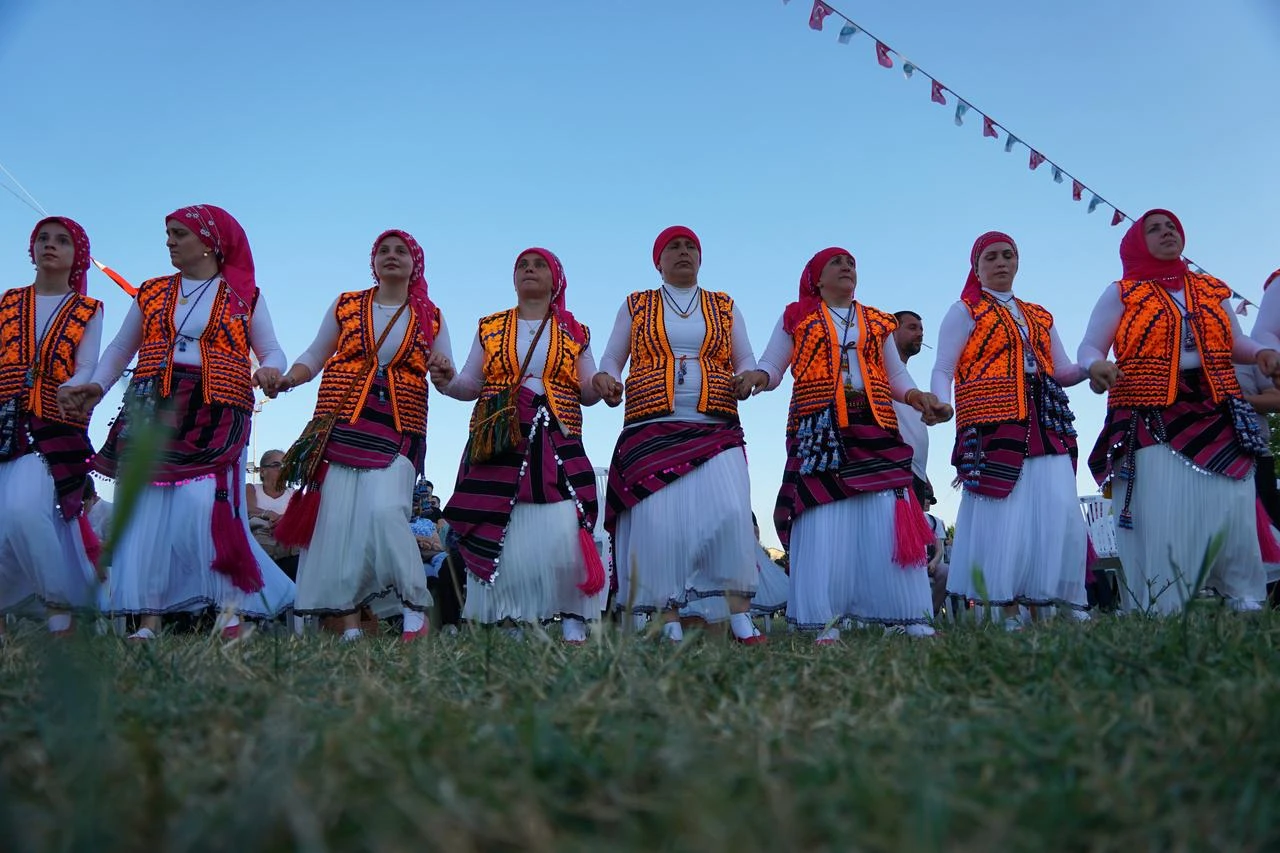
Pontic communities have a real connection to the broader dance family. Pontic Rums were part of the Black Sea's Anatolian world, and their dance traditions carried memories of Trabzon and the wider Pontus region. The presence of Pontic Rum, or Romeyka-speaking, communities in and around Trabzon also shows that Greek-language cultural continuity in Anatolia is not only a diaspora memory.
Yet this does not make horon exclusively Greek. It shows that the Black Sea was a multilingual and multiethnic region where cultural forms were shared, adapted and carried on by different communities. The same dance environment also includes Laz, Hemshin and Turkish-speaking communities, each with its own musical habits, local steps and performance settings.
Greek academic work on Pontic dance itself points to this layered history. It treats Pontic dance identity as a product of ancient Greek, Byzantine, Laz, south-Russian and Turkish elements. That is far more complex than the public claim that a modern dance form can be traced back in a straight line to ancient Greek war dances.
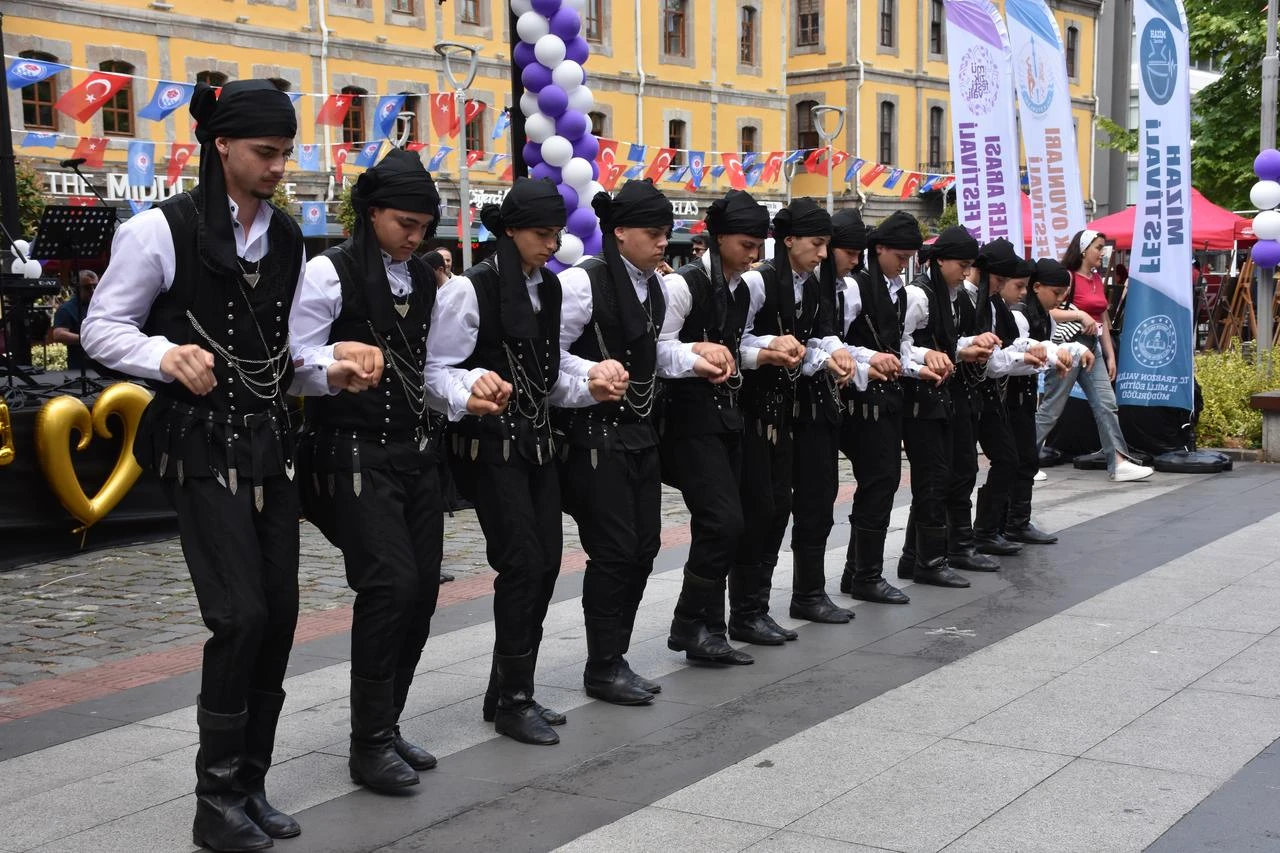
One of the biggest problems in the current dispute is the way Serra and horon are sometimes treated as if they are the same thing. Serra is an important Pontic Rum dance, often presented in Greek public culture as linked to the ancient Pyrrhic dance, a war dance known from Greek antiquity.
But horon is broader than Serra. In Türkiye, horon covers many local forms, from Trabzon's kemence-centered dances to tulum-accompanied forms in Rize, Artvin, Hopa and Hemshin areas. The dance may be performed in different rhythms, with different instruments, and in different gender and community settings.
This variety makes exclusive ownership claims difficult. A dance family that changes from village to village, instrument to instrument and community to community cannot be locked into a single national label without losing much of its history.
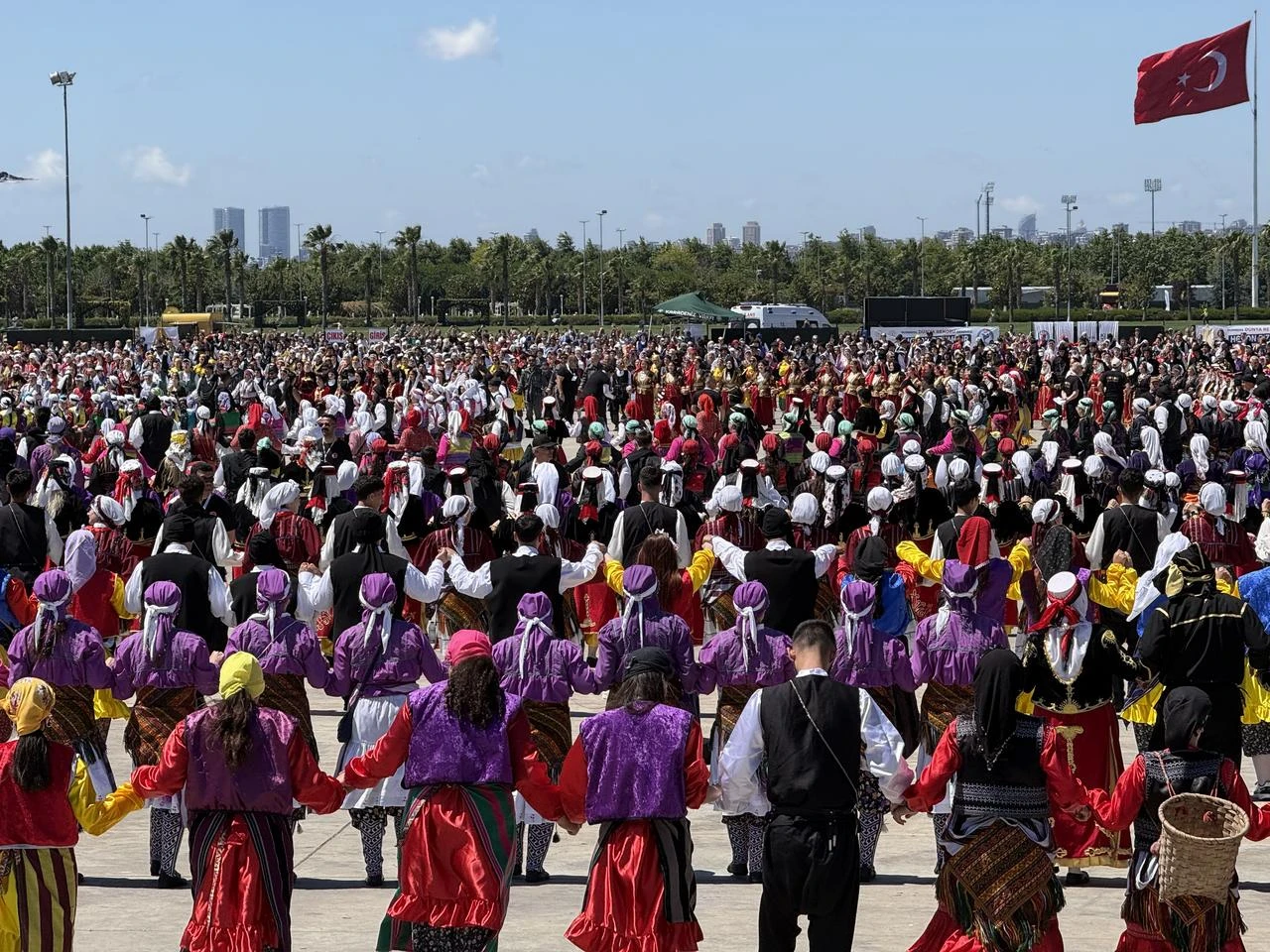
The current debate also shows how easily intangible cultural heritage can be misunderstood. Intangible cultural heritage refers to living practices, traditions, rituals, music, dance and knowledge that communities recognize as part of their heritage. It is not the same as a property deed.
When Greece lists Serra in its national inventory, it recognizes the dance as part of Pontic Rum heritage; this does not, however, grant Greece ownership over the broader Black Sea horon tradition. Likewise, Türkiye’s promotion of the horon reflects the dance's vibrant, living role in its own Black Sea region, without erasing the historical Pontic Rum layer embedded in the area's past.
The most accurate position is also the most credible: while the horon is deeply identified with contemporary Anatolian Black Sea communities, related Pontic Rum forms represent one vital historical layer within that shared regional world.
The argument over horon becomes distorted when it is forced into a modern nationalist frame. It supports a stronger and more historically grounded conclusion: horon is an Anatolian Black Sea dance complex that became inseparable from the people, geography and communal life of Türkiye's Black Sea region.
Pontic Rum communities may claim Serra and related dances as part of their memory heritage. That claim has historical meaning. But presenting the broader horon tradition as primarily Greek overlooks the dance's long life among Turkish, Laz, Hemshin and other Anatolian communities.
Türkiye's recent record attempt has therefore brought up more than a performance milestone. It has reminded audiences that living heritage is often strongest where history is layered, local and shared.
Horon belongs to the Black Sea not as an abstract borderland symbol, but as a dance that has been lived, played out and passed down across Anatolia's northern coast.


 Set as preferred source
 Set as preferred source


 1 min read

 1 min read


