Newsletters




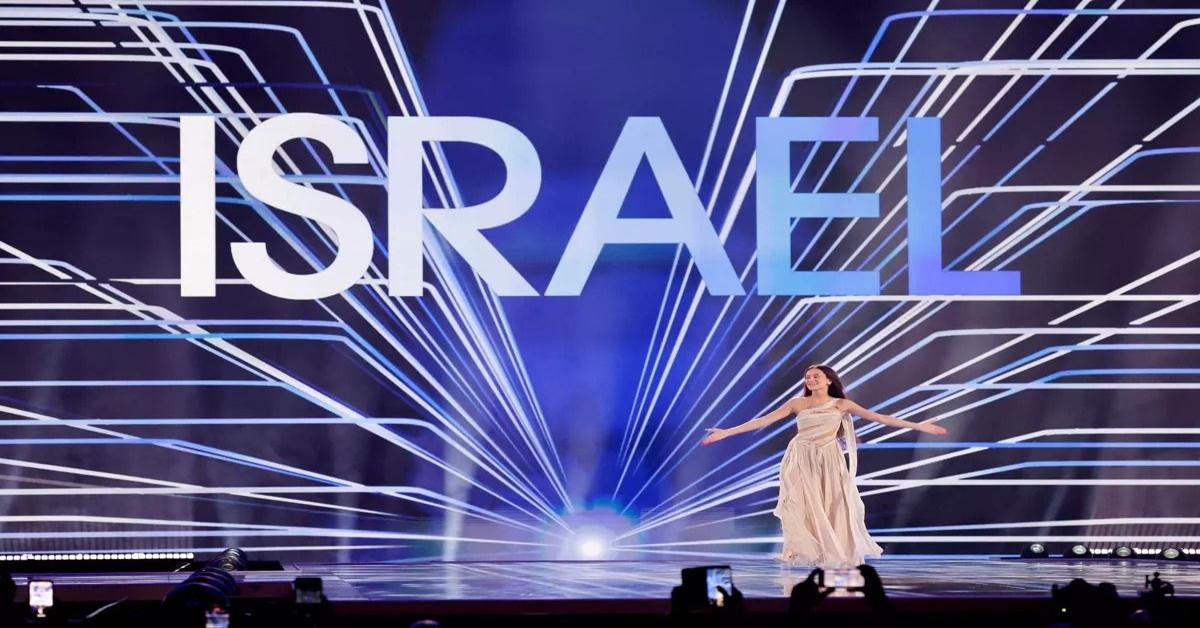
As the Eurovision Song Contest returns to Vienna this week, the annual music competition is once again facing political controversy, with Israel’s participation triggering protests, boycott campaigns and criticism from broadcasters and activists across Europe.
The 70th edition of Eurovision is taking place at Vienna’s Wiener Stadthalle, with semifinals set for May 12 and 14 before the grand final on May 16. Austria is hosting the contest after singer JJ won the 2025 competition with "Wasted Love."
Yet, as the event gets underway, attention has increasingly shifted away from music and toward political tensions surrounding Israel’s inclusion.
For Claudio Ciccone, a representative of Italy’s Unione Sindacale di Base (USB) trade union at the state broadcaster RAI, Eurovision has gradually moved away from its original cultural purpose.
Ciccone told Anadolu Agency (AA) that Eurovision was designed to bring different cultures together and serve as a platform for peace and dialogue after World War II. However, he argued that the contest has increasingly become intertwined with political interests, saying, “Eurovision is not just music anymore. It’s political.”
He also criticized Israel’s participation, arguing that its delegation presents a positive image of the government at a time when criticism over the war in Gaza continues to grow in parts of Europe.
The criticism has intensified as some activists and public figures question why Israel remains in the contest while Russia continues to be excluded following its war in Ukraine. Ciccone described the contrast as politically driven, asking why Israel had not faced similar consequences over its actions in Palestine, Gaza, Lebanon and Syria.
At the center of the debate is the term “Zionist-washing,” which critics use to describe what they see as the use of cultural events to soften or normalize perceptions of Israeli state policies for international audiences.
Ciccone said activists increasingly view Eurovision through this lens, arguing that Israel’s participation helps project what he described as a more favorable public image through music, dance and entertainment.
He also suggested that Israel’s continued presence in Eurovision reinforces its association with a broader European cultural identity, while questioning whether political or financial considerations play a role in maintaining participation.
 1 min read
The controversy has also reached Italy’s public broadcaster RAI. The country is one of Eurovision’s “Big Five” members alongside France, Germany, Spain and the United Kingdom. These countries contribute the largest share of funding to the competition and automatically qualify for the grand final.
According to Ciccone, some workers inside RAI believed Italy should have considered stepping back from the contest after Israel confirmed its participation. He said there were discussions around whether Italy should follow countries that publicly criticized Israel’s inclusion.
Ciccone claimed Spain and Ireland had withdrawn from the event, while Iceland, the Netherlands and Slovenia were also boycotting Eurovision. Despite internal criticism, however, RAI ultimately decided to remain in the competition.
A petition launched by USB-RAI reportedly gained backing from journalists, cultural workers and artists, reflecting broader frustration among parts of the media and entertainment sectors over what critics describe as double standards within European cultural institutions.
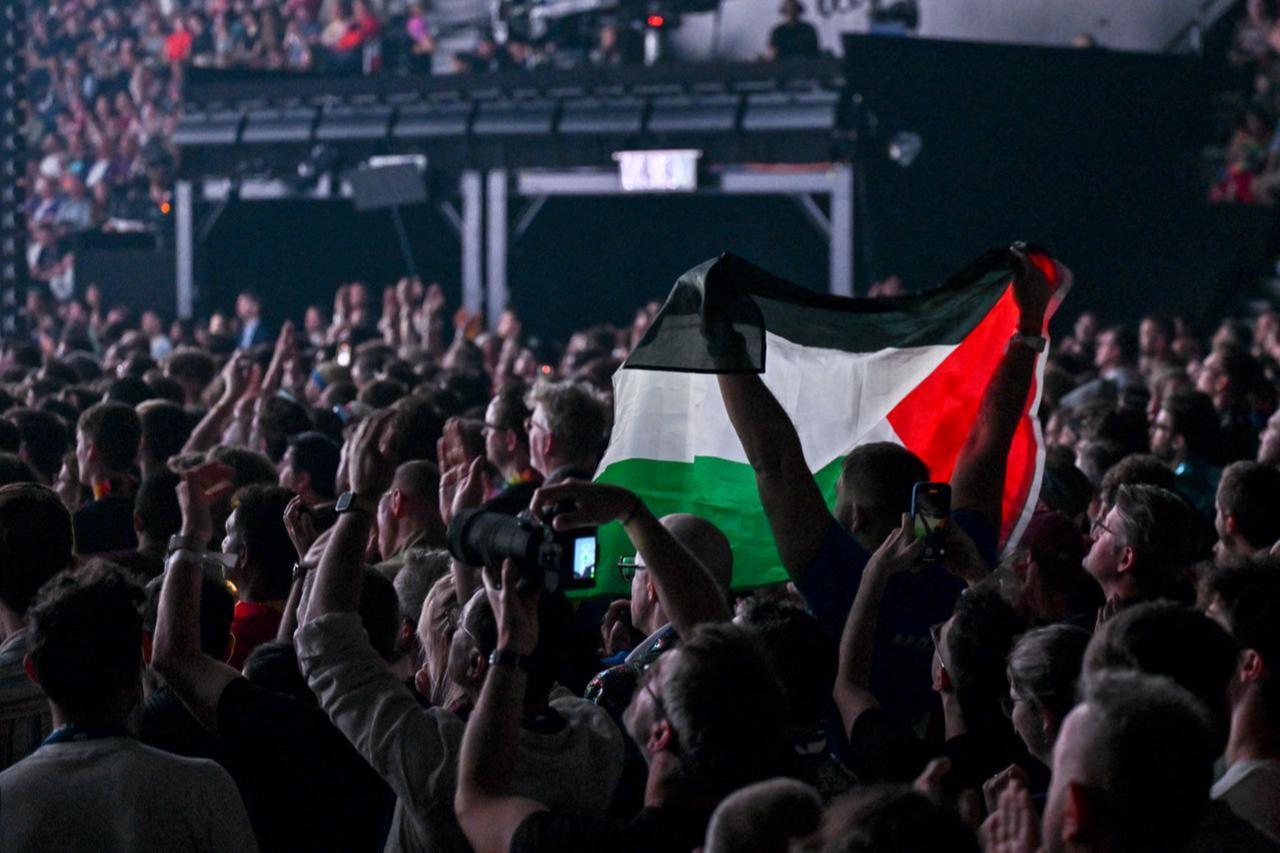
As the Eurovision week unfolds in Vienna, demonstrations and boycott campaigns are expected to continue.


 Set as preferred source
 Set as preferred source



 1 min read