Newsletters


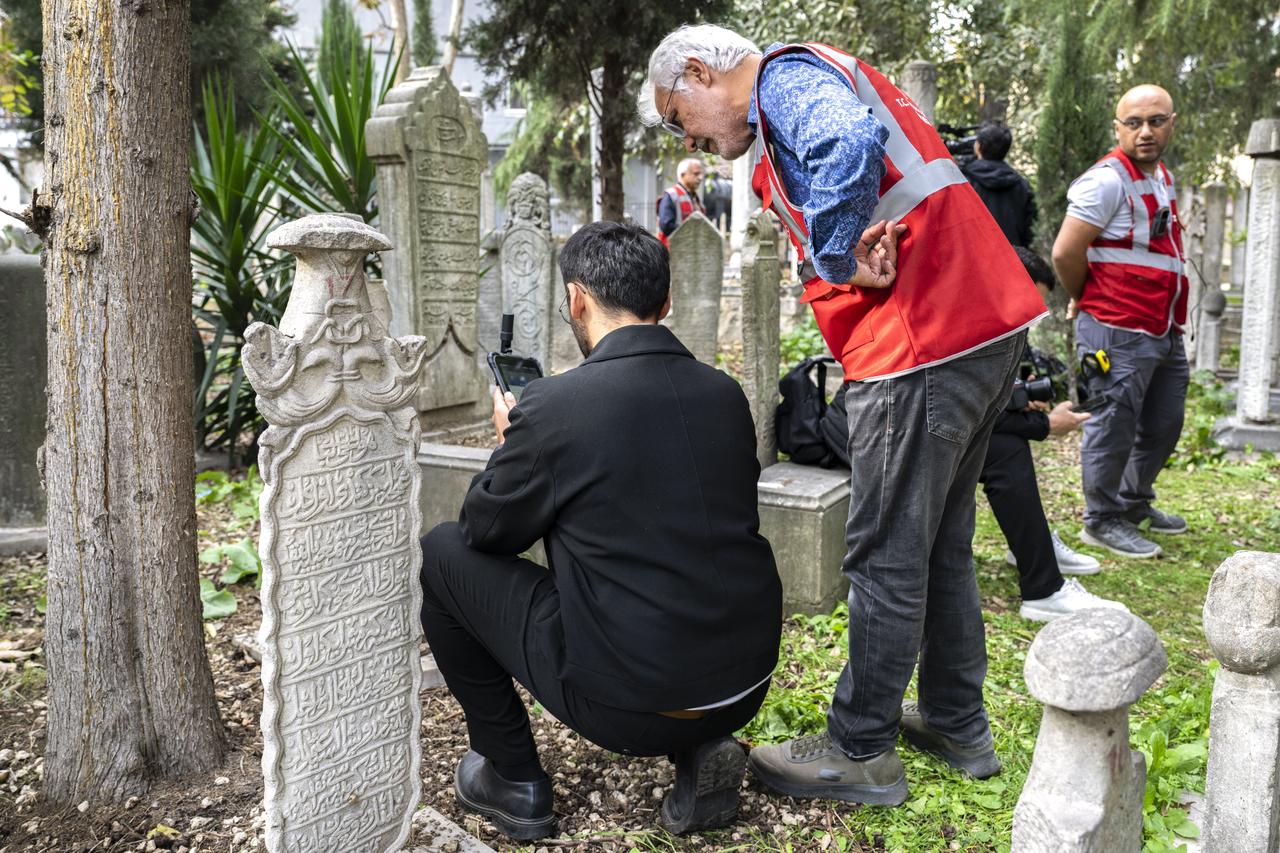


Historic Islamic tombstones and inscriptions across Istanbul are starting to be documented one by one, as a new state-backed inventory project seeks to protect the city’s layered past and pass its social memory on to future generations.
Launched under the auspices of the Presidency and carried out by the Ministry of Culture and Tourism’s General Directorate for Cultural Heritage and Museums, the “Islamic Inscriptions and Tombstones Inventory Project” aims to record thousands of gravestones across Türkiye in a standardised, digital system.

The pilot phase in Istanbul is underway at the small cemetery, or hazire, attached to Seyh Devati Mustafa Efendi Mosque in the Uskudar district on the Asian side of the city.
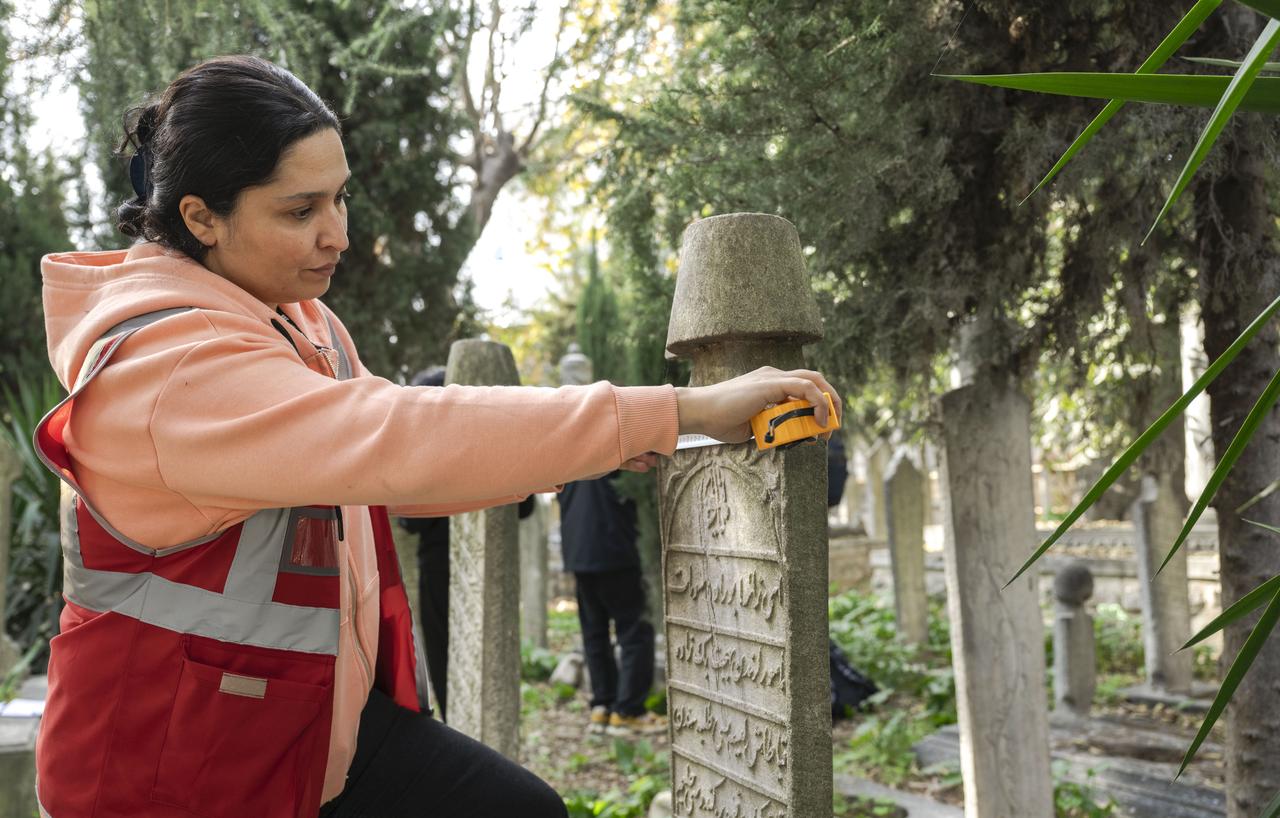
Here, a team of around 10 academics from various universities, coordinated by Professor Kadir Pektas from the Department of Art History at Istanbul Medeniyet University, is working its way through approximately 200 tombstones and inscriptions. Each stone is being photographed, its inscription carefully read, its data transferred into digital format, and its geographic coordinates recorded.
Officials say the project was created both to protect cultural heritage and to ensure that the information preserved on tombstones can be studied in terms of history, art, civilisation and sociology.
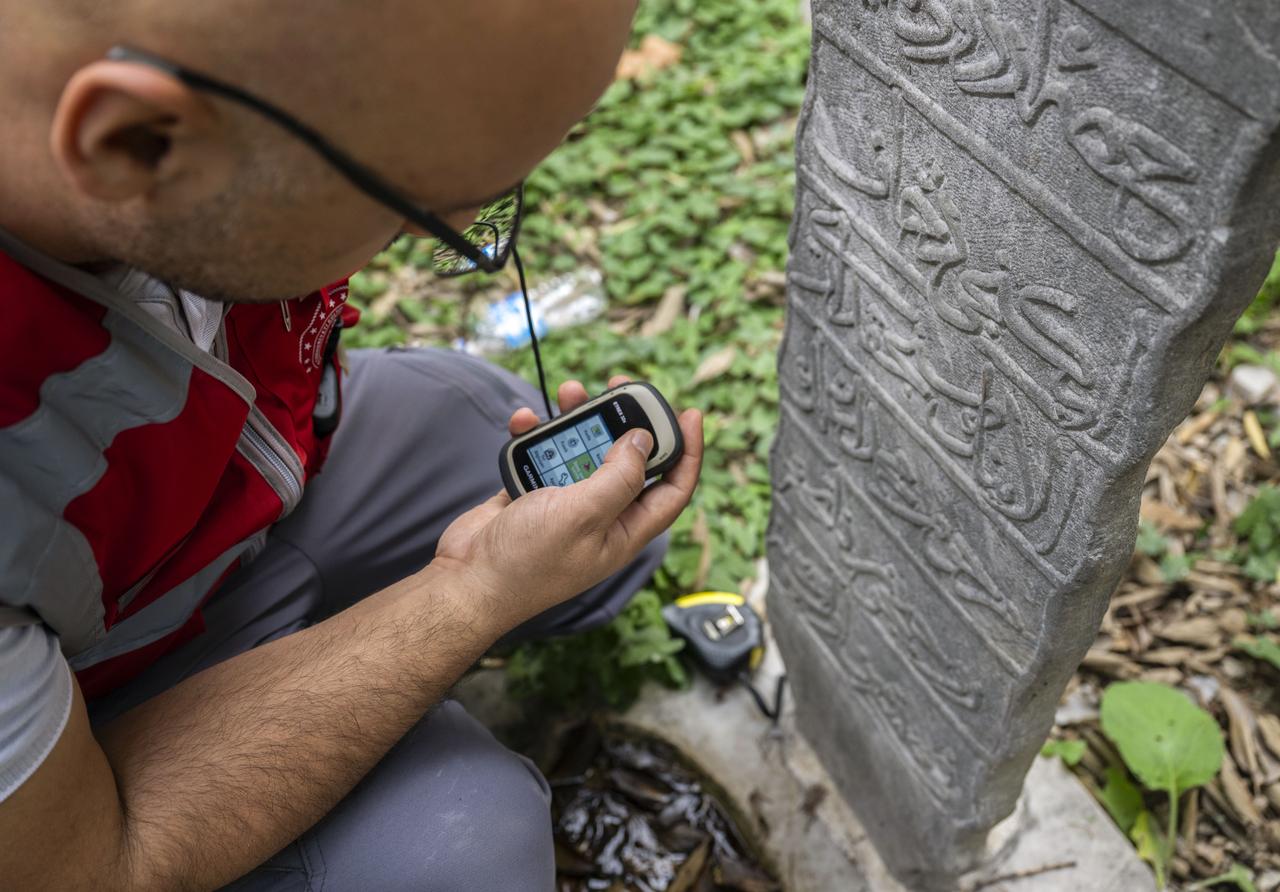
Speaking to Anadolu Agency, Professor Pektas described tombstones as valuable witnesses to lived experience and went on to call them “almost like the title deed of a nation.” He underlined the importance of recording them, learning what their inscriptions say and documenting their decorative programmes in detail.
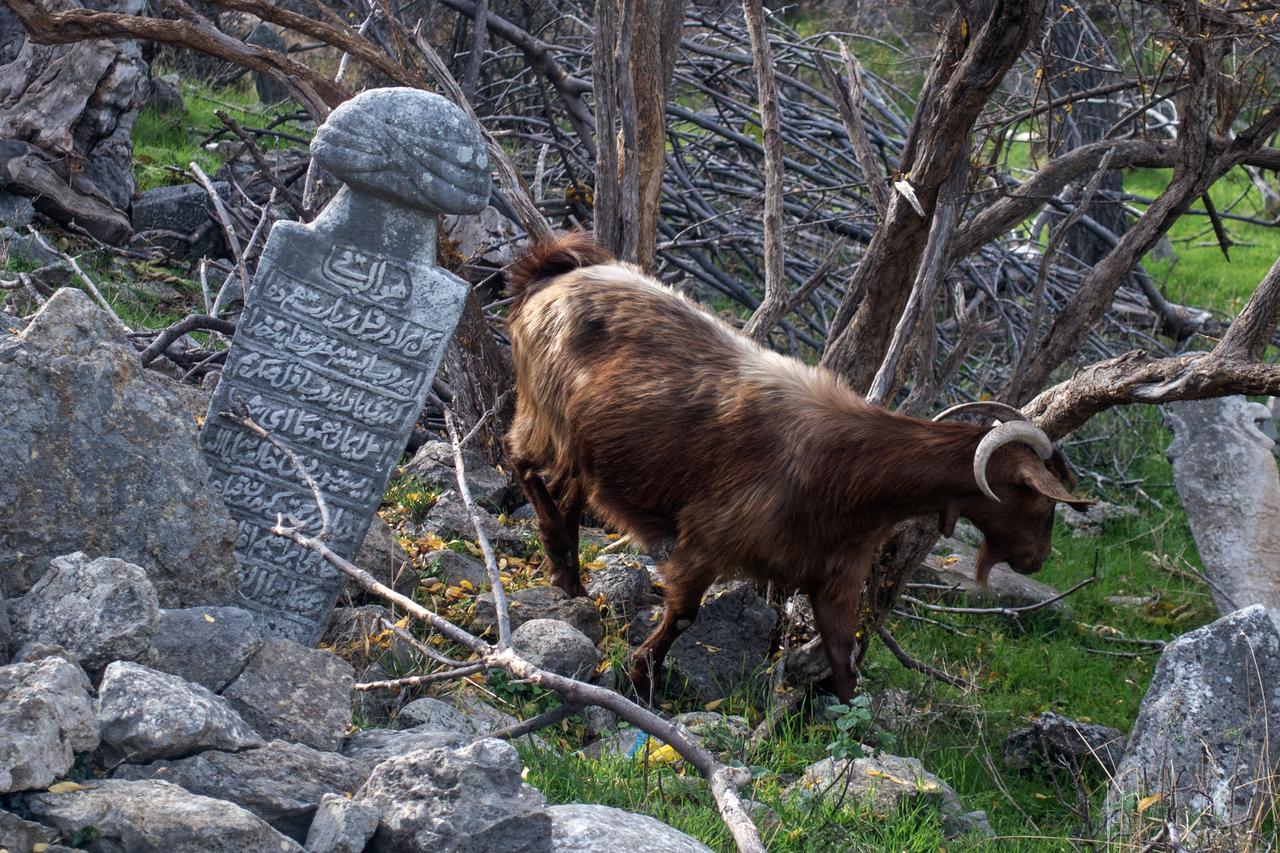
When the team prepares the inventory, they begin by taking the length, width and thickness of each stone. Pektas explained that the researchers then classify the tombstones according to the shape of their upper parts and the types of their bodies, noting whether they are triangular, arch-shaped or topped with a separate headpiece.
By looking closely at form and ornament, the team can also distinguish between men’s and women’s graves. In many Ottoman-era male tombstones, he said, one encounters examples of kavuk (a type of headgear), sarik (wrapped headgear) and fes (fez). On female tombstones, hotoz-style headgear appears frequently and the decoration tends to become more abundant. The team is not only reading the inscriptions but also trying to record all of these sculpted details, along with the original types of grave structures.
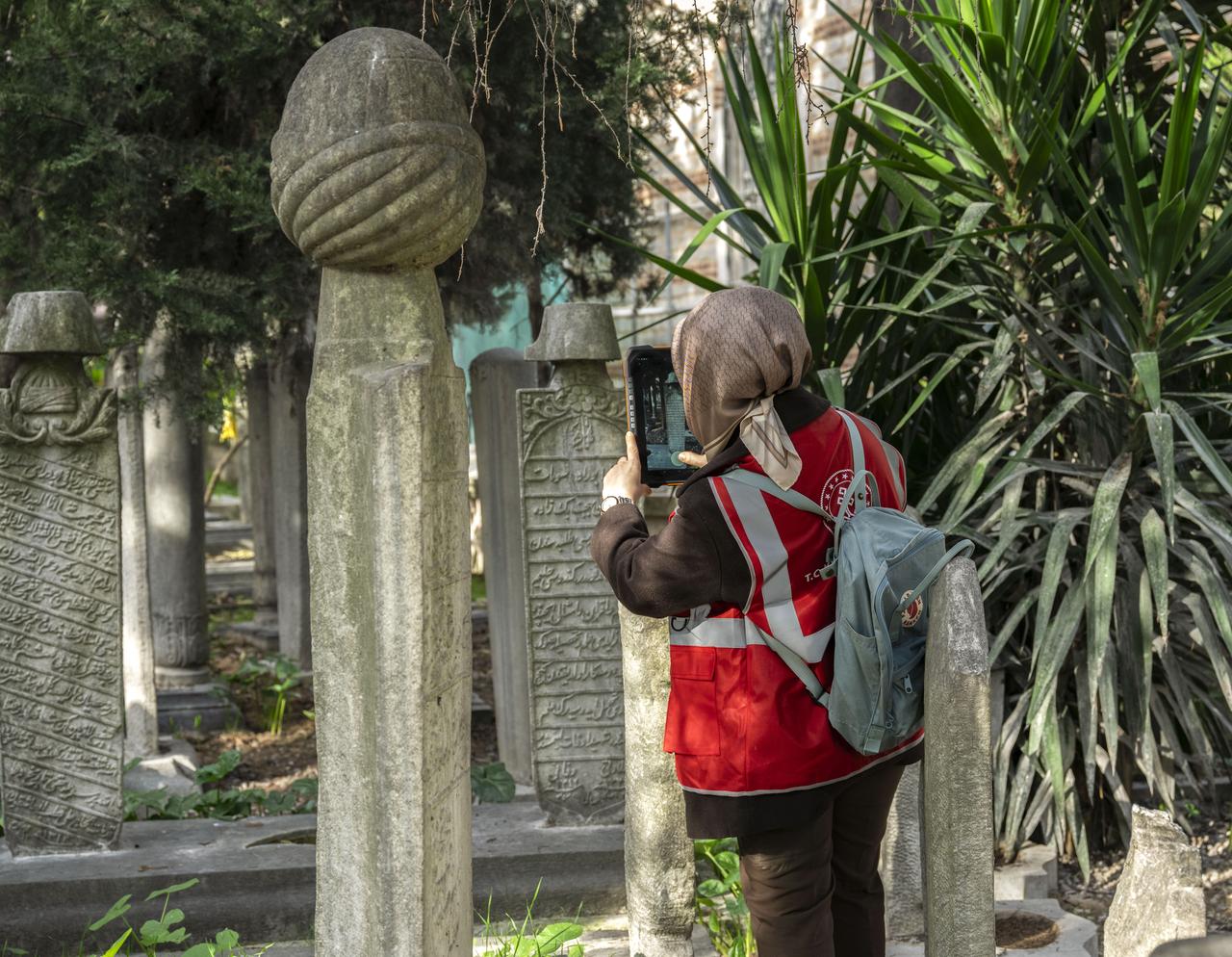
Pektas noted that once the project is completed, thousands of tombstones across Türkiye will have been registered in line with the museum inventory system used by the Ministry of Culture and Tourism. He said this will help prevent tombstones from being lost, damaged or stolen, since their locations, measurements, inscriptions and images will already be known and accessible in a central database.
Looking specifically at Istanbul, he estimated that documenting the city’s historic Islamic tombstones could take around three years. He stressed, however, that this would only be possible if “dozens of teams” work in the city at the same time. Within each team, he added, there would need to be two or three sub-groups dedicated to the inventory process so that Istanbul’s vast number of sites can be brought under record.
Pektas also remarked that the very act of paying attention to cemeteries and treating them as heritage sites has been welcomed by local communities. According to his assessment, feedback from residents has been very positive, and he believes the work will bring long-term benefits to society.
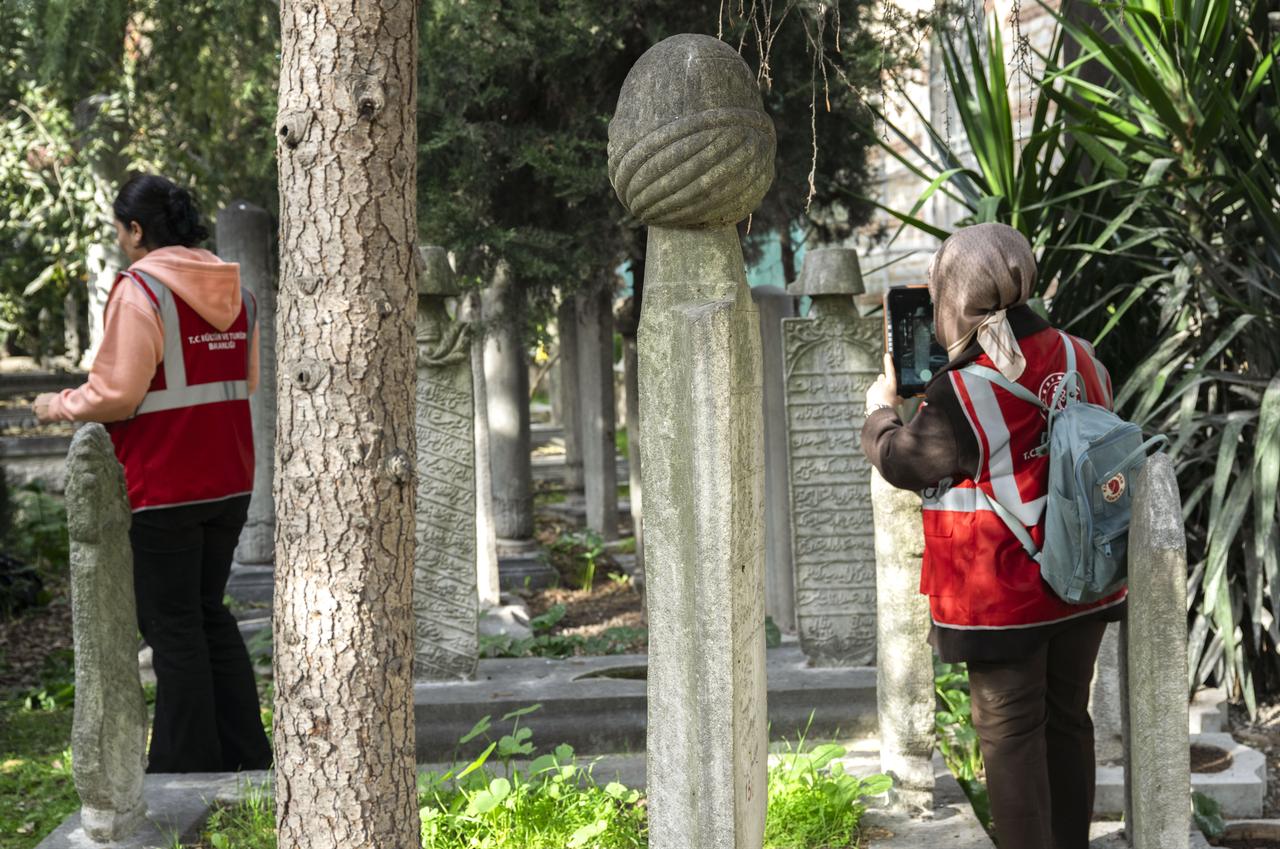
Professor Sadi Kucur, another academic working on the project, said tombstones can be treated as the “identity cards” of the individuals they commemorate. He pointed out that the shape of the headpiece, the style of script used and the decorative motifs all matter for art history, while the text of the inscription offers clues about how people understood death.
Through these inscriptions, Kucur explained, researchers may identify professions and social status, and even detect whether a person belonged to a particular Sufi order, or tarikat. The form of the headpiece may indicate whether the deceased was part of the learned religious elite, the military class, a member of a Sufi community or a state official.
Kucur underlined that historic cemeteries provide extremely rich material for social history. By analysing them carefully, he said, researchers can trace how active different groups were in social life and how that activity changed over time.
Tuba Diri Apaydin, who also takes part in the project, stated that the work is progressing successfully so far. She added that, beyond building an inventory, the project will help reveal what kinds of problems exist in general across hazires, cemeteries and individual tombstones.
By bringing these issues to light, the team expects that future conservation efforts can be planned more effectively, making it easier to protect Istanbul’s historic graveyards and the many stories carved into their stones.


 Set as preferred source
 Set as preferred source


 1 min read
 1 min read