

 Newsletters


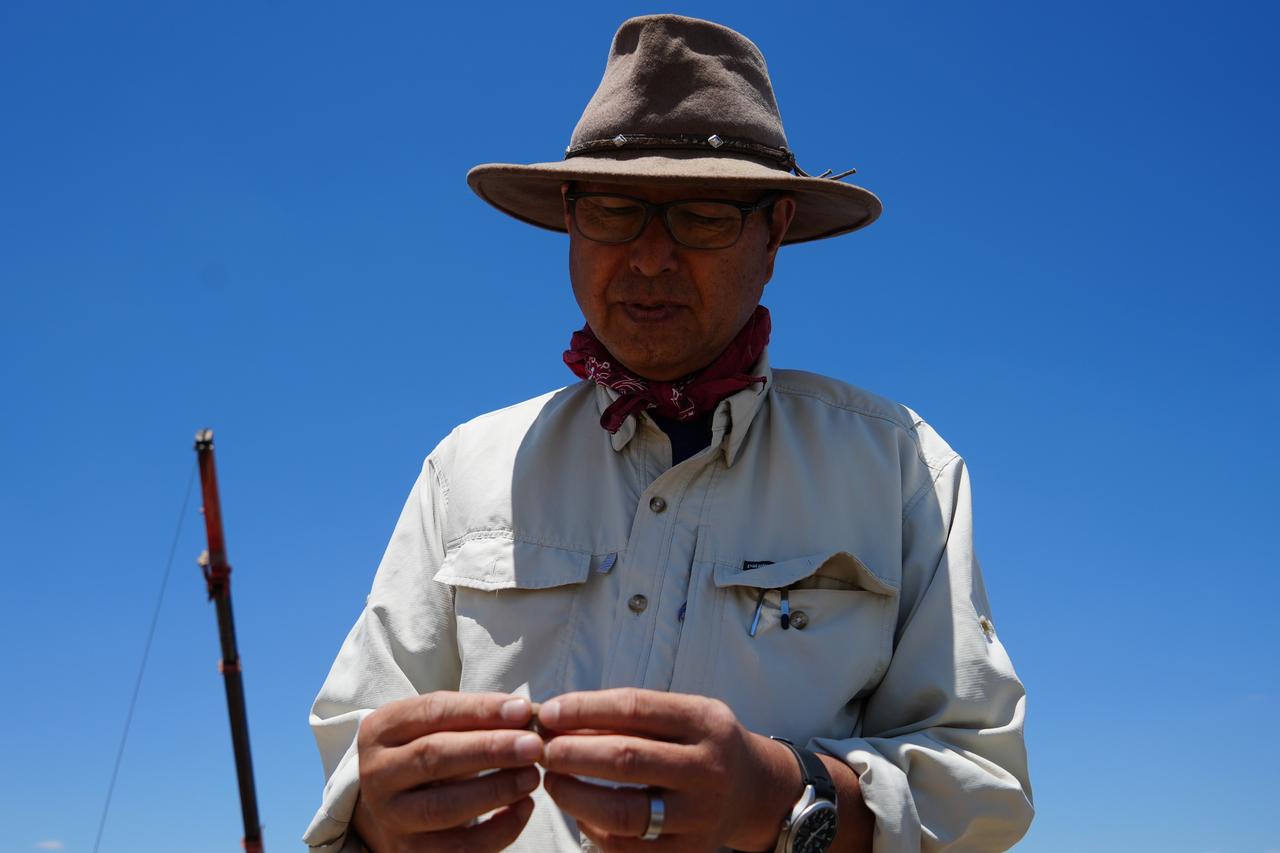


Excavations led by Japanese archaeologist Associate Professor Kimiyoshi Matsumura in Türkiye's central Kirikkale province are bringing to light traces of several civilizations at Buklukale. It's a settlement that may have had direct links with the Hittite capital or the Hittite royal court.
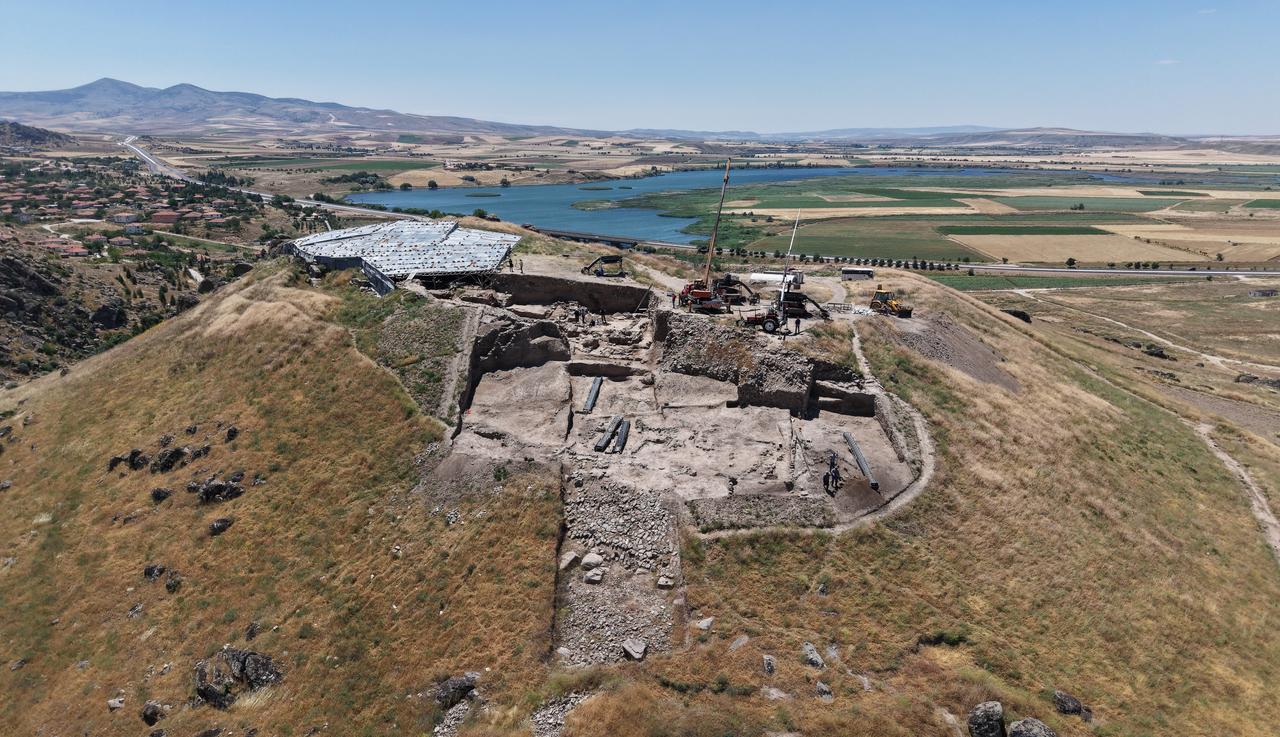
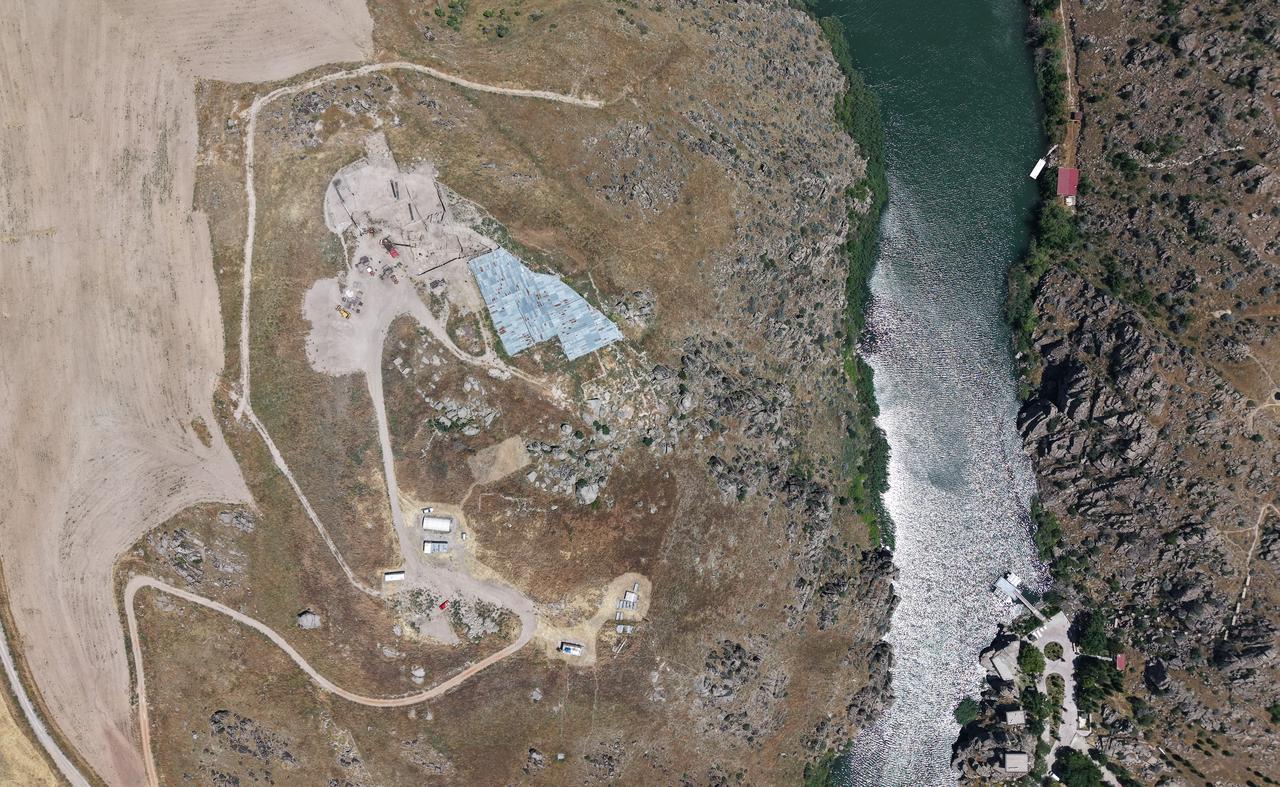
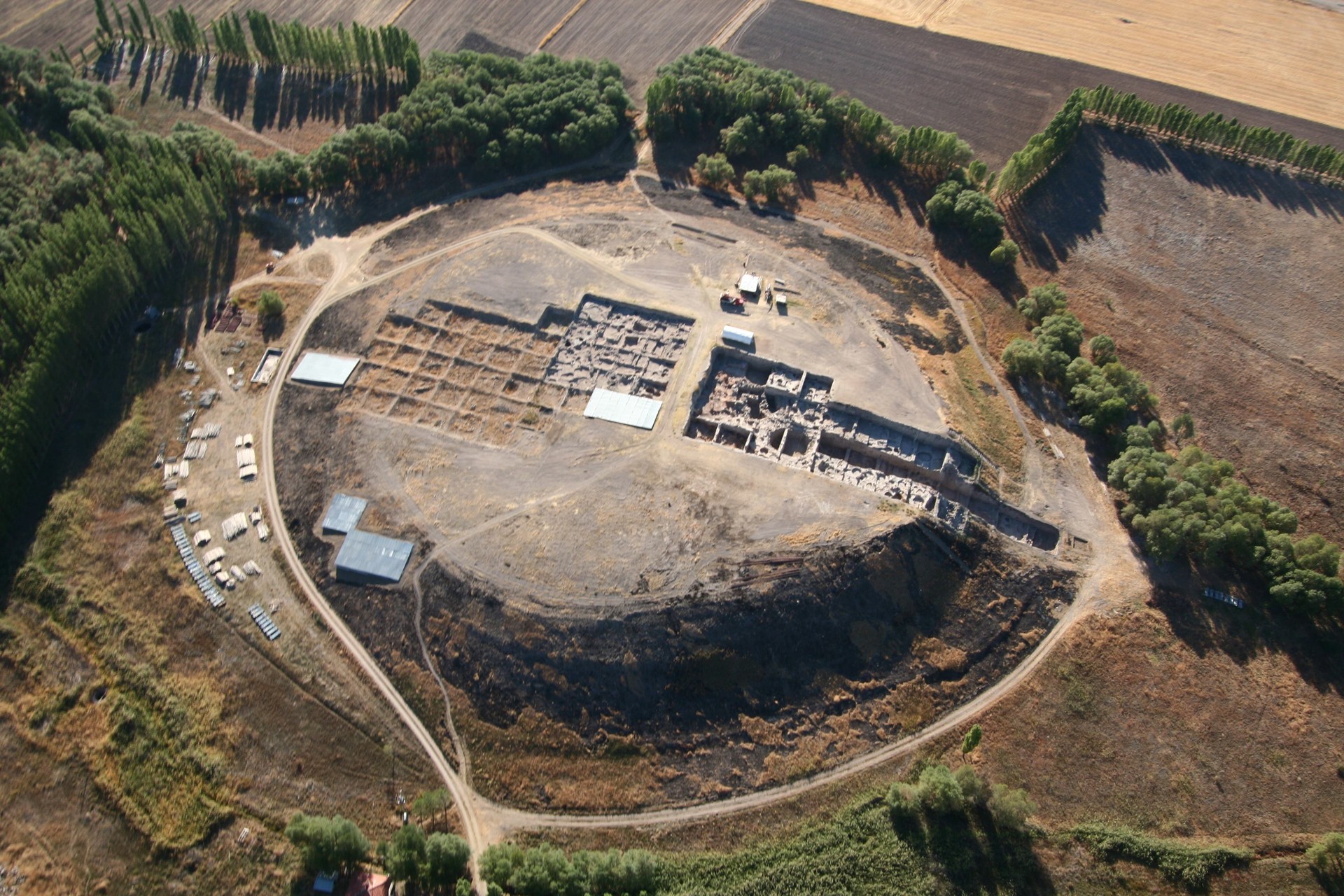
Located in the Karakecili district, Buklukale has been under excavation since 2009 as part of work launched by the Ministry of Culture and Tourism.
The site, which includes an "upper city" and a "lower city," is being studied every year during fieldwork carried out in May and June.
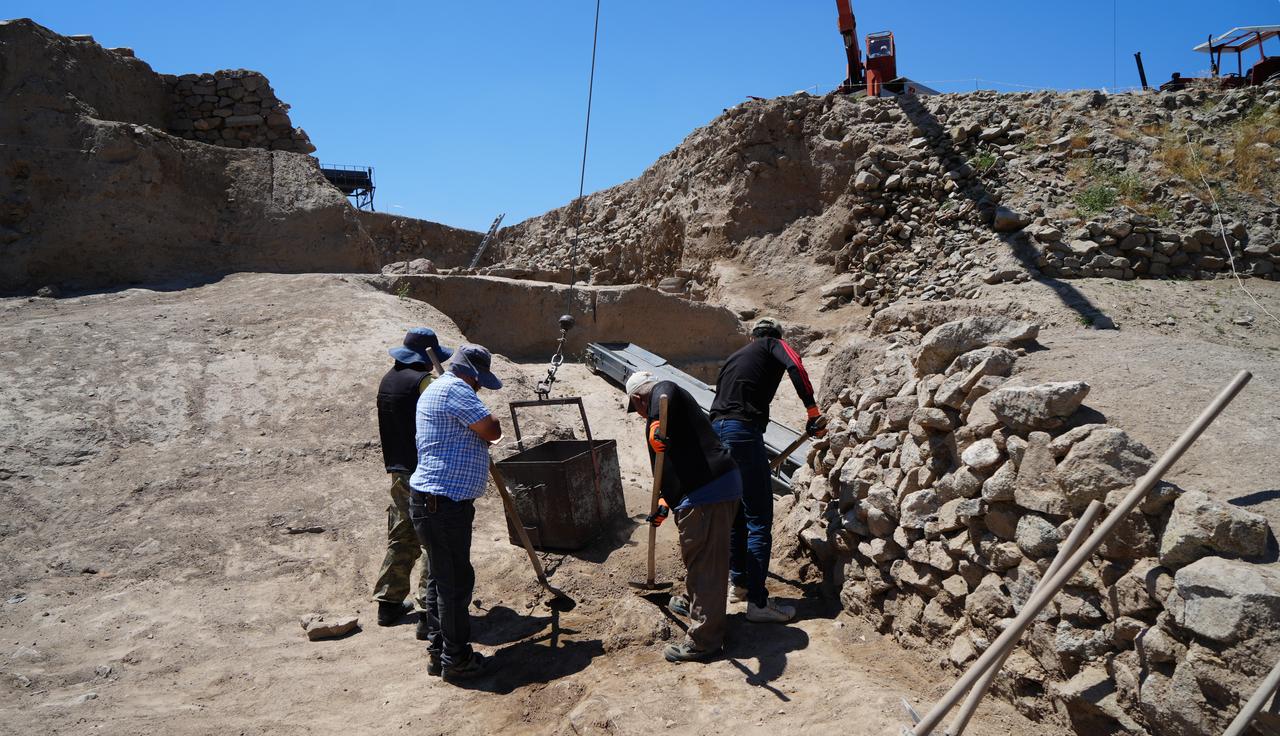

The findings suggest that Buklukale served as an important settlement across different periods of Anatolian history.
Archaeologists have identified traces linked to the Ottoman period, the Hellenistic era, the period of Alexander the Great, the Iron Age, the Achaemenid Persians, the Lydians, the Cimmerians and the Hittites.
Its location on a crossing route of the Kizilirmak River, one of Anatolia's key waterways, also points to its strategic value over time.
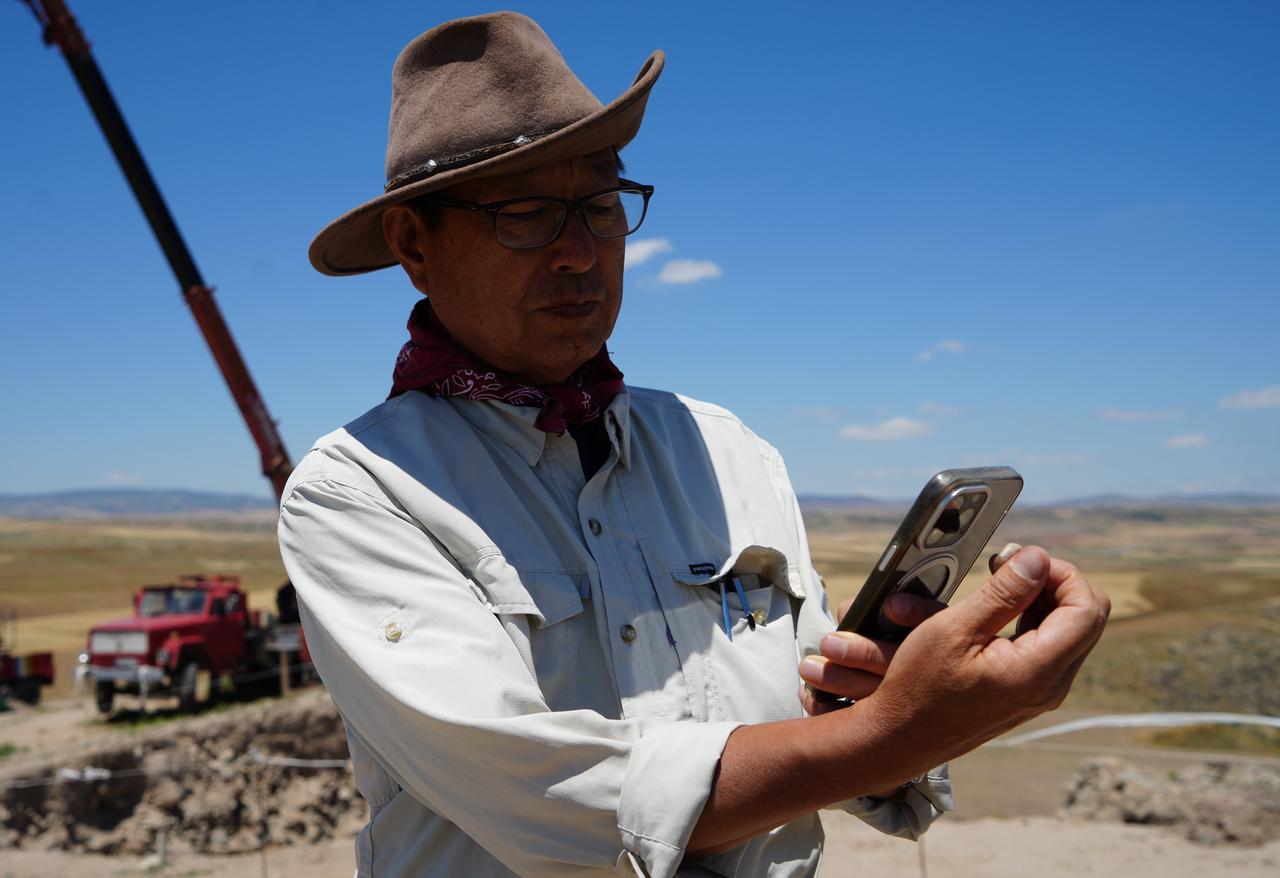
Matsumura said the site is especially important for Hittite history, noting that earlier excavations uncovered three seal impressions believed to have belonged to a Hittite king or queen.
According to Matsumura, these seal impressions show that Buklukale may have been a city directly connected with the Hittite capital or the Hittite king.
He also said tablets previously found at the site have strengthened this interpretation. One of them was likely a letter sent to the Hittite king, which suggests direct contact between Buklukale and the Hittite ruler.
"This finding shows that the Hittite king was in direct contact with Buklukale. We even think he may have been here, even if only for a short time. For this reason, Buklukale may be a very important city for Hittite history," Matsumura said.
Excavations have also turned up finds linked to Arzawa, a western Anatolian power known to have been an enemy of the Hittites. Matsumura said the name of Arzawa King Tarhundaradu appeared on one tablet.
He noted that Tarhundaradu is known to have corresponded with Egypt and tried to marry his daughter to an Egyptian pharaoh.
Because Arzawa was an enemy of the Hittites, Matsumura said the tablet found at Buklukale may have been prepared as part of a prayer or ritual against them.
The site has also produced traces believed to be linked to the Cimmerians, whose movement into Anatolia is known, although details about where they lived and where their cities were located remain unclear.
Matsumura said Cimmerian-related materials were identified on an architectural floor dating to the same period as a fortification wall.
He said these finds are important for understanding the history of the Cimmerians in Anatolia.
The excavation team expects future work at Buklukale to add new information to the history of Anatolia, as the site continues to reveal remains from several periods.


 Set as preferred source
 Set as preferred source


 2 min read

 1 min read


