Newsletters


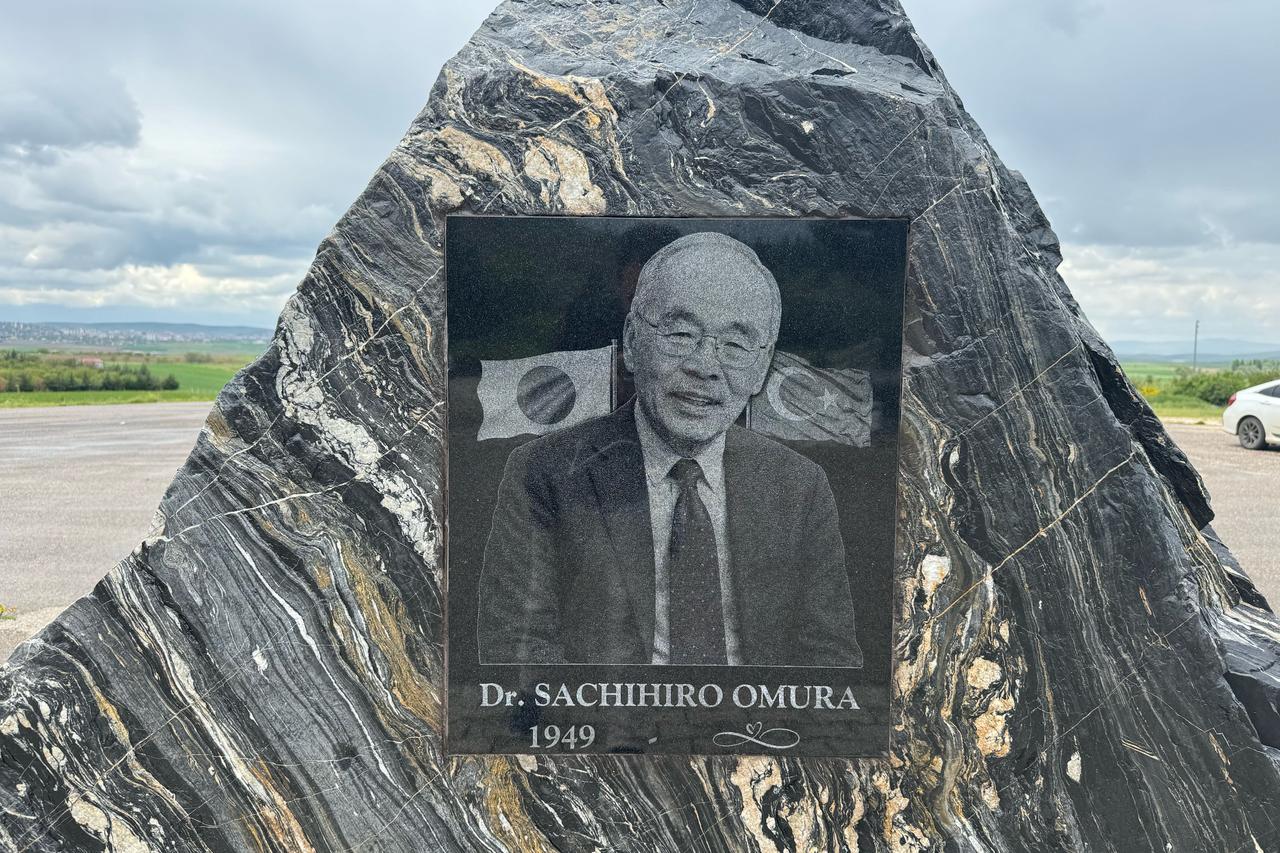


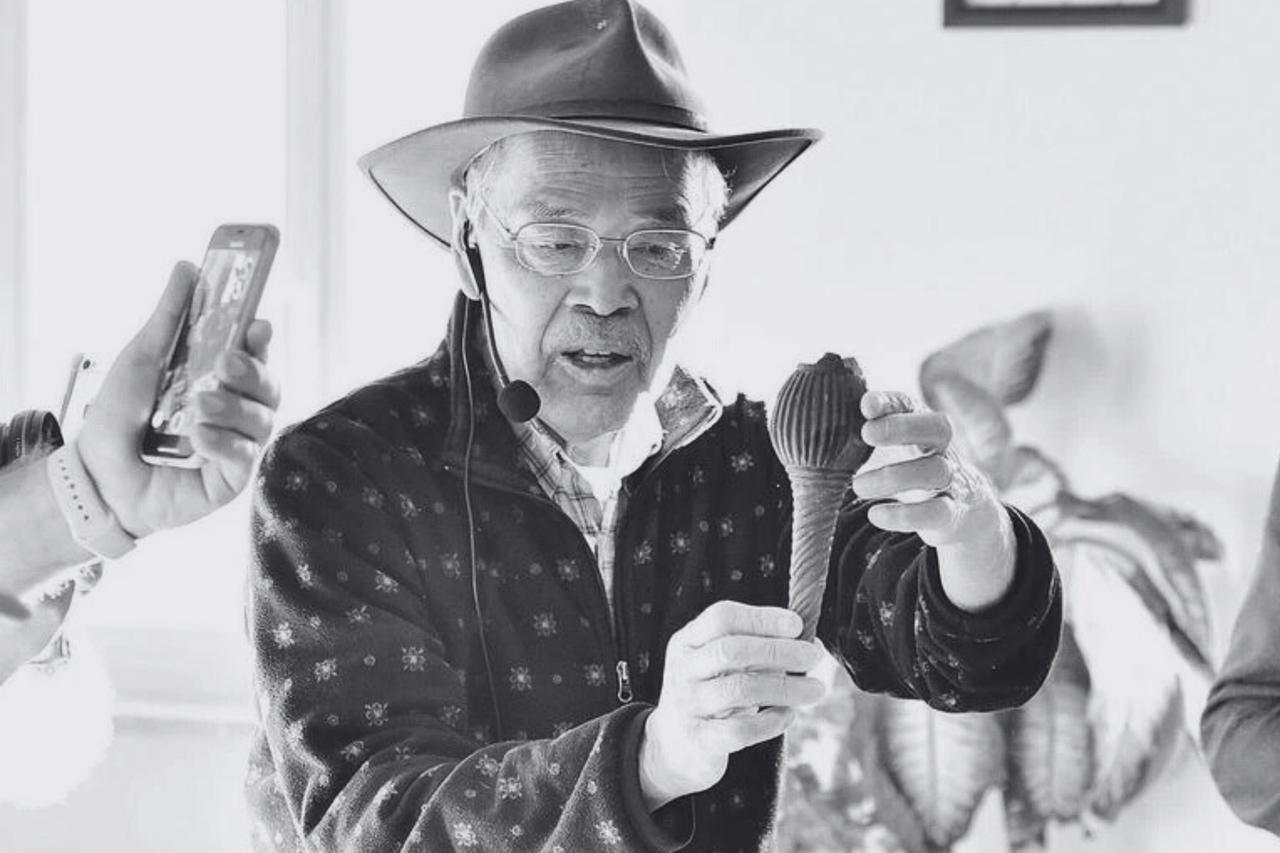
The memory of Japanese archaeologist Dr. Sachihiro Omura, who spent much of his life uncovering Anatolia’s ancient past through excavations in central Türkiye, is being kept alive in Kirsehir one year after his death.
A bronze bust of Omura has been installed in the garden of the Japanese Institute of Anatolian Archaeology in Kaman with the support of Türkiye Is Bankasi. Both the main avenue outside the institute campus and a hall within the Kaman-Kalehoyuk Archaeological Museum bear his name.
Omura, who died on May 20, 2025, became one of the best-known figures associated with the Kaman excavations after leading long-running archaeological work at Kalehoyuk, Yassihoyuk and Buklukale.

Zuhal Ureten, general manager of Is Sanat, said Türkiye Is Bankasi’s relationship with Omura began through its support for archaeological work in Kaman.
She said the bank’s friendship and communication with Omura started in 2013 and continued until his death last year. The cooperation is now being carried on with officials from the institute.
Ureten said the commemoration brought together representatives of institutions and organizations that had known Omura, while the bust was unveiled with the participation of the Kirsehir governor and Japan’s ambassador to Ankara.
“We came together to commemorate Omura on the first anniversary of his passing,” Ureten said. “We had a bust made by Hakan Ersiz to show our friendship and respect for him.”
She added that the bank’s cooperation with Kaman is being carried out under a three-year support program and that the institution plans to keep following the work closely.
“We will do our best to remember our teacher at every opportunity,” she said.
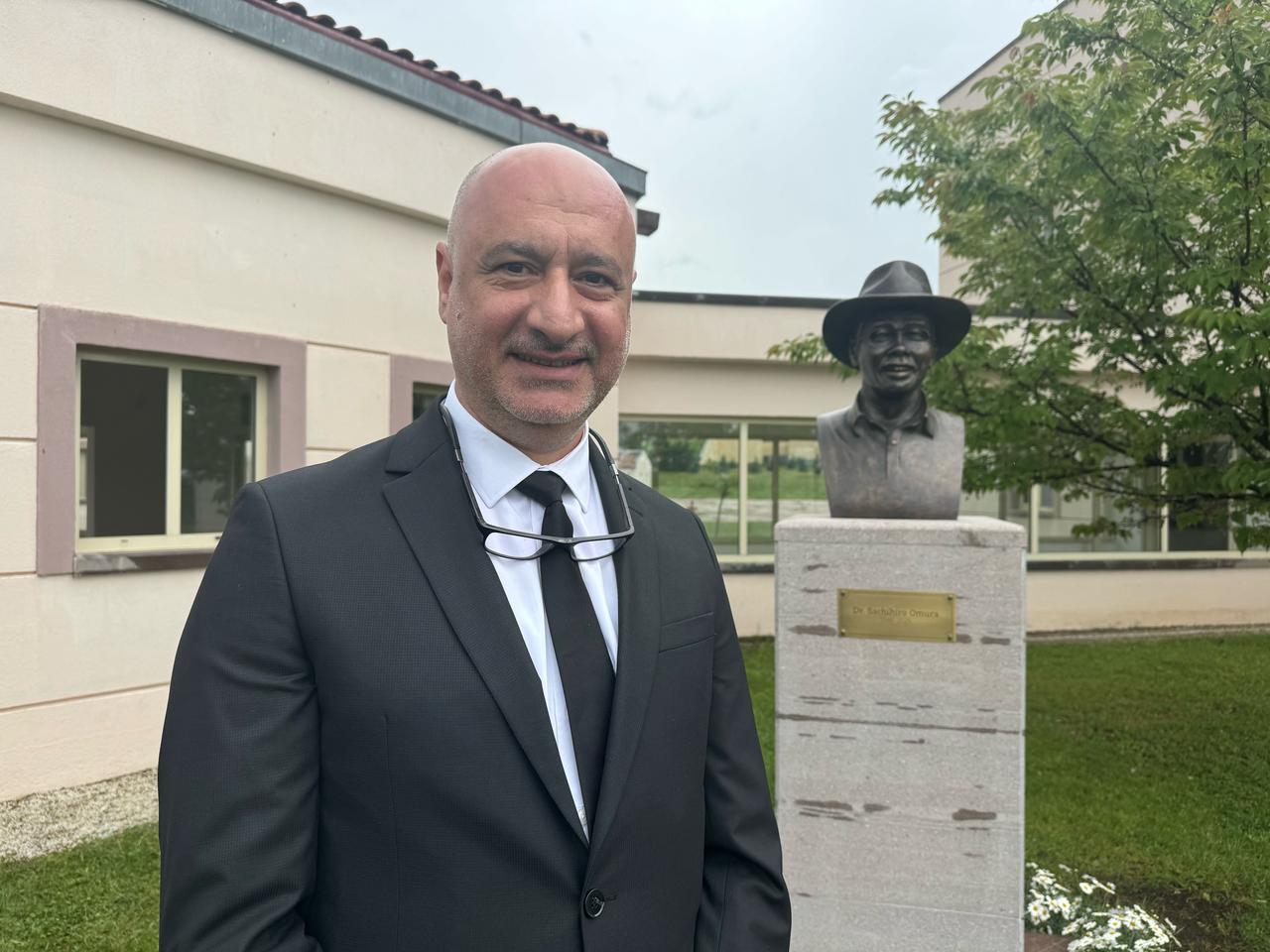
Hakan Ersiz, a sculptor and lecturer at Mimar Sinan Fine Arts University’s Department of Sculpture, said he was contacted by Is Bankasi officials about the project and quickly felt drawn to it.
Ersiz said the idea of portraying a Japanese archaeologist who had devoted his life to Anatolia gave the project a special meaning.
“I also followed what he had done, and he truly had magnificent work,” Ersiz said. “To make something in memory of such a meticulous person was really a special situation.”
The sculptor said the process took around seven to eight weeks and moved through model, clay, mold and bronze stages. He added that deciding how to represent Omura, including his posture and hat, was an important part of the work.
“It is sad to know the loss of such a person, but at the same time, representing him in a beautiful way is truly a good feeling,” he said.
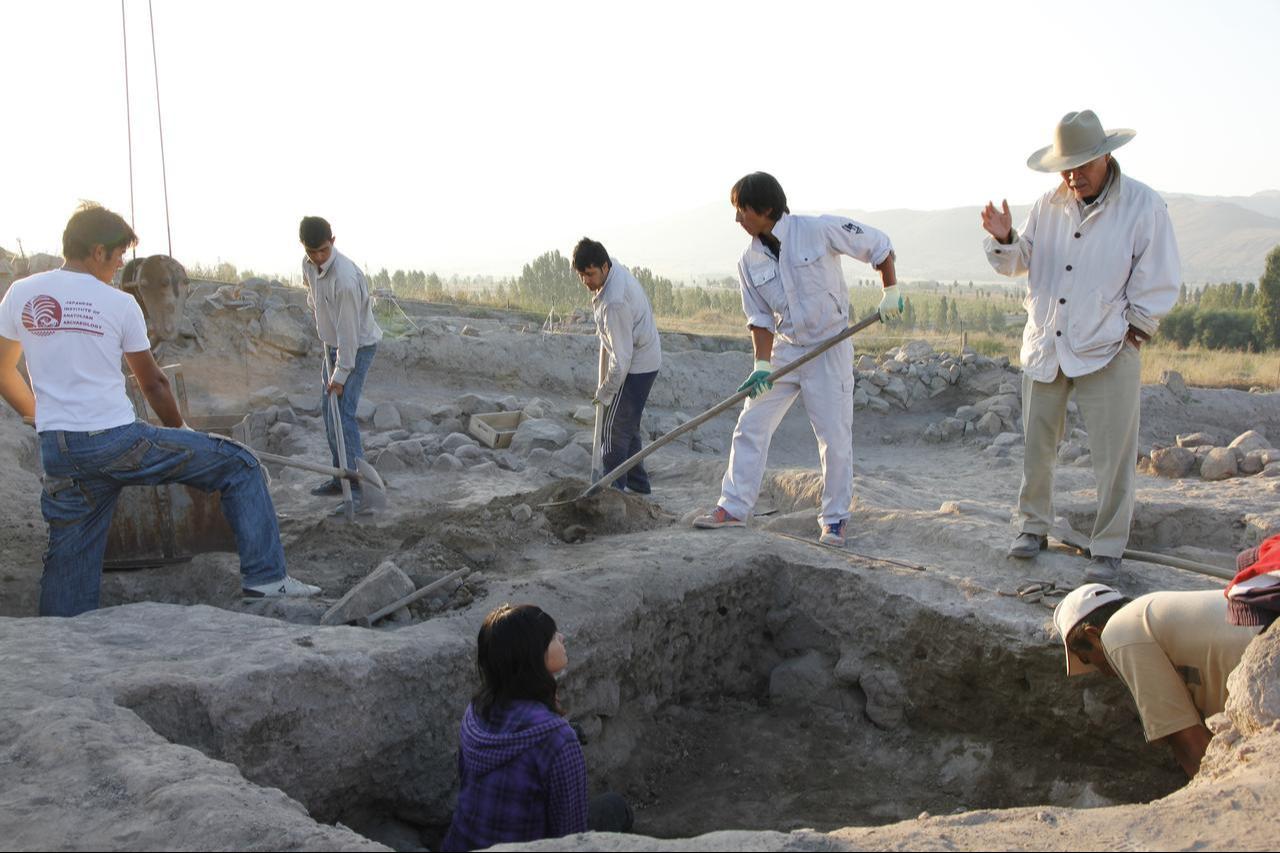
Omura’s wife, archaeologist Dr. Omura Masako, who leads the Yassihoyuk excavations, said she was moved by the commemoration.
“I was very pleased that everyone remembered Omura,” she said. “One year passed very quickly. I still do not fully feel that he has passed away. It feels as if he could come out from somewhere here at any time.”
Masako said she and Omura married in 1984 and began working together in Kaman in 1985, building the excavation project step by step from the beginning.
She said she now wants to carry on the work Omura left behind, including the excavations that will continue for future generations of researchers.
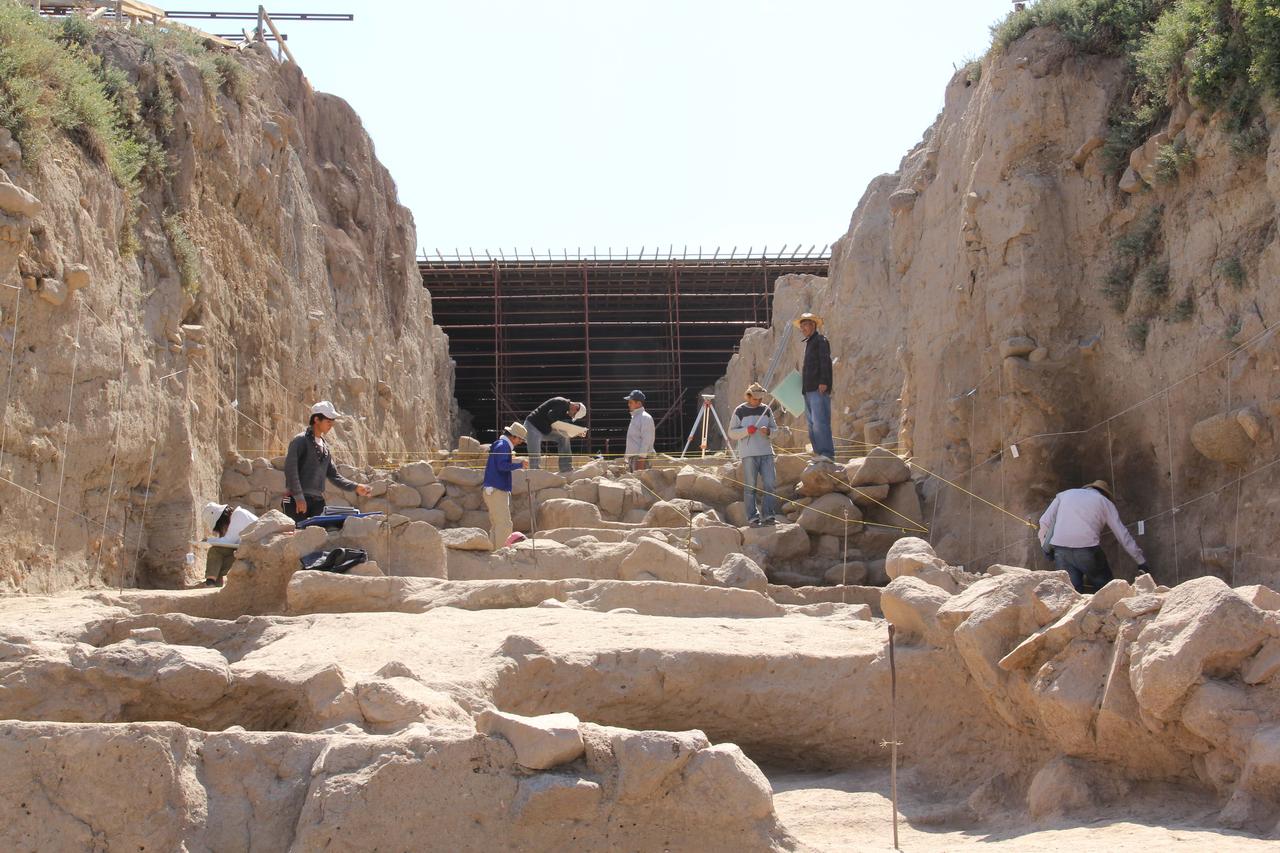
Omura first came to Türkiye through Ankara University before his experience in Japan and Egypt drew him back to Anatolian archaeology. With the encouragement of Japanese Prince Mikasa and the initiatives of then-Prime Minister Turgut Ozal, he began excavations in Kaman in 1985.
His work helped turn Kaman-Kalehoyuk, a typical Anatolian mound about 280 meters wide and 16 meters high, into one of central Türkiye’s key archaeological sites.
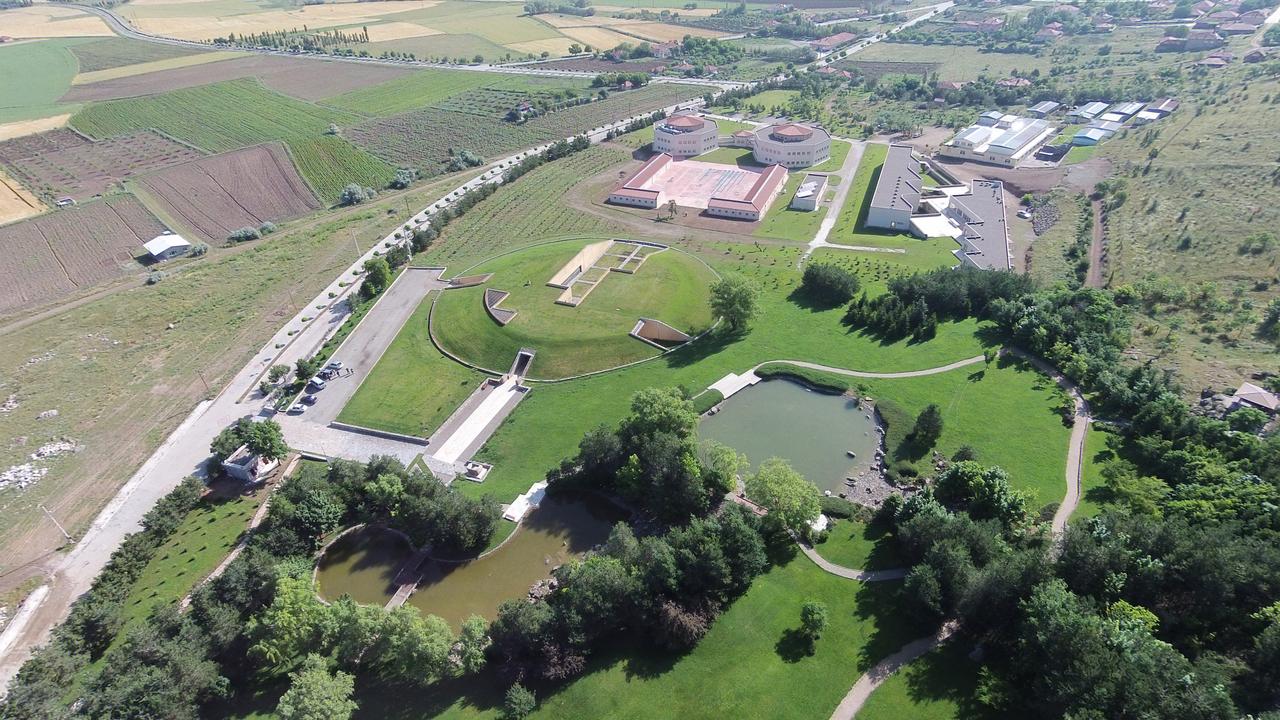
Since the beginning of the excavations, more than 2,000 museum-quality artifacts have been uncovered at Kalehoyuk. Many of them are now displayed at the Kaman-Kalehoyuk Archaeology Museum, which was built inside the Japanese Garden near the site.
The research later expanded beyond Kalehoyuk to include Yassihoyuk in Kirsehir and Buklukale in Kirikkale, creating a broader archaeological field that continues to shed light on Anatolia’s past.
Omura’s work also strengthened cultural ties between Türkiye and Japan. For his contributions to archaeology and bilateral cultural relations, he received several honors, including the Order of Merit of the Republic of Türkiye, the Turkish Parliament Gold Medal and the Culture and Arts Grand Award of the Ministry of Culture and Tourism.
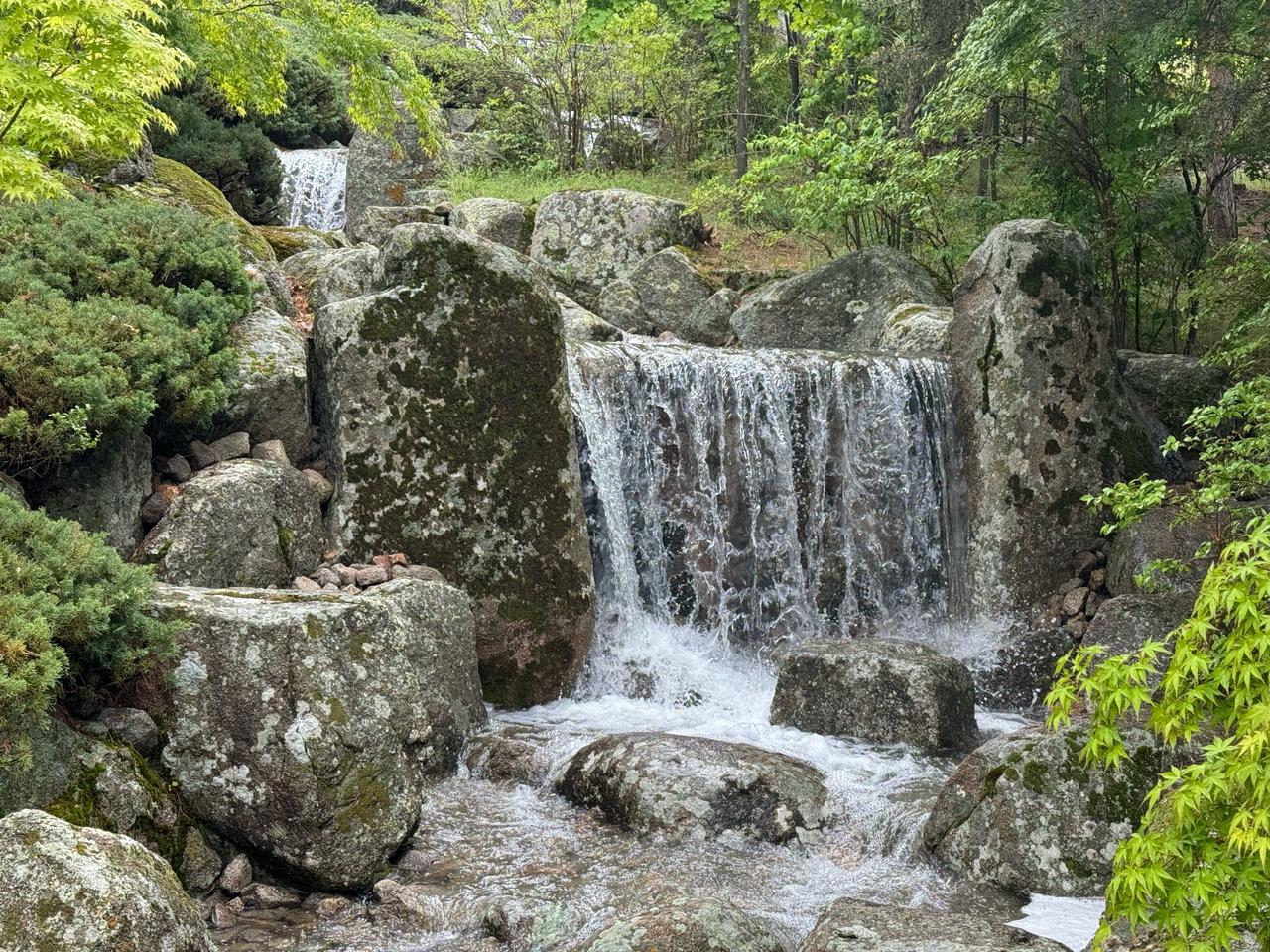
The Japanese Institute of Anatolian Archaeology campus in Kaman also includes the Mikasanomiya Memorial Garden, widely known as the Kaman Japanese Garden. The 3,500-square-meter garden brings together tree species from Türkiye and Japan and is known as one of the largest authentic Japanese gardens outside Japan.


 Set as preferred source
 Set as preferred source


 1 min read
 1 min read