Newsletters


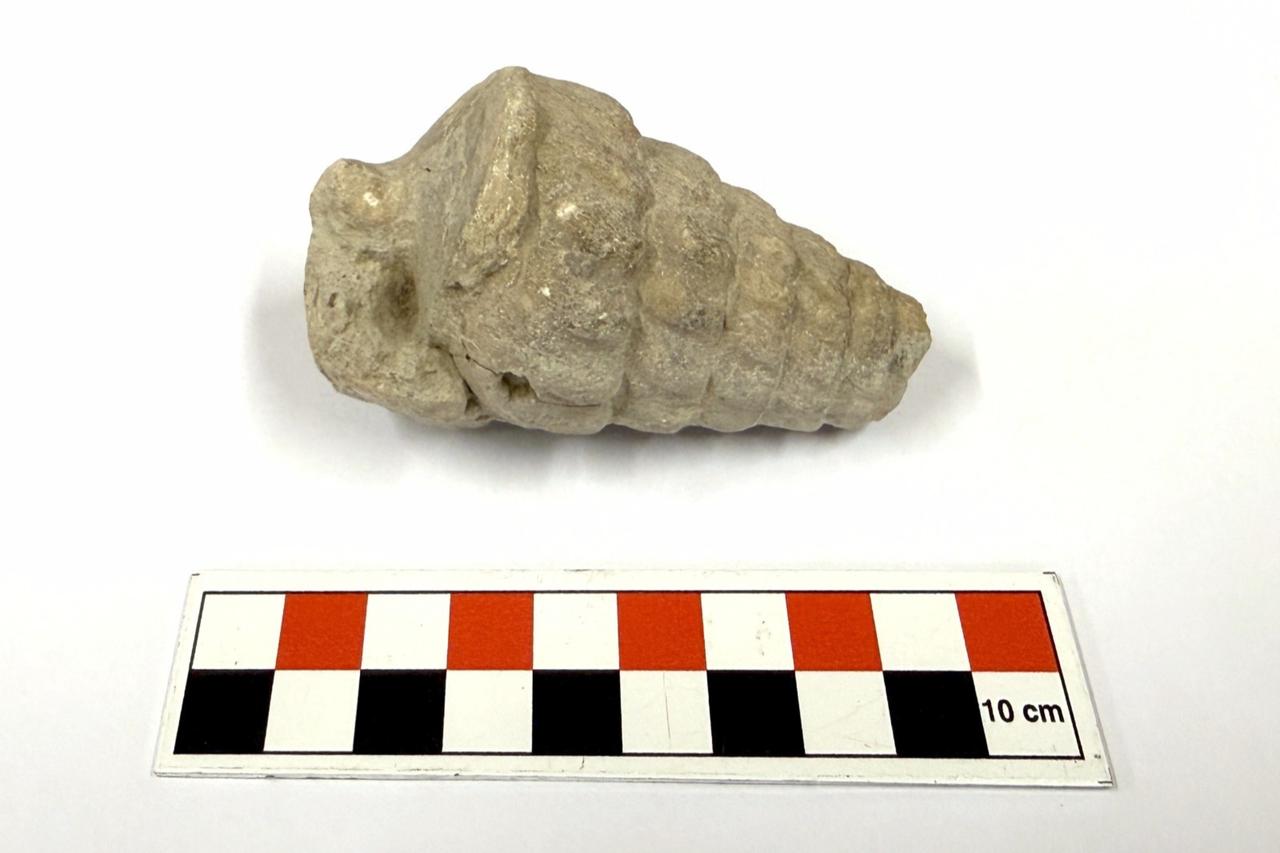


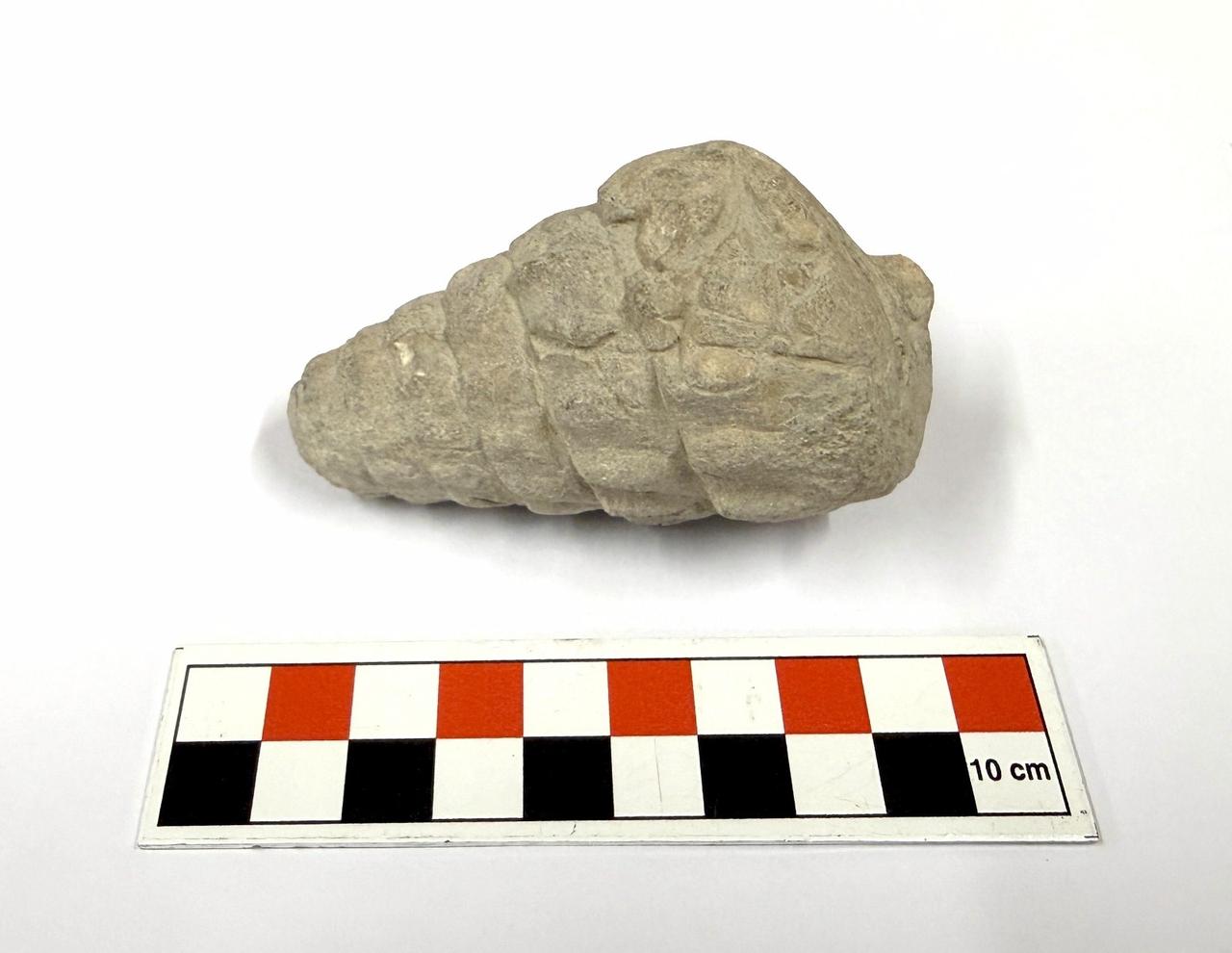
A 66-million-year-old gastropod fossil linked to the ancient Tethys Sea has been uncovered during excavations at Kulhoyuk, a 5,000-year-old Hatti and Hittite settlement in Ankara's Golbasi district, Türkiye's Culture and Tourism Ministry announced.
The fossil belonged to a gastropod, a type of snail, that lived along the shores of the Tethys Sea, which once extended across parts of Central Anatolia. Researchers believe the specimen dates back to the final stages of the sea.
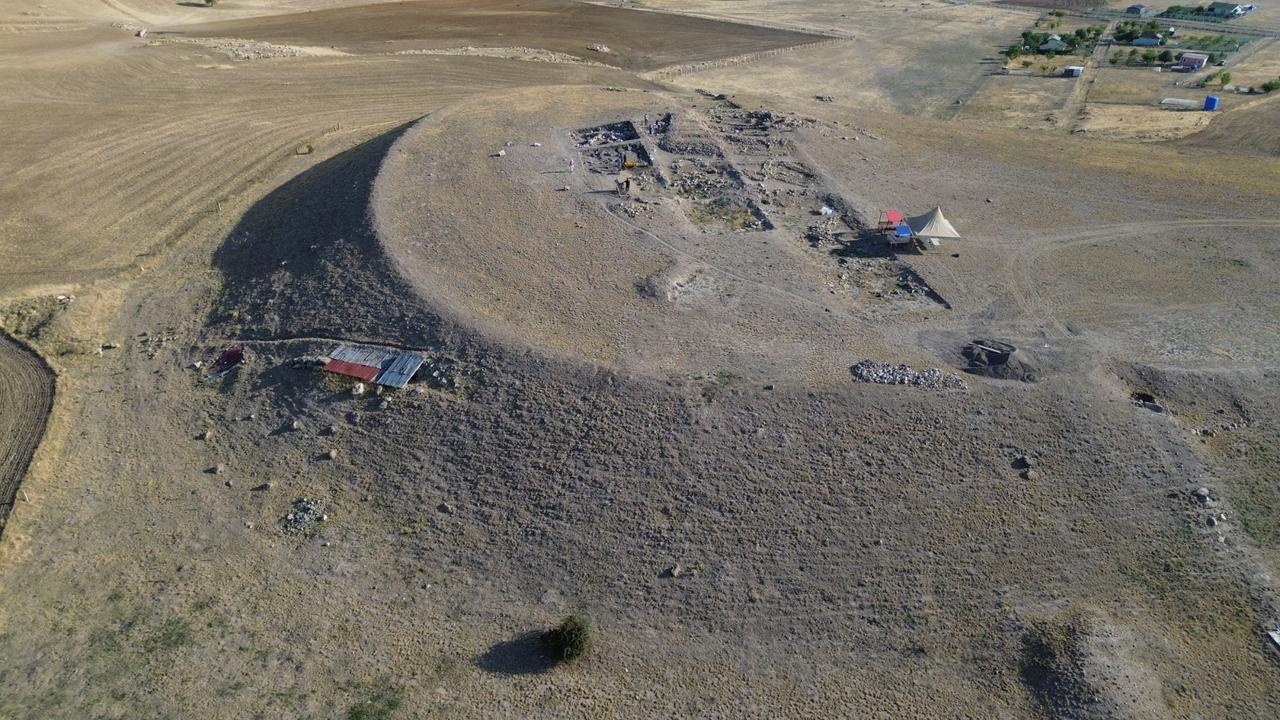

While archaeological work at Kulhoyuk has brought out evidence from the Hatti and Hittite periods, the newly discovered fossil points to the region's natural history tens of millions of years before human settlement.
Culture and Tourism Minister Mehmet Nuri Ersoy said the discovery sheds light on Ankara's much earlier natural past, noting that the fossil lived around the Tethys Sea coastline about 66 million years ago.
The Tethys Sea is described in the ministry's statement as an ancient body of water that began forming around 250 million years ago and once covered areas including Central Anatolia.
What particularly stands out archaeologically is where the fossil turned up. Researchers are considering the possibility that residents of Kulhoyuk carried it into the settlement thousands of years ago rather than the fossil remaining naturally in the place where it was found.
Ersoy said, "The assessment that the fossil may have been carried to the settlement by Kulhoyuk residents thousands of years ago makes the discovery even more remarkable."
That possibility has opened up a new research question about how a natural object millions of years old ended up inside the much later Hatti and Hittite settlement.
Excavations at Kulhoyuk have been carried out since 2021 under the direction of Assoc. Prof. Derya Yilmaz Tekin on behalf of Ankara University and the Culture and Tourism Ministry.


 Set as preferred source
 Set as preferred source


 1 min read
 1 min read