Newsletters


UNESCO-listed Letoon Sanctuary in Türkiye’s Mugla province is preparing for a new phase of accelerated archaeological work as the Heritage for the Future Project begins to reshape plans for excavation and restoration.
Located in Kumluova and listed together with the neighbouring ancient city of Xanthos since 1988, the sanctuary stands as the religious heart of the Lycian civilization. The three temples dedicated to Leto, Apollon and Artemis, along with inscriptions and statue bases, continue to draw visitors eager to explore layers of regional history.
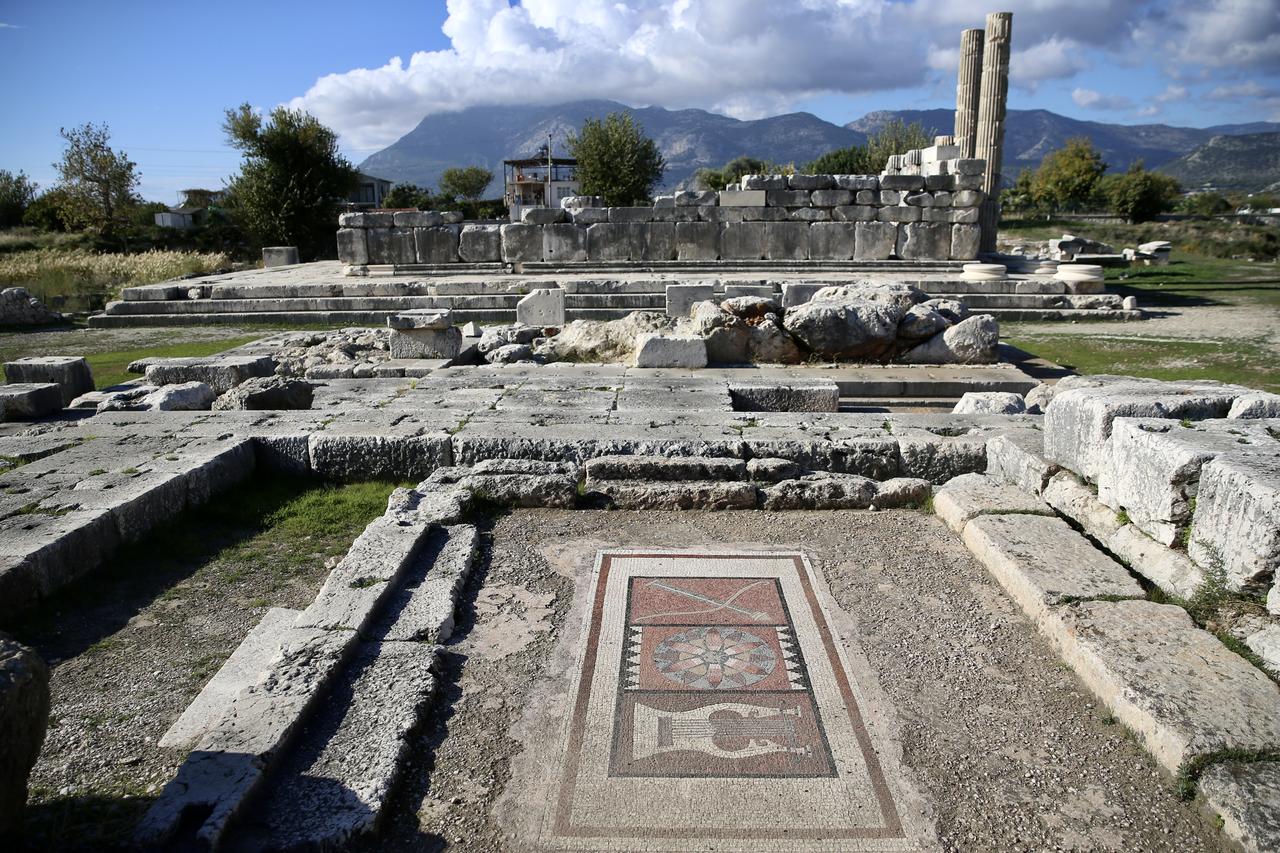

Associate Professor Hasan Kasapoglu of Ataturk University, who leads the excavation team with the approval and support of the Ministry of Culture and Tourism, explained that the new initiative will significantly speed up fieldwork. He noted that the area served as a shared sacred zone for Lycian cities and said there is evidence showing its use as a cult site as early as the eighth century B.C.
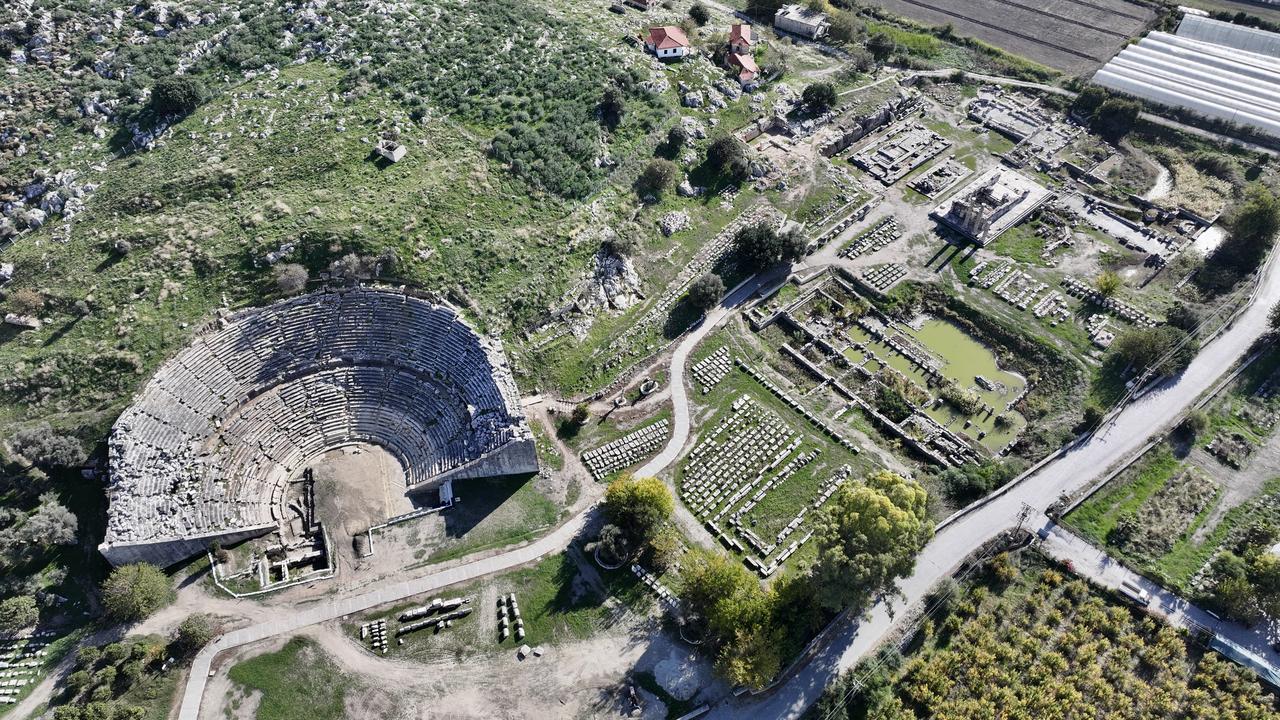
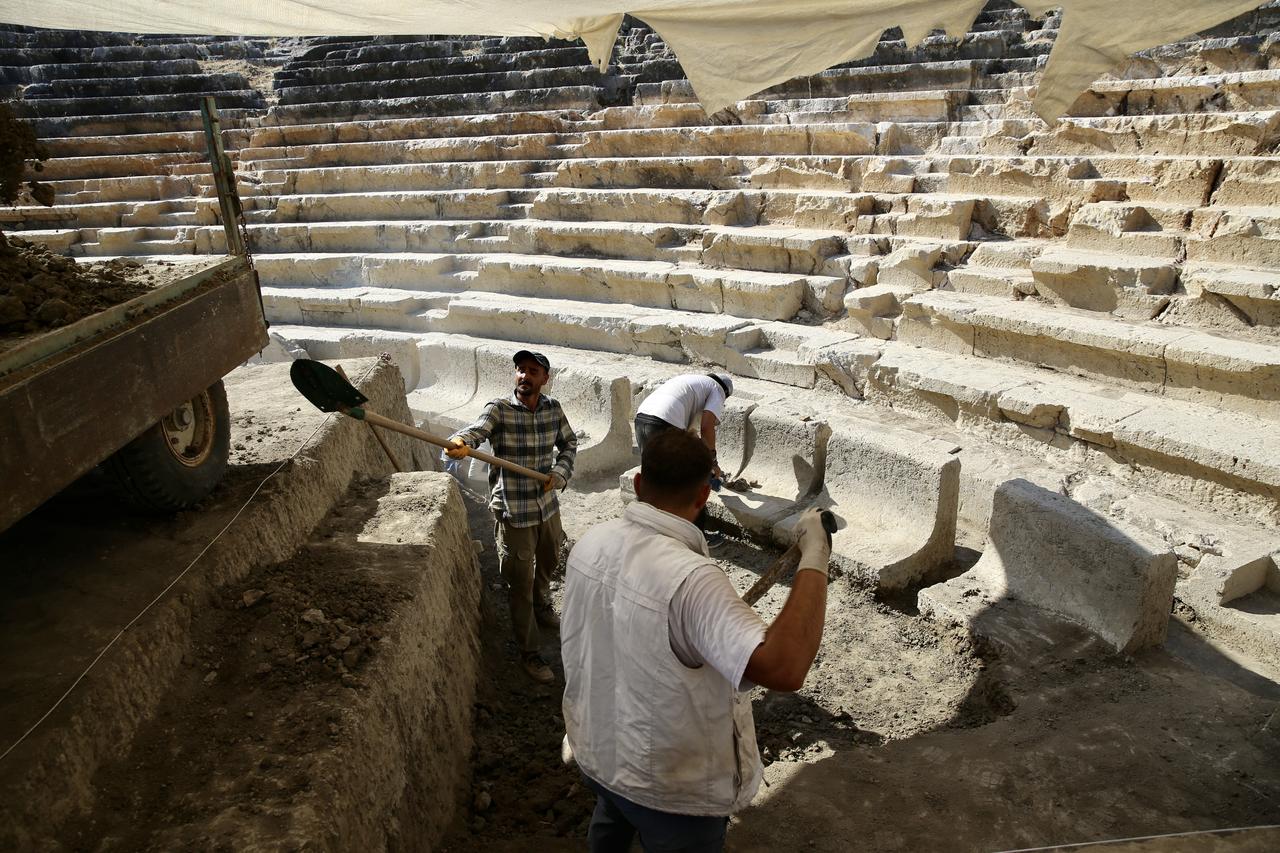
Kasapoglu added that his team recently carried out work in the theater, which is estimated to have held around 10,000 spectators. He said the strong support secured through the Heritage for the Future Project will allow the team to complete the excavation of the structure in a short time and then move on to restoration.
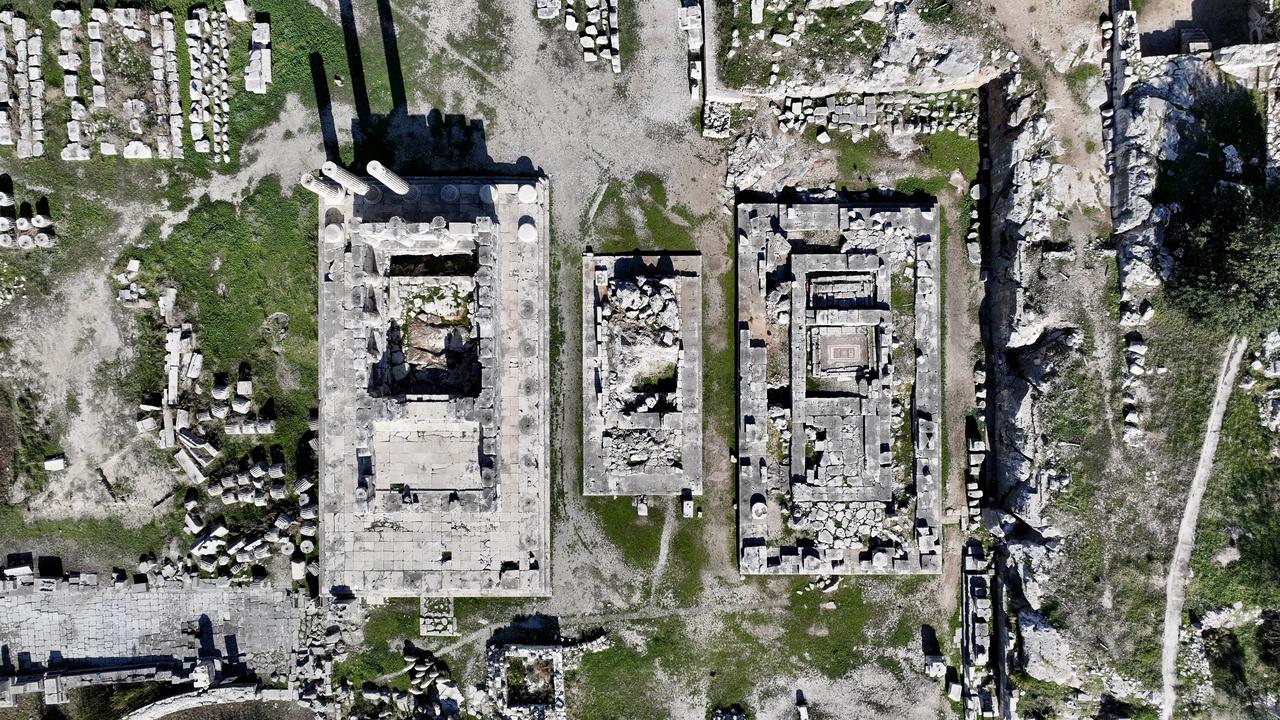
The Leto Temple, the sanctuary’s most prominent monument, is also set for renewed investigation. Kasapoglu underlined its importance for ancient culture and noted that the architectural material unearthed during the 1960s represents about 80% to 85% of the temple’s original structure.
He stated that at least 70% to 85% of the temple could be raised again. When restored, he added, it would become one of the most complete and visually accessible temples in western Anatolia. He also highlighted that this progress would greatly improve the visitor experience in one of Lycia’s key archaeological locations.
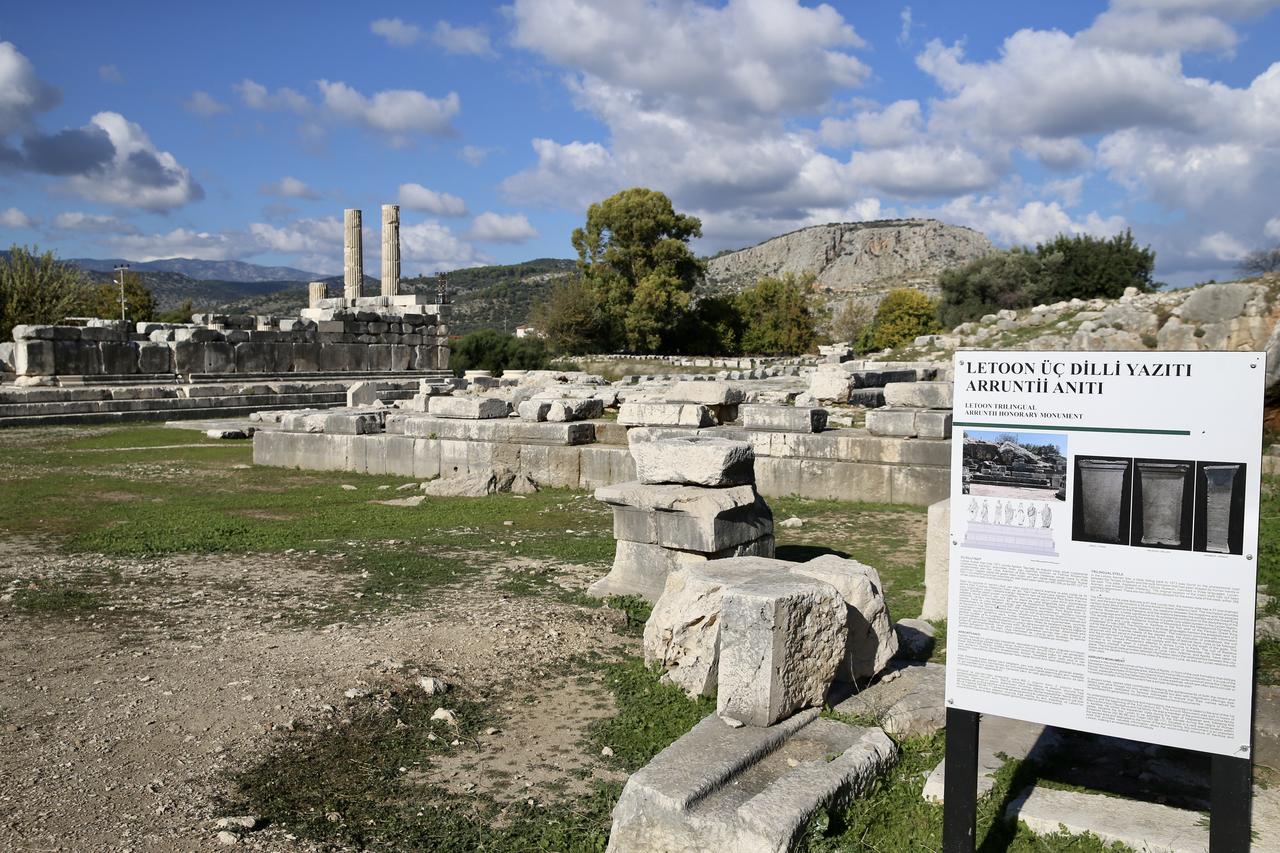
Letoon is home to a famed trilingual inscription written in Lycian, Aramaic and Greek. Kasapoglu noted that this inscription played a decisive role in deciphering the Lycian language and emphasized Letoon’s importance for reconstructing Lycian history.
Kasapoglu reminded that Letoon is Türkiye’s only archaeological site on the UNESCO list within Mugla province, while nearby Xanthos is Antalya’s sole entry. He said both areas hold exceptional value and stressed that they aim to “shine the star these sites deserve,” referring to efforts supported by the ministry’s wider cultural heritage program.
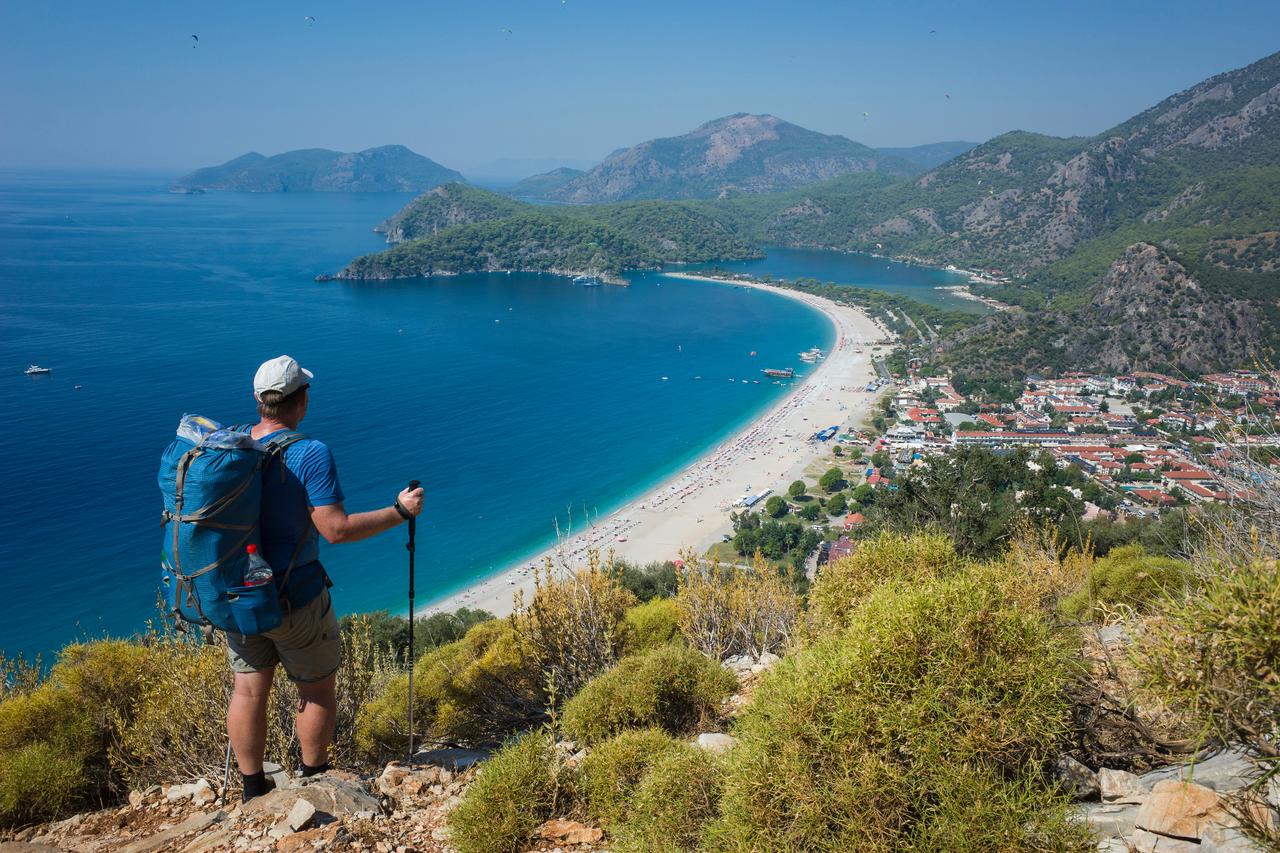
He added that both Letoon and Xanthos lie along the well-known Lycian Way hiking route. Since the climate remains mild through autumn and early winter, cultural visits continue steadily, and the team plans to make the site more accessible during the cooler seasons.
Kasapoglu concluded that they intend to keep working through autumn and winter to improve the site’s walkability and complete restorations swiftly, hoping to bring the monuments back to life for both the cultural heritage sector and the international archaeological community.


 Set as preferred source
 Set as preferred source


 1 min read
 1 min read