Newsletters


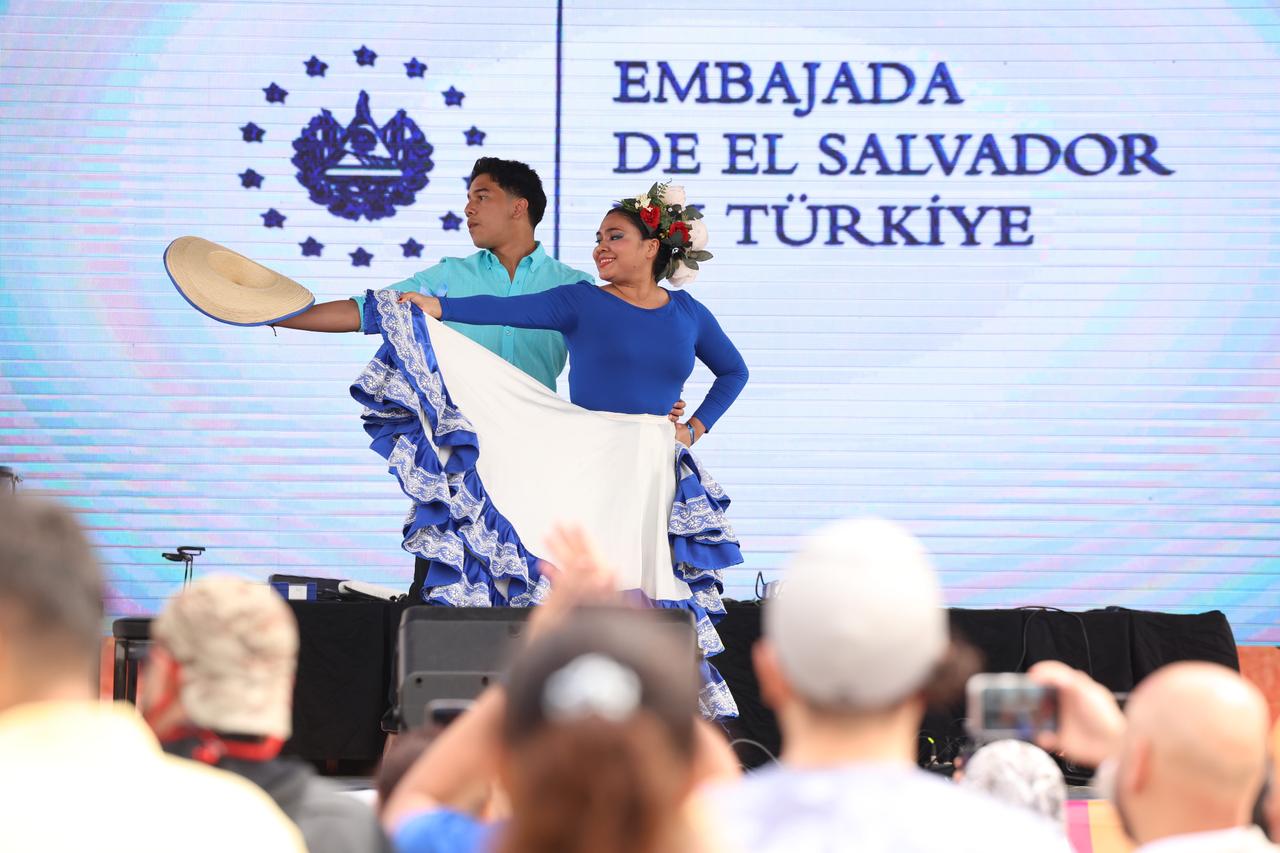


Marmaris Latin Fest continued on its second day in Türkiye’s southwestern Mugla province, bringing together Latin American street food, traditional music, dance performances, and cultural stands at 19 May Youth Square.
Hosted by Marmaris Municipality, the festival presents the cultural heritage of 14 Latin American countries on the Aegean coast, with the second day focusing heavily on gastronomy.
From Mexico’s street flavors to El Salvador’s “pupusa,” a stuffed corn-based flatbread, and the Dominican Republic’s “casabe,” a traditional cassava bread, visitors were introduced to a wide range of regional tastes.
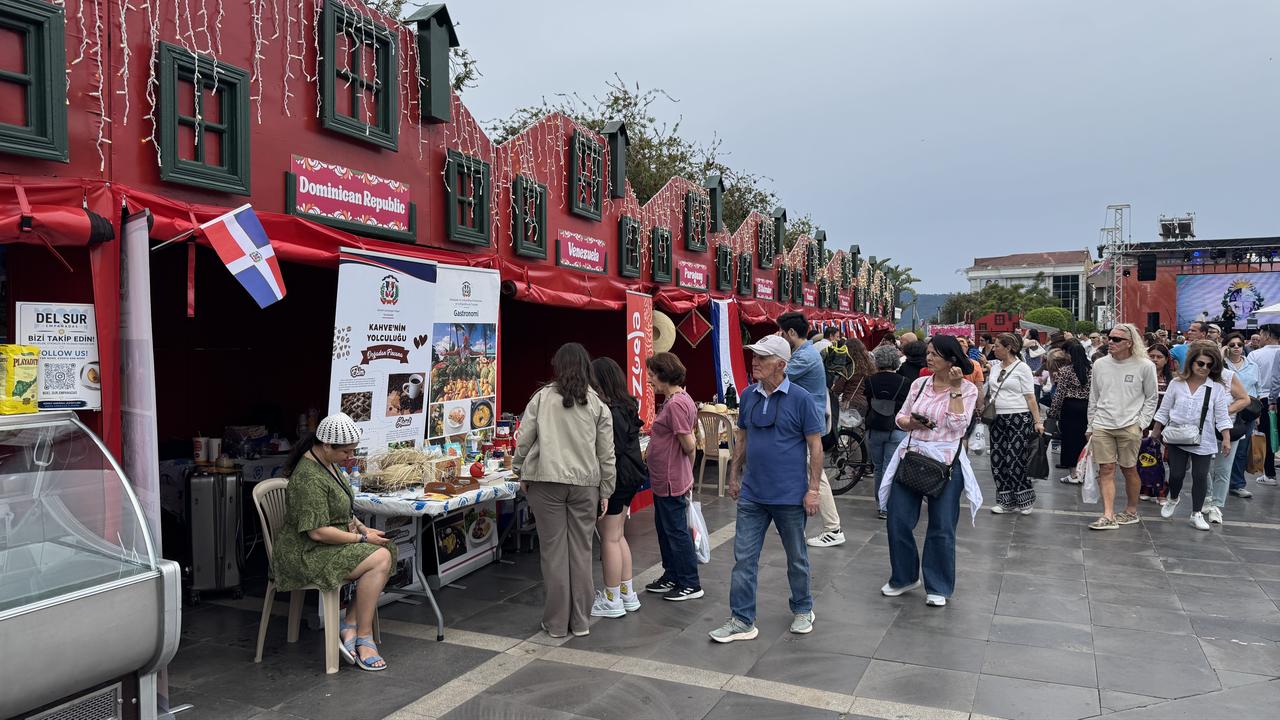

The busiest stops of the day were the cooking areas set up across the square. Mexican chef Nicolas Boujema introduced well-known street foods from his country through a live cooking session, while the Dominican Republic stand served casabe bread and hot chocolate.
El Salvador’s pupusa also drew attention, along with Panama’s traditional dishes, including “sancocho,” “empanada” and “tamales.”
These local flavors led to long queues as visitors moved between stands and sampled different parts of Latin American cuisine.
Festivalgoers also had the chance to try internationally known Latin coffees in dedicated tasting areas.
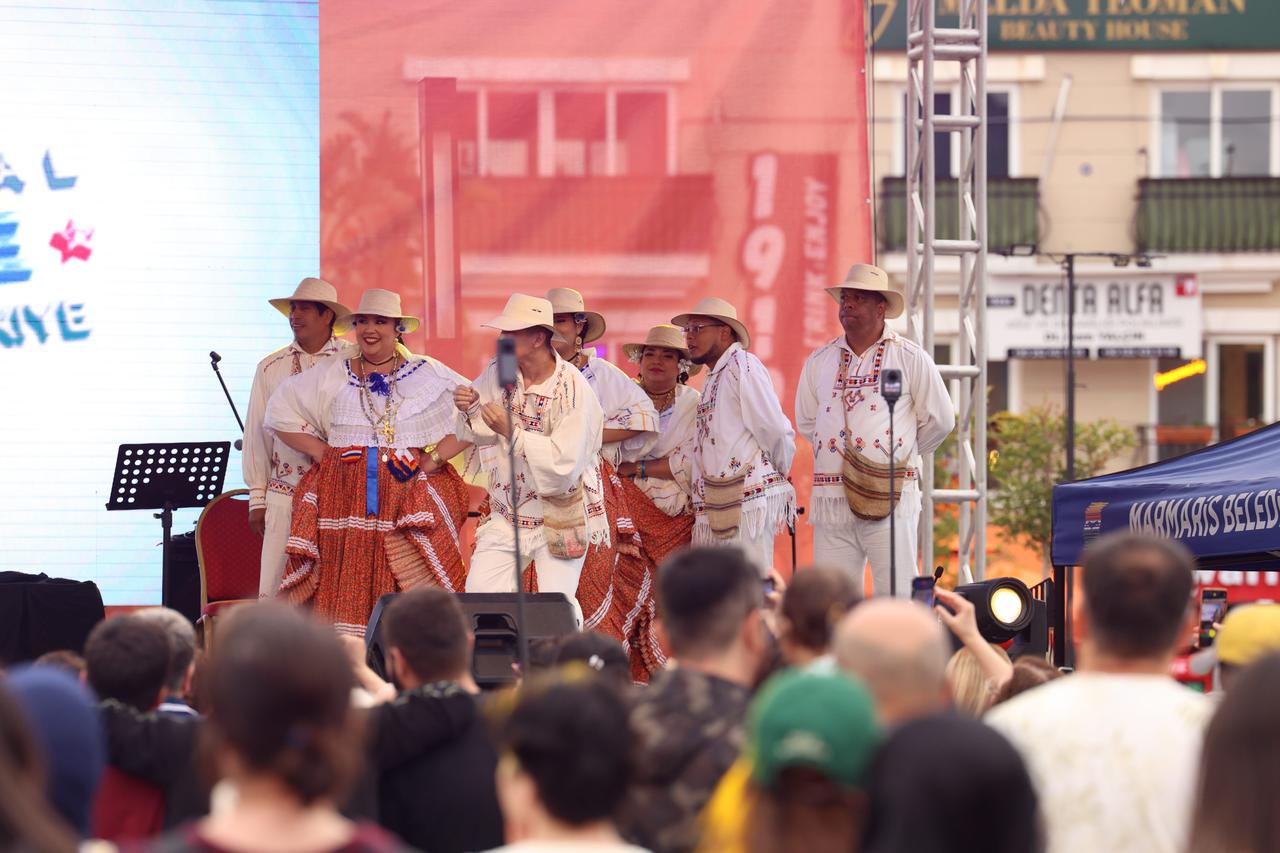
The day opened with film screenings at the Culture and Art House before the main program moved into the square with live performances.
The Dominican Republic’s bachata and merengue shows, along with El Salvador’s cumbia dances, were watched by hundreds of visitors.
Concerts by Dominique Hunziker from Guatemala, Carlos Cid from Chile and Perla Lucarelli from Uruguay added to the evening program, while Brazilian and Paraguayan groups also took the stage later in the day.
Argentine writer and musician Burak Eker’s “Tango’s Piazzolla” book launch and musical presentation was also included in the festival program.
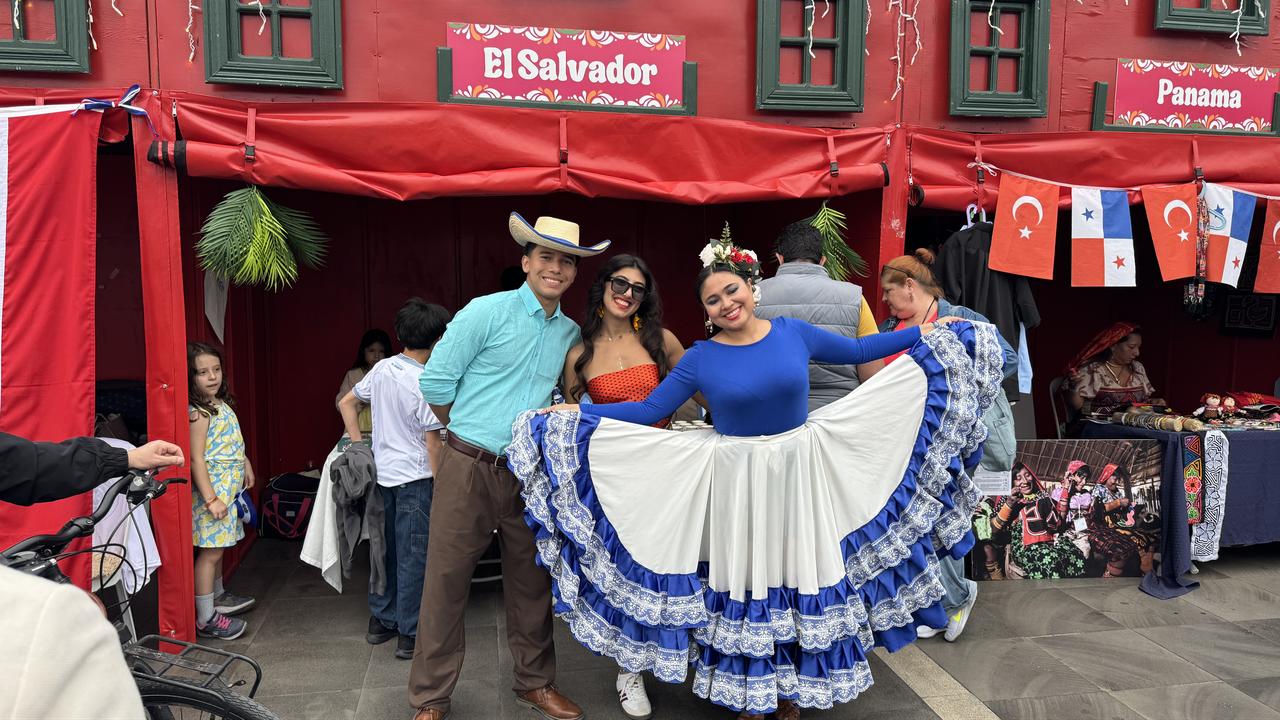
The second day ended with a Latin Party organized with the participation of Marmaris Latin Dance Schools, as the event continued to bring together food, music, dance and traditional crafts from across the region.
Stands representing Paraguay, El Salvador, the Dominican Republic, Costa Rica, Argentina, Panama, Chile and Venezuela also displayed traditional clothing and souvenirs. The festival is scheduled to end on May 10.


 Set as preferred source
 Set as preferred source


 1 min read
 1 min read