Close
newsletters Newsletters
X Instagram Youtube

Hidden in plain sight: Museum inside Marmaris Castle

Sculptural stone fragments displayed in the open courtyard of Marmaris Castle, used as an open-air exhibition space by Marmaris Museum in Mugla, Türkiye, Jan. 27, 2026. (Photo by Koray Erdogan/Türkiye Today)
Photo
BigPhoto
Sculptural stone fragments displayed in the open courtyard of Marmaris Castle, used as an open-air exhibition space by Marmaris Museum in Mugla, Türkiye, Jan. 27, 2026. (Photo by Koray Erdogan/Türkiye Today)
January 30, 2026 08:34 AM GMT+03:00

Marmaris Museum, set inside Marmaris Castle, is offering visitors a tightly curated walk through layers of history, from the Bronze Age up to the Republic days of Türkiye, while also using the fortress courtyard and vaulted rooms as exhibition space.

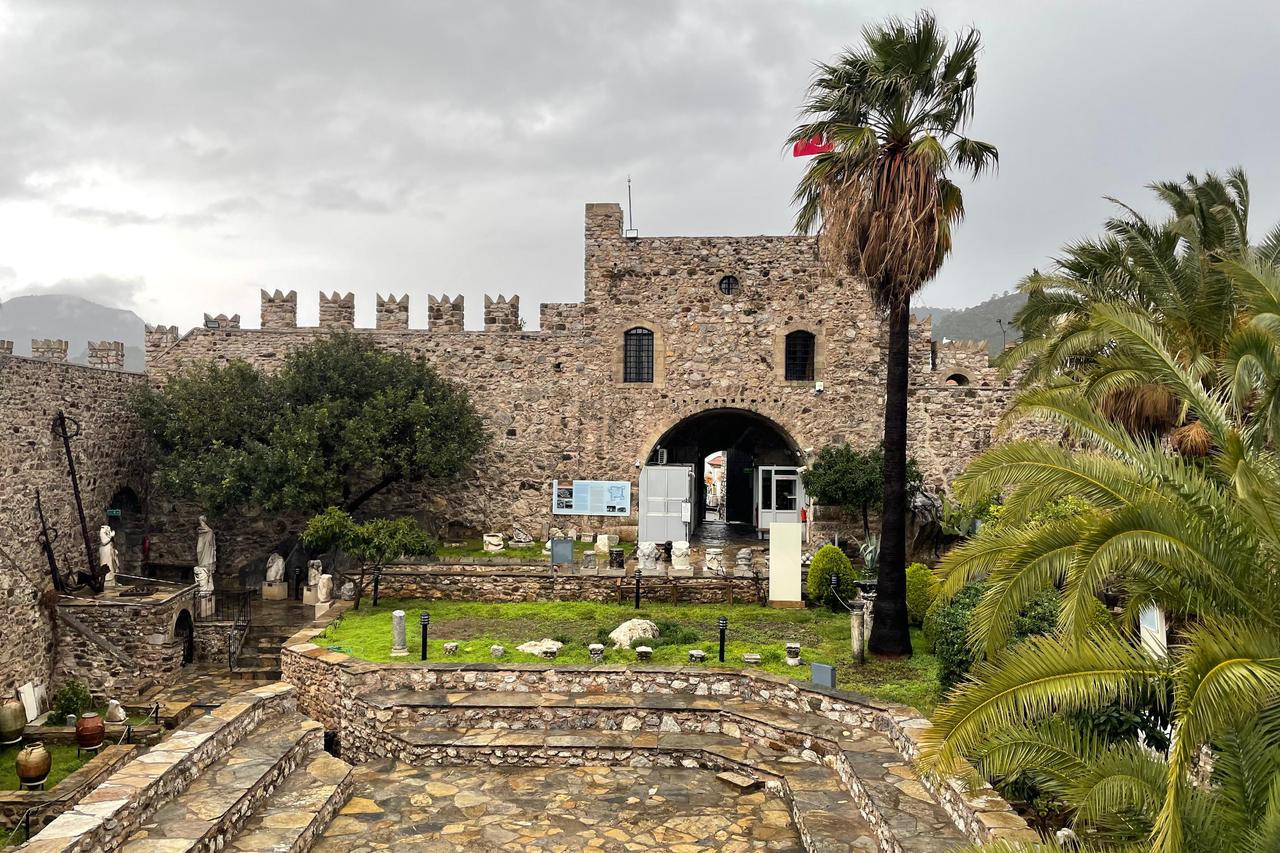
Sitting on a peninsula behind Marmaris harbour, the castle stands in a dominant position facing the sea, and it now frames the museum experience through its stone walls, bastions, and inner garden.
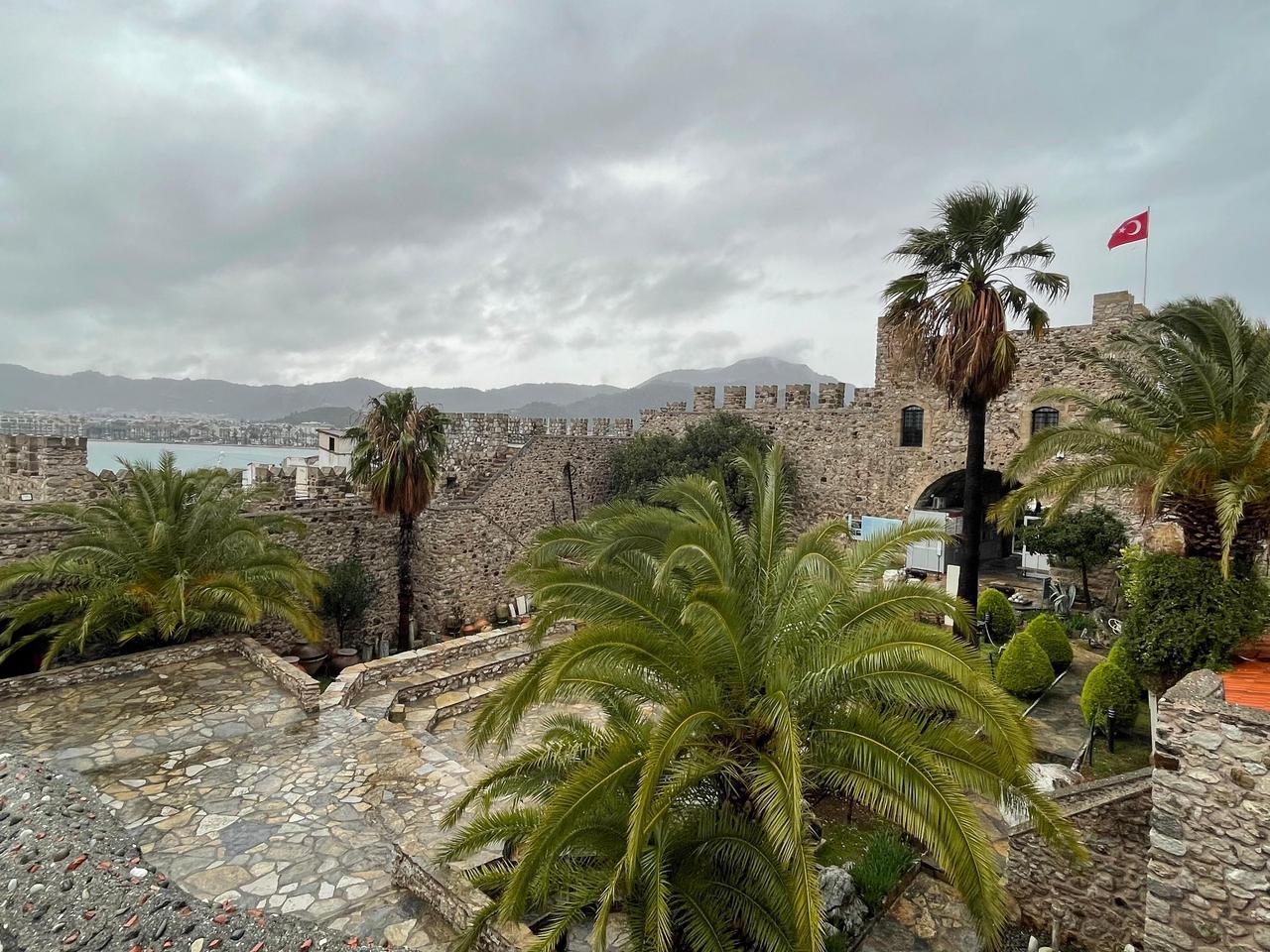
A general view of Marmaris Castle courtyard, where stone terraces and palm trees frame the open-air exhibition area of Marmaris Museum in Mugla, Türkiye, Jan. 27, 2026. (Photo by Koray Erdogan/Türkiye Today)

A fortress with a long timeline, retold through later writers

The earliest information cited about Marmaris Castle is linked to Herodot of Halicarnassus (Bodrum), who lived between 490 B.C. and 425 B.C.

He is described as reporting that the castle was first built in the 3rd millennium B.C., while the text also notes that the site first came under Ottoman rule in 1,390 A.D.

Building on that later historical memory, 17th-century traveler Evliya Celebi is referenced as writing in his Seyahatname that the castle was built by Sultan Suleiman I during the Rhodes expedition in 1,522 A.D. and was used as a military base.
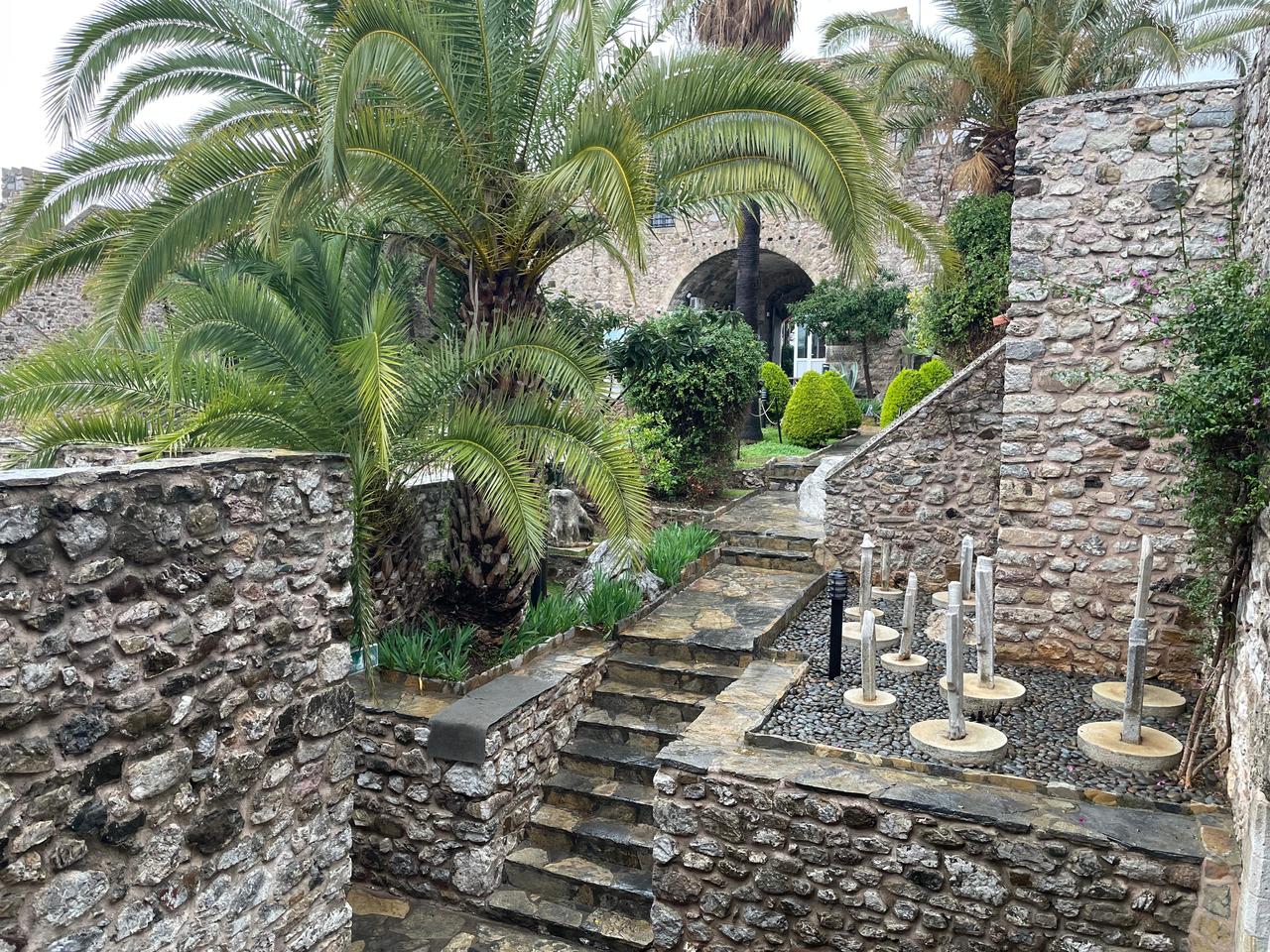
Stone pathways and vaulted structures inside Marmaris Castle guide visitors through indoor and outdoor exhibition areas of Marmaris Museum in Mugla, Türkiye, Jan. 27, 2026. (Photo by Koray Erdogan/Türkiye Today)

Built into rock, then opened up as galleries

Architecturally, the castle is described as being made of ashlar and rubble set on the main rock, with four bastions at the corners and an inscription panel positioned above the main entrance.

Inside, it has seven covered rooms and an entrance section with a barrel vault ceiling that opens up into an inner garden.

From there, stairs on both the right and left sides lead up and provide access to the fortress wall. The interior, also covered by barrel vault ceilings, is used as an exhibition space, while the courtyard is set up as an open-air exhibition area. Areas beyond the exhibition rooms are used as depots and offices.
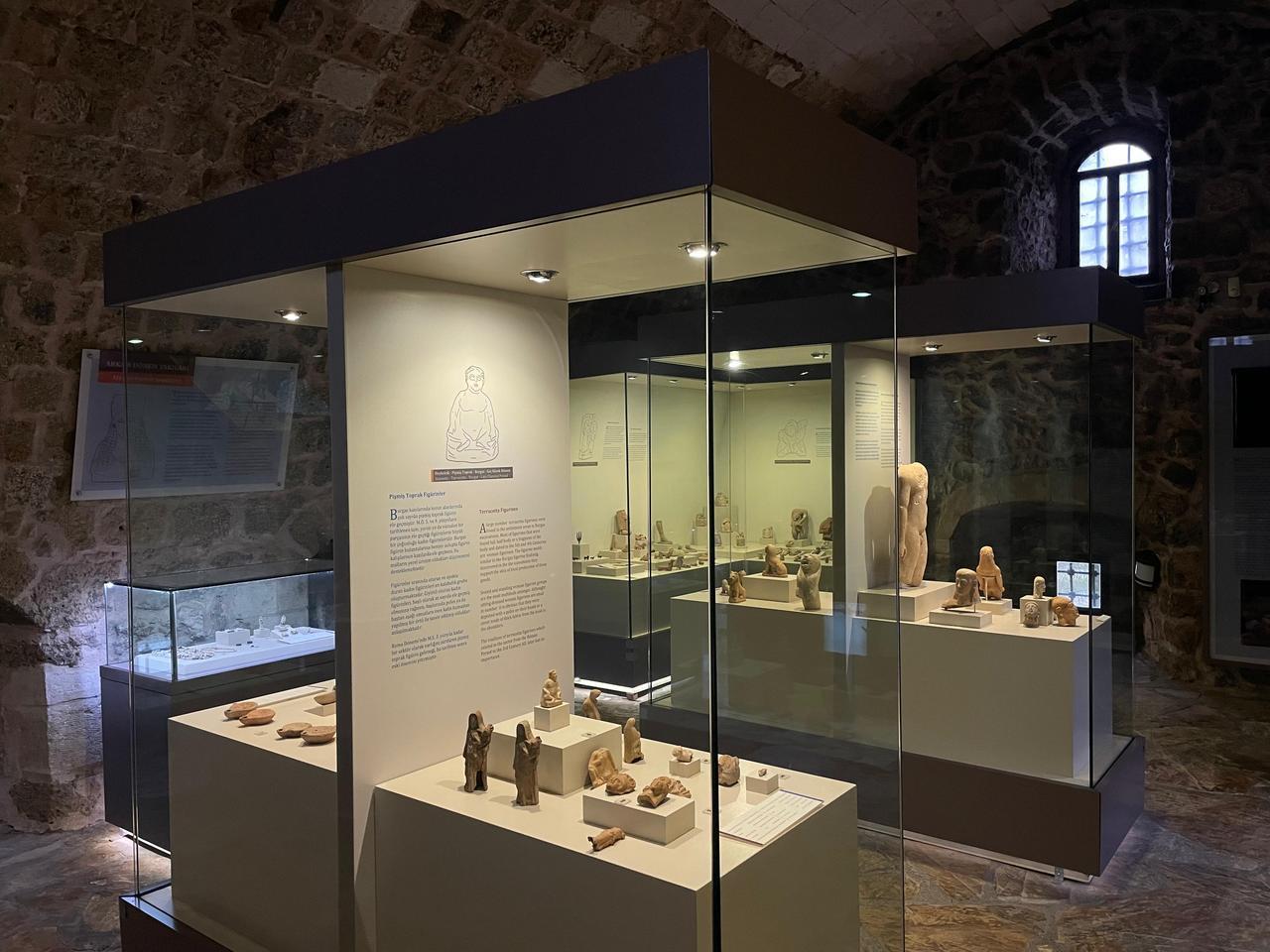
Terracotta figurines and small sculptural pieces displayed inside a vaulted exhibition hall of Marmaris Museum, housed within the historic walls of Marmaris Castle in Mugla, Türkiye, Jan. 27, 2026. (Photo by Koray Erdogan/Türkiye Today)

A chronological display that keeps moving forward

Across the exhibition halls, artifacts are arranged in chronological order, moving through the Bronze Age, Archaic Age, Classical period, Hellenistic Age, Roman and Eastern Roman (Byzantine) period, and then up to the Republic days of Türkiye.

This layout is described as guiding visitors through shifting eras without pulling them away from the castle setting itself, since the rooms and courtyard remain part of the display route.
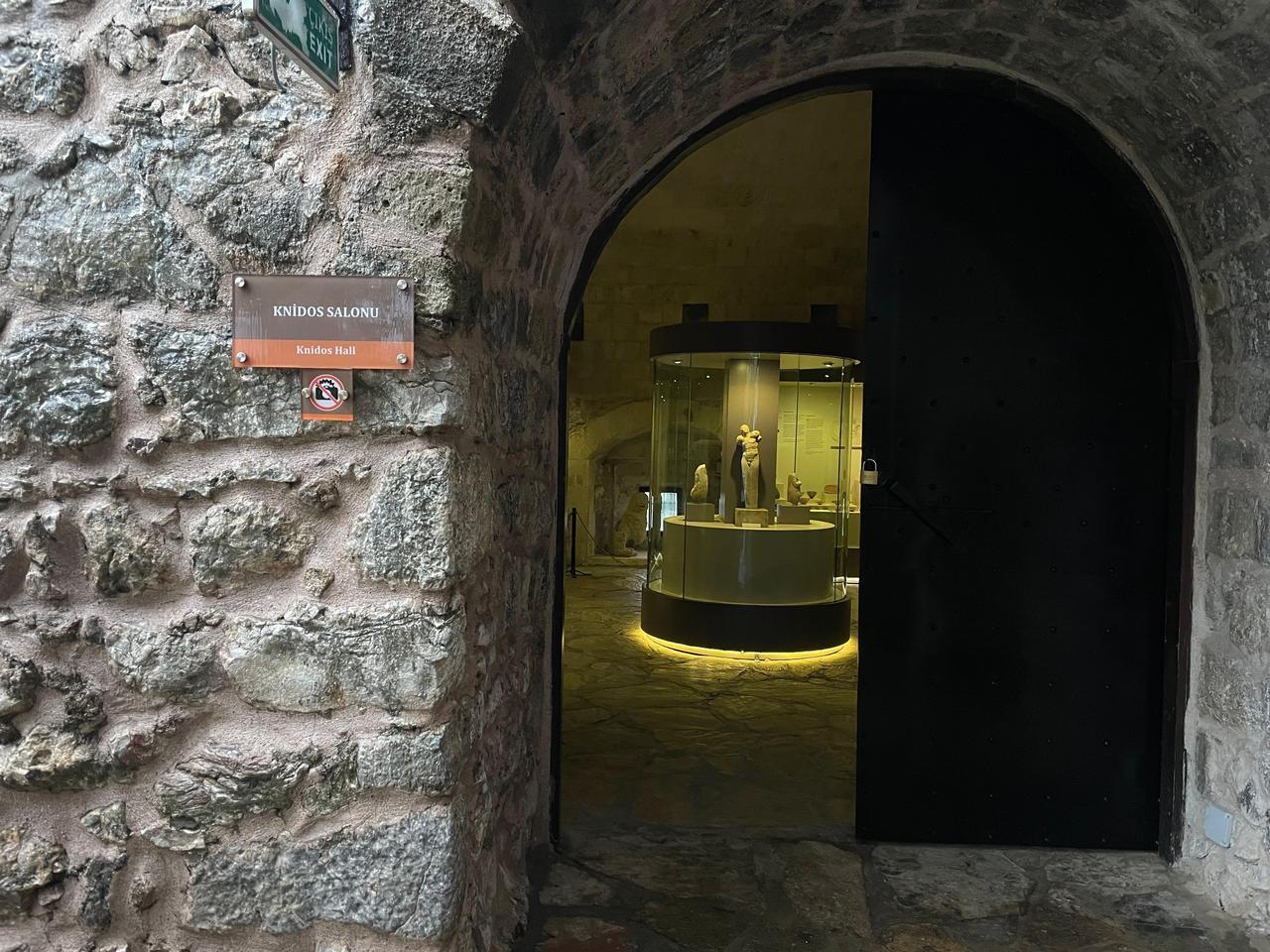
The entrance to the Knidos Hall at Marmaris Museum, seen through a stone archway inside Marmaris Castle, marking one of the museum’s main exhibition sections dedicated to finds from the ancient city of Knidos in Mugla, Türkiye, Jan. 27, 2026. (Photo by Koray Erdogan/Türkiye Today)

Knidos Hall brings Datca excavations into Marmaris

The first room described is the Knidos Hall, which presents artifacts brought from Datca town on the Resadiye peninsula in Mugla province.

Knidos is introduced as a prominent center of the ancient Caria region.
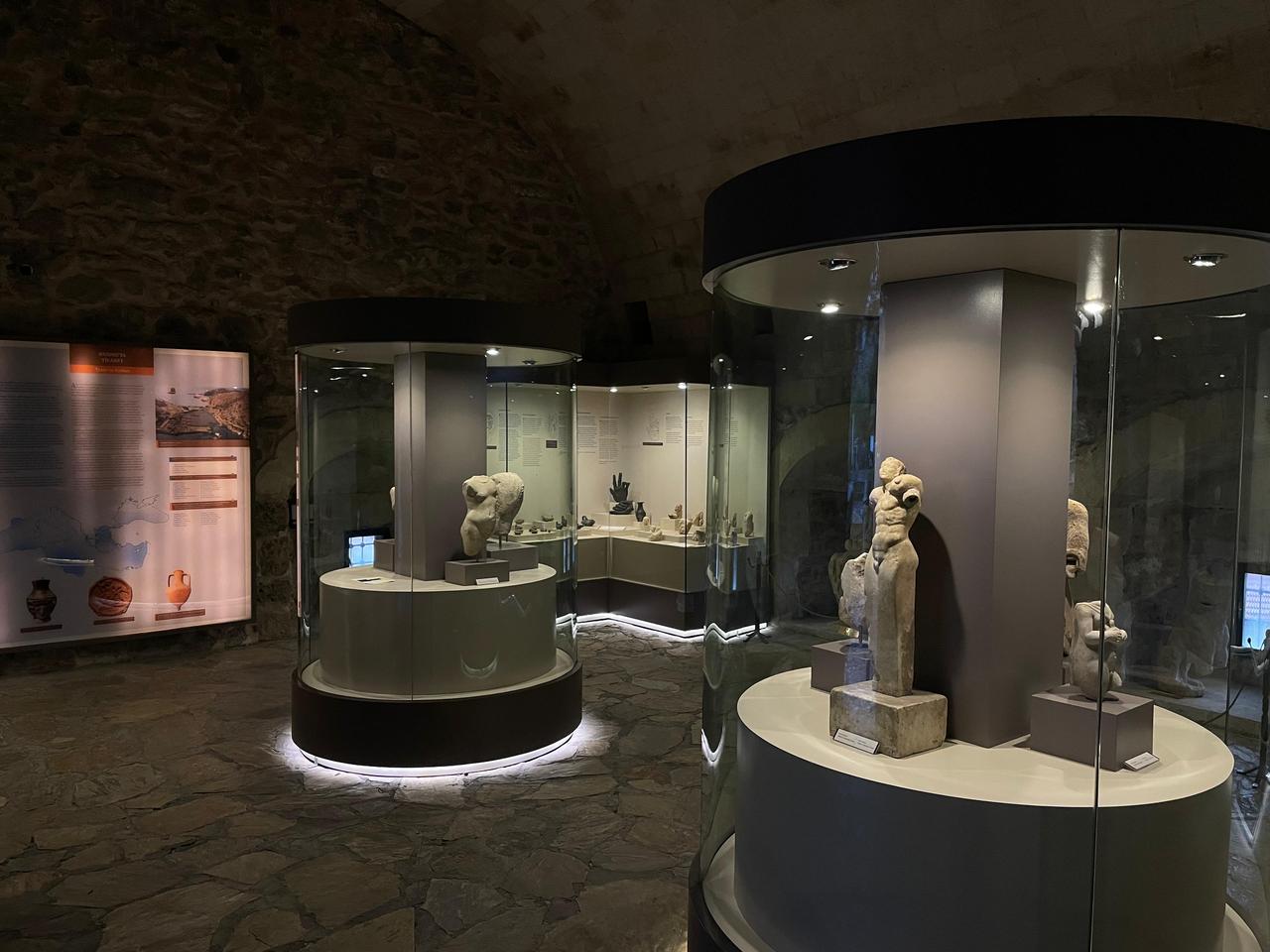
Statues and sculptural fragments displayed inside a vaulted exhibition hall of Marmaris Museum, where modern showcases are set against the historic stone interior of Marmaris Castle in Mugla, Türkiye, Jan. 27, 2026. (Photo by Koray Erdogan/Türkiye Today)

The hall displays marble statues brought to light through Knidos excavations, along with statue heads, figurines, ornaments, amphoras, and everyday pottery.

Among the notable items, the text points to a bronze sheath believed to belong to a colossal statue and a seated priest statue.
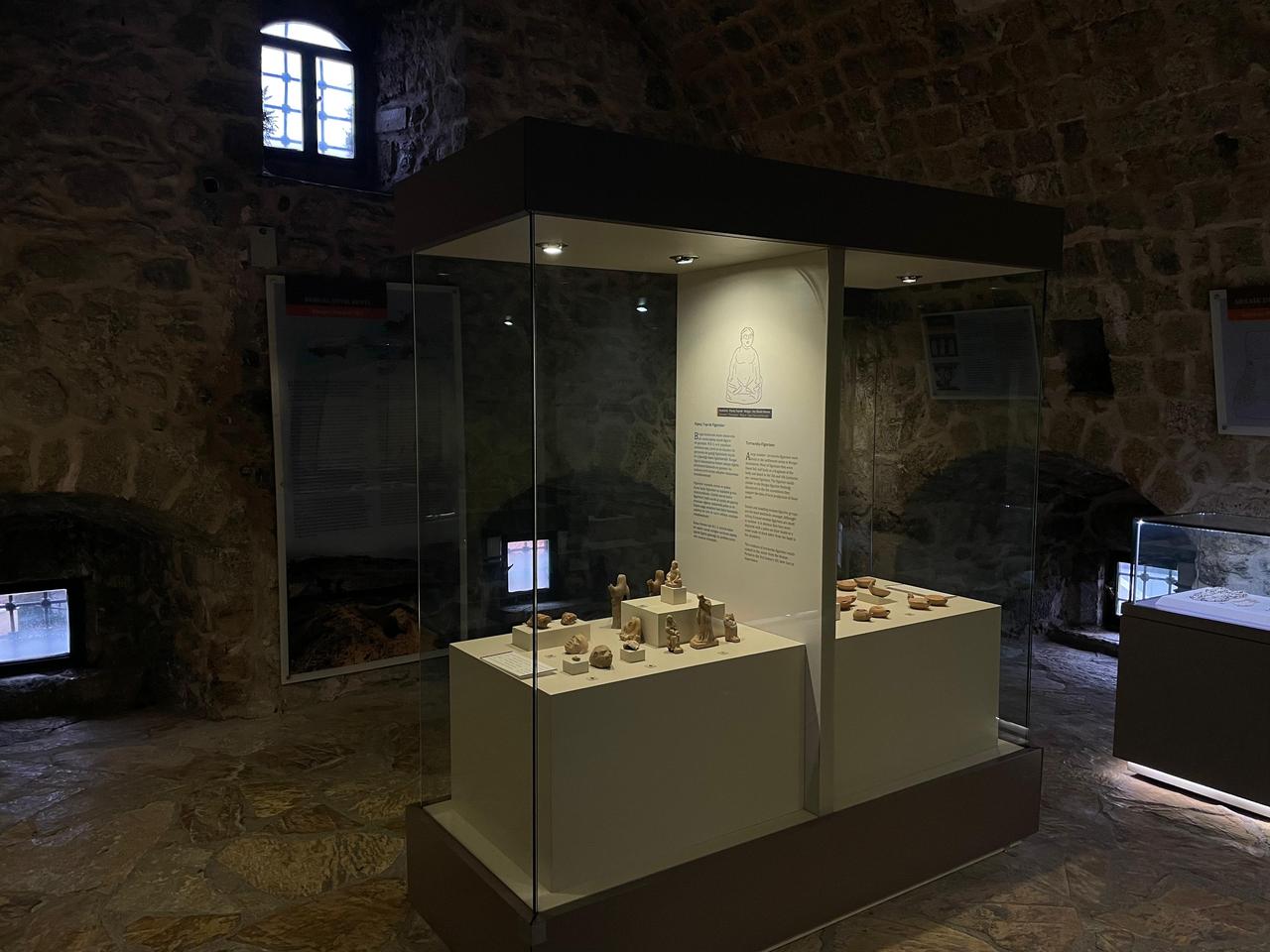
Terracotta figurines and small finds from Burgaz and the nearby Emecik area are displayed in the Burgaz–Emecik Hall of Marmaris Museum, representing Archaic-period artifacts from the ancient Caria region, Jan. 27, 2026. (Photo by Koray Erdogan/Türkiye Today)

Burgaz-Emecik Hall centers on archaic finds

The second exhibition space is the Burgaz-Emecik Hall, which focuses on a group of mainly limestone statuettes and baked clay figurines.

This collection is described as among the museum’s most important artifacts, having been excavated at Burgaz in Datca and at an Apollo sanctuary near Emecik in Datca, with the material dated back to the Archaic period.
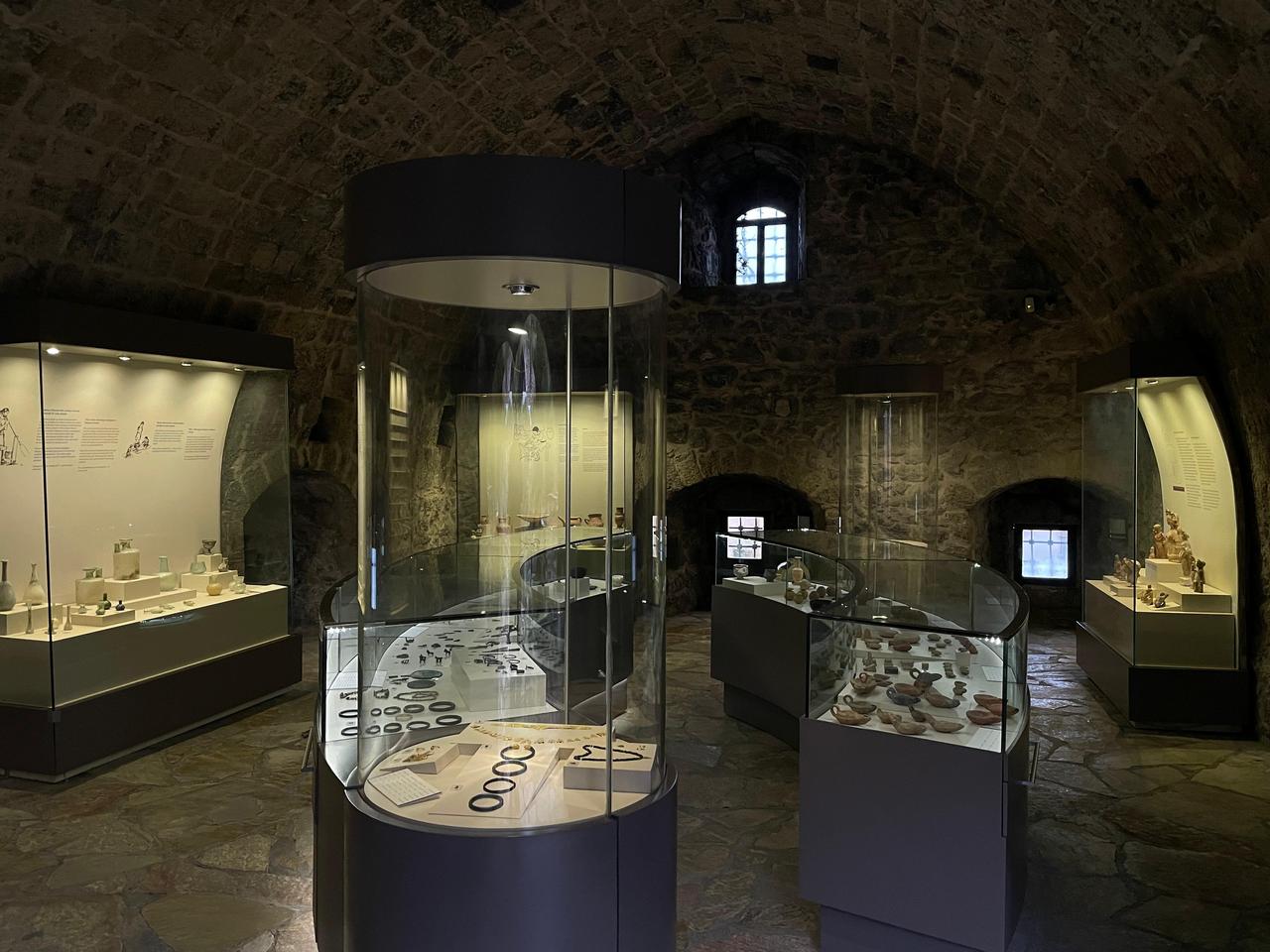
A general interior view of the Marmaris and Arounds Hall at Marmaris Museum, where artifacts are displayed inside modern showcases beneath the vaulted stone ceiling of Marmaris Castle in Mugla, Türkiye, Jan. 27, 2026. (Photo by Koray Erdogan/Türkiye Today)

Marmaris and its surroundings, mapped through objects and coins

The third hall, called “Marmaris and Arounds Hall,” is located where the east and south fronts of the castle meet.

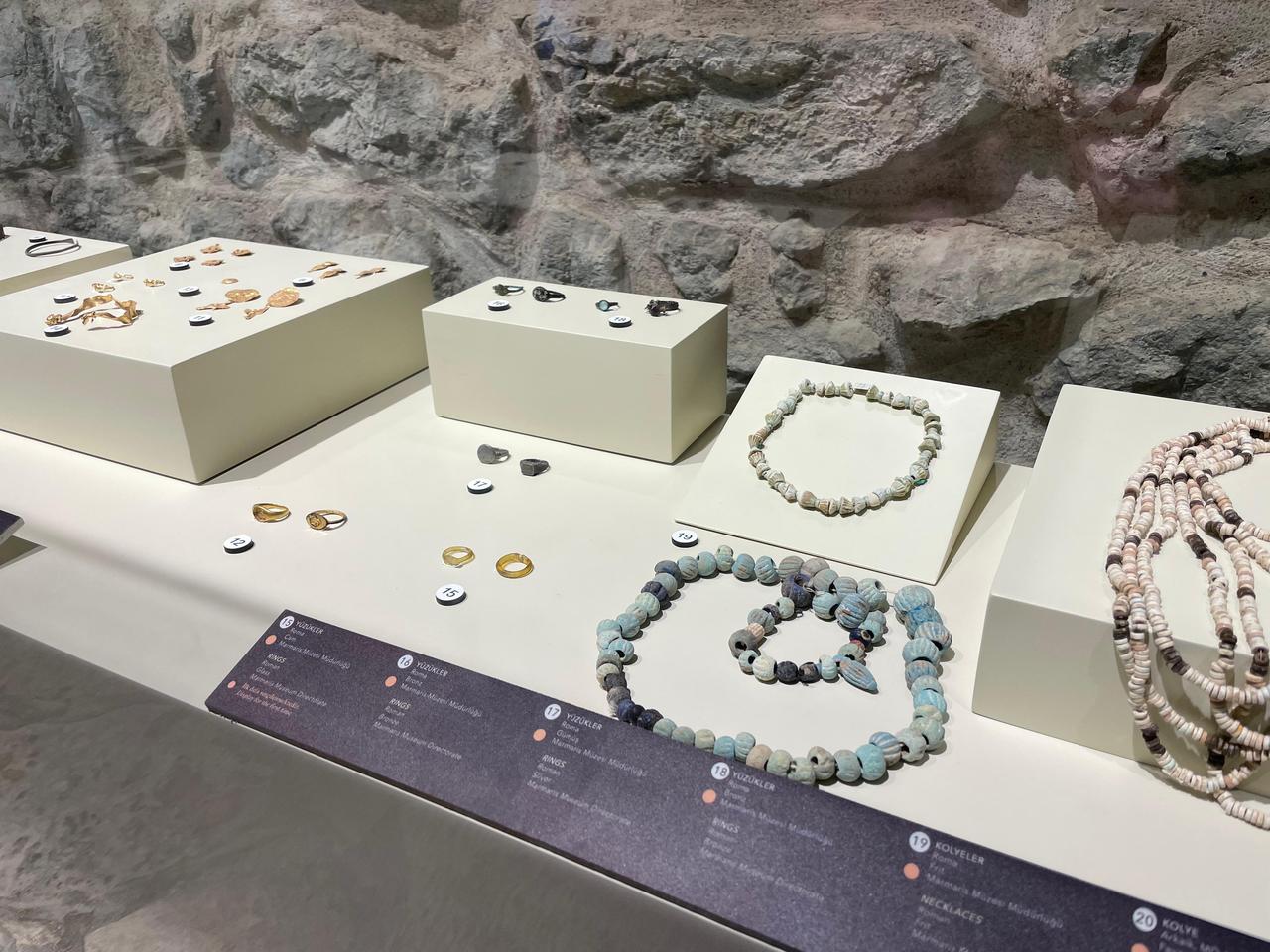
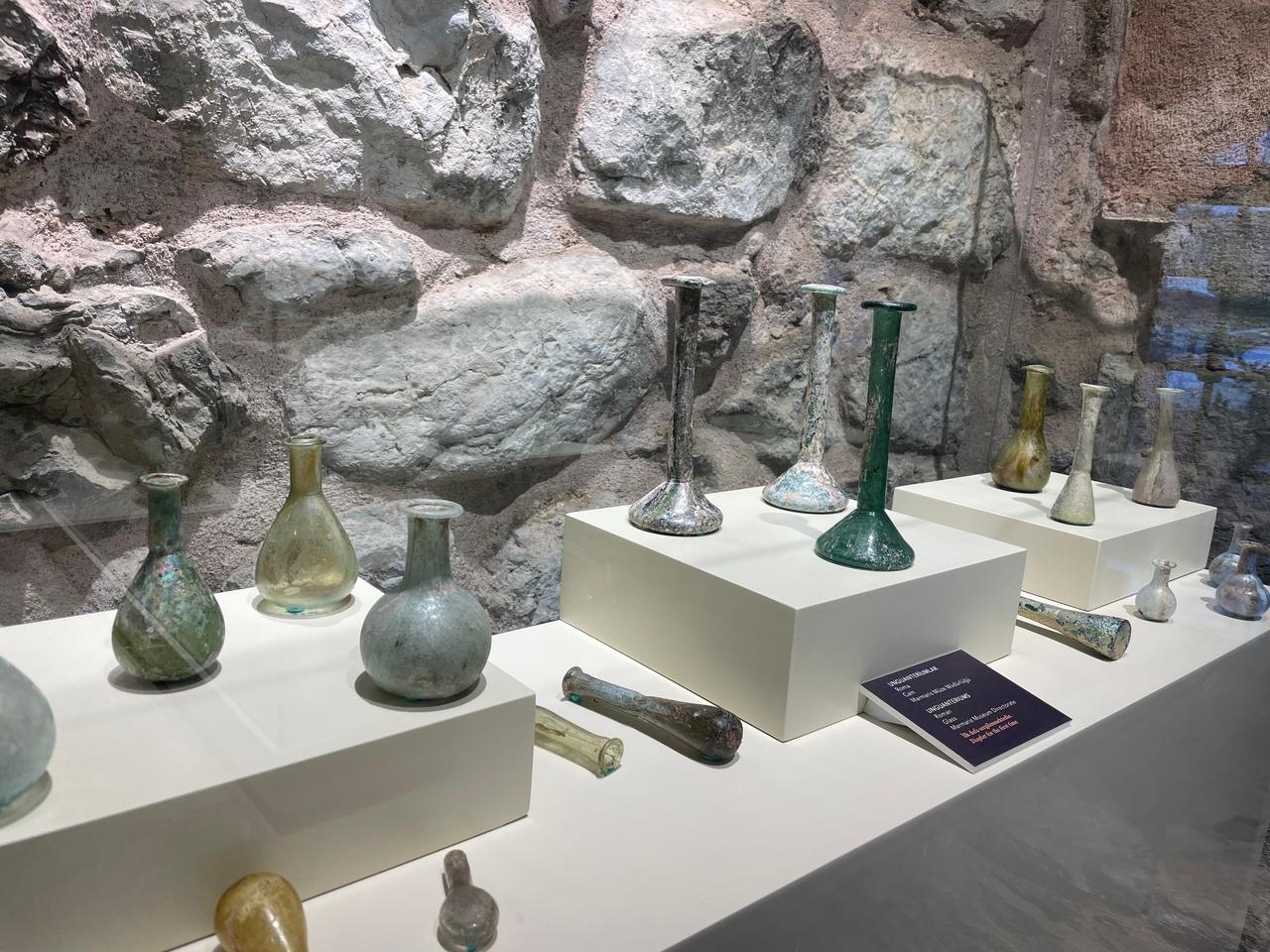
It displays gold pieces, coinage, ornaments, figurines, glass objects, and everyday pottery that were bought, retrieved, and presented to the museum from Marmaris and nearby areas.
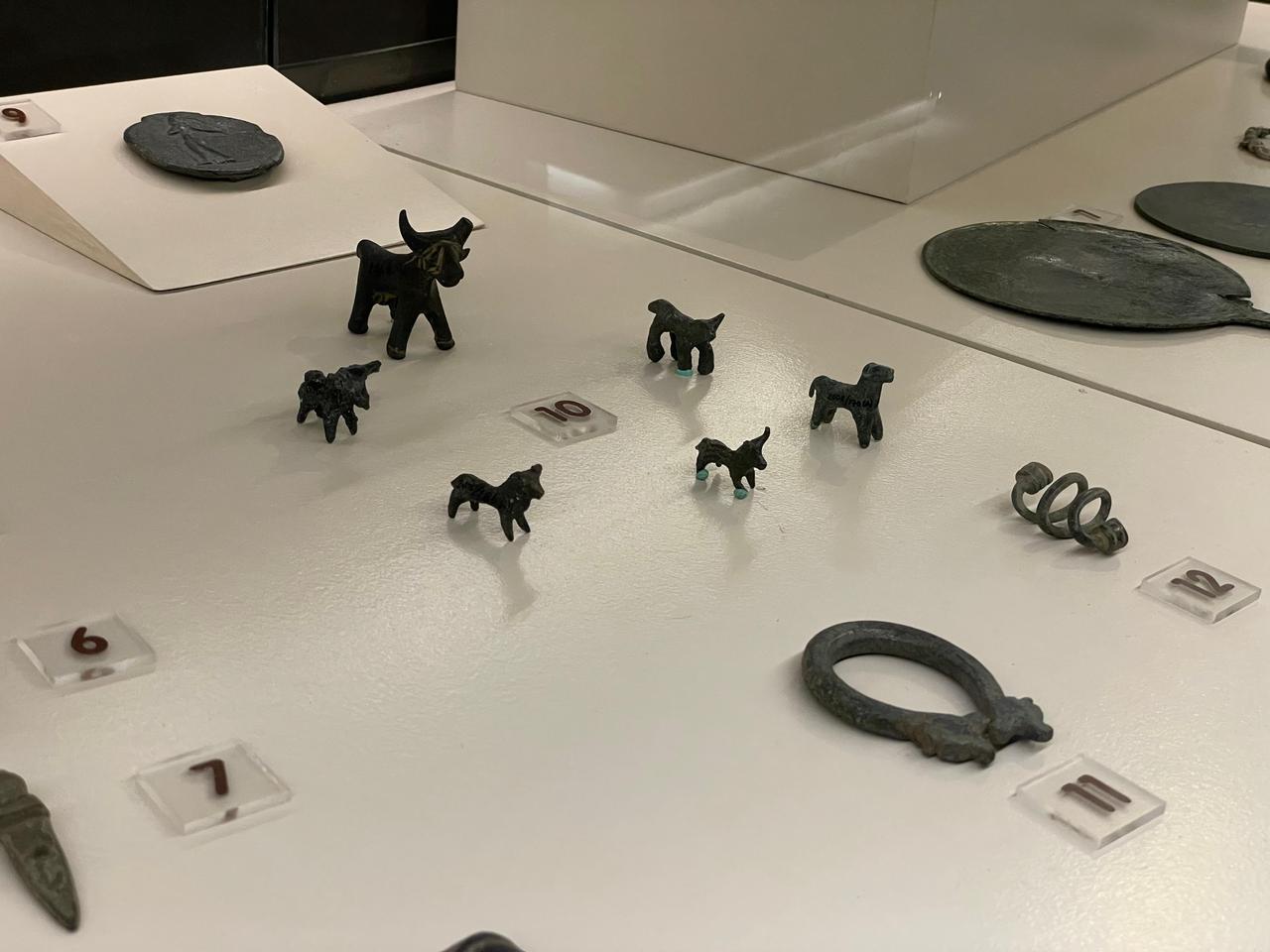
Small bronze animal figurines and personal objects displayed in Marmaris Museum, illustrating everyday items and symbolic forms from ancient periods found in the Marmaris, Mugla, Türkiye, Jan. 27, 2026. (Photo by Koray Erdogan/Türkiye Today)

The hall is described as pointing visitors toward traces of surrounding ancient cities, including Physkos, Amos, Kastabos, Hydas, Erine, Tymnos, Bybassos and Phoenix.

One section is set aside for gold items, while another highlights coinage from the Persian, Roman, Eastern Roman, Selcuk and Ottoman eras.
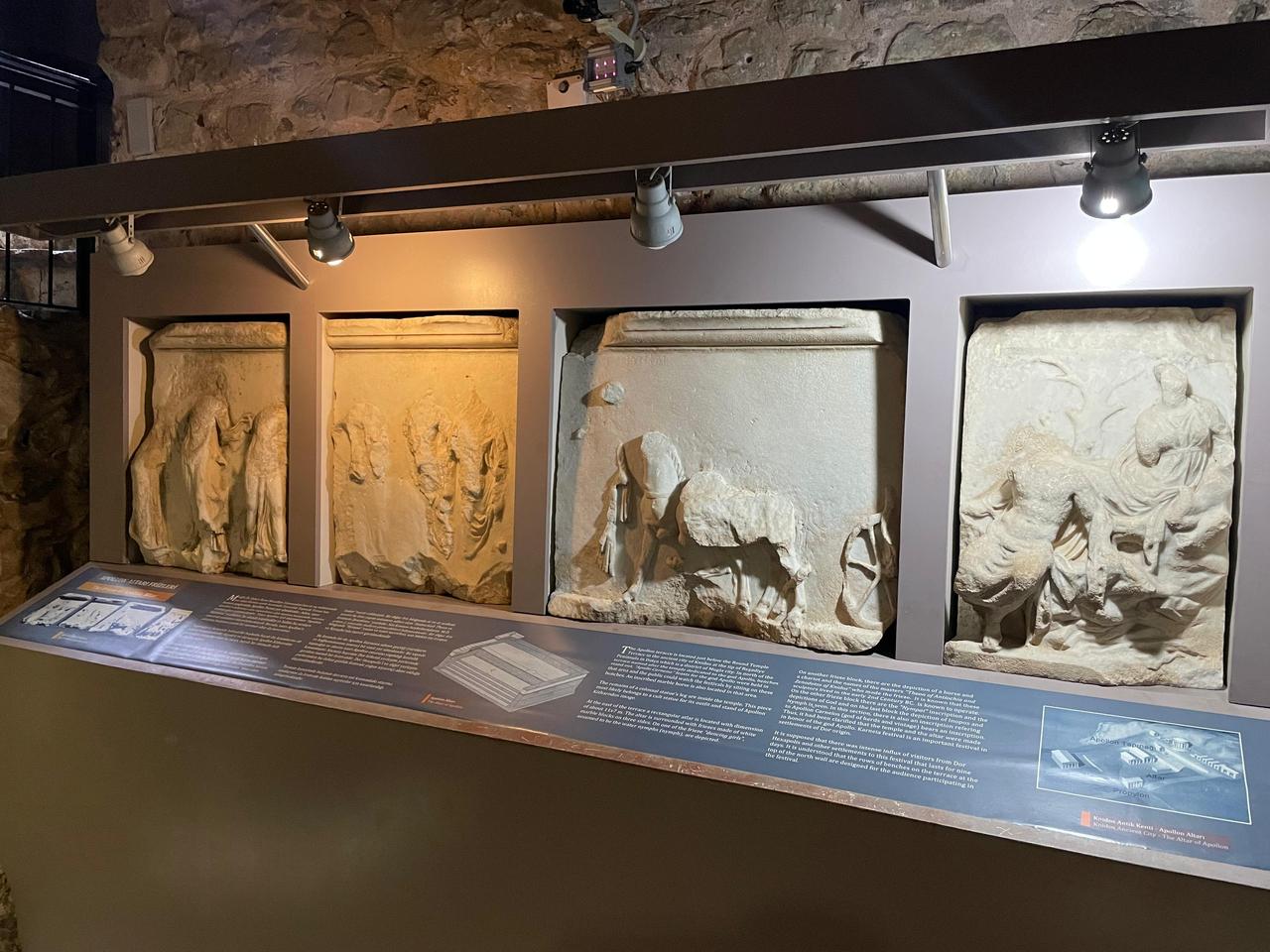
Stone relief panels displayed in Marmaris Museum depict sculptural scenes from antiquity, presented inside the historic stone interior of Marmaris Castle in Mugla, Türkiye, Jan. 27, 2026. (Photo by Koray Erdogan/Türkiye Today)

Stone pieces, separate space for temporary shows

A fourth hall is described as a “stone pieces” hall, displaying gravestones, ostheoteks, friezes and statue heads. In the same overall museum route, another hall is noted as being used for temporary exhibitions.
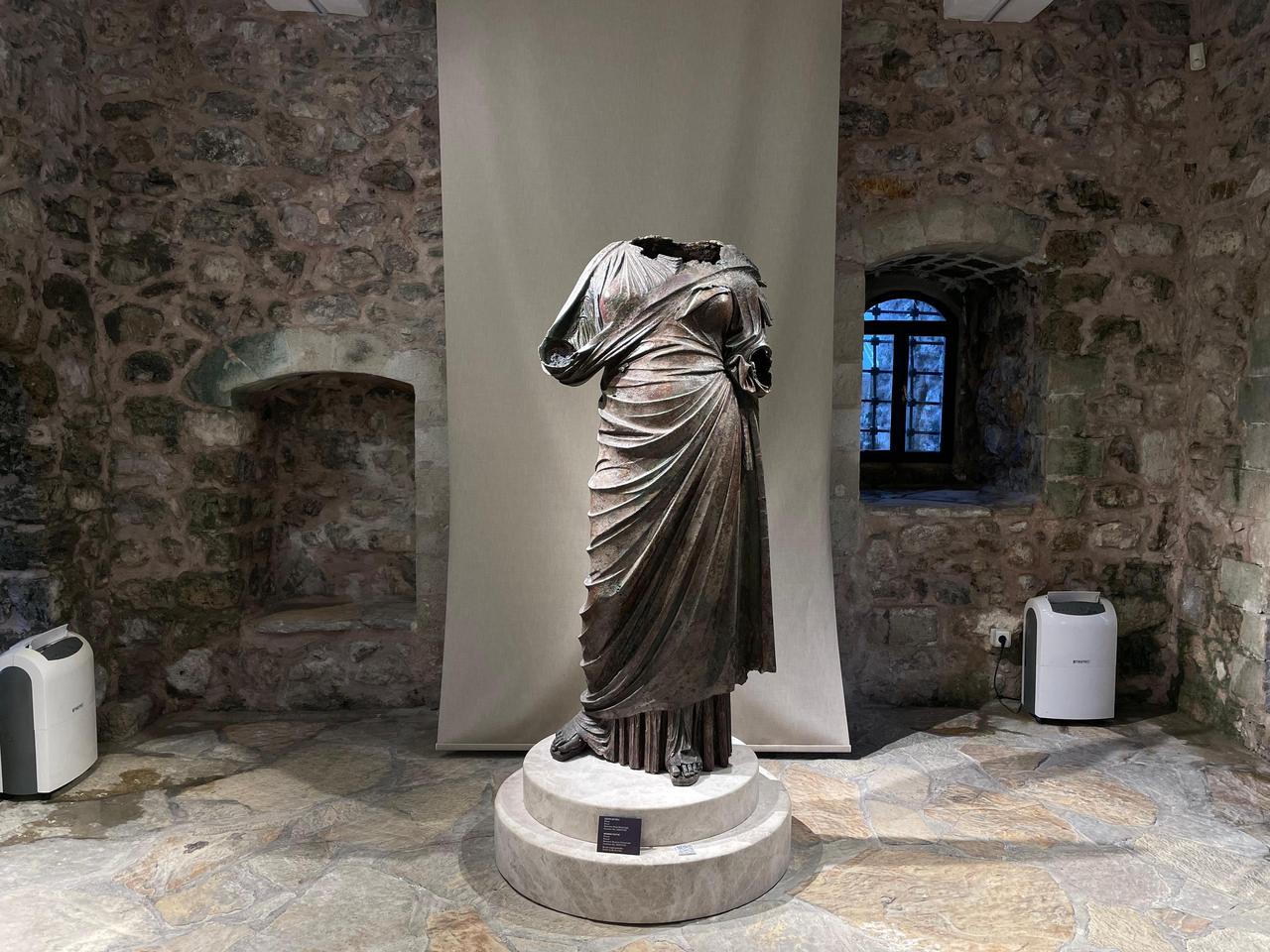
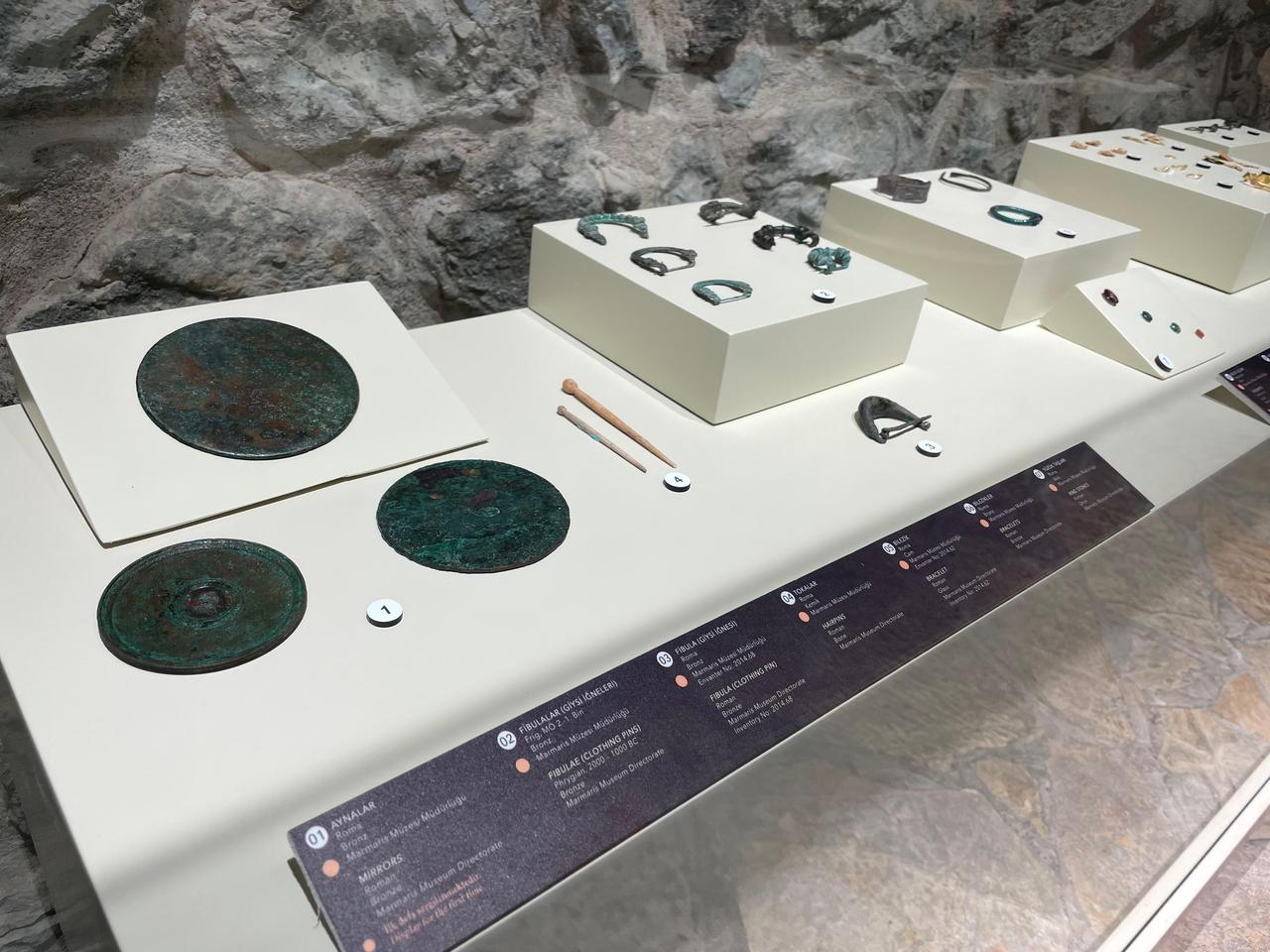
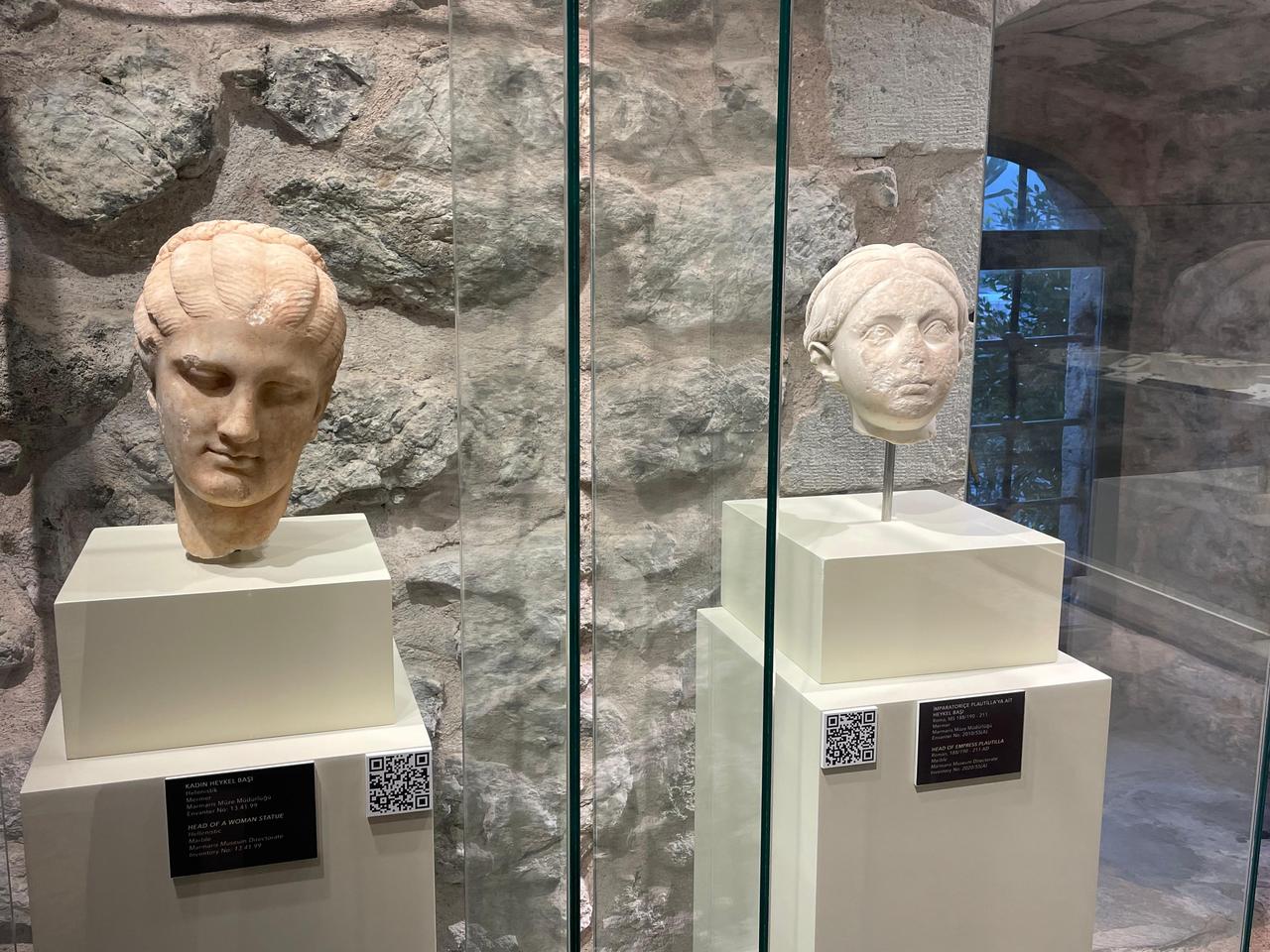
Artifacts displayed in the temporary exhibition hall of Marmaris Museum highlight themes of women in antiquity through sculpture, jewelry, and glass objects presented within the historic stone interior of Marmaris Castle in Mugla, Türkiye, Jan. 27, 2026. (Photo by Koray Erdogan/Türkiye Today)

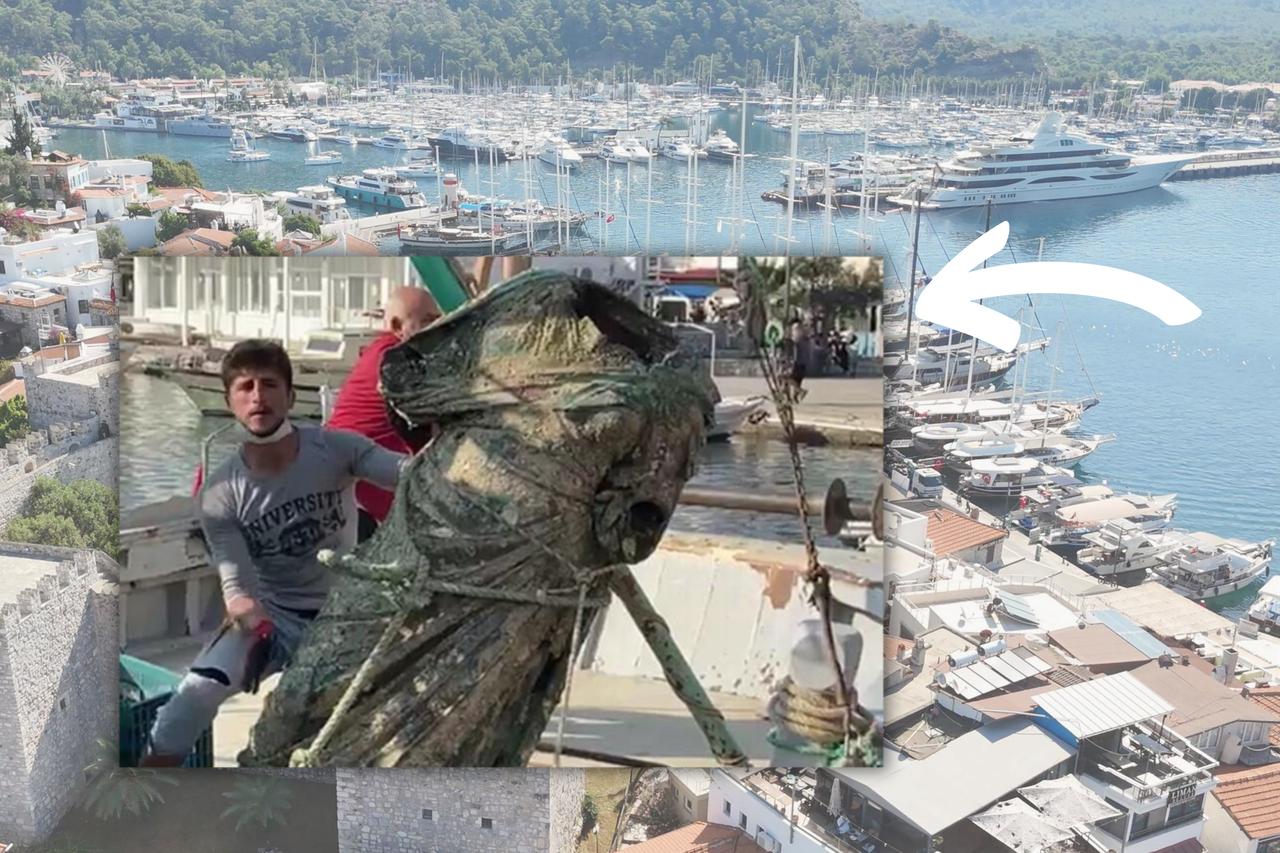
The exhibition centered on a bronze female statue found by fishermen in 2020, which the text says Turks nicknamed “Leyla.”

The exhibition theme was described as focusing on women in antiquity, and it included bronze mirrors, unguentaria (small vessels used for perfume), hairpins, dress pins, fibulae (brooches used to fasten clothing), portrait heads and an empress head.

January 30, 2026 08:34 AM GMT+03:00
More From Türkiye Today